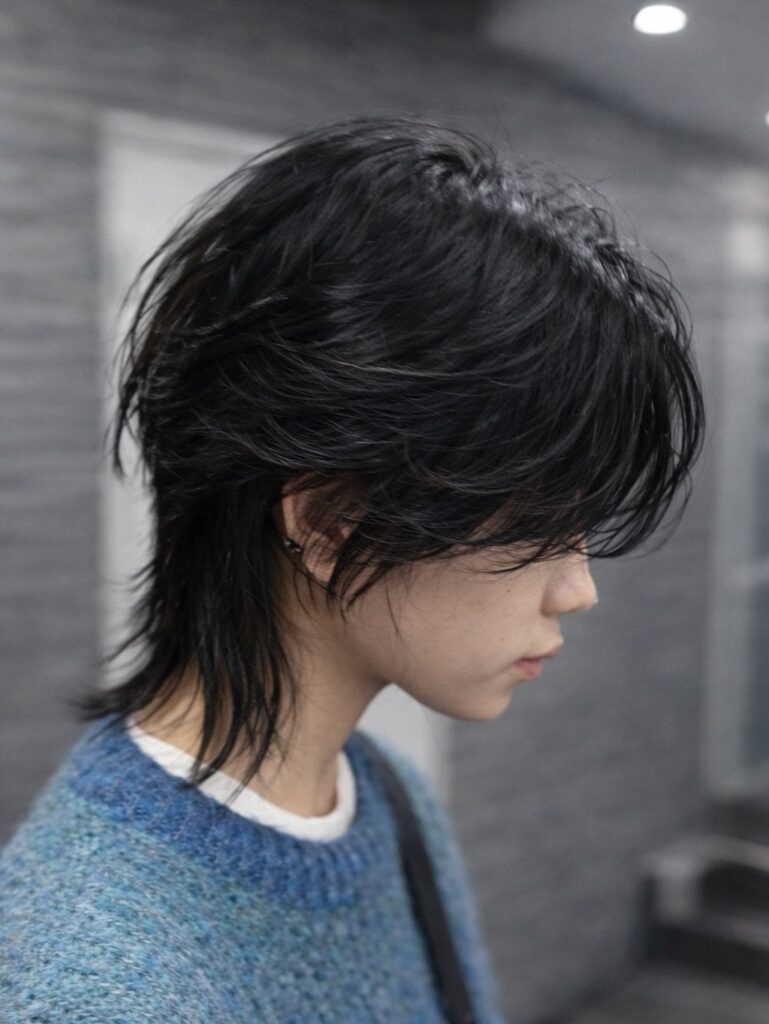
Wolf cuts run from short textured crops to shoulder-length styles with heavy layering, all built around choppy texture and a contrast between the crown and the back.
Straight hair shows every cut line cleanly, wavy hair fills out the layers without much help, and curly hair needs a stylist who cuts it dry so the layers follow how the curls actually sit.
1. Shaggy Wolf Cut
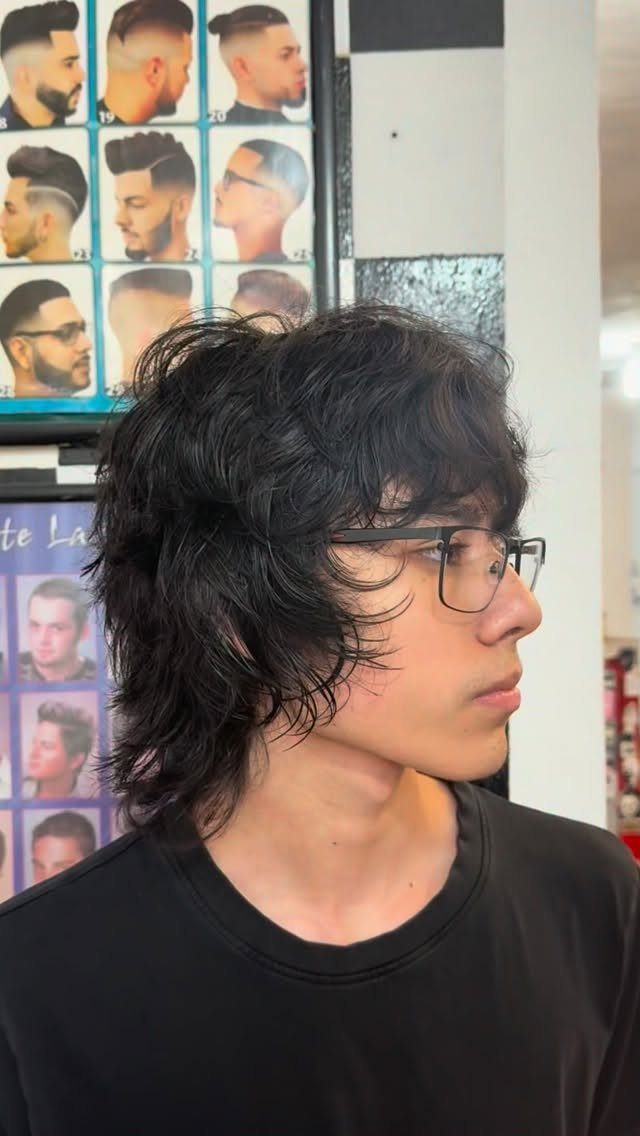
Razor-cut layers here sit shorter on top and longer at the back, with plenty of movement built in through choppy, uneven ends.
The texture gives the cut its shape, so a barber who knows how to use a razor matters more than the usual clipper fade.
Work a texturizing spray or light paste through damp hair and scrunch as it dries. You want controlled chaos, not a neat comb-through.
Regular trims stop the layers from growing out too evenly, which flattens the whole look. This cut fights structure, so if daily styling sounds like too much work, a simpler crop will serve better.
2. Shaggy Wolf Mullet
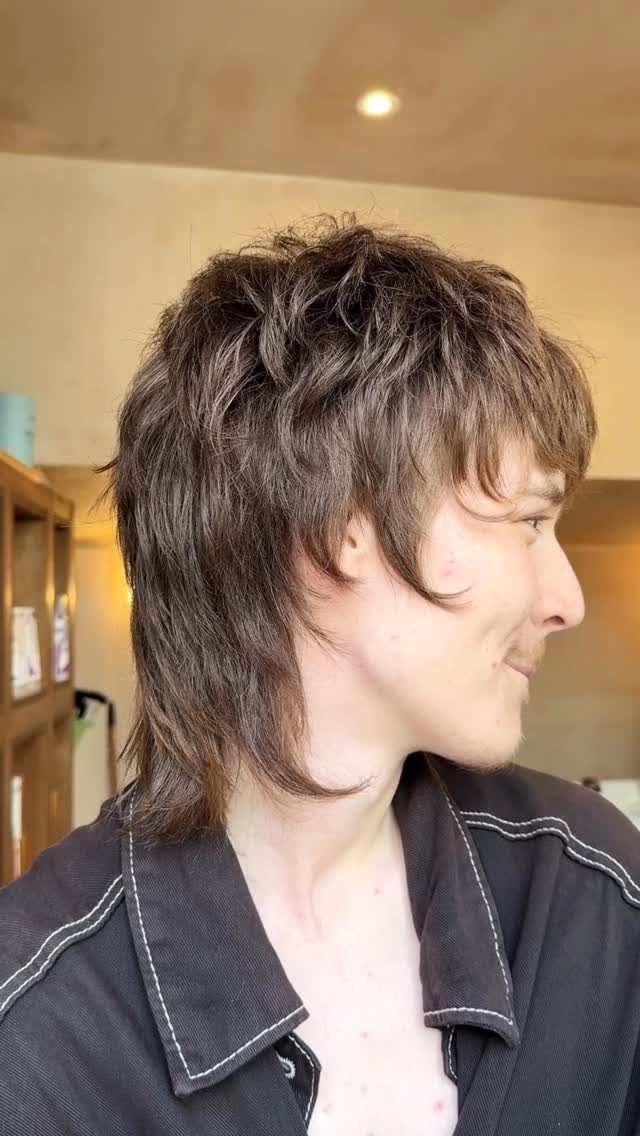
The top layers follow the same choppy, textured approach as a standard wolf cut, but instead of tapering at the neck, the back stays long and grows past the collar.
The contrast between the short crown and the longer nape gives it the mullet shape.
Getting this right depends on a stylist who can balance the two lengths without making the transition look like two separate haircuts. Ask for layers that blend through the sides and taper gradually into the back length.
Styling the top takes a few minutes with texturizing paste, while the back can air-dry or be blown out for more volume. Regular trims keep the top from losing its shag and the back from looking untrimmed rather than intentional.
3. Textured Wolf Cut Men
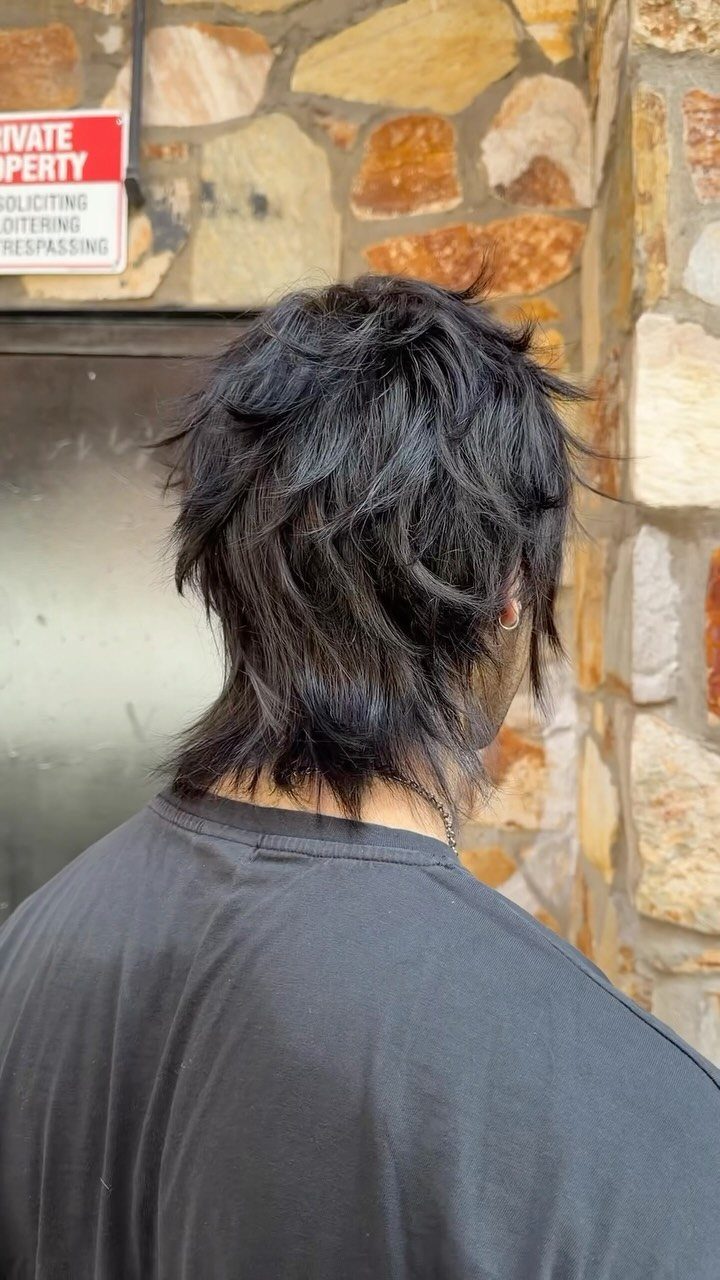
Textured wolf cuts work by carving volume and shape into thick, heavy hair that would otherwise sit flat or grow into a blocky triangle.
Point-cutting and razor work break up the bulk and give the hair direction without thinning it out too much.
The cut does most of the work, so product is just there to emphasize what the layers already created.
This version suits anyone with dense, straight or slightly wavy hair who wants movement without committing to a fade or an undercut. Regular trims keep the texture sharp, since the contrast between the layers is what makes this cut work.
4. Short Wolf Cut
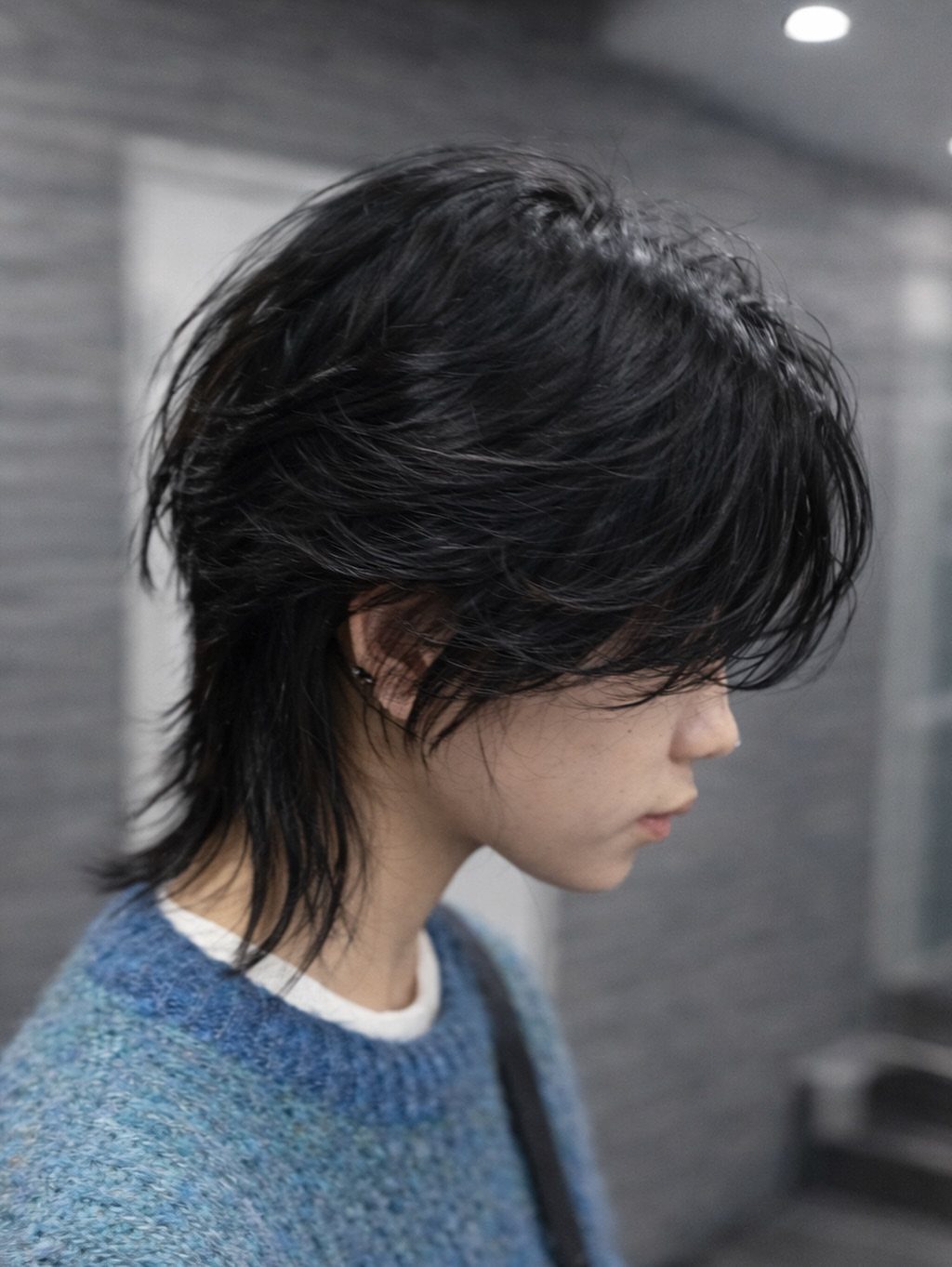
A short wolf cut keeps the crown and fringe longer while bringing the sides and back up to a shorter length. The choppy layers and textured ends stay, but the overall silhouette sits closer to the head.
This version works for anyone who likes the wolf cut’s shape but doesn’t want to manage longer hair or wait months to grow it out.
Regular trims keep the proportions balanced, since shorter lengths grow out faster and lose their shape more quickly. If your hair is fine or thin, this length gives more body than a longer version would.
5. Curly Wolf Cut
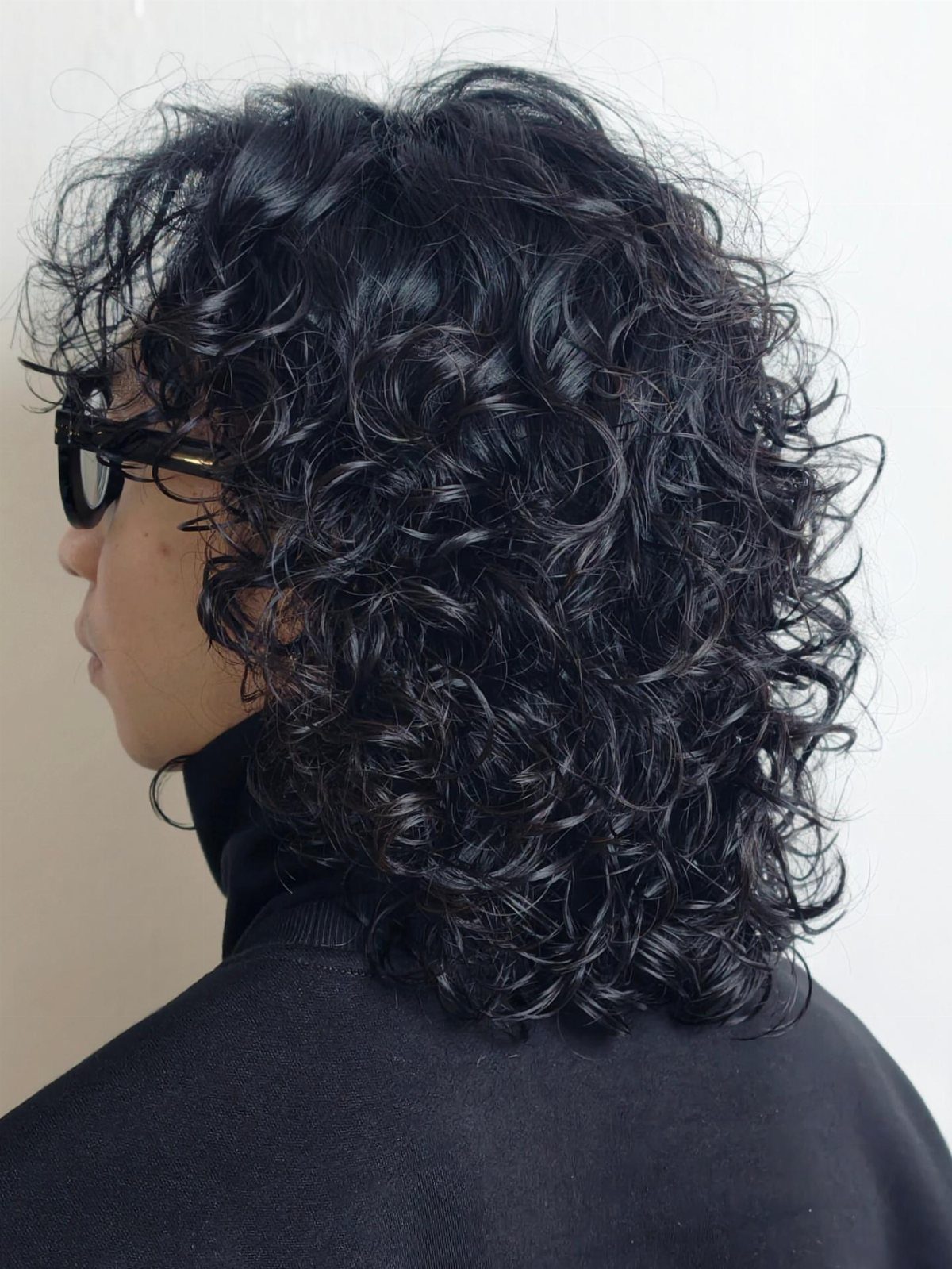
Choppy layers cut into curly hair give each curl more room to move and prevent the sides from building into a triangle.
The back length stays longer, and the crown layers sit shorter, which shapes the curls without fighting their natural pattern.
A barber or stylist who works with curly hair regularly is the right call here. Ask for layers that follow the curl pattern and avoid blunt lines.
Styling is mostly about hydration: a leave-in conditioner or curl cream applied to damp hair and air-dried, or diffused if time is short. Regular trims keep the shape clear without losing the length that gives curls their weight.
6. Long Wolf Cut
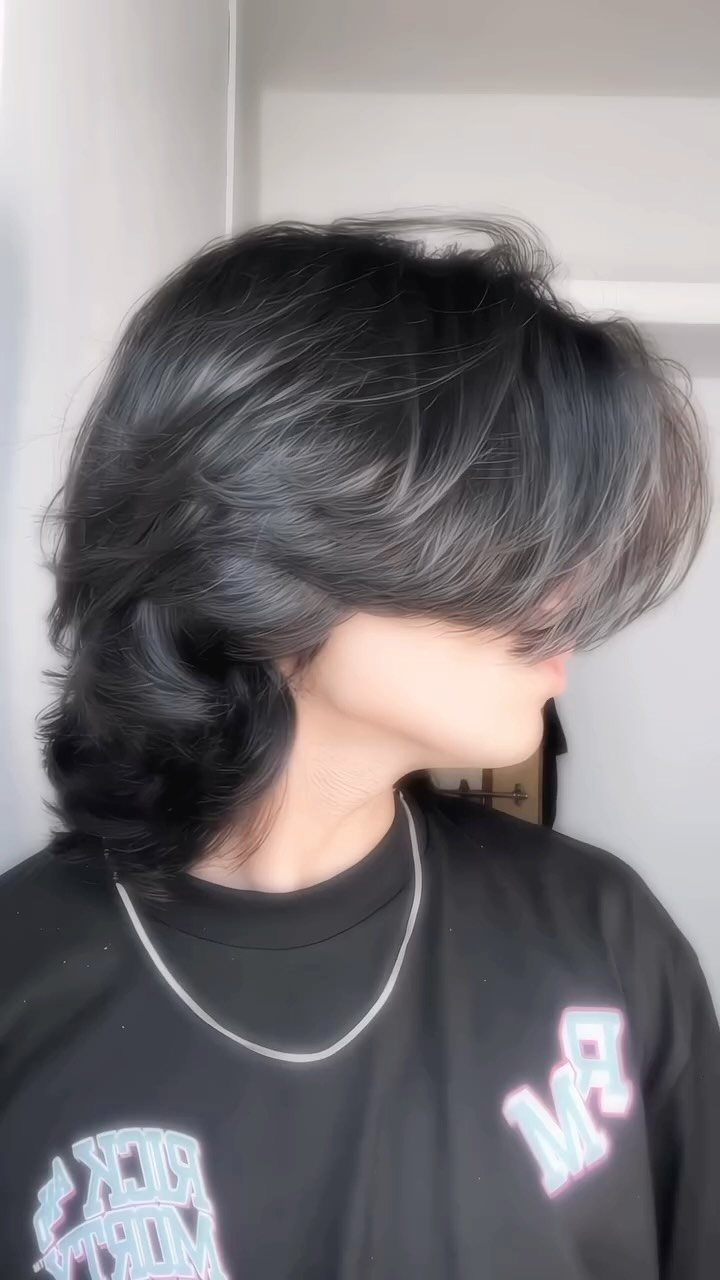
Longer layers here extend past the shoulders, with the crown kept shorter to build volume at the top and let the rest fall with more weight and movement.
The cut relies on the same choppy, textured approach as shorter wolf cuts, just stretched over more length.
Growing this out takes time from a short starting point, and the in-between stages can look awkward.
Once it’s there, styling takes about 10 minutes with a blow-dryer and a round brush or just air-drying with a texturizing spray worked through damp hair.
The long wolf cut suits anyone who wants a more dramatic, high-maintenance look and doesn’t mind the daily upkeep.
7. Wolf Cut with Fade
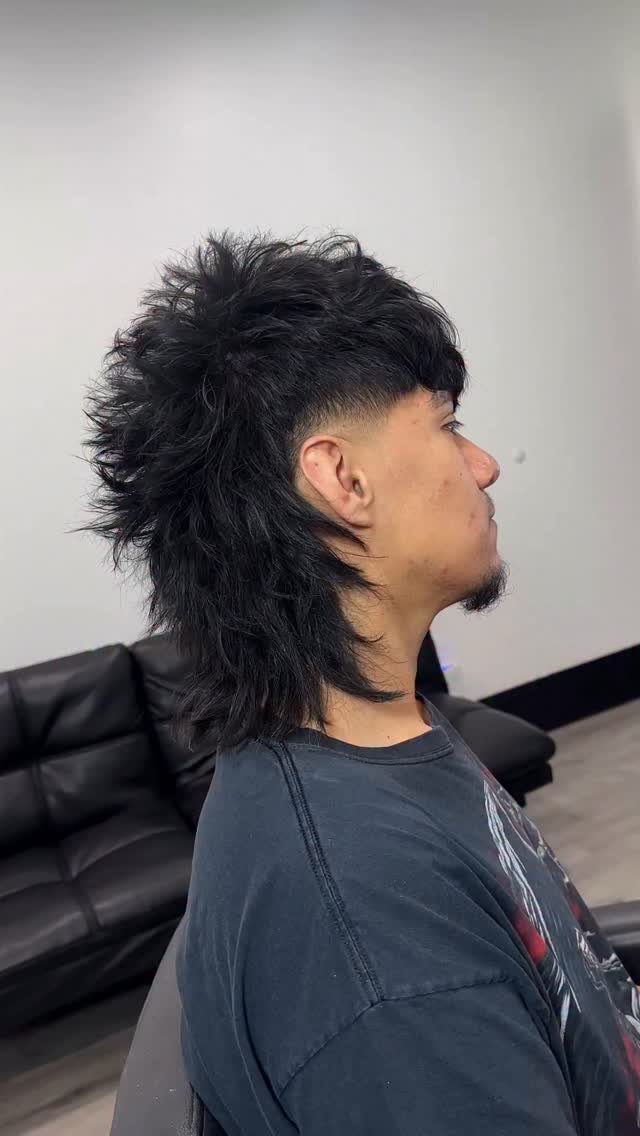
A fade along the sides and back cleans up the silhouette while keeping the choppy, layered texture on top and through the back length.
The contrast between the tight sides and the shaggy crown makes the wolf cut read sharper and easier to manage day to day.
Ask for a mid or high fade depending on how much clean skin you want showing, and make sure the barber blends the fade into the longer top layers without losing the texture that defines the cut.
8. Wolf Cut with Heavy Crown Layers
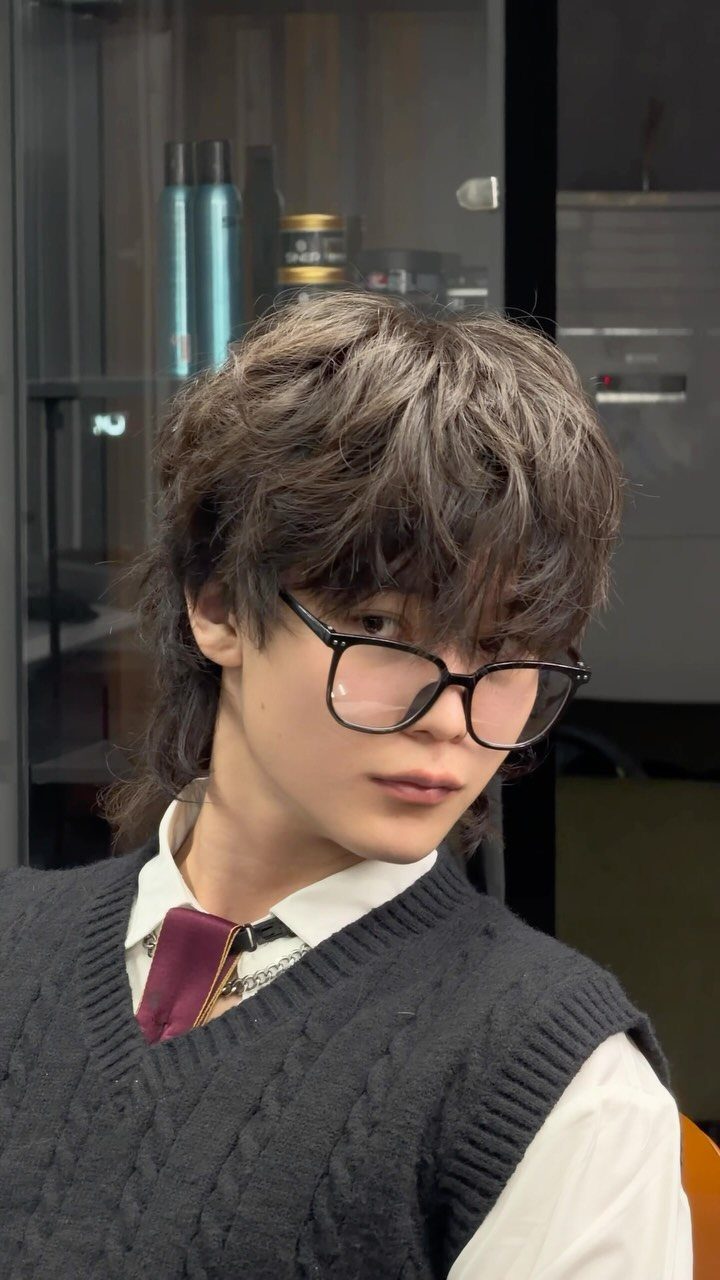
Stacking shorter layers through the crown builds height and fullness where the hair would otherwise lie flat or show thinning. The added volume at the top balances the face and draws attention away from a receding hairline.
This approach works best on hair with some natural thickness. Fine hair can handle crown layers, but too much lift without enough density makes the scalp more visible rather than less.
A round brush or just your fingers and a blow-dryer will lift the crown and stop the layers from flattening out. Skip the heavy products, which weigh down the volume you just built.
9. Blonde Wolf Cut
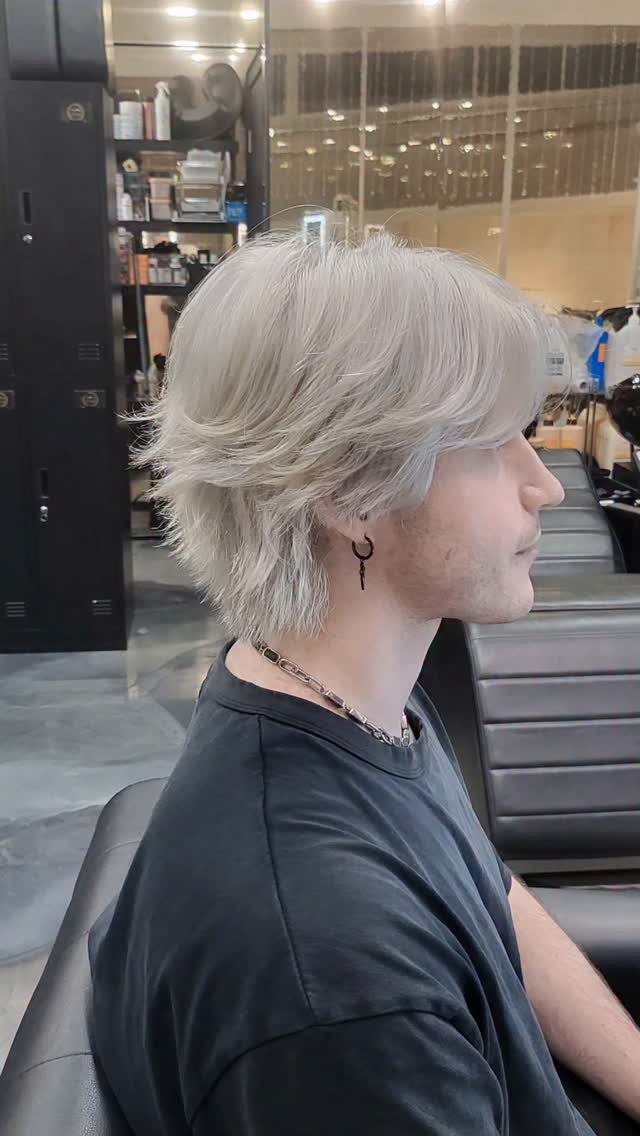
Lightening the hair makes every layer visible, so the choppy texture and uneven ends stand out more than they would on darker hair. The color adds contrast within the cut itself, not just against the skin.
Bleaching takes maintenance. If upkeep sounds like too much, a balayage or highlight instead of all-over blonde cuts down on root touch-ups.
Blonde hair dries out faster, so conditioner and a leave-in treatment matter more here than with natural color.
10. Oasis Style Wolf Cut
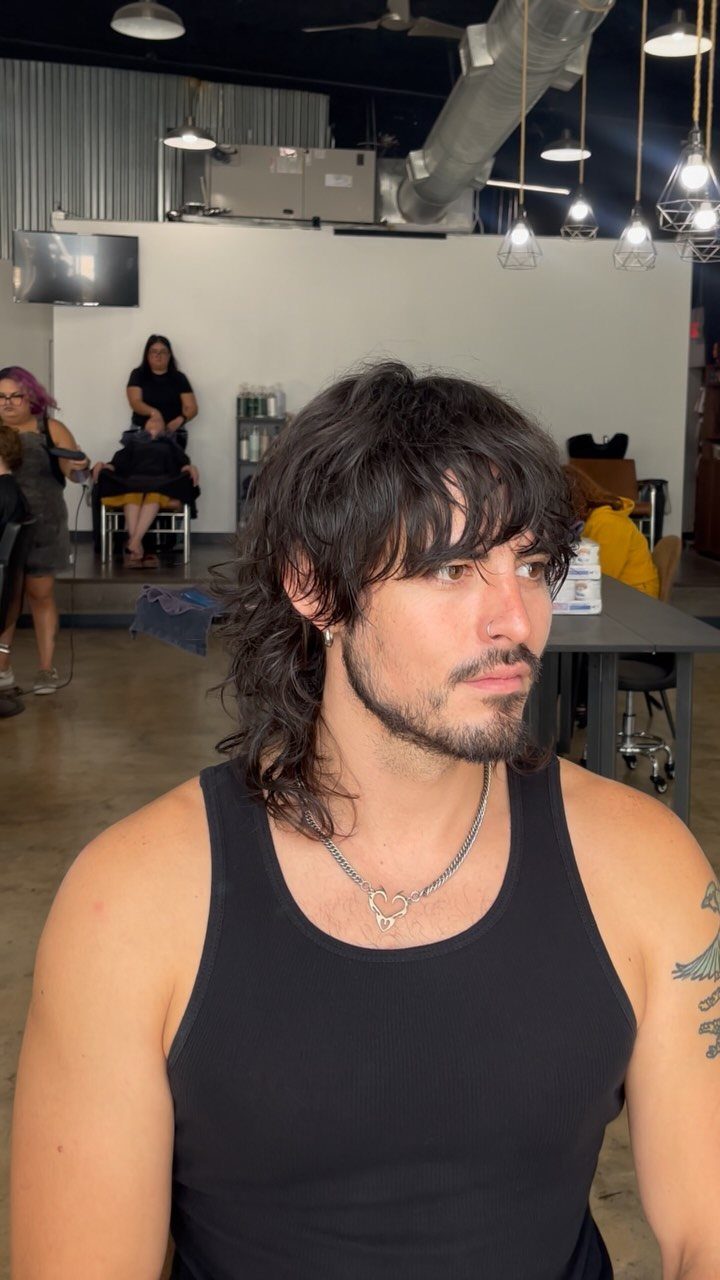
Choppy layers cut with a razor give wavy or slightly textured hair the shaggy, 90s-inspired shape that Liam and Noel Gallagher made a uniform.
The cut relies on hair with a bit of natural movement to hold the tousled look without much styling.
If your hair is bone-straight, this version falls flat.
If it’s too curly, the layers turn into a different shape entirely. Slight wave or a loose bend is the range that works.
You want it to look like it happened, not like you built it.
11. Alternative Blonde Wolf Cut
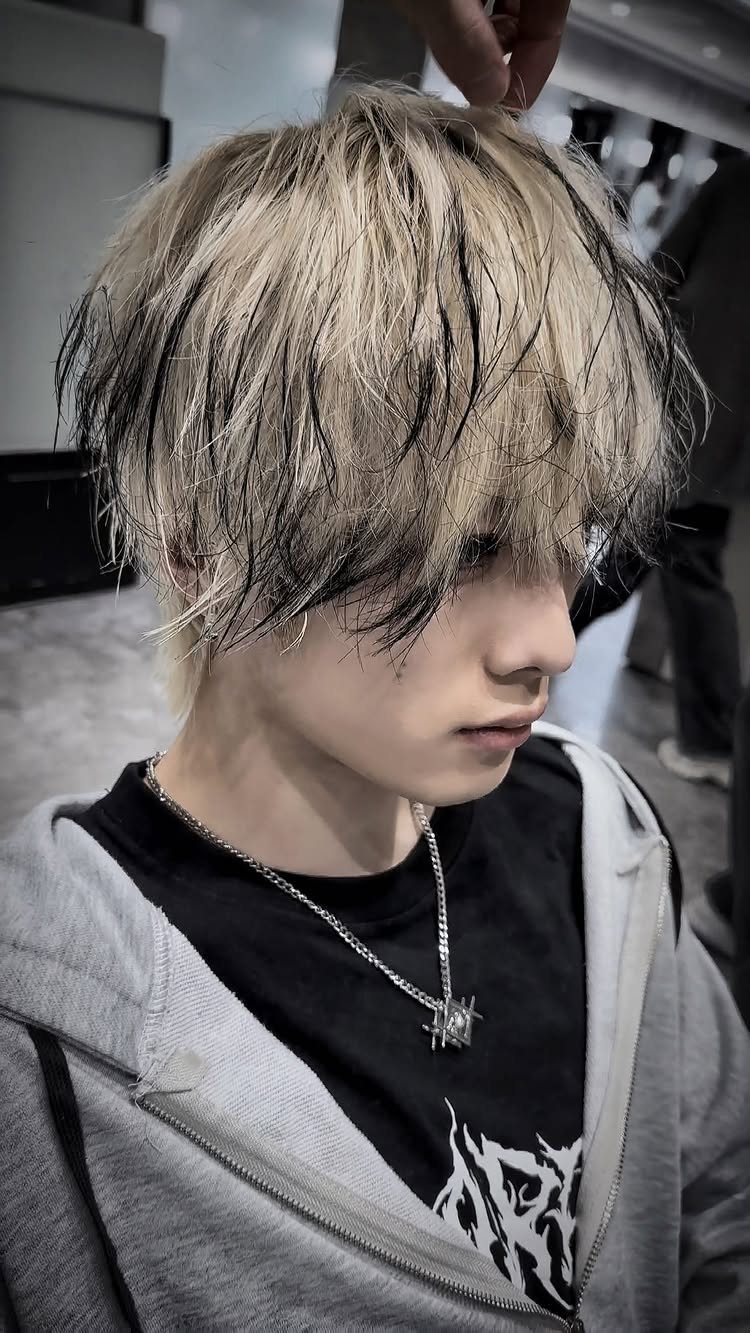
Bleached hair paired with deliberately uneven layers, some much shorter than others, gives the wolf cut an intentionally rough edge. The proportions feel off on purpose, which reads as alternative rather than accidental.
The color needs regular toning, and the uneven layers grow out in a way that either looks intentional or sloppy depending on how often you trim.
Style it messy. Product should add separation and texture, not polish.
12. Men’s Wolf Cut with Bangs
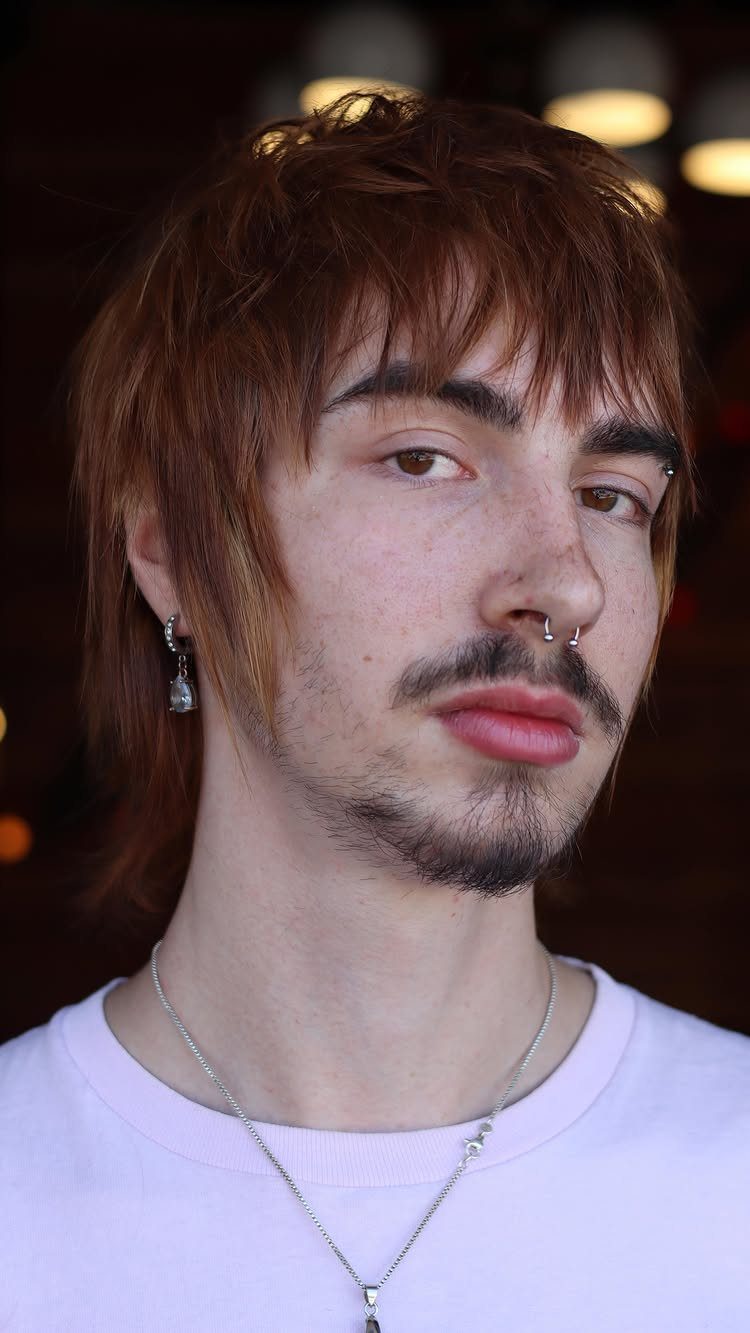
Cutting bangs into a wolf cut frames the face and adds another layer of texture across the forehead.
The bangs can sit straight across, be pushed to the side, or fall in a choppy, textured line depending on how the stylist cuts them.
Bangs add a few minutes to styling since they need direction, usually with a blow-dryer and a brush or your fingers. Left alone, they tend to dry in whatever shape they land, which is rarely the shape you want.
Regular trims keep the bangs from growing past your eyes and turning into a curtain. If you wear glasses, shorter bangs that sit just above the frames work better than longer ones that tangle with them.
13. Wolf Cut for Straight Hair
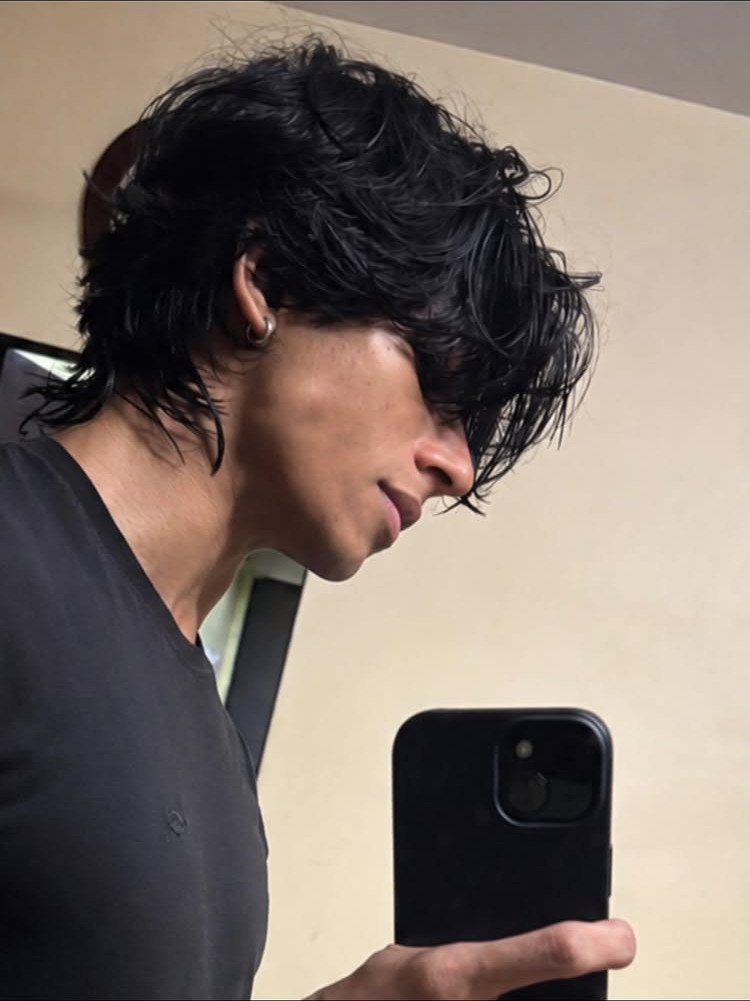
Straight hair shows every line the barber cuts, which makes the choppy, uneven layers in a wolf cut more visible than they would be on wavy or curly hair.
The layers need to be cut with intention, since there’s no natural texture to hide mistakes or soften blunt edges.
Styling adds the movement the hair doesn’t have on its own. Without it, straight hair tends to clump together and flatten out.
Regular trims keep the layers from growing out too evenly, which turns the cut into a standard layered haircut instead of a wolf cut.
14. Medium-Length Wolf Cut
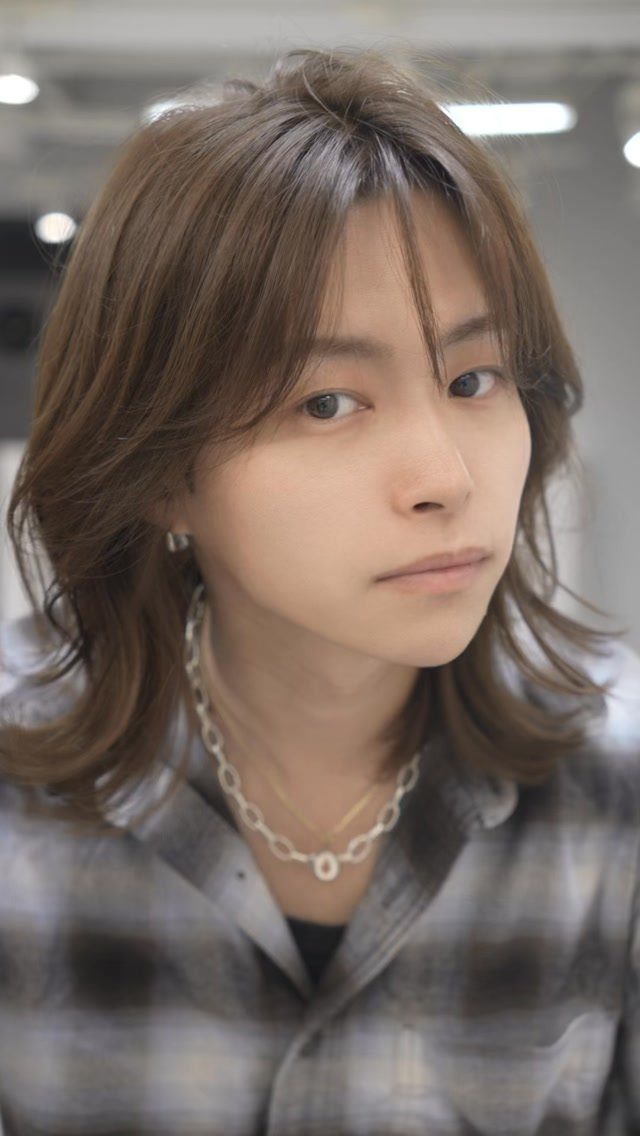
Length that hits somewhere between the chin and the shoulders gives the wolf cut enough weight to avoid looking juvenile while keeping the layers visible enough to hold the shape.
The proportions work on most face shapes without looking like you’re trying too hard.
This length takes less time to grow out from a shorter starting point than a long wolf cut, and the daily upkeep is manageable without much effort.
Air-drying works, or a quick blow-dry with a texturizing product if you want more control.
The cut suits anyone who wants a current look without committing to the maintenance a longer or shorter version demands.
15. Wispy Layer Wolf Cut
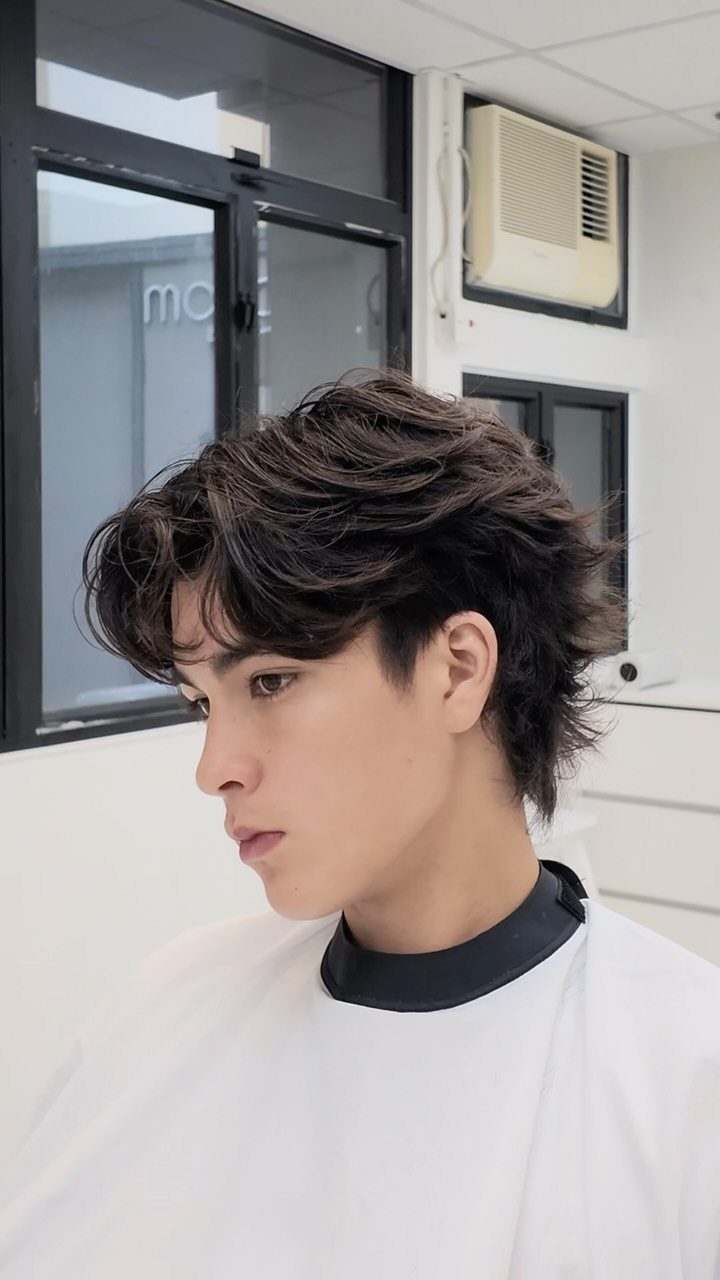
Cutting thin, feathered layers through the ends softens the overall shape and keeps the cut from looking too chunky or heavy. Bangs cut long enough to graze your eyebrows stretch the face-framing layers up across your forehead.
Callum, who hadn’t cut his hair in 5 months, asked for volume and texture with no clipper work, and wispy layers gave him that without shortening the hair too much.
This version works for anyone growing their hair out who wants shape and movement without losing the length they’ve already built. The thin ends make styling easier, since there’s less bulk to manage.
16. Soft-Layered Wolf Cut
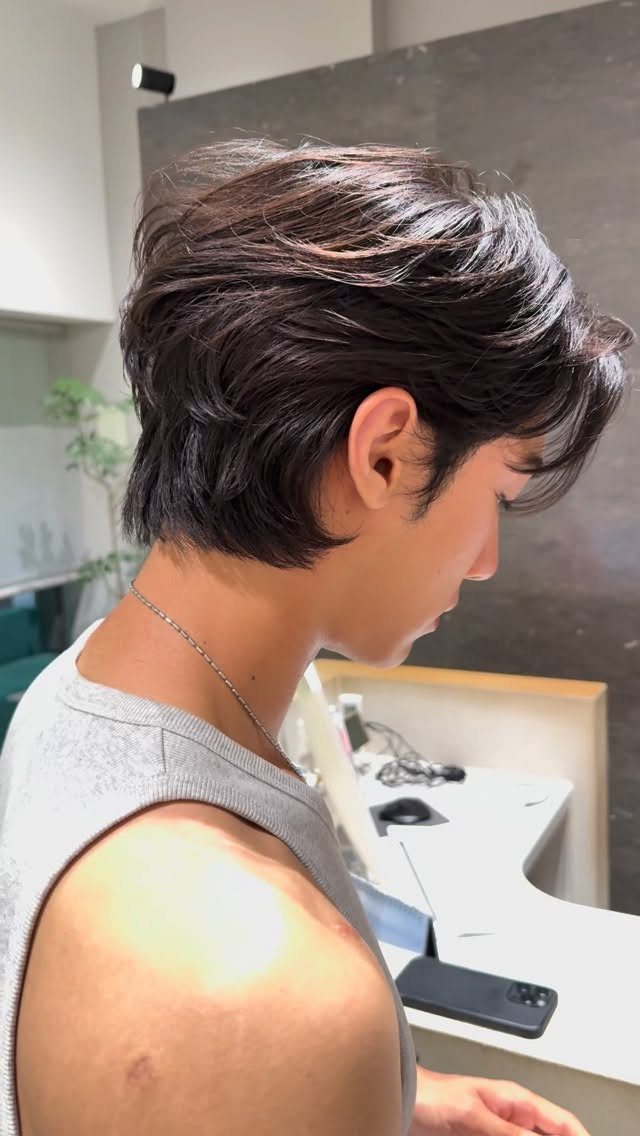
Blending the layers carefully through the mid-lengths and ends keeps the cut from looking choppy or harsh. The shape is still there, but the transitions are softer and the overall look feels more refined.
This version suits anyone who likes the wolf cut’s movement but doesn’t want the rough, shaggy texture that defines most versions. Styling time is the same, but the finished result reads cleaner.
If your hair is fine or on the thinner side, softer layers add shape without creating visible gaps between the layers that show the scalp.
The wolf cut combines modern style with a retro, ’70s-meets-’80s vibe—the effect is laid-back and effortlessly cool.
17. Middle Part Wolf Cut
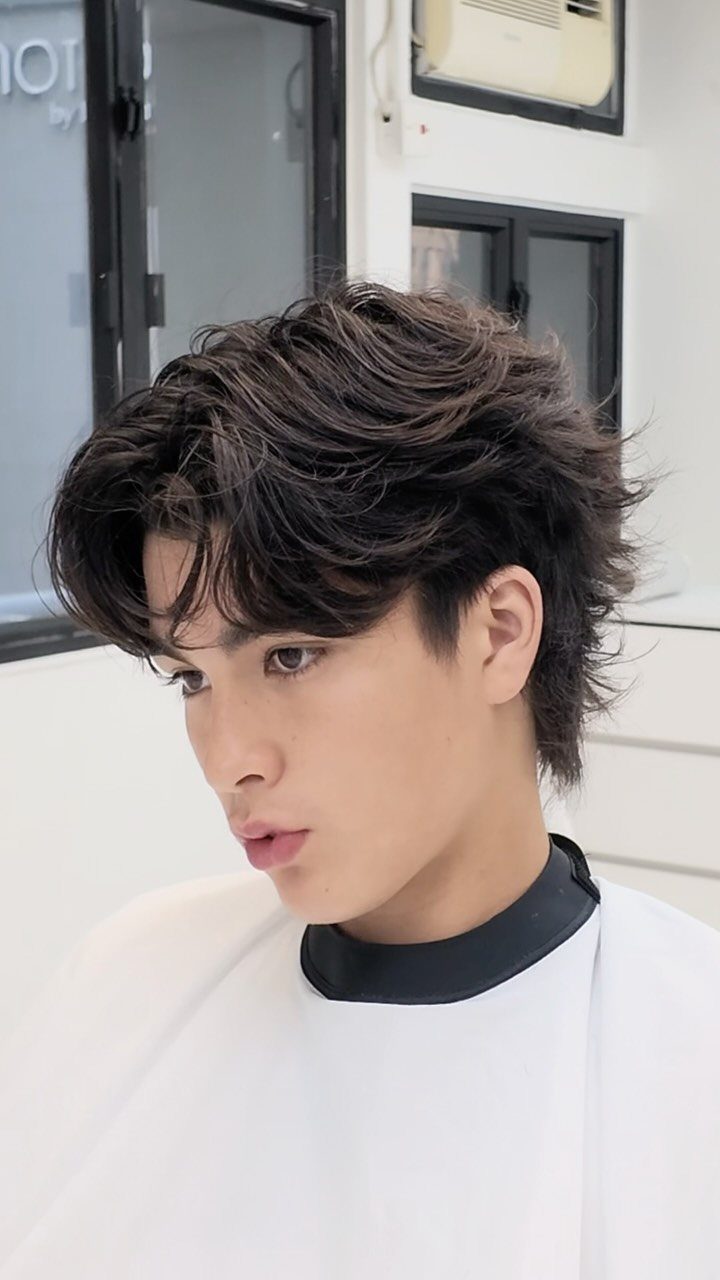
Parting the hair down the center rather than to the side frames both sides of the face evenly and opens up the forehead. The layers fall symmetrically, which gives the cut a balanced, intentional look.
Styling the part takes a minute with a comb and a blow-dryer, or just letting it air-dry if your hair naturally wants to part that way.
Some hair fights a center part and needs product or heat to hold it there.
This version works best on oval or long face shapes, where symmetry doesn’t exaggerate width. Rounder faces often benefit more from a side part.
18. Wavy Layered Wolf Cut
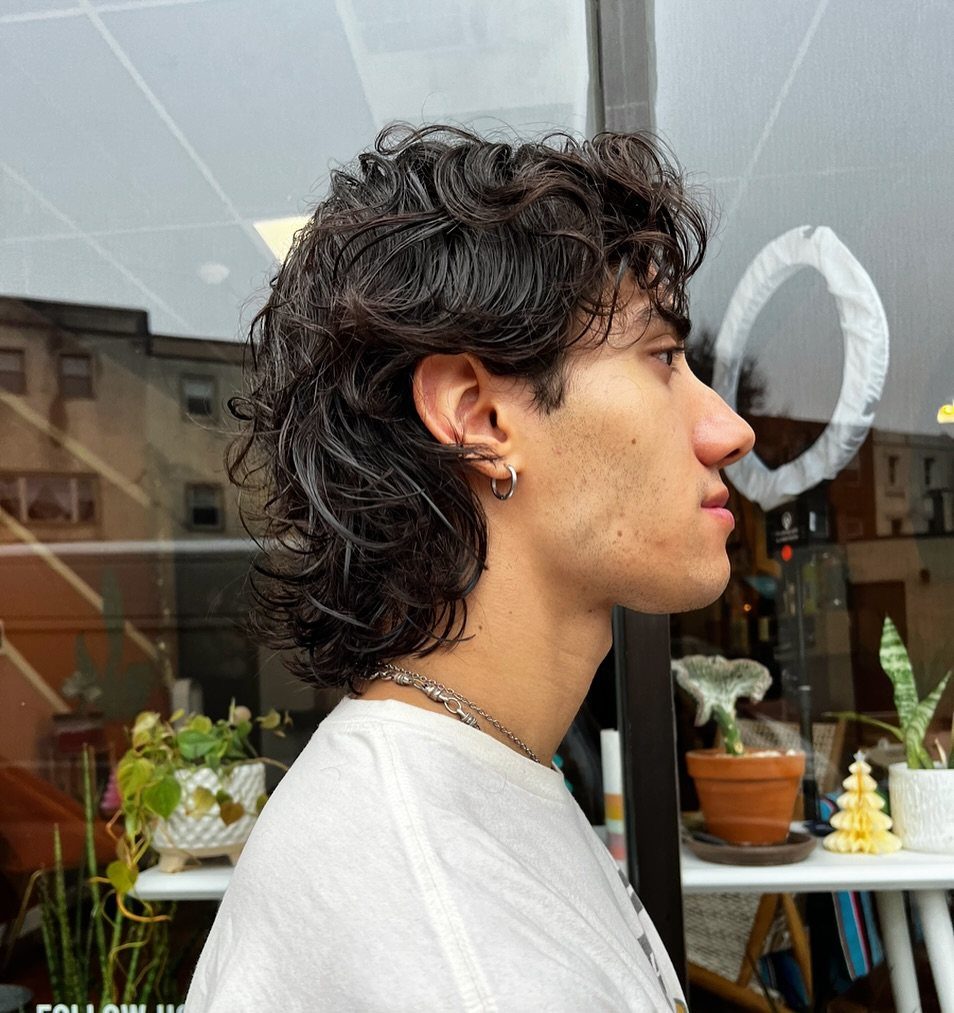
Waves give the layers natural movement and volume without needing much styling. The texture fills out the shape on its own, so the cut looks fuller and more lived-in than it would on straight hair.
Natural wave does most of the work for you, so this one asks the least from your morning routine.
The layers follow the wave pattern, so a stylist who knows how to cut wavy hair matters. Cutting it too short or too blunt fights the natural texture and flattens the wave.
19. Two-Tone Bleached Wolf Cut
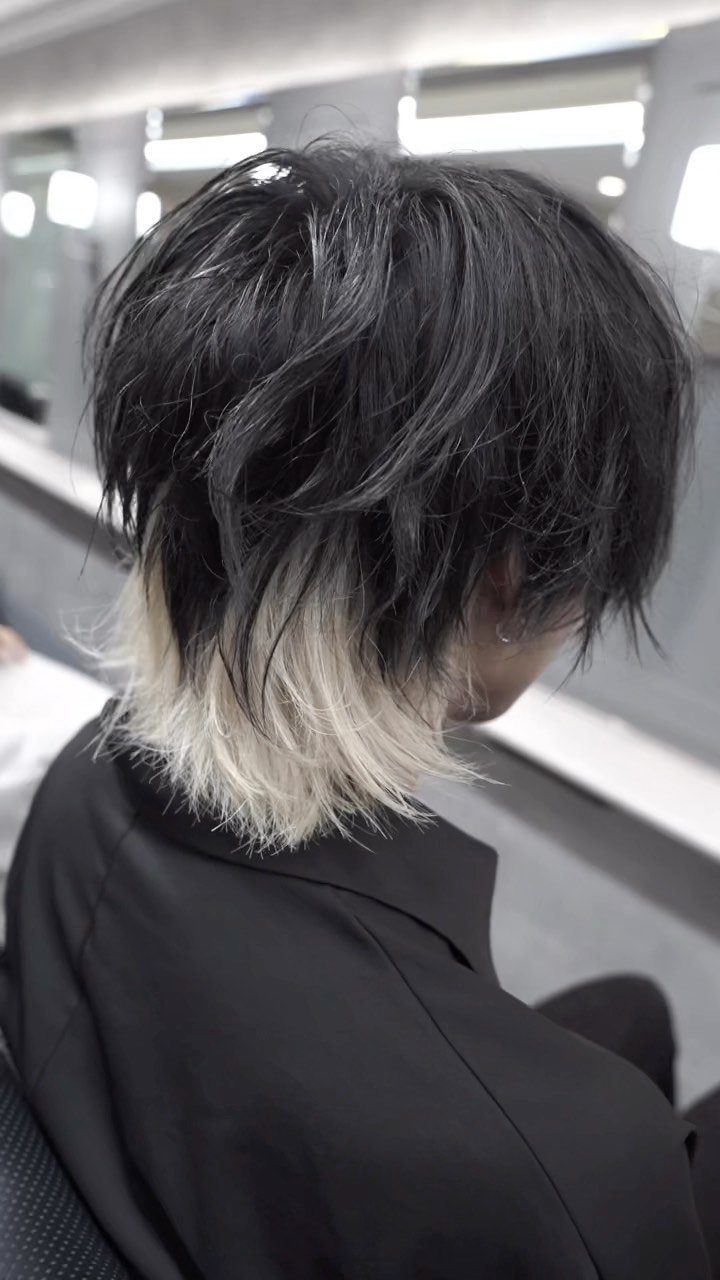
Bleaching the tips or a front section while leaving the rest black or dark brown creates high-contrast color blocking that makes every layer visible.
The lighter sections catch light differently and separate from the darker base, which emphasizes the choppy texture.
This approach needs regular toning to keep the blonde from turning brassy, and root touch-ups as your natural color grows in if the contrast sits close to the scalp. The upkeep is higher than a single-color cut.
If maintaining 2 colors sounds like too much, ask for the lighter section to sit farther from the roots or only through the ends, which stretches the time between salon visits.
20. Voluminous Black Wolf Cut
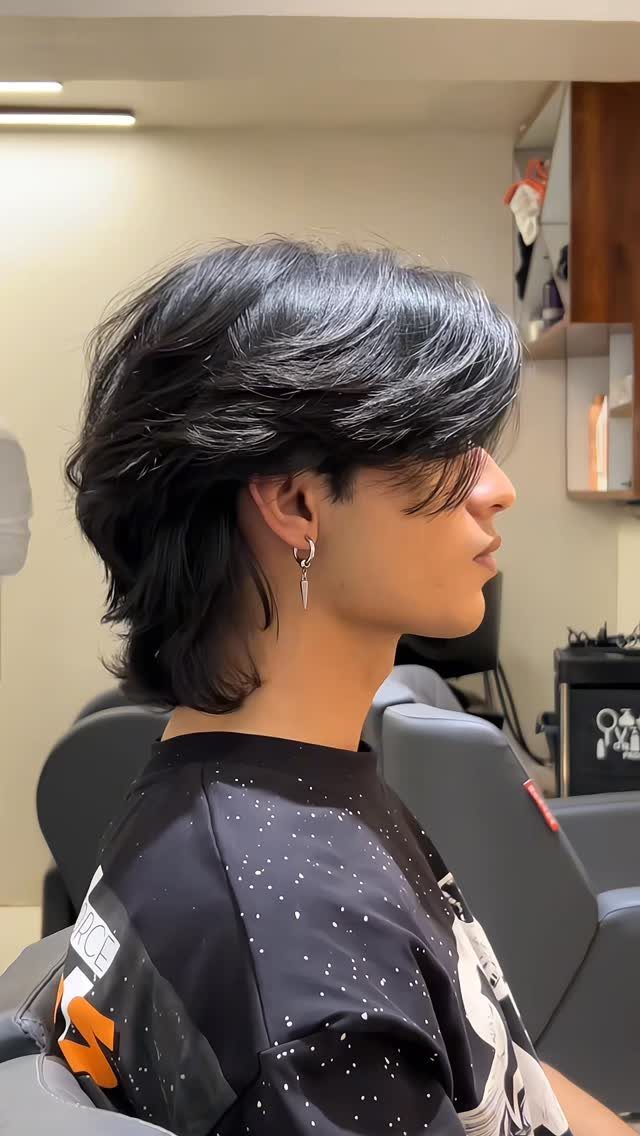
Cutting dense layers through thick, dark hair builds volume without thinning it out too much. The weight stays, but the choppy ends and heavy texturing keep the shape from looking blocky.
Black hair holds the cut’s structure without showing every imperfection, so the layers can be a bit more relaxed than they would need to be on lightened hair.
A texturizing product worked through damp hair and air-dried gives the most natural finish.
This version suits anyone with naturally thick hair who wants a full, textured look without losing the density that makes it stand out. Fine or thin hair won’t give the same voluminous result.
21. Wolf Cut with Silver Underlayer
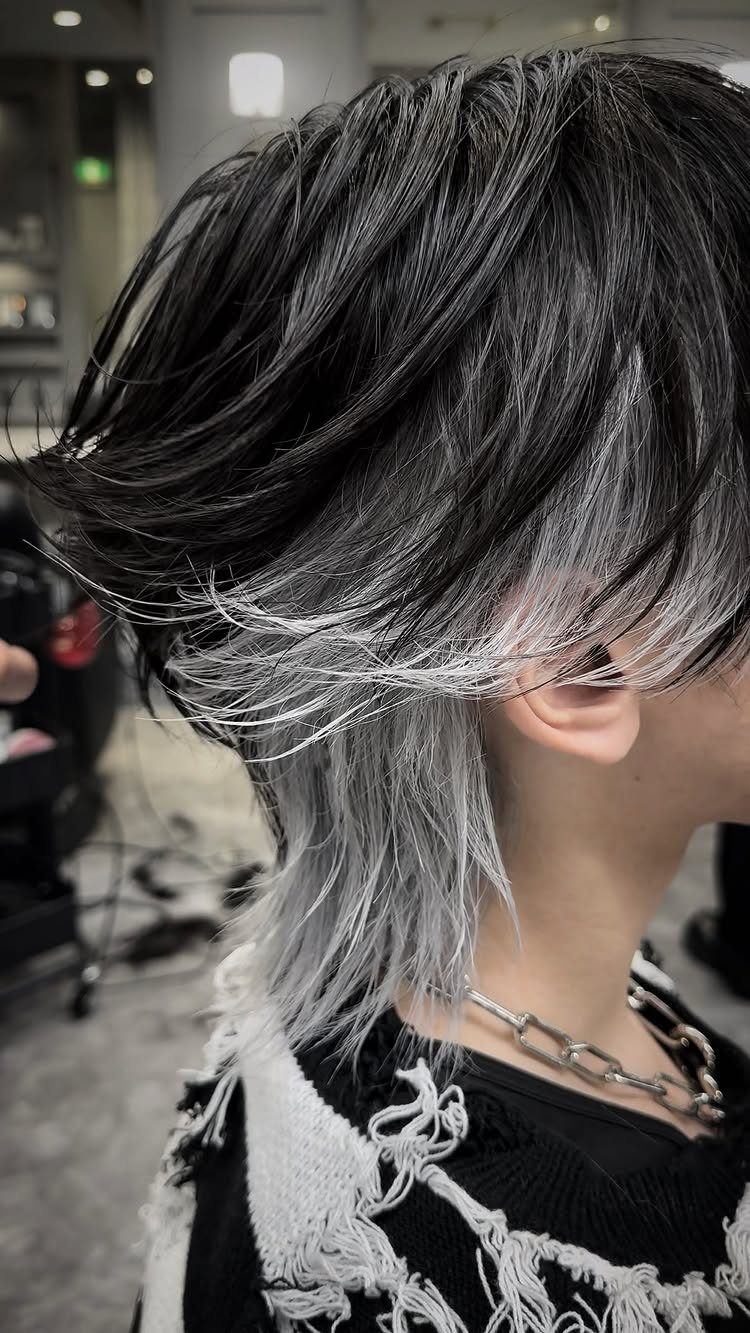
Keeping the crown and mid-lengths dark while bleaching the underlayer at the nape and behind the ears hides the lighter color until the hair moves or gets tied back.
The silver shows through the darker top layers in flashes, which adds depth without committing to an all-over color change.
The underlayer needs the same toning and conditioning as any bleached section, but since it sits underneath, root regrowth is less visible than it would be on top.
If you tie your hair up often, the silver shows more. If you wear it down most of the time, it stays subtle.
Show Barber Reference Photos
Collect several pictures of wolf cuts that show the length, layer placement, and texture you want.
When you sit down with the barber or stylist, point to the specific details that matter to you: where the shortest layers sit, how much volume you want at the crown, and whether the back tapers or stays long.
Your hair type limits what’s possible. If the pictures show thick, wavy hair and yours is fine and straight, the stylist may need to adjust the approach to get a similar shape without the same density.
A good barber will tell you what works and what doesn’t before cutting.
Heavy texturing can make thin hair look thinner by creating visible gaps between layers.
At-home Styling Routine
Towel-dry your hair until it’s about 80% dry, then apply heat protectant and a palmful of volumizing mousse, working it through from roots to ends.
Shape the layers by directing the dryer and brush to curl sections inward or outward, depending on the movement you want. For more texture, use a curling iron or straightener on random sections, alternating the direction each curl goes.
Blow-drying the wolf cut without a brush takes less time but gives less control over the final shape.
Wolf Cut Maintenance Frequency
Plan on trims every 6 to 8 weeks to keep the layers sharp and the proportions balanced. Wolf cuts rely on contrast between short and long sections, and as the hair grows, that contrast flattens out.
Bangs need more frequent attention if you wear them, since they grow past your eyes faster than the rest of the cut loses its shape.
Shorter wolf cuts also grow out faster and need trims closer to the 6-week mark to avoid looking blocky.
Curly versions can stretch closer to 8 weeks, since curls hide the growth better than straight hair does. Split ends are the other reason to trim regularly, since the choppy, textured ends are more prone to fraying than blunt cuts.
Frequently Asked Questions
What is a wolf cut for men?
A wolf cut mixes choppy, razor-cut layers on top with longer hair at the back, combining shag texture with mullet length.
The crown sits shorter to build volume, while the sides and back stay longer, giving the cut a deliberately messy, untamed shape.
Your barber needs to know how to use a razor and where to place the contrast, because the short-to-long transition is what makes the cut work.
How do I ask my stylist for a wolf cut?
Show your barber several photos and name the specifics: where you want the shortest layers, how much volume up top, and whether the back should taper or hang long.
Tell the stylist you want choppy, textured layers through the top, shorter crown sections for volume, and a blend from the shorter front and top into the longer back.
Your barber should adjust for your hair density and texture instead of copying the photo straight across, because your hair type decides what’s actually possible.
How do I grow out hair for a wolf cut?
You’ll spend months in awkward in-between lengths before your hair reaches your shoulders or past them.
Once the hair is long enough, ask for layers that remove excess weight and give the cut its shape without thinning it out too much.
Is a wolf cut the same as a shag haircut?
A wolf cut borrows the choppy, layered texture from a shag but adds the longer back length of a mullet, making it edgier and less blended.
Shags usually have softer, more evenly distributed layers without the dramatic contrast between short crown and long nape. The wolf cut leans into that contrast and the messy, untamed look rather than the toned-down finish a shag gives.
Is a wolf cut different from a butterfly cut?
A wolf cut is more textured and edgier, with a mix of short crown layers and longer back sections that create an uneven, tousled shape.
The butterfly cut layers more softly around the face, without the choppy ends or the long mullet-style back. The butterfly cut reads cleaner and more refined, while the wolf cut fights structure.
Will a wolf cut suit me?
Your hair should be at least chin length for a wolf cut to hold its shape, though shoulder-length or longer gives the most room for distinct layers and volume.
Shorter hair can work if the barber adapts the cut to your length and texture, but the dramatic contrast between short crown and long back needs enough hair to show.
Dense or wavy hair gives the fullest result, while fine or thin hair may need softer layers to avoid visible gaps.
Do I need bangs for a wolf cut?
Bangs are optional, but many versions include them because they add another layer of texture and frame the face. Wispy or curtained bangs fit the choppy layered texture and belong to the look.
How is the wolf cut different from a modern mullet?
A modern mullet has a sharper, more defined contrast between the short front and sides and the long back, with a clear drop where the length starts.
A wolf cut is less rigid, blending shaggy, tousled layers through the top and sides into the longer back without the hard line a mullet gives.
Does the wolf cut have anything in common with the flow cut?
Both cuts feature longer hair that moves naturally, but the flow cut is smooth and casual, with length that flows back without much layering.
A wolf cut is choppier and more deliberately textured, with layers that create an untamed shape rather than the breezy, laid-back movement of a flow cut. The flow cut stays quiet; the wolf cut does not.