Round faces need length at the chin rather than width at the sides, while oval faces handle most styles without adjustment.
The range here covers stubble trimmed to a 1 or 2 guard every couple of days, goatees and chin straps that isolate the jawline, short boxed beards with sharp edges, full beards trimmed close to the face for work settings, and long beards that reach the chest and need oil to stay manageable.
Growth density decides more than face shape: sparse or patchy coverage shows on a full beard but disappears under stubble or a beardstache, where the mustache stays thick and the cheeks sit at a few days of growth.
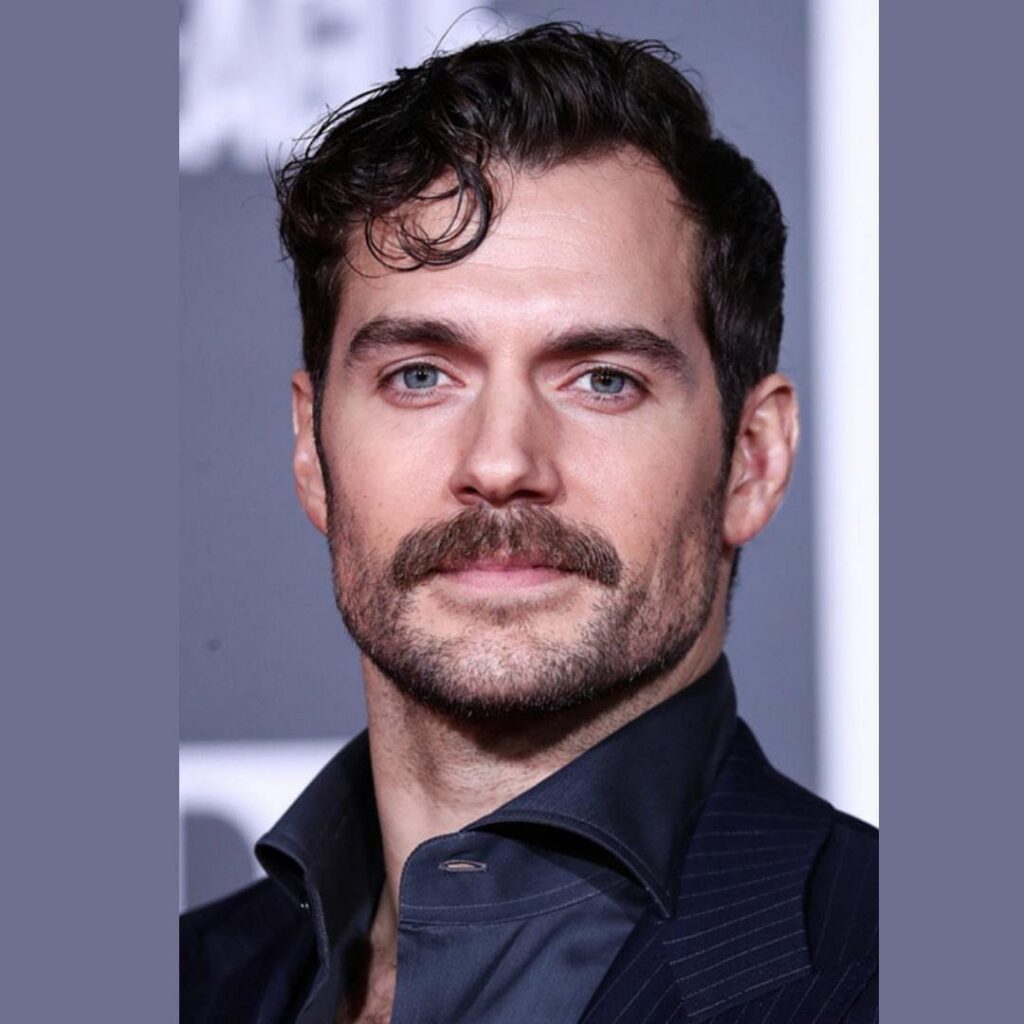
1. Beardstache
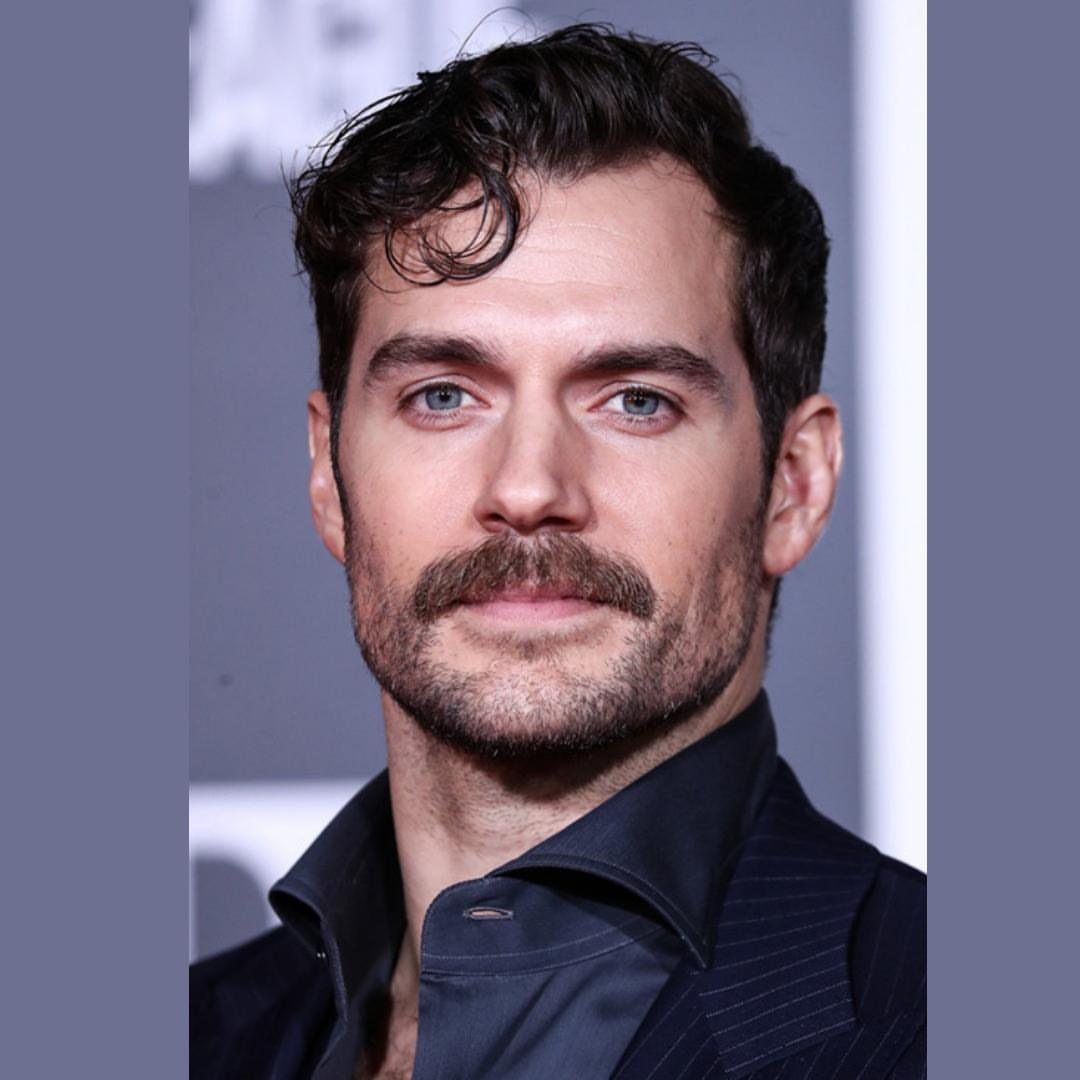
The mustache is the point here, grown thick and shaped while the rest of the face stays at a few days of stubble.
The contrast makes the lip line the focus, and the look leans vintage without committing to full facial hair.
Let the mustache grow while keeping the cheeks and neck trimmed to stubble with a 1 to 3 guard. Mustache wax helps shape if the hair grows long enough to curl or drop past the lip.
Patchy cheek growth disappears under stubble, making this a good option if your mustache fills in better than the rest.
2. Chin Strap
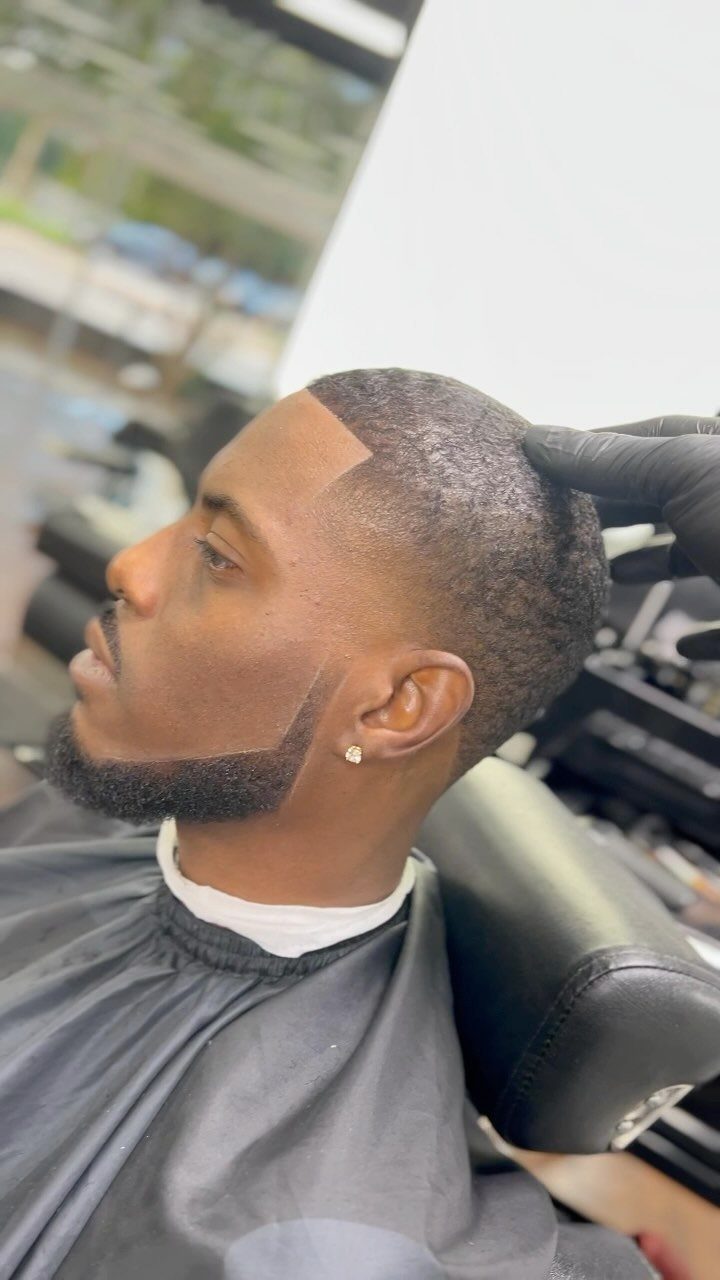
A thin line of beard runs along the jaw from ear to ear, usually connecting under the chin. The cheeks are shaved clean, and the mustache either stays disconnected or comes off entirely.
The barber will line it first, then you maintain the width at home with a trimmer set to 1 or 2.
The cheek line needs shaving every other day to keep the strap isolated. Most guys wear it narrow, about the width of a clipper blade.
Strong jawlines carry this better. Rounder faces lose definition because the line follows the curve rather than creating one.
3. Full Beard
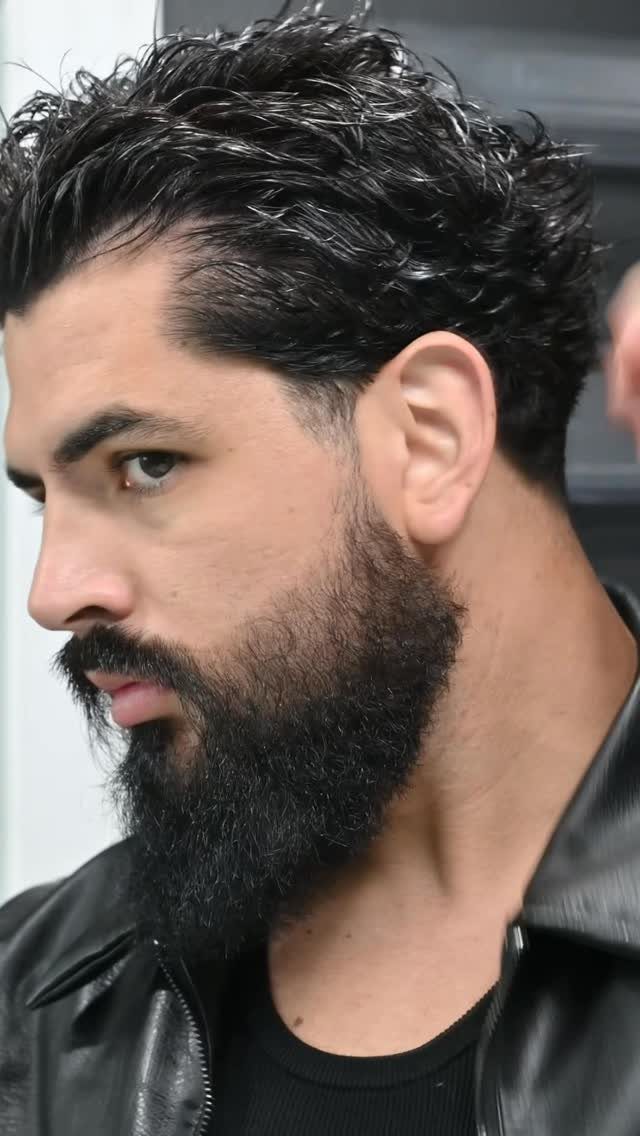
Coverage across the cheeks, chin, mustache and neck, with length that varies by preference. Some guys let it grow naturally, others shape the cheeks and trim the bulk to keep it even.
Length past an inch usually needs beard oil to stay soft and a monthly barber visit to clean up the neckline and cheek edges.
Shorter full beards hold their shape with a trimmer set to one guard length, run over the whole face every few days.
Face shape matters less here than density. Sparse or patchy growth shows more on a full beard than on styles that work with less coverage.
4. Goatee

Facial hair on the chin, sometimes with a mustache, while the cheeks and sideburns stay bare. The chin section can be trimmed tight or grown longer and pointed, depending on how much length you want.
Trim the goatee itself to your chosen length, then shave everything outside its edges every couple of days. The mustache can connect to the chin hair or stay separate, both versions are common.
Narrow or pointed goatees add length to rounder faces. Wider chin beards balance longer face shapes better.
5. Short Boxed Beard
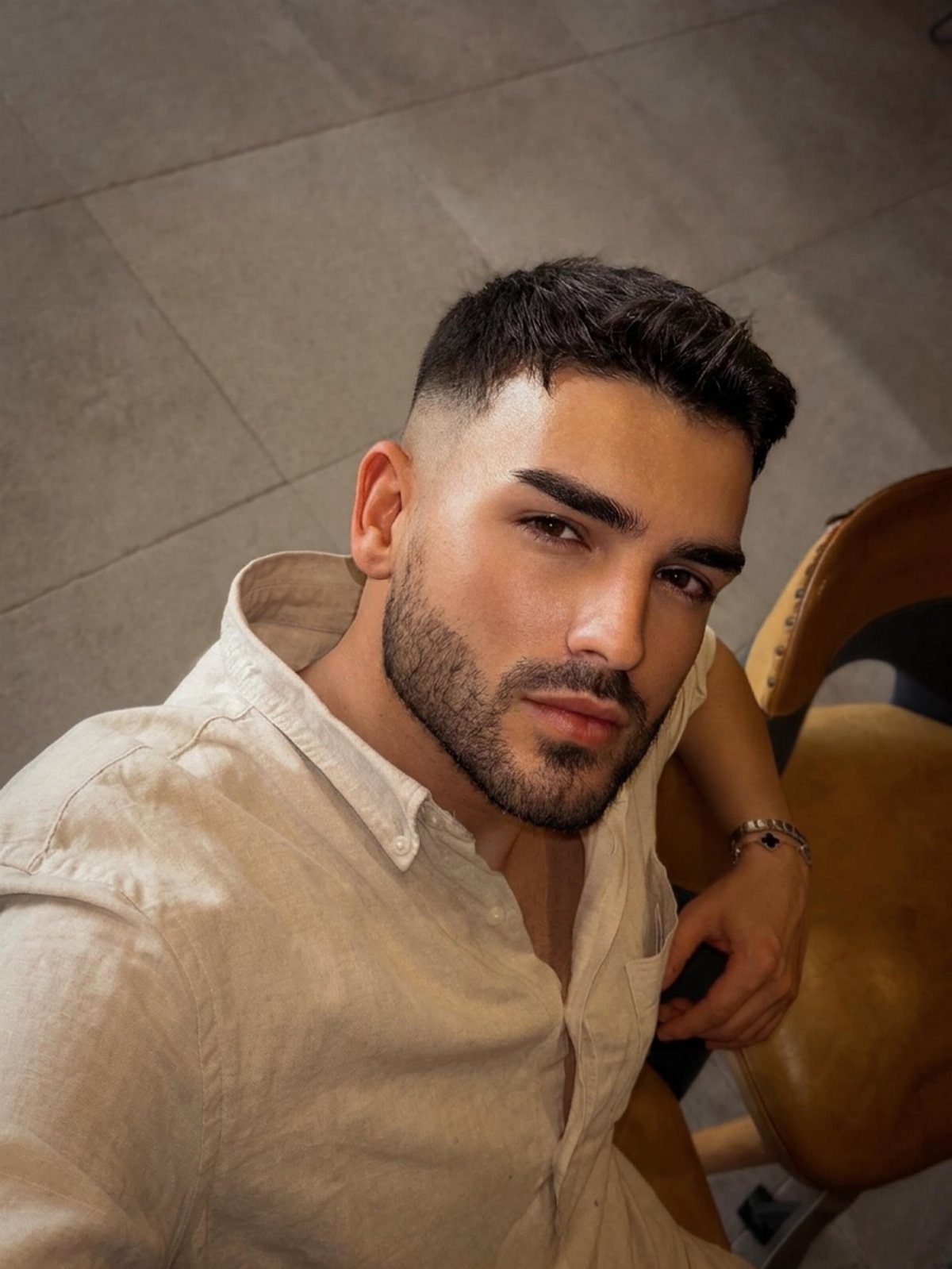
A short beard trimmed to one even length across the face, with sharp edges along the cheeks and neck. The shape is deliberate, not natural, and the lines stay crisp.
The edges need touch-ups every few days to hold the box shape. Beard balm smooths the surface if the hair grows coarse.
This suits professional settings better than longer or looser beards. The trade is time: those lines blur fast, and the look depends on them staying clean.
6. Petit Goatee
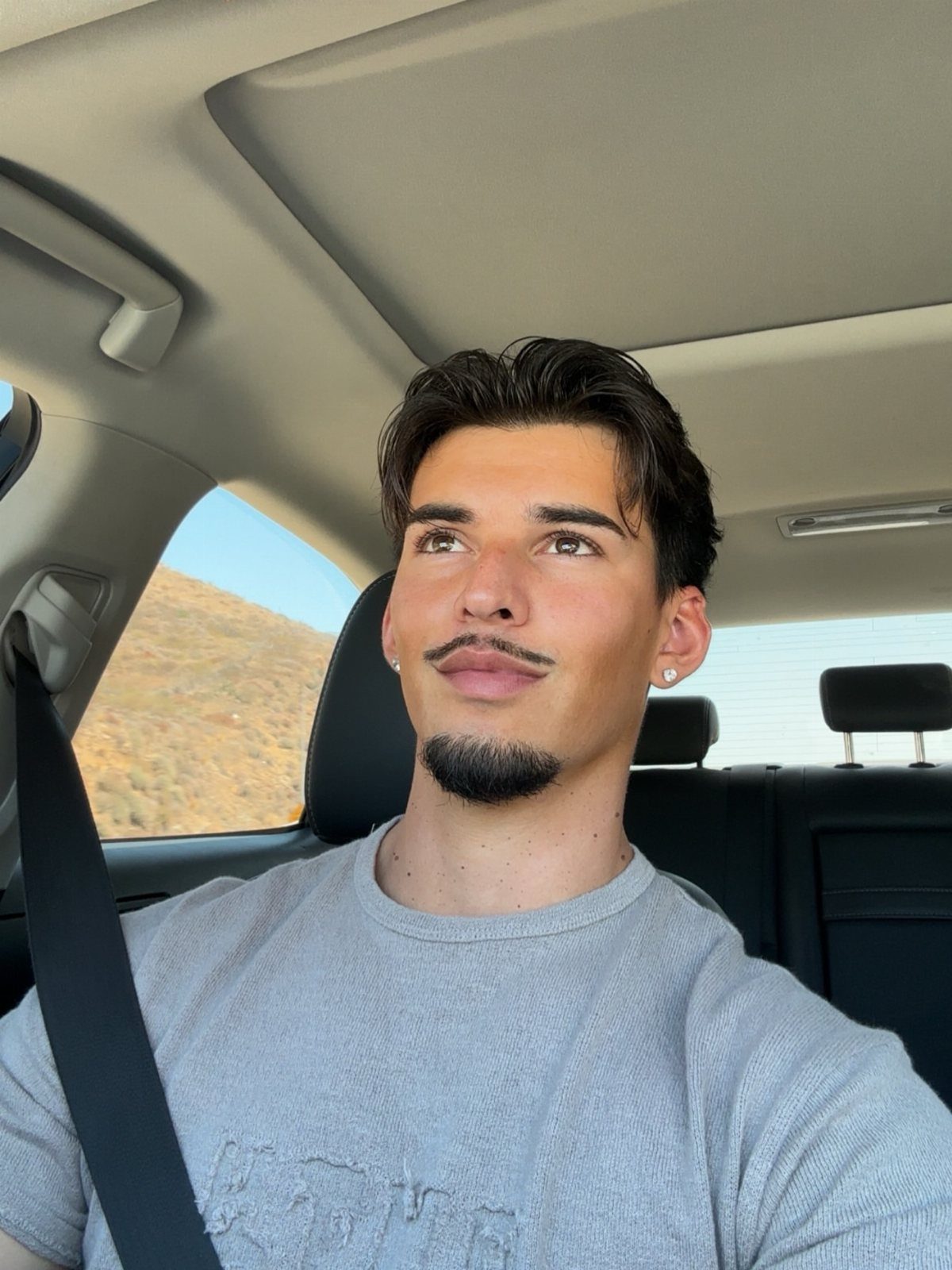
A small, tapered beard centered on the chin, narrowing as it grows down. The mustache often stays light or disconnected, and the cheeks are shaved clean.
Keep the cheeks and neck shaved, then trim the chin shorter on the sides so it tapers toward the jaw.
A trimmer with a detail blade makes shaping easier. The length stays short, usually under half an inch, so it reads as groomed rather than grown out.
Patchy cheek growth works in your favor here since the style removes it. The small footprint also means less daily upkeep than wider beard styles.
7. Stubble

Facial hair trimmed to an even length across the cheeks, chin and neck, kept short enough that the skin still shows through.
The look sits between clean-shaven and bearded, with enough texture to add definition without committing to a full beard.
Run a trimmer with a 1 or 2 guard over the face every couple of days to hold the length. Shave the neckline and cheek edges if you want sharper borders, or leave them natural for a looser look.
Stubble hides patchy growth better than longer beards because the short length evens out thin spots. It also needs less time than styles with shaped edges.
8. Corporate Beard

The length stays under a quarter inch, and the edges are defined enough to read as deliberate in office settings.
Trim to one guard length every few days, then edge the cheek and neck lines with a razor or detail trimmer. Oil softens coarse hair and matters more when the beard sits this close to skin.
The short length and clean finish make this work in professional environments where longer or looser beards would stand out. Maintenance is quick but frequent.
9. Balbo Beard

The chin section often includes a soul patch under the lower lip, and the mustache can be trimmed short or shaped wider depending on preference.
Shape the chin beard and mustache to your chosen length, then shave the gap between them along with the cheeks. The disconnected pieces need regular touch-ups to keep the separation visible.
10. Long Beard
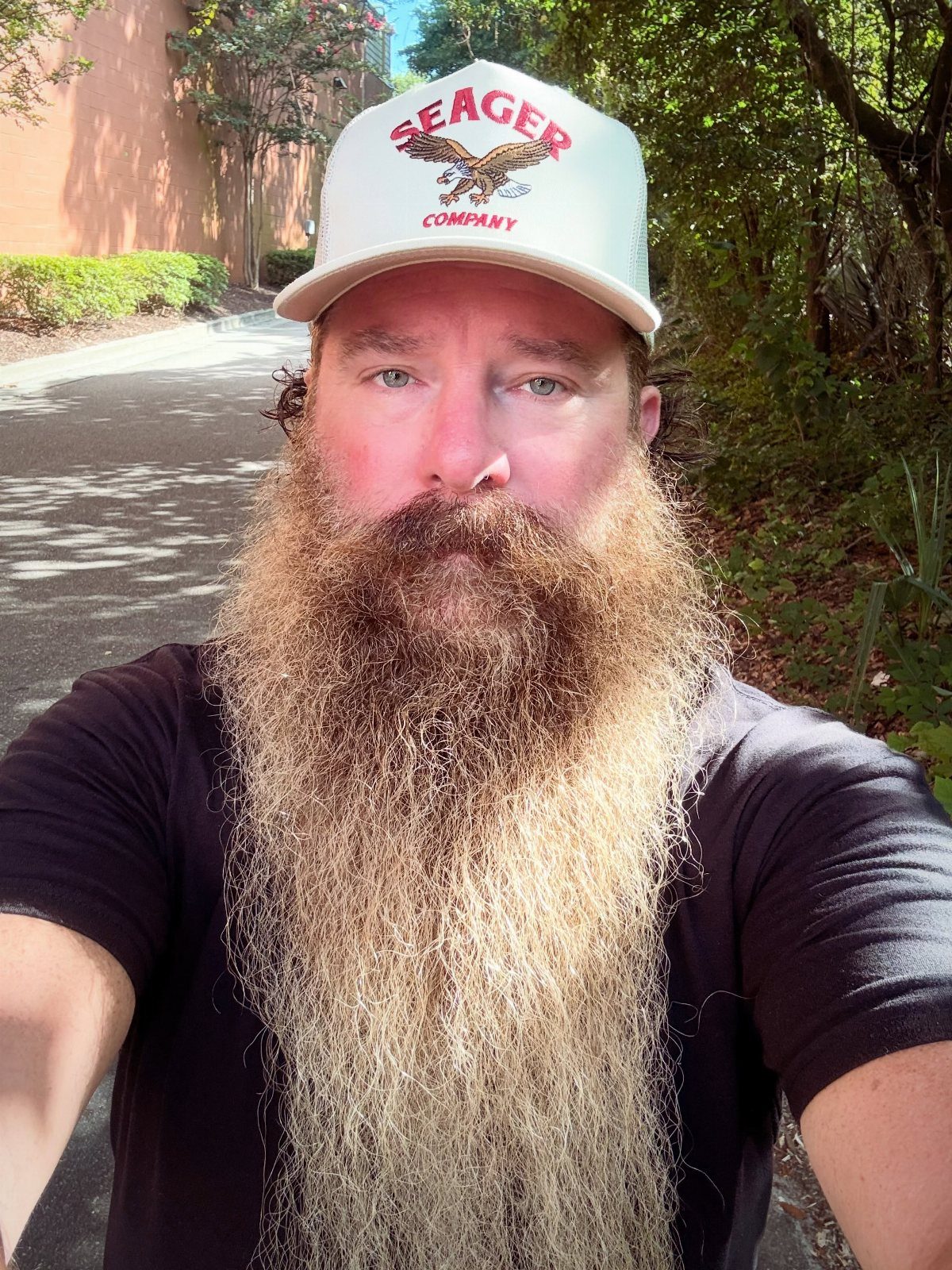
A beard grown several inches past the chin, covering the lower face and often reaching the chest.
Length varies, but a long beard is anything that reaches well past the chin. The mustache grows with it, and the whole beard needs regular conditioning to stay manageable.
Beard oil or balm becomes necessary once the hair gets long enough to tangle or dry out.
A barber can shape the edges and bulk every few months, though some guys prefer to let it grow without trimming. Brushing it daily helps keep it from matting.
Growth time is the main barrier. Getting past the itchy phase and waiting for even density takes months, and not everyone has the hair pattern to pull it off.
11. Beard with Handlebar Mustache
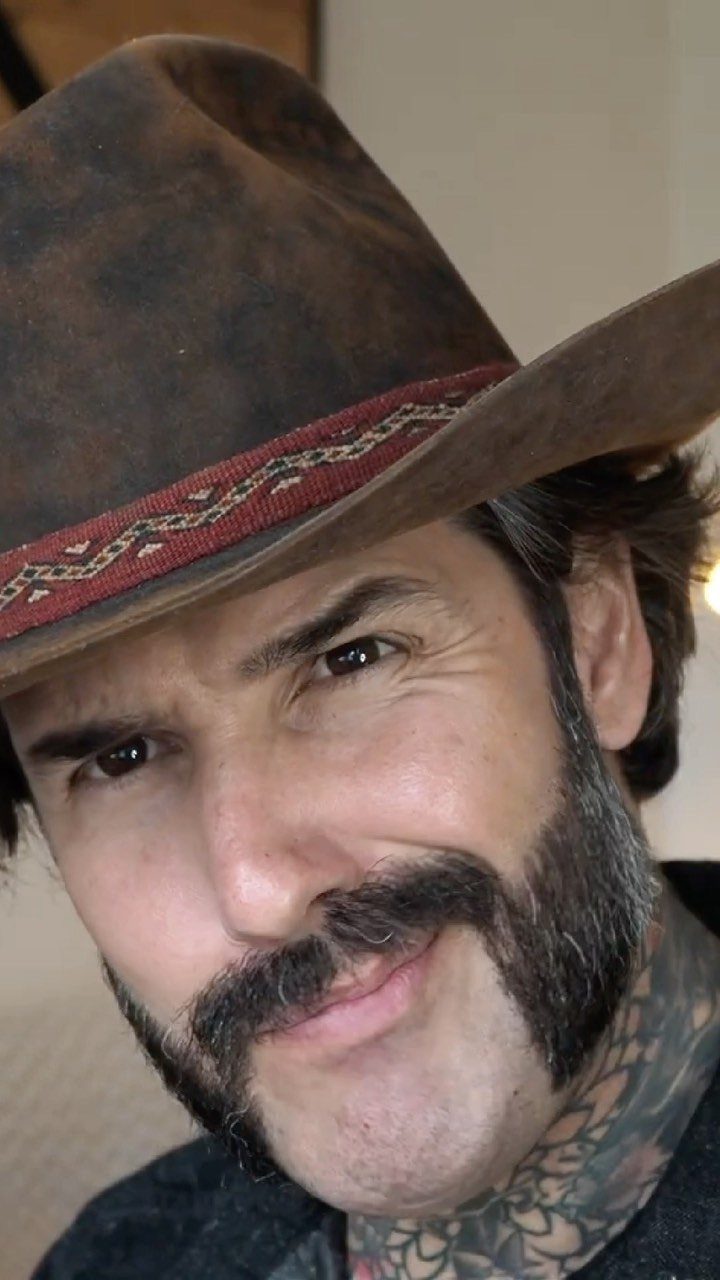
A full beard paired with a mustache grown long on the ends and curled or twisted upward.
The beard itself can be short or long, but the mustache is the feature, shaped with wax into points that extend past the cheeks.
Grow the mustache long enough that the ends reach past the corners of your mouth, then use mustache wax to curl them upward. The beard underneath can be trimmed to any length that balances the width of the mustache.
The mustache takes the most work here, needing wax and shaping every morning. The beard is secondary and can follow whatever length suits your face and maintenance tolerance.
Match Style to Face Shape
Round faces gain length from styles that add volume at the chin rather than the sides.
A goatee, Van Dyke, short boxed beard, or Balbo keeps the cheeks tight and draws the eye down, making the face read longer. Bushy sides work against you here, adding width where you already have it.
The Balbo puts focus at the center by disconnecting the mustache from the chin, which pulls attention away from the outer edges. A trimmed beard with clean sides brings definition to the jaw without making it look heavy.
Oval faces handle most styles without much adjustment, so the choice comes down to maintenance and how much coverage you want rather than proportion.
Taper the cheeks close and let length build at the chin. Skip anything that broadens the face side to side.
Beard Upkeep and Grooming
Wash and condition beard hair regularly to keep it clean and soft.
Exfoliate twice a week to reduce ingrown hairs, especially in the early growth phase when hair is breaking through the skin.
Short beards hold their shape better when the cheek and neck lines stay defined.
Remove the guard on your trimmer and use the edging blade to mark those lines, or shave them with a razor and transparent gel. I use a magnifying mirror when I need to nail an edge.
The neckline should sit just under the jawline or at the Adam’s apple, not on the jaw itself. Blend the length gradually as you trim down toward the neck to avoid a hard line.
Conditioner softens the beard, moisturizer keeps the skin under it from drying out.
Brush or comb daily to detangle and distribute oil. Longer beards may need a barber to set the first shape.
Be sure to keep your perimeters clean, though; that is where the style gets its legs. Because otherwise, you’re just a bloke who neglected to shave his neckbeard.
— GQ
Work with Growth and Density
Choose a style that fits where your hair actually grows rather than forcing coverage where it will not fill in.
A barber shapes the beard where it grows thickest and keeps the perimeter sharp, instead of forcing symmetry where the hair won’t support it.
Oil and a decent skincare routine give the follicles you do have a better chance.
Frequently Asked Questions
What are the most popular beard styles for men?
Stubble, full beard, goatee, short boxed beard, beardstache, chin strap, and Balbo are the most commonly worn styles.
Each works with different face shapes and maintenance tolerance, from stubble needing a quick trim every few days to a full beard requiring oil and monthly barber visits.
Does a beard hide a round face?
A closely cropped beard with length at the chin can help by adding vertical definition, but avoid adding thickness at the sides. Shape the neckline sharply and keep the cheeks tight to create angles rather than fullness.
How often should you shape your beard?
It depends on growth speed and how sharp you want the edges.
How do I identify my face shape?
Pull out a tape measure and record the distance from your hairline straight down to your chin, then get the width across your forehead, cheekbones, and jaw.
Compare the measurements and jaw angle to determine if your face is round, oval, square, rectangular, heart, or diamond shaped.
What is a V-shaped beard?
The sides come in full, then taper toward the center so the whole shape narrows to a point at the chin.
The style adds length to the face and works well for round or square face shapes that benefit from vertical definition.
What tools do I need to shape a beard?
A trimmer with guards, a detail blade for edging, a razor for clean lines, and a comb or brush for daily detangling. Longer beards also benefit from scissors for spot trimming and a magnifying mirror for precise edge work.