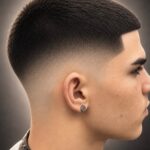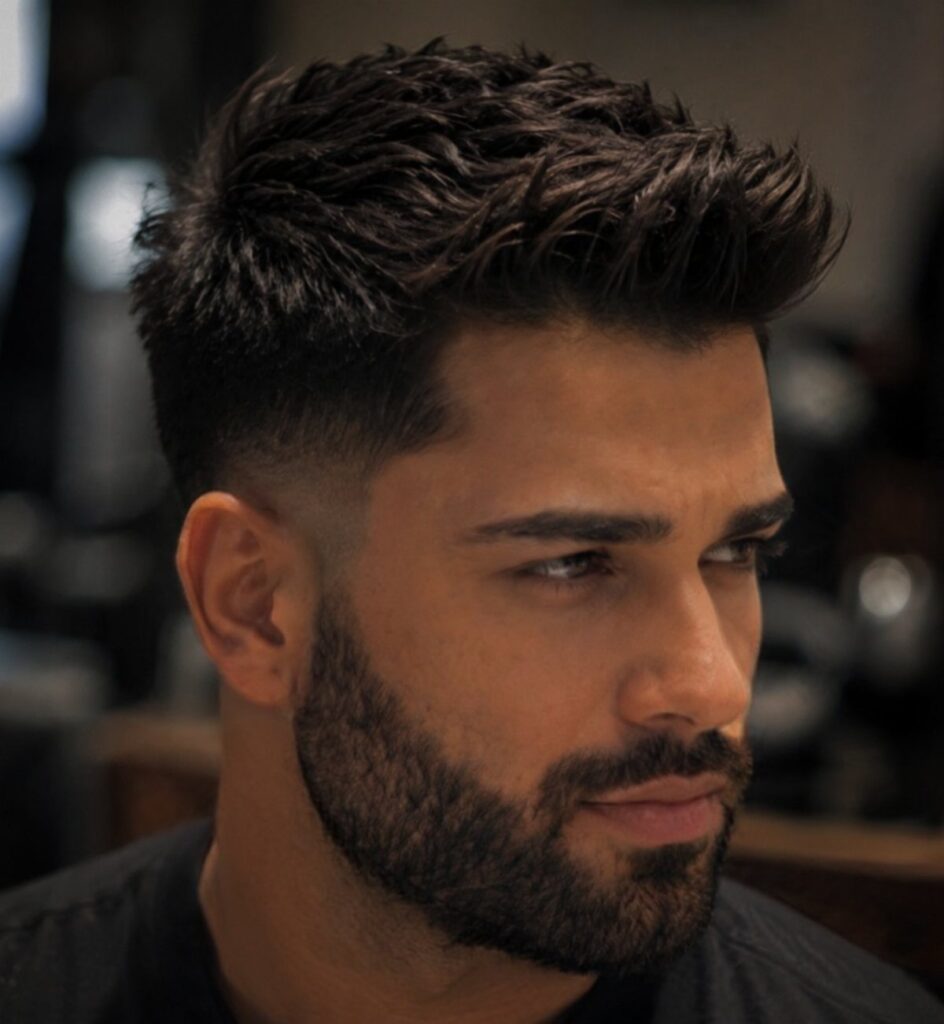
How you ask for the cut, what photos you bring, and whether your hair type matches what you picked decide how it turns out.
Straight hair holds a side part or slick back in place, wavy types work best with a loose fringe or textured crop, curly hair needs enough length on top to let the curl take shape, and thin hair reads fuller when you cut it short into a buzz or crew.
1. Side Part
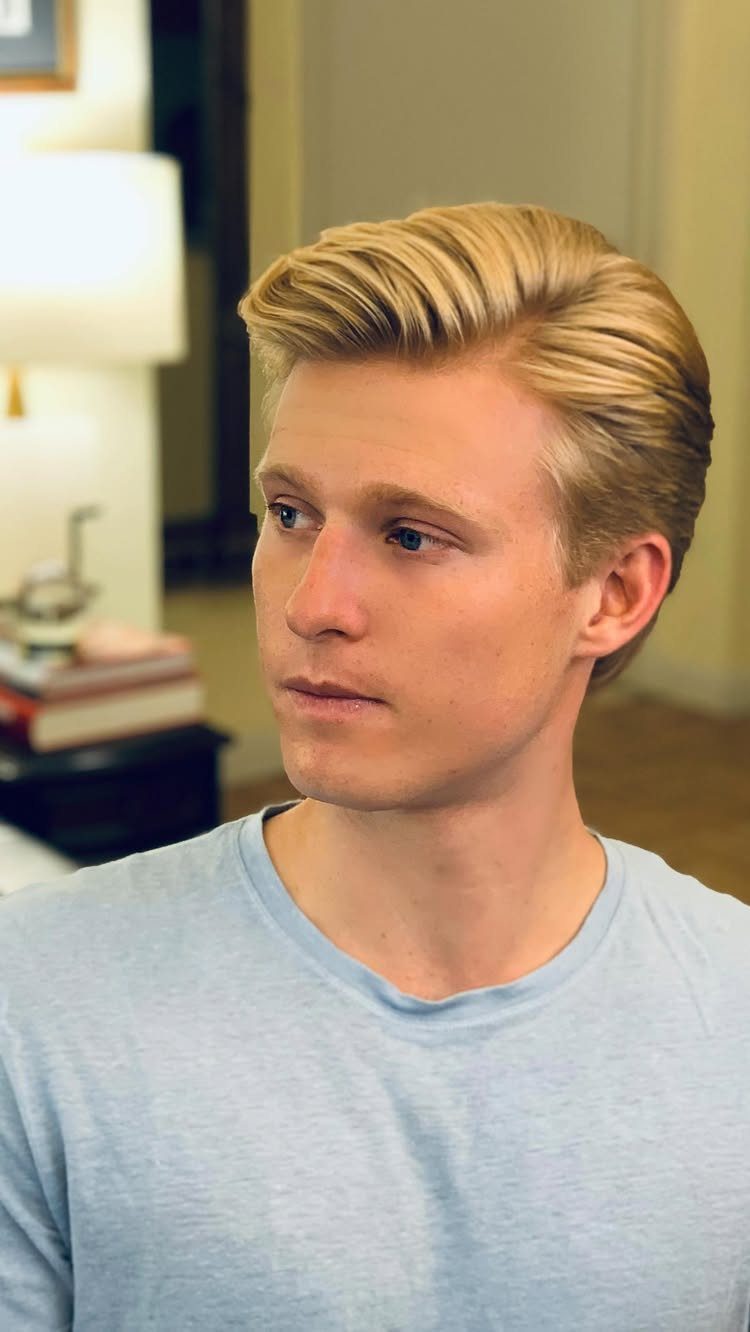
A comb divides the hair at the side, and each half goes its own direction. The stronger the part line, the sharper the look reads.
Most hair types work as long as you have something to comb over. Fine hair shows the part cleanly; thicker hair takes a bit of pomade or cream to hold the division.
Daily upkeep is a quick comb-through after the shower. The part stays visible longest when cut in by a barber, though you can rake one in yourself each morning if the hair cooperates.
2. Pompadour
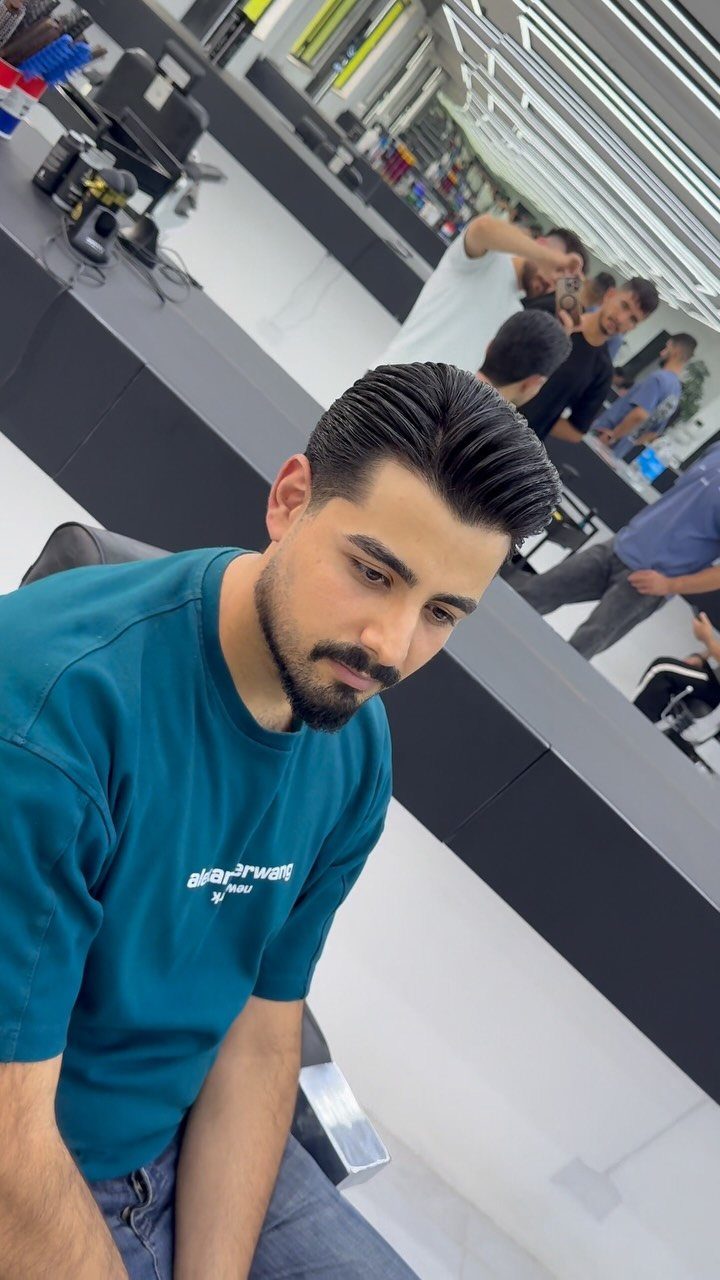
Volume sits at the front, where longer hair is lifted up and swept back rather than lying flat. Keep the sides short so the contrast holds.
Point a dryer upward at the roots while you brush or comb back, then use a strong-hold pomade or mousse to lock it in place. Daily styling takes time when the hold matters.
Hair that’s naturally thick or coarse builds height more easily.
Fine hair pulls it off but takes more product and a pre-styler for grip. The top needs length and the sides need regular cleanup to stay in proportion.
3. Quiff
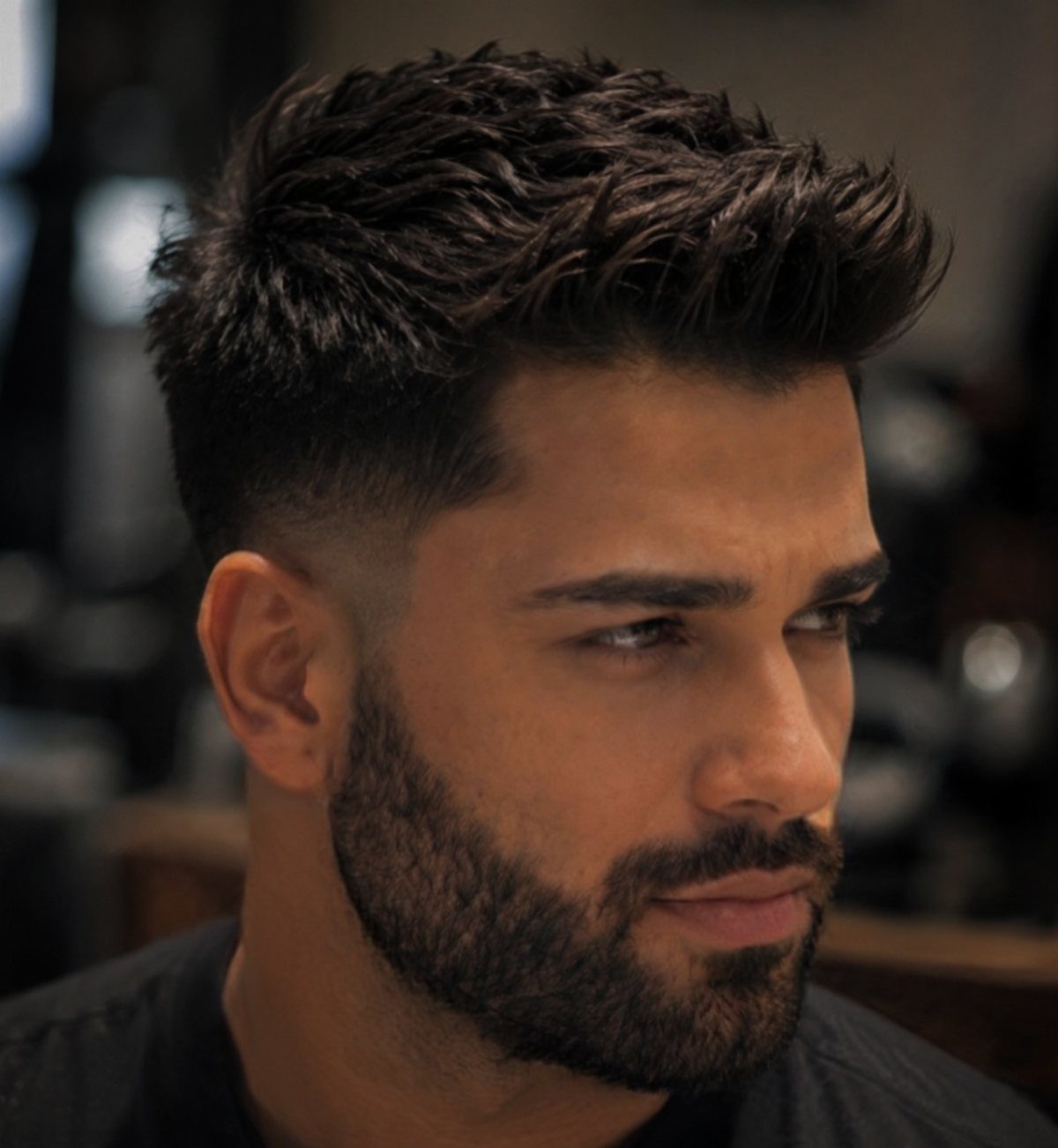
The front is brushed upward and back, creating a lifted section that tapers as it moves toward the crown. Unlike a pompadour, the volume stays shorter and the angle is less steep.
A blow dryer and a round brush or your fingers will get the lift started, then a matte clay or light paste holds the shape without making it look wet.
The height balances a rounder jaw and the forward volume softens a longer forehead. Hair that holds a bend, whether wavy or straight with some body, cooperates best.
4. Buzz Cut
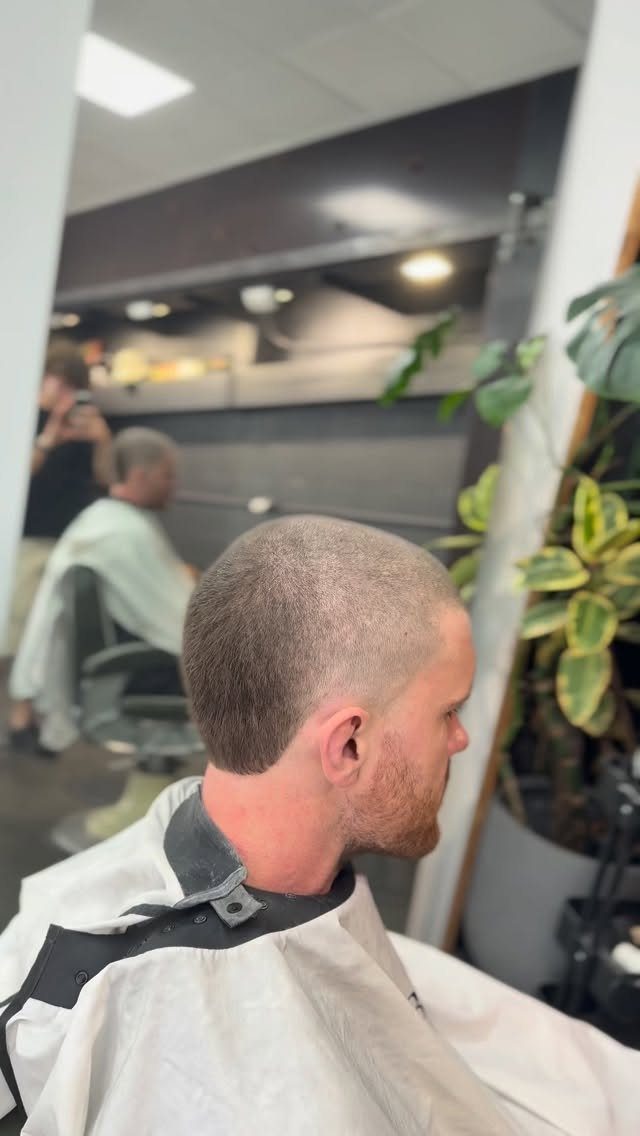
Clippers run over the entire head at one guard length, leaving hair short enough that it stands on its own without any brush, comb, or product.
Most guys choose a #1, #2, or #3 guard depending on how much scalp they want showing through.
Run clippers over it regularly, something you can do at home once you know the guard. Washing takes seconds, drying is a towel swipe, and styling doesn’t exist.
It suits men who want zero morning routine and don’t mind the upkeep frequency. Scalp shape matters more here than with longer styles, since there’s nothing to soften the contour.
5. Crew Cut
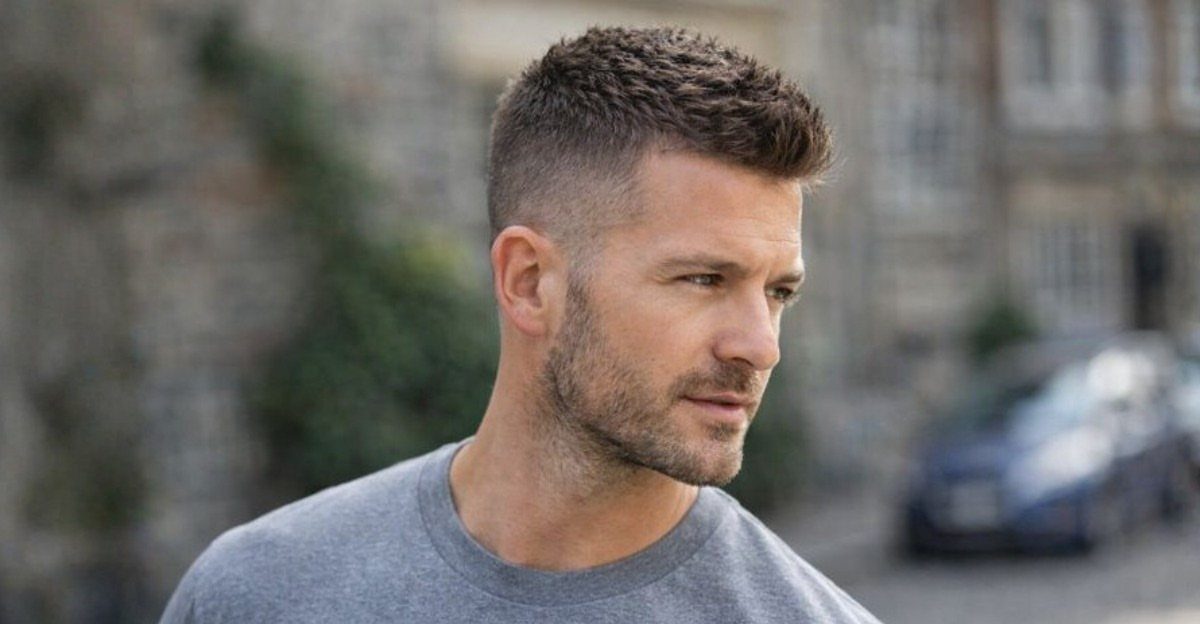
Short sides taper into a top that’s long enough to stand upright at the front and taper back toward the crown. The result is structured but not fussy, and it works whether the top is brushed forward or left textured.
Ask for a high taper or fade on the sides and leave enough on top for the height you want.
Styling is optional: a bit of matte paste or cream adds definition, but the cut holds its shape without anything if your hair has natural body.
It grows out cleanly before the sides start looking heavy. Men with straight or slightly wavy hair and an oval or square face get the most from it, though it adapts to most head shapes.
6. Slick Back
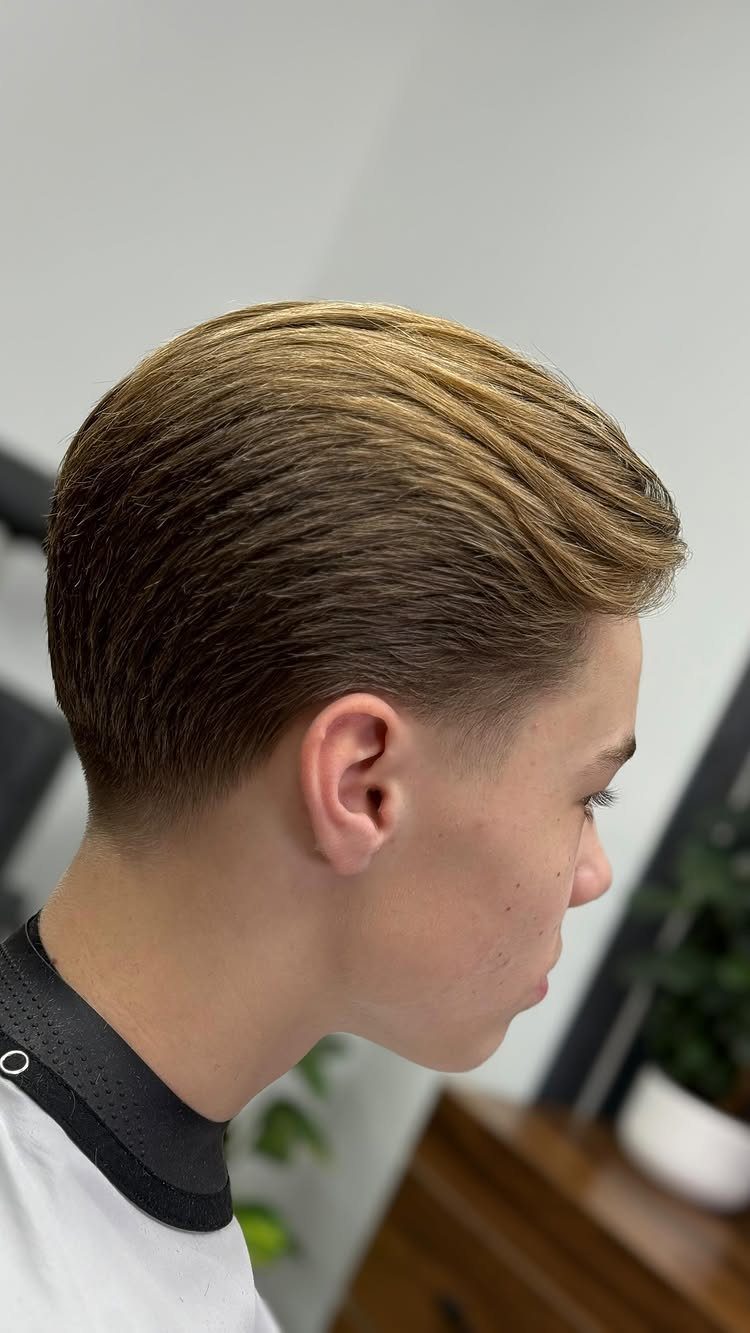
Longer hair on top is combed straight back from the hairline, usually with enough product to hold it flat and glossy against the head.
The sides can be faded, tapered, or left longer depending on the overall length you’re working with.
A strong-hold pomade or gel does most of the work.
Apply it to damp hair, comb everything back in one direction, and let it dry. On longer hair, a blow dryer helps set the direction before the product goes in.
Daily styling is quick once the hair is long enough to comb back without pieces falling forward. Hair long enough on top stays in place more easily.
7. French Crop
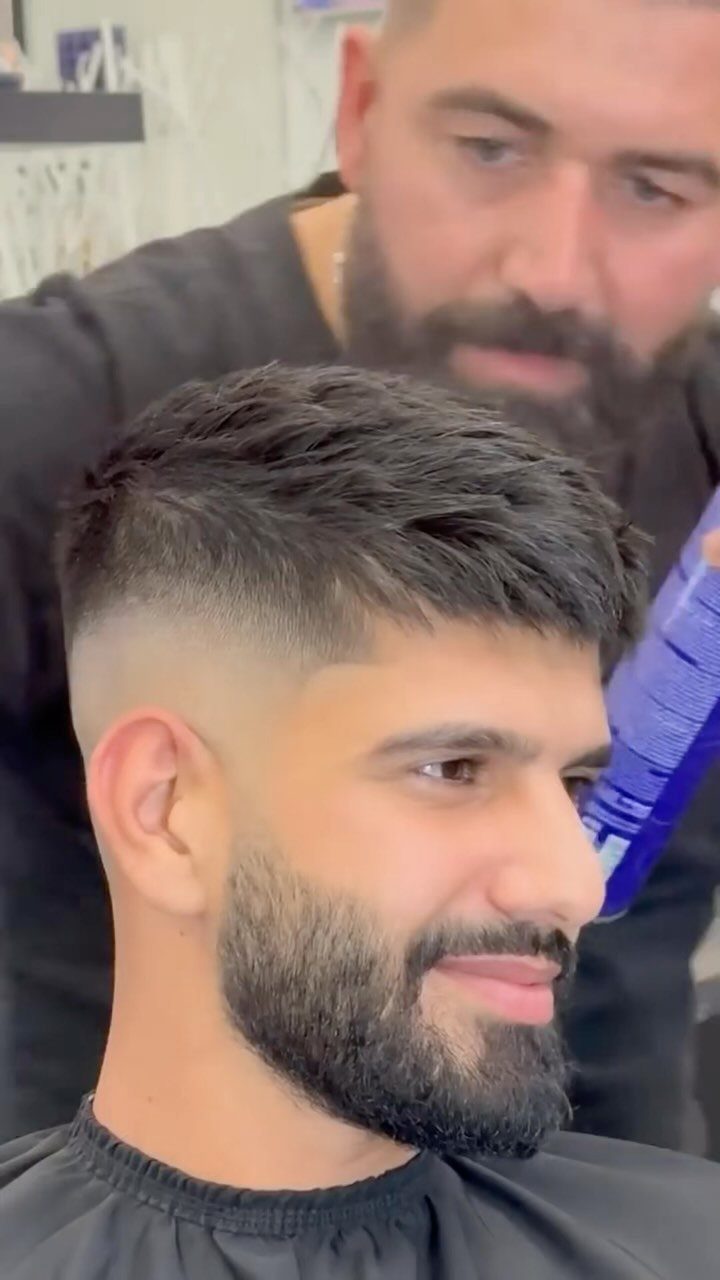
The fringe sits forward and textured rather than swept up or back, and the sides stay short enough to keep all the weight on top.
Ask for a fade or taper on the sides and leave the top long enough to push forward without brushing it into a quiff.
A small amount of matte clay or sea salt spray adds separation without making the fringe stiff.
It suits men who want a low-maintenance cut that still has shape. The forward fringe works on most face shapes and balances a longer forehead better than styles that pull everything back.
8. Modern Mullet
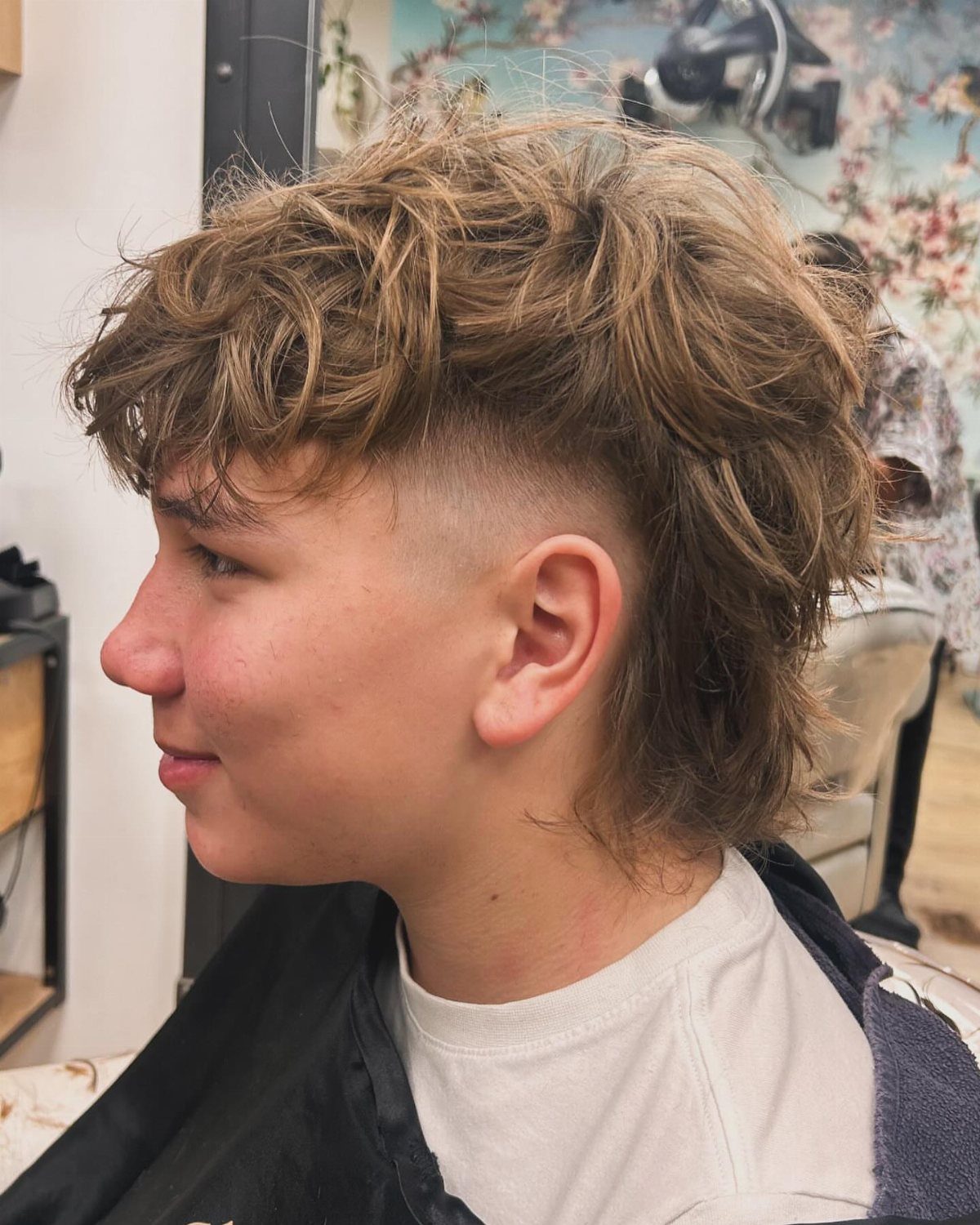
Length stays in the back while the sides fade tight and the top keeps enough to layer or texture. The back can sit at the nape or drop to the shoulders depending on how much contrast you want.
Daily styling depends on the top: textured versions take a bit of paste, longer tops might need a blow dryer to add volume.
Hair that holds texture or a slight wave shows the layers better. The cut divides opinion, so pick a barber who’s done it before.
9. Undercut

Clippers take the sides to one short length while the top stays long, with no gradual blend between the two. The line where they meet is sharp and intentional.
You can slick the top back, comb it to the side, or leave it messy depending on the length you keep up there. Product holds it in place, but the cut itself creates the contrast.
The disconnect grows out in a way that needs regular touch-ups on the sides to keep the separation visible. Men with thick hair get more volume on top, which makes the undercut more pronounced.
10. Faux Hawk
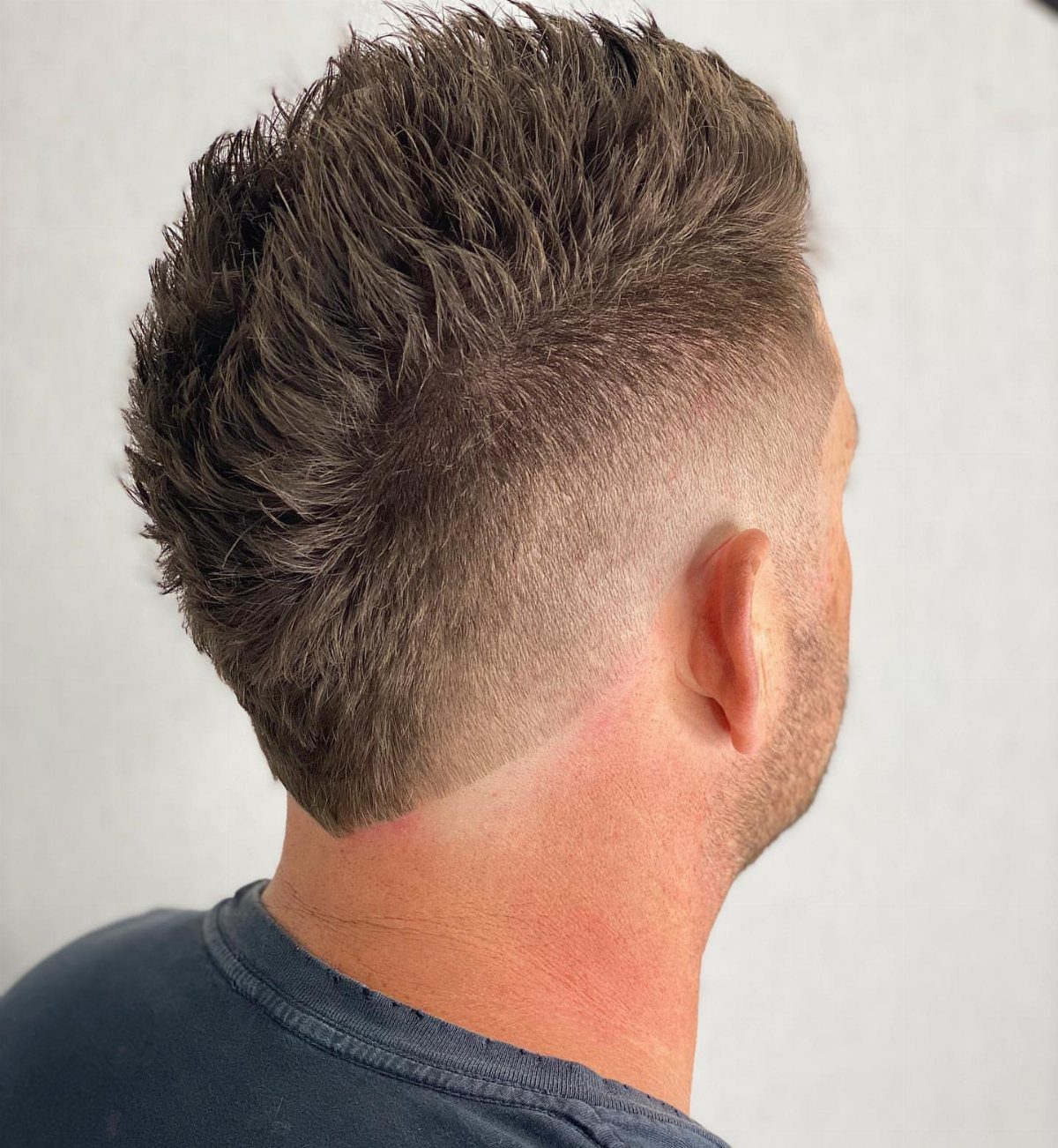
Product lifts the center section upward while the sides stay shorter, creating a strip of height that tapers front to back. Unlike a true mohawk, the sides are buzzed or faded, not shaved bare.
Use a strong-hold gel or pomade and work it through the top, then push the hair toward the center and upward with your fingers or a comb. The taller you want it, the longer the top needs to be.
It suits men who want an edgier look that still works in most settings. Straight hair holds the shape with less product than wavy or curly types.
11. Taper Haircut
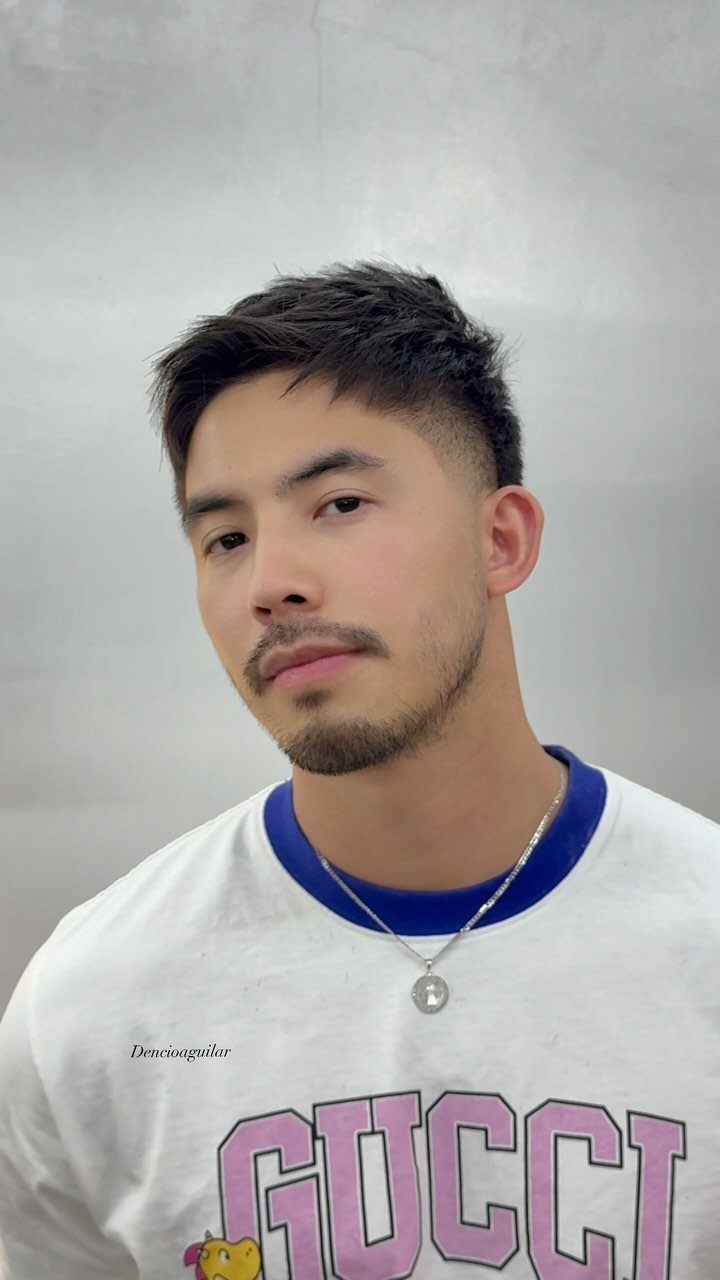
Clippers gradually shorten the hair as they move down the sides and back, but they stop before reaching skin. The result is clean without the stark line a fade creates.
Ask for a low, mid, or high taper depending on where you want the graduation to start. The top can be styled however you like; the taper just defines the sides.
It grows out more forgivingly than a fade and suits men who want a polished cut without frequent barbershop visits. Most hair types and face shapes work with it.
12. Edgar Haircut
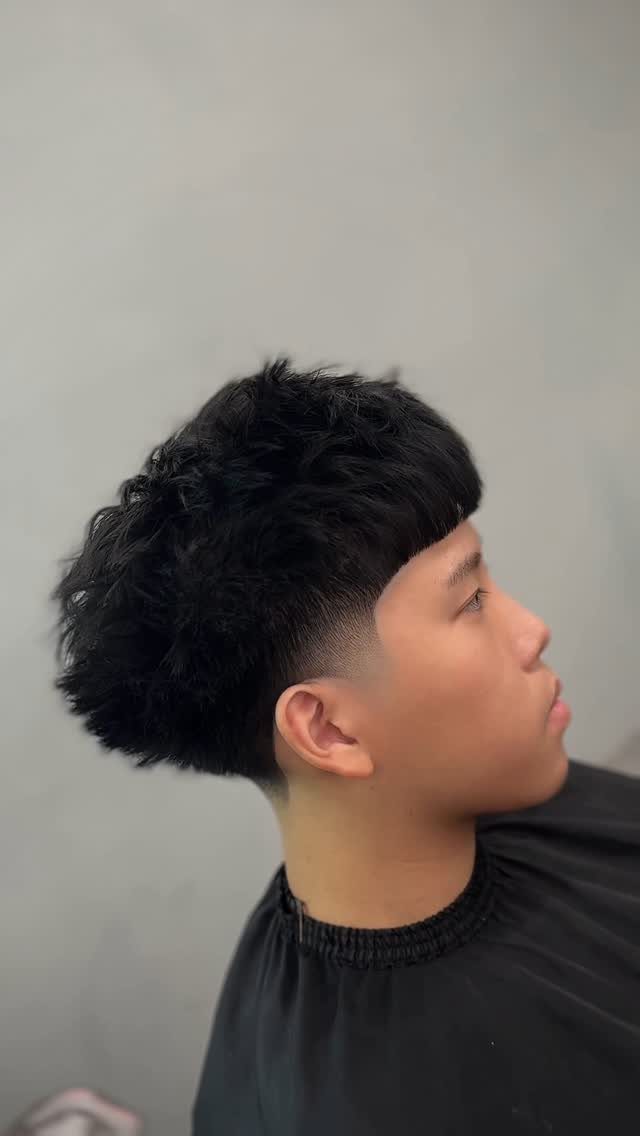
The fringe is cut straight across the forehead in a blunt horizontal line, and the sides fade tight to emphasize the weight up top. The result is bold and geometric.
Ask for a high skin fade on the sides and a straight-cut fringe that sits just above the eyebrows or lower depending on preference. The top can be left dense or lightly textured.
It reads younger and works best on men with thick, straight hair that holds a blunt line cleanly. The fringe needs regular trims to keep the edge sharp.
13. Burst Fade
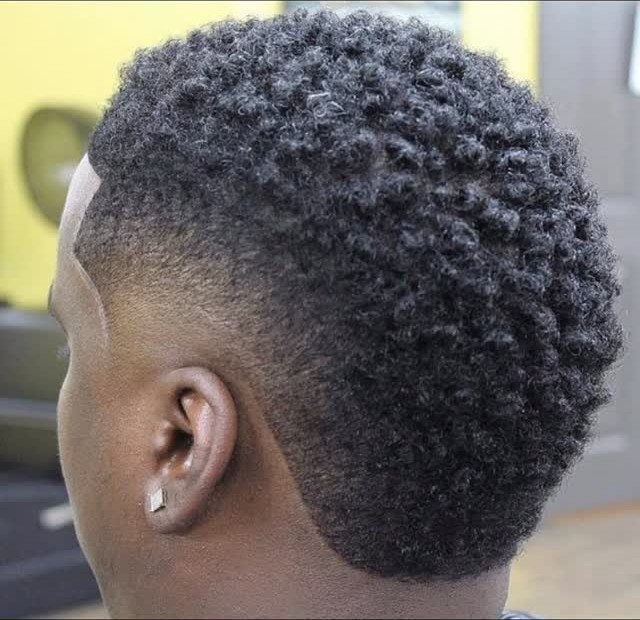
The fade curves in an arc around the ear instead of dropping straight down, and the back stays longer rather than blending all the way to skin. The shape follows the natural contour behind the ear.
Ask for a burst fade and specify where you want the curve to start.
14. Mohawk
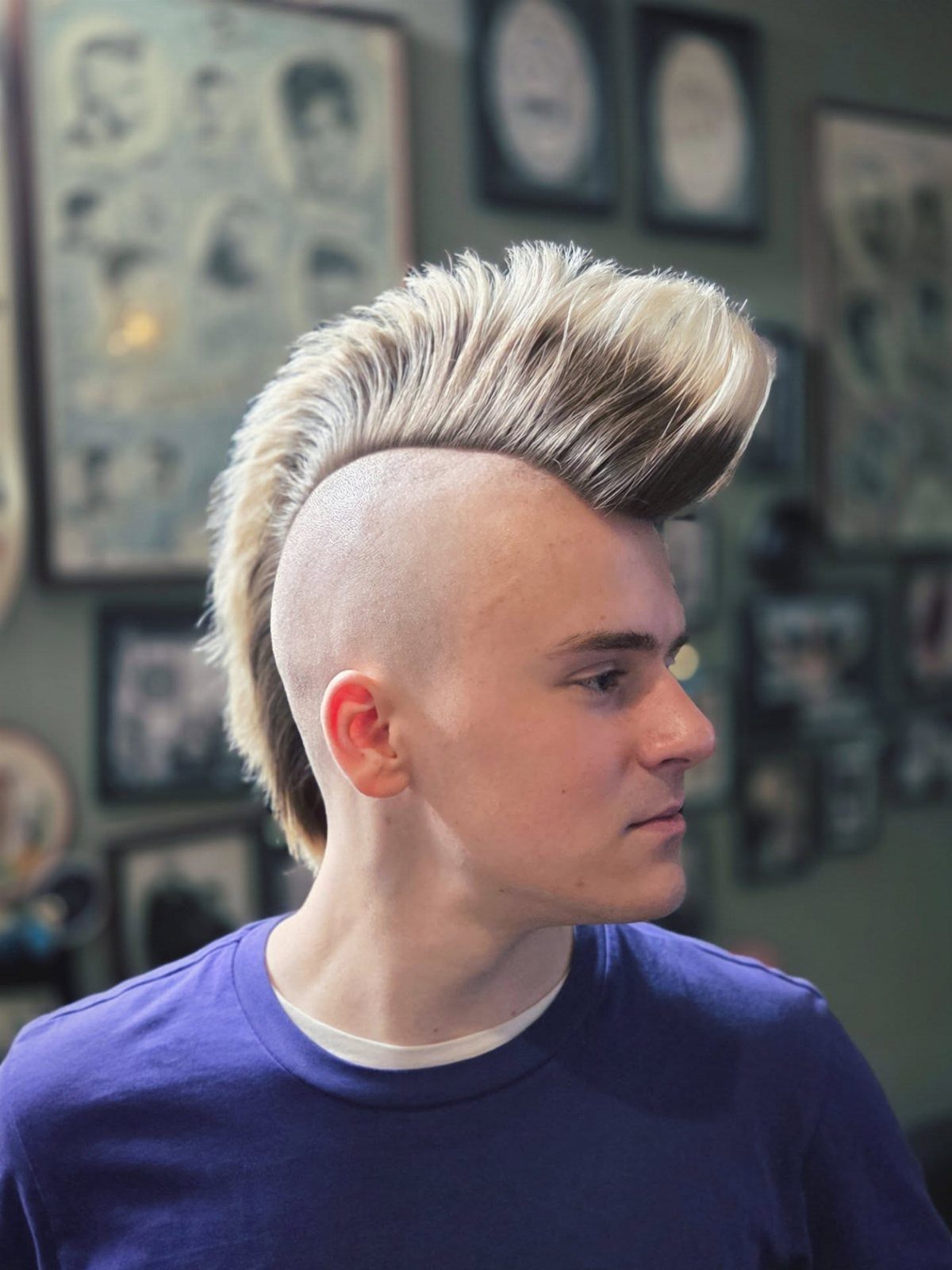
A strip of longer hair runs from the front hairline to the crown, while the sides are clipped short or shaved.
Product and a blow dryer lift the center when you want height. Without styling, the strip sits flat but still visible against the short sides.
Hair thick enough to hold volume makes the strip more pronounced. The sides need regular buzzing to keep the contrast intact, and the center needs length if you’re styling it upward.
15. Drop Fade
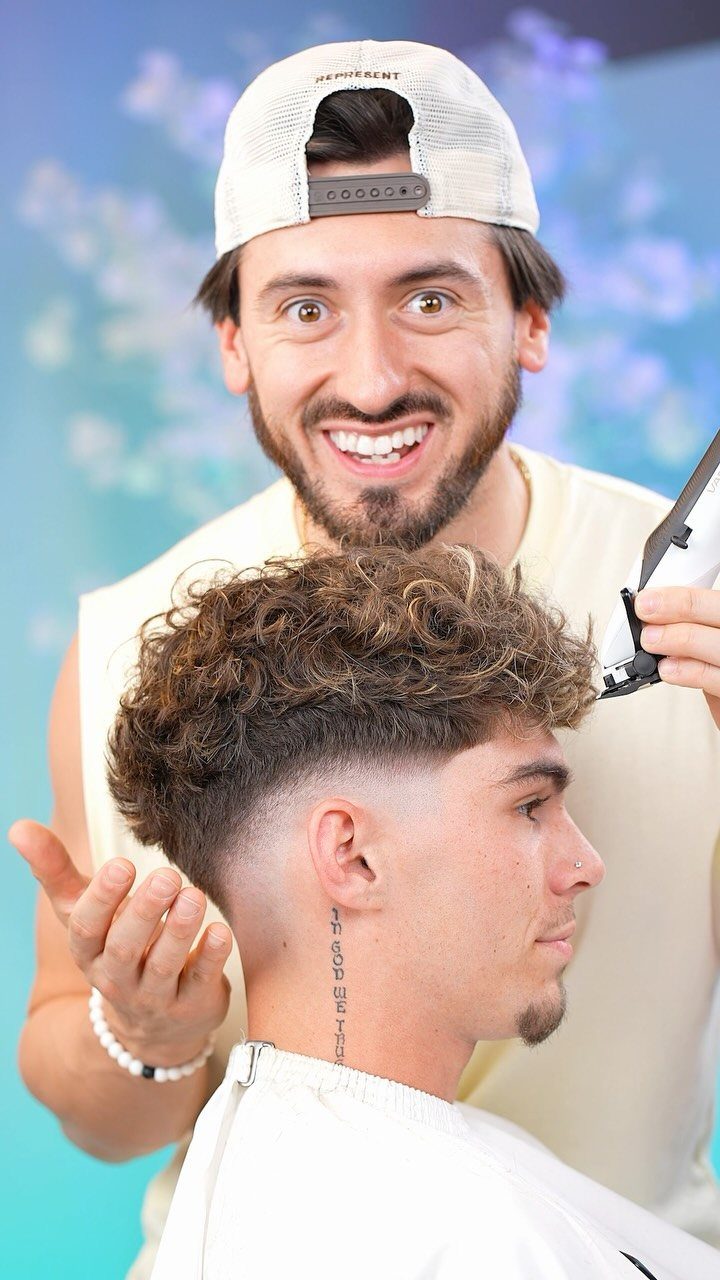
The fade starts high and curves downward behind the ear, following the natural line of the head rather than staying level. The result is a rounded shape that blends into the neckline.
The top length and style are separate choices; the fade just shapes the sides.
16. Bowl Cut
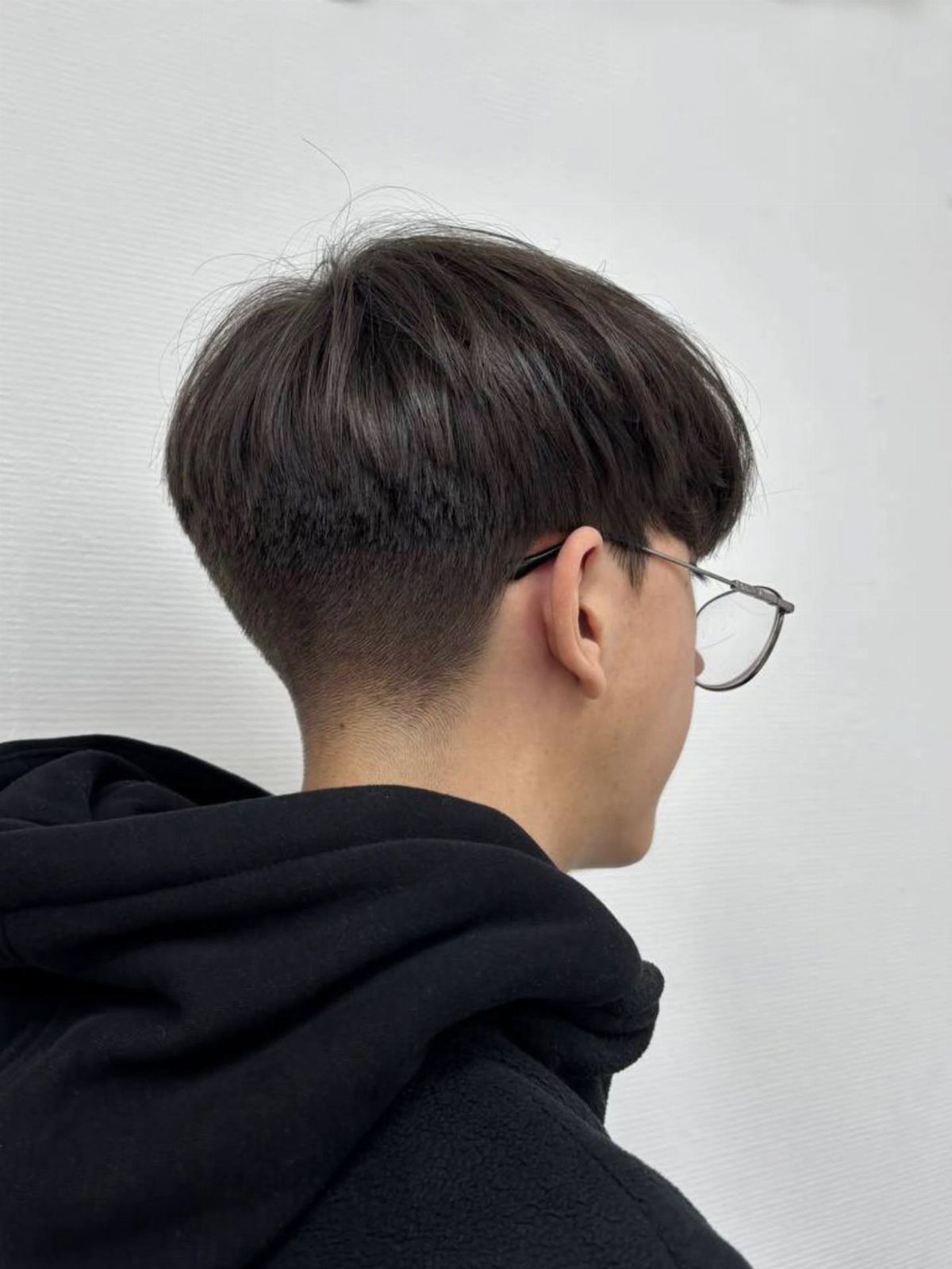
Hair is cut to one length around the entire head, creating a rounded shape that sits above the ears and wraps evenly from front to back. The sides can be undercut or left at the same length as the top.
Ask for a bowl cut and decide whether you want the sides disconnected or blended.
Straight hair shows the rounded line most cleanly. The cut reads bold and works best on men who want a distinct shape without daily styling.
17. Shag Haircut
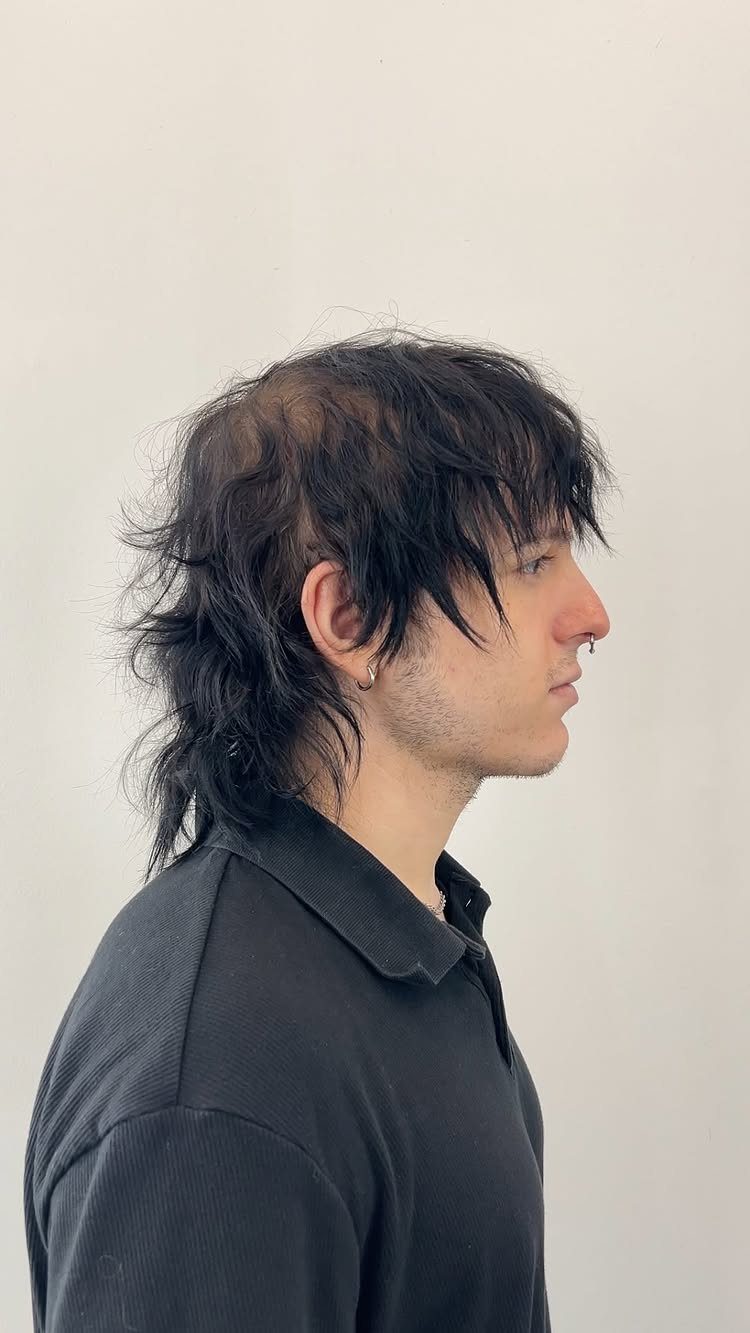
Choppy layers sit at different lengths throughout, creating texture and movement instead of one uniform shape. The fringe usually falls forward and the layers taper toward the ends rather than staying blunt.
Ask for a shag and let the barber texturize the layers with scissors or a razor. A small amount of sea salt spray or cream separates the pieces without weighing them down.
Wavy or slightly curly hair brings out the layers naturally.
Straight hair takes more product to show the texture. The cut grows out gradually, so cleanup can stretch longer than sharper styles.
18. Skin Fade
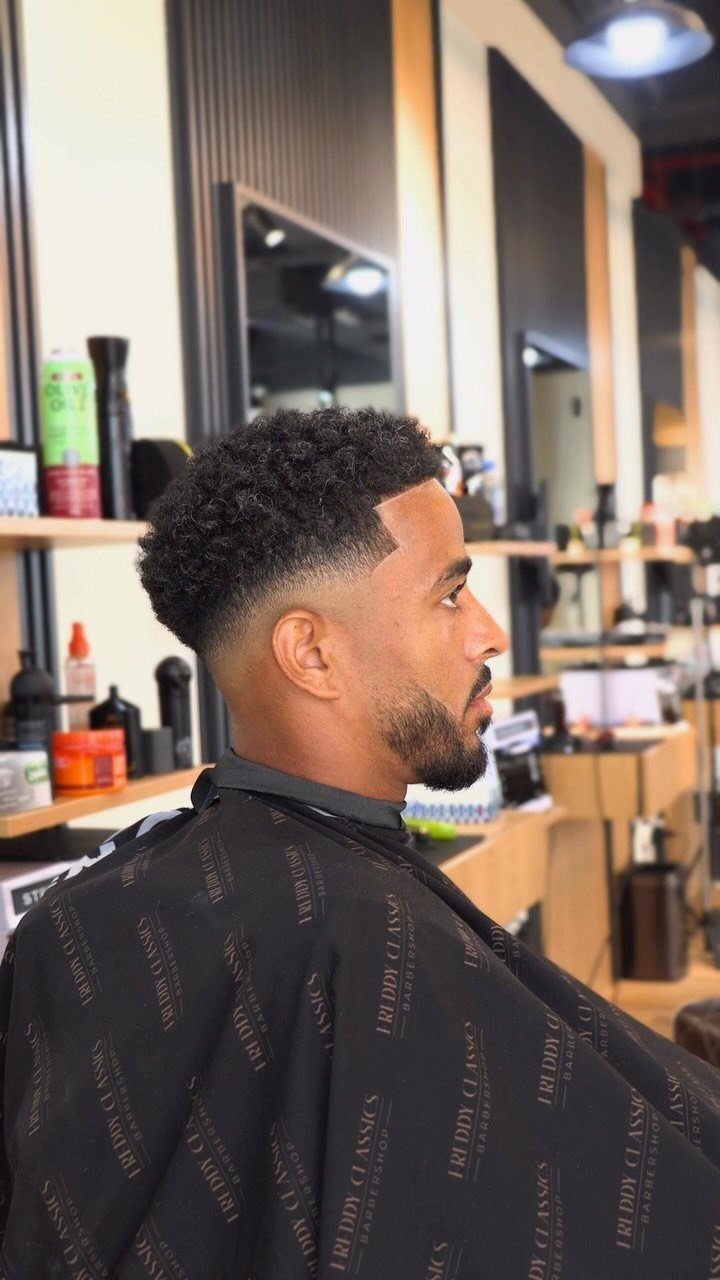
The clippers take the sides and back down to skin, so the line between the top and everything else is as sharp as a fade gets.
The barber will use multiple guard sizes to create a smooth gradient that ends at skin level.
The top can be any length or style; the fade just defines the perimeter.
19. Mid Fade
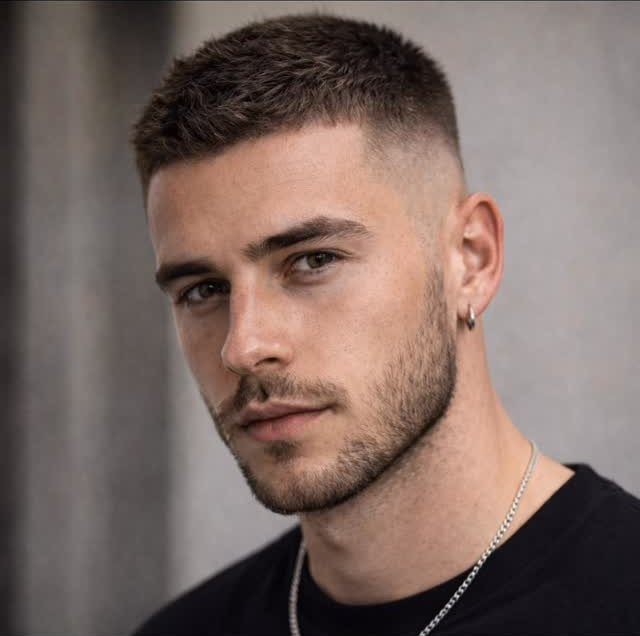
The fade sits halfway between the temple and the top of the ear, blending from longer hair down to skin or a short guard. The placement balances clean sides with a softer transition than a high fade.
The top can be textured, combed over, or left messy depending on what you’re after.
It grows out without an obvious line appearing overnight, so you can stretch longer between cleanups. Most face shapes benefit from the mid placement since it doesn’t pull the eye too high or sit too low.
20. Natural Pomp
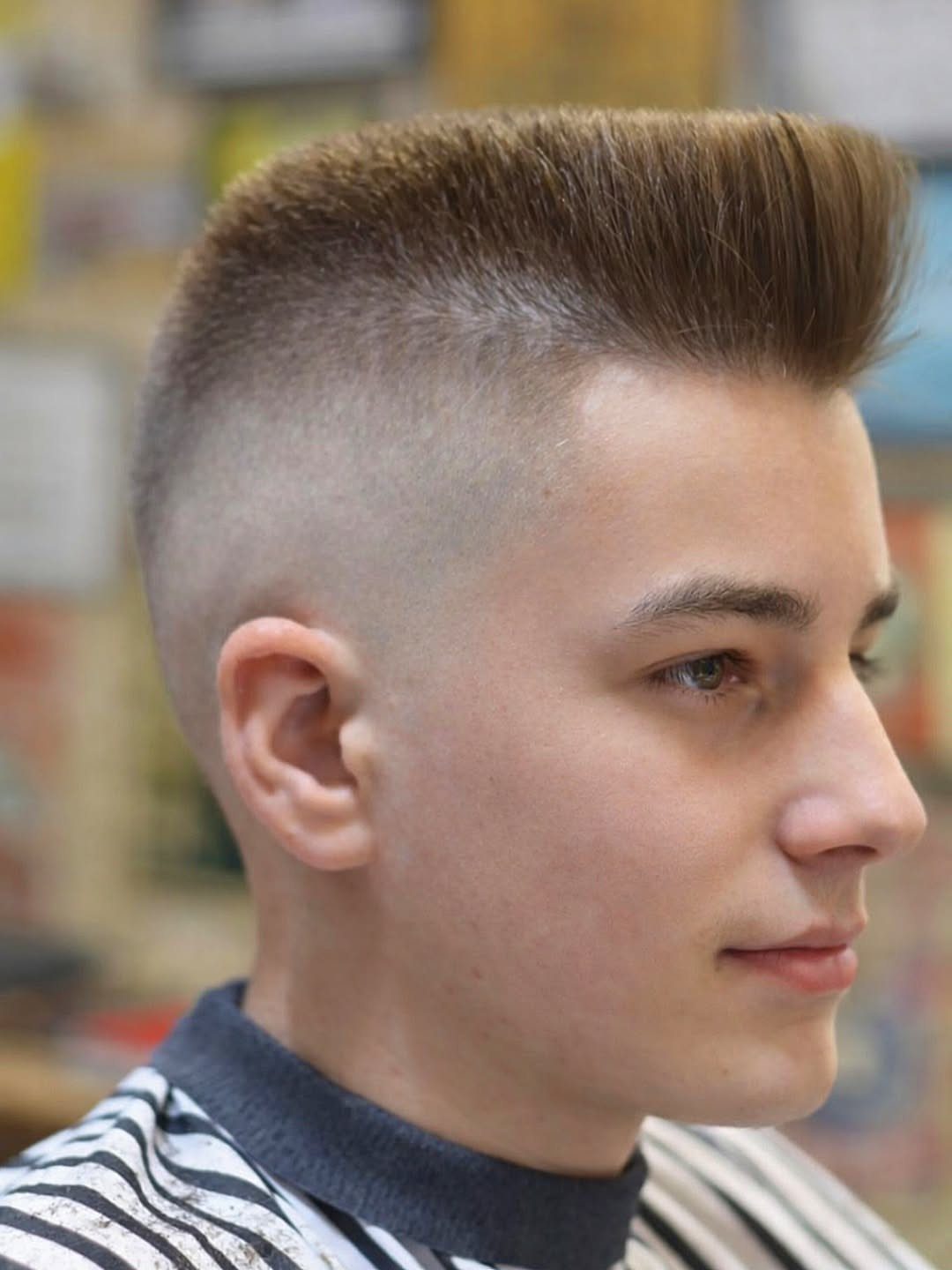
Volume builds at the front without the steep angle or rigid shape of a traditional pompadour. The hair lifts and sweeps back, but the look stays softer and less structured.
Blow dry the front upward with your fingers, then run a light pomade or cream through to hold the shape without shine. The sides fade tight to keep the top from looking heavy.
Thick or wavy hair adds natural volume with less effort. The style works for men who want presence up front but don’t want to spend half the morning locked into a mirror.
21. Textured Crop Fade
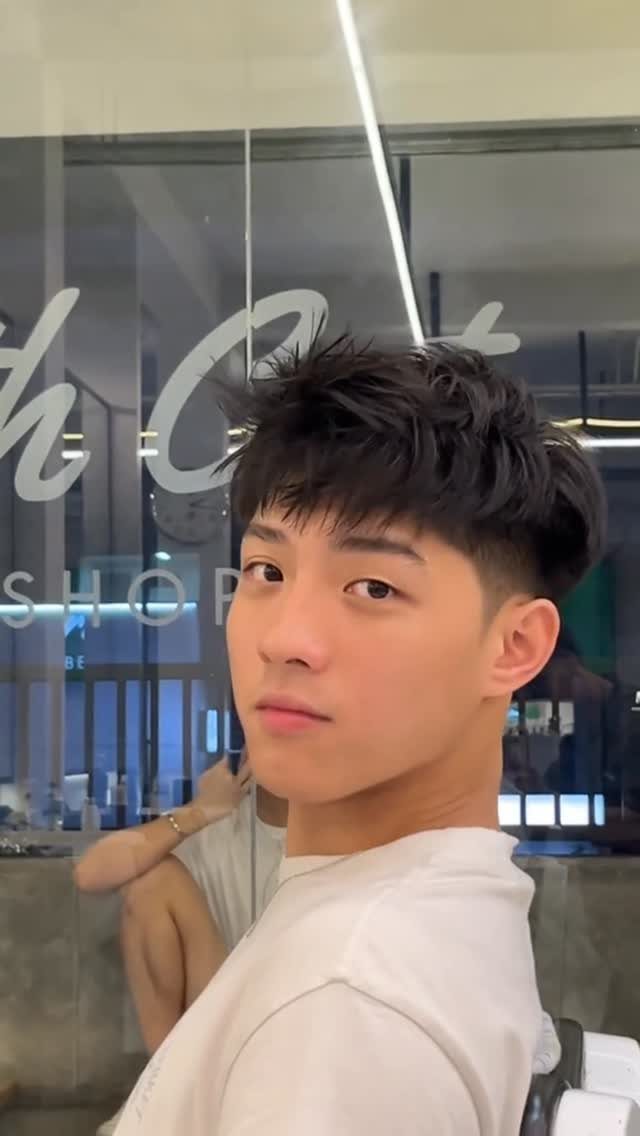
Short, choppy layers on top sit forward in different directions rather than combing into one shape, and the sides fade clean to let the texture stand out.
The forward texture softens a longer face and the fade keeps it from feeling heavy. Hair with natural body shows the layers better than fine, straight types.
22. Wavy Fringe with Fade
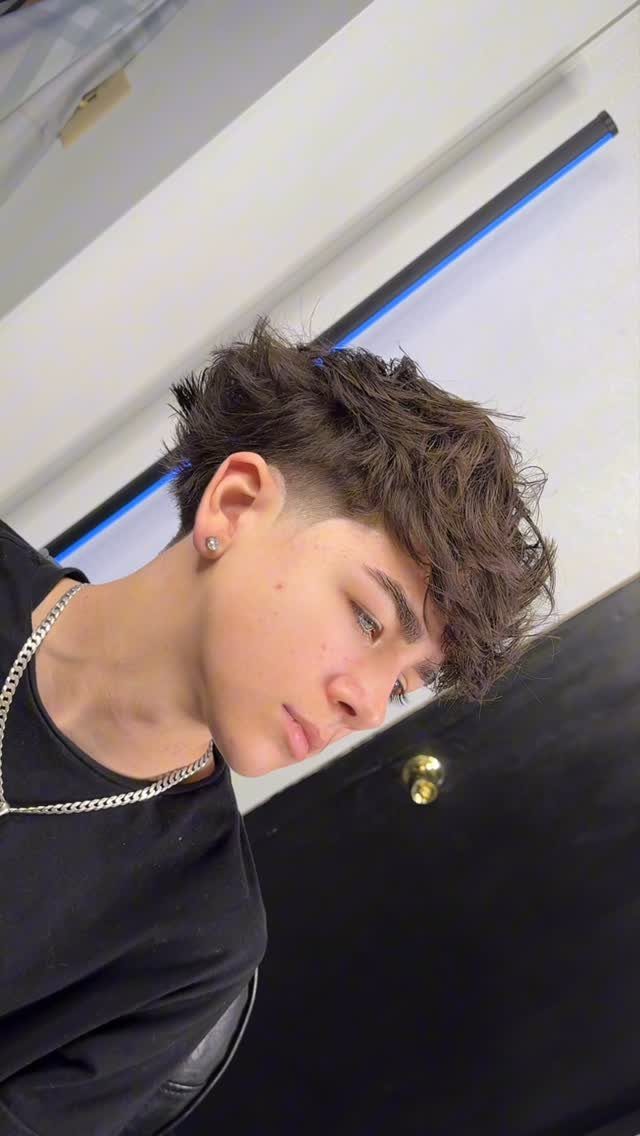
Wavy hair sits forward in a loose fringe while the sides fade tight, so the texture on top stays the focus. The waves add movement without needing a styling routine that takes more than a minute.
A bit of sea salt spray brings out the texture, though most of the shape comes from how the hair naturally sits.
Wavy or curly hair suits this better than straight, since the fringe needs bend to avoid looking flat. The fade grows out cleanly, so touch-ups can stretch a few weeks.
23. Short Spiky Fade
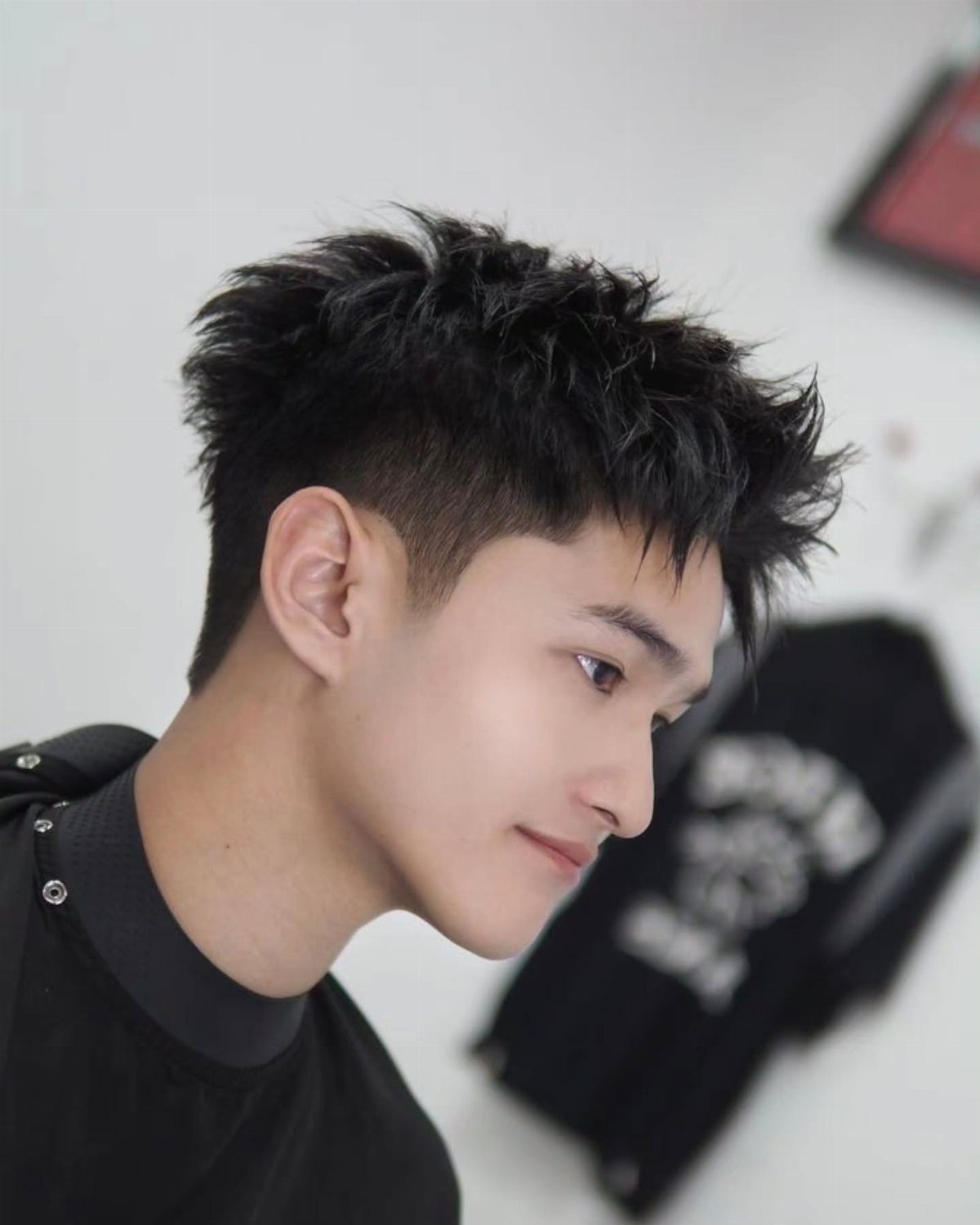
Product lifts short pieces upward into defined spikes across the top, while the sides fade down to skin or a short guard. The result is textured and intentional without looking overly polished.
Use a strong-hold gel or wax on damp hair and work it upward with your fingertips, pulling small sections into points. The shorter the top, the less product it takes to hold the spikes.
Straight or slightly wavy hair stands upright more easily.
Choose by Hair Type
Straight hair holds structure cleanly but flattens without help, so look at cuts with layers on top or texture cut into the fringe. A textured crop or a side part with light layering keeps it from sitting limp.
Styles that let the wave show, like a fringe or a loose quiff, work better than cuts that fight the natural bend.
Curly hair needs enough length to shape the curl instead of letting it spring outward. Fades and shorter afro styles keep the sides controlled while the top holds volume.
Thin hair looks fuller when cut short and textured. A buzz cut, crew cut, or short crop hides the scalp better than longer styles that separate and show gaps.
Coarse hair benefits from simpler cuts like a Caesar or high and tight that don’t require daily smoothing.
Show Your Barber References
Bring a photo of the cut you want. One or two clear shots give the barber the shape, the top length, and the finish you’re after without relying on a name that might mean different things to different people.
Before anything gets cut, spend a minute making sure the style actually suits your hair texture and face shape. Thickness matters: if the reference cut relies on density you don’t have, ask how to compensate.
Confirm the details that change the cut: fade height, guard numbers on the sides, how much length stays on top, and where a part sits if you want one.
A straight razor can sharpen the hairline into a clean outline, called a line up, which adds precision to buzz cuts, crew cuts, and fades.
Frequently Asked Questions
What are the top haircuts for men?
Side parts, crew cuts, buzz cuts, and fades appear most often across barbershops because they suit a range of hair types and require different levels of upkeep.
A crew cut tapers cleanly and grows out well, while a buzz cut removes styling entirely.
A fade cleans up any cut you add it to, and parting hair to one side suits most textures if you leave enough length to move it.
What are the basic haircuts?
Crew cuts, buzz cuts, and side parts form the foundation most other cuts build from.
The crew cut stands hair up on top and tapers the sides down, the buzz cut uses one clipper guard everywhere, and a side part sends the hair in opposite directions from a line you comb in.
Each one keeps maintenance straightforward and adapts to different hair types.
How to choose the right haircut?
Hair texture decides what holds shape: straight hair keeps clean lines, wavy hair lets you see layering, and curly hair pulls tighter when cut short so it needs length to direct the curl.
Face shape matters next: a rounded jaw benefits from lifted volume at the front, and a longer forehead balances with a forward fringe.
Pick a cut that fits how much time you’ll spend styling it each morning and how often you can get it cleaned up.
How to choose the best hairstyle for straight hair?
Straight hair lies flat without coaxing, so you need layers through the top or texture along the front to give it anything to hold.
Texture through a crop or a side part with some layering gives straight hair more to work with than cutting everything the same length. Face shape and how often you’ll style it each morning narrow the list from there.
How to ask your barber for a straight haircut?
Bring a photo of the cut you want so the barber sees the shape, the top length, and the finish without relying on a name that might mean different things.
Say where the fade starts, which guards you want on the sides, and how much length you’re keeping on top before the first pass.
When the reference photo shows thicker or finer hair than yours, ask how to adjust the cut so it works anyway.
What is the best short haircut for your face shape?
Round faces need height up top and tighter sides to stretch the shape vertically, so a crew cut or quiff does more than anything that sits level.
Square faces suit structured styles like a buzz cut or fade that accentuate the jawline, while longer faces balance with medium-length styles or a forward fringe. Oval faces suit almost any style since proportions are already balanced.