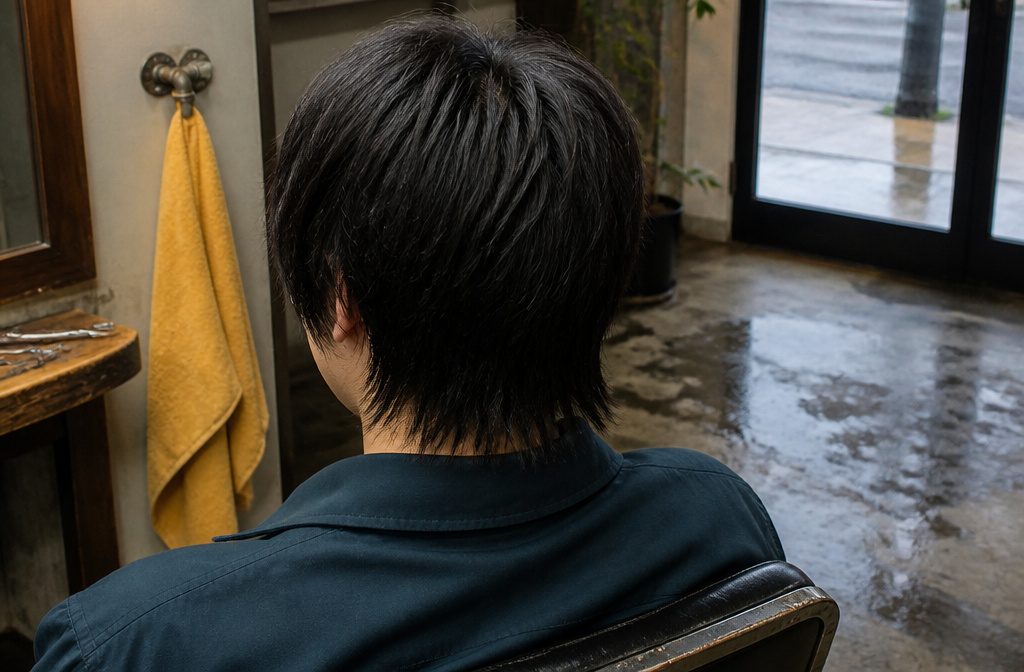
A wolf cut on straight hair shows every layer as a sharp, visible line instead of blending them into soft texture.
That clarity makes the cut look more structured and intentional than it does on wavy hair, but it also means uneven layering has nowhere to hide.
The crown needs to be cut shorter to build lift, while longer sections around the sides and back create the contrast that defines the shape.
What defines a wolf cut and how straight hair changes it
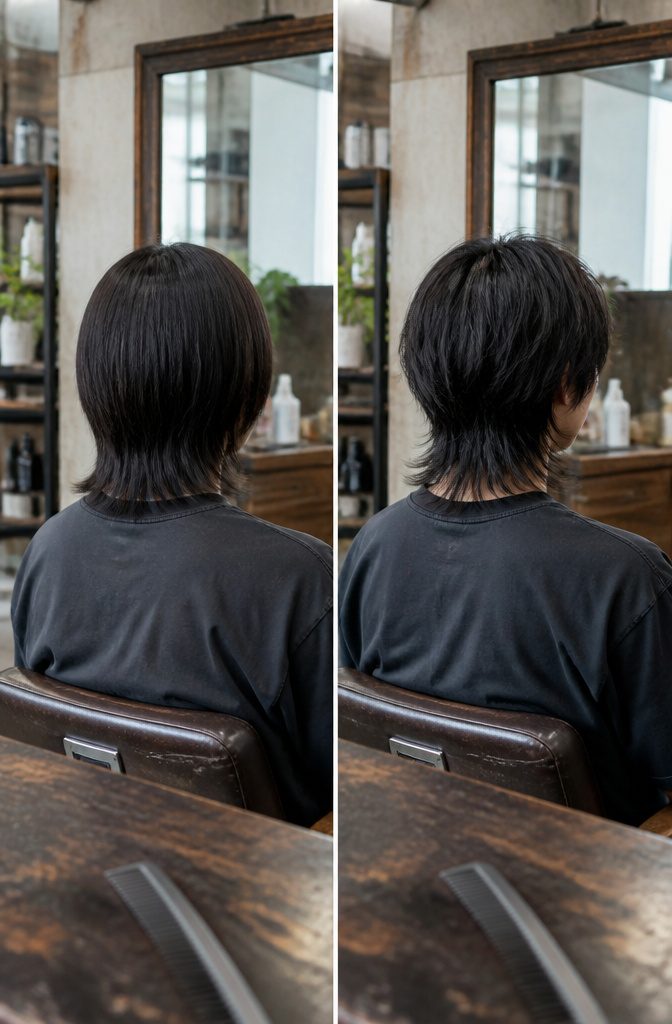
A wolf cut blends the choppy, layered texture of a shag with the length contrast of a mullet.
The crown and top are cut shorter to build volume, while sections around the sides and back stay longer, creating that untamed, graphic shape the style is known for.
The cut relies on aggressive texturizing to carve internal layers and force movement into the strands.
Straight hair shows every layer as its own distinct line. Where wavy or curly texture blends layers into one flowing shape, straight strands reveal each cut with high-contrast clarity.
That precision can look sharper and more intentional than the textured version, but it also means your barber needs to nail the layering.
There’s no natural wave to hide an uneven cut. The same quality that makes straight hair ideal for showcasing technical detail also demands that the detail be executed cleanly.
1. How the cut creates shape and movement on straight hair
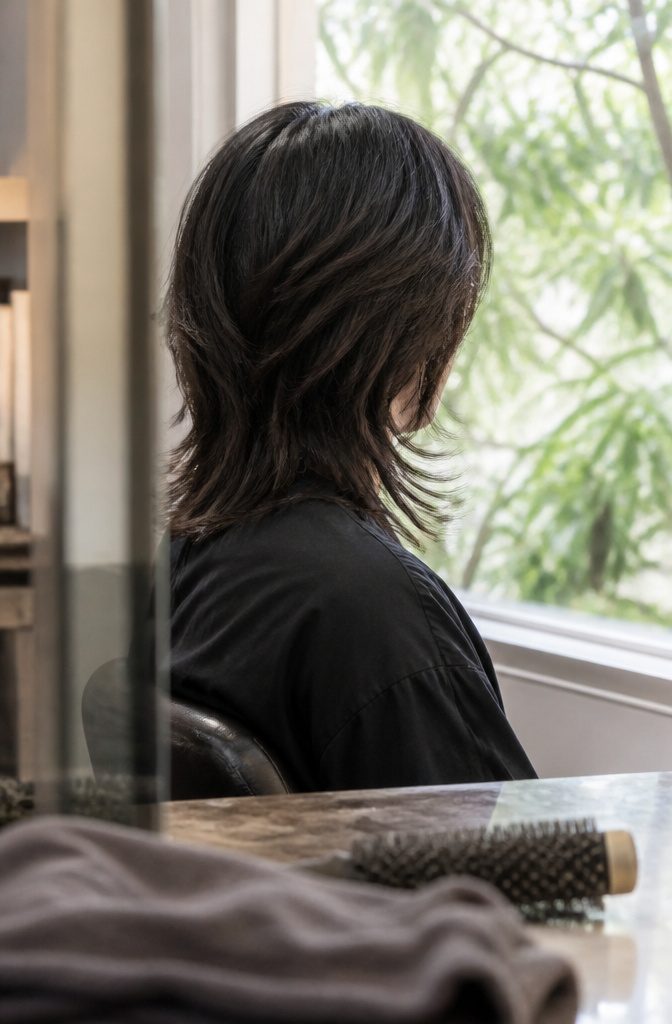
The wolf cut works on straight hair by removing weight through layered sections, which lets the remaining strands lift away from the scalp instead of lying flat under their own mass.
When straight hair is thin, that weight pulls everything down and makes it look sparse.
Carving out internal layers allows each section to stand up and move freely, creating the illusion of density and depth. The cut turns limp strands into a multi-dimensional shape that reads as thick and deliberate.
The trick is keeping enough weight distribution in each layer to create lift rather than just length variation.
Softer, blended layers work better on fine hair, and short crown layers can backfire by making thinning more visible. Done right, a straight wolf cut looks structured and intentional, more like a deliberate shape than a flat mass of hair.
2. Choosing length and fringe for your face
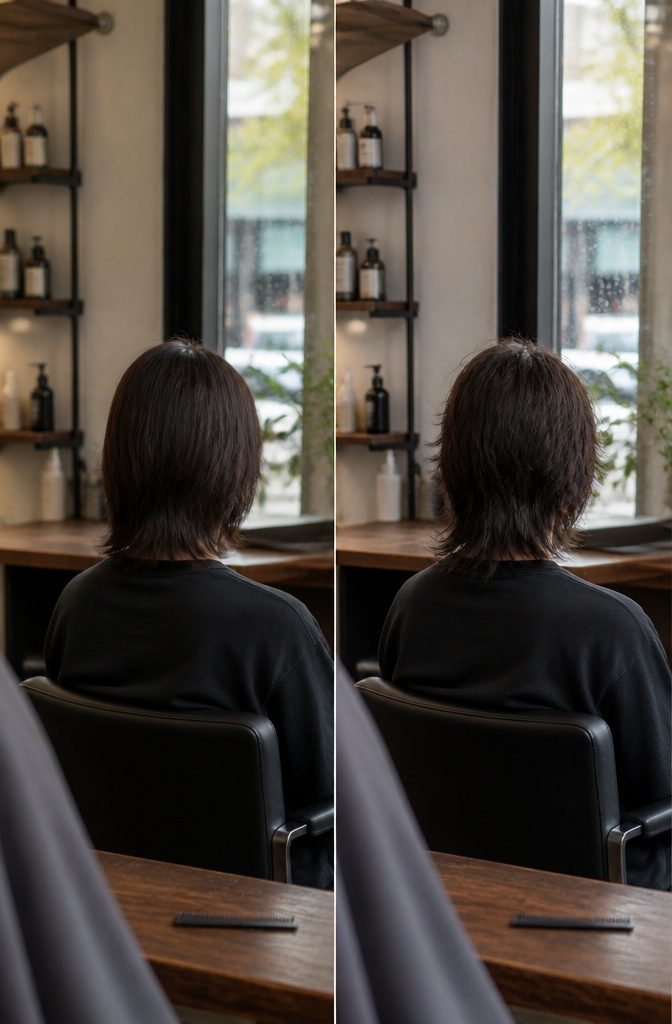
The wolf cut needs length to work. Chin length is the absolute floor, and shoulder length or longer gives the layers room to actually show their shape.
Straight hair reads every layer as a clean horizontal line, so if you cut too short the whole thing collapses into a basic shag with no silhouette left to speak of.
To carry off a wolf cut, your hair should ideally be at least chin length. While medium to long hair is ideal for achieving a wolf cut’s wild look, even shorter hair can rock a wolf cut.
Shoulder length hits the sweet spot: enough length for distinct crown volume and visible layering, but still short enough that you’re not dealing with serious drying time.
Go longer than that and the drama ramps up, but so does the styling commitment.
The fringe anchors the whole cut.
You can skip bangs if you’re not ready to commit, but then you need heavy face-framing layers to hold the wolf silhouette instead. Without either one, the cut just reads as disconnected and unfinished rather than intentional.
3. Drying and shaping to avoid flat roots
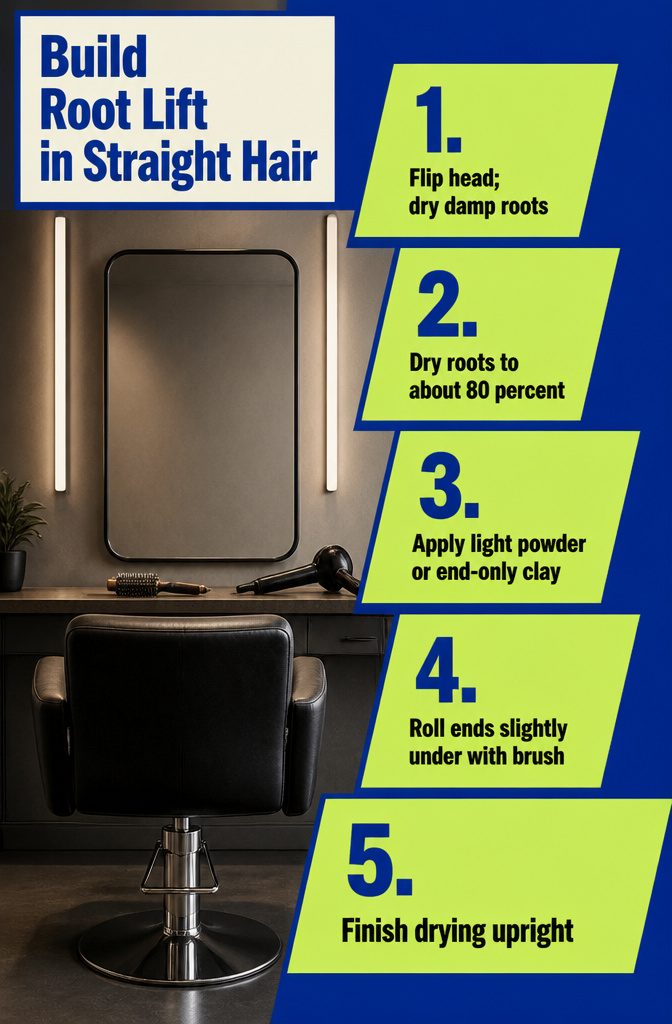
- Flip your head upside down and blow-dry the roots first. Straight hair drops flat the moment it dries, so lifting at the root while the hair is still damp locks in volume that you can’t add after the fact. Dry to about 80 percent, then flip back upright and finish the rest.
- Apply a lightweight texture powder at the crown or a small amount of matte clay through the ends only. Heavy products that work on wavy or curly hair make straight strands look greasy or weighed down fast. Less reads better here.
- Use a round brush to roll the ends under slightly as you finish drying. A wolf cut styled completely flat can look like a standard layered haircut instead of a deliberate shape. Even a small bend helps the layers read as intentional rather than accidental.
4. Products that add texture without weight
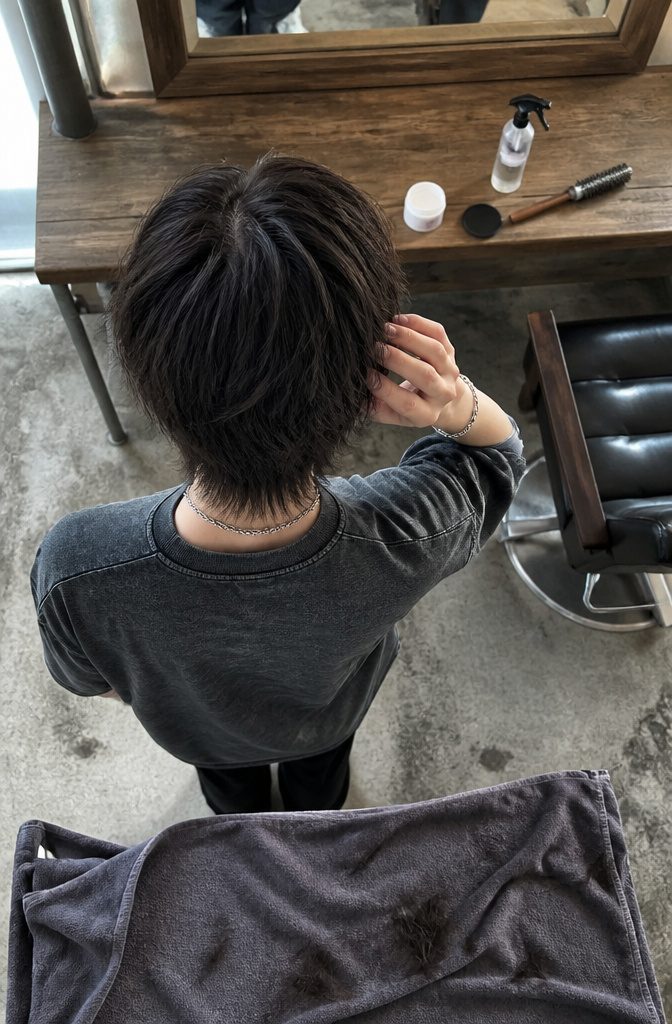
Straight hair needs texture powder at the roots and wax on the ends—products that create friction and separation without flattening the layers you paid for. A short lead here keeps the spotlight on the list:
- Texture powder lifts the crown and adds grit where straight strands would otherwise sit flat.
- Lightweight sea salt spray roughens the mid-lengths during the drying phase, giving you something to work with before the iron goes in.
- Matte clay or wax defines the very ends of the layers, creating that shattered, piecey finish the cut is built for. Use a small amount.
- Volumizing mousse at the roots adds lift if you blow-dry with a round brush.
- Texturizing spray separates layers and keeps movement natural without stiffness.
Skip smoothing serums and heavy oils. They kill the volume at the crown and turn a wolf cut into a weighted-down mistake.
5. What to ask your stylist and what to show them
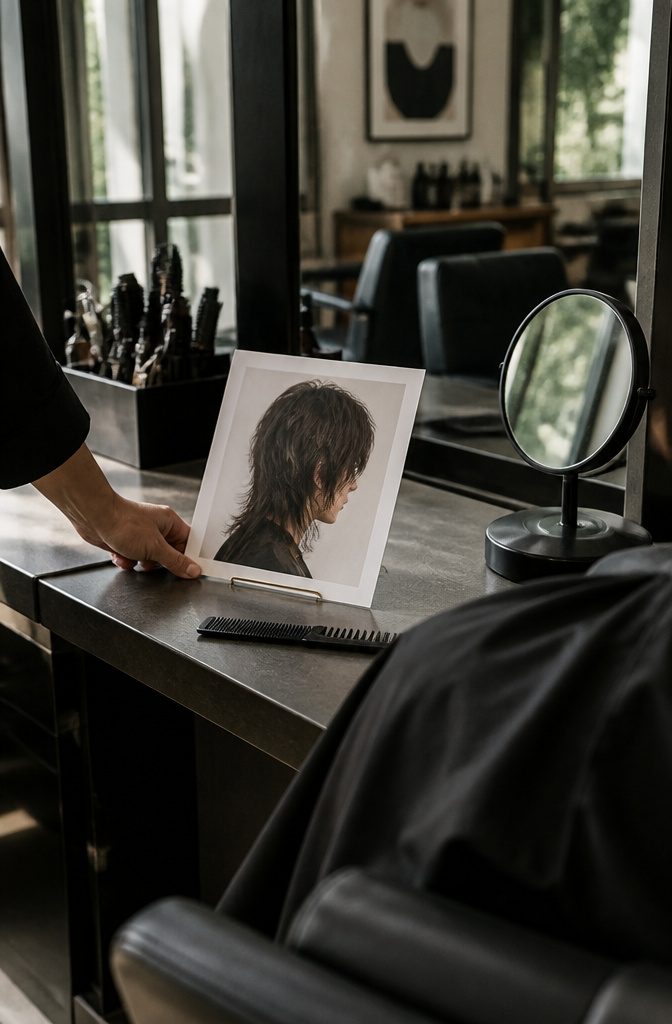
Showing a picture of the cut does more work than describing it.
Wolf cuts vary enough that one stylist’s version might sit close to the scalp with choppy ends while another builds volume through the crown and leaves longer disconnected pieces around the face.
A reference image makes it clear whether you want something shaggy through the top or closer to a textured crop with length left at the nape, and whether the fringe should sweep across or fall forward in separated pieces.
If you don’t have a photo, name the techniques you want: point cutting creates the torn, feathered ends that define the cut, and slicing or internal weight removal keeps straight hair from sitting too heavy through the mid-lengths.
Mention where you want the shortest layer to start and how much length stays at the back, because straight hair shows every line.
6. Trim every 6 to 8 weeks, tighter for straight hair
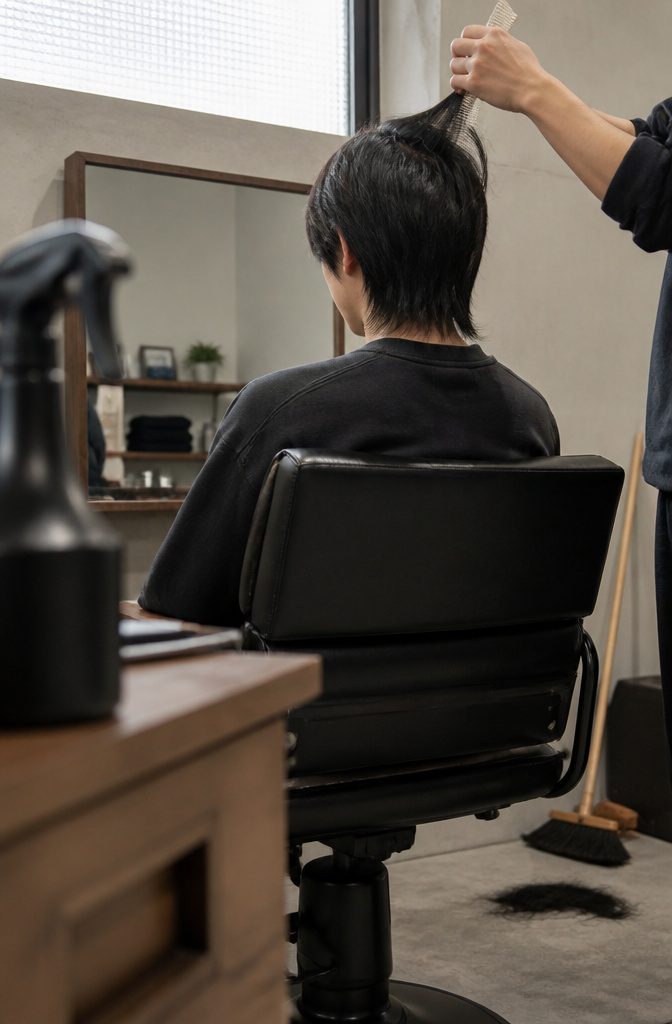
The wolf cut needs a trim every six to eight weeks to keep the layers sharp and the crown volume intact.
Straight hair grows in a way that shows every line, and the aggressive layering that gives this cut its edge can start looking like a standard, boring cut if you let it go too long.
The weight of regrowth will eventually flatten the crown and collapse the layers, and you lose the technical steps that make the silhouette work.
Straight hair makes regrowth more visible sooner than the same cut on wavy or curly hair, because there is no natural wave to disguise a layer growing out.
A straight wolf cut starts looking less defined a couple of weeks earlier than it would on textured hair.
Budget for trims on the tighter end of that six to eight week window rather than stretching to ten. If you wait longer, the balance shifts and the layers start to look heavy.
How density and face shape change which version suits you
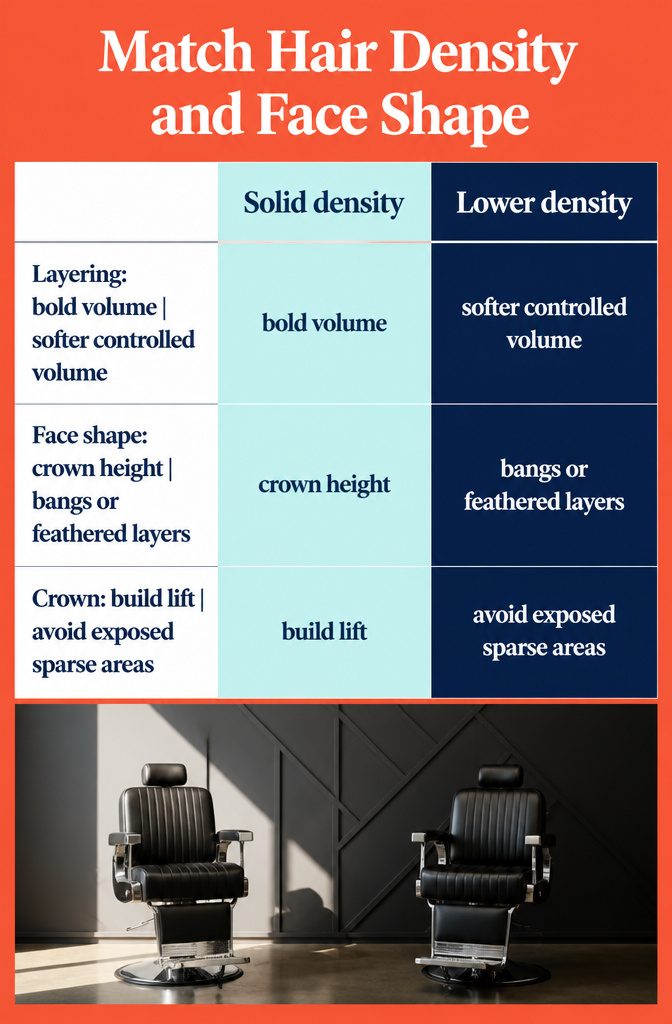
Density decides whether the layered structure reads as full or exposes thinning. If your hair has solid density, most versions of the cut will look bold and carry the volume the style is built on.
Heavily layered styles may expose sparse areas at the crown or hairline rather than hide them, so softer cuts with controlled volume work better than extreme or spiky variations if density is lower.
Face shape changes which proportions flatter. Round faces benefit from height at the crown and longer back layers that lengthen the silhouette.
Long faces suit curtain bangs or medium-length versions that add width and proportion instead of stretching the face further. Square faces pair better with softer, feathered layers that balance sharp angles, while oval faces work with most versions.
Straight hair needs layering placed to build volume at the crown, since it lacks the natural lift wavy or curly textures bring. Choosing the wrong variation for your texture leads to styling frustration and uneven results.
Wolf cut compared with butterfly cut and mullet
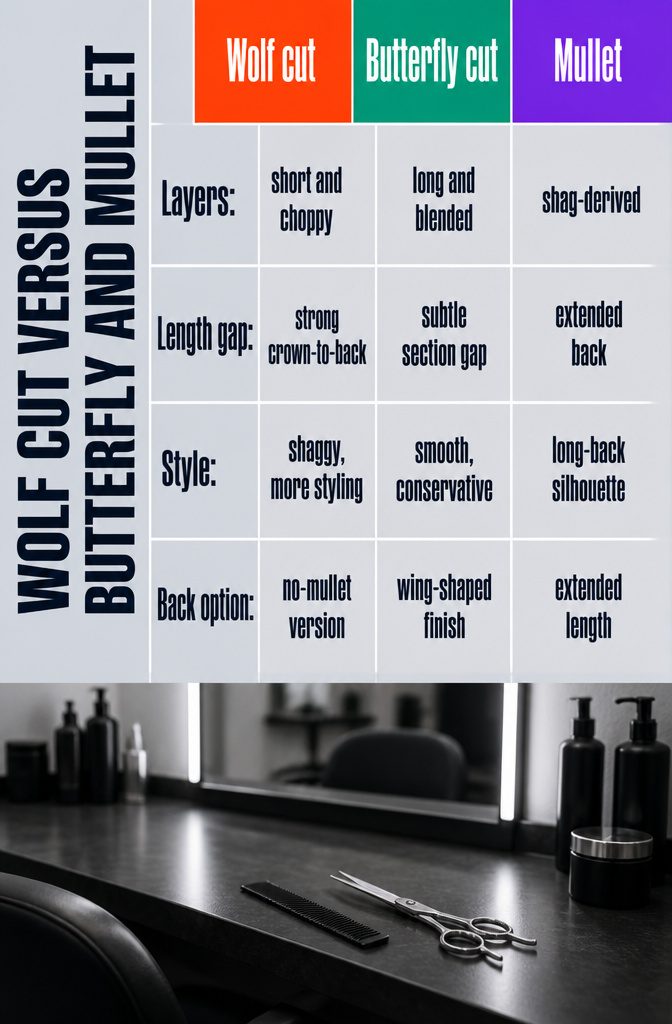
The butterfly cut is the quieter relative on straight hair. Its long, face-framing layers fall in a soft wing shape with little gap between the shortest and longest sections, so it reads smooth and blended.
The wolf cut has shorter, choppier crown layers and a much bigger length gap from top to back, and straight strands show that contrast plainly.
I’d pick butterfly for conservative settings and the wolf cut if you want the shaggier look and accept the extra styling.
The wolf is a hybrid of a 70s shag and an 80s mullet, not a copy of the mullet.
If the long back worries you, ask for a no-mullet wolf cut, which drops the extended back section and keeps the layers.
Frequently Asked Questions
Can you get a wolf cut on straight hair?
Yes, straight hair works well with a wolf cut. The layers show up as distinct, high-contrast lines instead of blending together, which makes the cut look sharper and more intentional.
Your barber needs to execute the layering cleanly because straight strands reveal every cut with no natural wave to hide uneven work.
How do I style a wolf cut on straight hair without it looking flat?
Flip your head upside down and blow-dry the roots first to lock in volume while the hair is still damp.
Use texture powder at the crown and a small amount of matte clay on the ends only, since heavy products flatten straight hair fast.
Rolling the ends under slightly with a round brush as you finish drying helps the layers read as deliberate rather than accidental.
Does a wolf cut make hair look thicker?
Yes, removing weight through internal layers allows straight hair to lift away from the scalp and move freely instead of lying flat under its own mass.
This creates the illusion of density and depth, turning limp strands into a multi-dimensional shape that reads as thick. The cut turns what looks sparse into something that appears full and deliberate.
Can I have a wolf cut without bangs?
Yes, but you need heavy face-framing layers to hold the wolf silhouette instead. Without either bangs or strong layers around the face, the cut reads as disconnected and unfinished rather than intentional.
Is a wolf cut the same as a mullet?
No, the wolf cut is a hybrid of a 70s shag and an 80s mullet, not a copy of either one.
It blends choppy, layered texture through the crown with length contrast at the back. If the extended back section worries you, ask for a no-mullet wolf cut that keeps the layers but drops the long back.
Is a wolf cut different to a butterfly cut?
Yes, the butterfly cut has softer, more blended layers that fall in a smooth wing shape with little gap between the shortest and longest sections.
The wolf cut has shorter, choppier crown layers and a much bigger length gap from top to back, and straight strands show that contrast plainly. Pick butterfly for conservative settings and wolf if you want the shaggier look.
Is a wolf cut high maintenance for straight hair?
The cut needs a trim every 6 to 8 weeks to keep the layers sharp and the crown volume intact.
Straight hair shows regrowth and layer lines more visibly than wavy or curly hair, so you lose the technical definition sooner if you let it go.
Daily styling can be quick, but trims belong on the tighter end of that window rather than stretching to 10 weeks.
What products are best for a straight wolf cut?
Use texture powder at the roots and lightweight wax on the ends to add grit and separation without flattening the layers.
Sea salt spray during drying roughens the mid-lengths, and volumizing mousse at the roots adds lift if you blow-dry with a round brush.
Skip smoothing serums and heavy oils, which kill the volume at the crown and weigh the cut down.
How do you ask your hairdresser for a wolf cut?
Show a picture of the cut you want, since wolf cuts vary enough that describing one rarely lands where you expect.
The reference image makes it clear whether you want volume through the crown or a textured crop with length at the nape, and whether the fringe should sweep across or fall forward.
If you skip the photo, name the techniques: point cutting for torn, feathered ends and slicing or internal weight removal to keep straight hair from sitting too heavy.