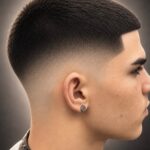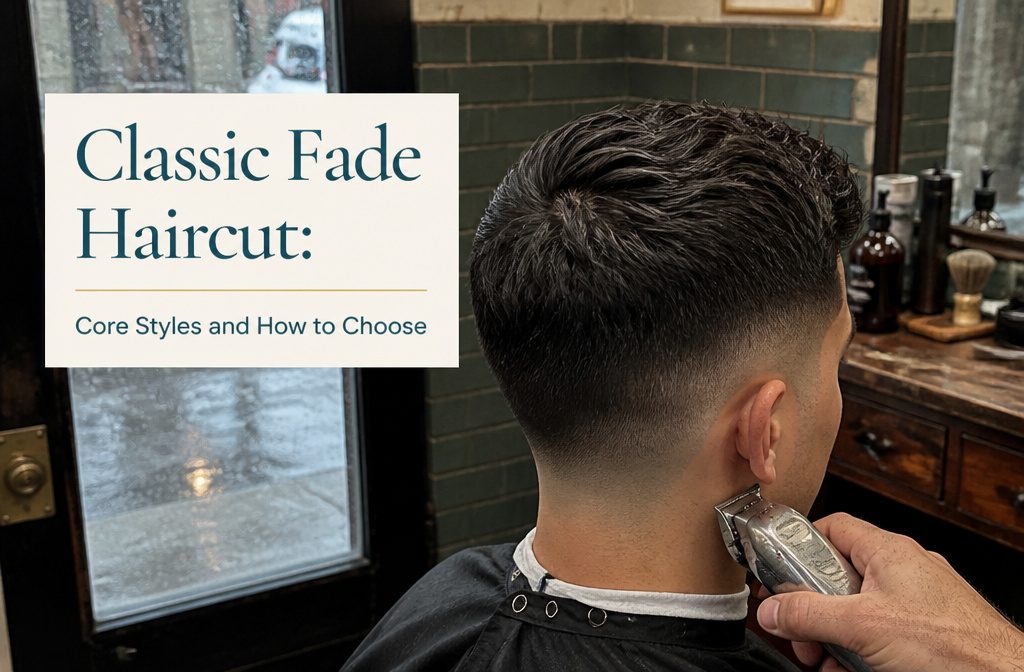
A classic fade haircut keeps longer hair on top and blends it gradually into progressively shorter sides and back, creating a smooth transition instead of a hard line.
Where that blend starts matters more than anything: a fade beginning higher on the head creates sharper contrast and needs more frequent cleanups, while one starting lower keeps the look softer and grows out less noticeably.
What Makes a Fade a Fade
What Makes a Fade a Fade
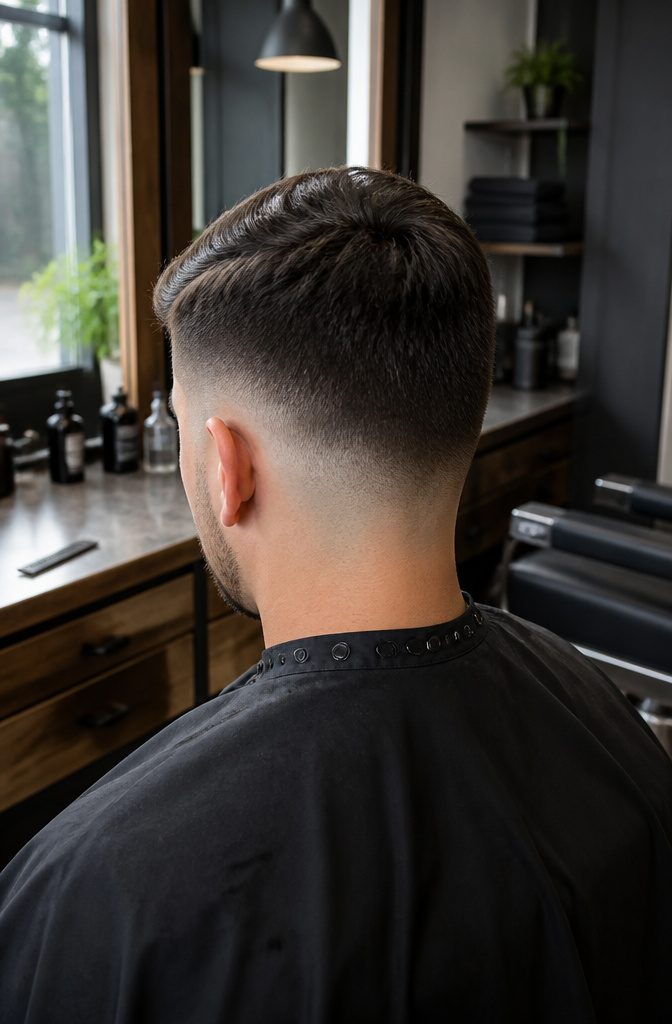
The defining feature is longer hair on top that gradually blends into progressively shorter hair on the sides and back.
Instead of a hard line where length stops, the transition moves smoothly from one length to the next, creating the faded effect the cut is named for.
What separates one fade from another is where that blend begins and how much contrast you build between the top and the shortest point.
A fade that starts higher on the head creates sharper contrast. One that begins lower keeps the overall look closer in length from top to bottom.
That starting point matters more than anything else when you’re deciding which version to ask for, because it shapes how the cut frames your face and how often you’ll need to come back for a cleanup to keep the blend looking deliberate rather than grown out.
1. Low Fade
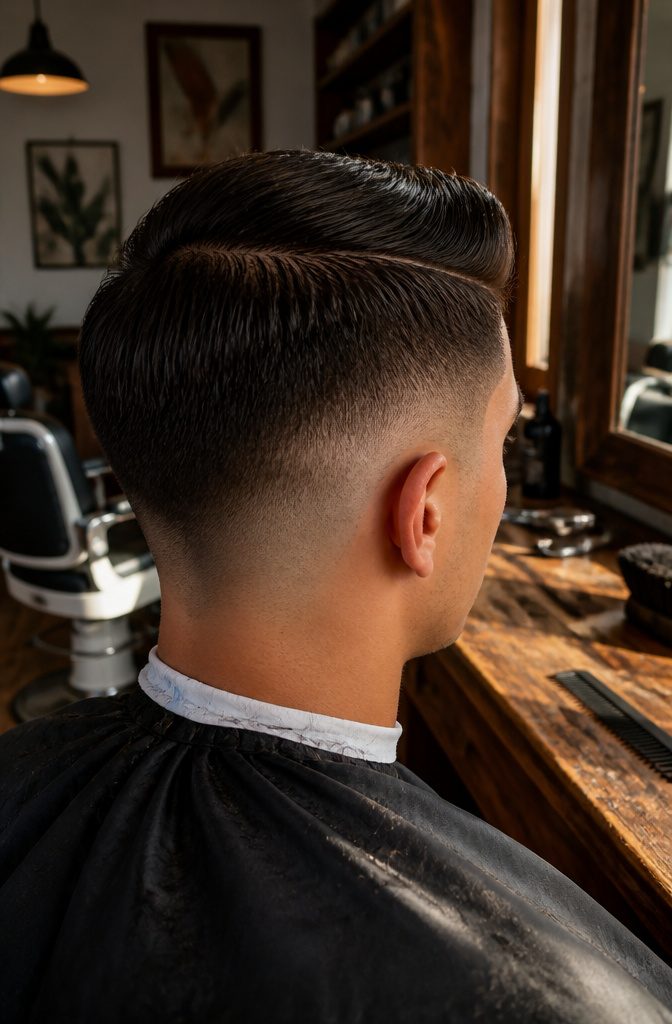
The low fade starts its blend just above the ear, which keeps the contrast softer than a mid or high option and leaves more weight through the sides.
One common approach goes from a grade 0 or 1 at the bottom to a grade 3 or 4 where the fade meets the top.
If you want something even gentler, a grade 1 to 2 blend stays subtle enough for most offices and grows out without an obvious line.
The lower starting point adds perceived width across the temples and cheekbones, which is why it pairs well with longer face shapes that can use the extra horizontal balance.
Because the fade sits low, you get flexibility at the top. It holds up under a side part, a quiff, or a textured crop without the sides competing for attention.
2. Mid Fade
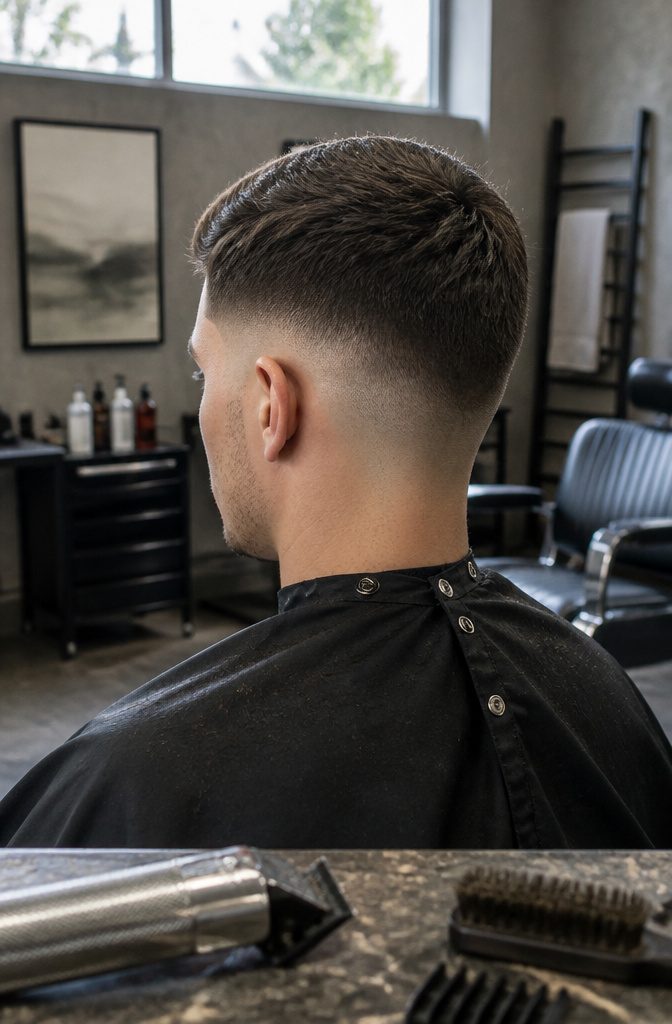
The mid fade starts the blend roughly at temple height, splitting the difference between subtle and dramatic.
It creates enough definition that the fade registers as part of the cut without taking over the whole look, which matters when the top is doing something worth noticing: a textured crop, a side part, a pompadour.
The fade sits there as structure, not as the headline.
That balance makes it the most versatile option across hair textures.
The mid fade works on straight, wavy, and coiled hair without needing the adjustments a high fade sometimes demands, and it gives a barber more room to tailor the blend to what sits above it.
For most longer styles on top, this is the fade that keeps the proportions readable.
It shares the classic restraint of the low fade but borrows some contrast from the high, which explains why it remains a popular choice in 2023 and beyond.
3. High Fade
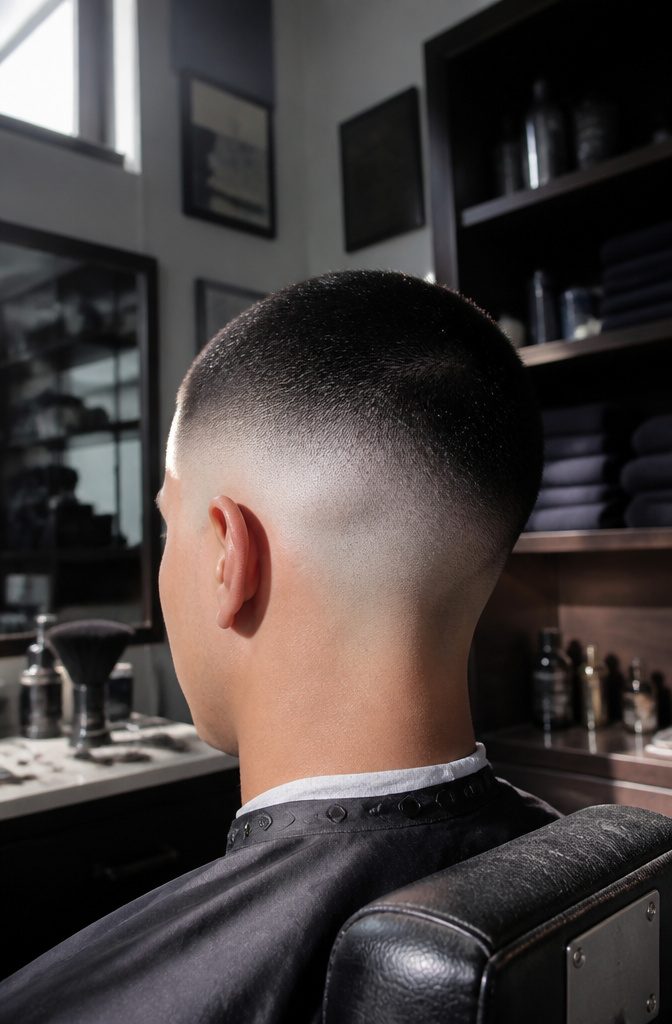
The high fade starts near the temples or above them, creating the sharpest contrast of any fade.
That placement makes it the most dramatic option and usually limits it to super-short styles on top, where the jump from skin to hair reads clearly.
It works well for rounder faces. The high fade creates the illusion of a longer head by pulling visual weight upward and trimming bulk from the sides.
High fades were wildly popular five or 10 years ago but have become less common as preferences shifted toward more natural-looking blends.
The stark geometry that made them appealing also made them high-maintenance: they grow out quickly and need frequent touch-ups to keep the line clean.
That conflicts with the current preference for cuts that feel effortless rather than overly sculpted and that hold their shape between visits.
4. Taper Fade
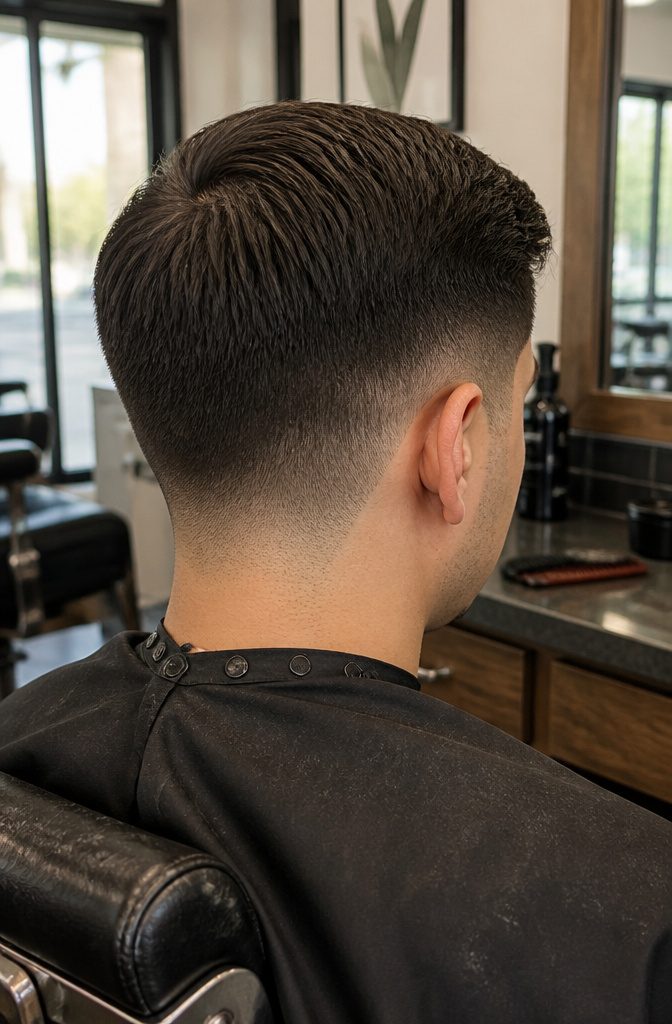
The taper fade blends gradually from longer hair on top down to shorter sides and back without showing as much skin as the other three.
Barbers describe it as the most subtle option because it keeps the natural outline of the cut intact rather than carving a dramatic line where the fade begins.
The hair tapers inward as it reaches the ear and neckline, creating a polished transition instead of an abrupt one.
I’d choose this over a low, mid or high fade for a professional look that keeps the overall silhouette of the style intact.
It works particularly well with slightly longer cuts where you want the top to remain the focus and the sides to stay neat without competing for attention.
The fade still follows the hairline all the way around, but the progression is gentler and the shortest hair doesn’t always go down to skin.
The taper fade suits all hair types and face shapes because the degree of taper can be modified to fit what you’re working with.
It’s adaptable enough to pair with a pompadour, quiff or side part without overpowering the cut above it.
Choosing a Fade for Your Face Shape and Hair Type
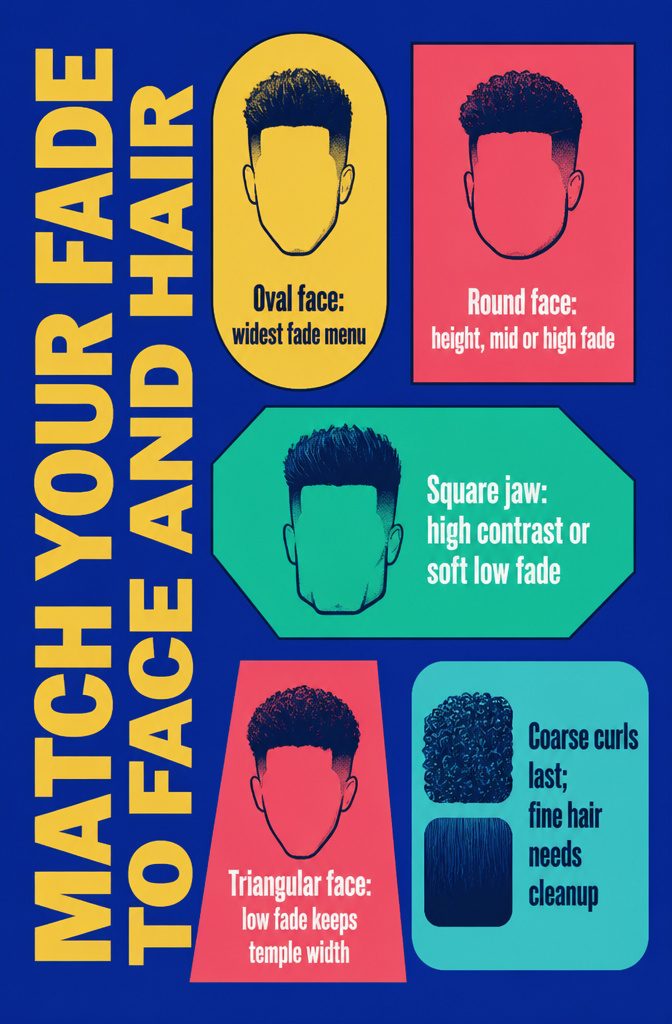
Choosing which fade works starts with matching the cut to your face shape.
Oval faces suit nearly any fade variation, which gives you the widest menu to work from. Round faces benefit from height on top paired with a mid or high fade that keeps the sides tight, creating length rather than width.
Square faces can handle bold contrasts: a high fade against volume up top plays into a strong jawline, while a low fade with texture softens the angles if that is the direction you want.
Angular faces follow similar logic to square, leaning on structure rather than fighting it.
Triangular faces gain balance from fades that add width near the temples, so a low fade often wins over a high skin fade that strips too much mass from the sides.
Hair type matters as much as bone structure. Coarse or curly hair holds a fade longer before it grows fuzzy, and the texture up top gives you more styling range without products.
Fine or straight hair shows every line in the fade, which looks clean for the first week and then needs a cleanup.
If your hair grows fast or you prefer low-maintenance intervals, a low fade blends more forgivingly than a high one that turns patchy by day ten.
Talking With a Barber
Talking With a Barber
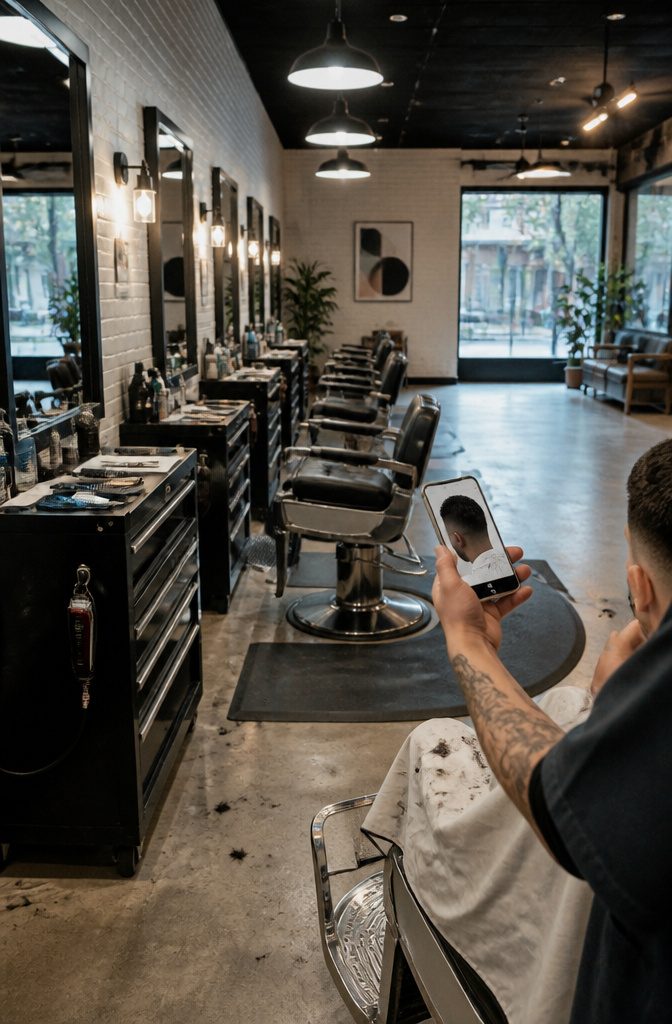
A reference picture gives your barber something concrete to work from.
Save a fade you like and show it at the start of the appointment, but understand that what works on someone else’s face or head shape may not translate directly to yours.
A celebrity cut that suits a longer face can look entirely different on a rounder one, and the hair texture in the photo might behave nothing like your own.
What looks good on the longer face of Justin Bieber, may come out totally different on your own dome. So don’t be afraid to have a conversation with your barber.
— GQ
That conversation matters. Tell your barber what you prefer for fade height and contrast, then listen when they suggest adjustments.
A smooth fade depends on blending technique, the small adjustments that remove any stark line where short meets long. If you are not sure which fade or length to ask for, your barber’s recommendation beats guessing.
Styling Products That Work
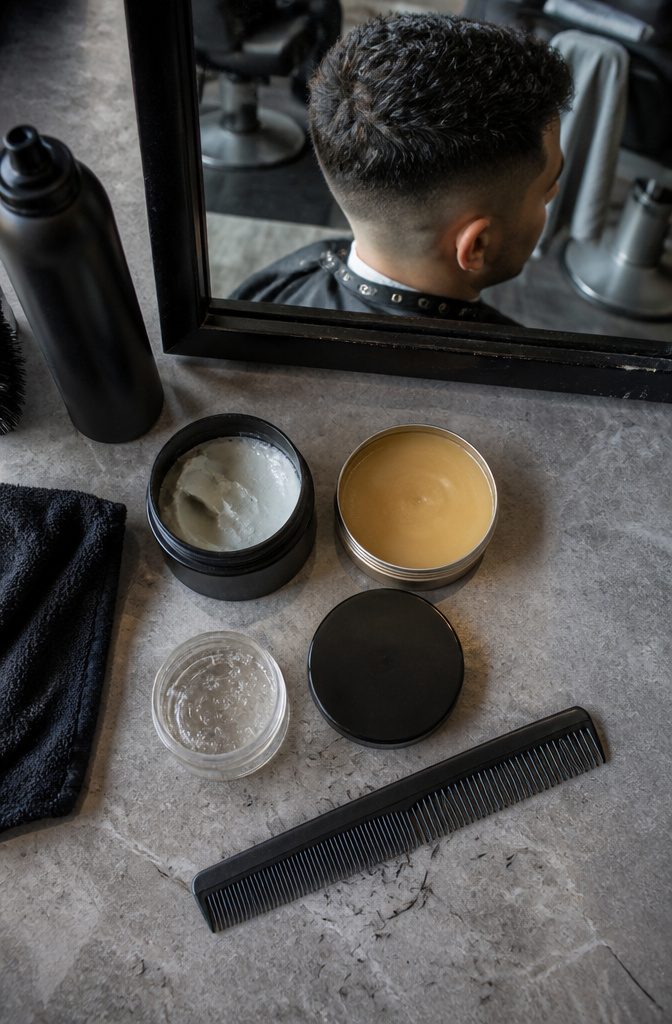
The right product depends on the finish you want and the length on top. Matte product gives a tousled, natural look that works well with high fades and shorter tops.
Patricks M2 medium hold pomade hits that balance between hold and flexibility across most fade styles. For a slicked, high-shine finish on a pompadour or other vintage look, pomade or gel gives you control and sheen.
Reuzel Blue delivers strong hold with gloss. Lock the style in with hairspray once everything sits where you want it.
- Pomade or gel for longer tops: slick them back, shape a pompadour, or add shine and structure
- Matte paste or cream for a casual finish: lets you restyle throughout the day without stiffness
- Hairspray to hold: keeps the look from shifting, especially on styles that need height or sweep
How Often You Need a Cleanup
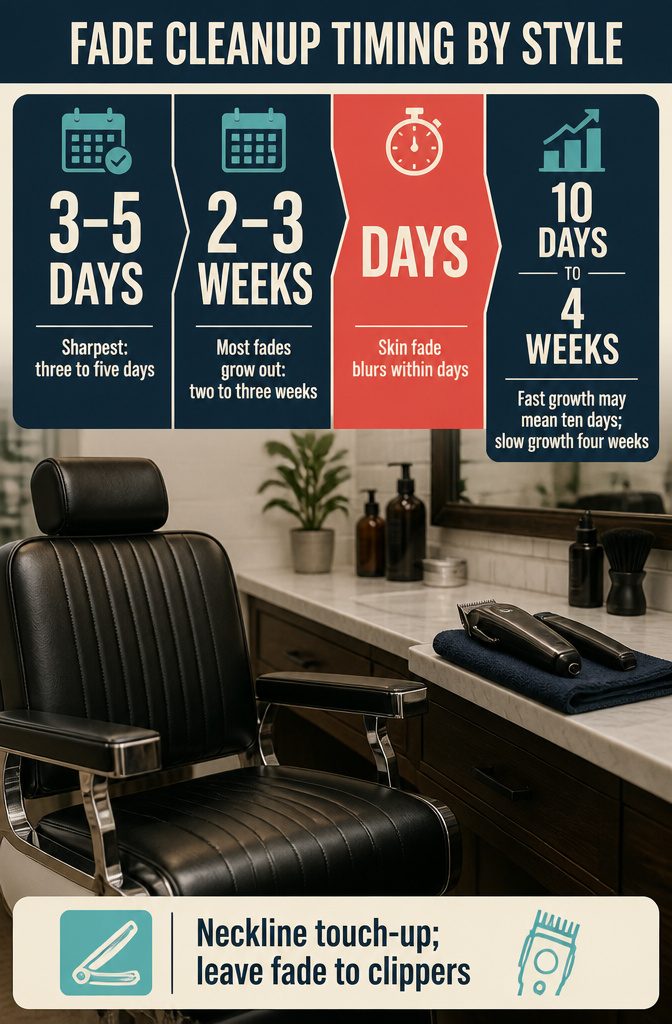
The two-to-three-week mark is when most fades start looking grown out enough to bother you.
That works for low and mid fades where the blend softens gradually and a little extra length doesn’t wreck the shape. Skin fades need tighter timing.
The contrast between bare skin and hair is stark enough that even a few days of growth blurs the line, and by the end of week two the fade reads more like a shadow than a cut.
How fast your own hair grows decides whether you’re booking every ten days or stretching it to four weeks.
I’ve found that a fade looks sharpest for about three to five days after the chair, then starts its slow slide toward scruffy.
Some people clean up the neckline at home with a straight razor to buy a few extra days, but touching the fade itself without clippers and a steady hand usually makes it worse.
Other Fade Variations Worth Knowing
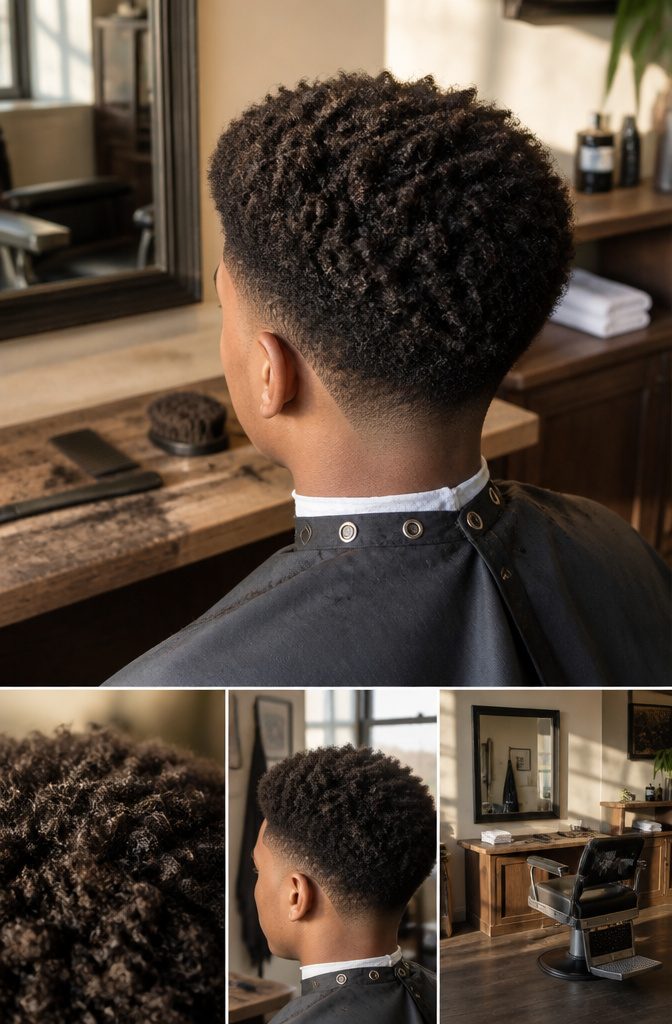
Beyond the four core styles, a handful of other fades turn up in shops and reference photos worth knowing by name.
- Temple fade: traces back to the 1990s, focuses taper around the temples while leaving more length elsewhere
- Drop fade: swoops lower in the back than it does on the sides, creating a fuller shape; the exact amount of drop can range from subtle to more noticeable and is decided between you and your barber
- Burst fade: arcs around the ear without continuing all the way down the back
- Skin fade or bald fade: leaves sides and back totally bare, creating a clean transition from hair to skin; bold and requires more frequent cleanup trips
- Razor fade: uses a straight razor instead of clippers for an even closer finish
- Taper fade afro: applies taper fade principles to natural textured hair, keeping volume on top
Most of these can be combined with low, mid, or high placement depending on where you want the fade to start.
Frequently Asked Questions
How do I ask for a fade?
Bring a reference photo and tell your barber which fade height you want: low (just above the ear), mid (at temple height), high (near or above the temples), or taper (the most gradual option).
Be specific about how much contrast you’re after, and let them suggest adjustments based on your face shape and hair type. If you’re unsure, ask for their recommendation rather than guessing.
What does a mid-fade haircut look like?
The mid fade starts its blend at temple height, creating visible definition without dominating the overall look.
It splits the difference between the softer low fade and the sharper high fade, making it versatile enough to pair with textured crops, pompadours, side parts, and most longer styles on top.
The balance works across straight, wavy, and coiled hair without requiring major adjustments.
Is a fade haircut professional?
Yes, particularly the low fade and taper fade, which keep contrast soft and maintain a polished look that suits most office environments.
A low fade can go from a grade 1 or 2 blend, staying subtle enough for conservative workplaces while still looking intentional. The taper fade is the most understated option, blending gradually without showing as much skin as the other styles.
What is the most popular style of the fade haircut?
The low fade remains widely popular because it balances timeless restraint with enough structure to read as current, and it pairs with nearly any length on top.
The mid fade has also become a popular choice in 2023 and beyond, borrowing classic restraint from the low fade while adding some of the contrast found in a high fade.
Both styles grow out more forgivingly than a high fade, which has become less common as preferences shifted toward natural-looking blends.
How do I know which fade haircut is for me?
Start by matching the fade to your face shape. Round faces benefit from a mid or high fade that adds length rather than width, while square and angular faces handle bold contrasts well.
Oval faces suit nearly any fade variation, and triangular faces gain balance from a low fade that keeps width near the temples.
Hair type matters too: coarse or curly hair holds a fade longer, while fine or straight hair shows every line and needs more frequent cleanups.
What are other types of fade haircuts for men?
Beyond the 4 core styles, common variations include the temple fade (focuses taper around the temples), drop fade (swoops lower in the back than on the sides), burst fade (arcs around the ear without continuing down the back), and skin or bald fade (leaves sides and back totally bare).
The razor fade uses a straight razor for an even closer finish, and the taper fade afro applies taper fade principles to natural textured hair. Most of these can be combined with low, mid, or high placement.