The range runs from near-zero styling time with a buzz cut to daily brushing and durag work for defined wave patterns.
Your natural texture decides how fast the fade fades from view: curls hold volume and mask a week of regrowth, waves buy you a few extra days, and finer hair asks for the chair sooner.
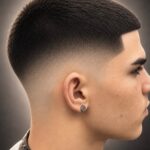
The taper itself starts just above the ear, low enough that you get a few weeks before it looks overgrown, and the fade blends gradually rather than jumping from skin to length in one step.
1. Curly Hair
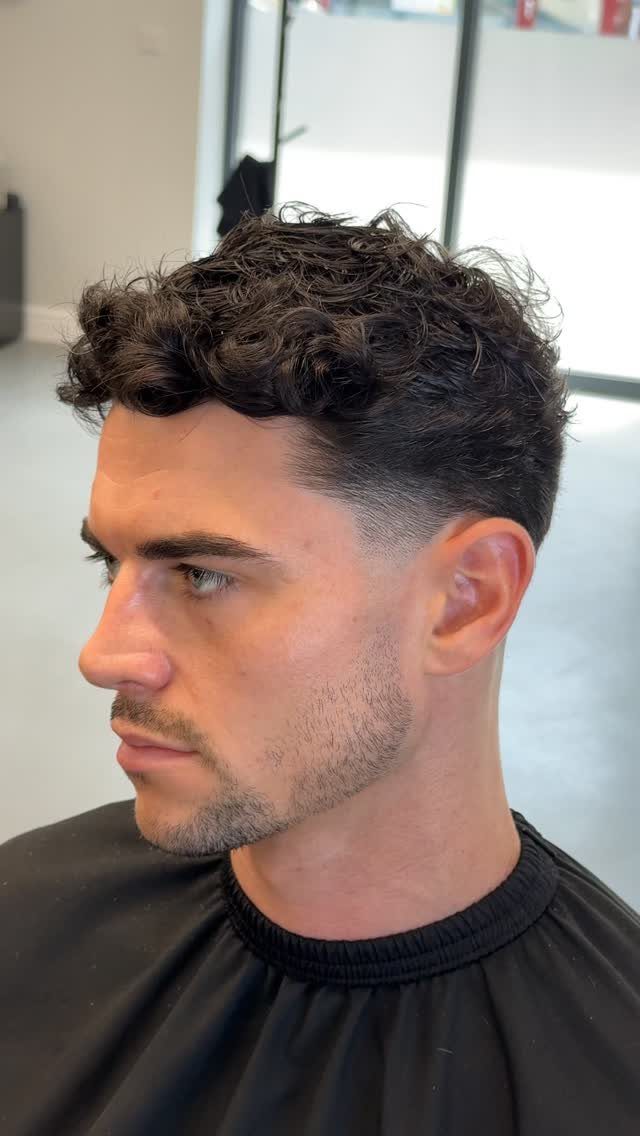
Curls take a low taper well because the fade keeps the sides clean while the texture stays up top. The contrast works: short, tight taper below and full curls above.
For tight or coiled curls, the taper gives shape without flattening volume.
Ask for a low start, just above the ear, and tell your barber how much length you want on top. The curls will hold their own structure; you control how much.
Morning routine is light. Conditioner that stays in keeps curls defined, and most mornings you just pick or shake them into place.
2. Low Taper Fade
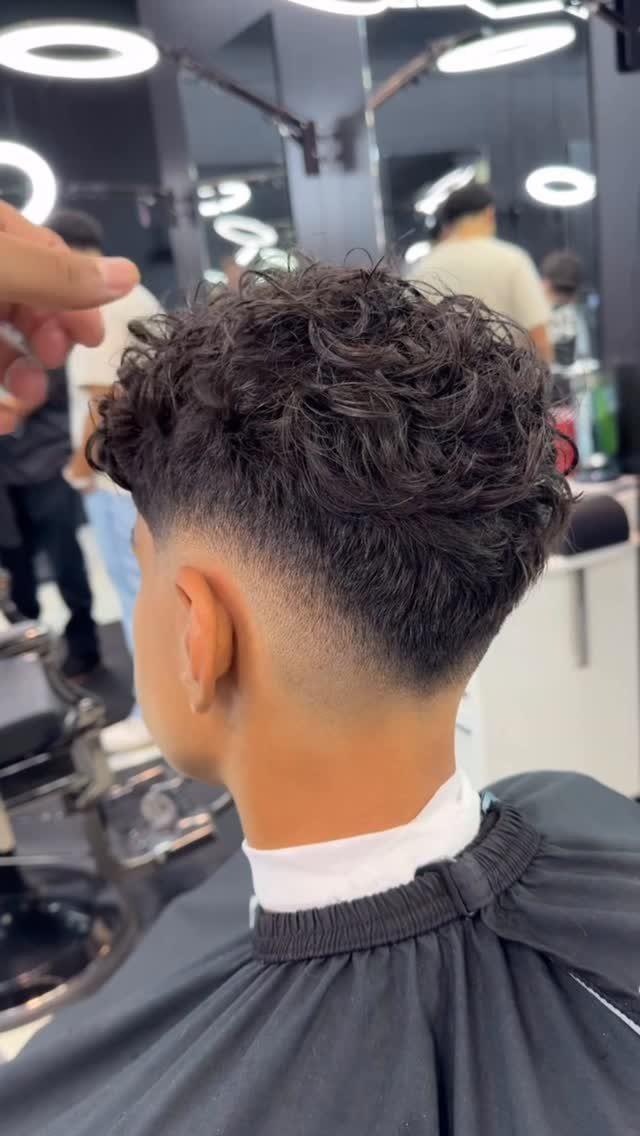
The low taper starts its fade just where the hairline begins to climb, so the transition from short to long stays smooth rather than abrupt.
You keep more length overall than a high fade gives, and the look reads cleaner than a simple taper with no fade at all.
This suits men who want a neat cut that grows out well.
The taper point sits low enough that you get a few weeks before it looks overgrown, and because the fade is gradual, you avoid the stark skin-to-length jump that needs constant touch-ups.
Ask for a low taper fade by name and bring a reference if you have a specific transition length in mind.
3. Low Taper with Straight Hair
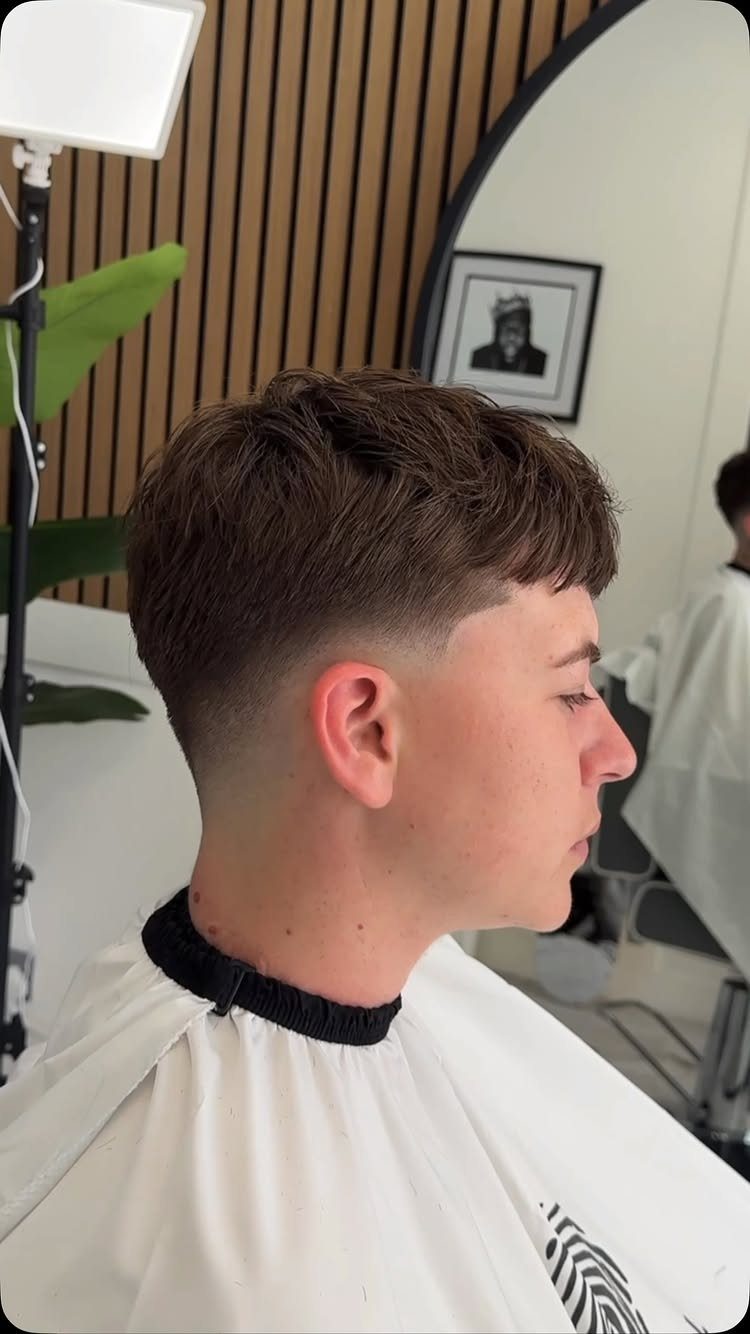
Straight texture shows every line, so a low taper with it makes the fade easy to see and the shape crisp. The hair lies flat and smooth, no wave or curl to add movement.
If your hair is straight and fine, this cut works well because the taper gives the sides definition without bulk.
Thicker straight texture keeps the top length better, and you can style it forward, to the side, or brushed back depending on what length your barber leaves.
Styling time is quick. Pomade or light wax keeps it in place, and because the hair is straight, you see exactly where it sits.
The difference from straight hair is that it curls as soon as it emerges from the follicle. So, keeping your taper fade low with a heavy blend works.
4. Wavy Hair
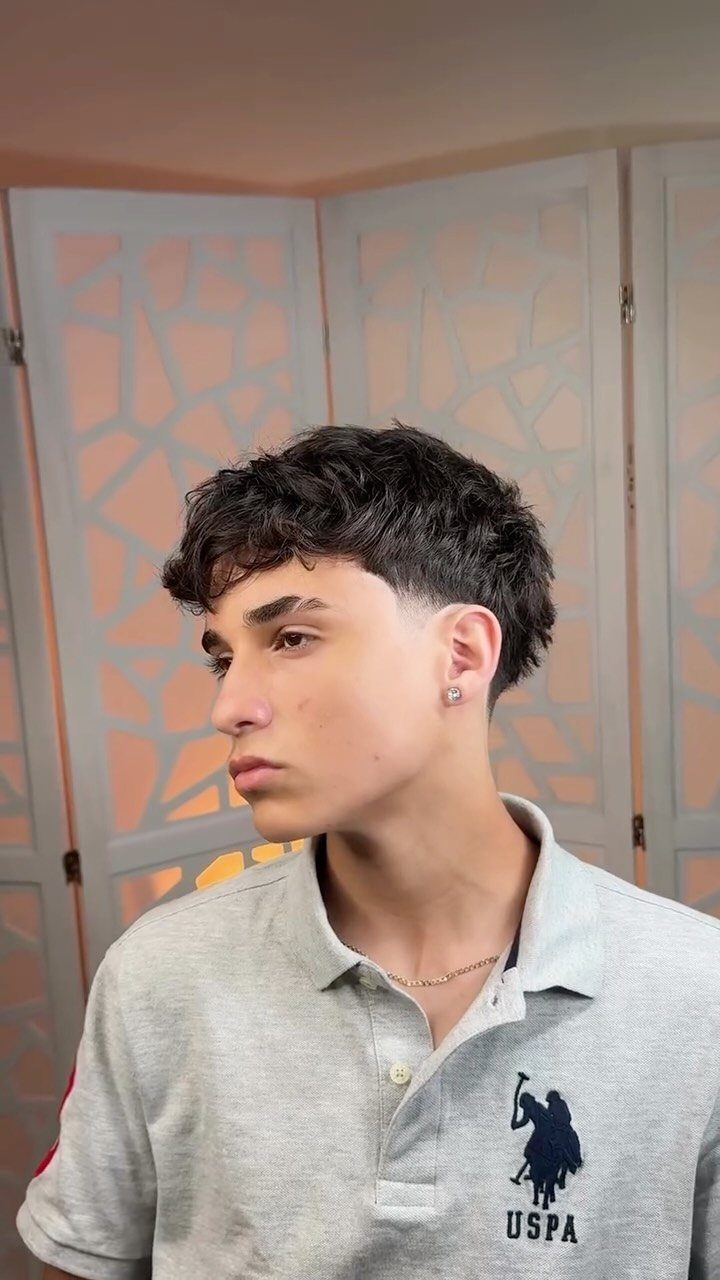
Wavy hair sits between straight and curly, so a low taper gives you clean sides while the waves on top add natural texture and volume.
The movement is visible without being tight curls, and the taper keeps it from looking heavy or rounded at the sides.
For men with wavy hair, this cut balances structure and softness. The waves can be left loose or styled with a small amount of sea salt spray or light mousse to bring out the pattern.
Thick wavy hair holds the shape well; finer waves may need a bit of product to stay defined.
The taper grows out smoothly, and the waves disguise small regrowth better than straight hair does.
5. Brush Back
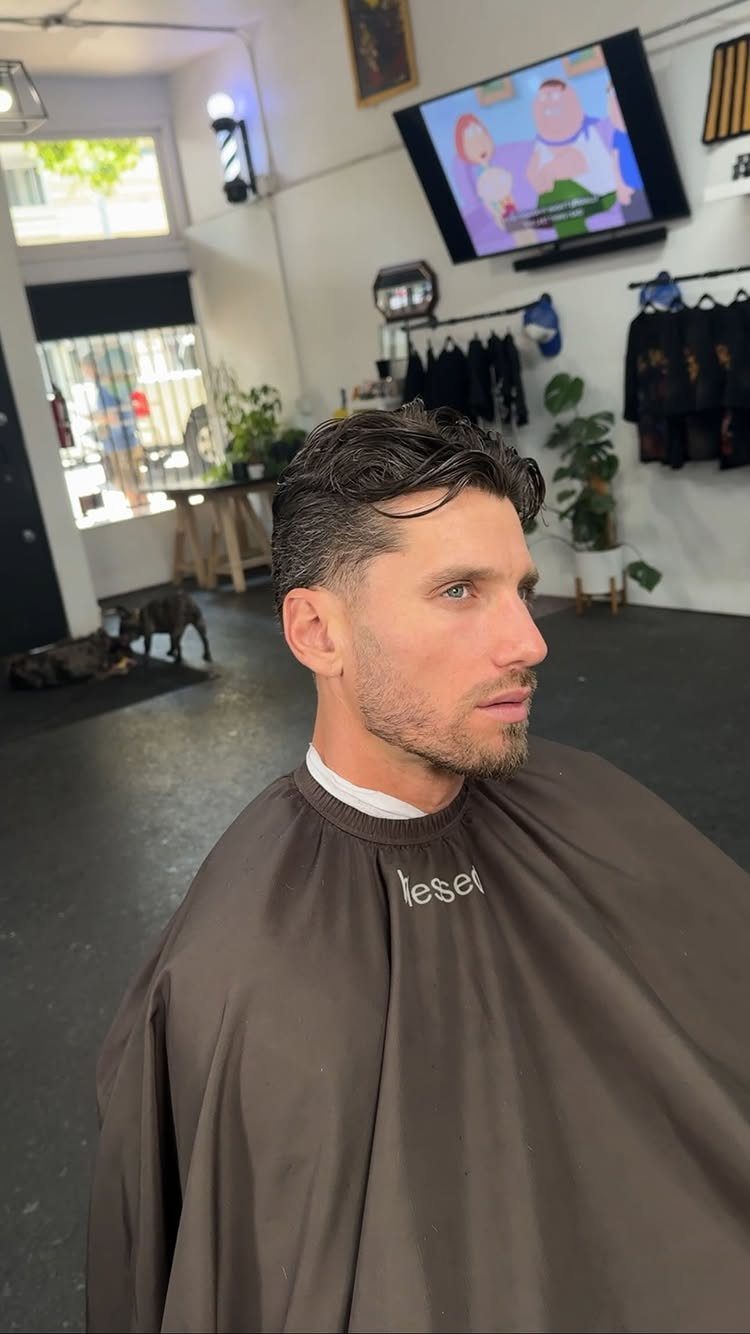
Brushing the hair back from the forehead opens the face and gives the cut a polished, deliberate look. The low taper keeps the sides tight while the top is combed or brushed straight back and held in place.
This works best with medium to longer top length, so there is enough hair to comb back without it standing up or falling forward.
Use a blow dryer to set the direction, then finish with a medium-hold pomade or styling cream to keep it in place all day.
The style is quick to work through in the morning. It suits men who want a clean, professional look that still shows intention.
6. Low Taper Fade with Messy Top
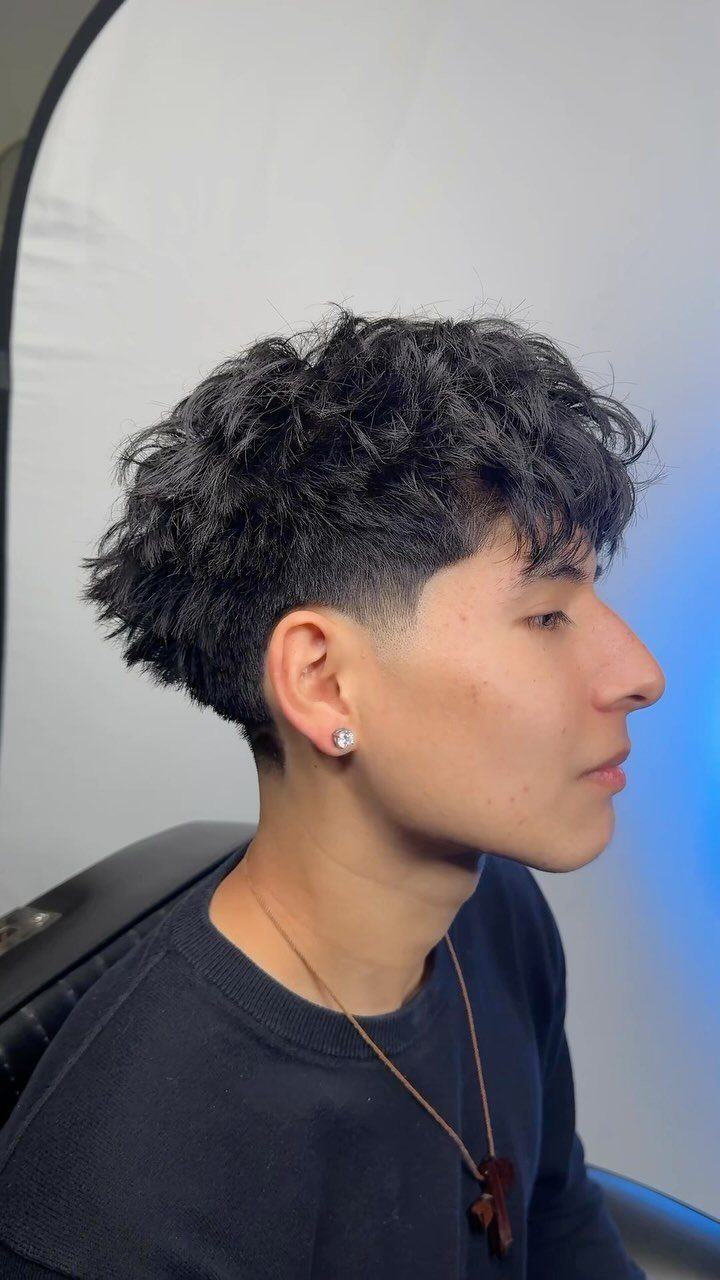
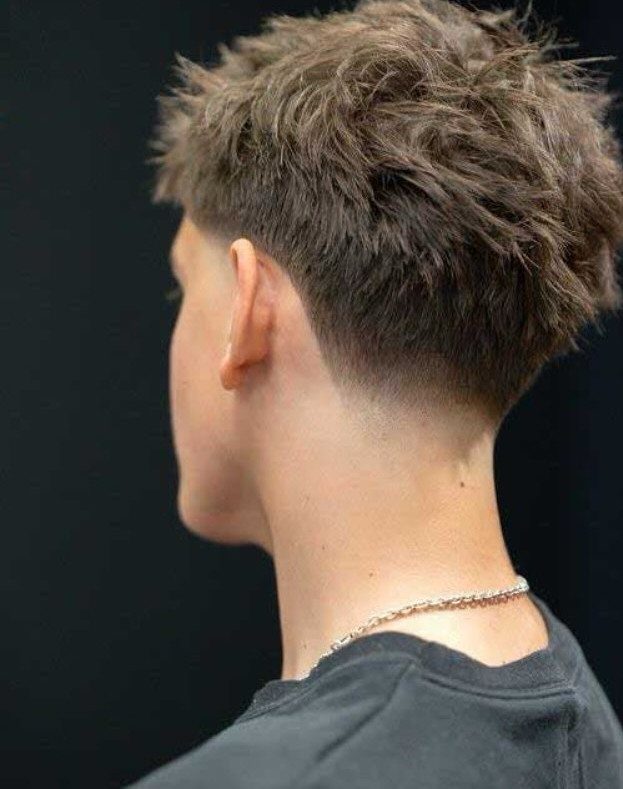
A messy top paired with a low taper gives you the structure of a fade with the looseness of textured, unstyled hair. The curls or waves on top are left intentionally undone, not combed into place or slicked down.
This suits men with natural texture who want a low-effort morning.
The taper provides the shape, and the messy top does its own thing. A small amount of light cream or mousse can add definition without making it look styled, but many mornings you can shake it into place and leave.
The cut grows out well because the messy top hides minor length changes, and the low taper gives you a few weeks before it needs a trim.
7. Low Taper Mullet
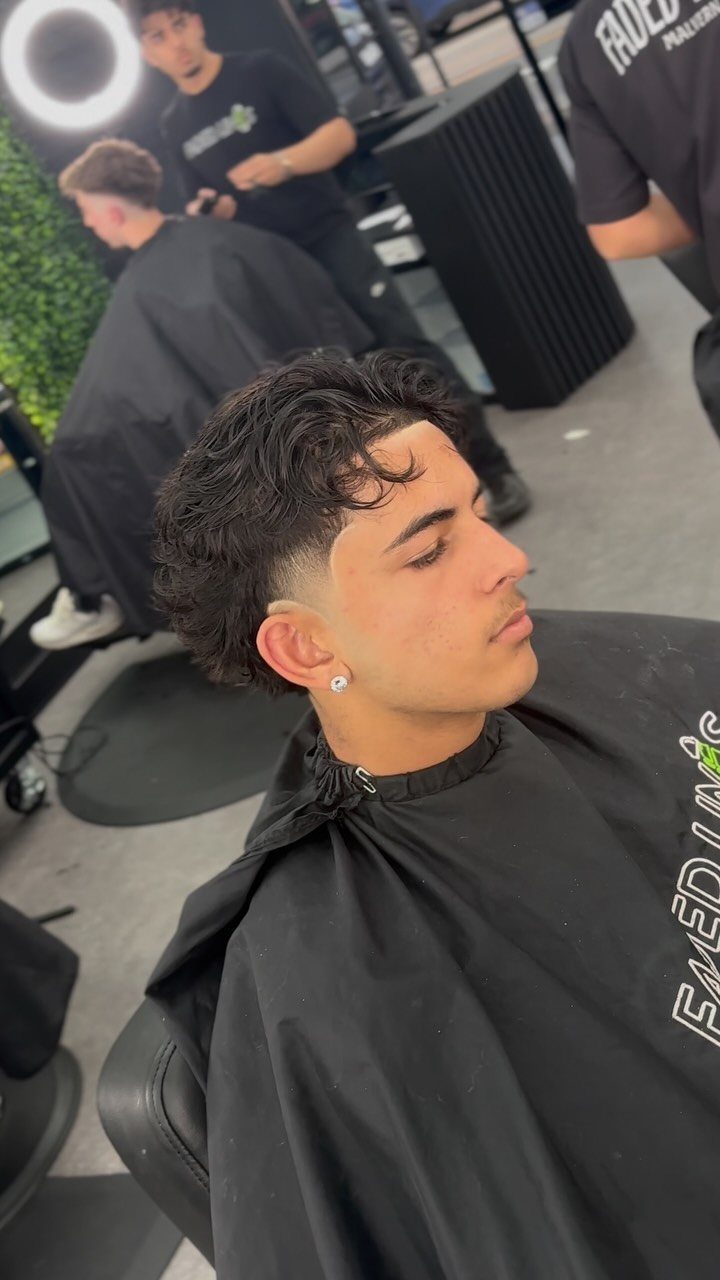
The mullet brings length in the back while the low taper keeps the sides and front tight. The contrast is the point: clean fade below, business up front, party in the back.
This cut works when you want something that stands out but still has structure. The taper keeps it from looking grown-out or messy, and the longer back gives you options to wear it loose or tied.
Morning work depends on the back length. Shorter mullets need little more than a quick brush; longer ones may need product to keep the back defined.
8. Textured Fringe
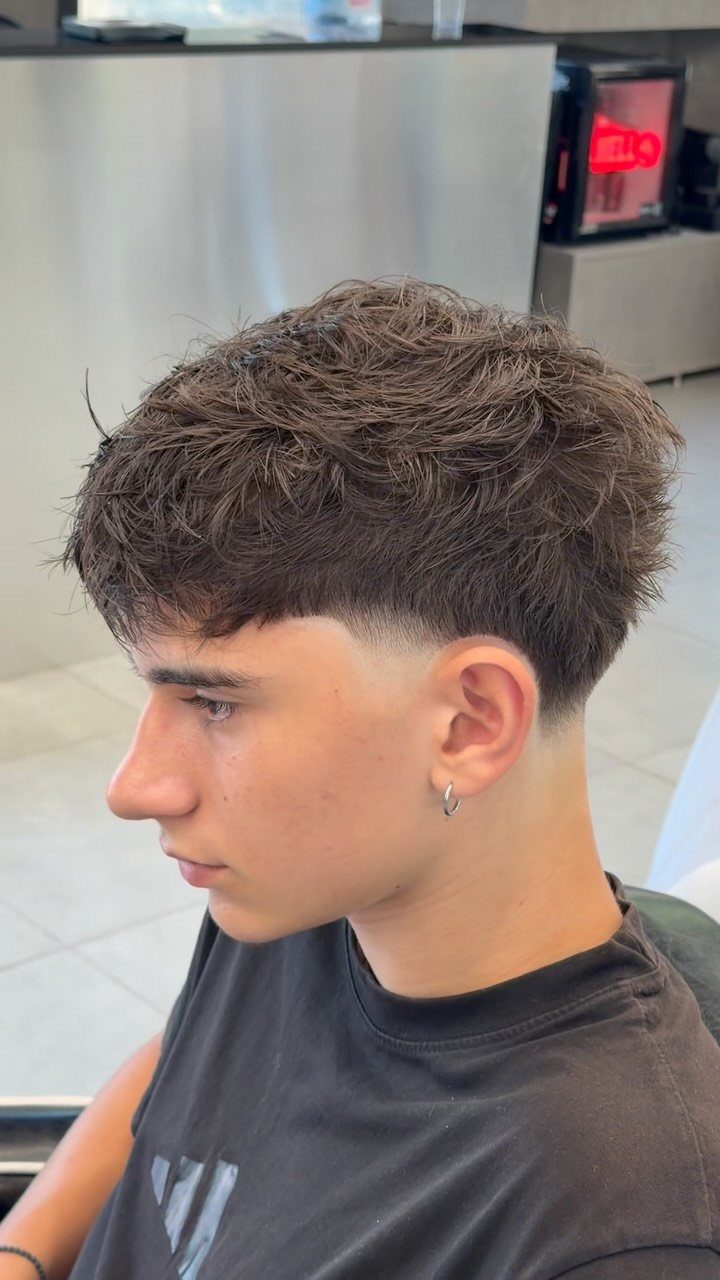
The fringe hangs forward with enough texture to stay loose and avoid looking plastered down. The low taper underneath gives the cut shape while the fringe adds softness up top.
This suits men who want a younger, more relaxed look without losing the clean lines of a fade. The fringe can sit straight across or be cut with choppy, uneven ends for more movement.
Styling takes a minute. A small amount of matte paste or clay keeps the texture visible, and you can push the fringe to one side or leave it centered depending on preference.
9. Side-Swept Short Hair
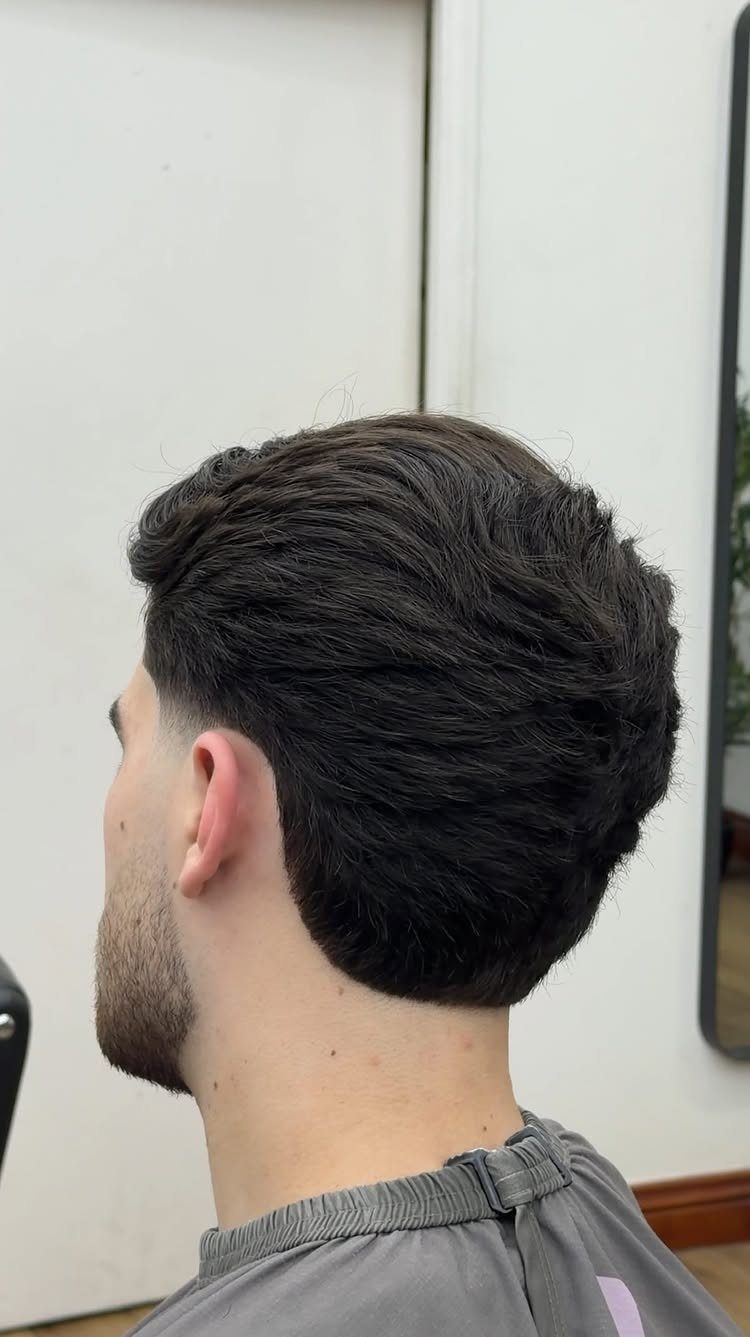
The hair is swept to one side for a clean, intentional look that stays put all day.
This cut works well for men who want something tidy and professional without much fuss.
The side sweep opens the face and keeps hair out of the way, and the taper ensures the sides stay neat as the top grows out.
10. Textured Crop
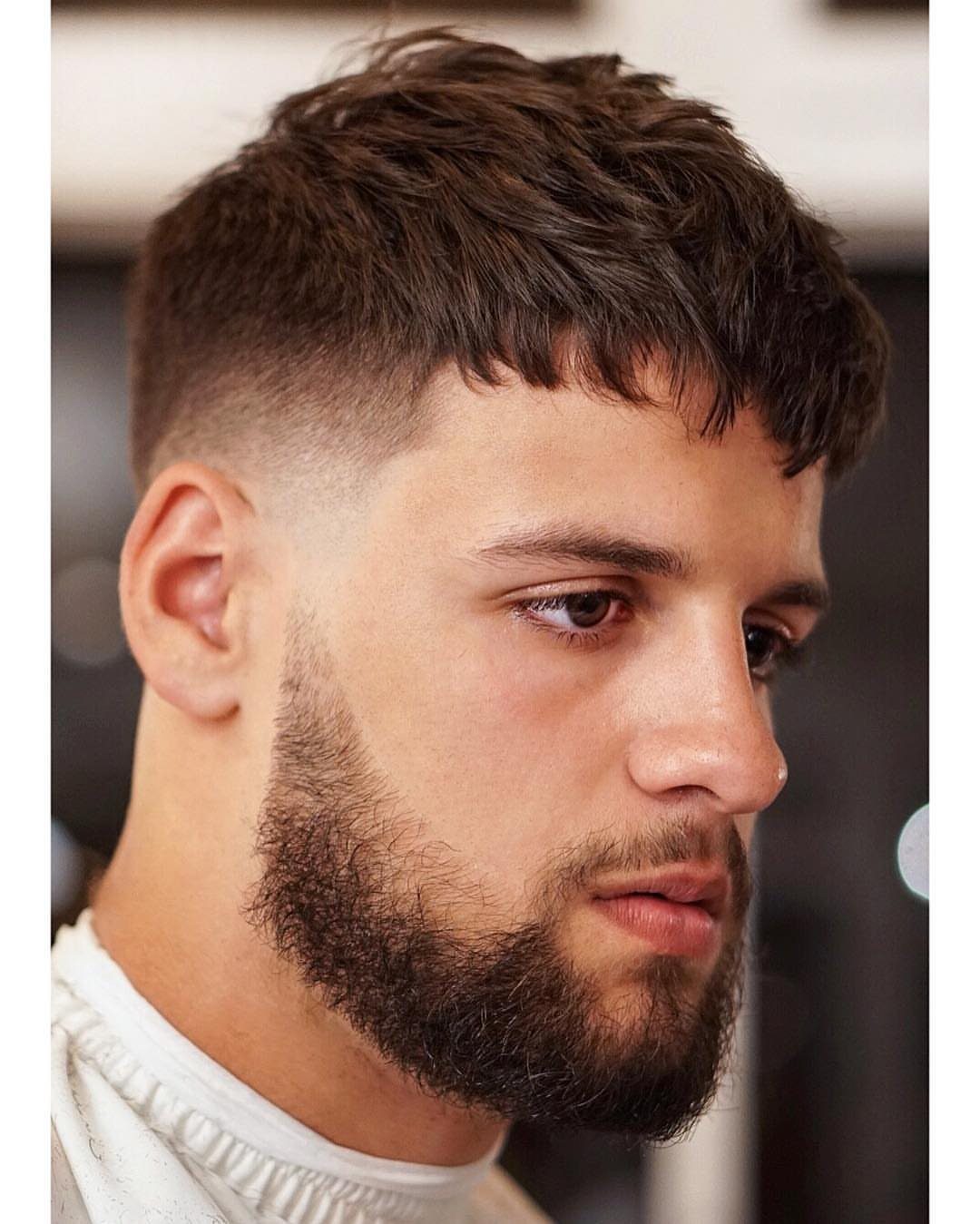
The crop keeps the top short and choppy, with pieces cut to different lengths for texture rather than a smooth, uniform finish. The low taper below keeps the sides tight and the overall shape compact.
The choppy texture adds movement without needing much styling, and the short length means it dries quickly and stays out of the way.
A small amount of matte clay or fiber cream brings out the texture, but most mornings you can run your hands through it and go.
11. Low Drop Taper
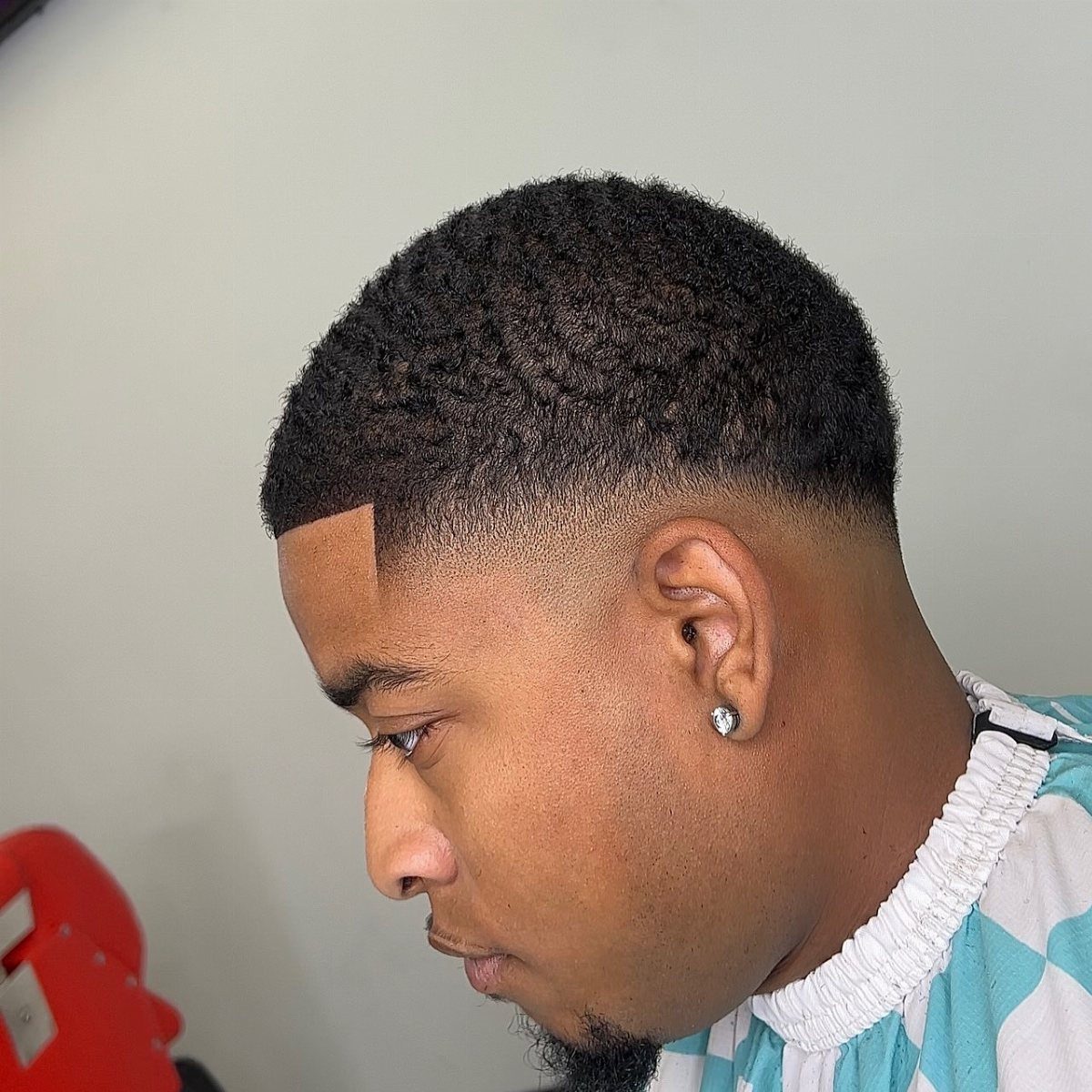
The taper arcs downward behind the ear rather than running straight around, which drops the fade lower in back than it sits at the temple. That arc matches the way your head curves.
This variation suits men who want a softer, more gradual fade that avoids the blocky look a straight taper can give.
The drop also works well with thicker hair or fuller shapes on top, as it keeps the balance between top and sides smooth.
Ask for a low drop taper by name, and the barber will adjust the fade curve accordingly.
12. Fluffy Hair
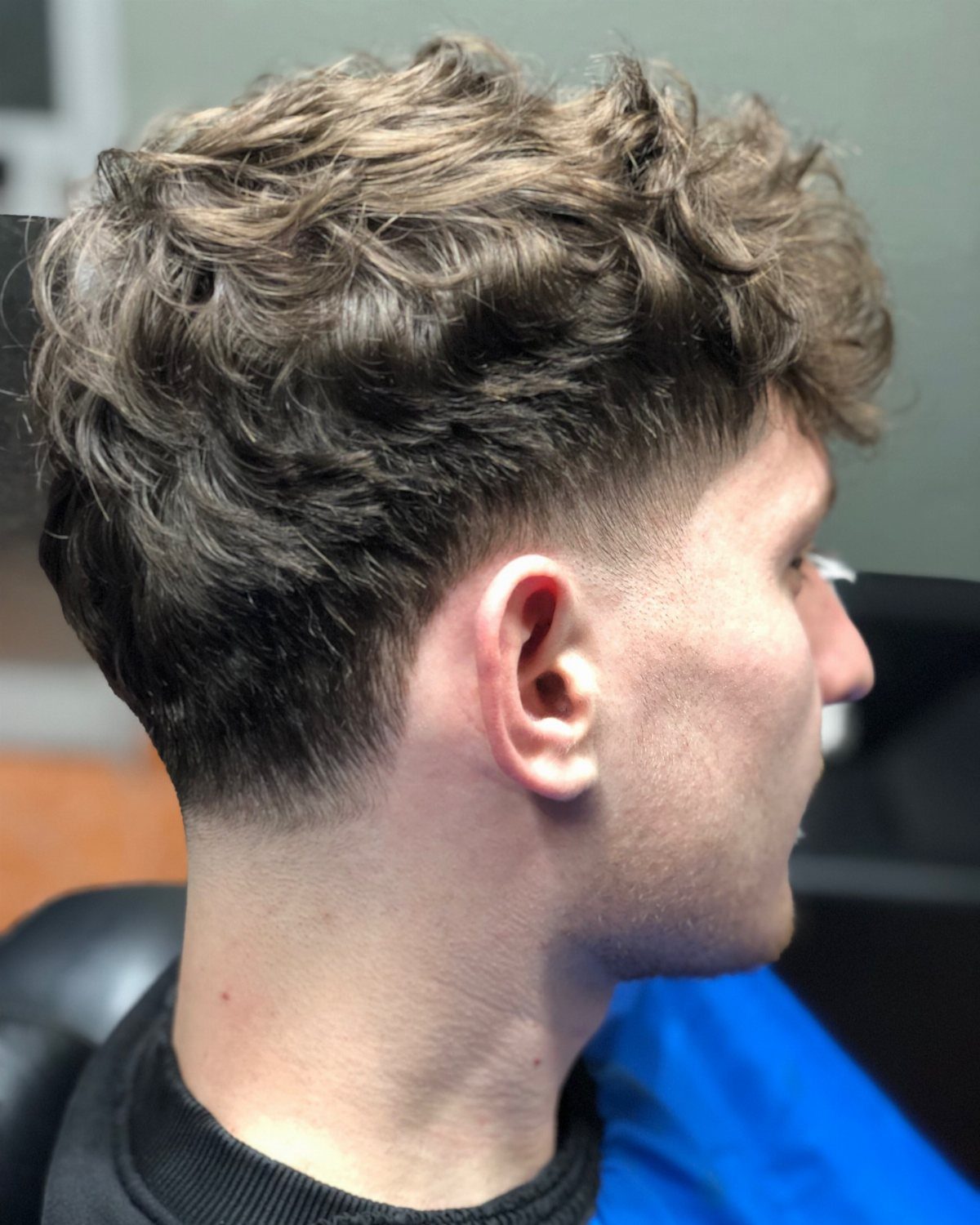
Fluffy hair means volume on top, with texture that sits light and lifted rather than flat or slicked down. The low taper keeps the sides neat while the top stays full and soft.
This cut works best with natural wave or curl, where the texture gives the hair its lift. Fine hair can achieve it with a blow dryer and a volumizing product, but coarser textures hold the fluffiness on their own.
Dry with a diffuser or blow dryer to add height, then use a light mousse or styling cream to keep the volume without weighing it down.
13. Shaved Lines Low Taper Fade
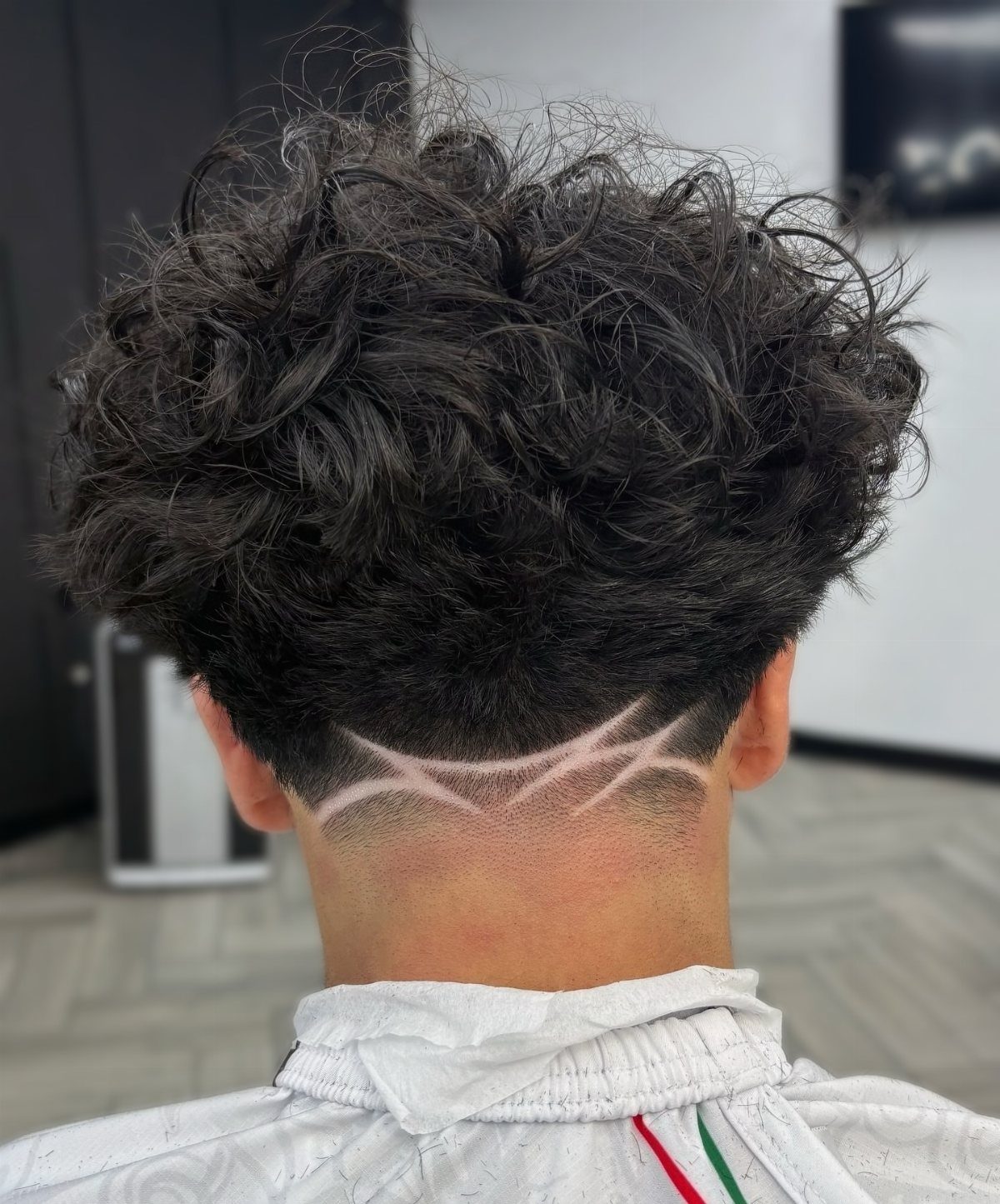
Shaved lines add a custom detail to the fade, usually placed where the taper meets the skin or just above it. The lines can be straight, curved, or shaped into small patterns, and they sit crisp against the short hair.
Most barbers can shave simple lines during the cut. More complex patterns take a few extra minutes and a steady hand with the trimmer.
The lines grow out in about a week, so this is for men who visit the barber regularly or who want the detail for a specific occasion.
The rest of the cut stays the same; the lines are decoration, not structure.
14. Crew Cut
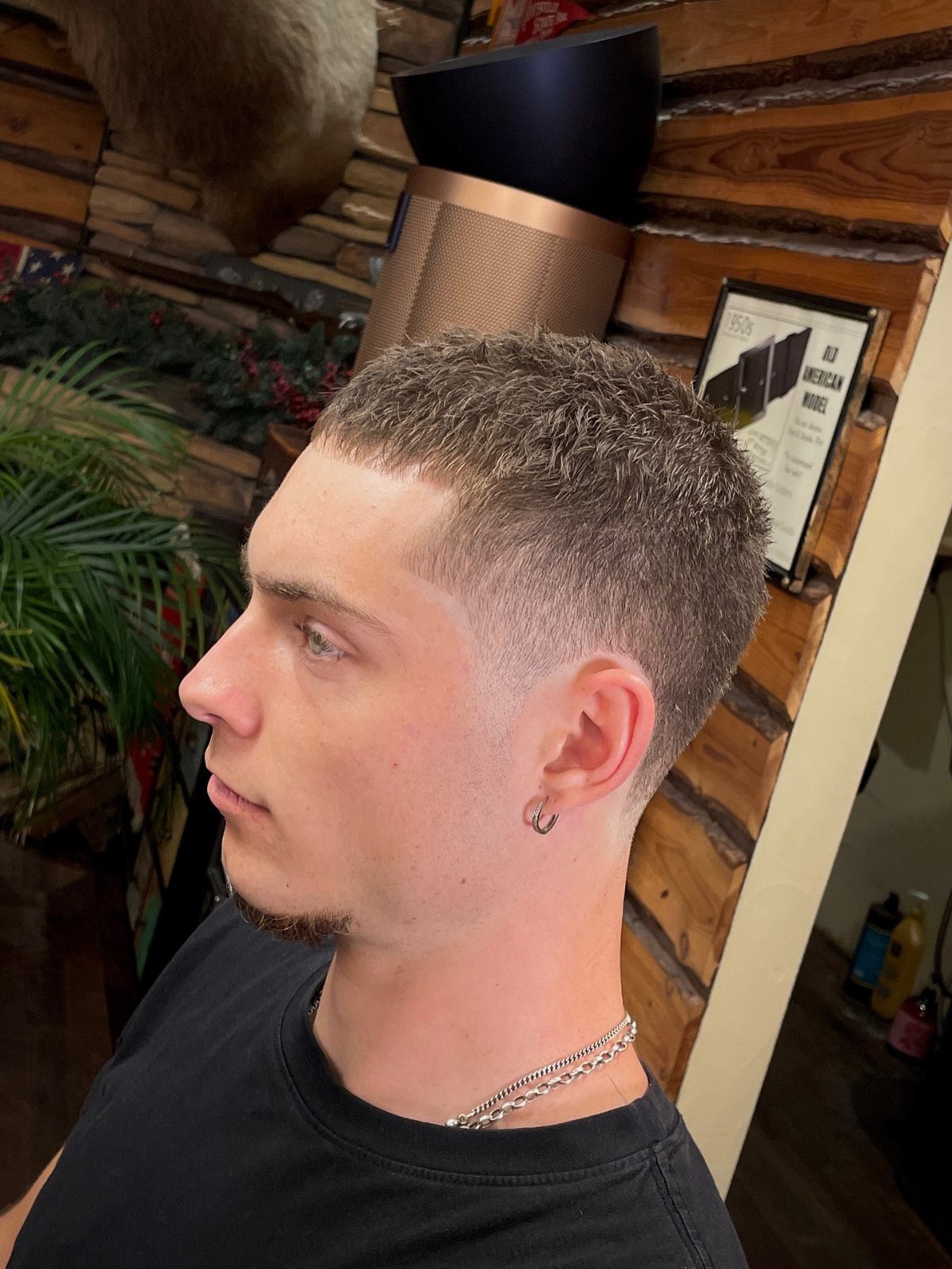
The crew cut keeps the top short and uniform, usually clipped to the same guard length across the crown. Paired with a low taper, the fade gives the cut a sharper outline than an all-over buzz.
This combination reads clean and professional. The short length means minimal styling time, and the taper keeps the sides from looking blocky as the hair grows back.
Fine or thinning hair wears a crew cut well because the short length removes the need for volume.
Thicker hair holds the shape without any product at all. Most mornings you towel dry and go.
15. Low Taper Fade with Beard
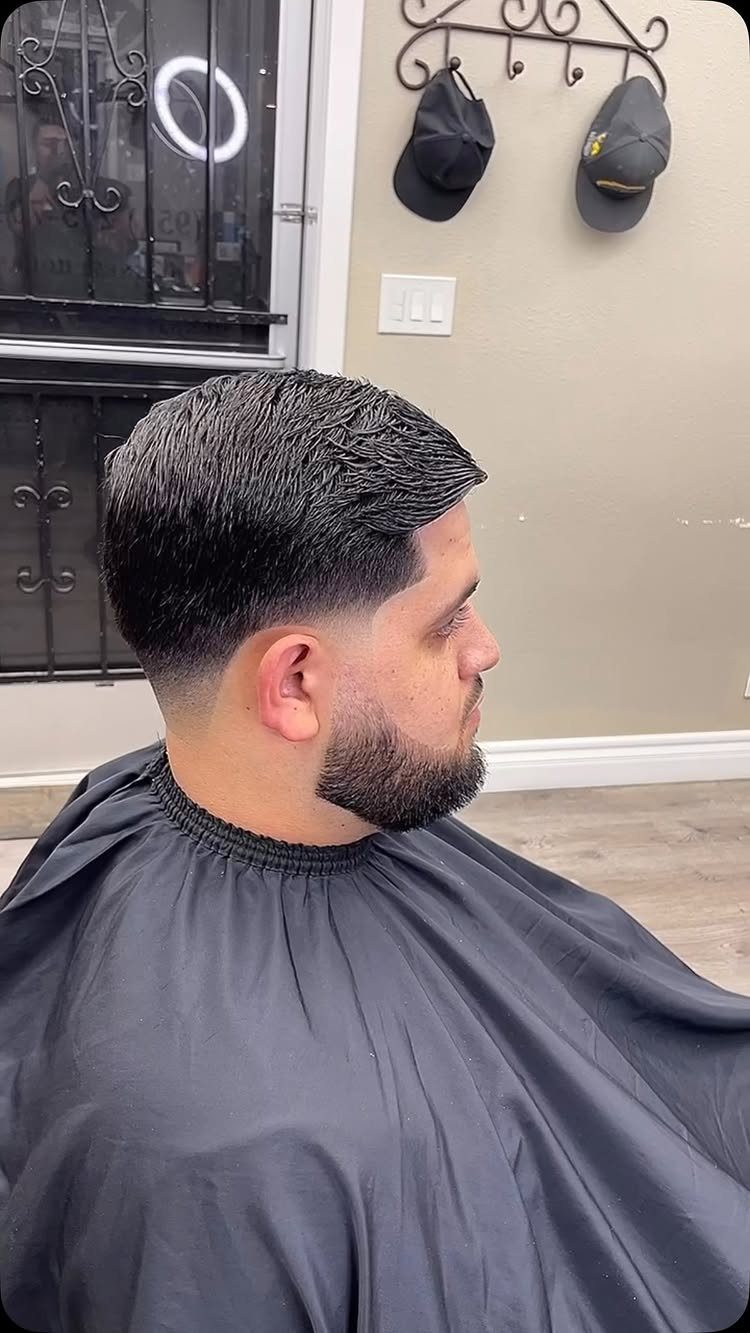
A beard that runs into the tapered hairline connects the two cuts into one continuous shape. The fade can blend into the beard gradually, or the beard can be lined and shaped to match the clean edges of the taper.
This suits men who keep facial hair and want the whole look to feel intentional.
The barber typically shapes both during the same visit, trimming the beard shorter near the sideburns and leaving more length as it moves down the jaw.
Maintaining both takes regular attention. Facial hair fills in quicker, so plan for beard trims between haircuts if you want the line to stay clean.
16. Buzz Cut
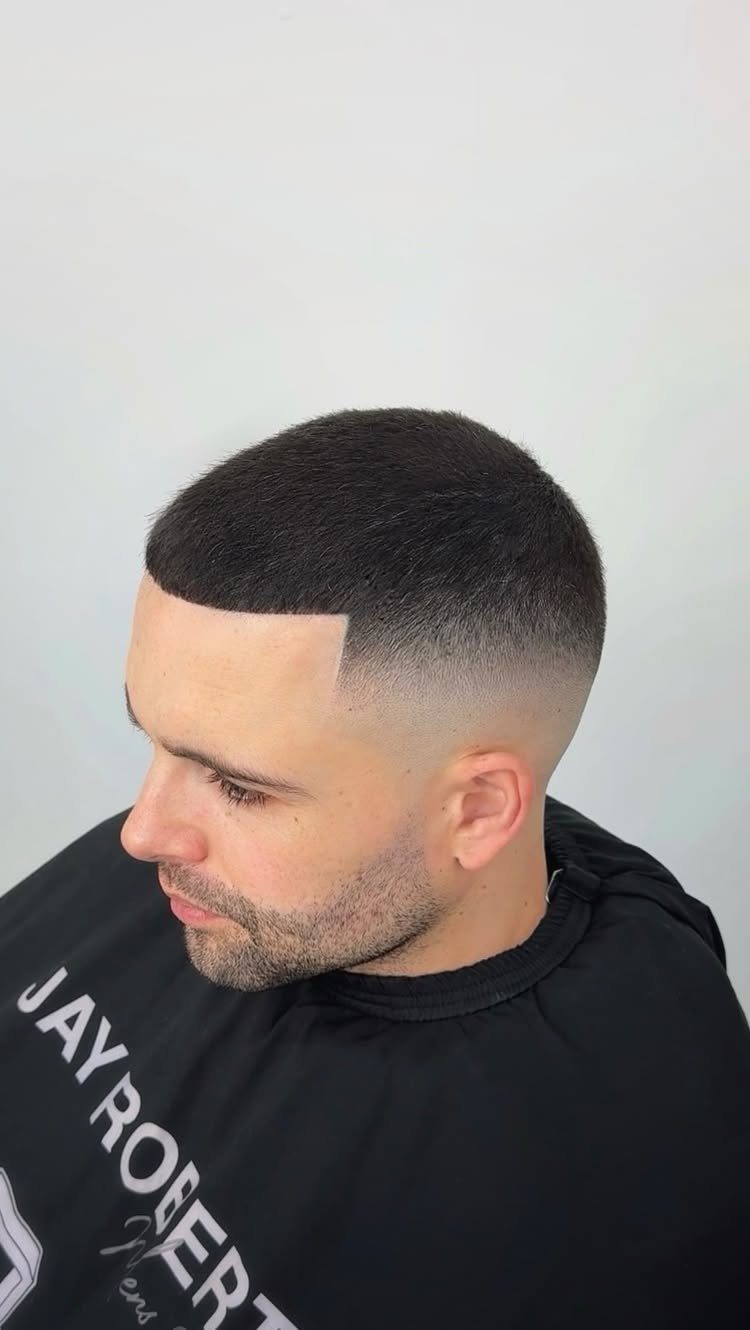
A buzz cut with a low taper keeps the top extremely short, often a single guard length all over, while the taper below takes the sides even shorter.
The result is simple, fast to maintain, and needs no styling at all.
Washing takes seconds, drying is instant, and there is no product to apply. The taper gives the buzz cut a cleaner shape than an all-over clip, and the low start keeps it from looking too stark.
Regrowth is visible within a few days, so plan for regular trims.
17. Side Part
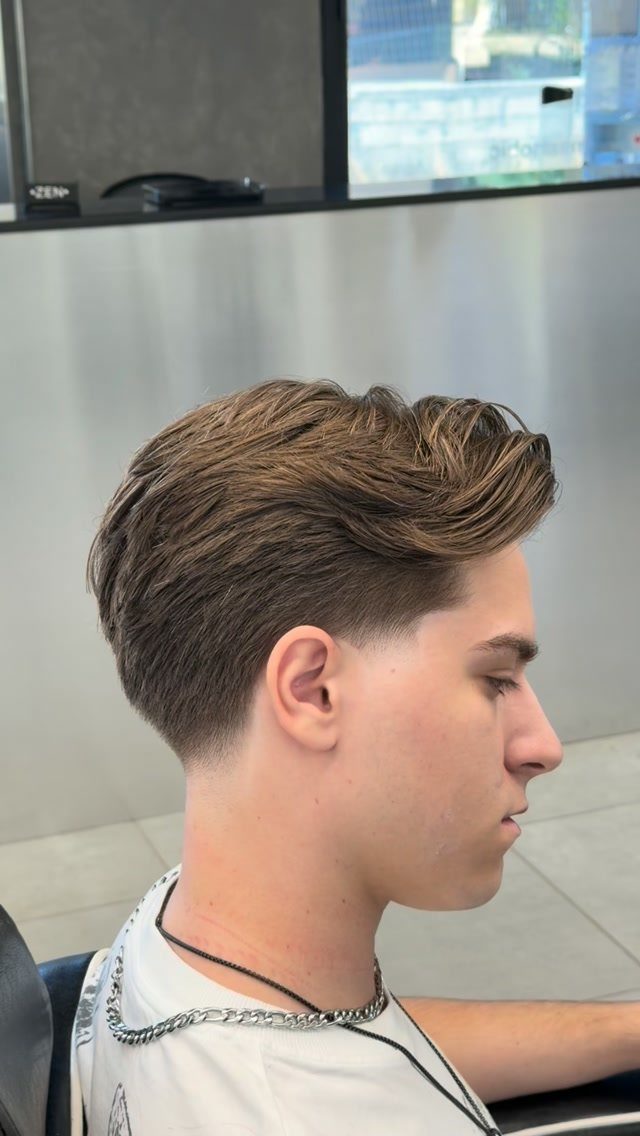
A side part splits the hair into two sections, one larger than the other, and the top is combed or styled in opposite directions from that line.
The low taper keeps the sides clean while the parted top adds a classic, polished look.
The part can be cut in with clippers for a sharp, visible line, or combed into place for a softer division. A cut-in part stays visible even without styling; a natural part needs product to hold.
Use a comb and a medium-hold pomade to set the direction, and the part will stay in place all day.
18. Temple Fade
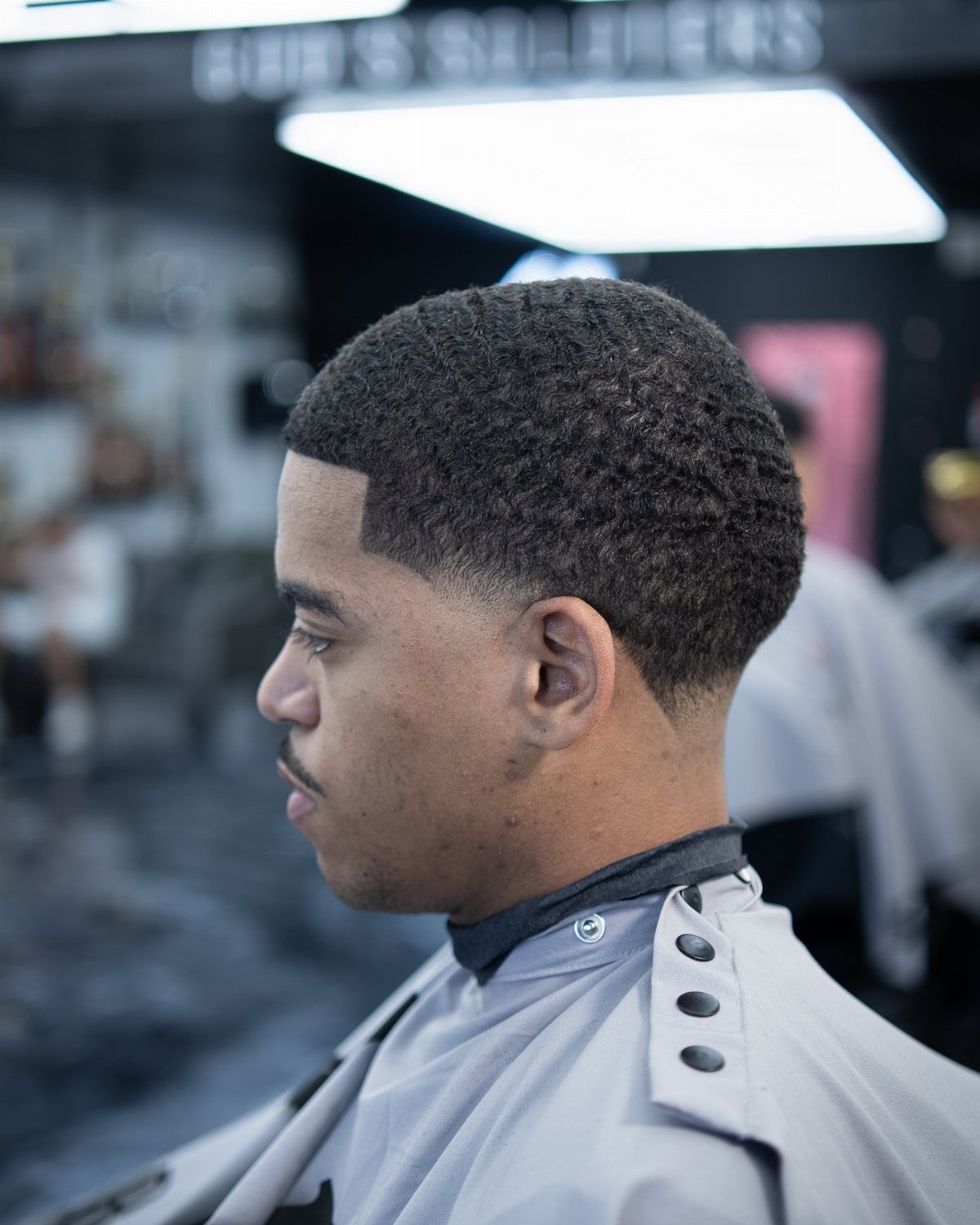
A temple fade focuses the taper at the temples and leaves more length everywhere else. The fade starts near the front hairline and curves back, keeping the sides and back longer than a traditional low taper.
The temple area stays the sharpest part of the cut, and the rest of the hair can be styled forward, back, or to the side depending on top length.
The fade grows out slowly because only the temple area is tapered short, so this cut lasts longer between visits than a full taper does.
19. Stylish Spiky Hair
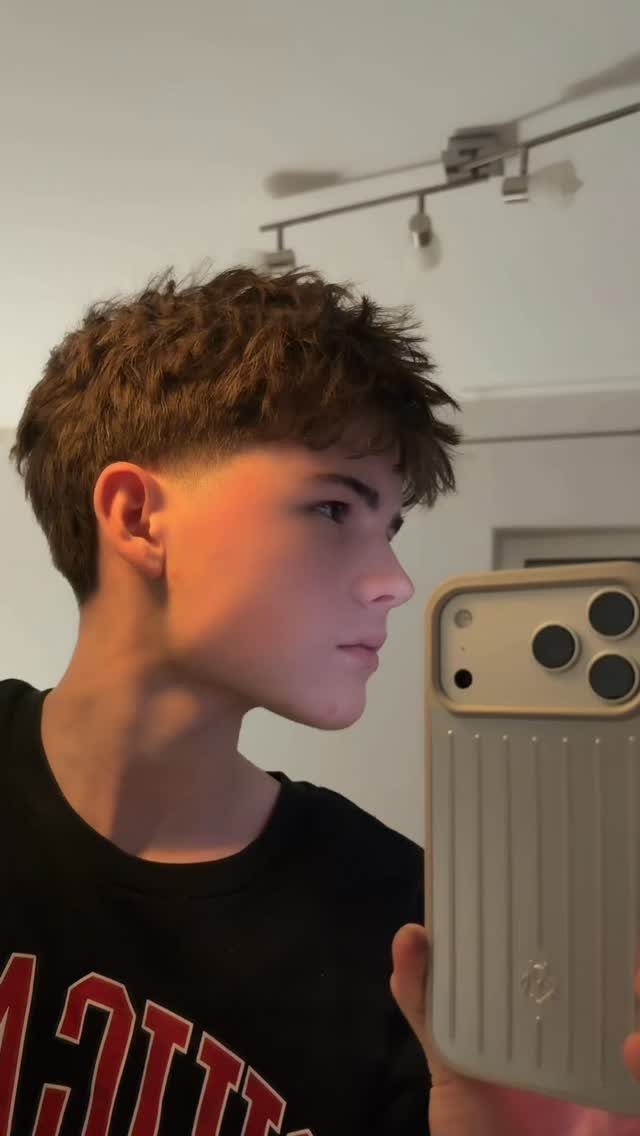
Spikes stand upright on top, each piece separated and pointed, while the low taper keeps the sides tight and controlled. The contrast reads sharp and deliberate.
This cut needs product every morning.
A strong-hold gel or styling wax works through damp hair, then you push sections upward and pinch the ends into points. The hold has to last all day, or the spikes flatten by midafternoon.
The low taper makes the spikes the focal point, and the clean sides keep the look from reading messy. Regrowth softens the spikes as the top gets longer, so book a trim when it stops holding the shape you want.
20. Brush Up
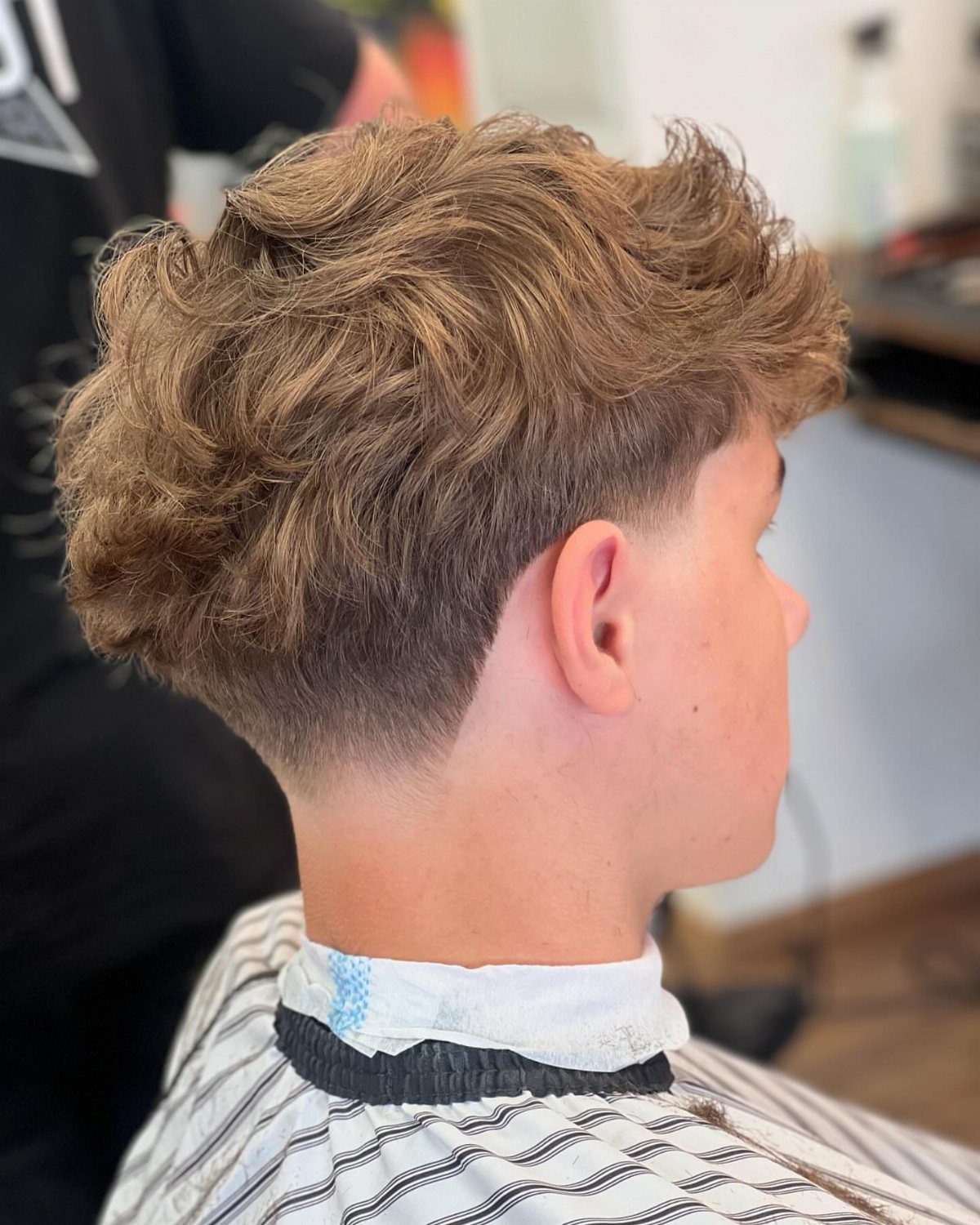
The hair lifts upward and slightly back, away from the forehead, giving height without the rolled structure of a pompadour. The low taper keeps the sides short while the brushed-up top stays loose and full.
A blow dryer sets the direction.
Point it upward as you brush, then finish with a light pomade or styling cream to hold the lift without making it stiff. The result is taller than a flat brush-back but softer than spikes.
Wavy or thick hair holds the shape easily. Fine hair may need a volumizing spray before drying to keep the lift from collapsing.
21. Disconnected Comb Over
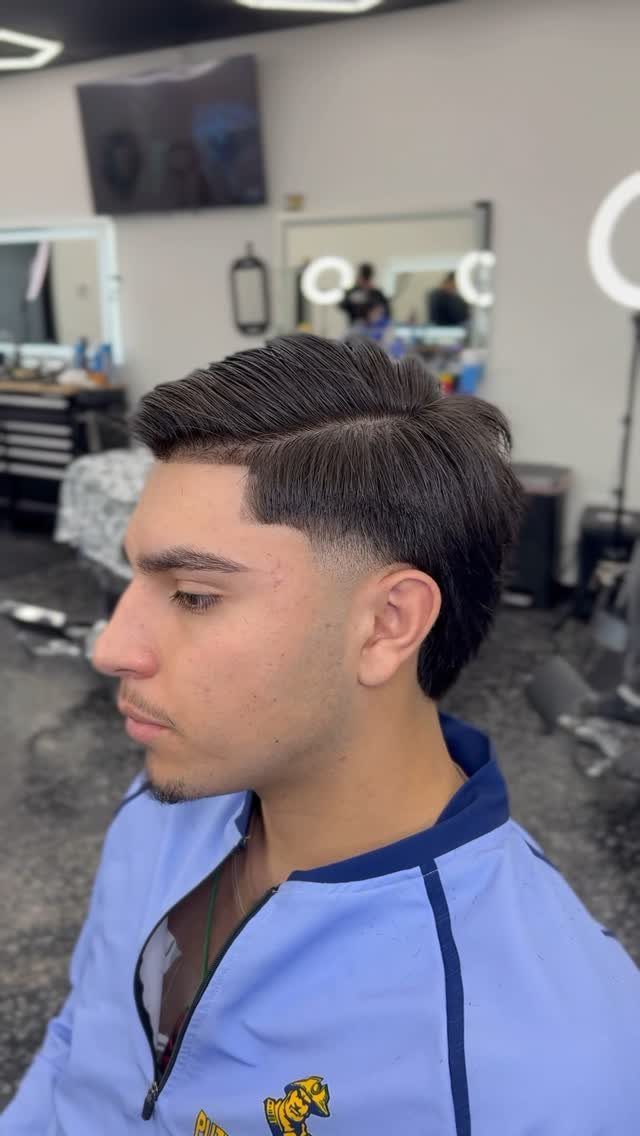
The top is combed to one side from a sharp part, but instead of blending into the taper, it sits separate, with a visible line where the longer hair ends and the short sides begin.
That disconnect makes the part and the comb-over read more dramatic.
Ask for the part to be cut in with clippers if you want it to stay visible without daily work. A natural part needs a comb and medium-hold product to keep the hair swept over and the division clean.
The disconnect suits men who want a bold, deliberate look. The contrast between top and sides is the point, not something to soften.
22. Voluminous Mini Curls
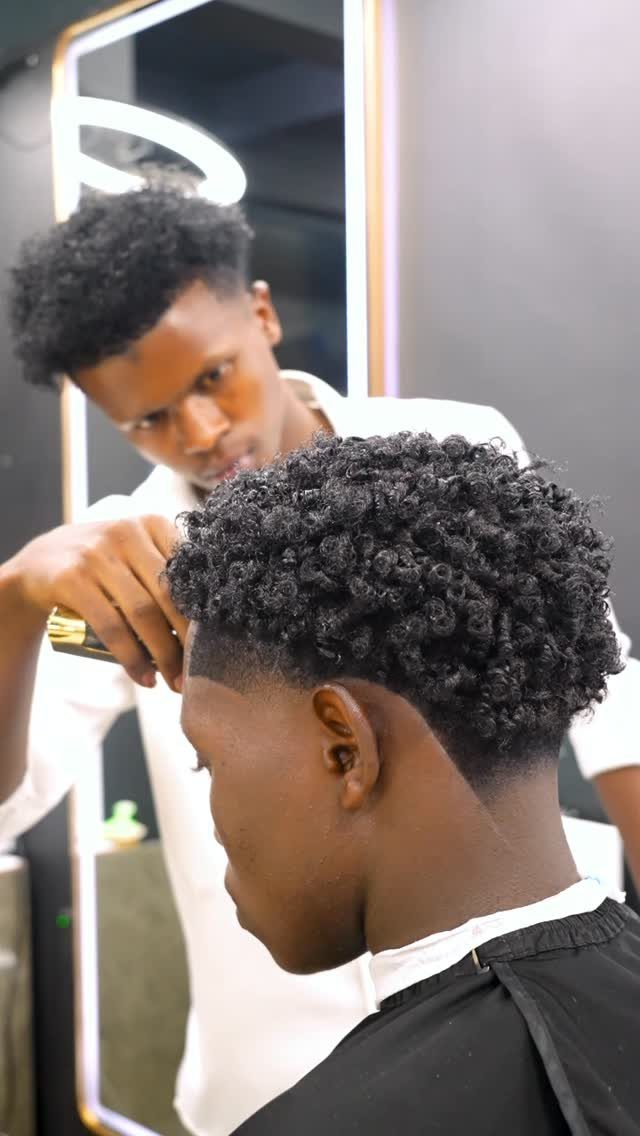
Short, tight curls sit close to the scalp but still lift upward, giving the top texture and height without much length. The low taper below keeps the sides clean and lets the curls stand as the main feature.
Curls this short need little styling.
A curl cream or light mousse defines the pattern when the hair is damp, then you let it dry naturally or use a diffuser to add lift. The volume comes from the curl itself, not from length.
The curls grow out evenly, and the taper gives you a few weeks before the sides need attention.
23. Low-Maintenance Shaggy Taper
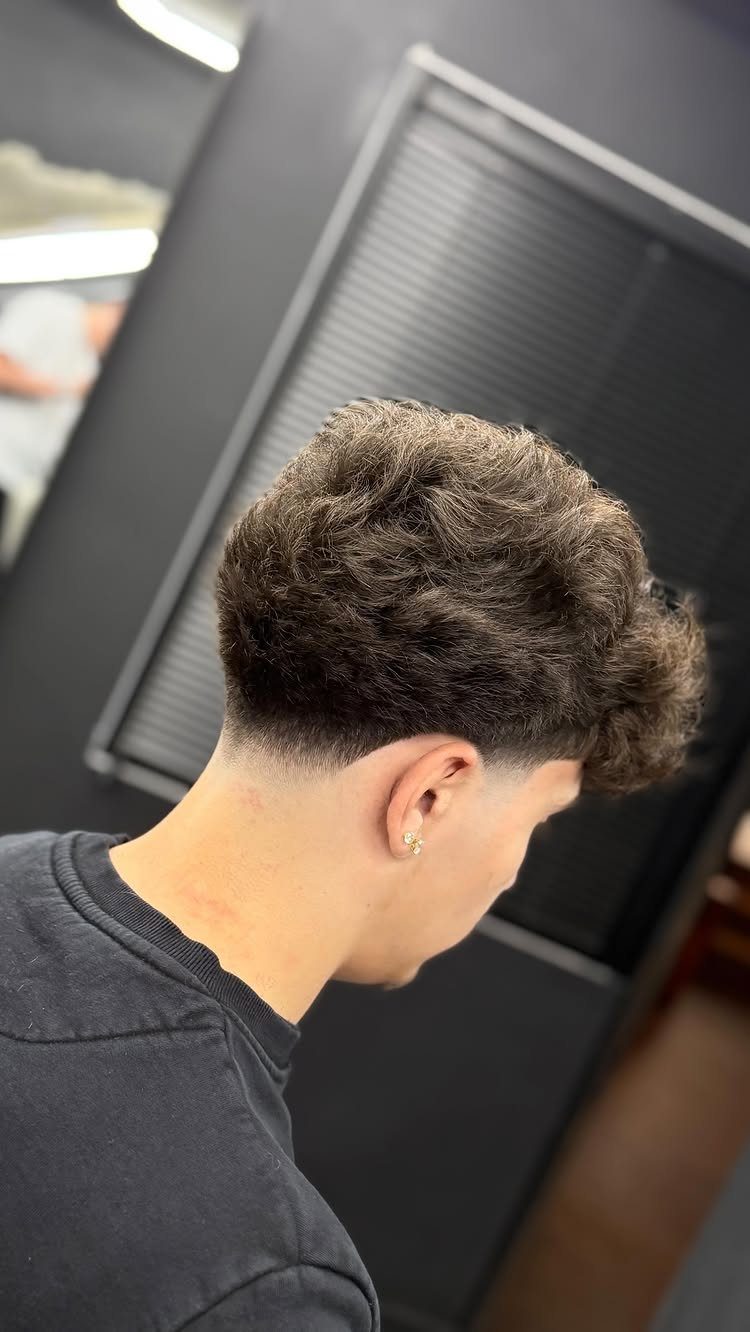
The top is left longer and choppy, with uneven ends that move loosely instead of sitting in one place. The low taper keeps the sides neat, so the shaggy top reads intentional rather than overgrown.
This cut works for men who want texture without daily styling. The longer top hides small changes in length, so it grows out well between trims.
Wavy hair wears this cut especially well, since the wave adds to the shaggy texture without needing product.
24. Clean Cropped Cut Low Taper
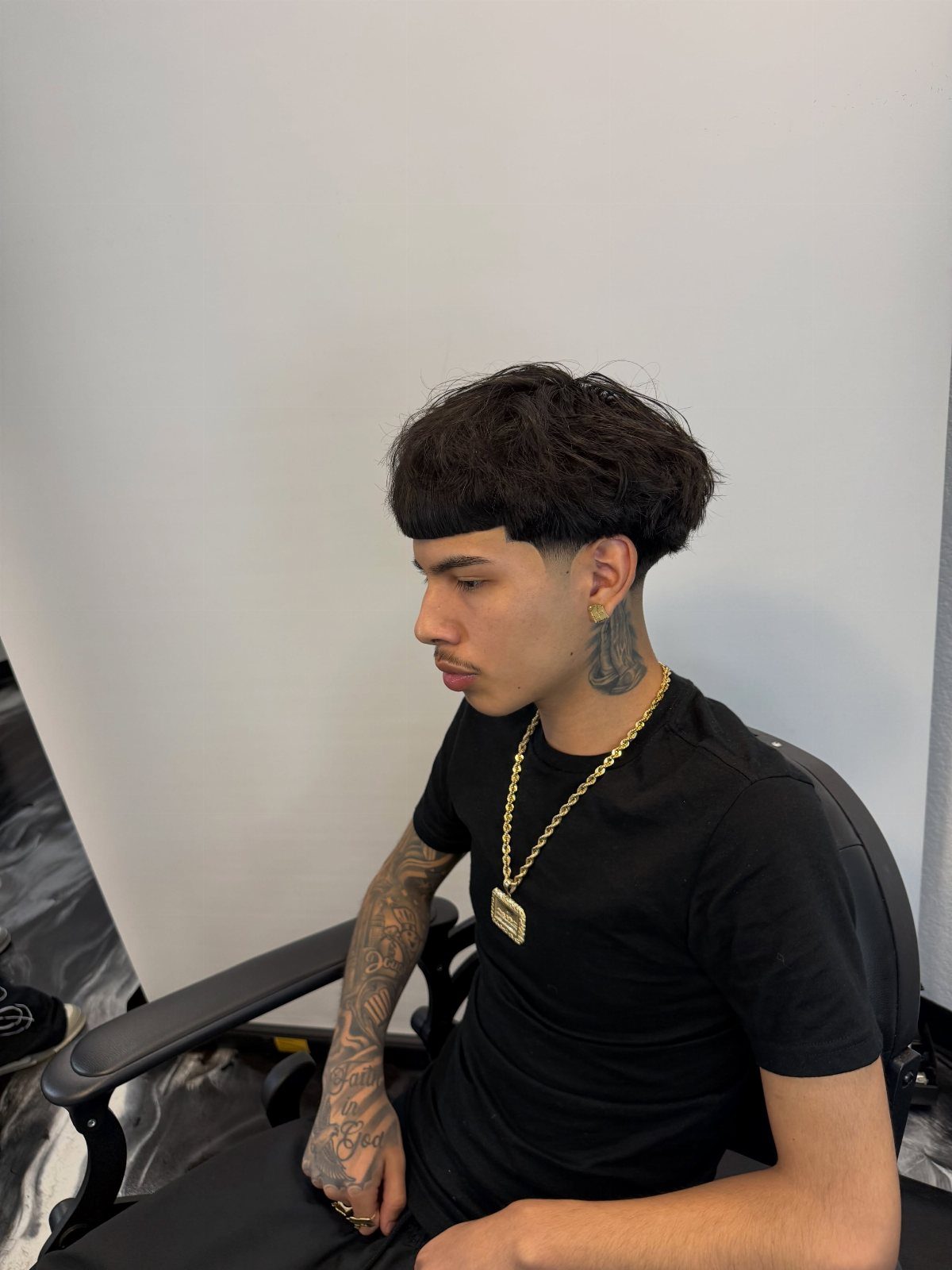
The top is clipped short and uniform, leaving just enough length to sit flat without being a full buzz.
Styling time is near zero.
Towel dry after a shower, and the hair is already in place. The short length means no product, no blow dryer, and no time spent in front of a mirror.
This suits men who want the simplicity of a buzz cut but prefer a bit more length on top.
25. Tapered Afro with Sharp Hairline
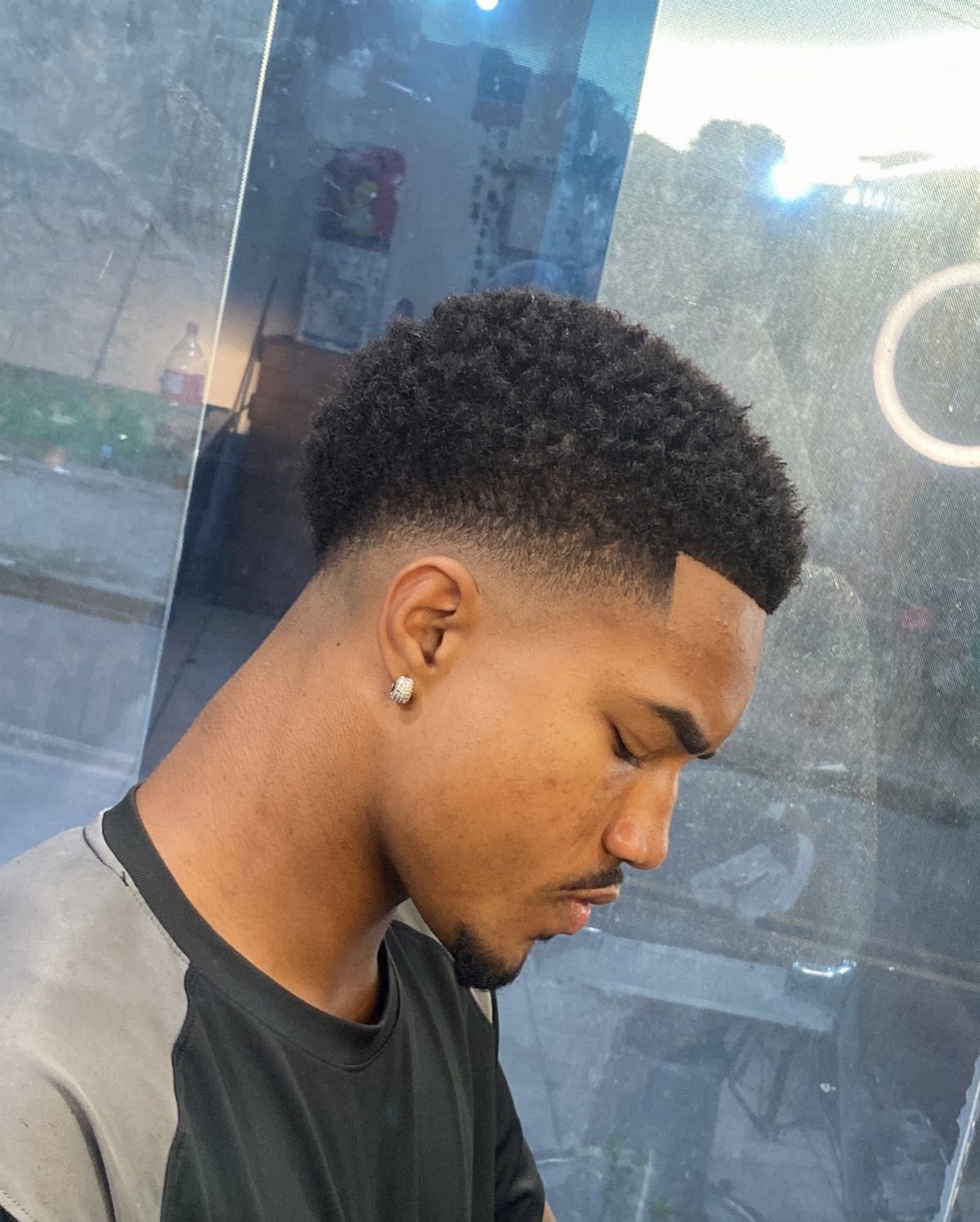
The shape sits rounded on top, with the taper starting low and the hairline cut into clean, straight edges at the forehead and temples.
The lineup is the defining detail. A barber shapes it with clippers or a straight razor, and when done well, the edges stay sharp for about a week before they need touching up.
The afro itself needs moisture to stay healthy and defined. A leave-in conditioner or curl cream works through damp hair, and regular trims keep the shape from getting uneven as it grows.
26. Classic Low Taper Fade
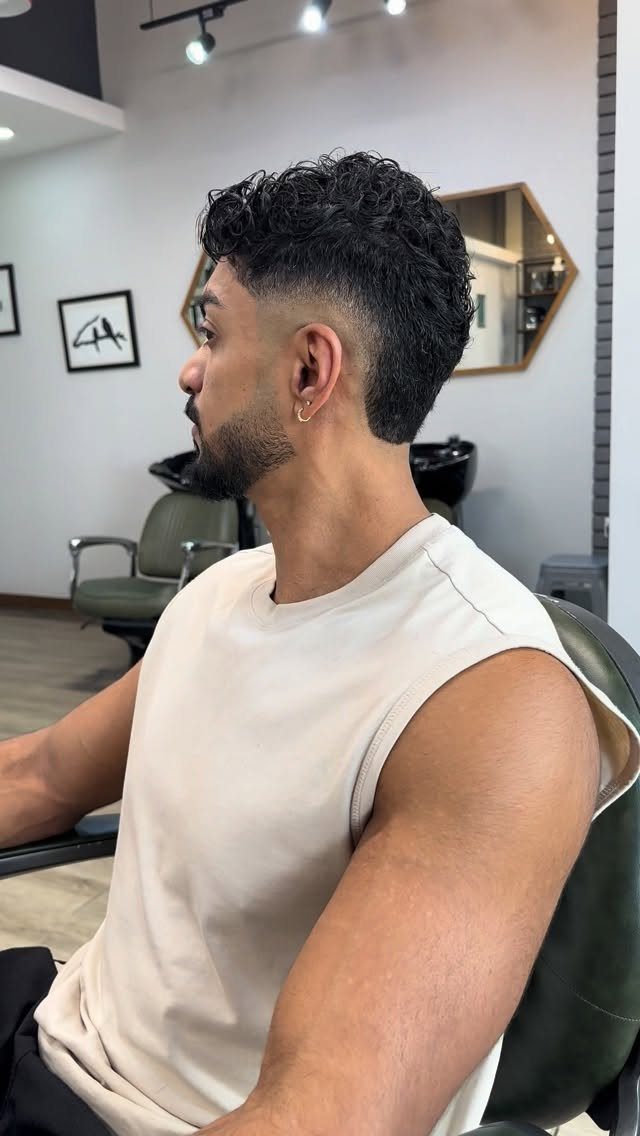
The classic low taper fade is the version most men mean when they ask for a low taper. The fade starts just above the ear, blends gradually upward, and leaves enough length on top to comb, style, or leave natural.
Curly hair wears this cut especially well. The taper keeps the sides controlled while the curls on top stay full and defined, and the low start avoids cutting into the curl pattern too high.
The fade is gradual, not abrupt, and the result reads clean without looking severe.
27. Low Taper with Waves
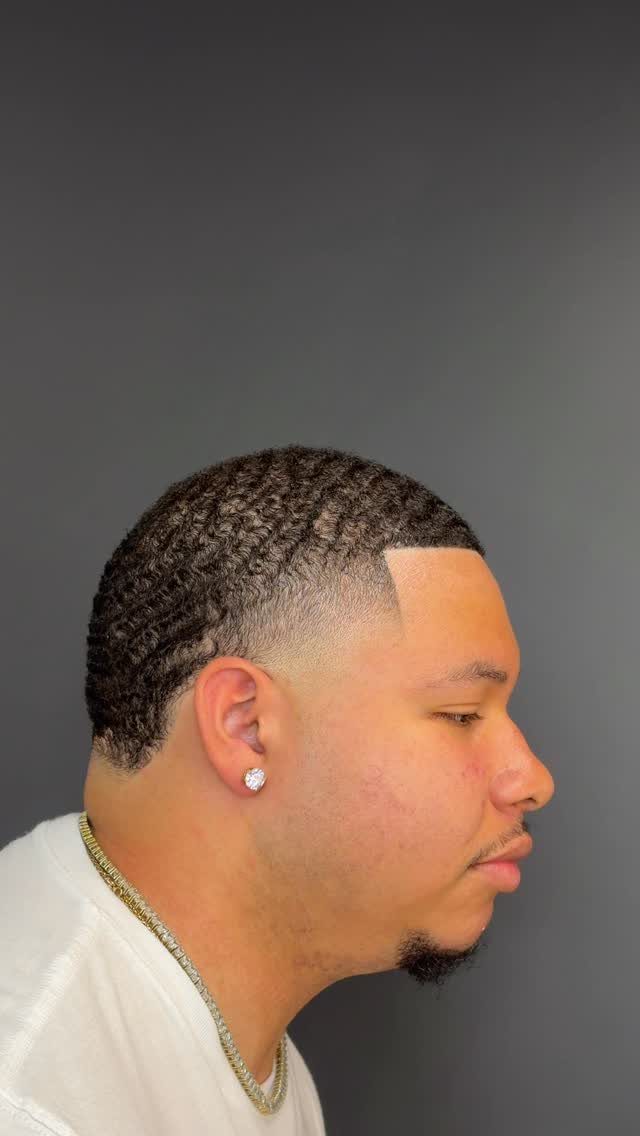
Defined 360 or deep wave patterns on top paired with a low taper create a sharp, polished look that shows off the wave texture.
The waves sit close to the scalp, formed by brushing and products that train the hair into the pattern, and the taper below keeps the outline clean.
Waves take daily work.
You brush in the direction of the pattern, apply wave pomade or grease, then wear a durag overnight to hold the shape. The waves appear after weeks of consistent brushing, not overnight.
A guard on top keeps the waves low and defined, and a sharp lineup brings the whole cut together.
28. Low Taper Fade with Man Bun
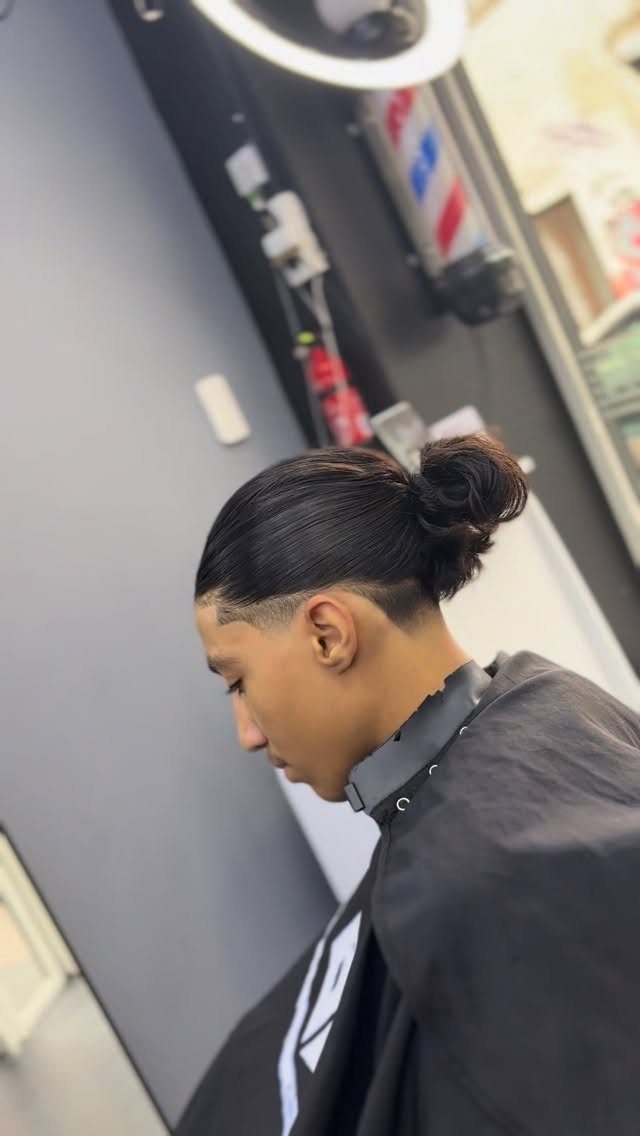
A man bun tied on top paired with a clean taper around the sides and neckline gives long hair a sharp, intentional shape.
The bun gathers the top length into one spot, and the taper keeps the profile neat where the long hair meets short.
The taper grows out faster than the bun does, so plan for regular visits to keep the fade clean.
The bun itself can be tight or loose depending on preference, and it works with most hair textures that have enough length to tie back.
Pull the hair up, secure it, and the taper does the rest.
29. Low Taper with Silver Hair
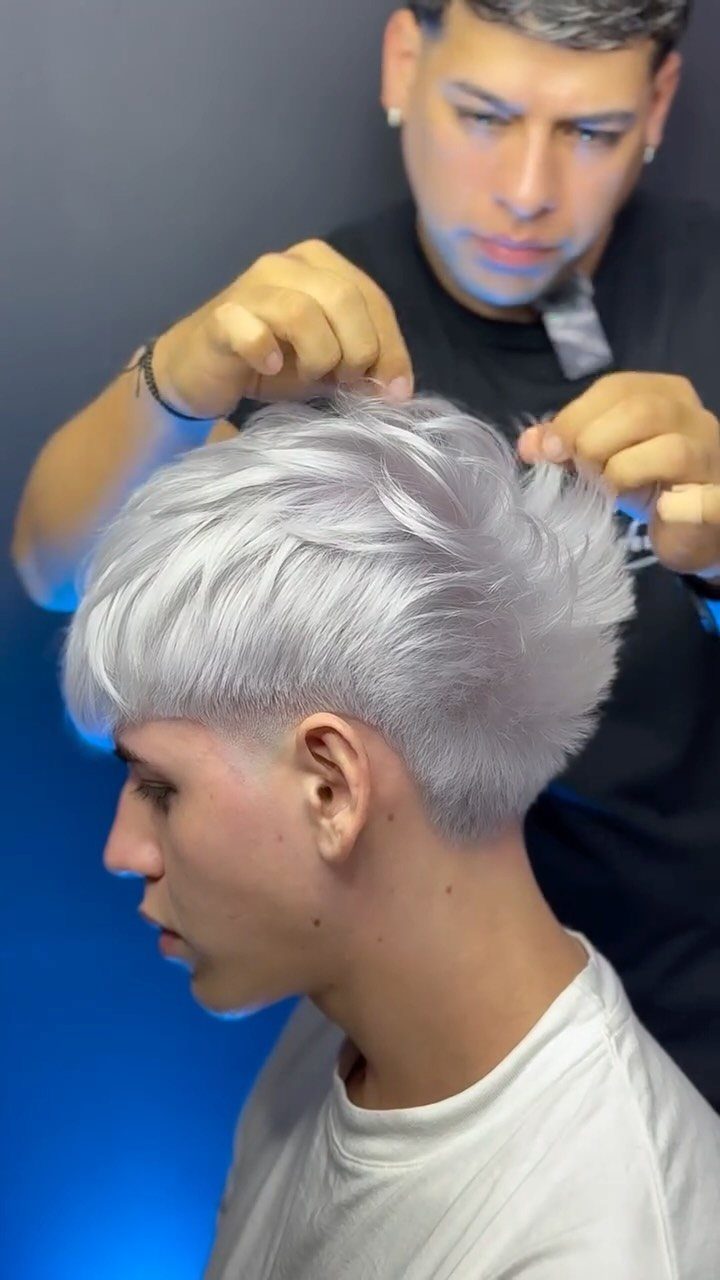
Silver-white hair paired with a low taper fade creates a bold contrast between the bright color on top and the clean, faded sides. The dye is the statement, and the taper keeps the cut from competing with it.
Bleach is required to lift natural color before toning it silver, and that process damages hair. Plan for regular toning appointments to keep the color from turning yellow, and use a purple shampoo between visits to maintain the cool tone.
The taper itself is straightforward, and the color does the work of making the cut stand out.
Fade Maintenance Timing
Most low tapers need a trim every 2 to 4 weeks to keep the fade looking intentional.
Some barbers will tell you 3 to 4 weeks, and if your hair grows slowly or you like a slightly softer look as it fills in, you can push it to 8 weeks before it starts to look overgrown.
Shaved designs fade faster. The lines blur and disappear in 1 to 2 weeks, so if you want them to stay visible, plan for more frequent visits.
Use the same guard length your barber used on those areas to keep the blend smooth.
Explain the Cut to Your Barber
If you want more length on top, say how much. If you want a specific transition, show a reference photo.
If you want a design shaved into the fade, ask for it by name or point to the spot where you want it placed. Keep designs simple and not too large, or they will blur as the hair grows back.
Choose for Hair and Face
Face shape changes how a low taper looks on you. Round faces tend to look better with more height on top, which lengthens the face and adds definition.
Square faces can soften a strong jawline with extra texture up top. Oval faces suit nearly every version of the cut.
Oblong faces look better with a side part or fringe, which shortens the appearance and keeps the face from looking too long.
Hair texture matters too.
Talk to your barber about how much taper and fade length works for your lifestyle. The cut should fit how often you can trim it and how much time you want to spend styling it each morning.
Frequently Asked Questions
What is a low taper fade?
A low taper fade starts just above the ears and shortens gradually toward the neckline, keeping more length on the sides and top than a high fade.
Can I get a hair design with curly hair?
Yes, curly hair works well for shaved designs because the texture creates contrast that makes the lines stand out.
The taper leaves the sides short and clean while curls on top add volume, and the pattern stays visible against the faded section.
Do hair designs damage the hair?
No, the barber only cuts hair to form the pattern, and it grows back naturally over a few weeks.
There is no chemical treatment or cutting below the scalp, so the hair remains healthy and the design simply fades as it lengthens.