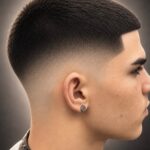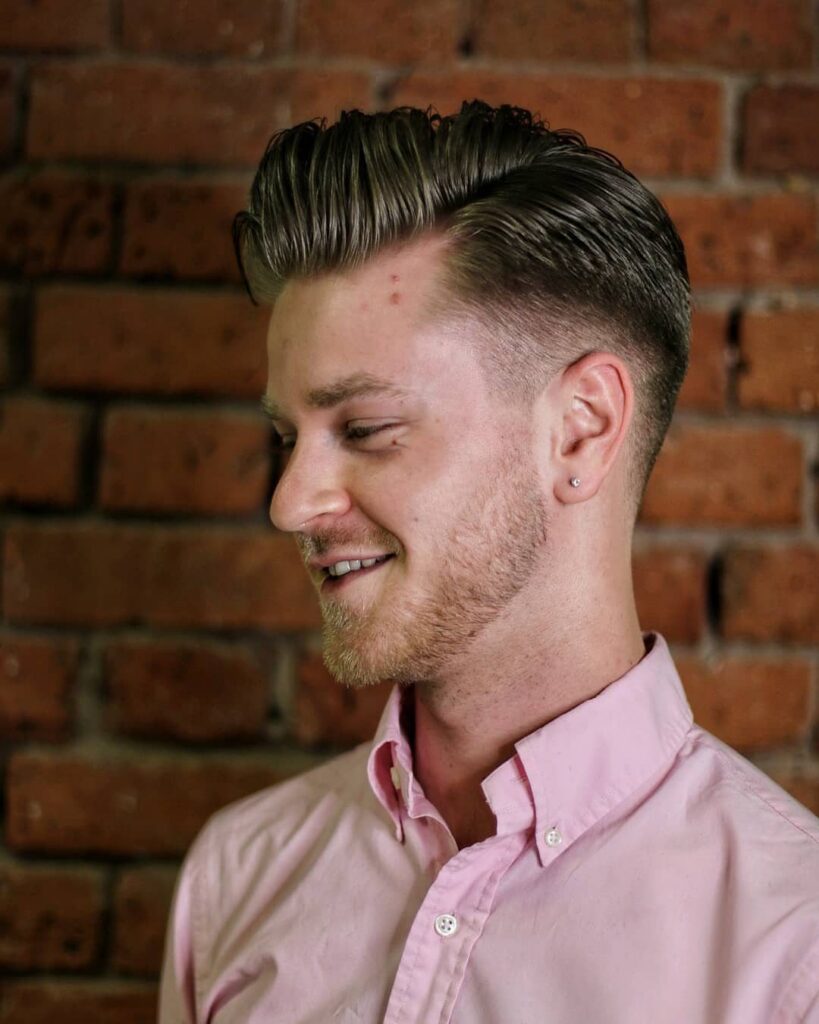
The low fade starts just above the ear and tapers gradually toward the baseline, leaving more length visible on the sides than a mid or high fade.
Where the fade stops at the base decides how often you’ll need a cleanup: a skin fade shows regrowth in under 2 weeks, while a taper that stops short of bare skin stretches closer to 4–5 weeks between visits.
Match the fade to how often you can book the chair, then pick the top length and texture that fit the styling time you’ll give it each morning.
1. Pompadour Low Fade
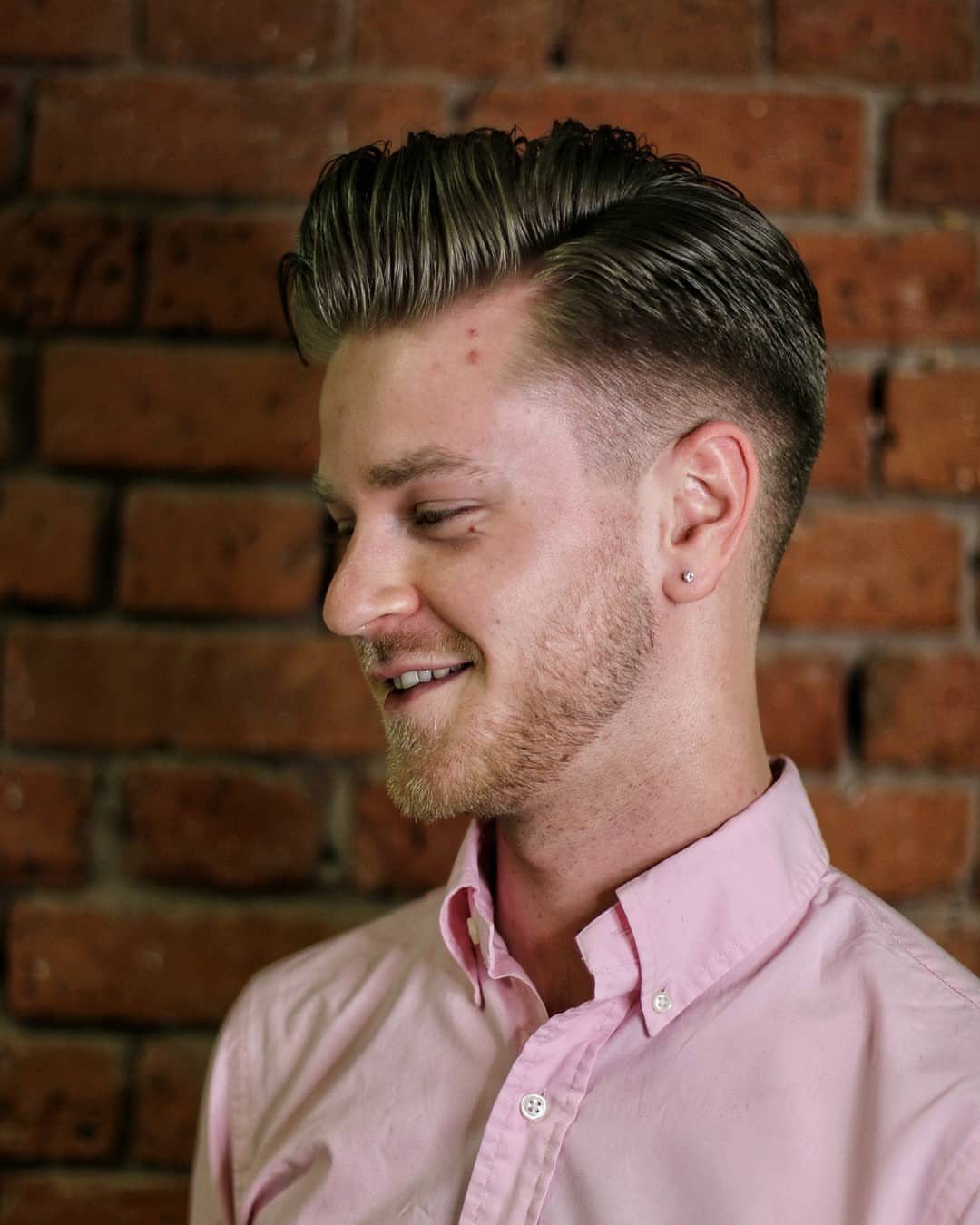
The sides stay close and the top sweeps up and back, creating height without much width. You’ll need a blow dryer and a medium-hold product to lift the hair at the root and keep it in place through the day.
2. Low Taper Fade
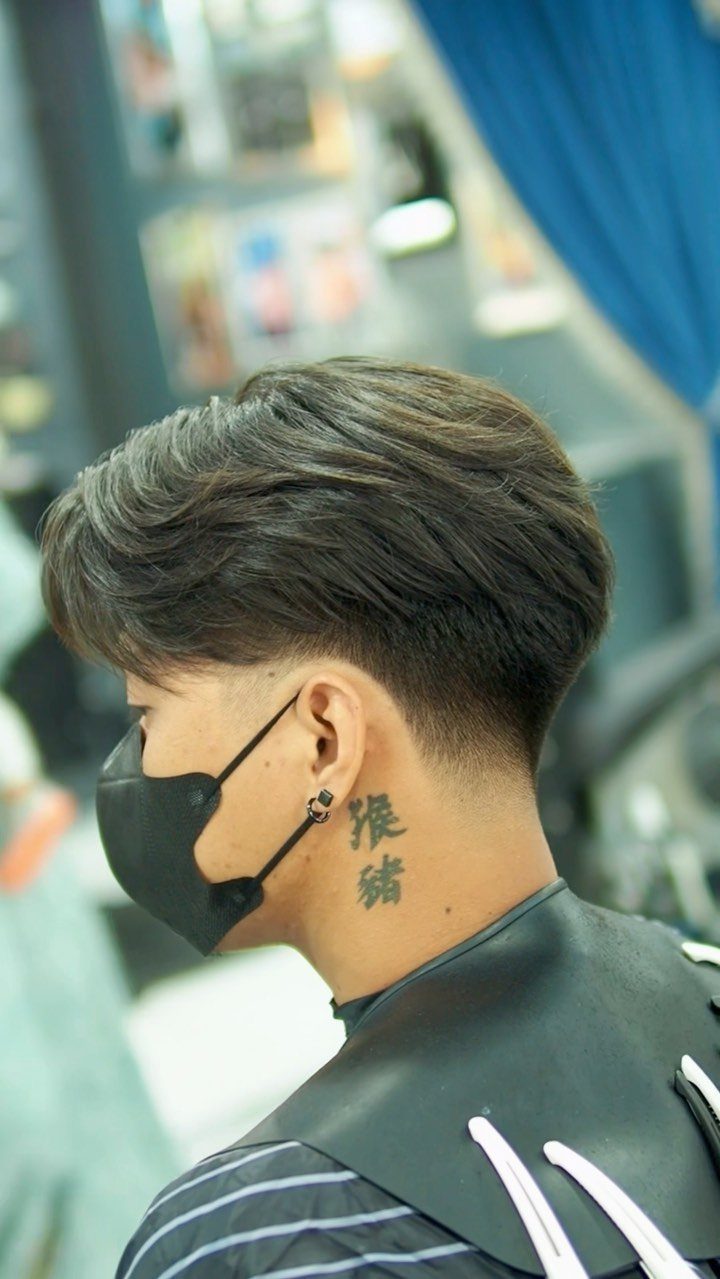
The taper stays subtle, blending gradually from longer length up top down to shorter coverage at the sideburns and neckline. The sides never go to skin, so regrowth looks less abrupt than a full fade.
I find this cut easier to maintain if you can’t get to the barber every 2 weeks.
It grows out cleanly before the blend starts to look uneven, and styling time stays minimal since the top can be worn textured or brushed forward without much product.
But where some types of fades can be quite drastic, the low fade offers a subtler route into the world of graduated backs and sides.
3. Low Cut Taper Fade
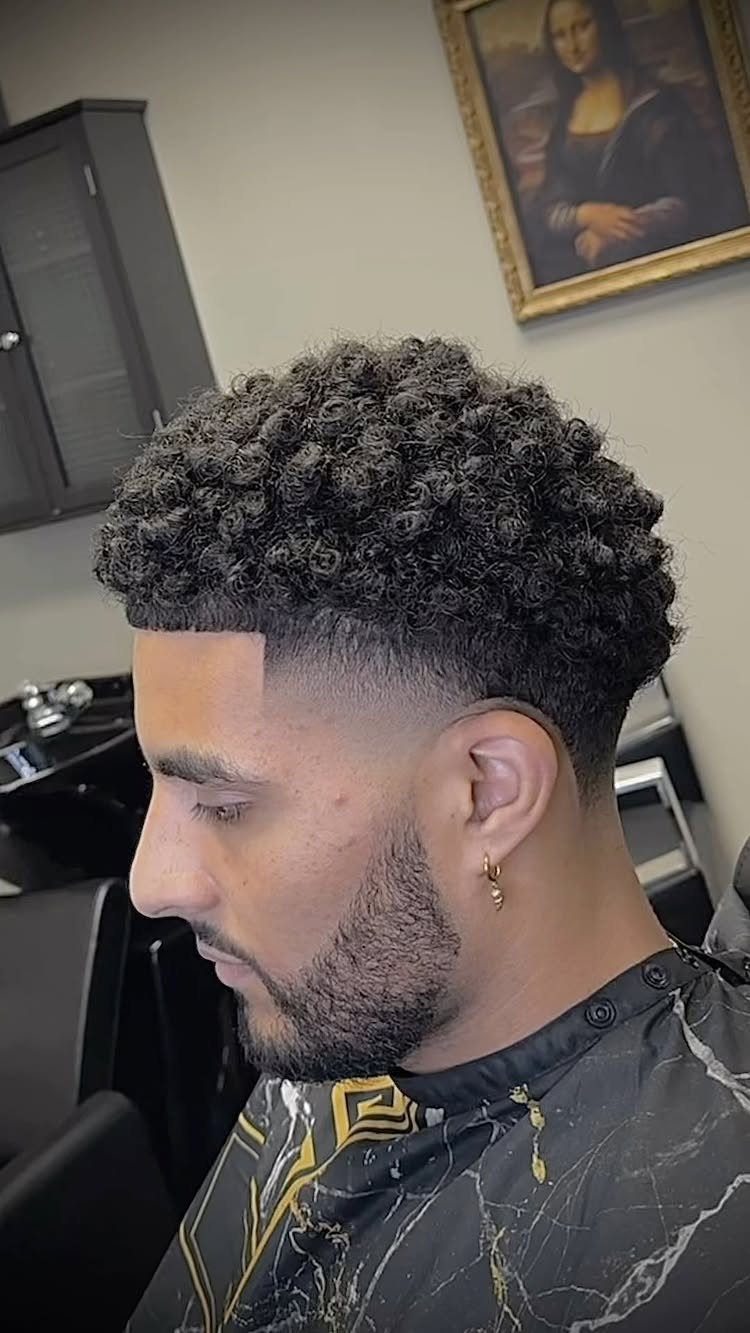
Curls sit naturally on top while the taper keeps the sides clean and defined. The fade starts low, just above the ear, so the curls get room to show texture without the sides adding bulk.
Keeping curls hydrated matters more than the cut itself.
A leave-in conditioner after washing and a curl cream smoothed through damp hair will keep the definition without frizz. The taper needs a touch-up regularly, but the top grows out well if you let it.
4. Angular Curly Taper
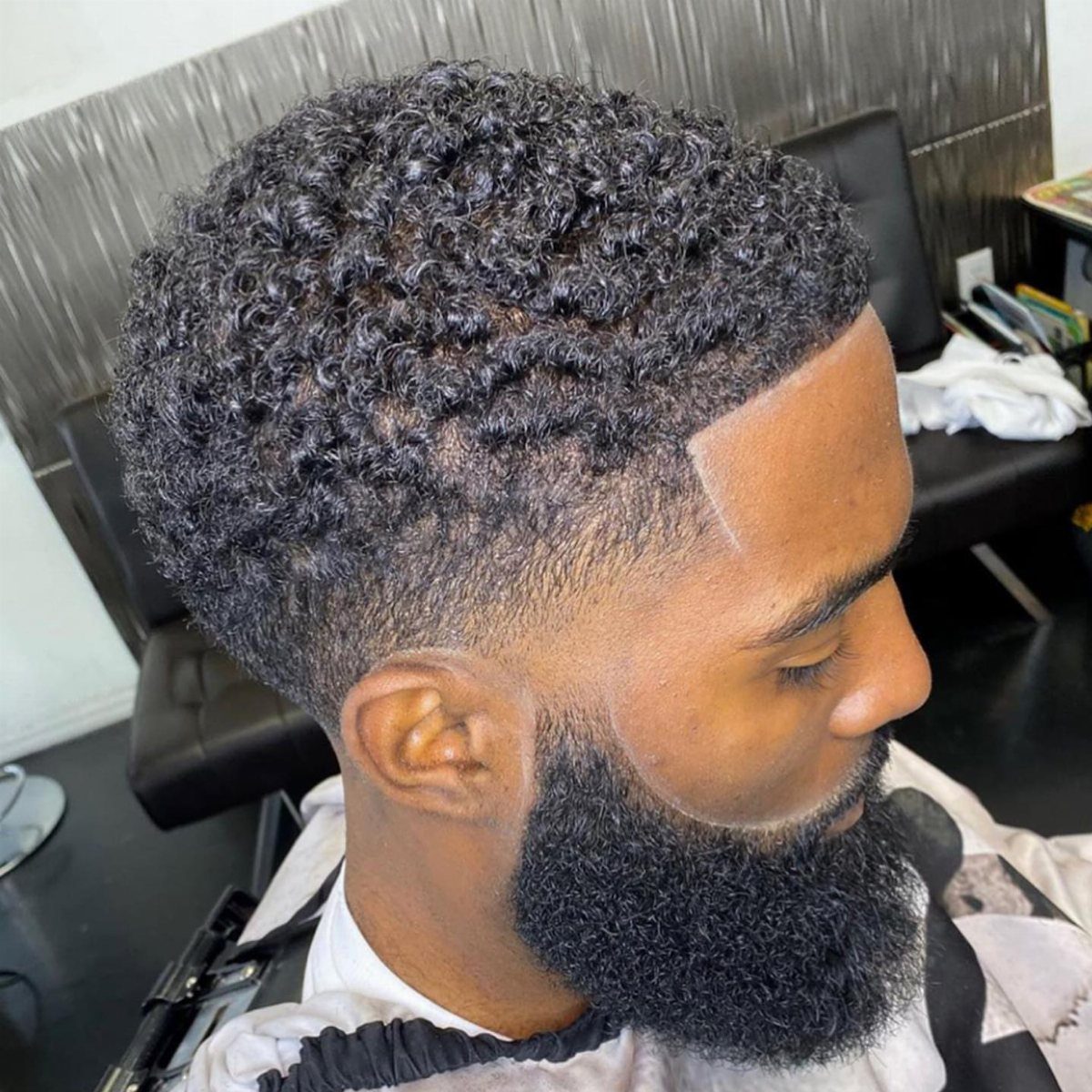
Sharp edges frame the curls and beard, giving structure to texture that can otherwise read as undefined. The taper blends low, and a razor or trimmer creates the hard line at the temple and cheek.
This look requires precision. Ask for a lineup along the hairline and beard edge, and expect to maintain the lines yourself between visits or book regularly.
The curls on top need moisture to hold their shape; a styling cream works better than gel if you want definition without stiffness.
5. Low Skin Fade
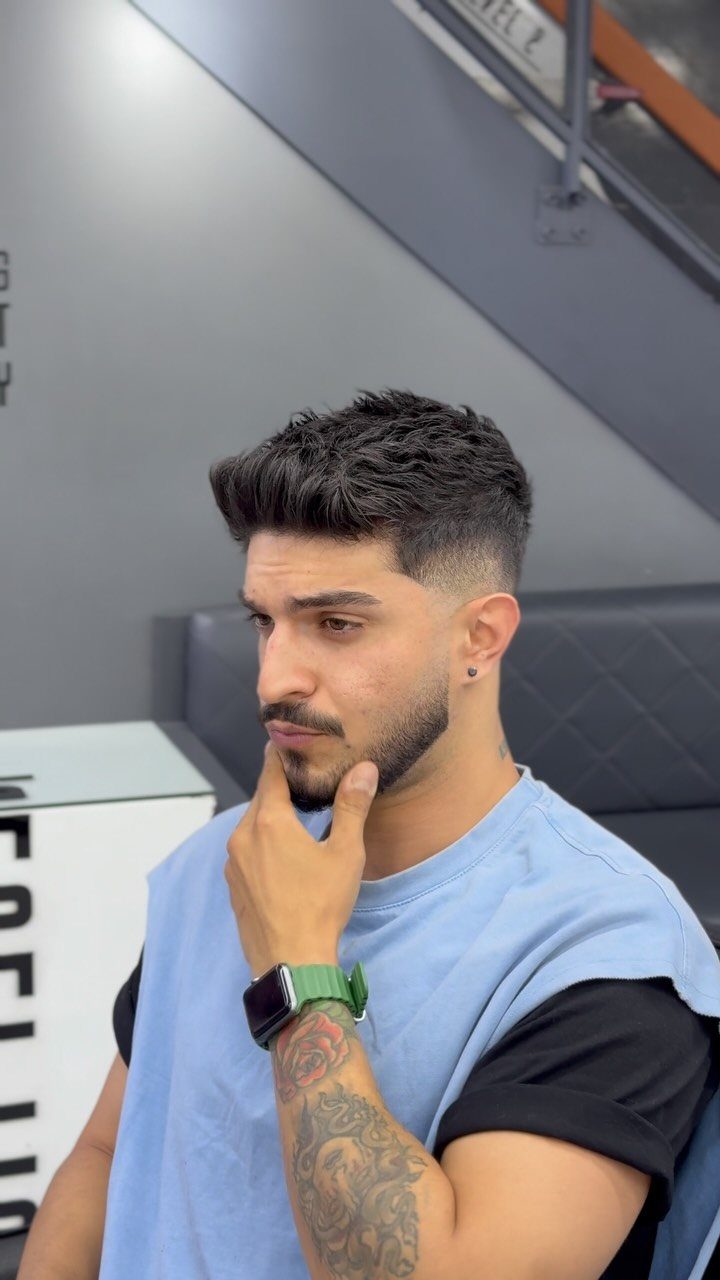
The fade drops to bare skin at the base, creating the sharpest contrast between the top and sides.
The blend begins low, near the baseline around the ear, and tapers up gradually from bare skin to longer hair near the temple.
This cut demands frequent upkeep.
The skin portion shows regrowth quickly, so plan on regular cleanups if you want the fade to stay tight. Styling time depends on the top length, but the sides stay clean with no effort once the fade is fresh.
6. Side Part
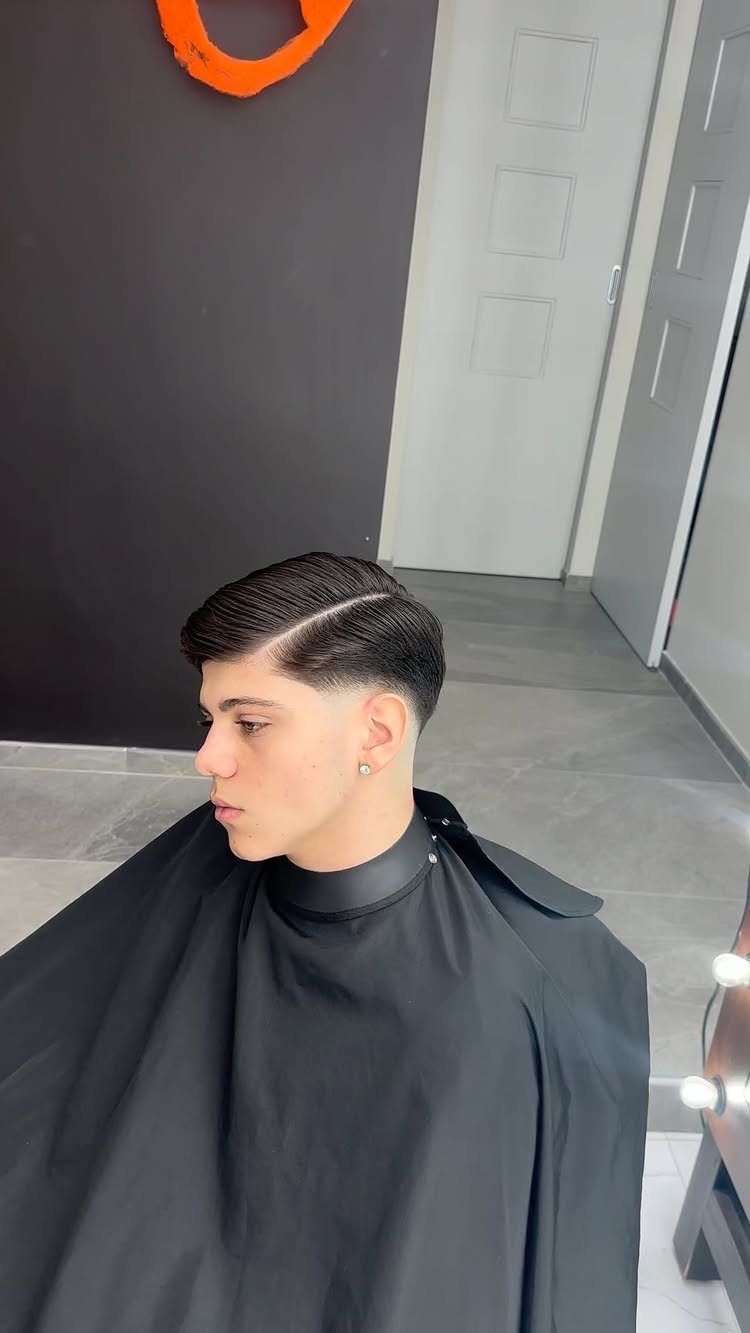
A clean part divides the top, with longer hair combed to one side and a low fade keeping the profile sharp. The part can follow a natural line or be cut in with clippers for a more defined edge.
Ask for length on top if you want the side part to hold its shape and add volume.
A light pomade or cream smooths the hair into place without making it stiff, and the fade stays subtle enough that regrowth blends well.
7. Blowout Taper
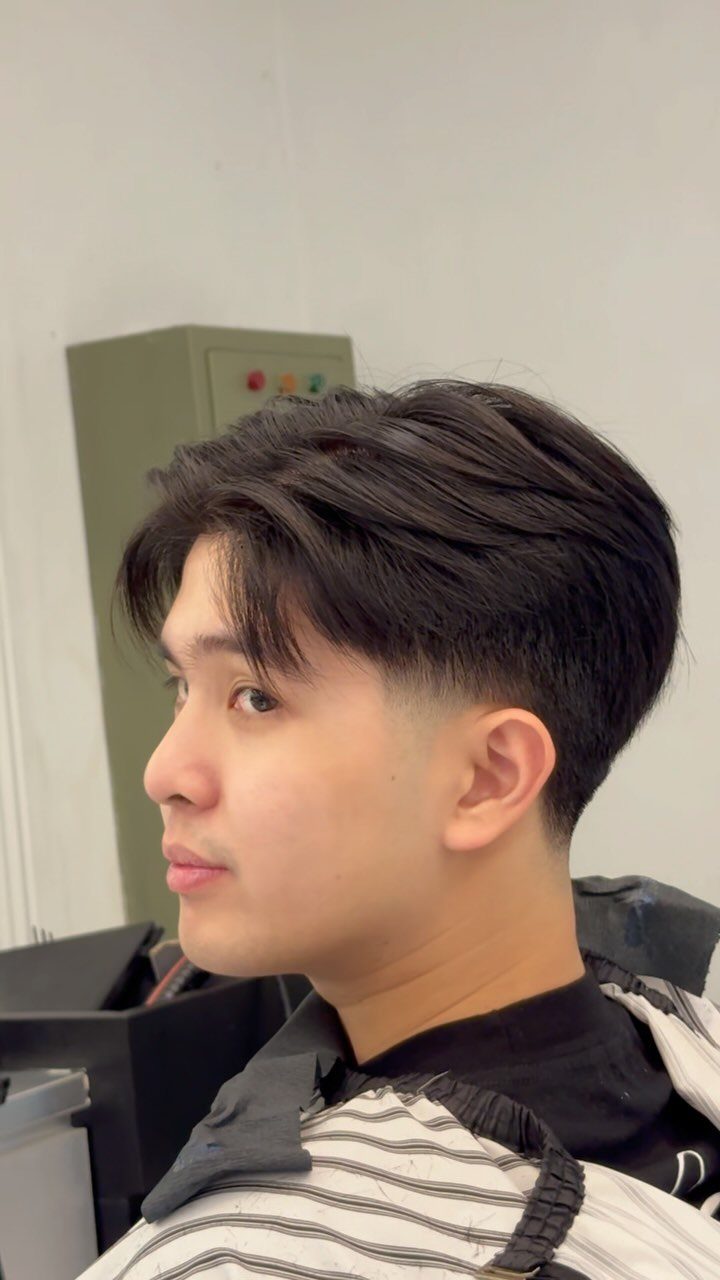
Volume lifts the top forward and outward while the taper keeps the sides close.
You’ll need a blow dryer and a round brush to pull the hair up at the root while drying, then a light styling cream or mousse to hold the shape without weighing it down.
The taper blends low enough that the top stays the focus. This cut works well with thicker hair that can hold volume, and the taper grows out gradually with regular cleanup.
8. Textured Crop
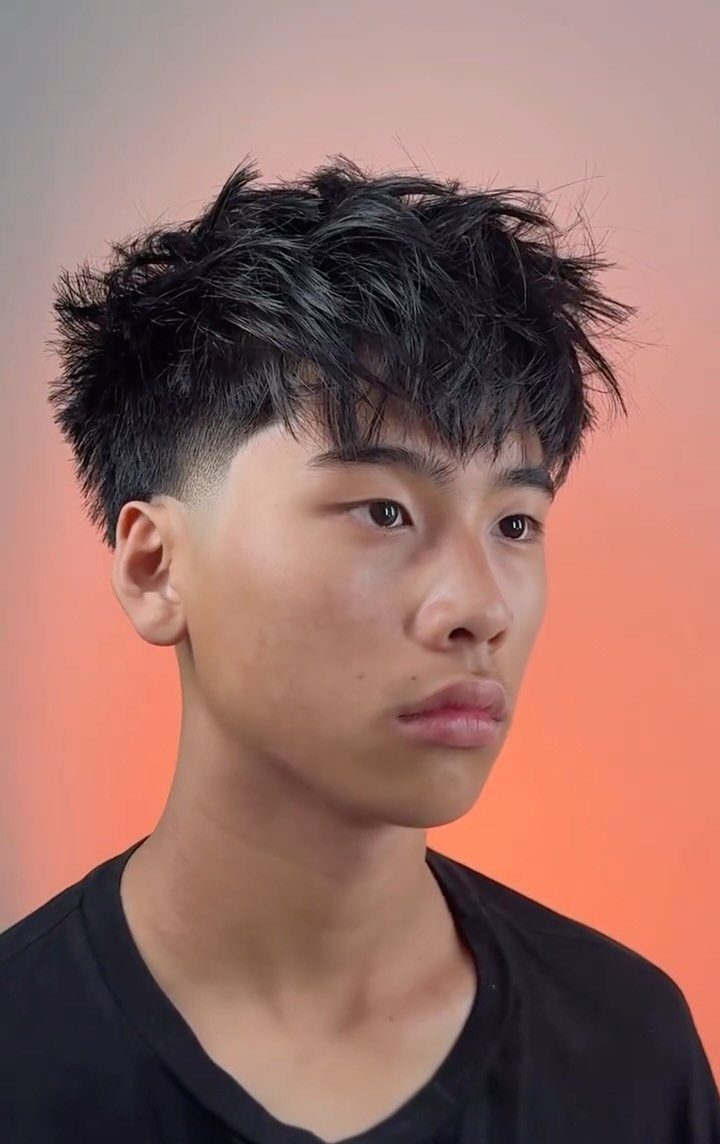
Short on top with a choppy, uneven finish, the crop sits forward and low without much height. The low fade keeps the sides clean, and the texture on top reduces styling time since the cut itself creates movement.
Ask for point-cut or razor-cut texture if you want definition without combing.
A matte paste or clay worked through dry hair will separate the strands and add grip. The crop grows out well for a month before it loses shape.
9. Drop Fade
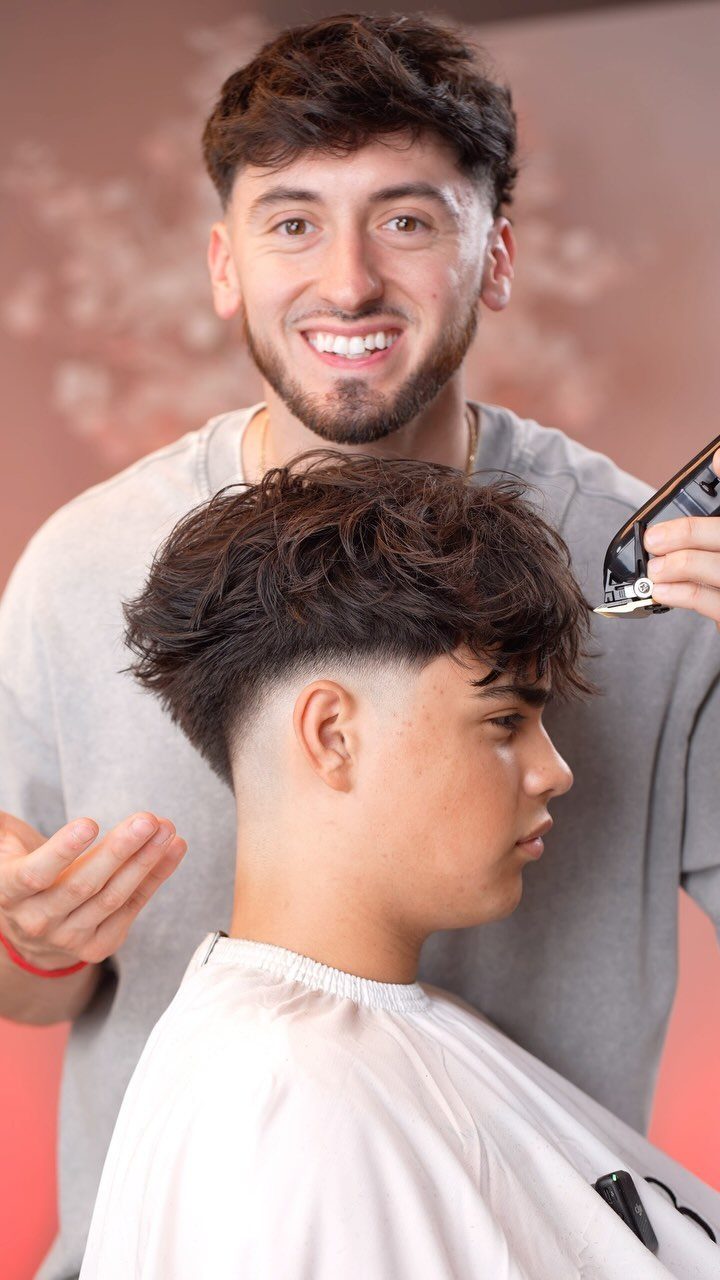
The fade follows the curve of the head, arcing down behind the ear instead of running straight across. That shape gives the cut a rounder profile and keeps more hair visible from the side.
The drop fade suits heads with a flat or square back since the curve adds shape where there’s less natural contour. Regrowth shows along the curve first, so this one needs cleanup more often than a standard fade.
10. Crew Cut
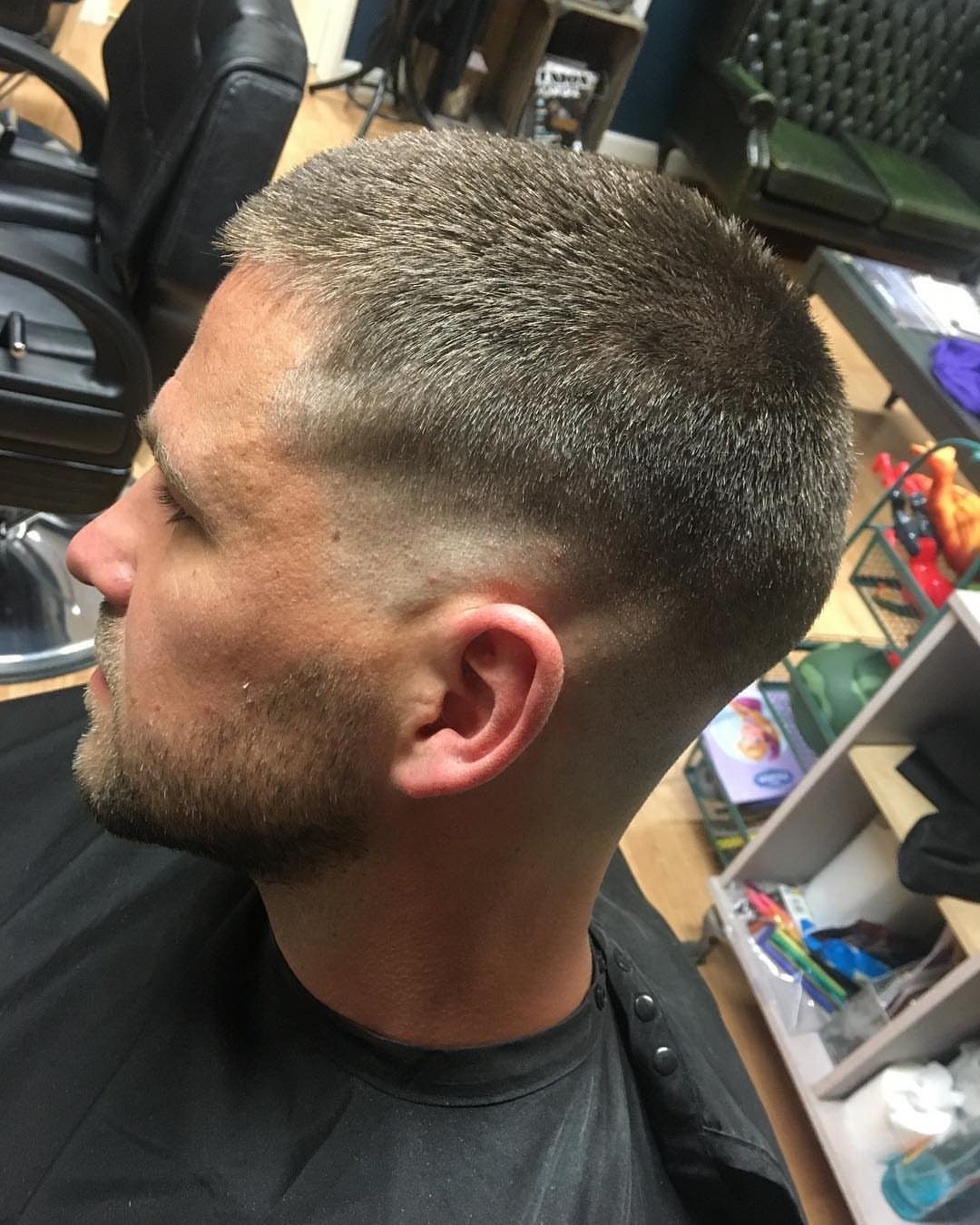
The top is clipped short but left longer than the sides, creating a flat or slightly rounded surface. The low fade blends into the short top without much contrast, so the cut reads clean and compact.
Styling time is under a minute.
A small amount of paste or pomade smoothed over damp hair will add slight texture or shine, but the cut works without product. The fade needs upkeep, but the top stays trim for weeks.
11. Quiff
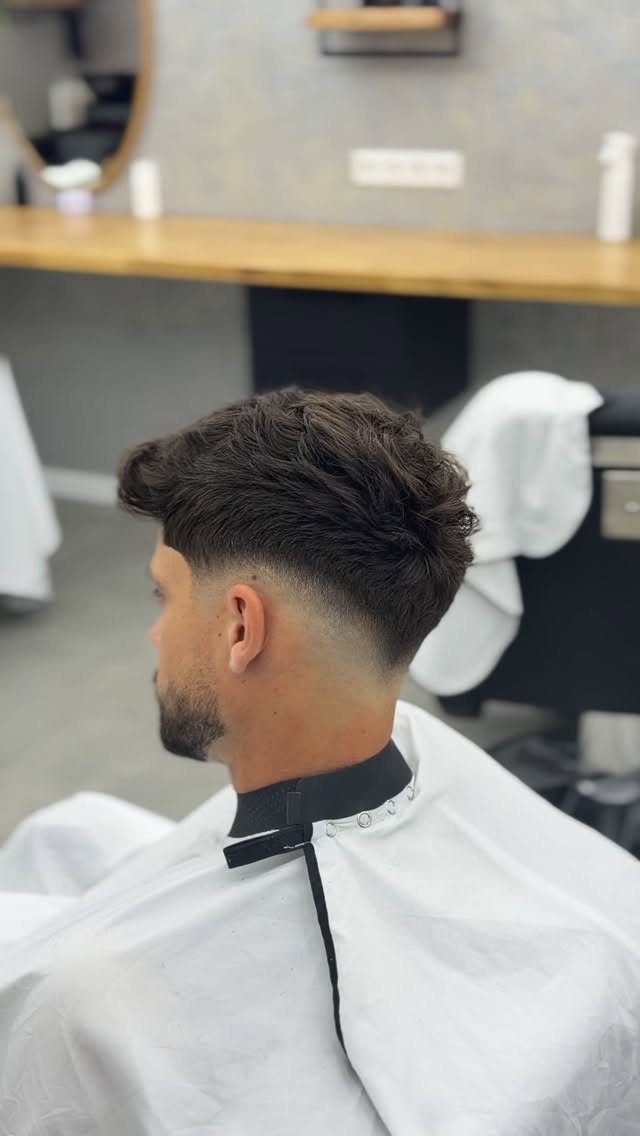
The front is brushed up and back to create height, while the low fade keeps the sides from adding width. The quiff needs enough length on top to lift without falling flat.
A blow dryer and medium-hold pomade or cream give you the lift and keep it there. The low fade lets the quiff stand out without the harsh contrast of a high fade, and it grows out more gradually.
12. Slick Back
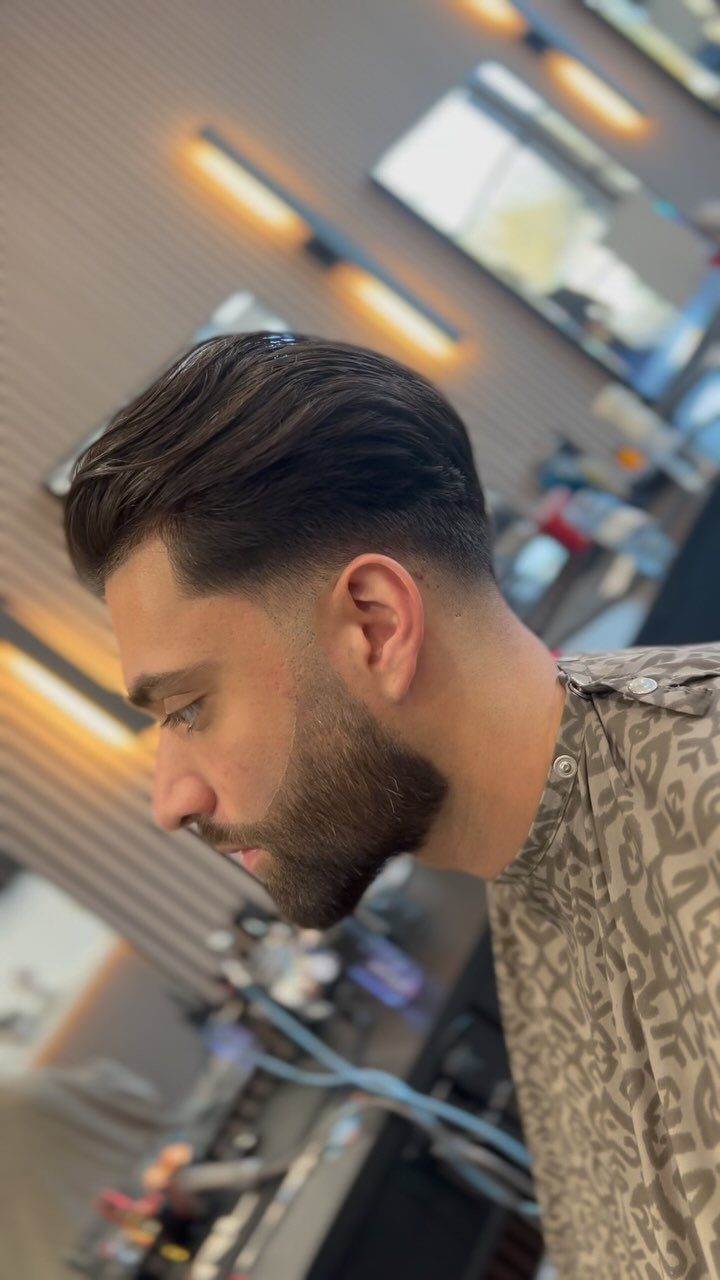
All the top hair is combed straight back, lying flat or with slight volume depending on length and product. The low fade keeps the sides tight, and the longer top creates a smooth, uninterrupted line from front to back.
You’ll need a strong-hold pomade or gel to keep the hair in place, especially if it’s thick or tends to fall forward. The fade needs regular cleanup to keep the contrast between the longer top and short sides.
13. Messy Fringe
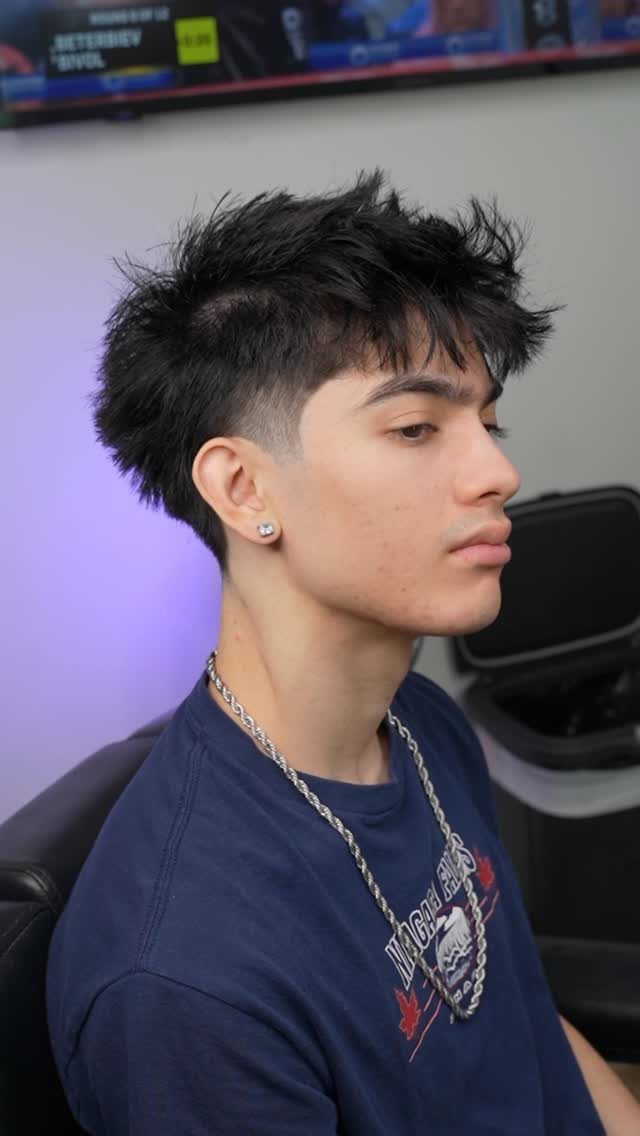
The fringe falls forward in uneven pieces, cut with texture rather than one blunt line. The fade keeps the sides quiet so the textured fringe does the talking.
Point-cutting or a razor finish will give you the choppy edge without looking too structured. The fringe grows out well for a few weeks before it needs trimming.
14. Low Fade with Beard
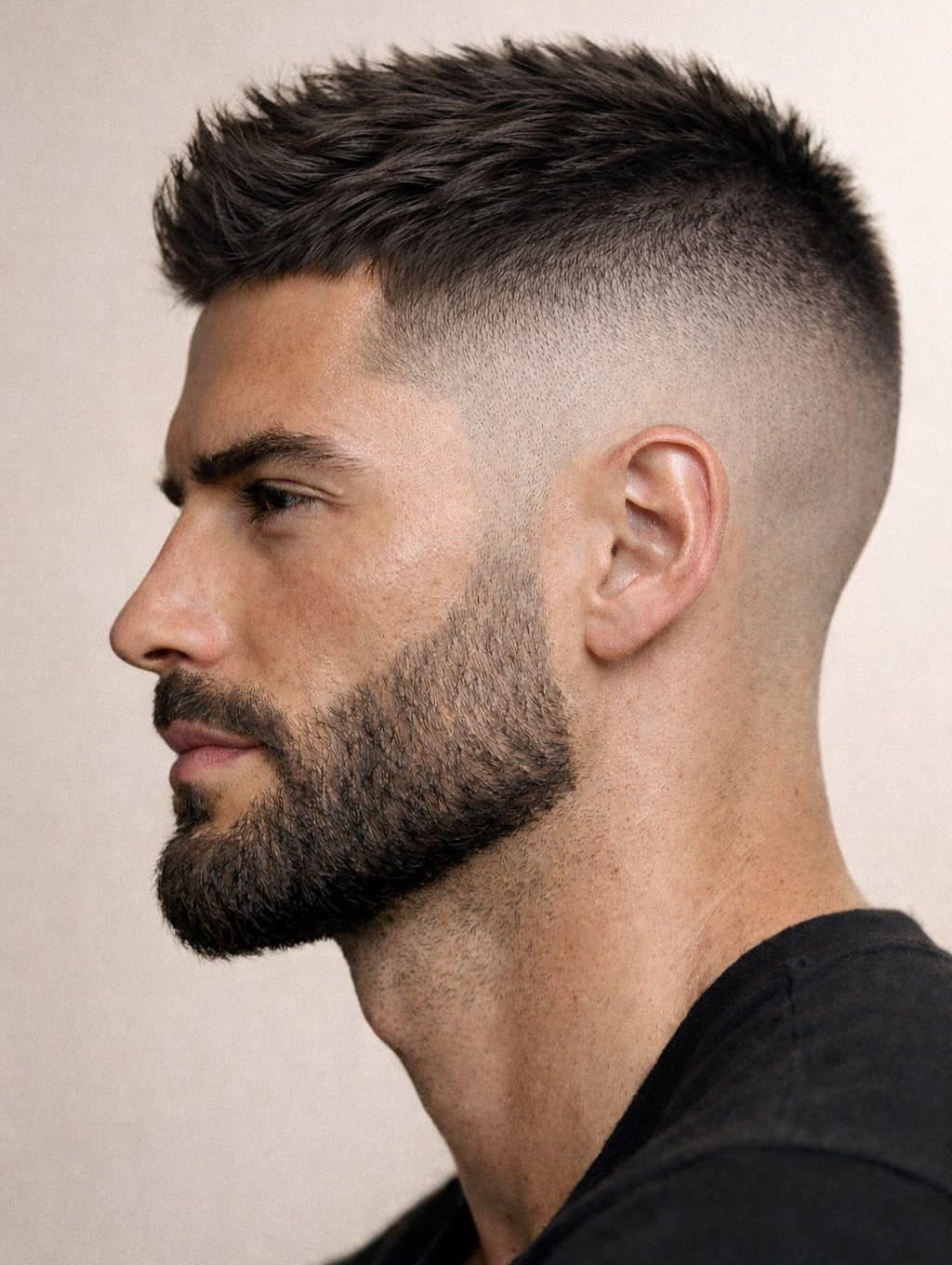
The fade blends into the beard line instead of stopping above it, creating one continuous taper from the top of the head down through the jawline. The barber adjusts the fade height to match where the beard sits fullest.
Ask for the fade to follow the beard’s natural shape rather than cutting a hard line between them.
Beard length matters here; if the beard is short or patchy, the fade should stop higher to avoid exposing the gap. A clean neckline on the beard keeps the whole look tight.
15. Low Fade with Thick Hair
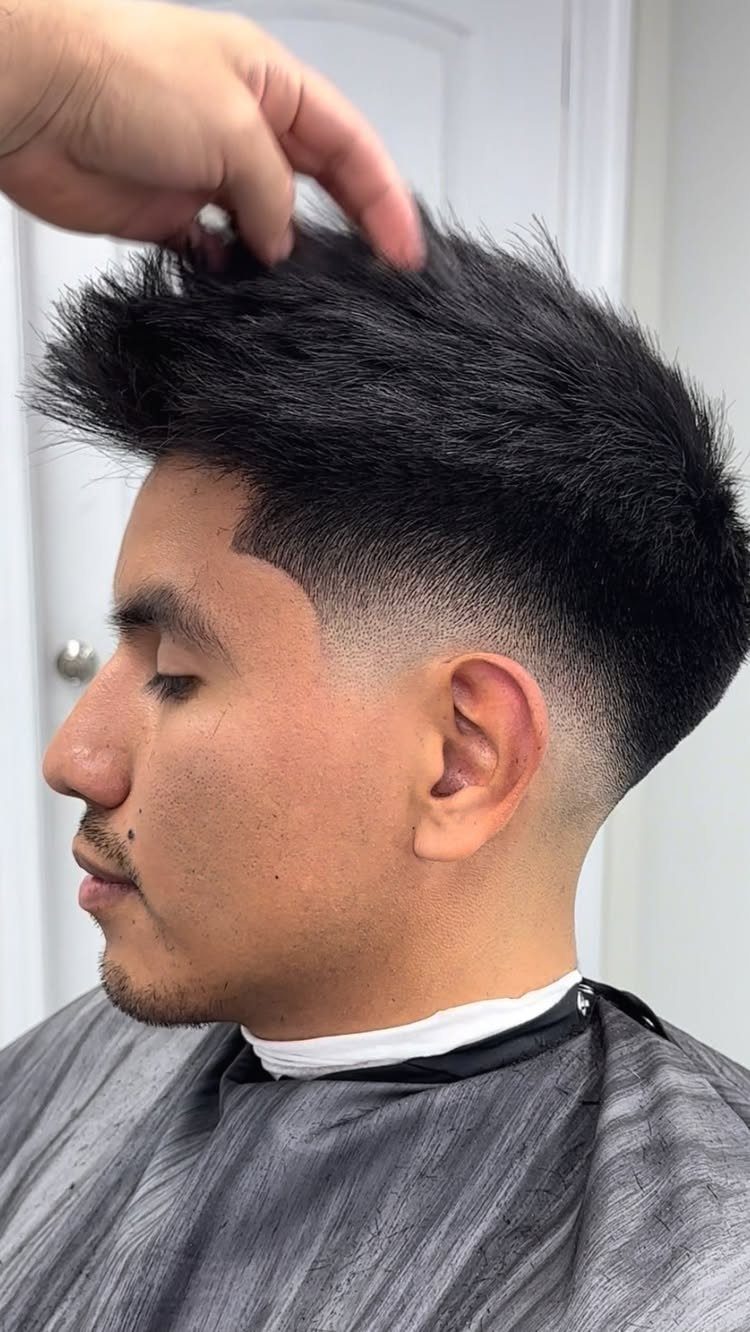
Thick hair carries volume on its own, and a low fade takes weight off the sides while leaving the top dense. The taper stops the cut from sitting heavy by pulling visual weight away from the lower half.
Thicker hair can handle more product without looking greasy. A medium-hold cream or pomade will shape the top while the fade stays sharp.
16. Burst Fade
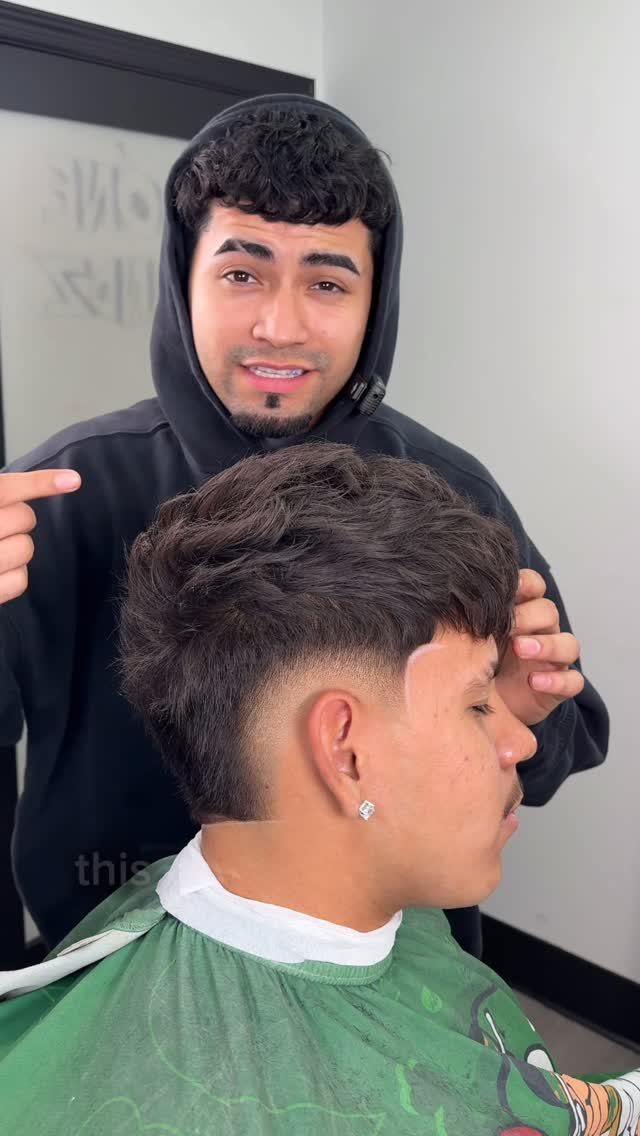
The fade radiates outward from behind the ear, following the curve of the head and dropping toward the nape. That arc gives the sides a rounded shape rather than a straight vertical line.
The burst fade works well with longer hair on top since the curve adds shape without removing too much length from the sides.
Regrowth shows along the curved edge first, so touch-ups keep the line sharp. The top can be worn textured, wavy, or slicked back depending on length.
17. Line Up Fade
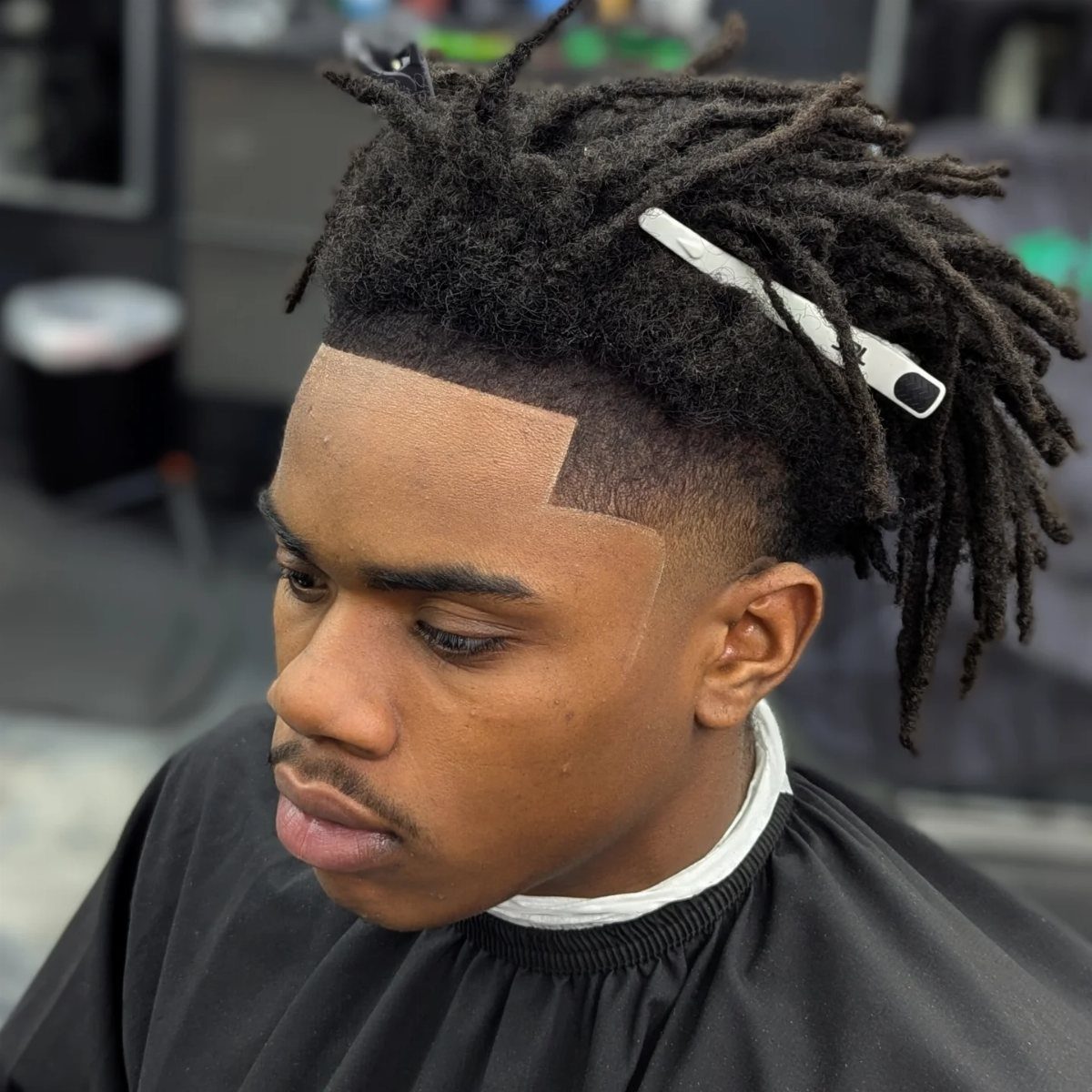
A sharp edge traces the hairline along the forehead, temples, and sideburns, creating defined angles against the faded sides. The lineup is cut with a trimmer or razor and requires precision to keep the lines symmetrical.
This cut lives or dies on the lineup.
The fade itself can be subtle, but the lineup is what makes the cut look fresh. Without regular upkeep, the edges blur and the whole cut loses its shape.
18. Low Fade with Natural Texture
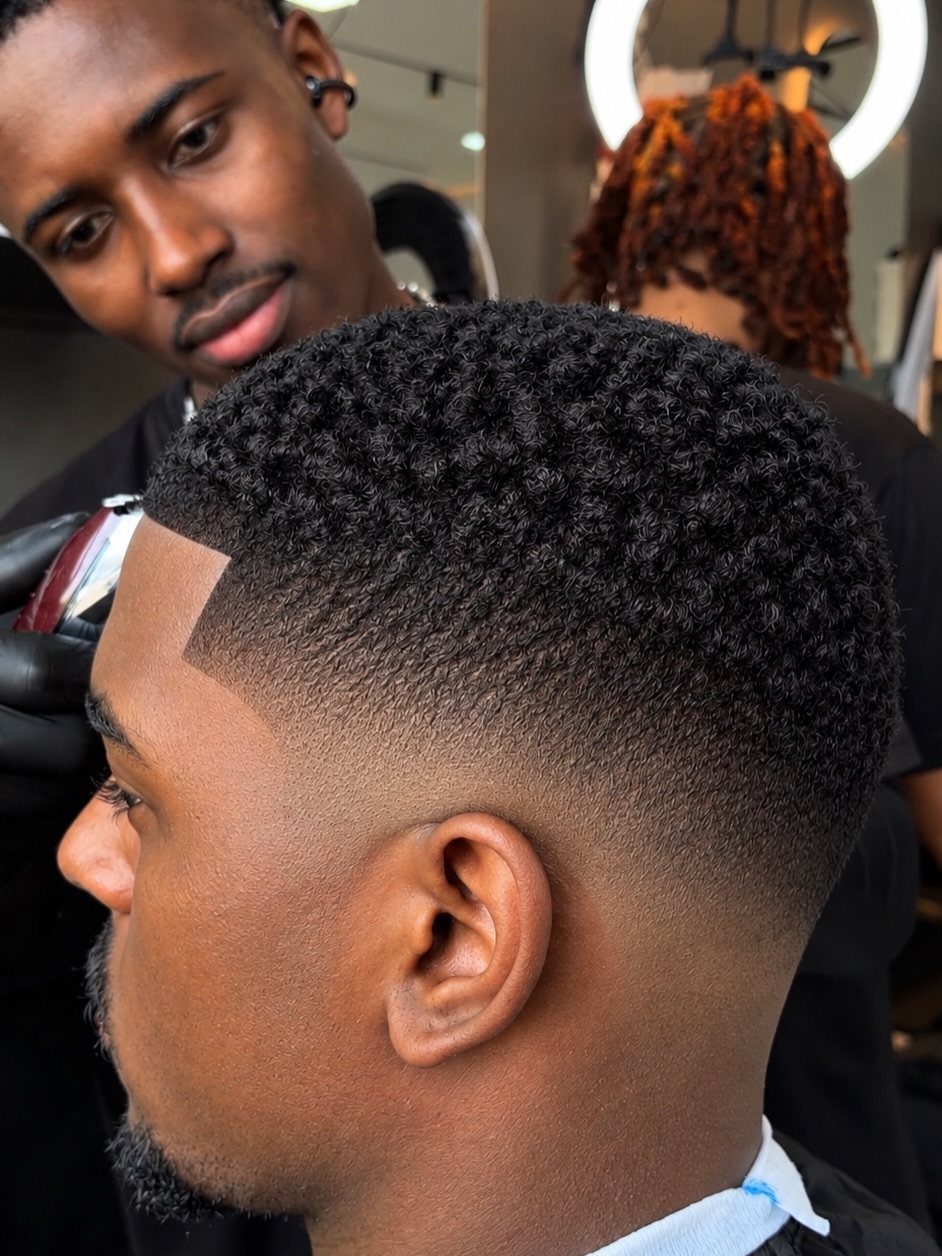
Curls sit naturally on top while the low fade keeps the sides clean and shaped. The texture stays untouched rather than brushed or combed out, letting the curl pattern show without interference.
The fade needs regular cleanup, but the top requires minimal styling time since the curls hold their own shape. This cut suits tighter curl patterns that naturally add height and volume.
19. Low Fade Heavy Layers
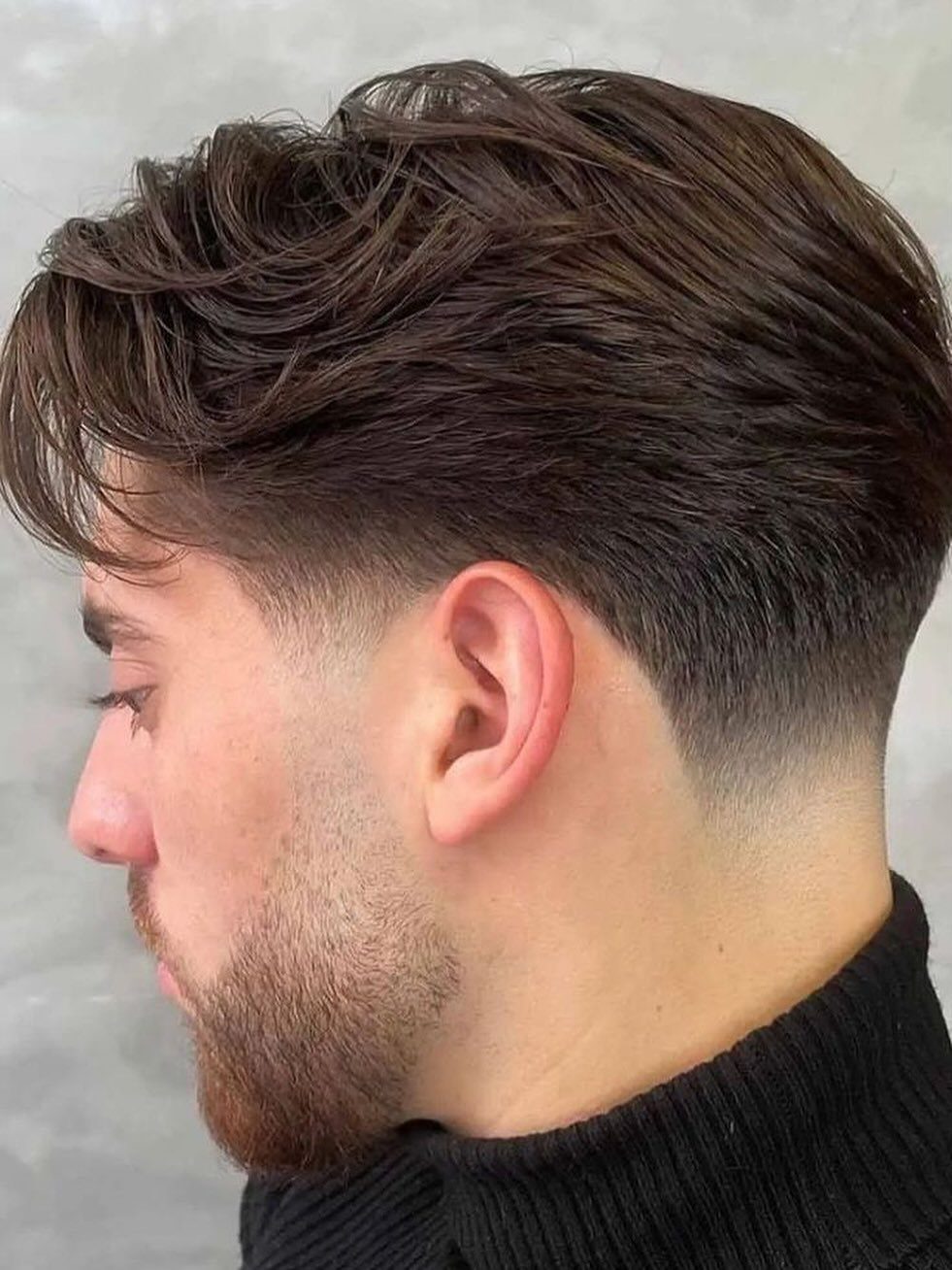
Layers cut through the top reduce bulk while keeping volume, so thick hair sits fuller without looking heavy. The low fade keeps the sides contained, letting the layered top hold shape without adding width at the temples.
The fade needs regular cleanup, but the layers grow out well for several weeks before the shape flattens.
20. Curly Top
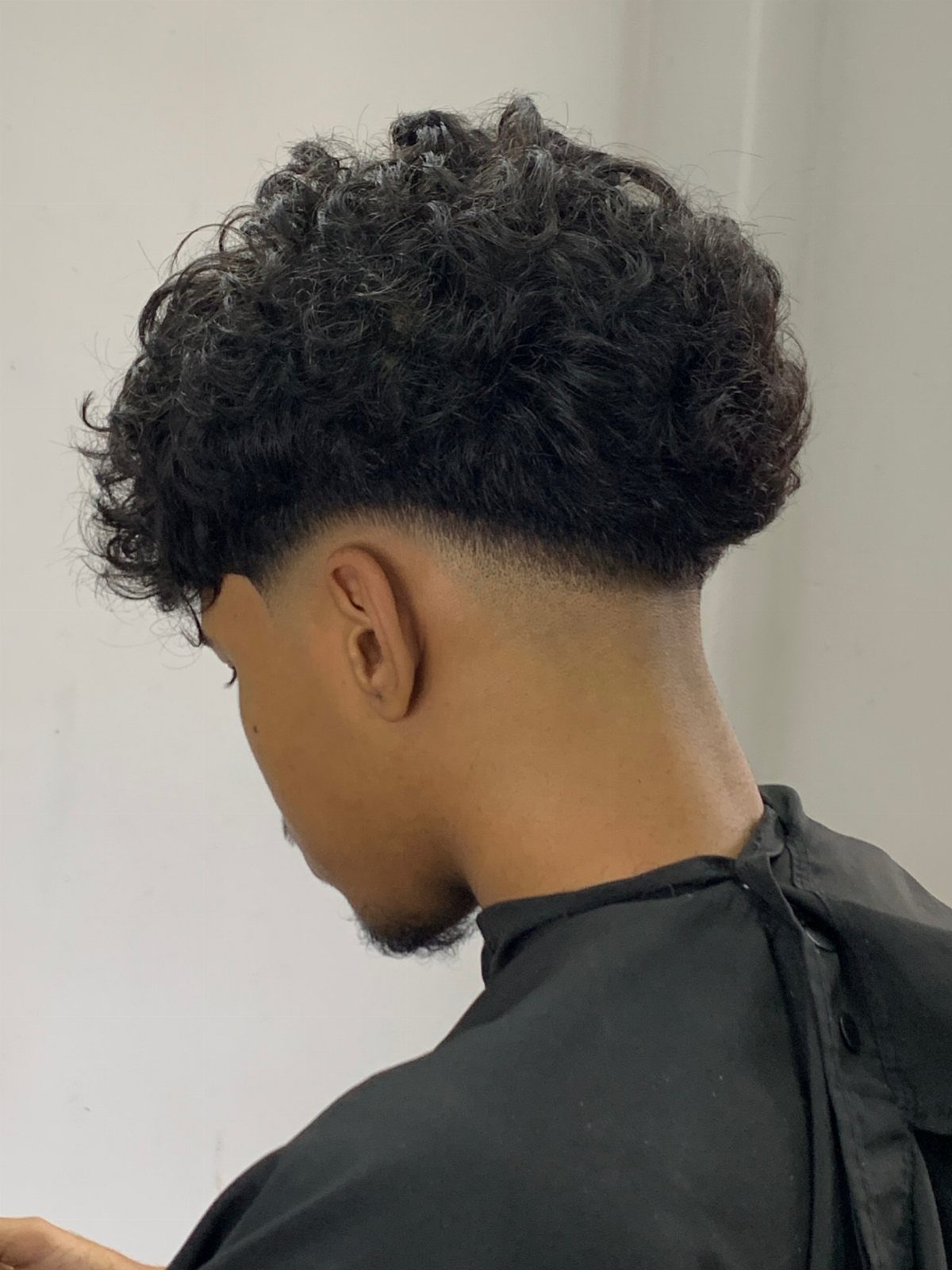
The curls hold their shape on top while the fade keeps the lower edges clean.
The taper starts low enough that the curl pattern stays visible from the front and side without the bulk that comes from leaving length all the way down.
Moisture keeps the curls defined. The fade grows out faster than the curls, so plan on touch-ups to keep the contrast sharp.
21. Low Fade with Fringe
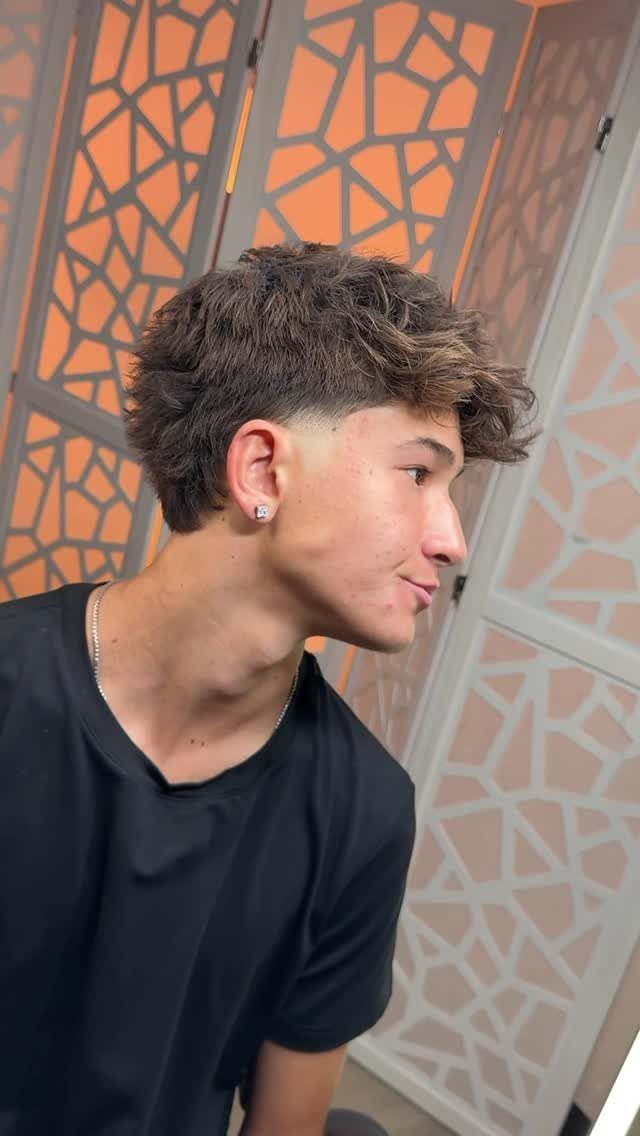
Texture on top is cut to fall forward in uneven pieces rather than one blunt line, and the low fade keeps the sides from competing.
22. Low Fade Mullet
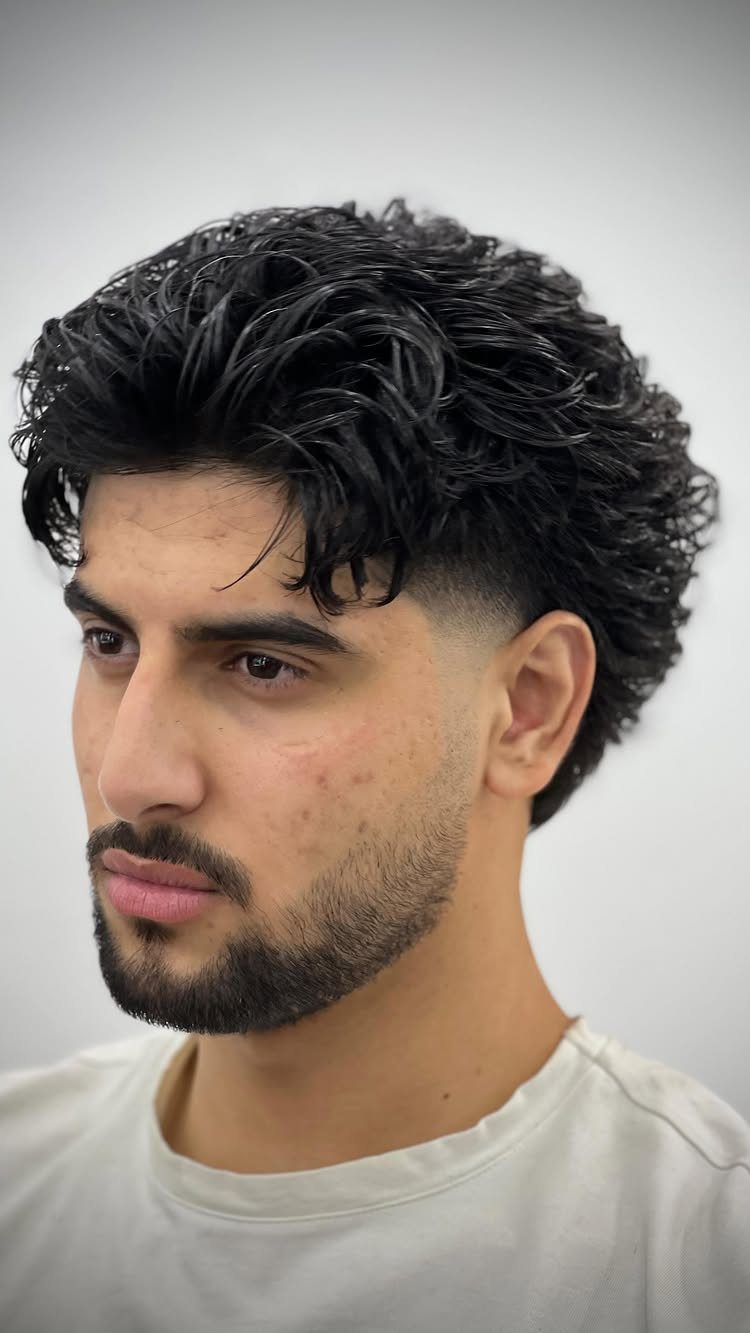
Length stays at the back and top while the sides fade close, creating contrast front to back rather than top to bottom. The mullet works better with texture or curl since straight hair can look flat unless styled with volume.
The back needs trimming less often than the fade, so upkeep splits between frequent side cleanups and occasional length adjustments. A styling cream or mousse will add definition to the longer sections without weighing them down.
23. Low Fade with Curls
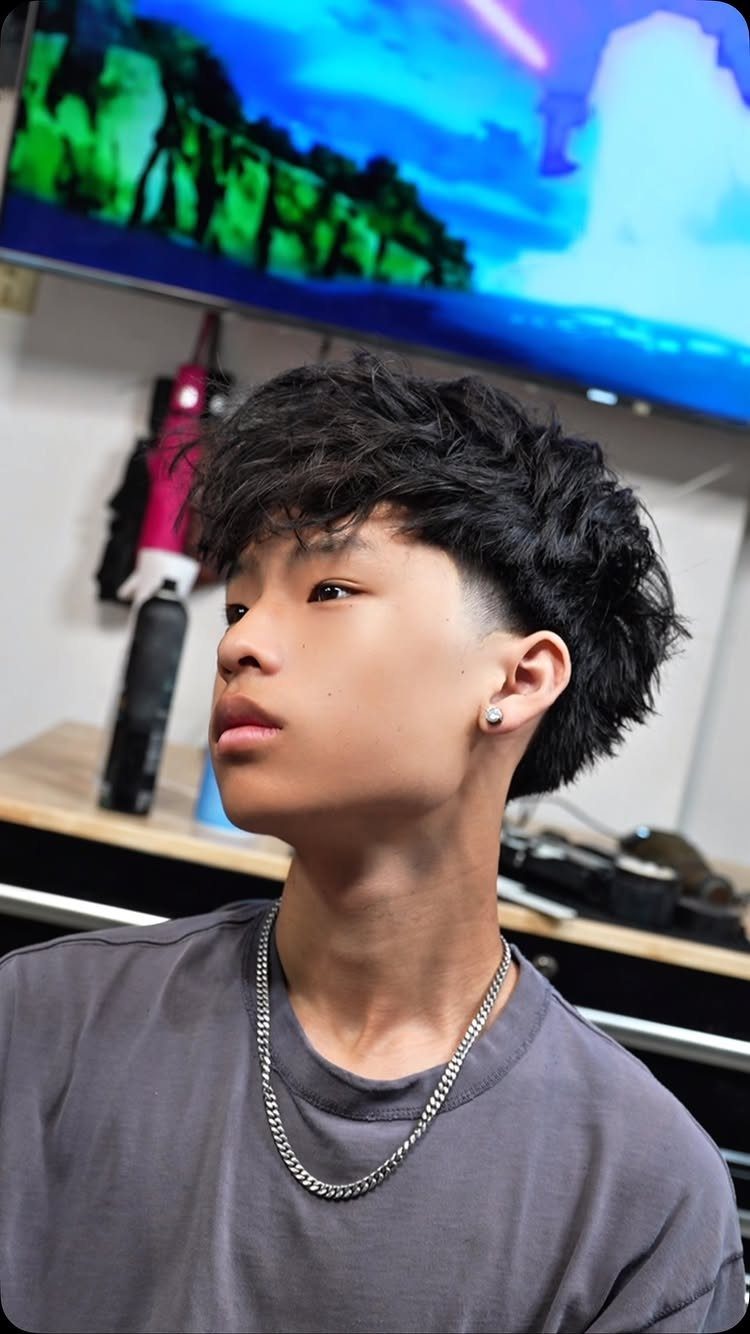
The taper frames the curls without cutting into their volume, so the curl pattern stays defined while the lower edges stay clean. The fade stops low enough that the curls get room to sit naturally without the sides adding bulk.
Curl cream or leave-in conditioner smoothed through damp hair will hold the definition through the day. The fade shows regrowth faster than the curls, so regular touch-ups keep the shape tight.
24. Low Fade Man Bun
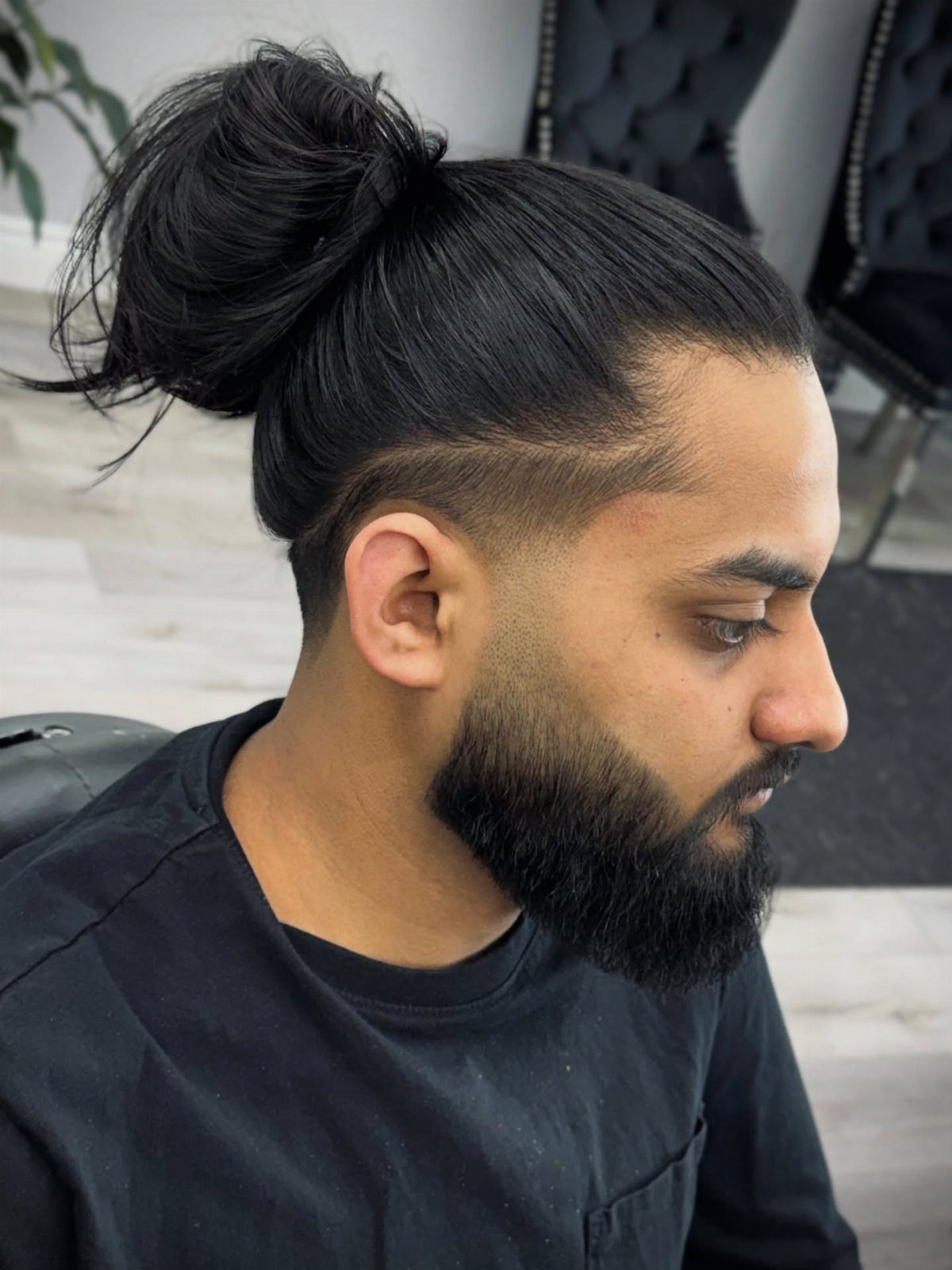
Length on top is pulled back and secured while the sides stay faded close, so the profile reads clean even with long hair. The bun sits small and low rather than high on the crown, keeping the look compact.
You’ll need enough length to reach the back of the head without pieces falling out. The bun grows out gradually as length increases.
25. Carved Temple Burst
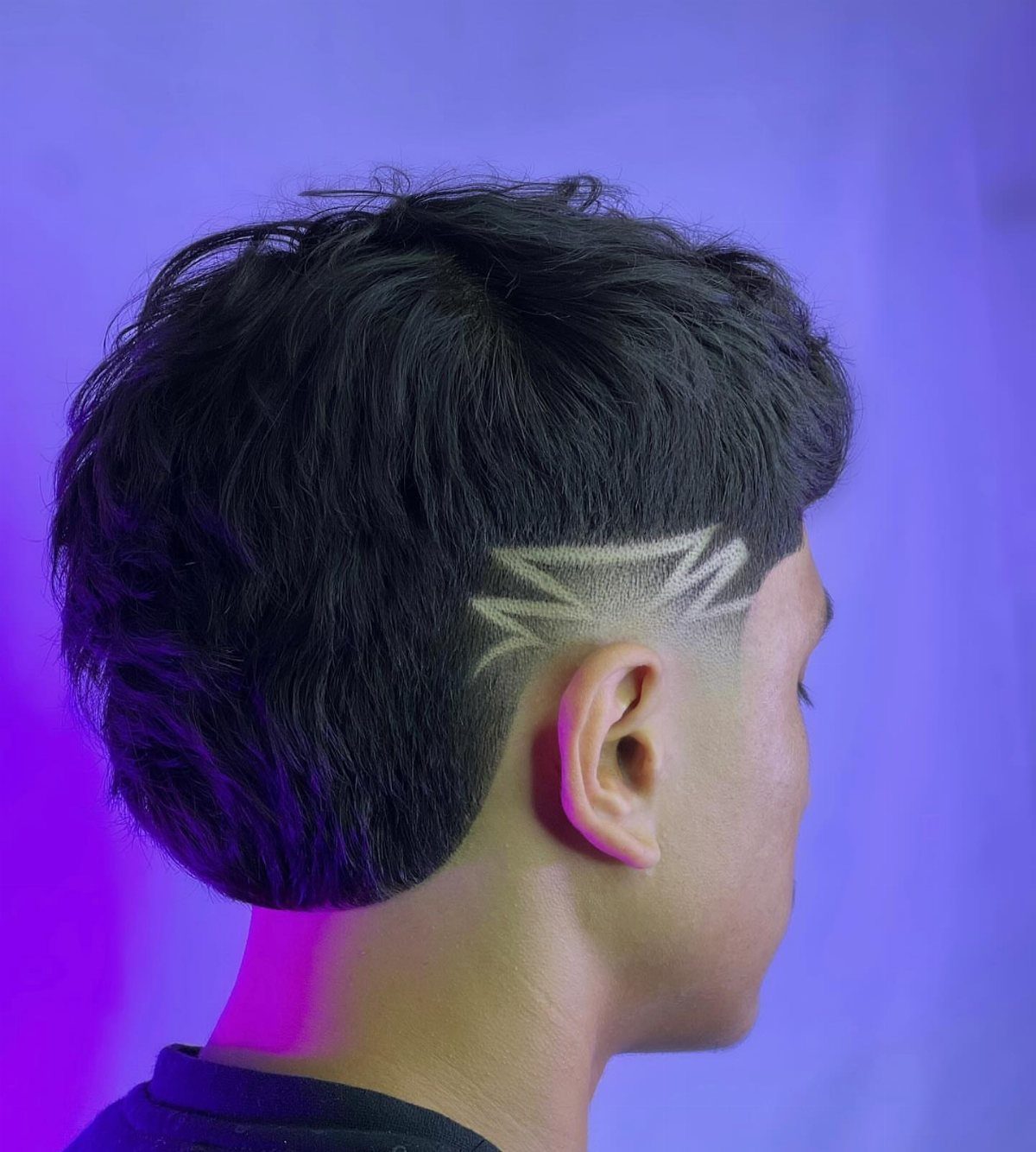
A geometric design is clipped into the burst fade where the temple meets the hairline, adding a sharp detail to the curved taper.
The design can be angular, linear, or abstract depending on what you ask for, and it sits where the fade is cleanest.
The design blurs fast, and keeping the lines sharp means seeing the barber often. Styling time on top stays the same, but the carved detail requires regular visits to maintain.
26. 360 Wave Temple Taper
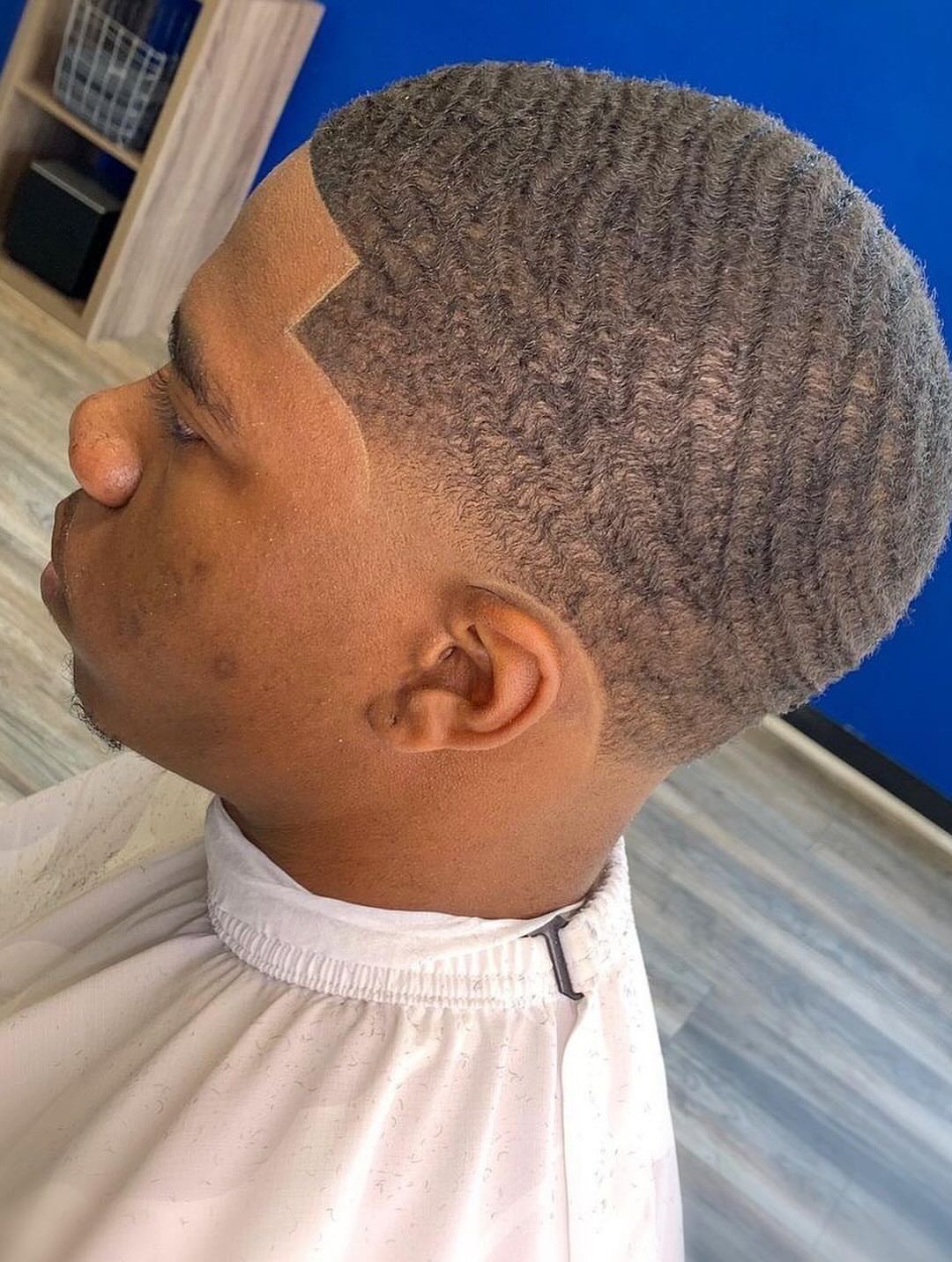
The temple taper brings the sides close while the 360 wave pattern sits defined across the top and crown.
Waves like this require daily brushing with a wave brush to train the curl pattern into the circular shape, and a durag or wave cap worn overnight keeps the waves tight.
The wave pattern takes weeks of consistent brushing to develop and hold. A light wave pomade or moisturizer worked through damp hair will add shine and hold the pattern without making it stiff.
27. Low Taper Comma Hair
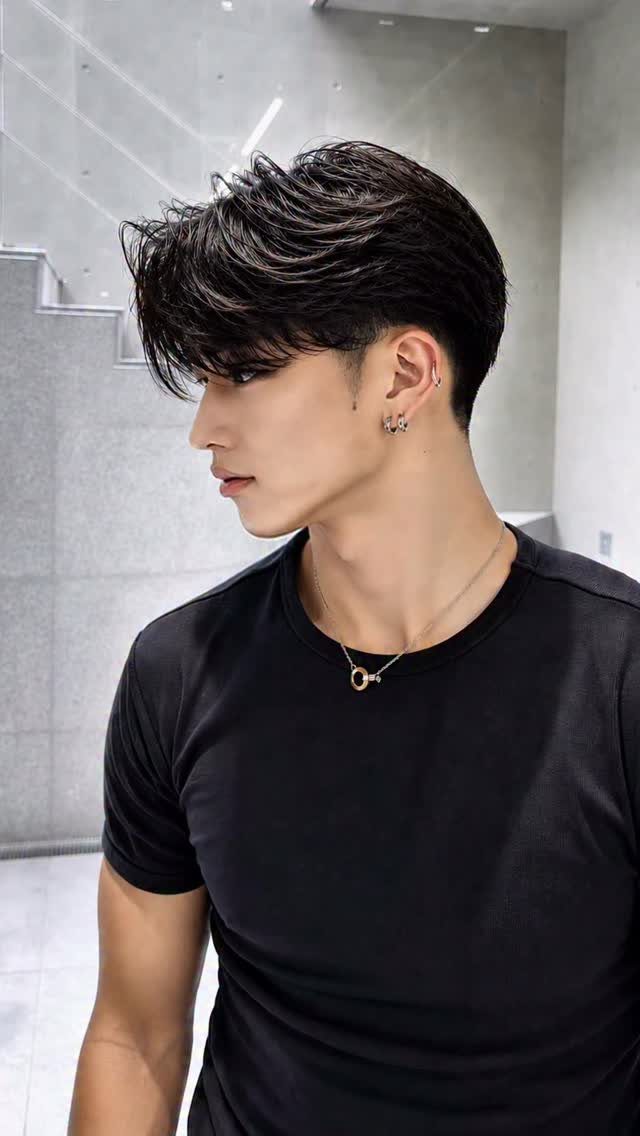
The fringe curves down and forward in a comma shape, with the low taper keeping the sides close enough that the curve stays visible.
The comma sits styled off-center rather than straight down the middle, and the taper blends gradually without pulling focus from the fringe.
You’ll need a blow dryer and a medium-hold styling cream to shape the fringe into the curve while drying, then a light spray or pomade to hold it in place.
28. Low Fade with Shaved Line Design
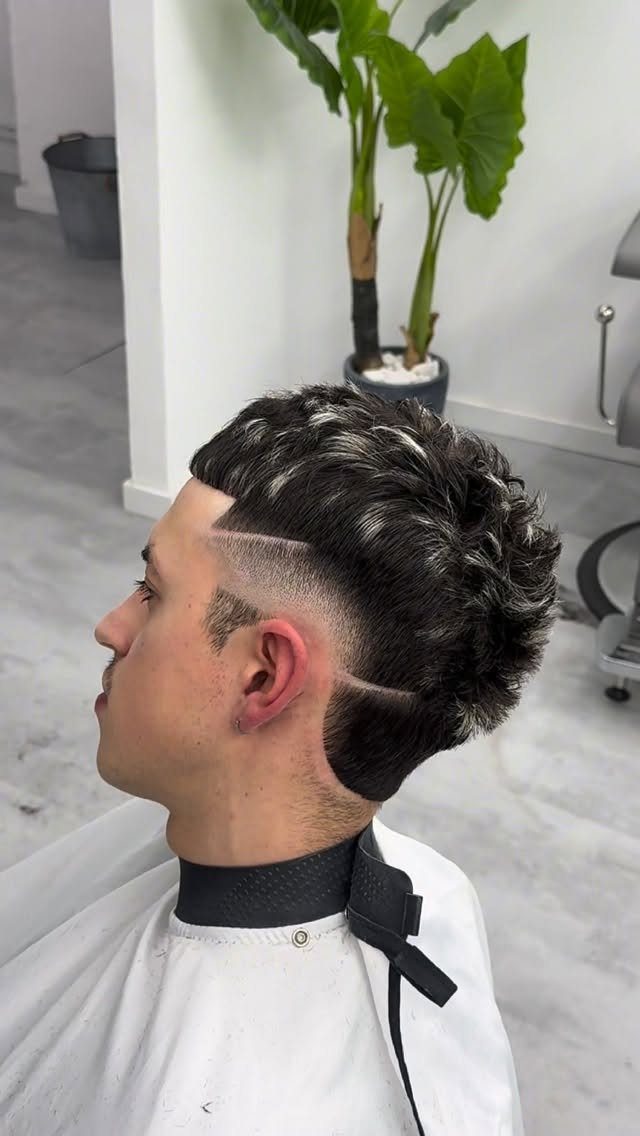
A razor line is etched into the fade at the temple, cutting a clean stripe through the taper.
The line blurs as the fade grows in. Styling the top stays separate from maintaining the line, and the fade itself needs regular cleanup to keep the contrast tight.
29. Low Fade with Wavy Top
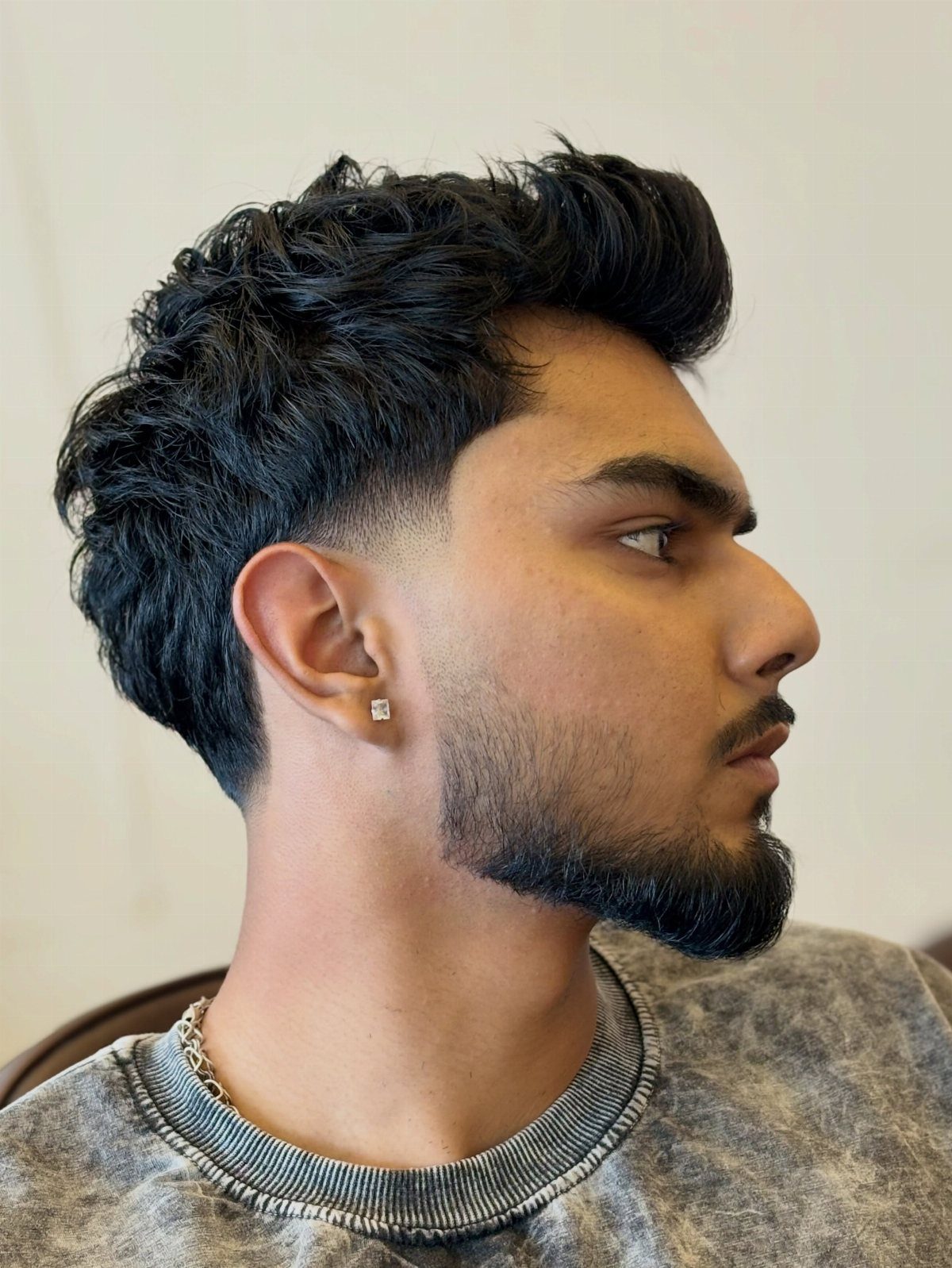
The waves hold their pattern without brushing them out, letting the texture add movement without adding bulk at the temples.
The fade grows out gradually, and the waves need minimal styling time once the product is in.
Fade Upkeep Schedule
The sharper you keep the contrast, the sooner you’ll see the line blur.
Curly hair and tight textures usually hit the chair closer to 2–3 weeks since the texture sits denser and regrowth changes the shape faster. Wavy hair can stretch to 4–5 weeks if the waves disguise the blend as it grows in.
Straight hair holds clean lines longer, but it also shows regrowth more clearly. A taper that stops short of skin buys you another 7 to 10 days before the shape blurs.
Book the appointment while the fade still reads clean, not once the baseline has climbed.
How to Explain the Cut
The phrase "low fade haircut" covers too many versions, and barbers read it differently.
Tell your barber where the fade should start, how short the base goes, and what the top looks like.
Tell them the guard sizes at the baseline and where they blend, the length you need on top, and whether the neckline tapers or blocks.
Bring photos that show more than one angle. One shot from the side isn’t enough.
The back, the transition zone, and where the longer hair meets the fade all need to be visible. Photos close the gap between what you picture and what the barber hears.
Ask if the cut needs a lineup. Some low fades work better with a shaped edge at the hairline, others look cleaner without one.
Match Fade to Face Shape
A round face looks longer with added volume on top, while a long face doesn’t need extra height pulling it taller.
Oval faces handle nearly any low fade variation without adjusting the proportions. The shape adapts without forcing volume or structure where it isn’t needed.
Square faces can take a structured top that emphasizes the angles or a softer texture that balances them. The fade itself stays neutral enough that the top makes the call.