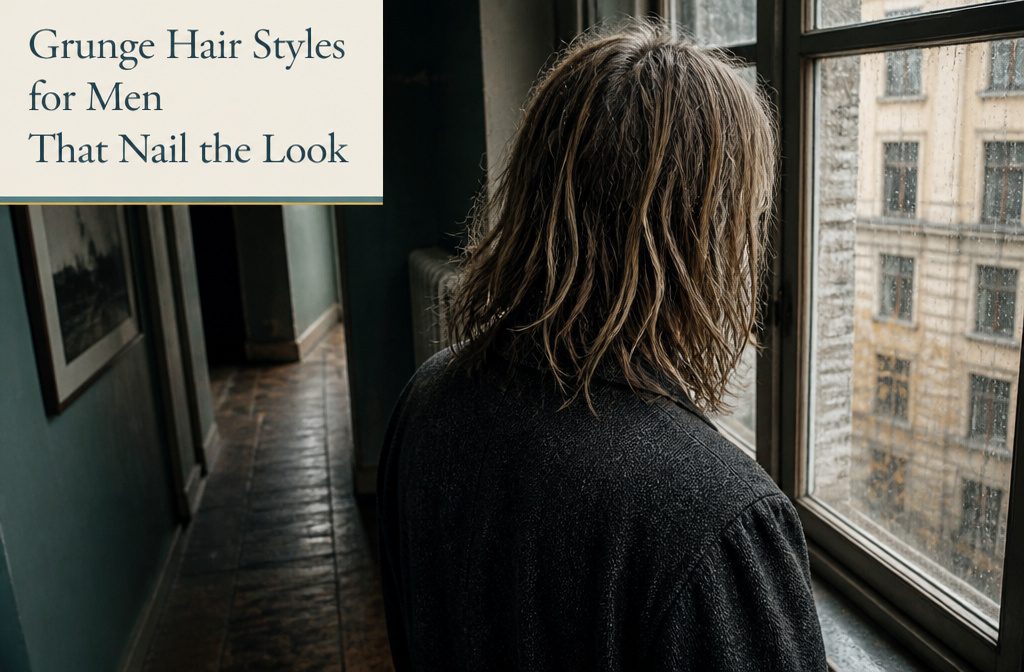
Grunge hair stretches from a short textured crop to chest-length layers, and the cut that fits depends on how much length you can grow and how messy you’re willing to look.
Stop before it crosses from deliberately undone into visibly unwashed, which requires matte product and knowing when to leave it alone.
A grunge shag runs choppy and irregular through the length, while Cobain’s middle part asks for shoulder-length hair and a soft, wandering line.
1. Grunge Shag
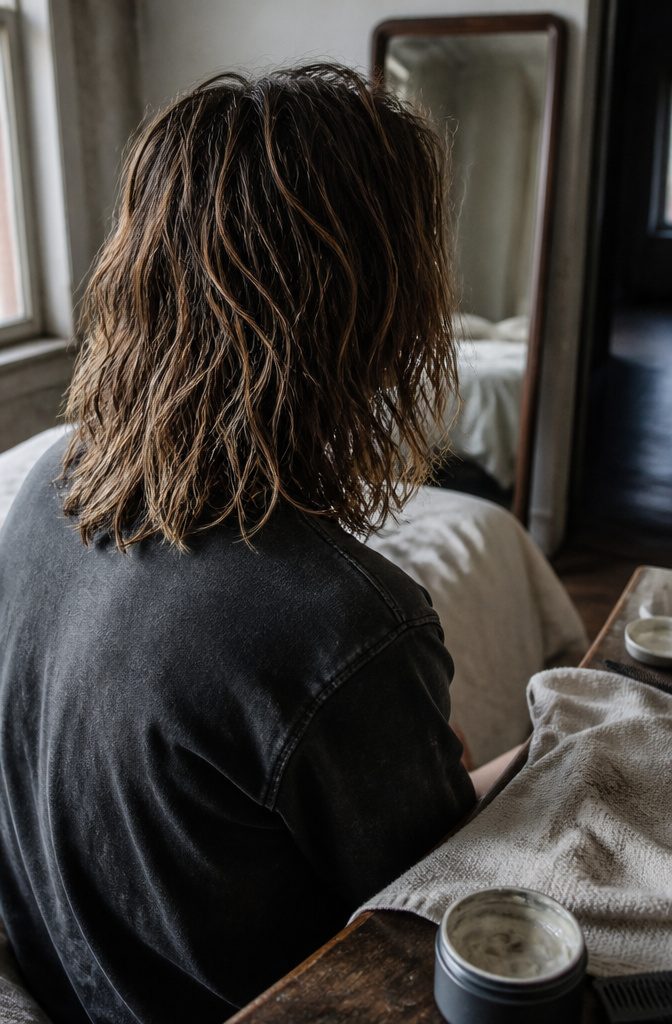
The grunge shag runs long with choppy layers through the length and blunt ends that stop short of any refined finish. The layering technique deliberately avoids precision: the cuts stay irregular rather than graduated, stacking texture without polish.
That disheveled look is what makes it work, but keeping it there without crossing into unwashed territory requires air-drying and matte product that adds separation without shine.
I reach for clay or paste after a towel dry, working it through mid-lengths and ends to define the chop without making anything stick together or look wet.
Wax works too if the hair is thick and medium length, pulling individual strands apart for that messy, separated finish. Anything glossy or heavy kills the effect immediately.
The cut itself does most of the work once the layers are in, so morning styling stays minimal: rough it up with your hands, add a small amount of product if it fell flat overnight, and leave it alone.
2. Cobain Middle Part
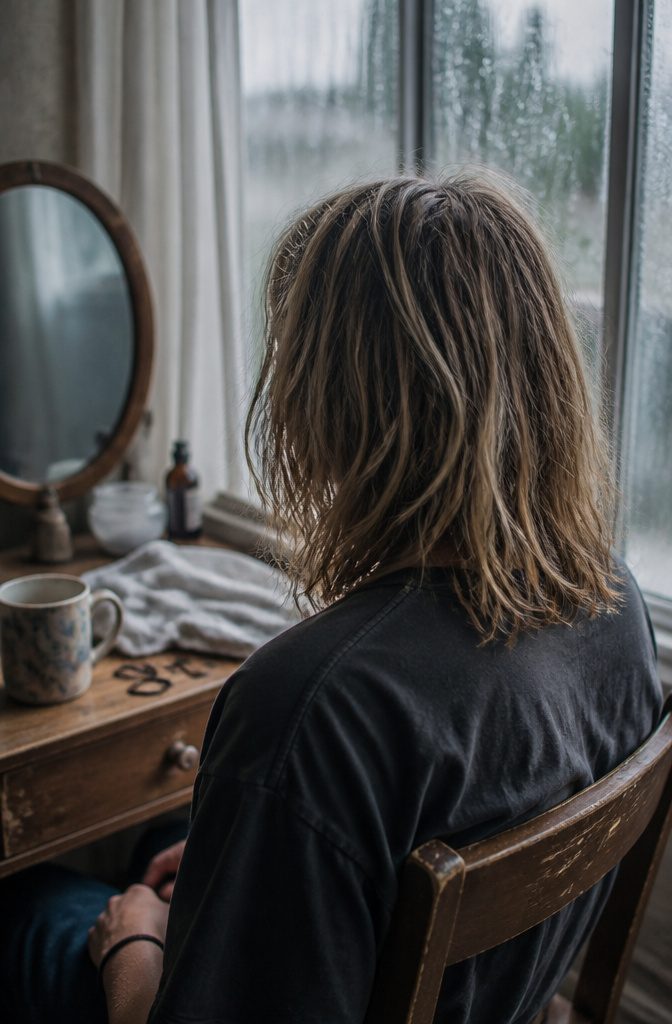
Shoulder-length hair is the frame: it grazes the shoulders, splits in a soft middle part, and drops in loose layers along the face.
The part shouldn’t look razor straight. A slightly wandering line suits this cut better than a comb-drawn one, and flyaways are part of the charm.
Layers keep the texture from falling flat.
Ask for heavy, messy layers with slightly uneven ends instead of one blunt length, which hangs limp. Natural waves help, since they add movement and volume on their own.
For product, a sea salt spray is about all this cut needs.
Work it into damp hair for separation, then let gravity do the rest. I’d skip heavy pomades, which polish a look that depends on imperfection.
3. Grunge Bob

The grunge bob lands between ear and shoulder length, tousled enough that it never reads neat. Wavy or straight hair builds texture on its own here, and the cut asks for very little upkeep once the length is set.
You want ends that fall just above the shoulders or a touch shorter, enough movement that it never sits flat.
Styling leans on matte cream rather than anything with shine.
Work a small amount through damp hair, scrunch it slightly to encourage bends and breaks, then let it air-dry or rough-dry with your hands. The finish should look slept-on rather than arranged.
If your hair is naturally wavy, a salt spray adds definition without stiffness. Straight hair benefits from the same cream but needs a bit more working through to keep it from lying too smooth.
The bob grows out cleanly, and because the look depends on texture instead of precision, you can push trims out longer than you would with a sharp line.
4. Bedhead
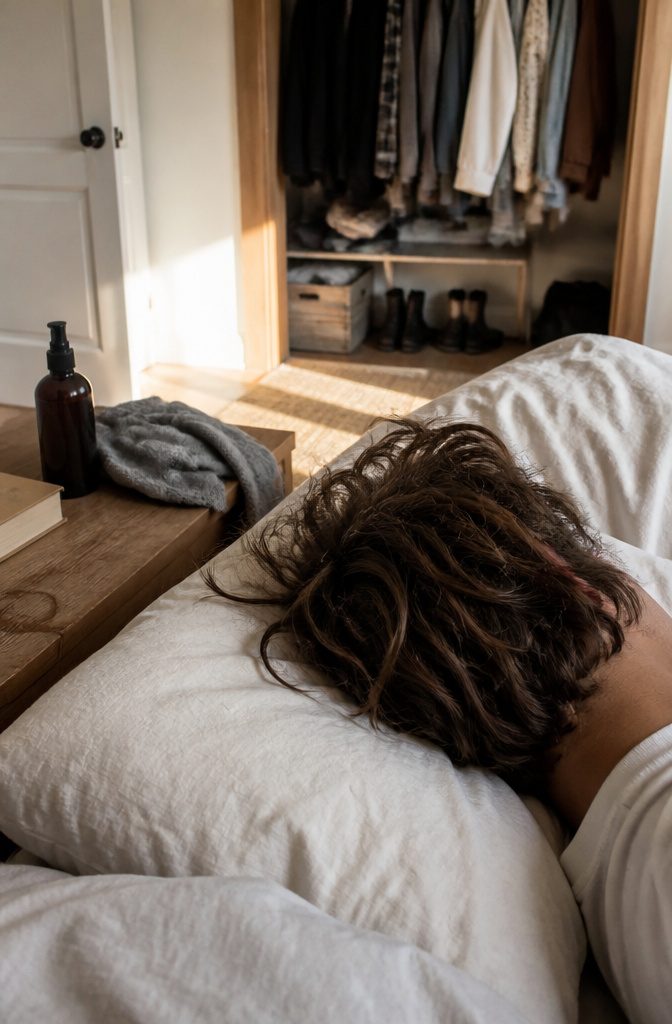
Bedhead works by letting natural bends and waves do their own thing, with just enough product to keep the shape from flattening by midday.
The look reads as accidental texture rather than styled chaos, which means skipping anything heavy or shiny that would announce effort.
A lightweight mousse or texturizing spray holds what is already there without forcing new bends or stiffening the hair into something rigid.
Clay is the other option if your hair needs more grip. It adds strong hold without weighing things down or adding shine, which keeps the texture visible and the surface matte.
Run it through damp hair with your fingers rather than a comb, breaking up any clumps and leaving the shape loose.
You want hair that looks like it fell into place on its own, not hair that looks like you worked at making it messy.
5. Grunge Undercut
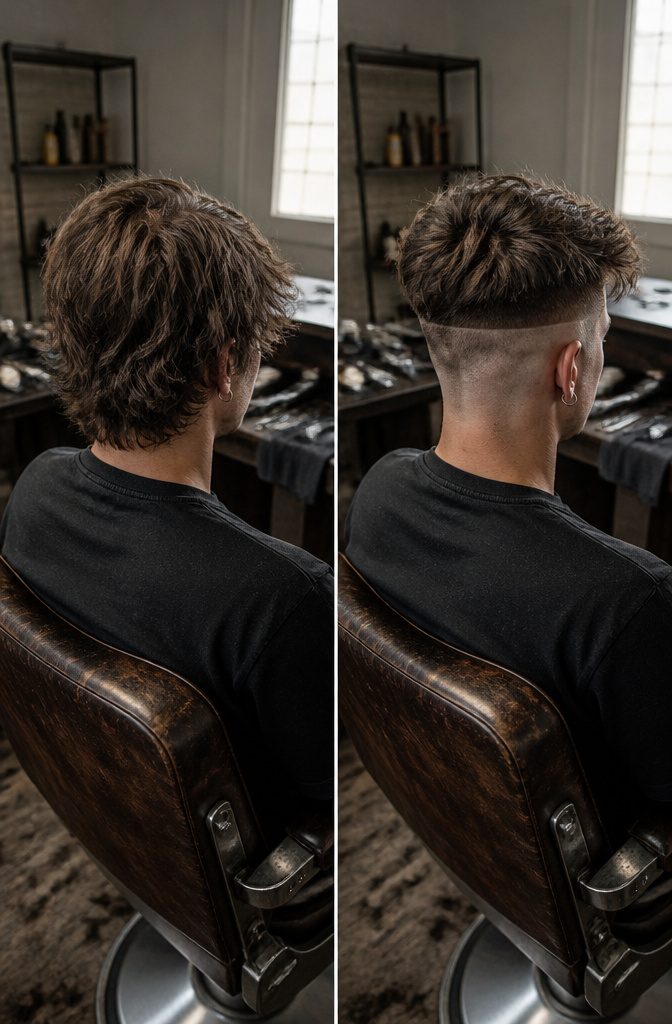
Grunge Undercut
The contrast here is what makes it work: shaved or buzzed sides and back paired with longer, tousled hair on top.
The undercut keeps the lower portion clean while the upper section stays deliberately messy, creating a hard-soft divide that reads as intentional rather than neglected.
You need enough length up top for the grunge effect to show, typically several inches so the hair can fall loosely and move without looking crisp or styled.
The height where the undercut stops dictates how dramatic the contrast feels.
A higher fade line puts more focus on the messy top and makes the disconnect sharper. A lower line softens it slightly but still keeps the edges defined.
Styling keeps it simple: towel-dry, work in a small amount of matte product, and let it settle without combing it into place. Focus on texture and movement, not control.
6. Messy Man Bun
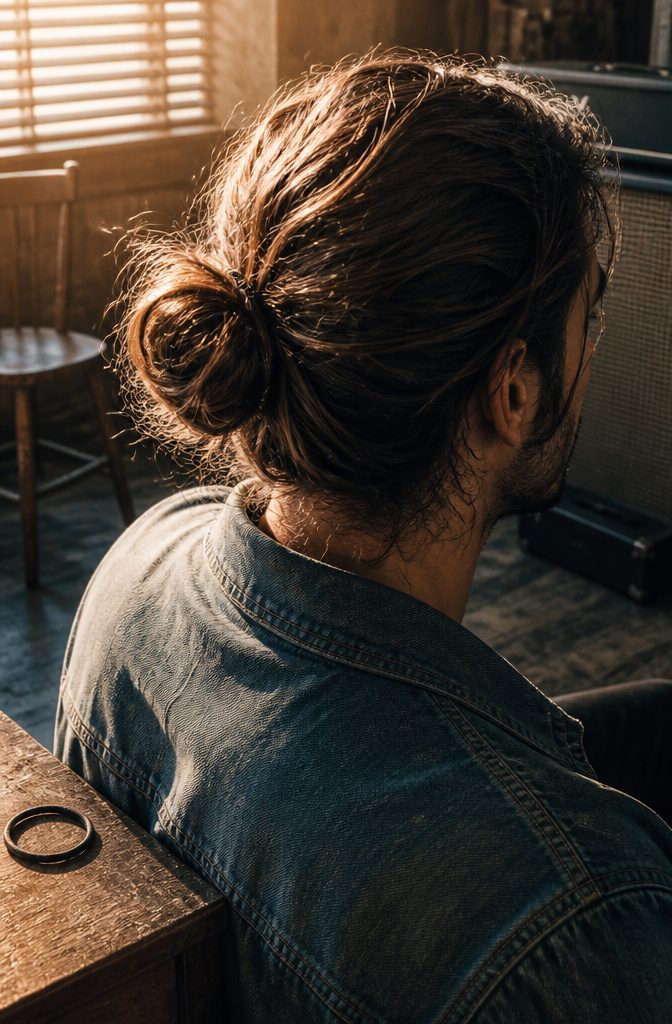
Medium to long hair is the entry point, since anything shorter slips out of the tie instead of looking undone.
Gather it loosely and set the bun at the back of the crown or a touch lower. A high, snug knot reads closer to the style’s festival roots than to grunge.
Pull a few strands free around the temples and ears so they frame your face; that rough, undone edge is what separates this from a tidy bun.
Keep the texture matte and natural.
I’d skip anything glossy, because shine makes the mess look planned. The same bun works on casual days and semi-formal ones, so it’s the grunge look that fits a dress code best.
7. Wavy Grunge
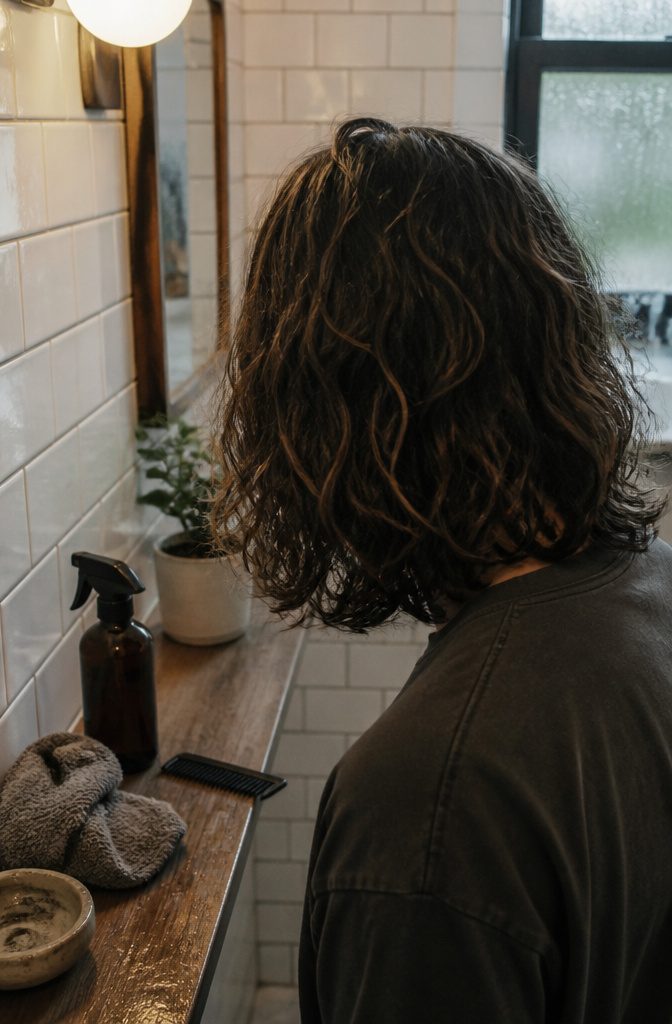
Natural waves around shoulder length already have the movement grunge needs.
Let the texture show without making it look defined or groomed. If your hair hits your shoulders and has even a slight bend to it, you’re closer to this than most other cuts.
A sea salt spray is the main tool here. Apply it damp, scrunch the hair with your hands, and let it air-dry.
The spray brings out the wave pattern and adds enough grip that the hair separates into loose, uneven pieces rather than lying flat. Skip anything that promises hold or shine; both will make the waves look styled instead of natural.
This is one of the lowest-maintenance grunge options.
You can go days between washes, and the texture improves as natural oils work through. No blow dryer, no brush, no need to reset it every morning.
8. Long and Messy
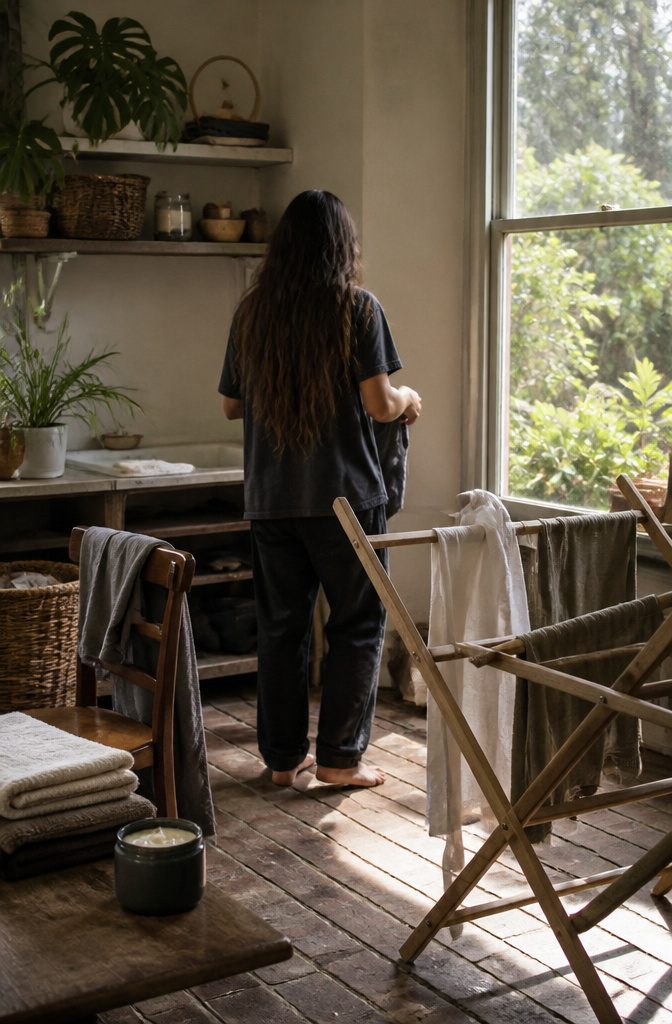
Long and Messy
Growing hair chest length or longer takes patience, and that timeline matters more than any product.
Once you get there, leave it untamed rather than controlled. That lived-in texture is what separates grunge length from something polished.
The risk at this length is crossing from untamed into visibly damaged. A leave-in conditioner keeps strands healthy enough that messy still reads intentional.
Regular trims sound counterintuitive when you’re growing it out, but they catch split ends before they travel. Deep conditioning treatments belong in the rotation, too.
The styling here is mostly about what you don’t do. No blowouts, no straightening, no careful parts.
Let it fall where it falls and tousle it if it looks too settled. Chest length gives you enough weight to avoid the triangle shape shorter hair hits when you skip a brush.
9. Grunge Mohawk
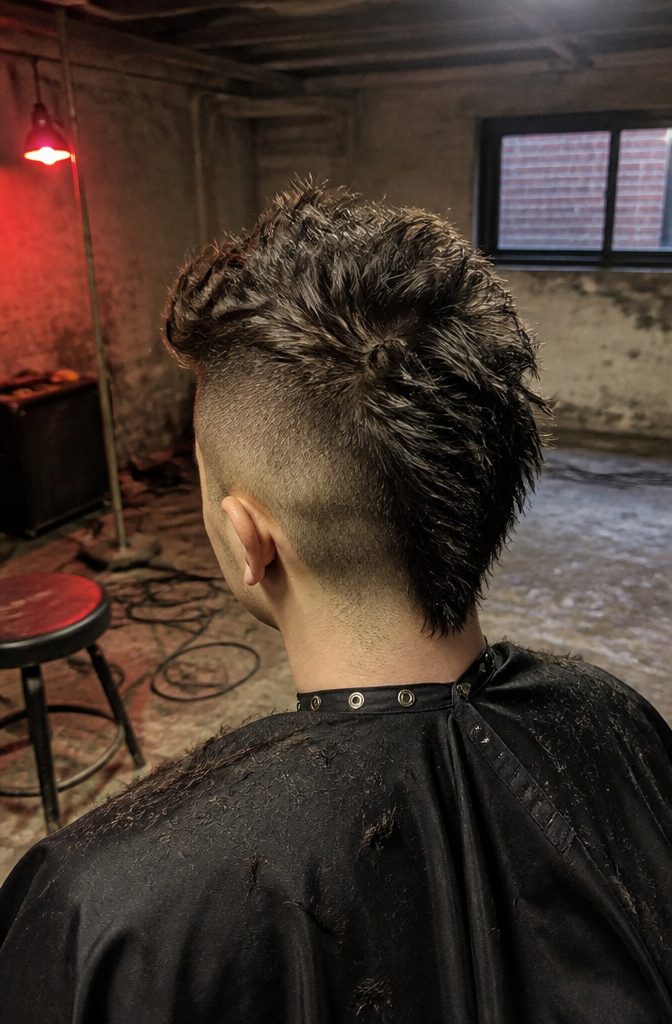
Sharp spikes are what separate a punk mohawk from this one: the grunge version leaves the center tousled and irregular instead of sculpted.
Shaved or faded sides carry the bold part. I’d go short but not bare, somewhere between a skin fade and a #1 guard, so the top stays the focus.
A strip roughly 2–3 inches wide leaves enough length to look loose, while a much narrower one drifts toward a stiff, classic mohawk.
To style it, rough-dry the top, work in a matte paste or clay with your fingertips, and twist a few pieces in different directions.
Skip the comb and brush after product goes in, because even, aligned strands are exactly what this cut avoids.
10. Textured Crop
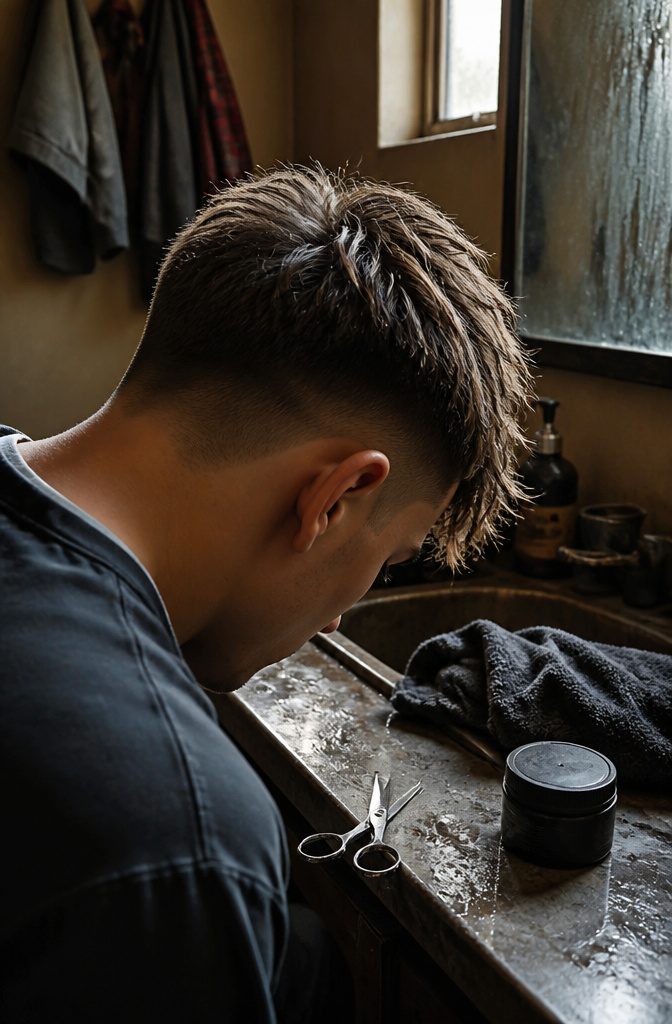
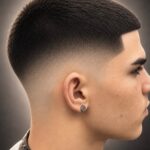
The textured crop keeps the sides and back short and neat so the top can stay messy.
I’d go with a low to mid taper or fade: it gives the contrast a clean base without making the whole cut look freshly barbered.
The top runs slightly longer, and a rough range of 2–4 inches is enough to be cut in uneven sections. That lets the fringe fall forward in broken pieces rather than one straight line.
For product, a matte clay or paste is the right call.
Work a small amount through dry hair with your fingertips and pull the fringe forward. Skip anything glossy, because shine makes the texture look styled instead of slept-in.
11. Shaggy Mullet
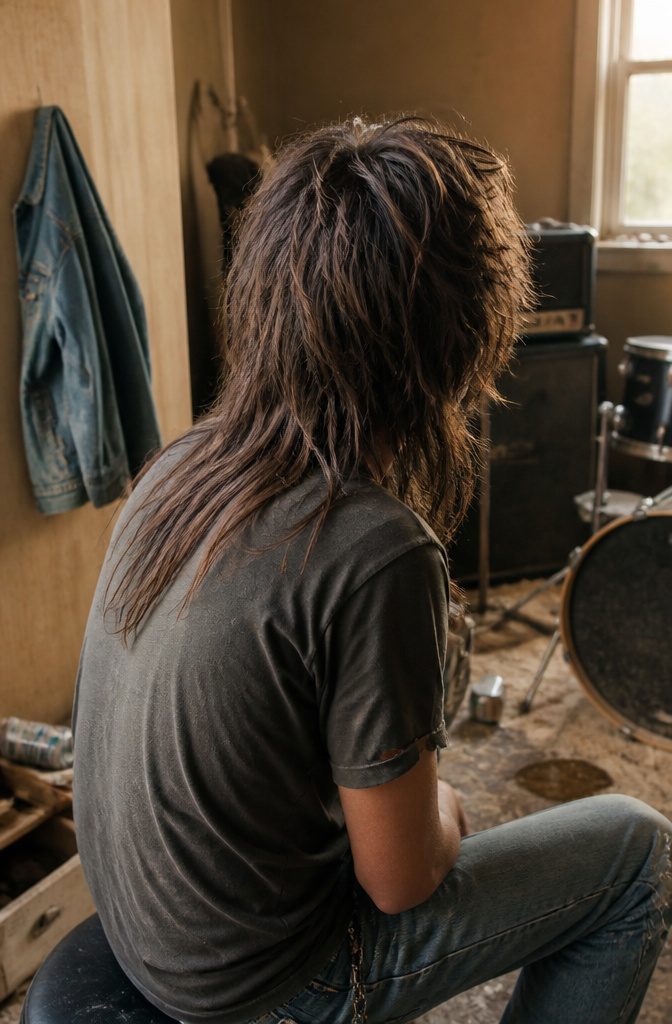
The front stays choppy and sits somewhere around the shoulders, while the back pushes a few inches longer to give you that classic mullet silhouette.
The sides get layered in with the same shaggy texture rather than tapered clean, so nothing reads sharp or fresh from the chair.
Length contrast matters more than precision here. If the back only trails the front by an inch, it flattens into a standard shag and loses the shape.
Styling pulls the texture forward. A lightweight matte paste or pomade breaks up the layers without adding shine.
Work it through damp hair with your fingers and let it dry messy. The grunge version lives in that uneven, slept-in finish, so anything that slicks it down or holds it in place works against the cut.
Pair it with a band tee and vintage denim if you want the full 90s callback, but the hair carries the look on its own.
12. Choppy Bowl Cut
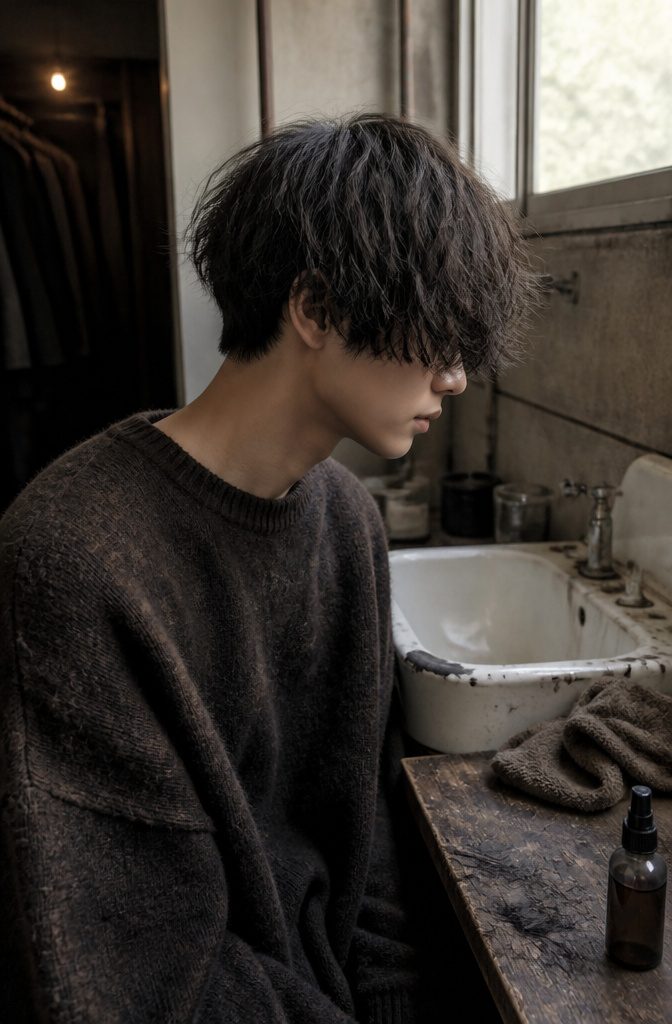
A bowl cut reads as childhood until the edges stop matching. Uneven, choppy layers around the perimeter break up the clean outline, so the shape stays round and full but looks raw and unfinished.
I’d ask the barber to leave the front longest, with a textured fringe that drops across the forehead and even over the eyes for that disheveled feel.
Styling is mostly restraint. Work in sea salt spray for a just-out-of-bed texture, and let a little fluff and wave stay.
Combing it flat and even pulls it back toward the strict version. It’s also an easy-to-maintain cut, which makes it a good pick for a guy who wants the statement without a long morning routine.
13. Disconnected Quiff
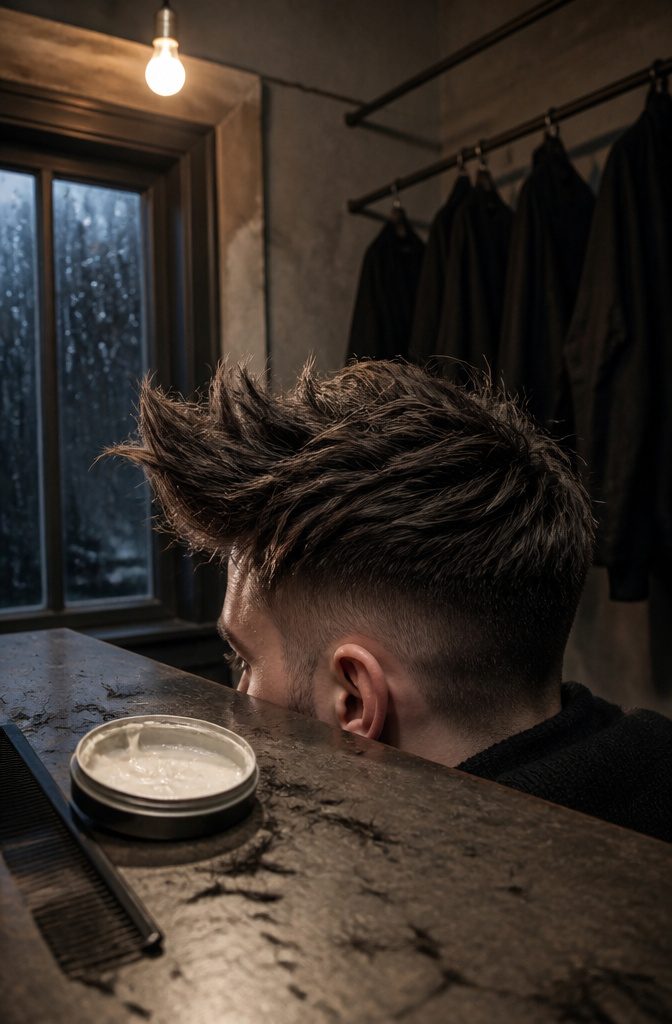
The disconnected quiff trades polish for chaos. Volume stacks up at the front while the sides drop to a fade or close guard, and the disconnect between top and sides is abrupt rather than blended.
The quiff sits high and irregular, with peaks that break in different directions instead of sweeping back in one smooth wave.
Matte paste is the product that holds this together. Use it sparingly to lift the hair at the front, then work through with your fingers to break up any clean lines.
You want texture that looks more accidental than deliberate, like you rolled out of bed with good structure still intact.
A strong hold pomade works too if you keep the application light, but a matte finish keeps it grunge rather than glossy.
The styling should feel quick and rough.
Lift, tousle, leave it. The moment it starts looking groomed, you have gone too far.
14. Grunge Chic
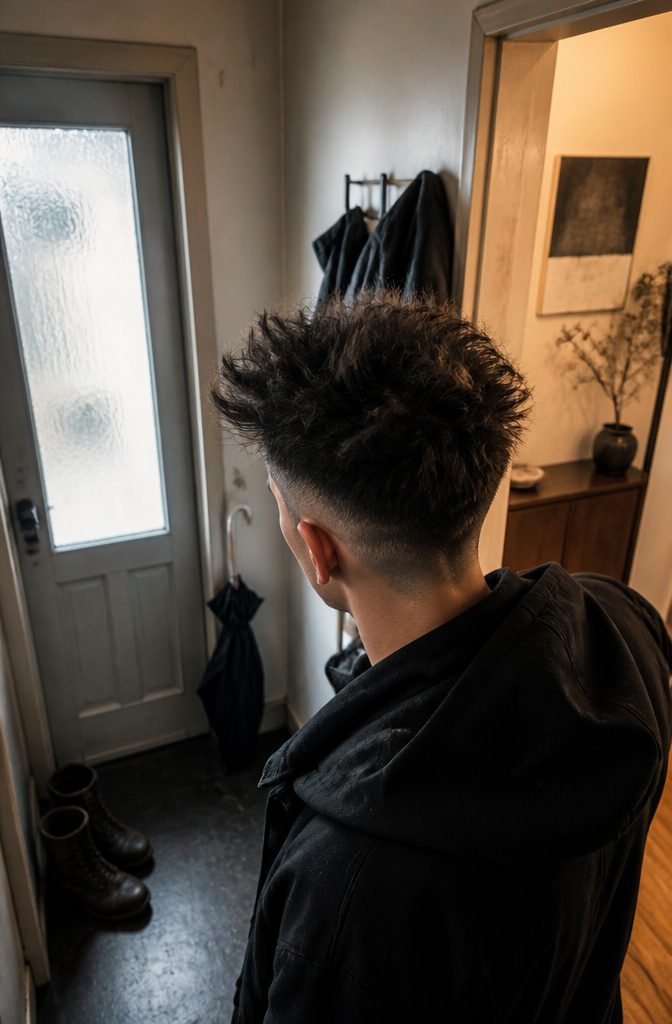
Grunge chic sits at the edge of the aesthetic, the version that can cross into styled territory without tipping into polish. The temple fade is the pivot point.
Shave the temples clean with a tight fade, style the top high, and the dishevelment reads as deliberate rather than slept-in. This works best on short hair where the contrast between fade and volume stays sharp.
The line between grunge and clean styling falls where effort becomes visible.
High styling here means texture and lift, not mirror shine. The fade keeps it from looking like bedhead that wandered into the day, but if the product shows or the part sits too precise, the grunge drops out entirely.
I lean toward matte clay or light paste, enough hold to build height but not enough to make the hair look handled. The temples carry most of the grooming weight so the top can stay rough.
15. Bleached Styles
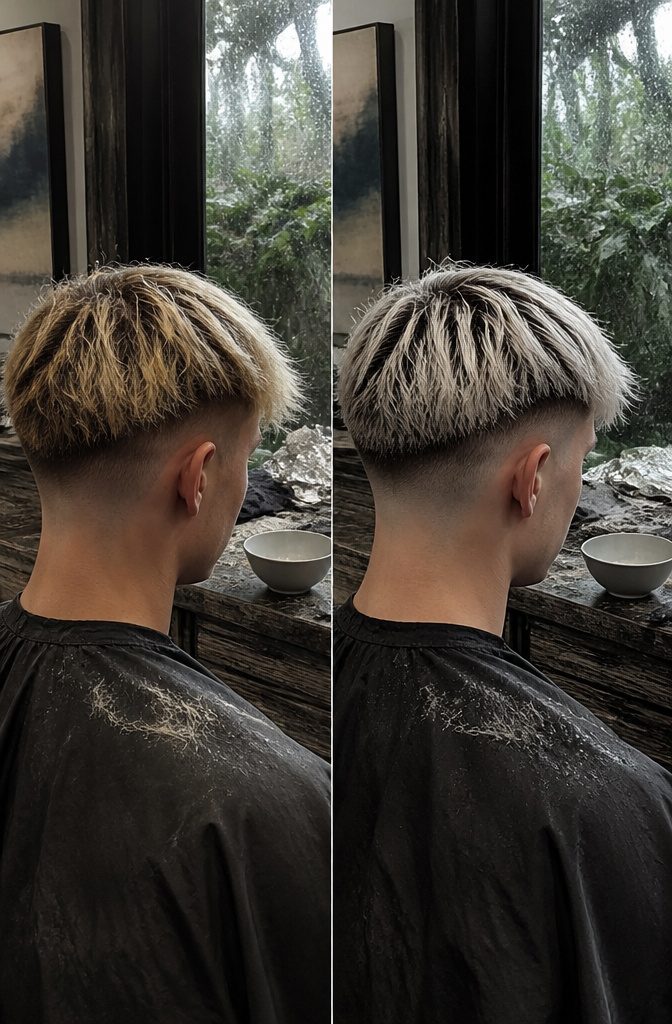
A bleached French crop keeps the structure short and controlled but drops in peroxide where it counts. The sides stay faded, usually down to the skin or a low guard, while the fringe gets bleached into uneven, forward-falling strands.
Dark roots show through on purpose, keeping the whole thing from reading too clean or too finished. The second route runs bleach through a fade in streaks or patches, leaving dark sections alongside the light for contrast.
The cut can sit short and choppy or stretch longer and tousled; either way, the color does the work of making it look like something happened to the hair rather than something planned.
Bleach wrecks the strand, so deep conditioning treatments need to run weekly at minimum.
Let the roots grow out rather than chasing touch-ups every few weeks. That natural regrowth reads as part of the look, not neglect, and it buys time between sessions in the bowl.
What Grunge Hair Means

Grunge hair grew out of counterculture and a rejection of polished grooming, first surfacing in the 1960s and finding its strongest voice in the 1990s through bands like Pearl Jam and Nirvana.
The word itself translates to "dirt," a deliberate middle finger to luxury and convention. What made it work then still makes it work now: messy texture, imperfect layers, and zero interest in looking like you tried.
The cut reads as raw and a little untidy, which is the point. It suits creative types and anyone tired of conforming to traditional grooming standards.
Cold tones and shaved temples show up often enough to count as part of the look, though neither is required. The style has resurfaced as a relaxed, statement-making option that fits modern life without demanding it be pristine.
How to Style Without Looking Polished
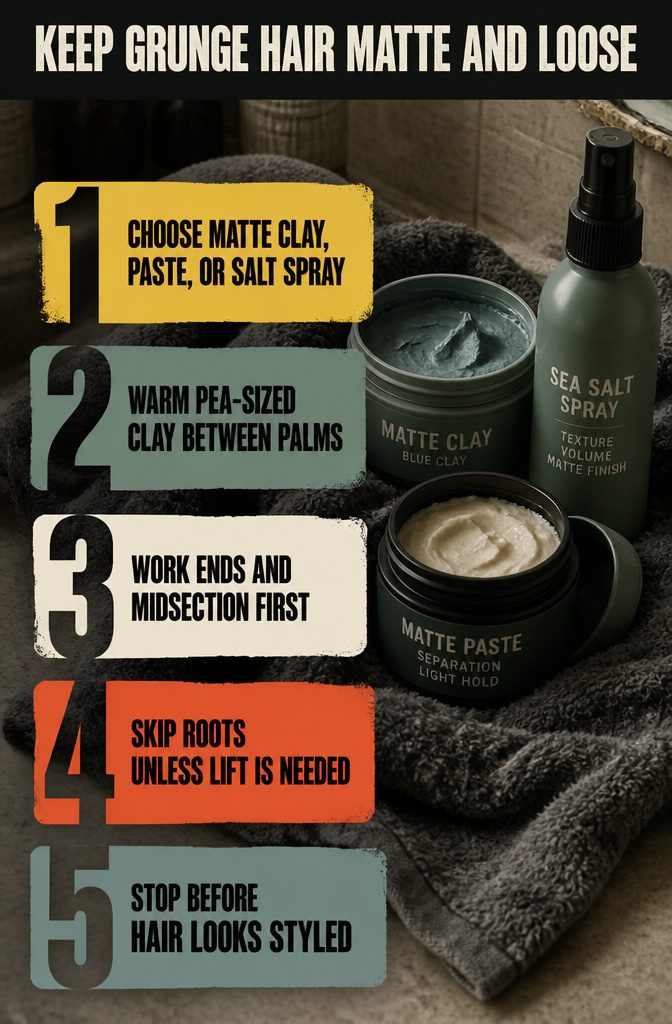
The product matters less than how much you use.
Grunge hair depends on texture without shine, and that means matte clay, paste, or sea salt spray worked through damp or dry hair. Blue clay adds grit and holds without gloss.
Matte paste gives separation on finer hair. Sea salt spray builds volume if the hair has any natural wave to start with.
Too much of anything tips the look into styled rather than lived-in.
I rub a pea-sized amount of clay between my palms until it warms, then work it through the ends and midsection, avoiding the roots unless the hair needs lift.
You want definition you can still run your fingers through, not stiff clumps that broadcast effort.
Leave-in conditioner softens coarser hair before you add hold. Mousse works for wavy cuts that want body at the crown without weight.
Gel and strong-hold pomade sit on the wrong side of the line. They add shine and lock the hair in place, which reads as intentional rather than accidental.
Modeling paste and lightweight pomade can work if applied sparingly, but the margin for error narrows. Grunge styling stops before it looks like you tried.
Which Styles Work for Your Hair Type
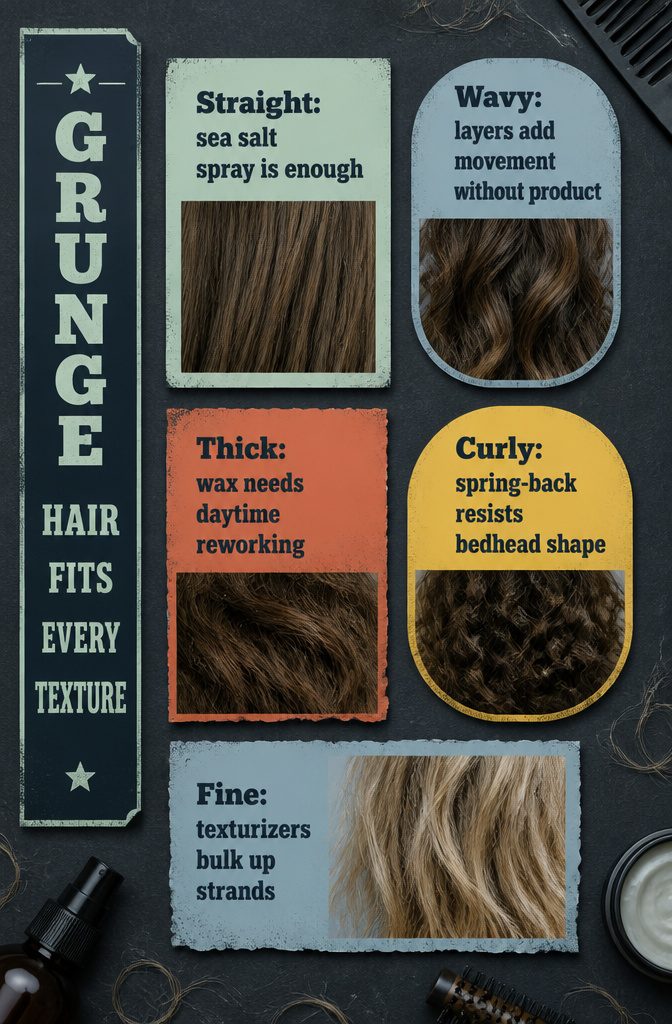
Grunge suits any hair type, but the logistics change depending on what you’re working with.
Straight hair falls into the tousled, slept-in look with minimal coaxing. A bit of sea salt spray and you’re there.
Wavy hair is the lowest-maintenance entry point: shoulder-length layers add movement and volume without product. If you have naturally wavy hair, lean into it rather than fighting the texture.
Thick hair takes more effort to keep loose and messy. Wax helps separate strands and adds definition, especially at medium length, but expect to rework it through the day.
Curly hair is harder to hold in the desired shape. The wash-and-go bedhead that works on straight hair doesn’t translate directly when curls spring back into structure.
Fine hair benefits from texturizing products that bulk up individual strands.
Long grunge cuts, the chest-length or longer styles, require patience regardless of type. Keep them healthy with leave-in conditioner, but let them look lived-in rather than controlled.
Frequently Asked Questions
What is a grunge haircut?
A grunge haircut is a 90s-inspired style built on choppy layers, undone texture, and a deliberately unkempt look that rejects polished grooming.
The cut reads as raw and a little untidy, featuring messy texture and imperfect layers with zero interest in looking like you tried.
It grew out of counterculture through bands like Pearl Jam and Nirvana, and the word itself translates to "dirt" as a rejection of luxury and convention.
How do you get grunge hair for guys?
Start with messy layers and irregular, choppy cuts that avoid precision, then style with matte products like sea salt spray, clay, or paste worked through damp or dry hair.
Use a pea-sized amount to add texture without shine, avoiding anything glossy or heavy that makes the hair look styled rather than lived-in.
Air-dry whenever possible and skip the comb after product goes in, since you want definition you can still run your fingers through.