Medium-length cuts run from structured styles that need a minute of morning work with a comb and product to loose, air-dried texture like bro flow or the wolf cut that grows out over several months without losing its shape.
A slick back or pompadour needs smoothness and hold, so they work better on straight hair, while layered shag cuts and fluffy styles count on texture you already have from wavy or curly hair.
Longer disconnected cuts and bro flow styles stretch 6–8 weeks between trims.
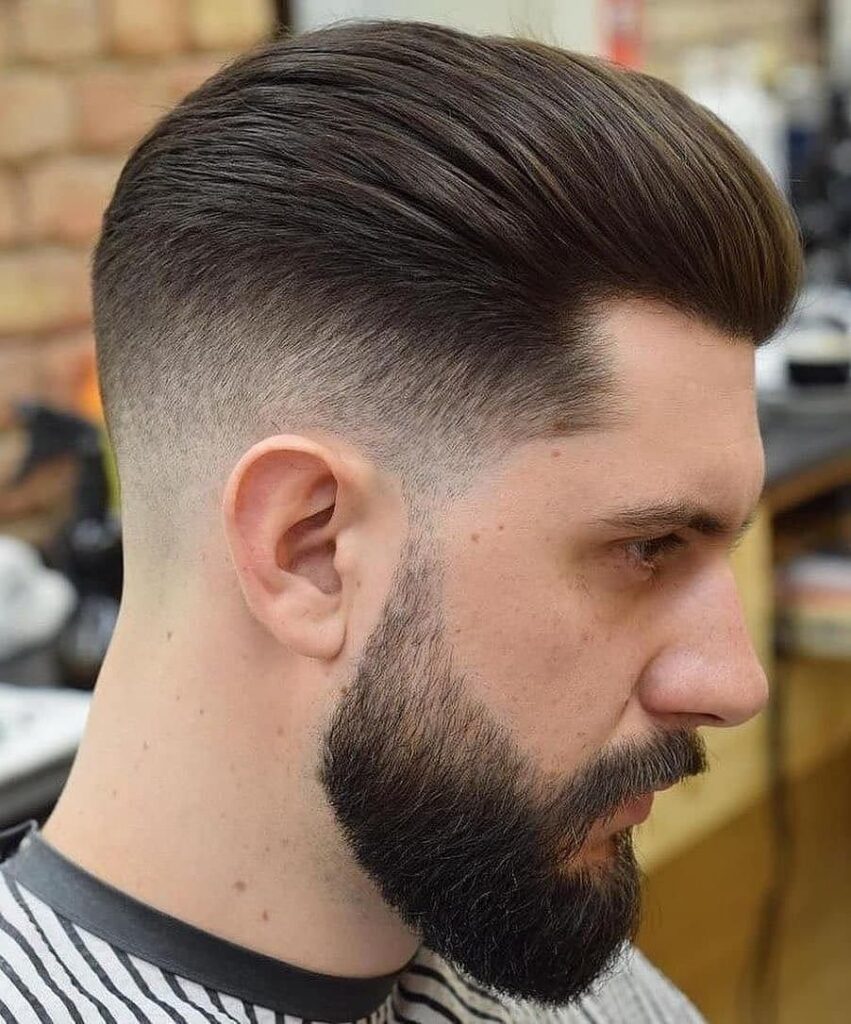
1. Slick Back
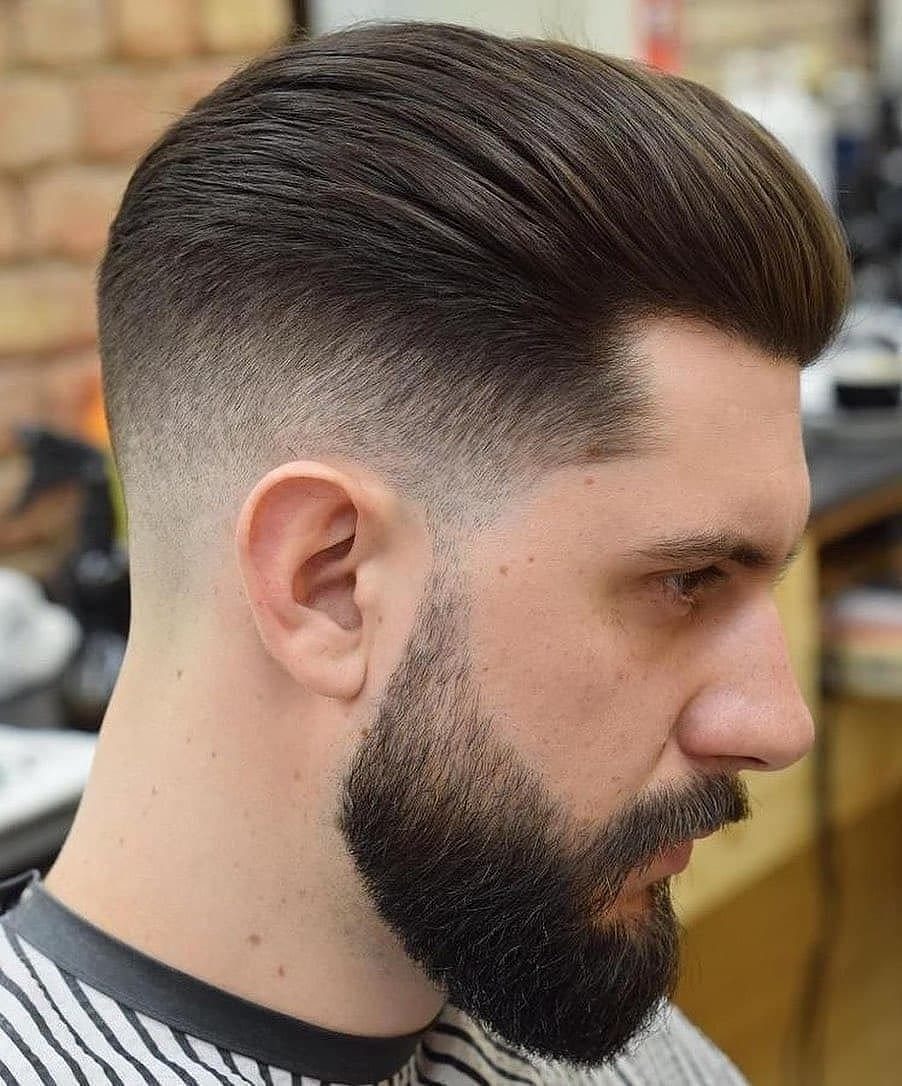
Sides are faded down to skin for contrast, keeping the focus on the swept shape. Daily styling takes a minute: apply product to damp hair and comb it back with a fine-tooth comb.
2. Slick Back Undercut
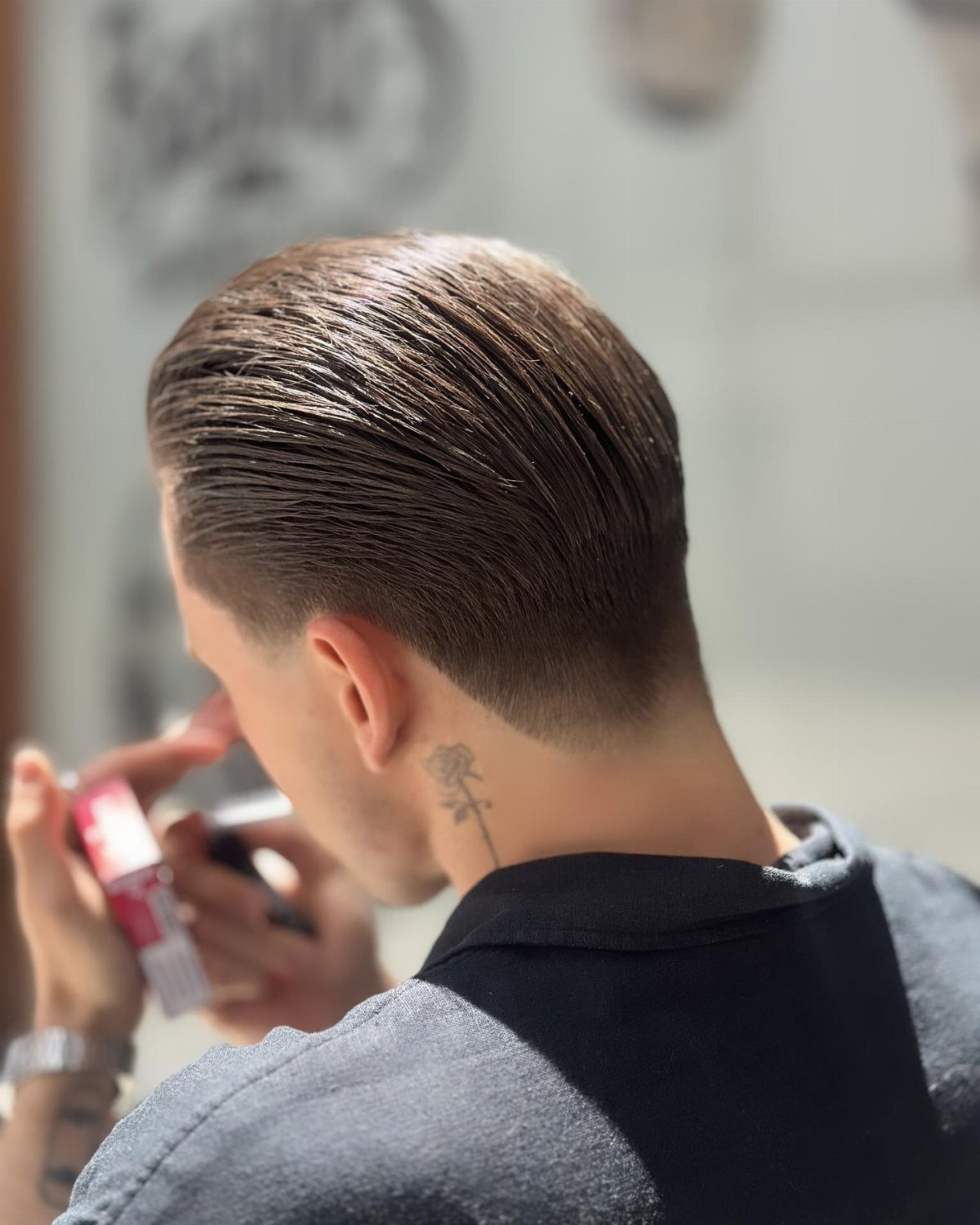
The undercut removes all the bulk from the sides and back, leaving a longer top that sweeps back without interference. That sharp disconnect makes the slicked shape stand out more than a taper or fade would.
Top hair runs long enough that it stays back without flipping forward. A matte product works better than gel if the hair is on the thicker side, since it holds without stiffening.
The undercut grows out faster than a fade, so plan on regular trims.
3. Side Part
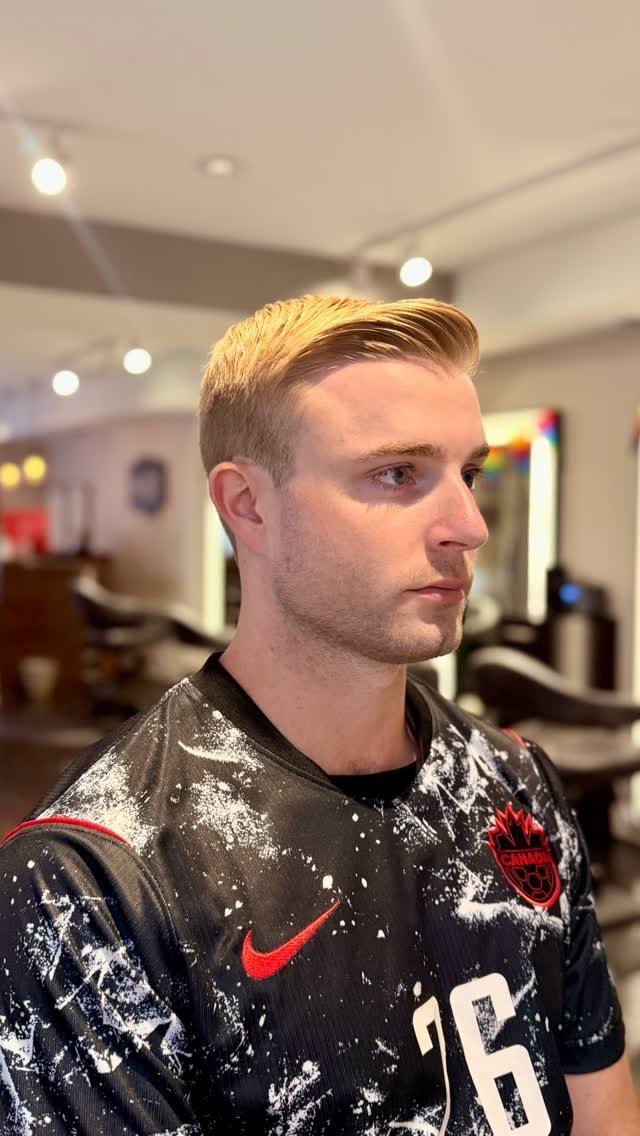
The part follows the natural line where the hair already wants to split, usually an inch or two off center.
Combing the hair across keeps the shape simple and controlled, and the low taper on the ears keeps it from looking stiff.
2–3 inches on top gives enough length to comb over smoothly without needing much hold. A bit of cream or pomade holds it without weight.
The cut suits most face shapes and grows out cleanly, needing a taper refresh every 3 weeks.
4. Surfer Waves
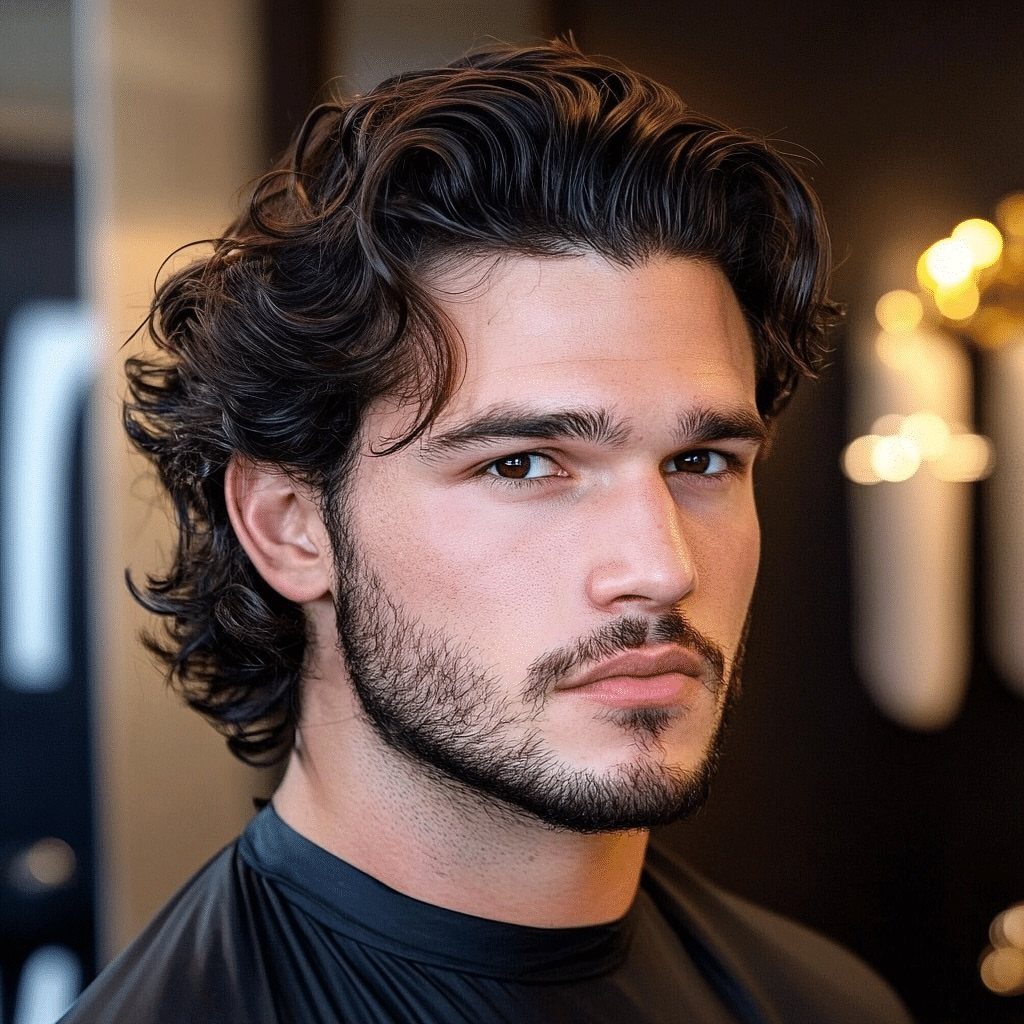
Natural texture does most of the work here. The cut keeps hair long so waves can fall loosely around the head without forming tight curls or lying flat.
Sea salt spray or light mousse on damp hair brings out the wave without crunch. The style works best on hair that already has some movement; straight hair will need more effort to hold any shape.
Trims every 6–8 weeks keep the ends from looking uneven.
5. Pompadour
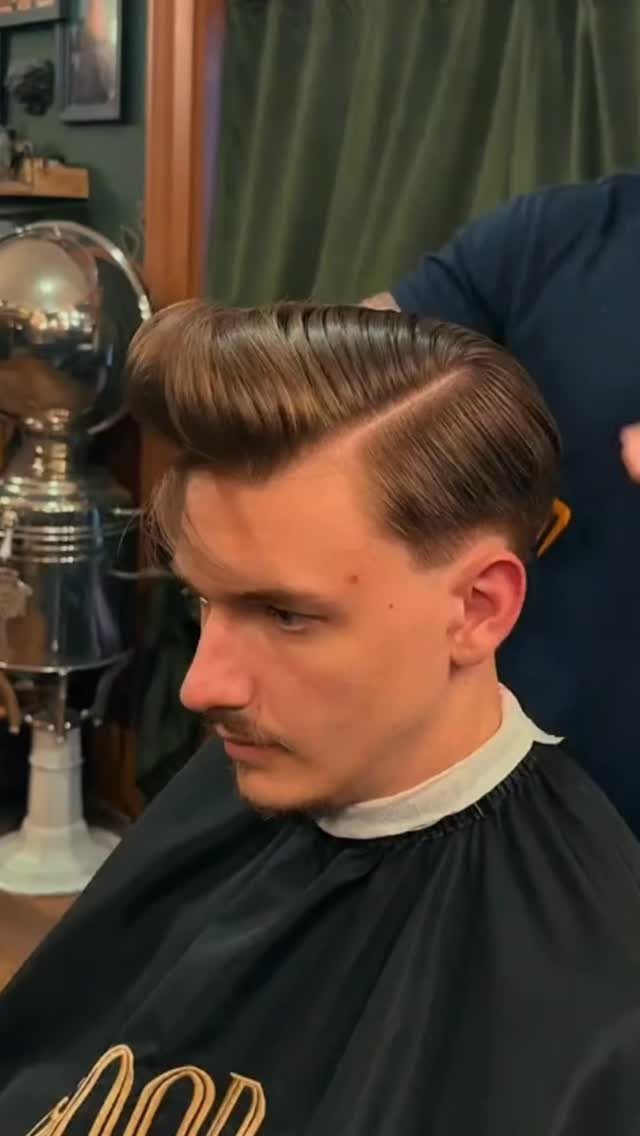
The front is lifted and pushed back for height, then shaped into a smooth curve.
A blow dryer lifts the roots while the hair is damp, then a strong-hold pomade locks the shape. Sides are cut short, either faded or tapered, to keep the volume concentrated on top.
6. Wavy Layers
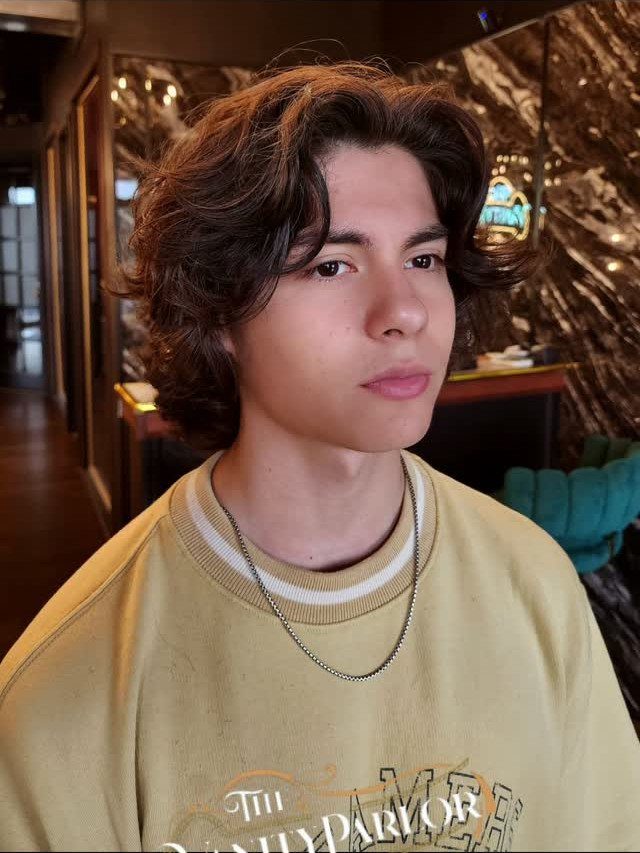
Cutting the hair in layers keeps waves from clumping into one heavy mass. Shorter pieces on top and longer lengths underneath give the hair room to move and settle naturally.
A lightweight styling cream worked through damp hair defines the texture without flattening it.
The style needs minimal daily effort once the cut is right.
7. Brush Back Fade
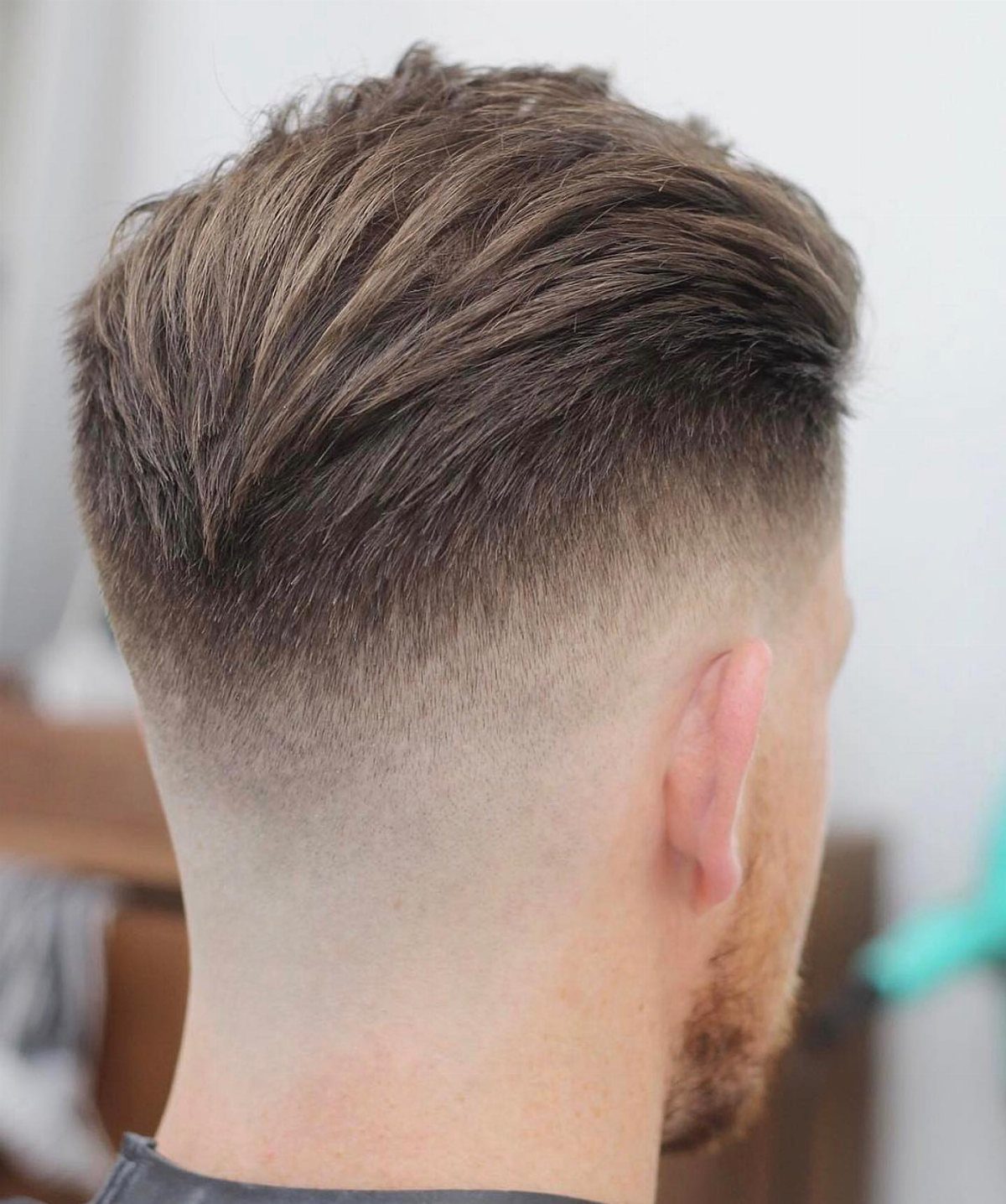
The top is left long enough to comb back with your fingers or a brush, while the fade keeps the sides clean and out of the way. The shape holds without looking stiff.
A matte paste or light pomade gives hold without shine. The cut works on most hair types and grows out smoothly, though the fade needs regular touch-ups to stay sharp.
8. Medium Curly Top
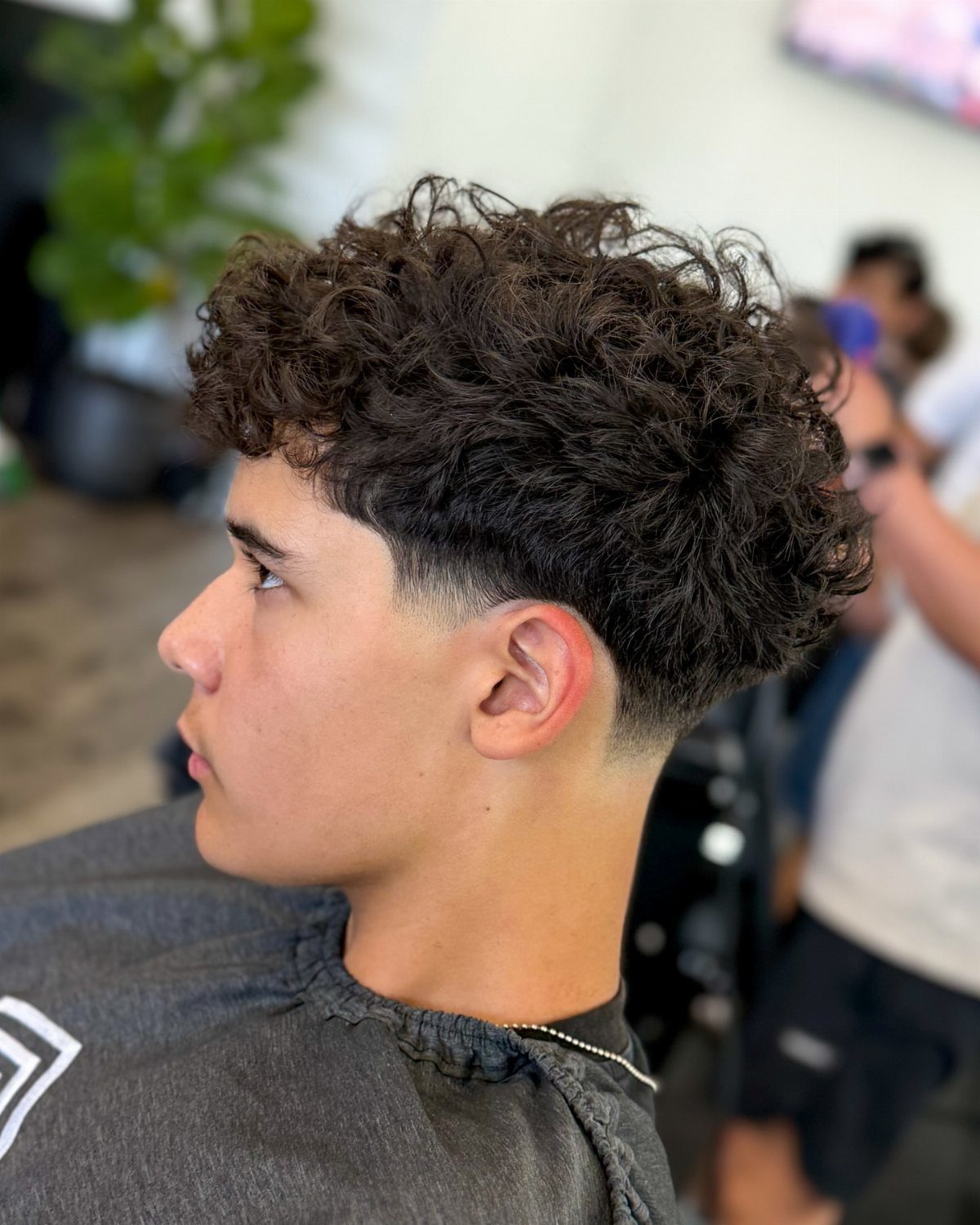
Length on top gives curls room to form their natural shape, while a fade or taper removes bulk from the sides. The contrast puts the texture front and center.
A leave-in conditioner or curl cream keeps the curls defined without frizz. Air drying works fine; a diffuser speeds it up if needed.
9. Quiff
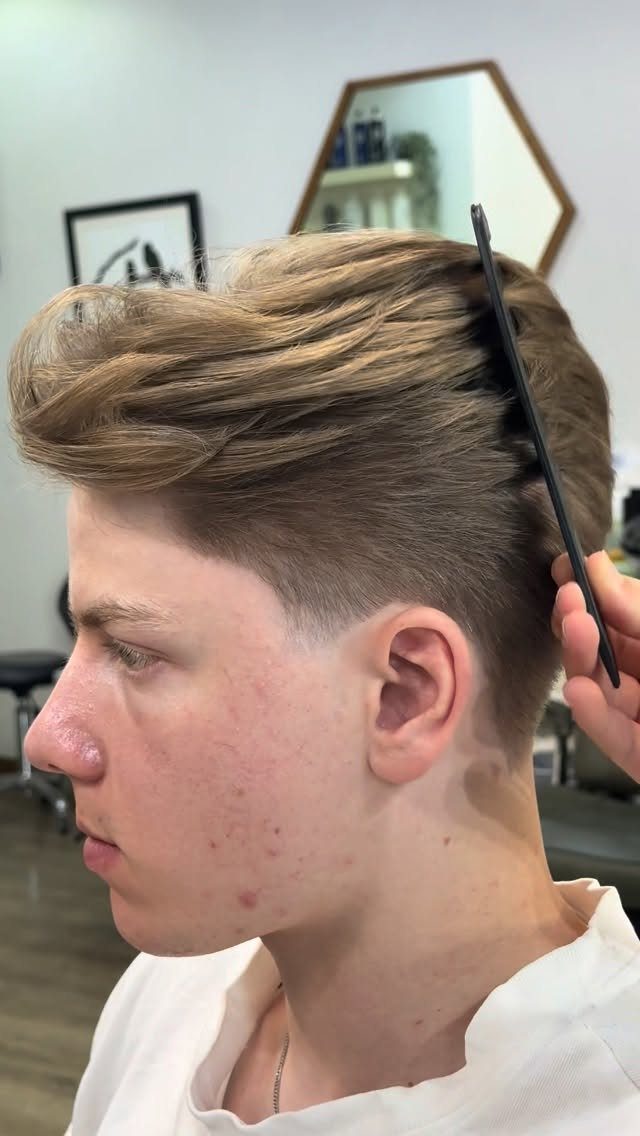
Height comes from brushing the front up and back, creating volume that stands without falling forward. Sides stay short to keep the focus on the lifted top.
Blow drying the hair up while damp locks in the height, then a medium-hold product keeps it there. The style takes a few minutes each morning and holds through the day.
10. Messy Curls

Curls are left to fall loosely, with enough length that they move without looking tight or controlled. Layers prevent the hair from forming one heavy clump, and shorter sides balance the volume on top.
The style suits looser curl patterns and needs periodic trims to keep the shape even.
11. Bro Flow
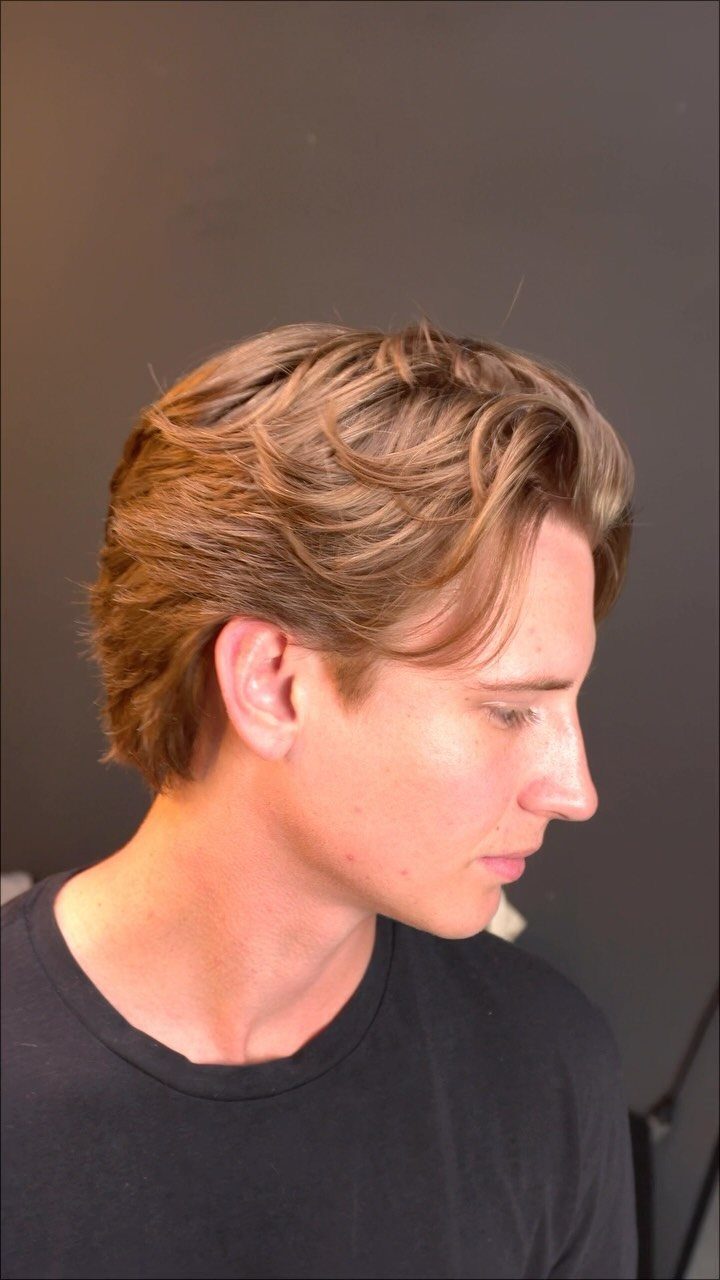
Medium layers are grown long enough to sweep back from the face, creating movement without needing much styling. The hair flows naturally, with texture that builds as it dries.
Sea salt spray or texturizing cream adds grip without stiffness. The look works best on straight or wavy hair and needs time to grow into the right length.
12. Medium Shag
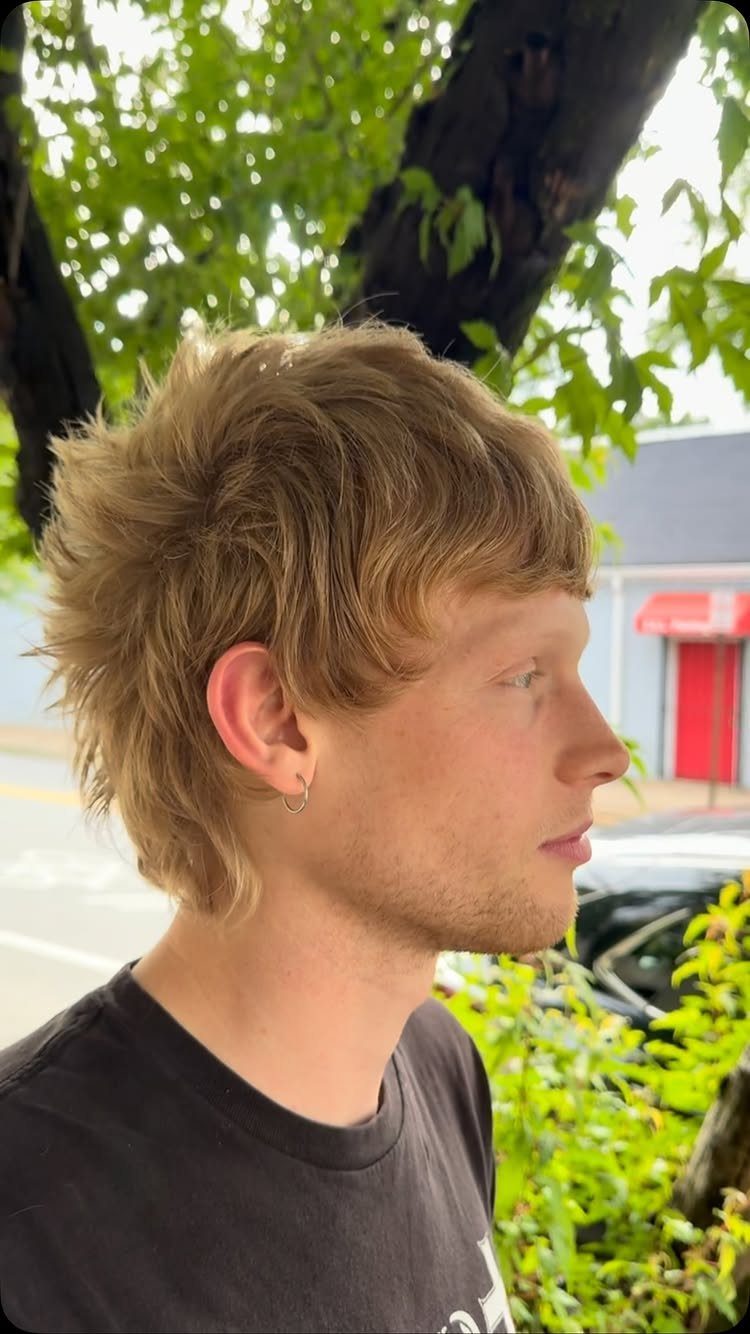
Choppy layers cut at different lengths give the hair a loose, unstructured finish. The texture comes from the cut itself, not from product.
Let it air dry after working in mousse or light cream to hold the shape. The style suits wavy or straight hair and looks better with some movement than it does on fine, flat hair.
13. Comb Over
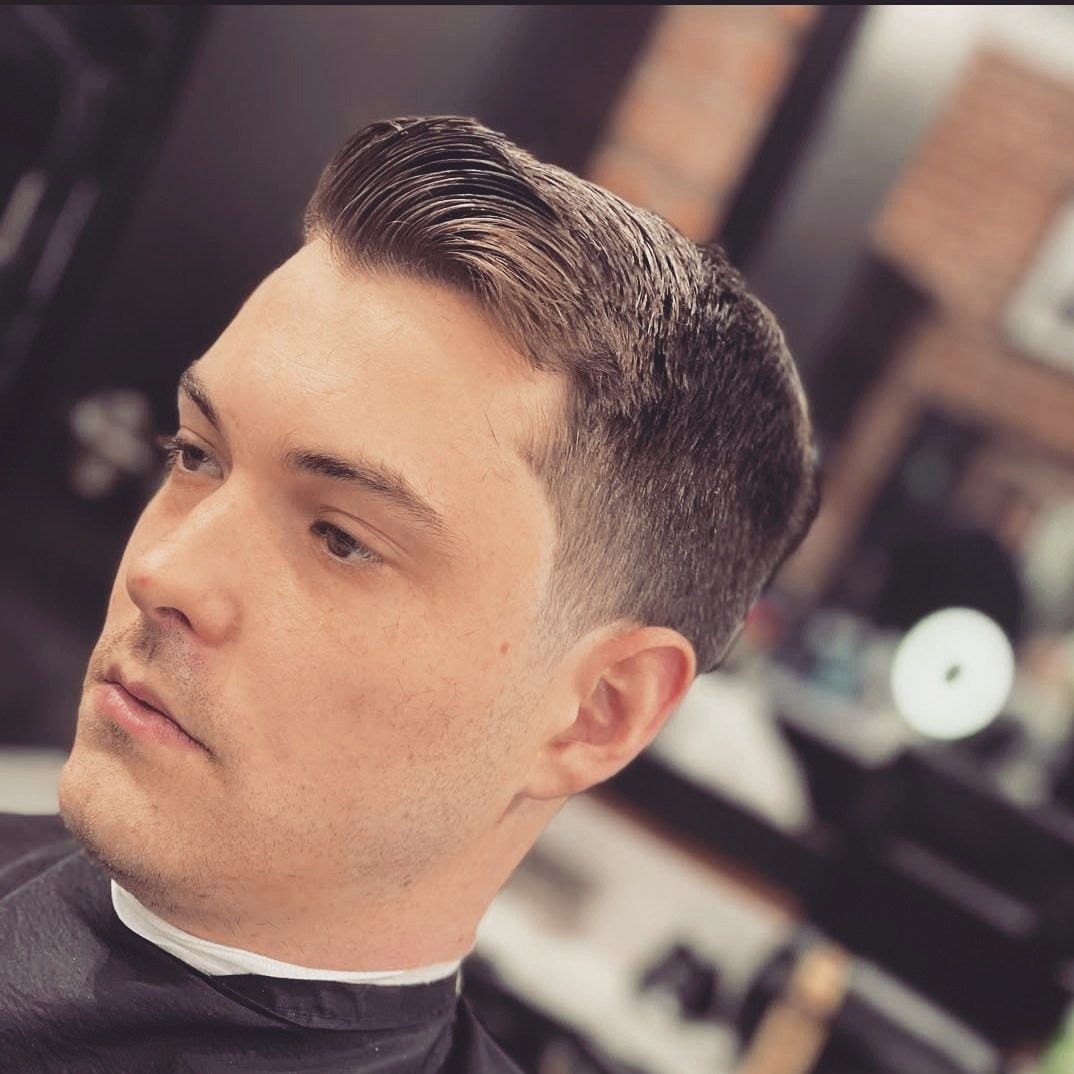
Hair is parted on one side and combed across to the opposite side, with the volume lying smoothly rather than lifting. Tapered sides keep the style balanced and stop it from looking heavy.
Keep the taper fresh with regular barber visits.
14. Two Block
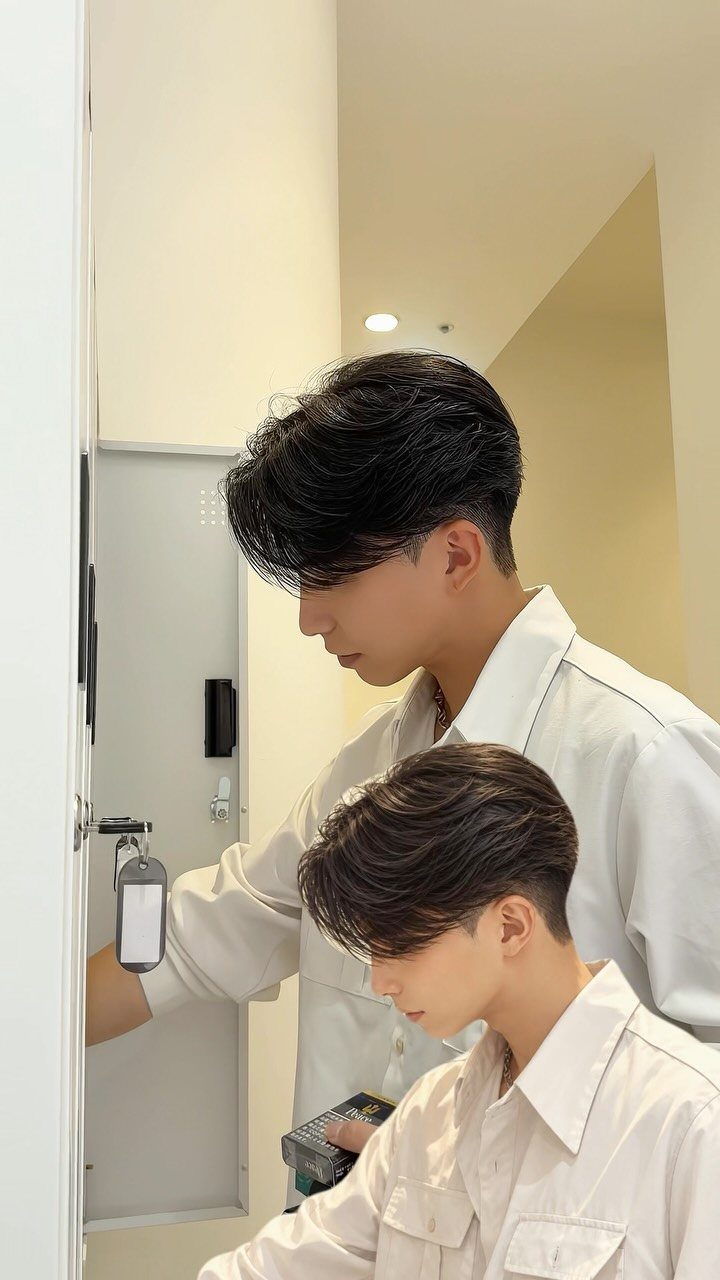
The cut disconnects the top from the sides, leaving a clear line where longer hair meets shorter hair. That sharp contrast gives the style its shape.
The top can be styled forward, to the side, or textured depending on hair type. Straight or slightly wavy hair holds the block shape best, while very curly hair softens the line.
Sides need regular trims to maintain the disconnect.
15. Braids
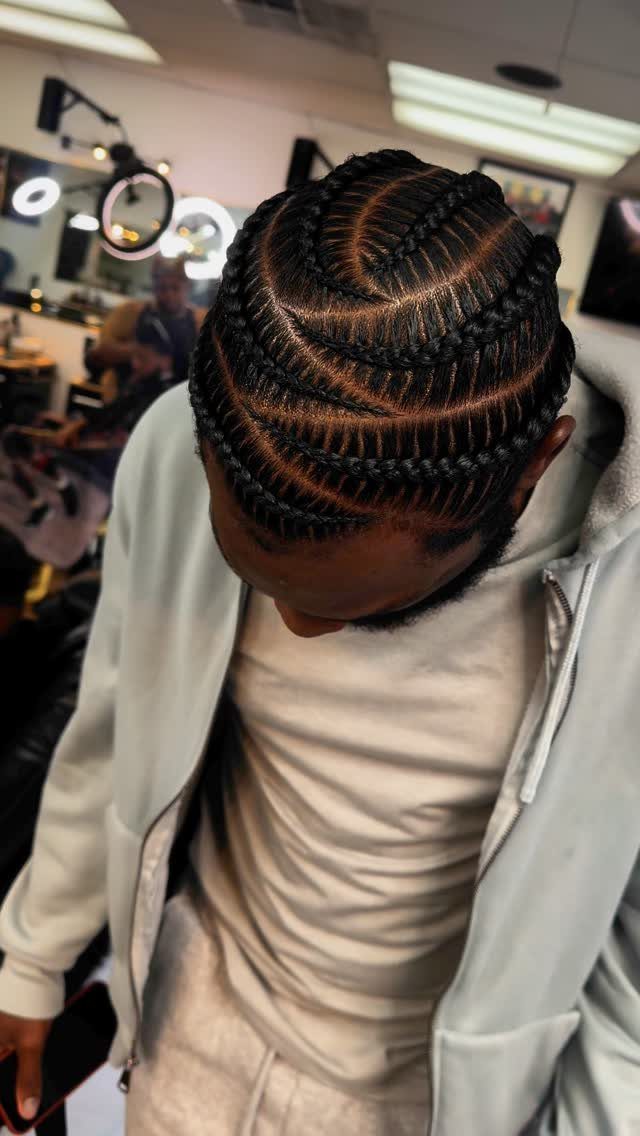
Cornrows and other braid patterns keep medium-length hair neat and off the face. Textured hair grips itself and keeps the braid tight.
Braids can last several weeks with proper care, making them a low-maintenance option once they’re in. A light oil or spray keeps the scalp moisturized.
The pattern and size of the braids can be adjusted to suit different preferences. Expect to spend a few hours in the chair depending on the complexity of the design.
16. Taper Fade
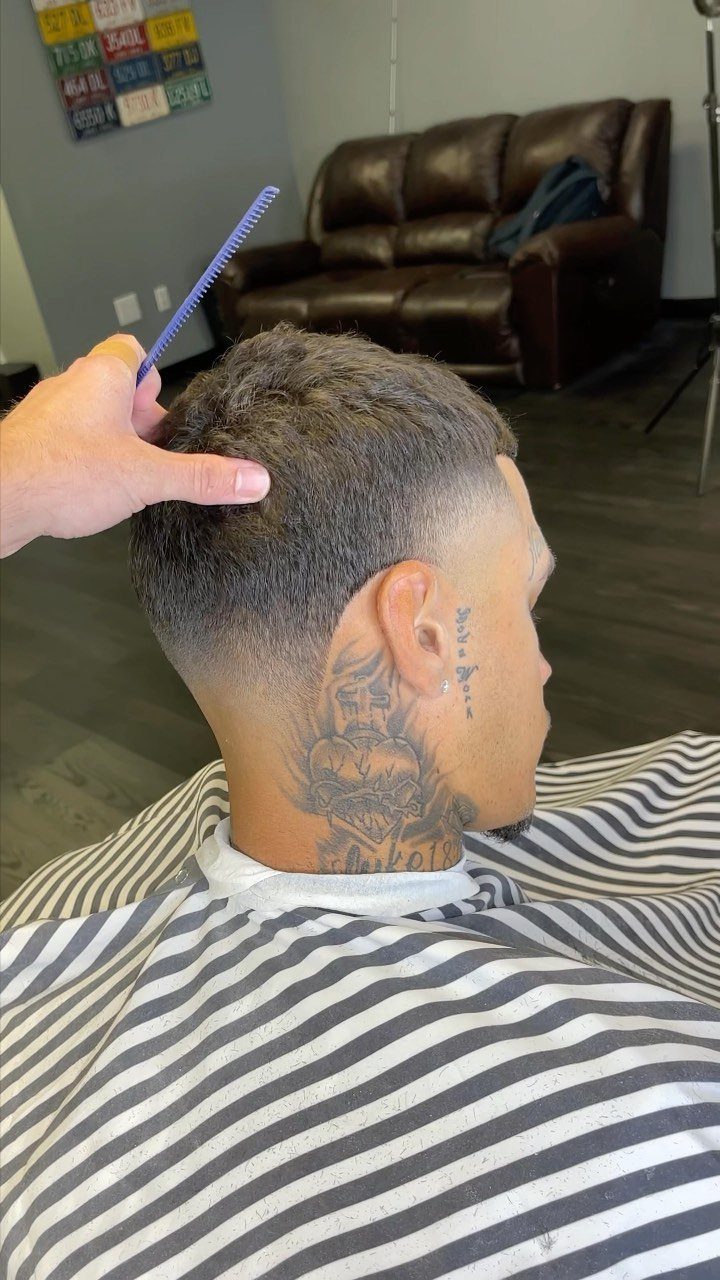
The fade blends short sides into longer top hair gradually, without a hard line. The transition runs smooth from skin or a very short guard up to whatever length sits on top.
A low taper starts above the ears, a mid taper higher, and a high taper near the top of the head. The choice changes how much contrast the cut has.
Fades blur back into your head quickly and need frequent touch-ups.
17. Top Knot
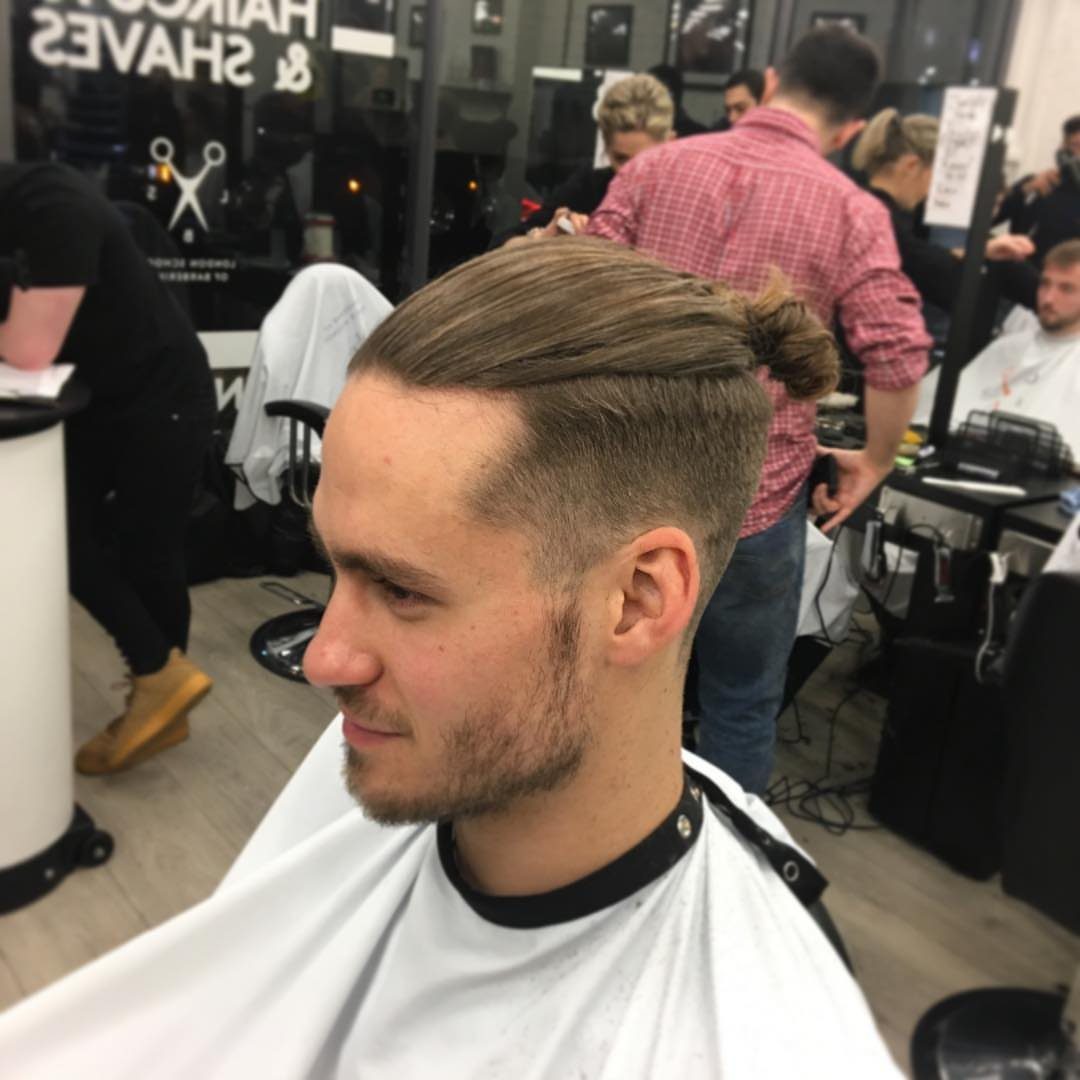
Hair on top is grown long enough to gather and tie into a knot, while the sides stay short or faded. The knot sits at the crown or slightly back, depending on where the hair naturally gathers.
A small hair tie or elastic band holds it in place.
The style keeps hair out of the way without cutting it short.
18. Fade with Long Top
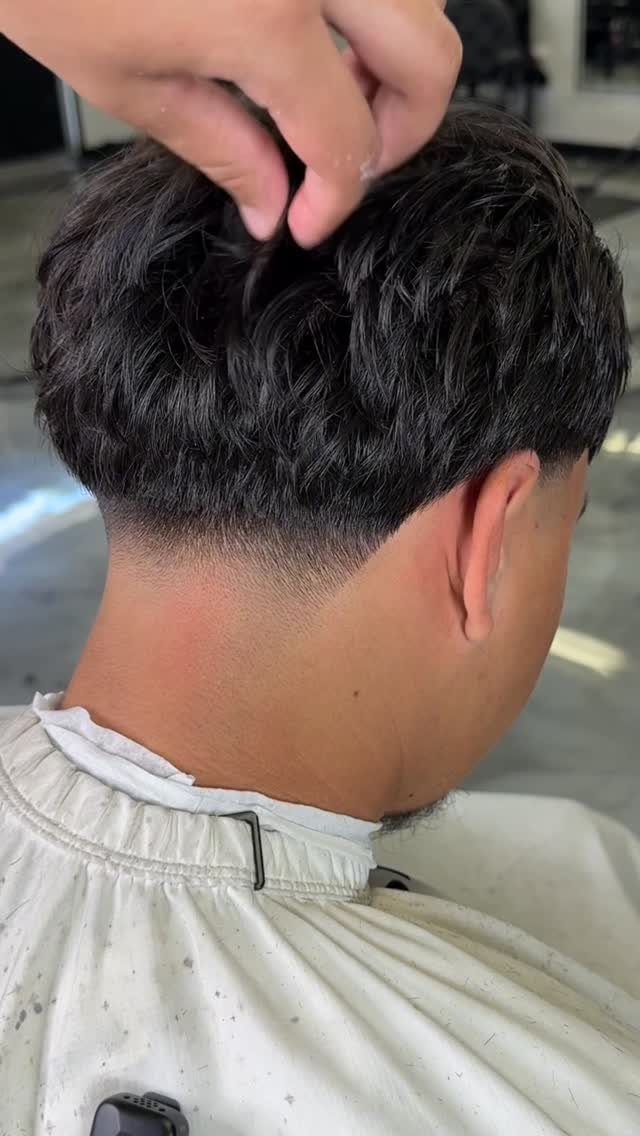
Paste or cream keeps things in place without weight.
The fade needs regular upkeep to stay sharp, but the longer top grows out smoothly between cuts.
19. Wolf Cut
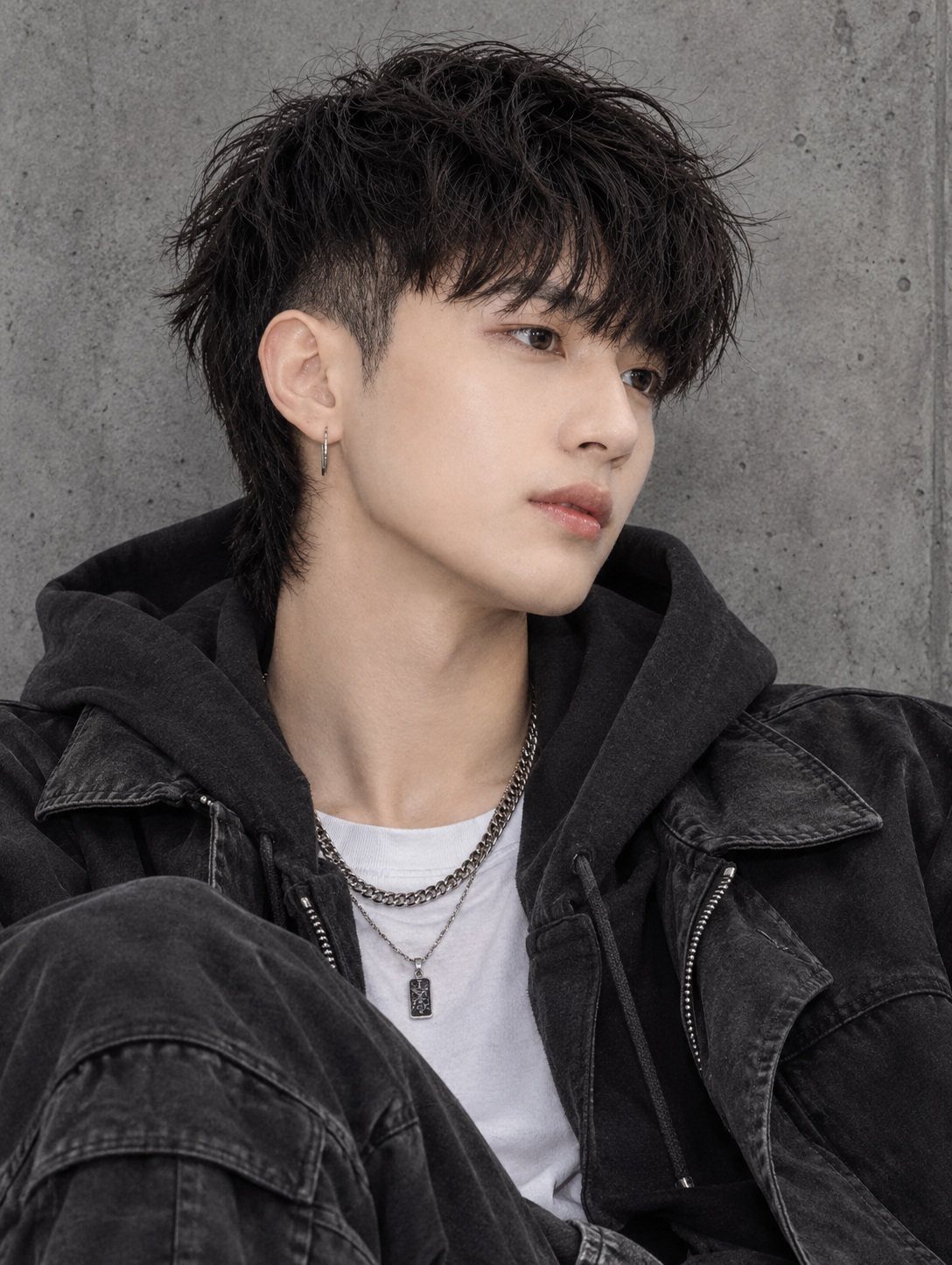
Choppy layers cut at different lengths create movement that frames the face and flips outward at the ends. The shape works on straight or wavy hair and needs minimal styling.
A texturizing spray or light cream worked through damp hair brings out the layers without stiffening them. The cut grows out gradually and softens over time rather than losing its shape all at once.
20. Fluffy Haircut
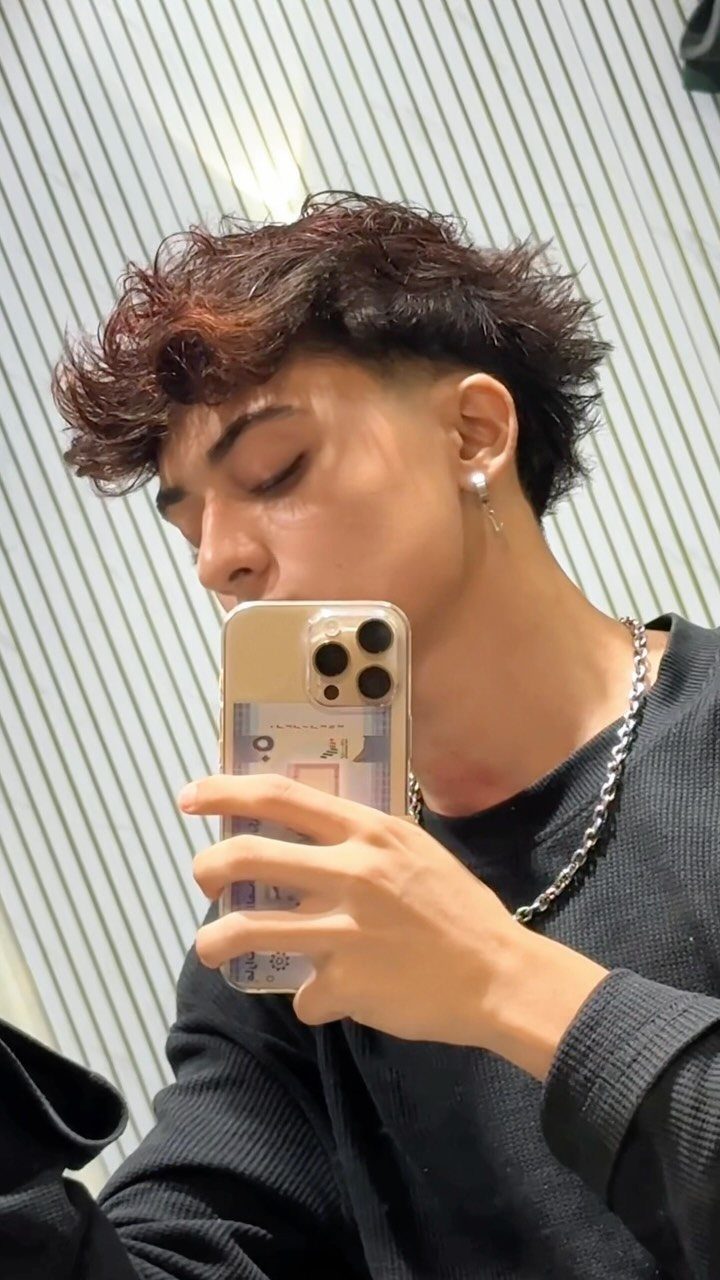
Volume comes from letting curls or waves sit loose on top while keeping the sides short or faded. The hair spreads outward naturally, forming a soft, full shape.
A leave-in conditioner or curl cream defines the texture without weighing it down. Air drying works fine; the fullness builds as the hair dries.
The style suits naturally curly or wavy hair and looks better with some density than it does on fine, flat hair.
21. Korean Perm
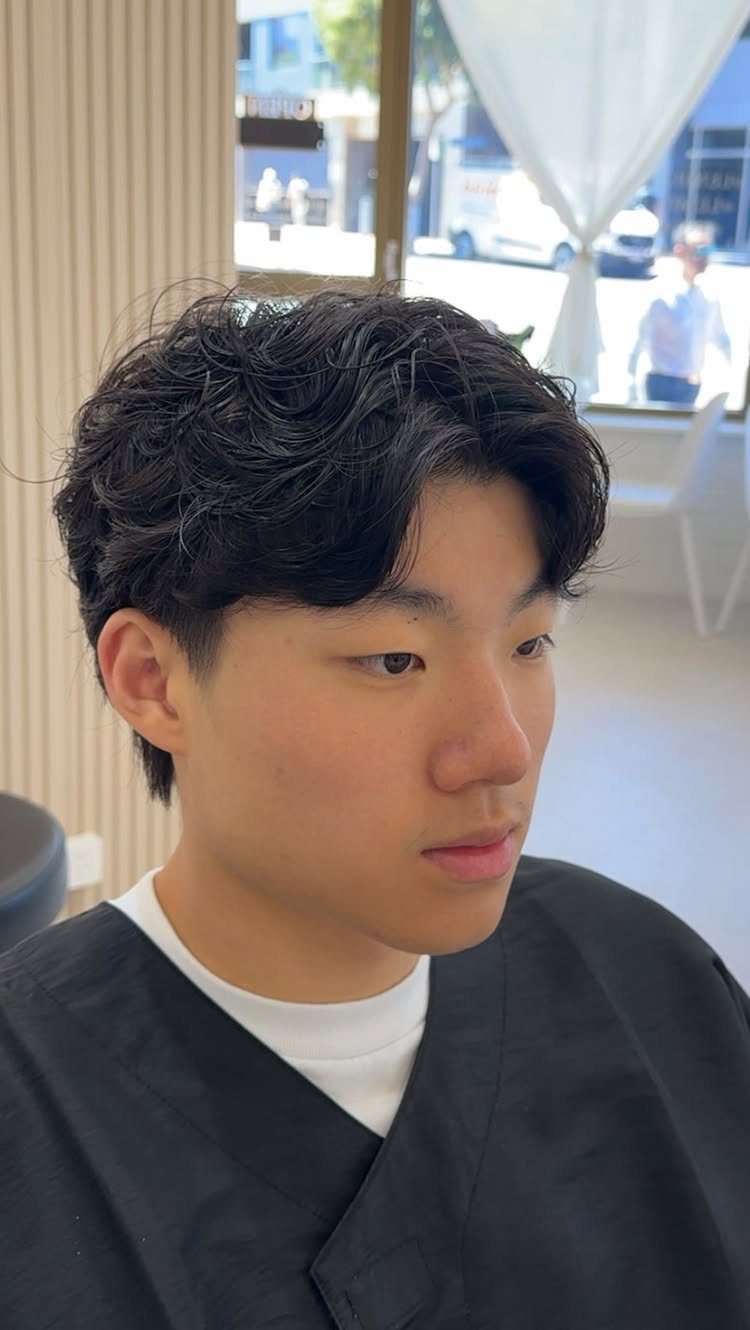
Loose, soft curls are added through a perm process, giving naturally straight or fine hair texture and movement. The result looks softer and more natural than tight curls.
Styling takes a minute: work a light cream through damp hair and let it air dry. The perm lasts several months and grows out gradually.
Regular trims keep the shape balanced as the hair grows.
22. Broccoli Haircut
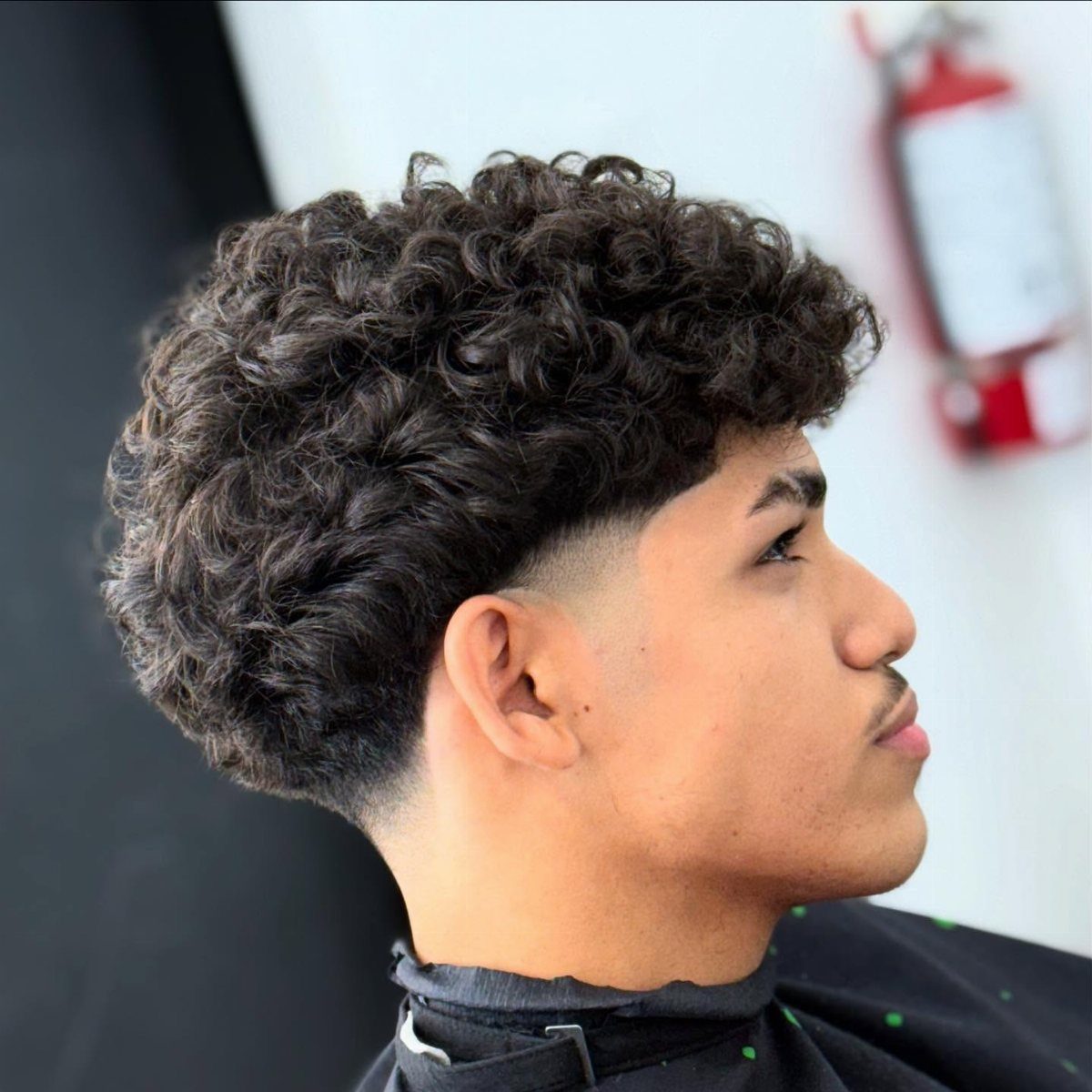
Curls on top form a wide, rounded shape that extends forward into a curved fringe, while faded sides remove bulk and keep the focus on the volume above. The contrast between short sides and full top defines the look.
A curl cream or mousse worked through damp hair keeps the curls defined and prevents frizz. The style works best on naturally curly hair with enough density to hold the rounded shape.
23. Medium Twists with Fade
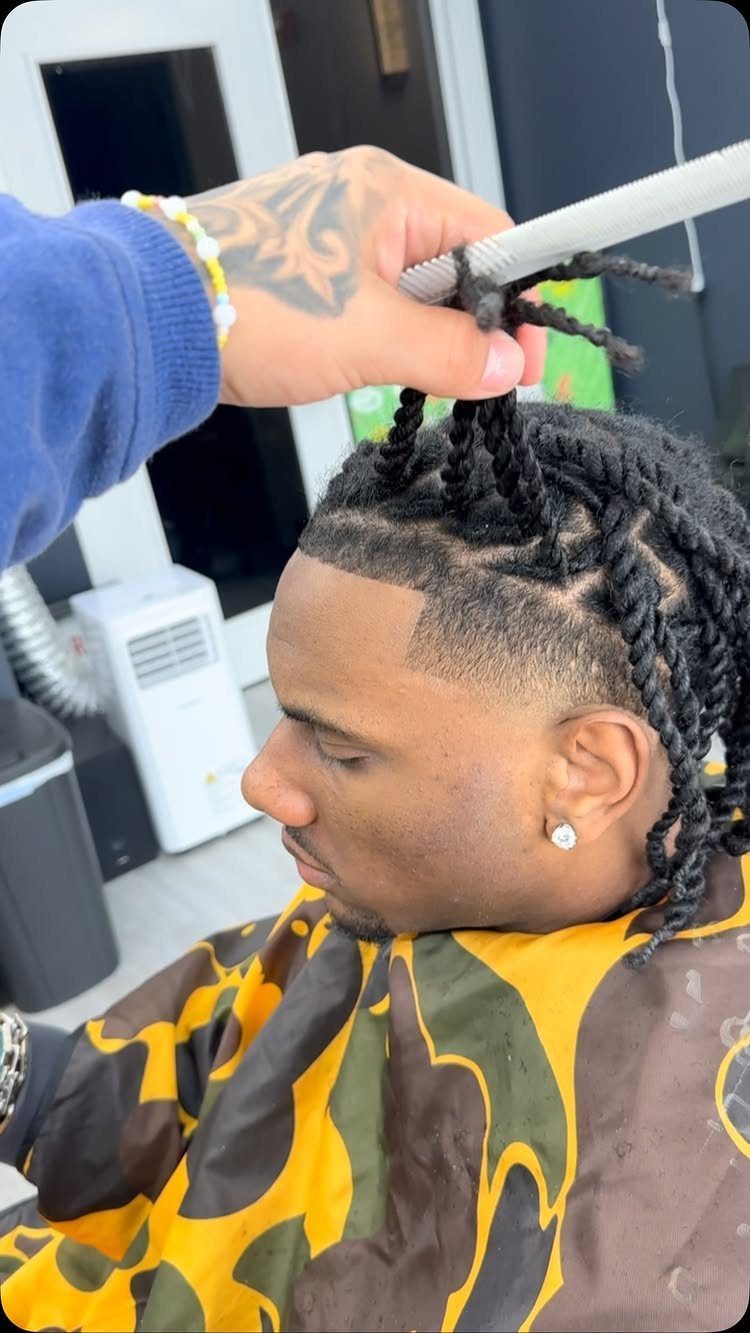
Two-strand twists keep textured hair neat and defined while adding length and dimension. The fade on the sides removes weight and keeps the focus on the twisted top.
Twists can last several weeks with proper care. A light oil or moisturizing spray keeps the hair and scalp healthy.
The style works best on coily or kinky hair textures that grip and hold the twist pattern. Expect a few hours in the chair depending on hair length and thickness.
24. Man Bun Undercut
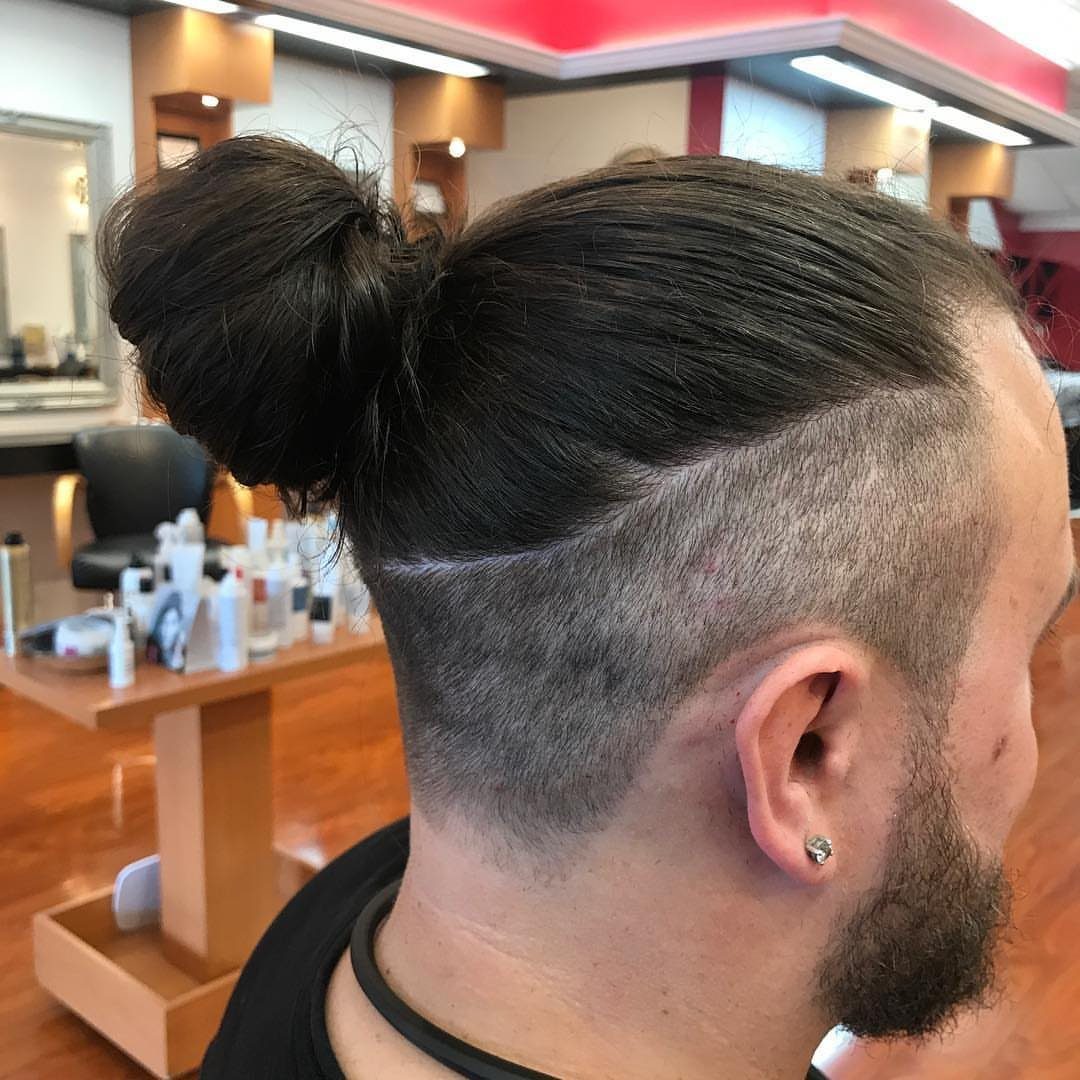
Hair on top is gathered and secured into a bun at the crown, while the undercut removes all the hair from the sides and back.
The shaved line adds a detail that breaks up the undercut without changing the overall shape.
A small elastic band holds the bun in place. The style keeps hair off the face and neck without cutting it short.
The undercut needs regular trims to stay clean, while the top can grow longer over time.
25. Modern Mullet
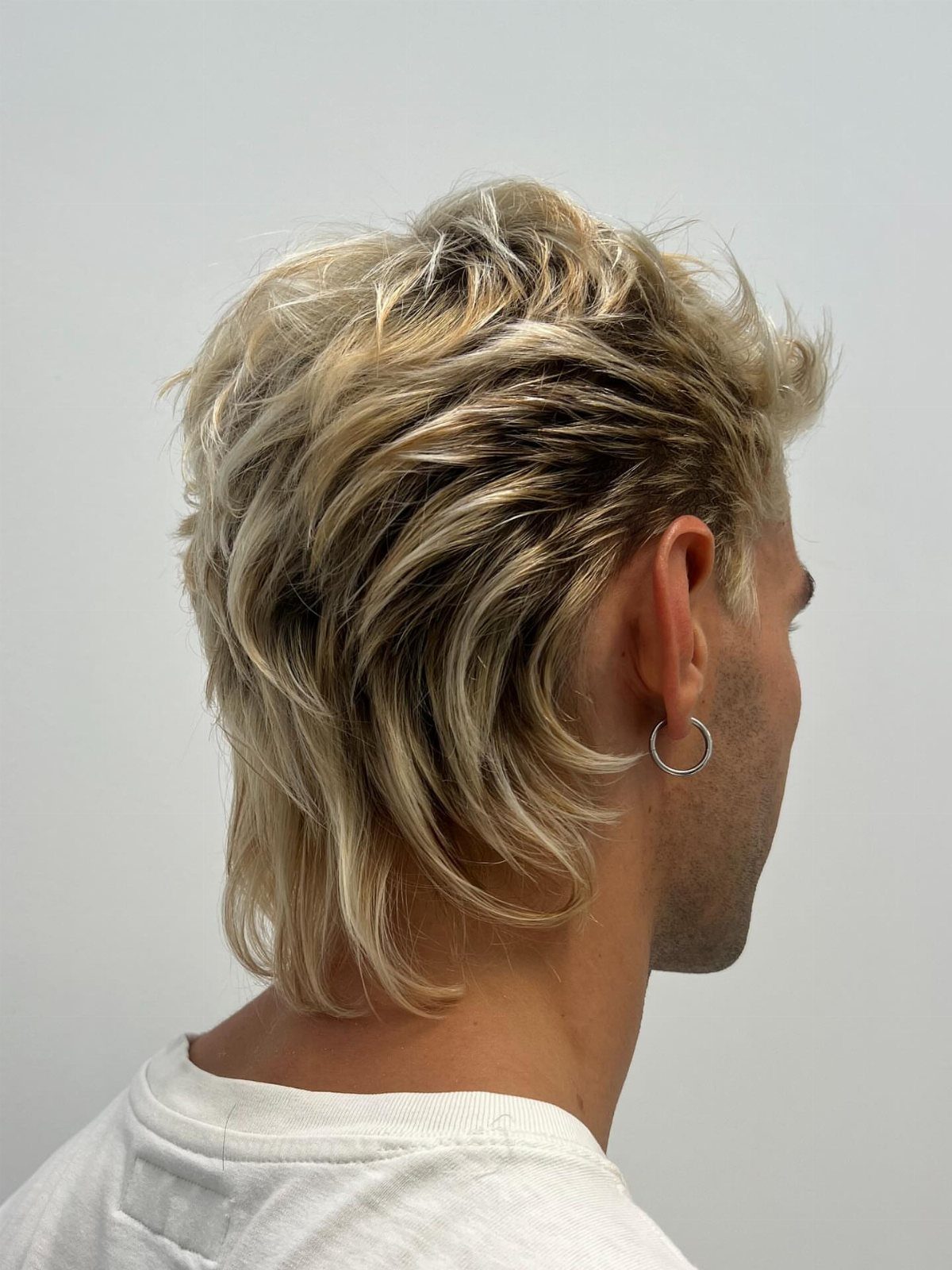
Length stays medium in front and on top, then extends longer in the back without dropping into a full waterfall. The difference between front and back is noticeable but not dramatic.
Wavy or textured hair shows the layers better than straight hair does. A light styling cream or salt spray worked through damp hair defines the texture.
The proportions shift as it grows, so you’ll want a trim when the length at back starts to look heavy against the taper. Shorter sides keep it from looking dated.
Occupying that sweet spot between long-and-flowing and cropped-and-conservative, a medium-length cut lends a bit of rock ‘n’ roll flair without you routinely being mistaken for a woman from behind.
26. Medium Dreadlocks with Fade
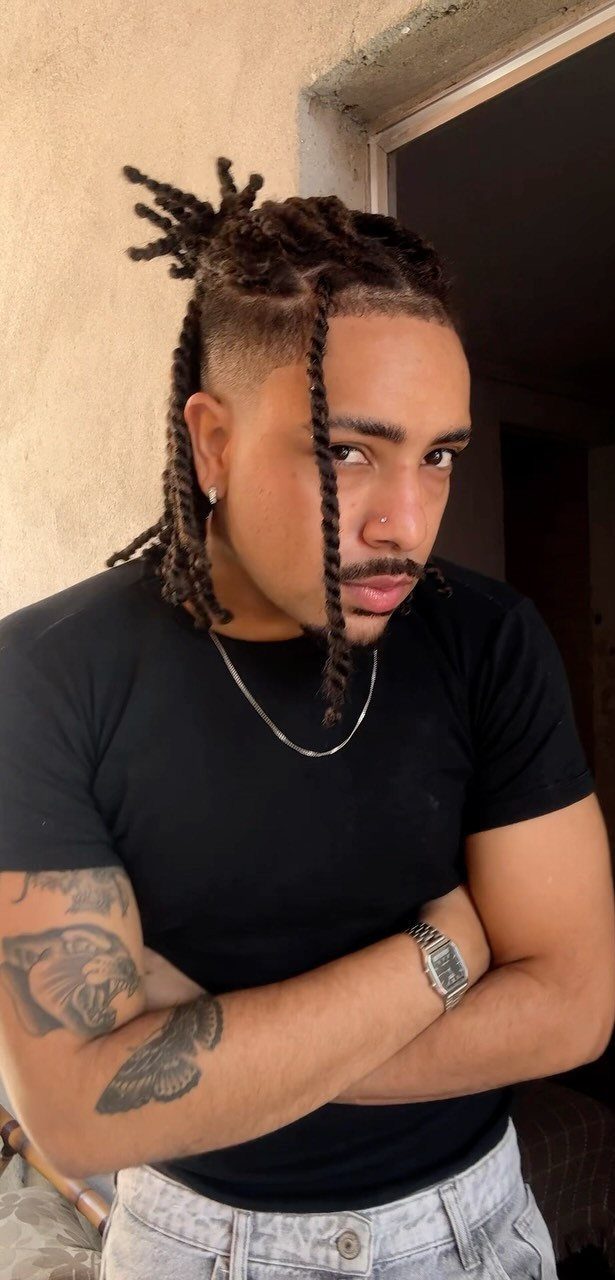
Dreadlocks at medium length sit long enough to show their individual sections and movement, while the fade removes bulk from the sides and keeps the shape clean. Locked hair against bare skin is what defines the look.
Locs need time to mature and regular maintenance to stay tight and even.
Expect several months for new locs to tighten and settle into their final form.
27. Medium Textured Crop Fade
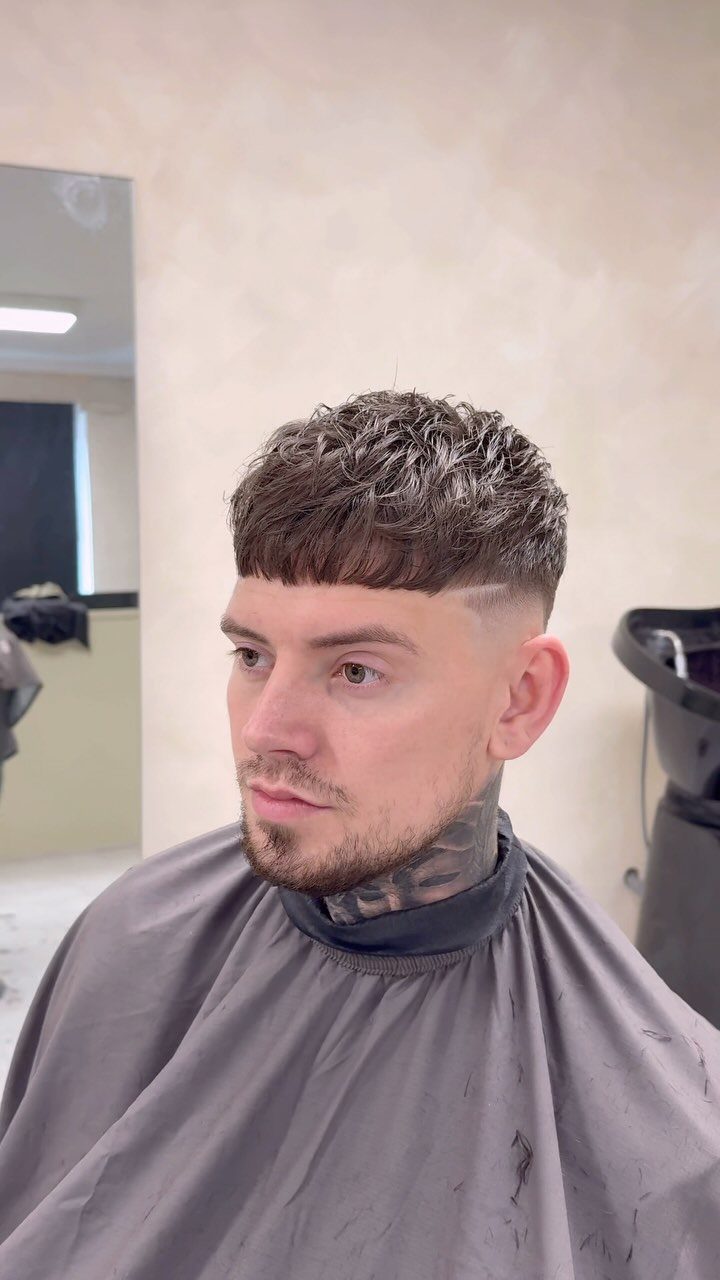
Short, choppy layers on top create texture that stands up and forward, while sides taper to skin. Enough length remains to show movement without extra inches.
Matte clay or fiber paste gives hold and separation when you rake it in.
Growing Out and Upkeep
Growing medium-length hair means passing through a stage where nothing sits right and the temptation is to cut it all off and start over. Trim it instead.
Regular tidy-ups also prevent the need to chop off months of progress later. If the sides start to bush out or the back gets heavy, a quick trim brings the proportions back without resetting the clock.
Conditioner matched to your hair type keeps the texture smooth as it gets longer. Grown-out layers work best when the hair itself is in good shape, not dried out or splitting at the ends.
Frequently Asked Questions
What is a medium-length hairstyle for men?
A medium-length hairstyle gives you enough hair to show volume, texture, and movement while staying controllable and easy to shape.
The length handles different textures well and lets you move between looks without locking into a buzz or shoulder-length maintenance. Most medium cuts balance a polished look with natural flow, making daily styling quick without losing personality.
How should I choose a medium-length hairstyle for my face shape?
A long face or large forehead looks better with a textured fringe rather than styles that lift the hair up and back, keeping the proportions balanced.
Round faces look better with volume up front, like a quiff or brush-up, and short sides that pull the shape vertical.
Heart-shaped faces should avoid styles that draw attention to the forehead, favoring loose, messy looks instead. Oval faces suit most medium-length styles.
What are the most popular men’s haircuts for 2026?
Slick backs, taper fades with longer tops, and textured crops remain popular for their clean lines and quick styling. Curly and wavy styles like the fluffy haircut, broccoli cut, and messy curls suit natural texture without much daily work.
Disconnected cuts like the two block and undercut stay sharp, while looser styles like the wolf cut and modern mullet add movement and edge.