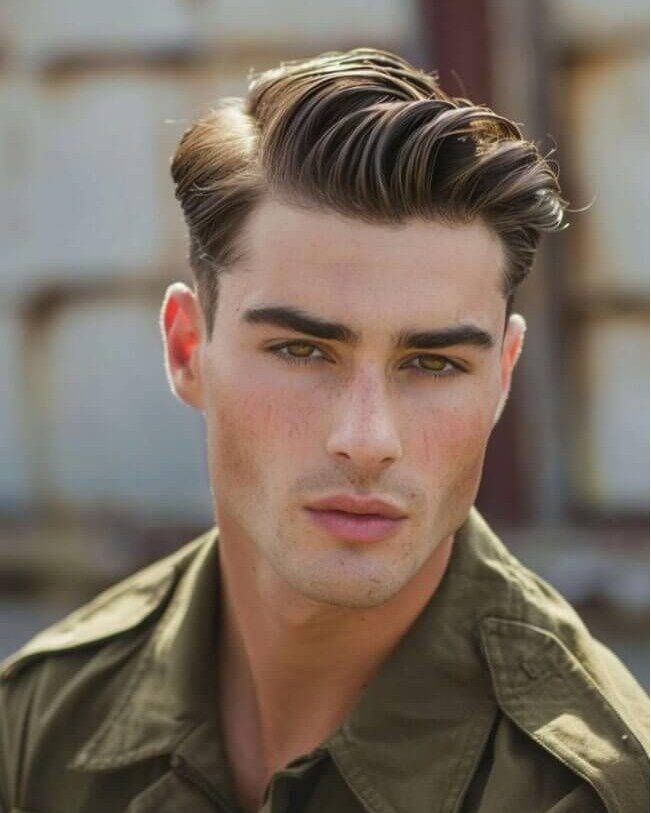
Medium length for men runs 3 to 6 inches and covers styles that can be slicked back, swept to the side, left loose with texture, worn in a half-up bun, or shaped into a quiff, pompadour, or mohawk.
The choice depends on how much time you will spend styling each morning: a side part or slick back takes a minute with pomade, a textured quiff or pompadour needs a blow dryer and matte clay, and flow or curtains work with air drying and a light spray.
Fades on cuts like the undercut, French crop, or faux hawk need a trim every 2 to 3 weeks to stay sharp, while layered cuts, middle parts, and flow grow out without losing their shape as quickly.
1. Side Part
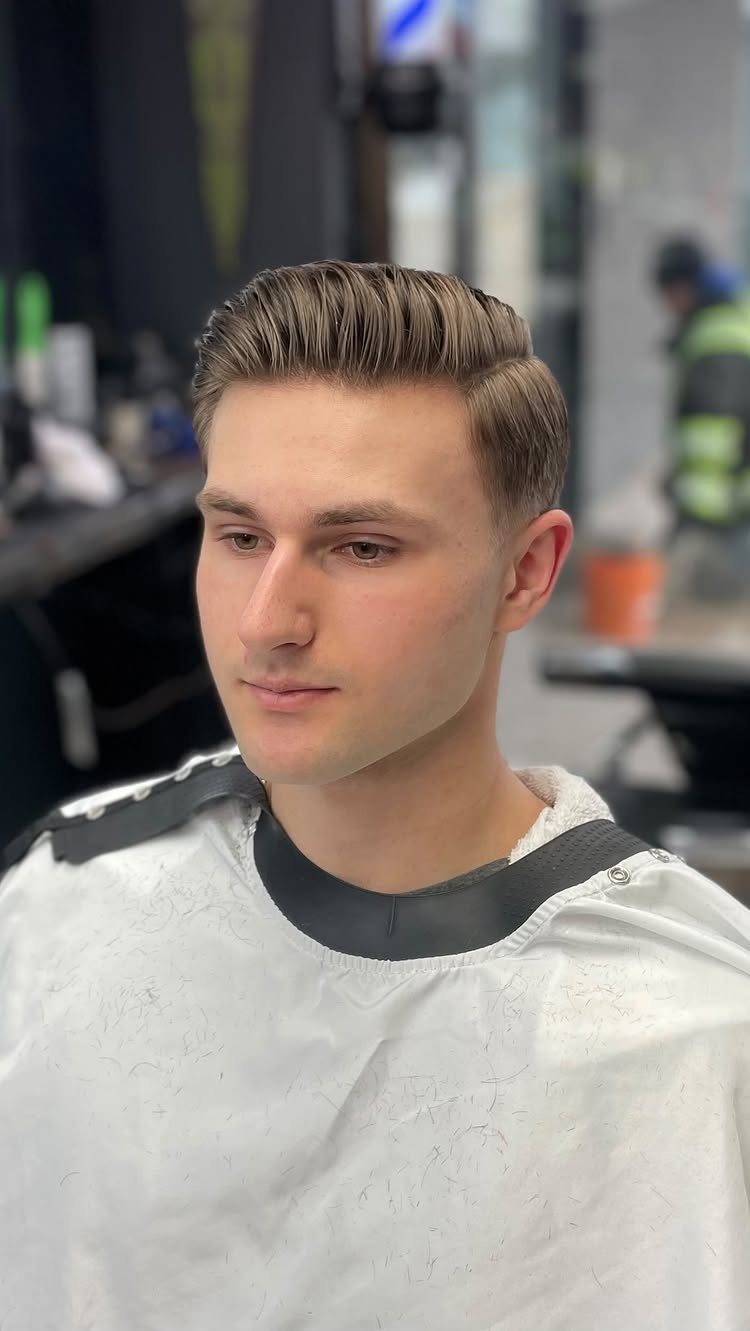
A sharp line sets the division, and the hair is combed across or back from there into a clean, held shape. Medium length gives enough weight to keep the part visible without losing movement.
Ask for the part placed where you want it, usually an inch or two off center. Styling takes a minute: comb damp hair into place with a medium-hold pomade or cream, and the part holds the rest of the day.
Hair that grows forward or has a strong cowlick fights this less if the part follows its natural direction.
2. Textured Quiff
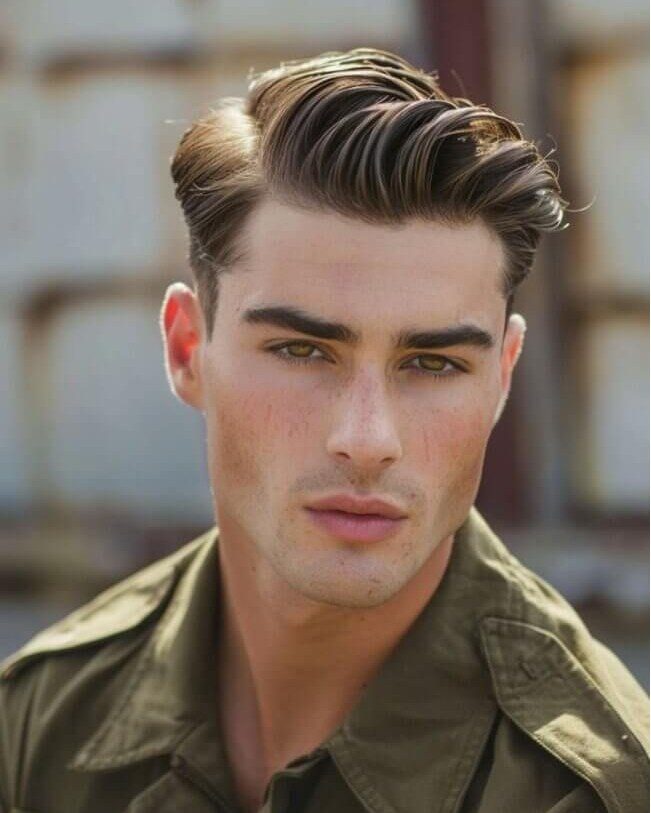
Volume lifts the front section up and slightly back, while the sides stay shorter to emphasize the height. Texture keeps it from reading too slick or stiff.
You will need a blow dryer and a styling product with hold but not shine.
Blow the front up and back with your fingers running through it, then add a matte clay or fiber cream. Expect to style it each morning and book a trim when the proportions start to drift.
3. Bro Flow

Length is pushed back off the face and left to settle into a relaxed backward sweep. The sides grow out with the top rather than staying tight, so the whole thing reads as one continuous shape.
Growing this from shorter hair means a few months where the front wants to fall forward. Once it clears your eyes, it stays back with a light pomade or sea salt spray worked through damp hair.
The beard adds balance when the hair sits close to the head, but the cut works clean-shaven if your face shape supports it.
4. Slick Back
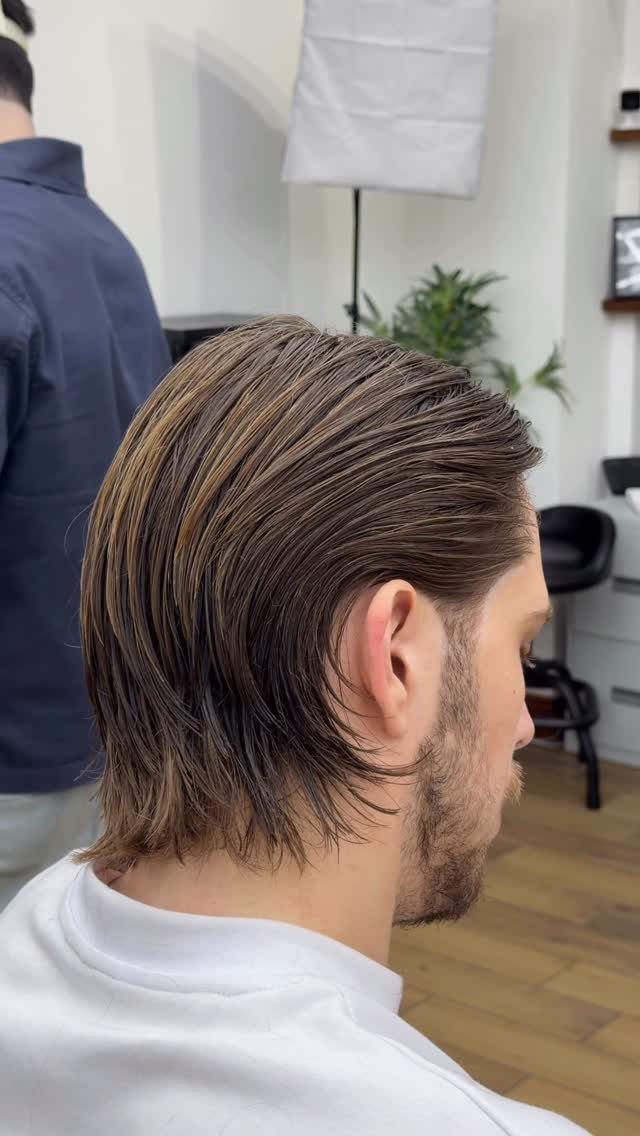
All the hair moves straight back and holds there, creating a smooth profile from the hairline to the crown. The sides can stay full or be cut shorter to add contrast.
Apply pomade or gel to damp hair and comb it back in one direction. High-hold products keep it locked in place; medium-hold versions let some texture show through.
Hair that is naturally straight or wavy works better here than tight curls, which resist the backward direction. If your hairline is receding, this cut makes that more visible.
5. Middle Part
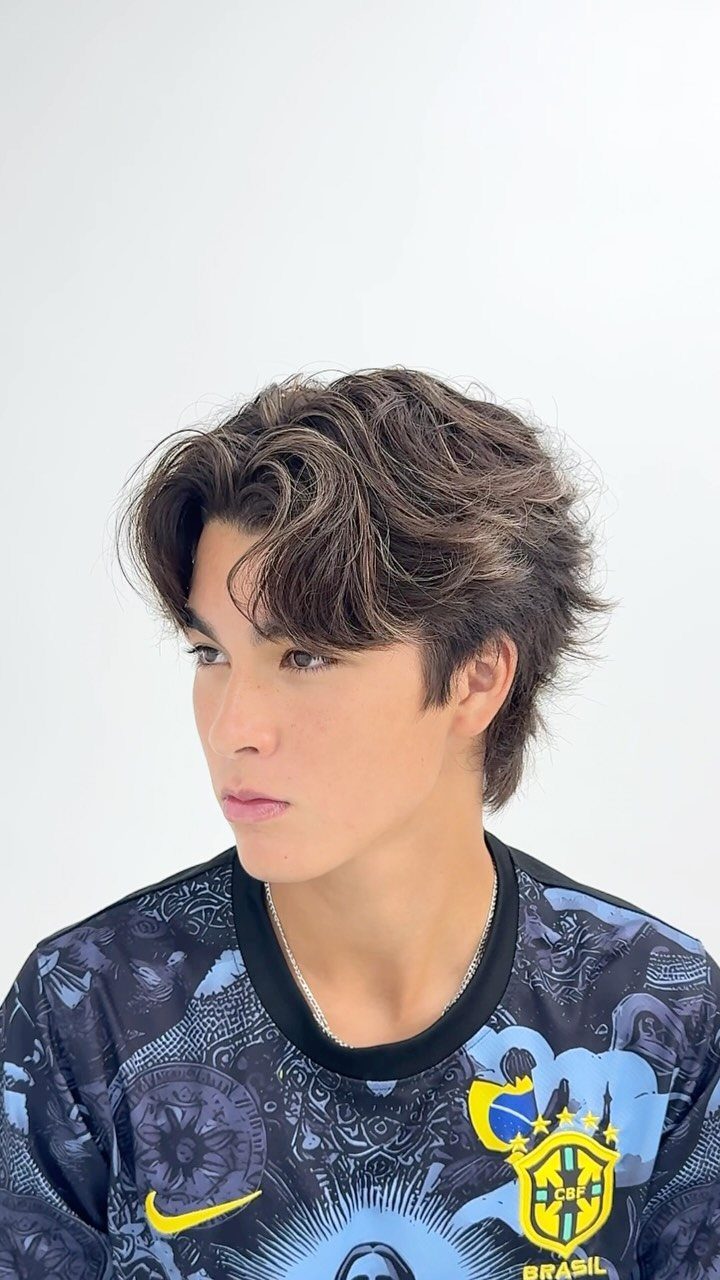
The division runs near the center of the head, and the hair falls forward on both sides to create symmetry. Medium length keeps the ends past the ears and lets the part stay visible without getting lost.
Blow dry the hair forward after placing the part, then let it settle naturally or use a light styling cream to control the ends.
Straight or wavy hair holds the part cleanly; curly hair can do this but the part will read softer. The style grows out well because the shape depends on length, not on a fade or undercut that needs constant maintenance.
6. Flow
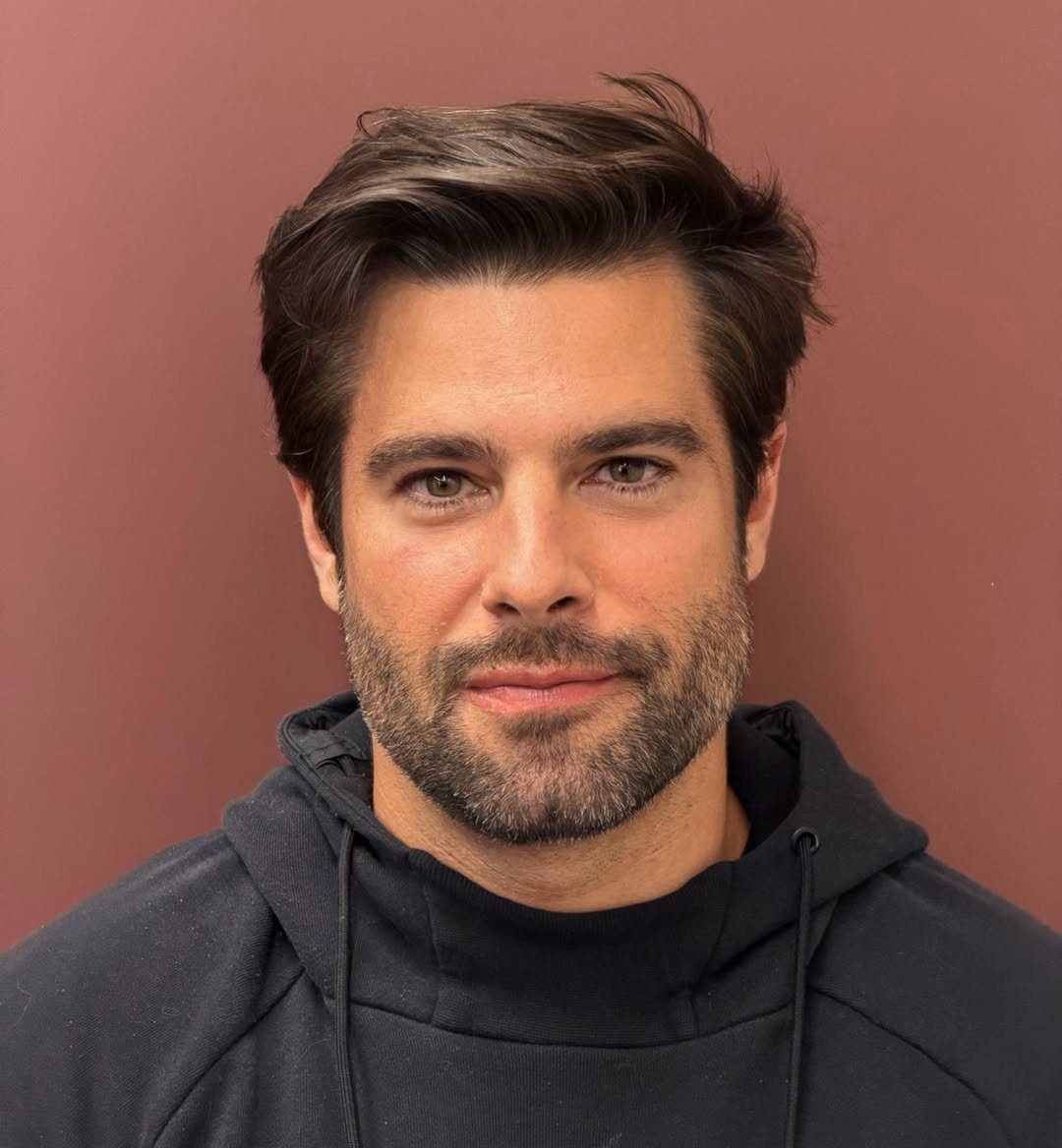
Hair is directed back but not held tight, so it keeps movement around the sides and nape as it grows past the ears. The result is a shape that looks intentional but not overly styled.
Let the top and sides grow to similar lengths, then push everything back with your fingers and a light product. Sea salt spray or a low-hold cream keeps the texture without stiffening it.
Hair that has natural wave or body suits this better than very straight hair, which can lie flat and lose the flow. Between cuts, expect the sides to flare out before they grow long enough to fall back into place.
7. Messy Fringe
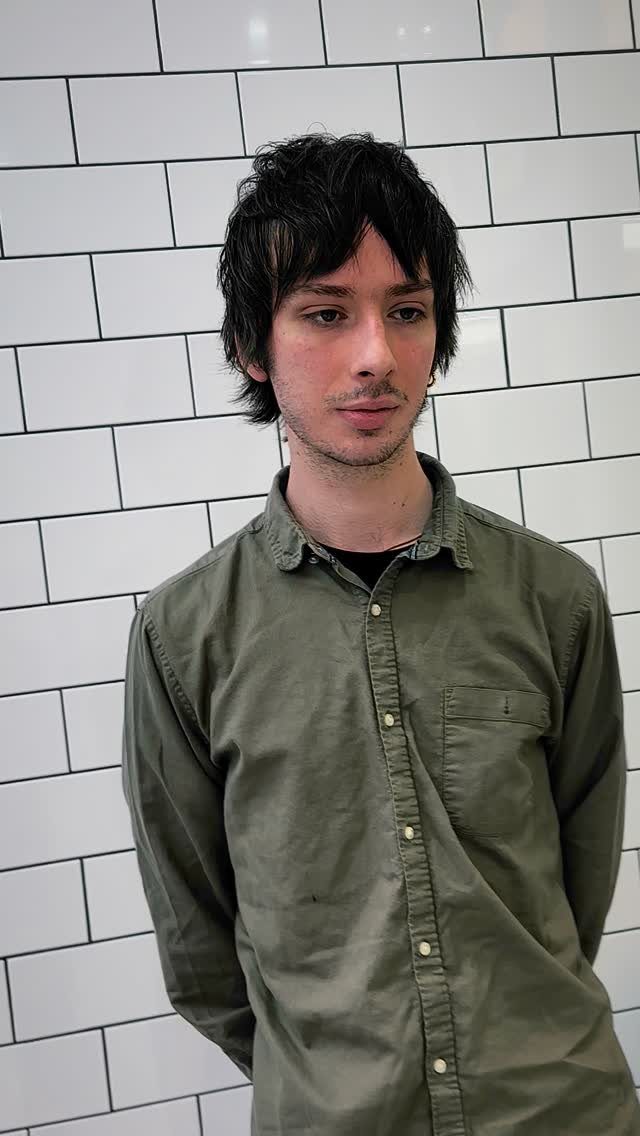
The fringe sits forward in separated, uneven pieces rather than forming a solid line. Layers through the top create the texture, and the styling keeps it from looking too controlled.
Run a light styling cream or matte paste through damp hair with your fingers, then let it air dry or blow dry without combing.
The messier finish means less precision each morning, but hair that is very thick may need thinning at the ends to avoid a heavy, clumped look.
8. Modern Mullet
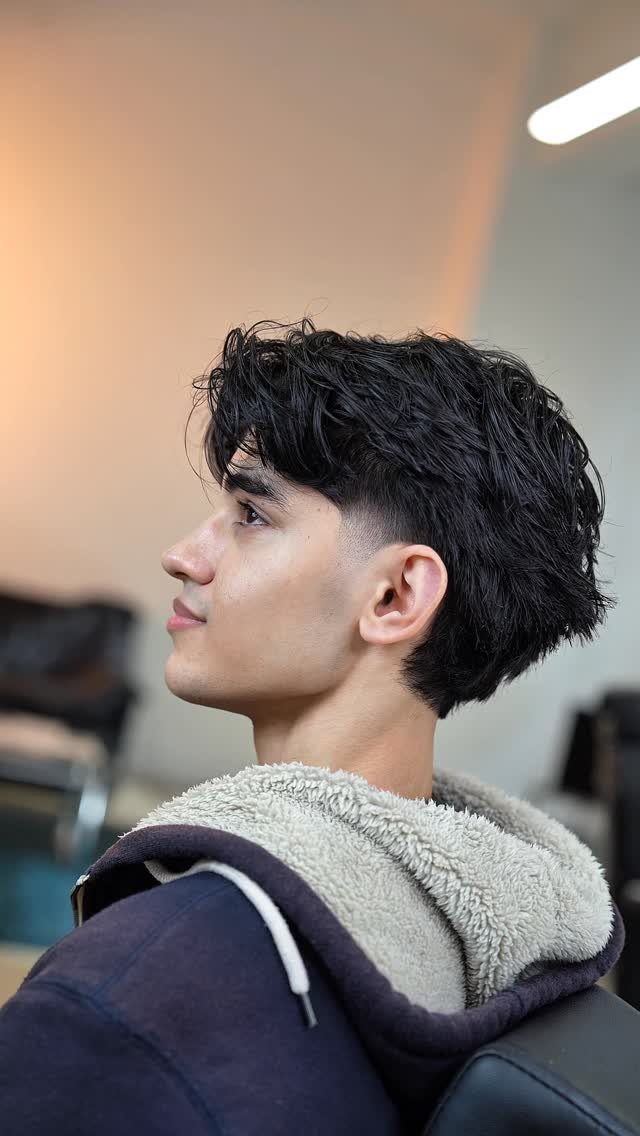
Short length on top and sides with longer hair in the back creates a shape that shortens toward the front. The disconnect gives this version a sharper profile than the mullets from the 1980s.
Ask for the back to stay below the neckline while the top is cut to a manageable length that can be styled forward or textured.
Styling depends on what the top section does: you can slick it, add volume, or leave it natural. The back hangs longer, so expect more frequent trims if you want to hold the proportions.
For a long time, medium-length haircuts were the hinterland of the hair world, rarely seen beyond guys attempting to turn a ballsy buzz into a seventies shag (think mullet haircut).
9. Pompadour
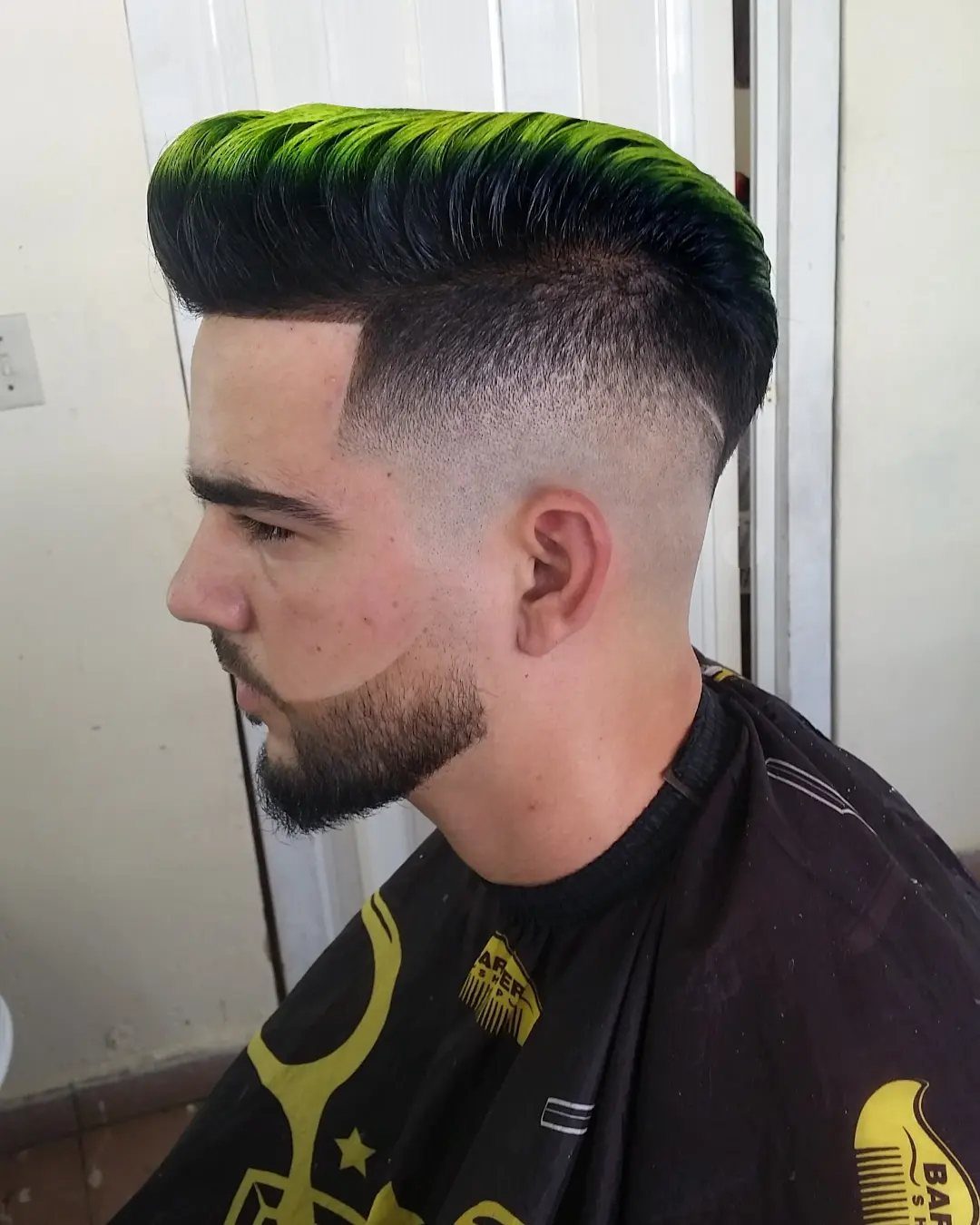
The front lifts and rolls back, holding most of its height there before it slopes down past the crown. The shape depends on lift, so styling time is longer than cuts that work without heat.
Blow dry the front section upward and back, then apply a high-hold pomade or gel to lock the volume in place.
The sides are usually faded or kept short to emphasize the height. Hair that is naturally thick holds the volume better than fine hair, which may need a pre-styler or mousse before blow drying.
10. Comb Over
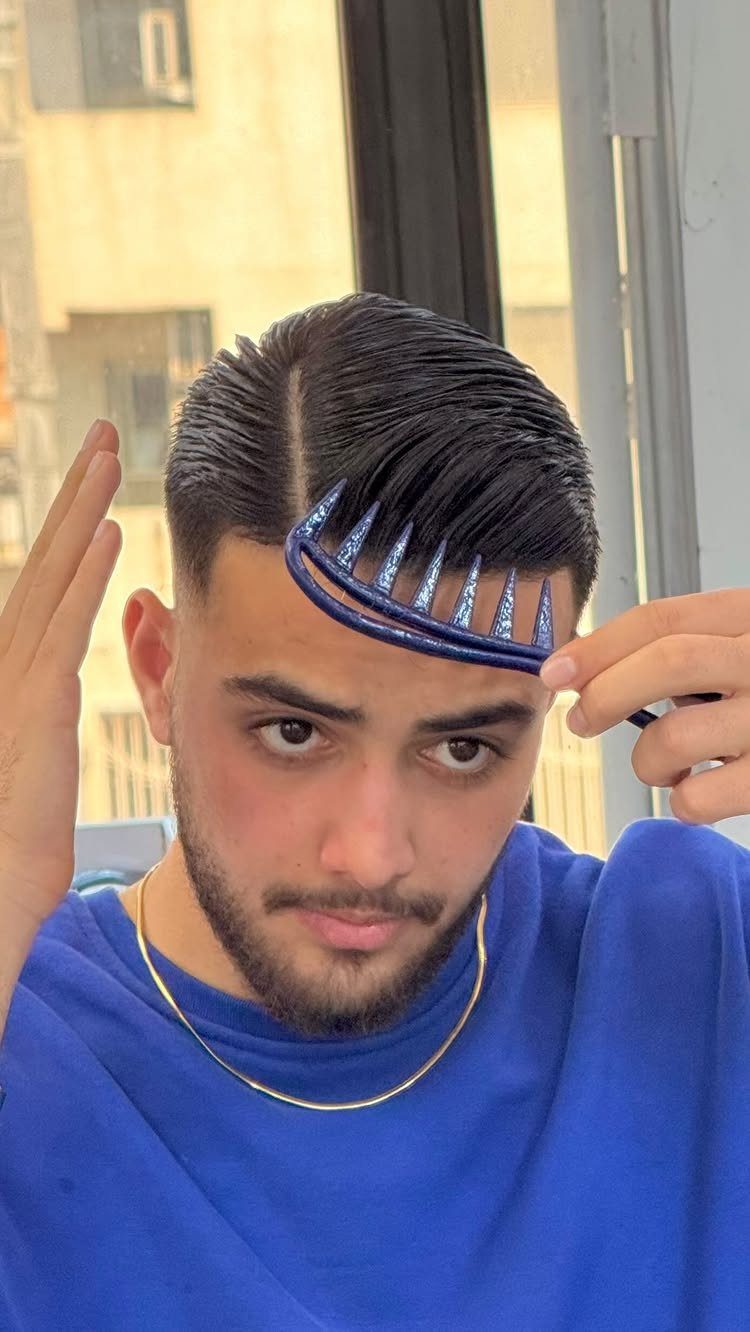
Hair sweeps across from one side to the other, covering more of the head than a standard side part.
The direction is obvious, and the style works best when the hair has enough length to lie flat without lifting at the ends.
A low fade on the sides sharpens the contrast, but the cut also works with longer sides if you prefer less maintenance.
Receding hairlines can use this to add coverage, though very thin hair may show scalp through the combed section.
11. Undercut
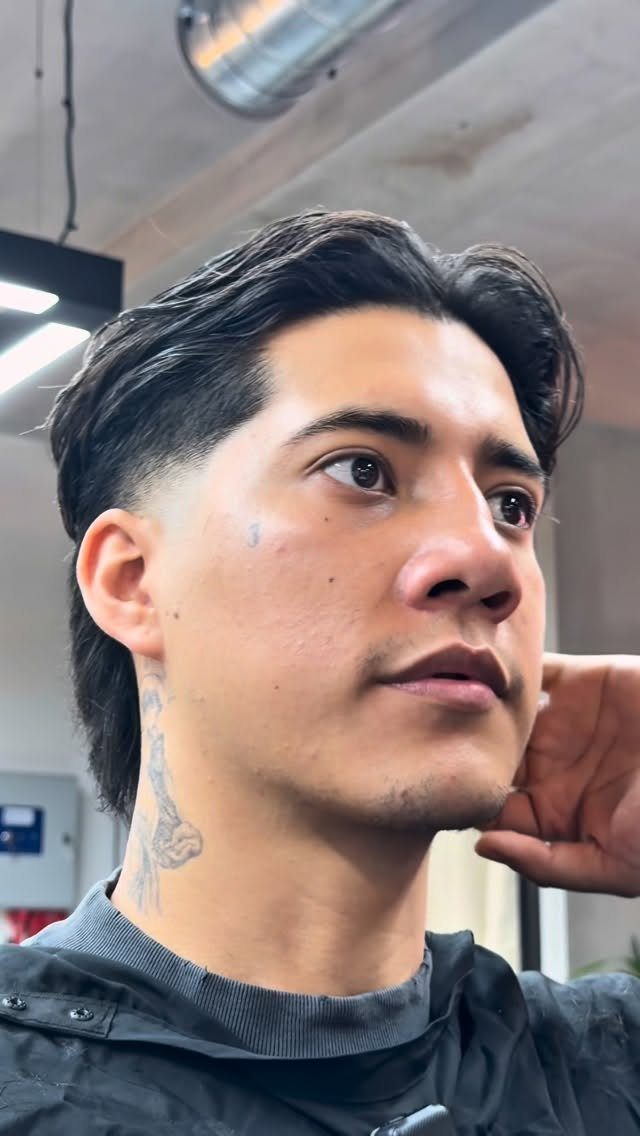
The sides and back are clipped close or shaved, while the top remains several inches longer and can be styled in any direction. The transition between lengths can be blended or left abrupt.
Styling the top depends on its length: short versions can be textured with paste, longer ones slicked back or pushed to the side.
The disconnected sides need regular maintenance to stay sharp, so expect a trim every 2 to 3 weeks. Thickness or natural wave on top makes the difference visible; straight hair that lies flat hides half the effect.
12. Layered Cut
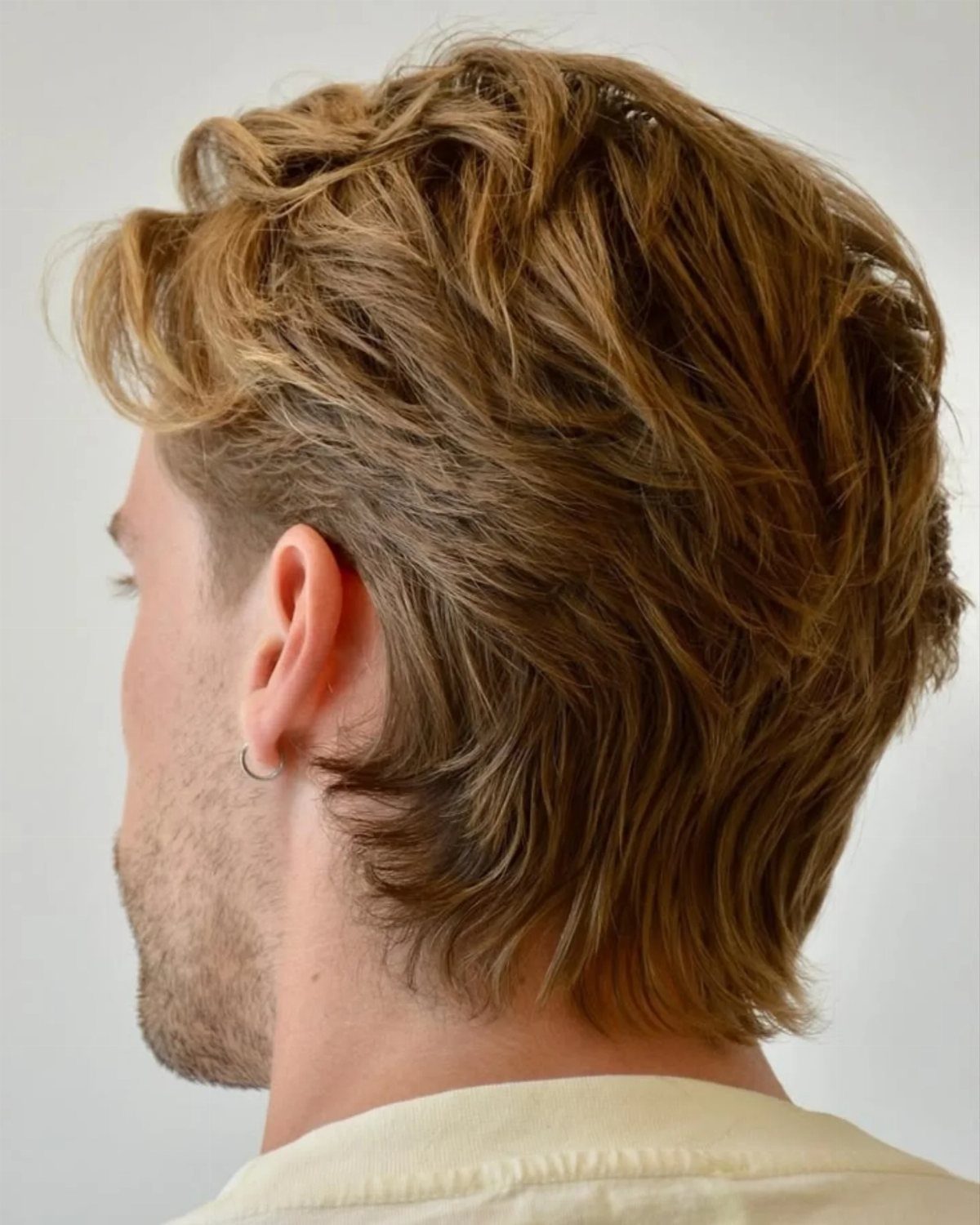
Cutting the hair at different lengths through its depth adds movement and prevents the ends from sitting in one flat line. The effect works on straight, wavy, or curly hair and makes thin hair look fuller.
Ask for layers through the top and sides rather than a blunt cut.
How you style it depends on your texture: straight hair can be blow dried with a round brush for lift, wavy hair can be scrunched with mousse, and curly hair benefits from a leave-in conditioner to define the layers.
The cut grows out without losing its shape as quickly as styles that depend on precise fades or lengths.
13. Mohawk
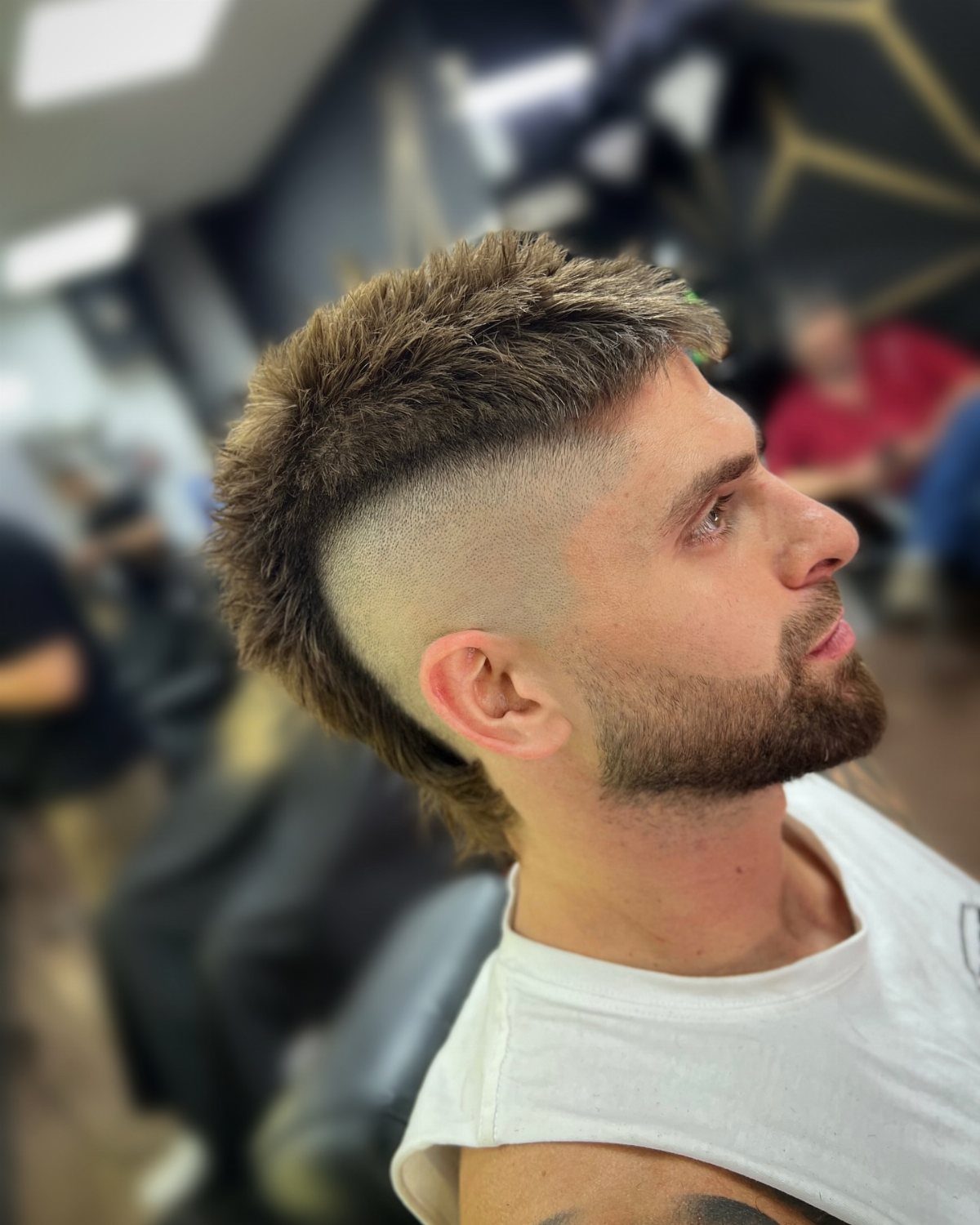
A strip of hair down the center stands taller than the clipped or faded sides, creating a vertical line from front to back. The contrast depends on how short the sides go and how much height the center holds.
Styling the central strip takes product with hold: pomade or gel keeps it upright, while a blow dryer adds initial lift. Hair that is naturally thick makes the strip more visible.
14. Medium-Length Natural Wavy Hair
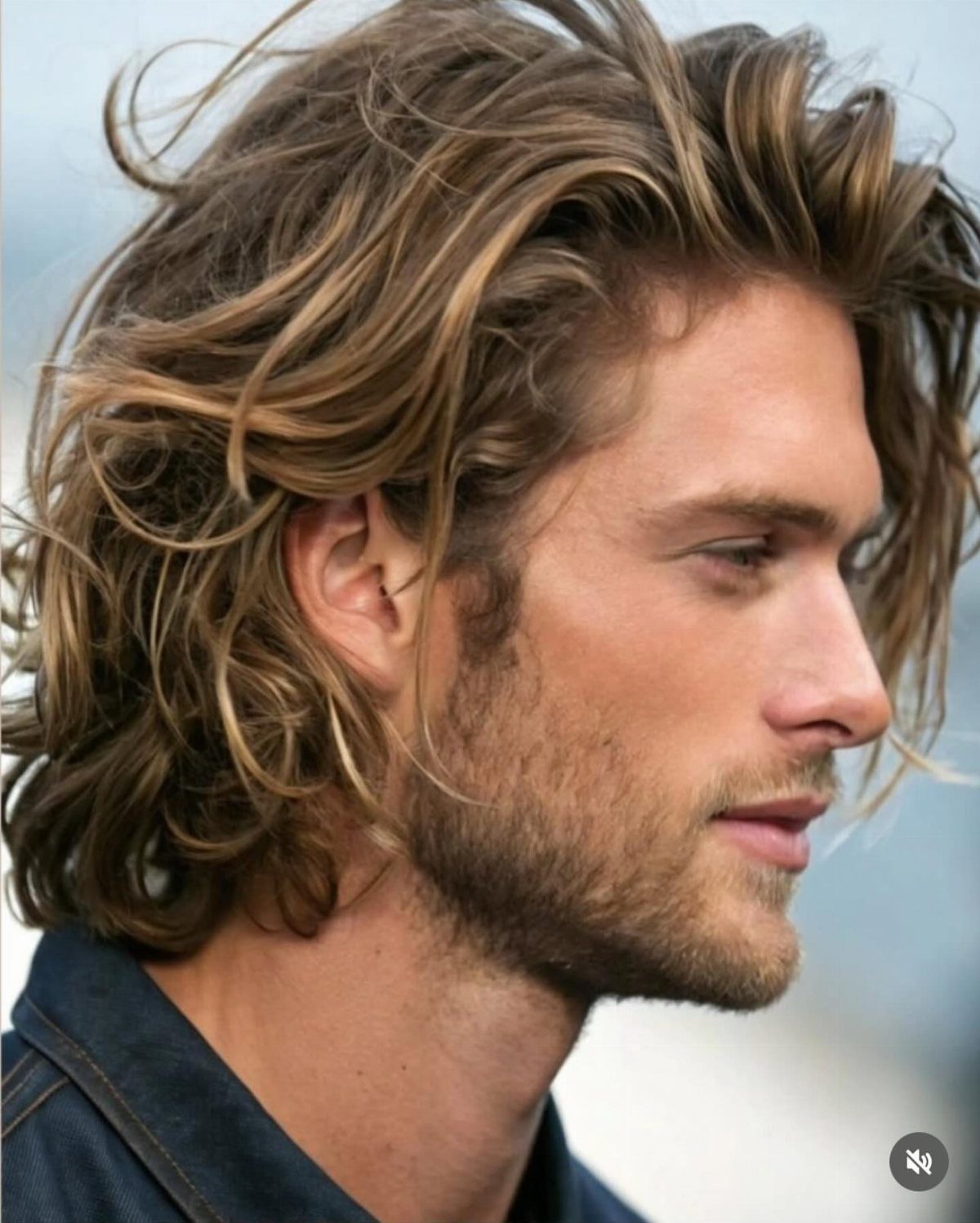
The cut keeps enough length for the wave to show through without forcing it flat or adding tight layers that break up the pattern. What you see is the hair’s actual texture.
A leave-in conditioner or light curl cream defines the wave without weighing it down. Air drying works if your hair holds its shape; a diffuser speeds it up without adding frizz.
Wavy hair at this length usually sits better when it is not freshly washed, so styling gets easier a day or two after a wash.
15. Curtains
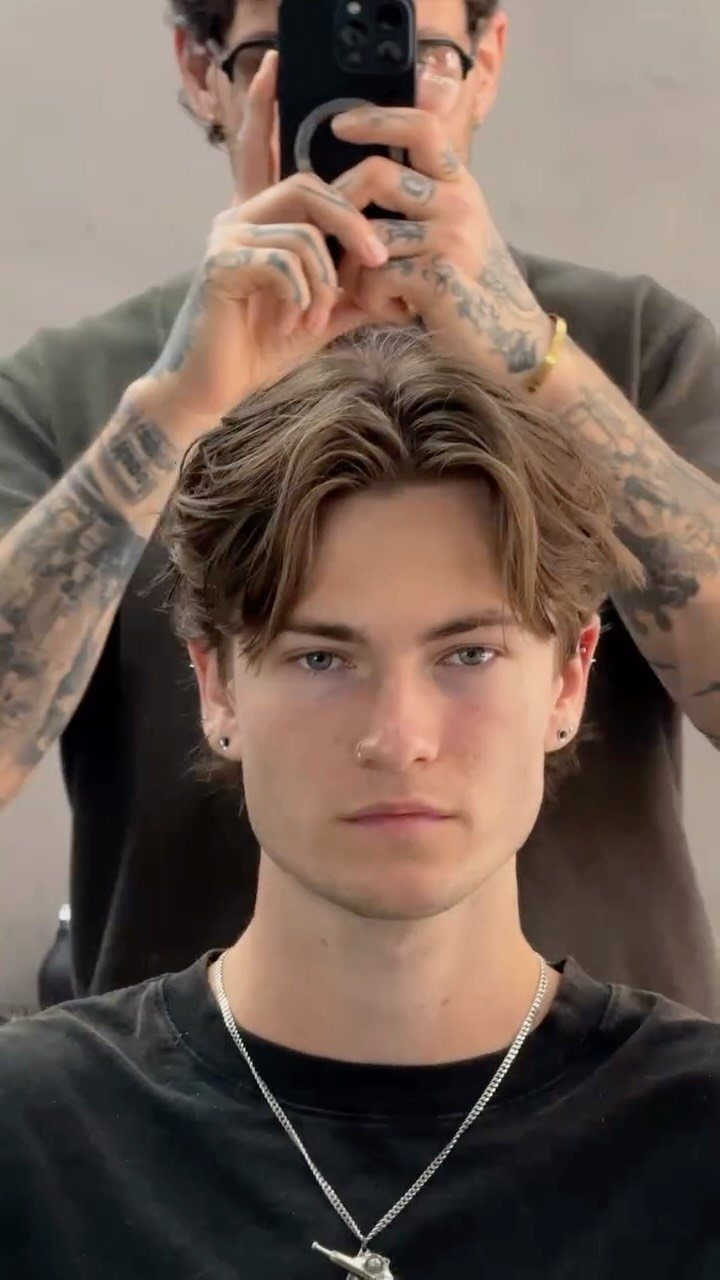
The hair divides at the middle and sweeps forward on both sides. The fringe sits longer than most cuts and moves to either side of the part rather than staying in one line across the forehead.
Straight hair keeps the cleanest division; wavy hair softens the part but still shows the frame. The length around the face makes this read younger, and it suits oval or longer face shapes better than very round ones.
16. French Crop
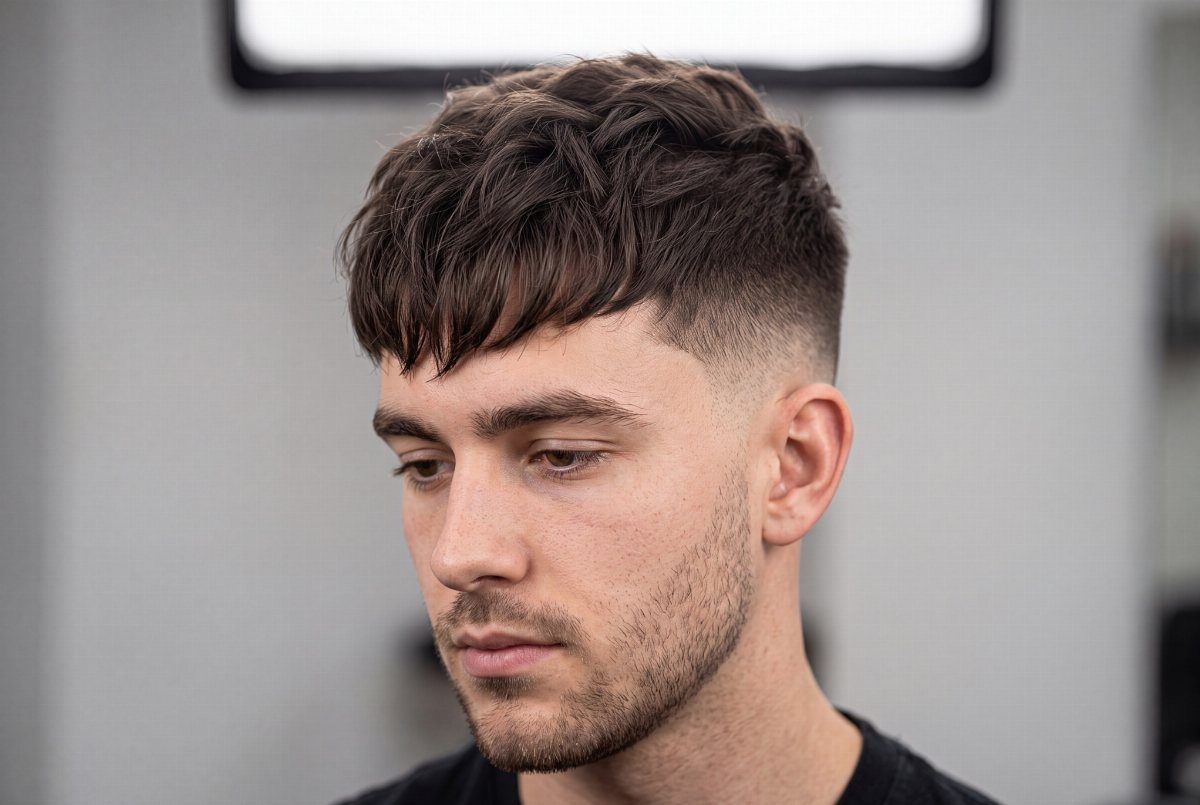
The fringe sits forward as a short, textured line while the sides fade down to skin or a low guard. The top holds more length than a buzz but stays short enough to avoid daily styling with heat.
Work a small amount of matte paste or clay through the top with your fingers, then push the fringe slightly forward. The cut holds its shape without product, but texture makes the fringe separate rather than sitting as one piece.
17. Side Swept

The hair moves across the head from the part toward the opposite side, with enough length to show texture but not enough to need combing into place. The style reads casual because the direction is loose rather than held.
Blow dry toward the side while damp, then finish with a light cream or sea salt spray.
The finish stays softer than a slick back or comb over. Receding temples show through this cut, so it works better with a full hairline.
18. Half-Up Bun
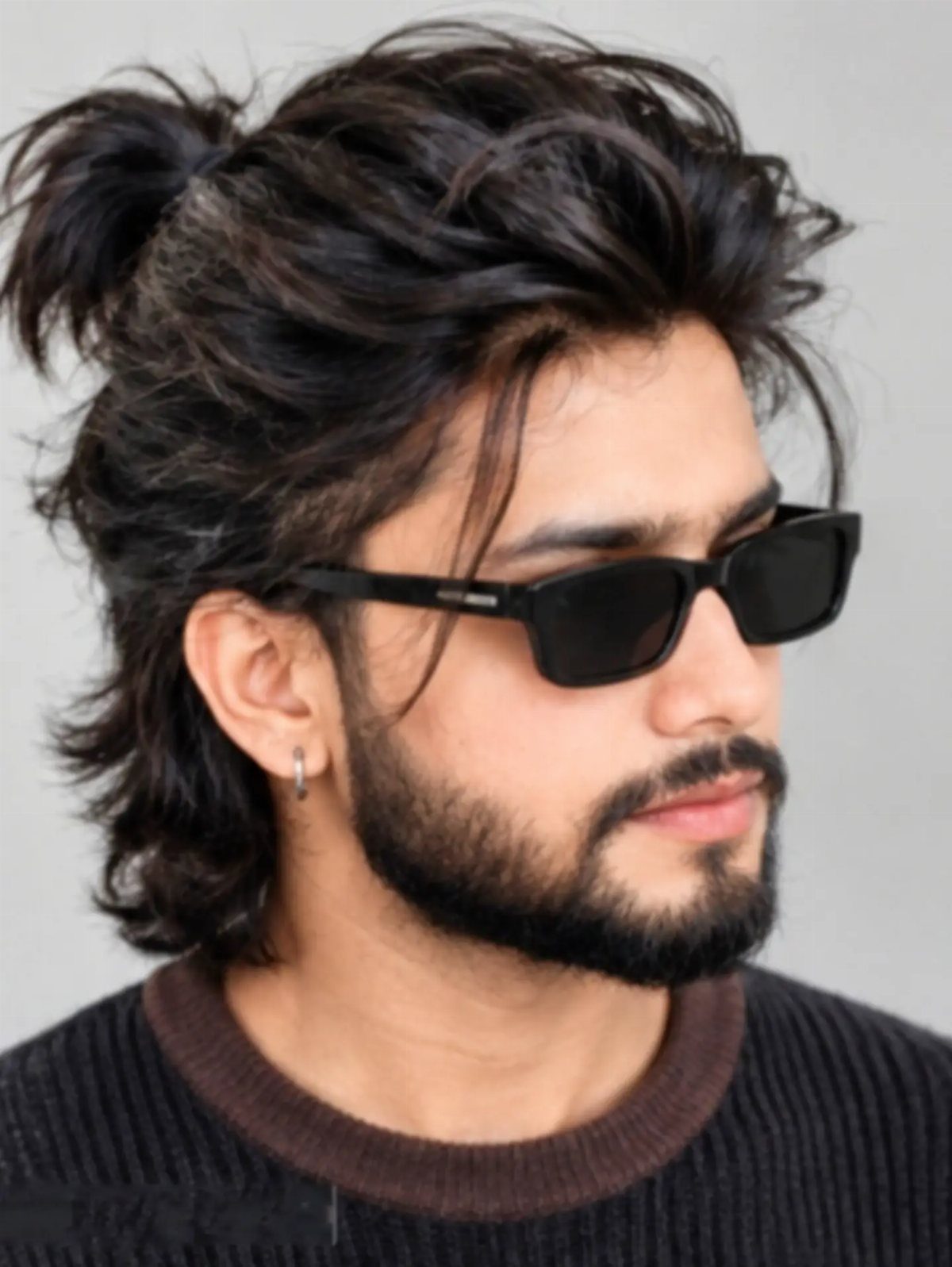
The hair from the crown up is gathered and tied into a small bun, while the rest stays down around the sides and back.
The bun sits higher than a low ponytail and creates a shape that separates the top from the rest.
Hair needs to reach at least chin length before the top section can be tied without shorter pieces falling out.
Use a hair tie that matches your hair color to keep the bun from standing out too much. The style sets up quickly and keeps hair off your face without committing to a shorter cut.
19. Faux Hawk
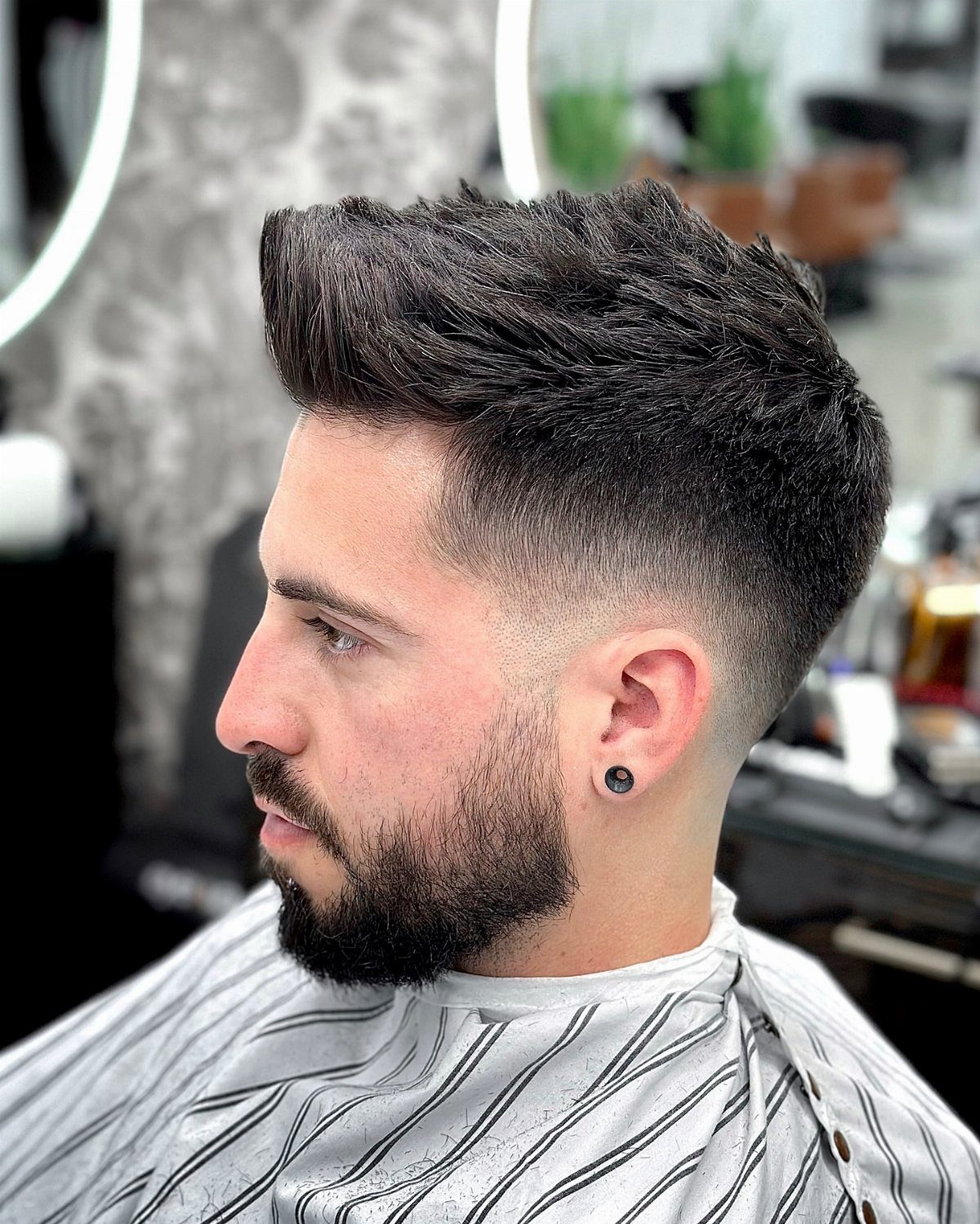
Clipping the sides down gives the top room to read.
Apply a strong-hold gel or pomade to the top section and push it toward the center with your fingers or a comb.
Blow drying adds lift before the product goes in. The shape needs restyling each morning, and the fade requires frequent trips back to keep the contrast sharp.
20. Casual Coils
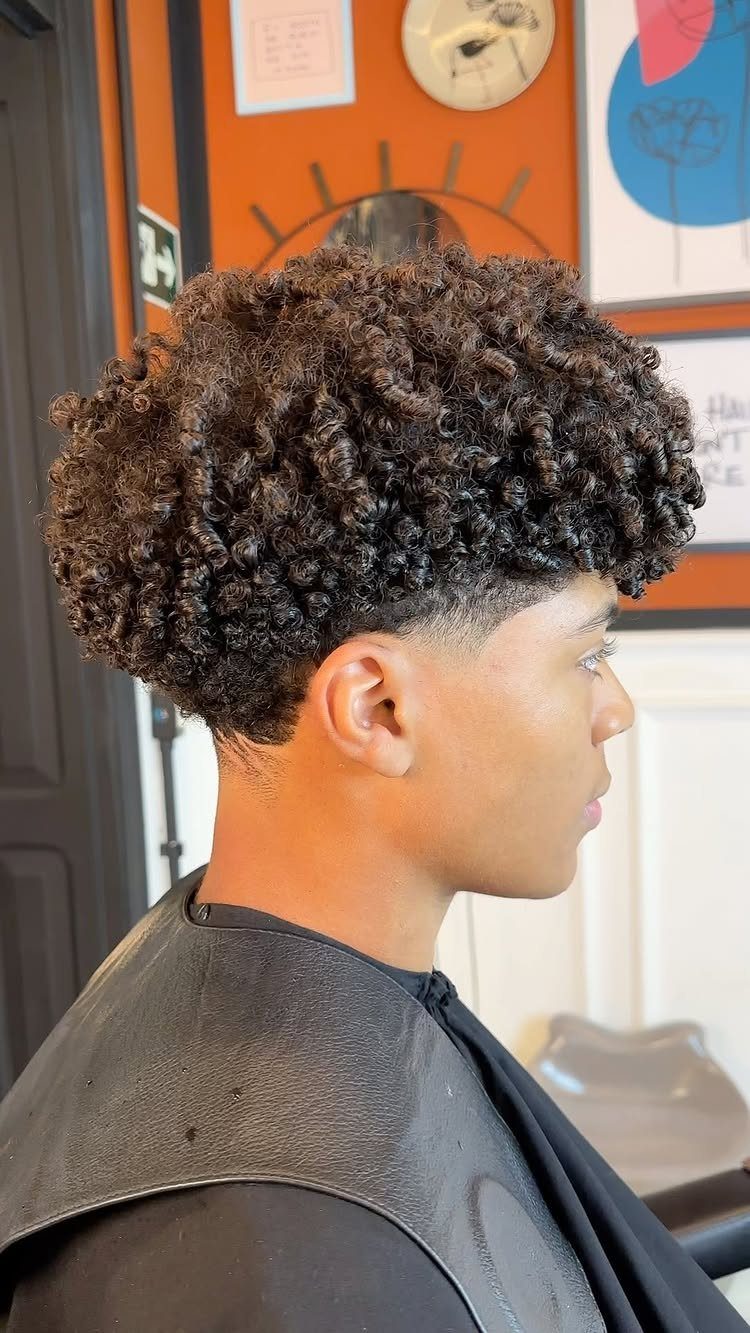
Tightly coiled hair at the top stays natural and defined, while the sides fade down to keep the focus on the texture. The coils clump into individual spirals rather than blending into one mass.
A leave-in conditioner or curl cream worked into damp hair helps the coils separate and hold their shape.
Air drying preserves the definition; touching it too much while it dries can create frizz. The fade grows out faster than the coils, so plan for regular touch-ups on the sides.
21. Curly Hair
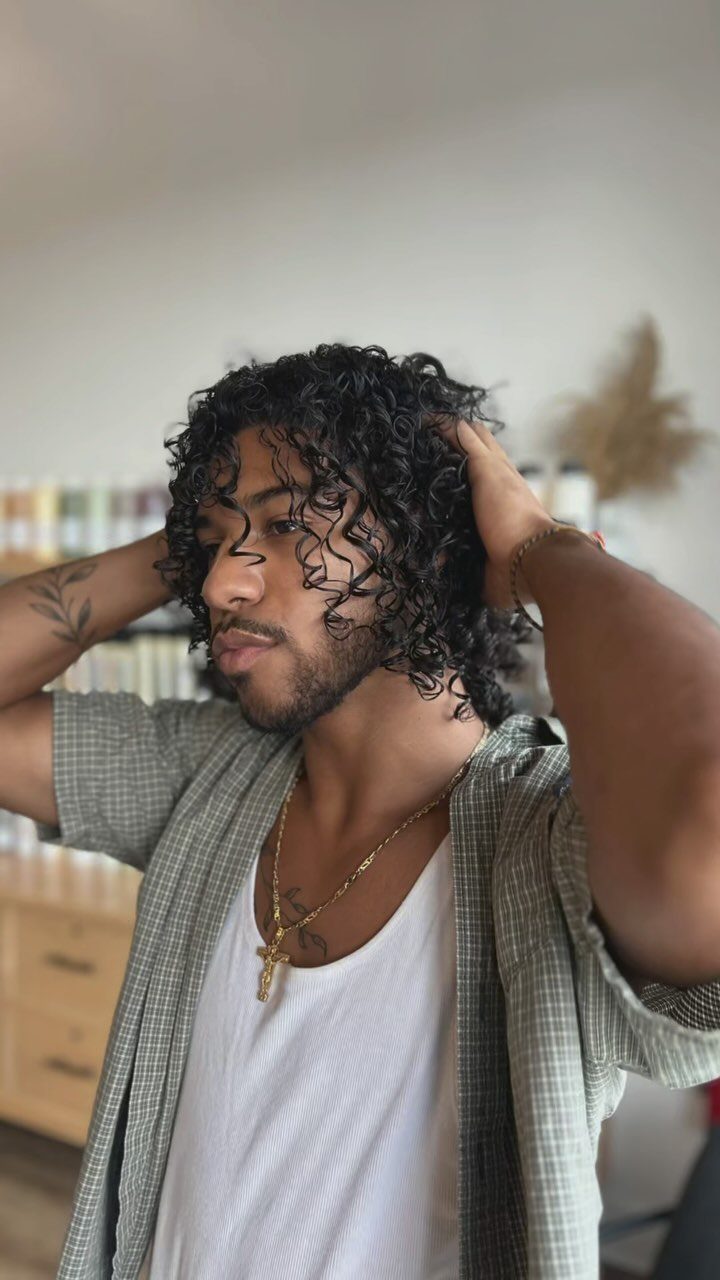
Length past the ears lets curls form and separate without cutting them short enough to spring up tight against the head. The shape depends on the curl pattern, and the cut avoids forcing it flat.
A curl cream or mousse applied to wet hair defines the clumps, and air drying or a diffuser keeps frizz down.
Curly hair at this length usually looks better a day or two after washing, when the natural oils smooth the texture without weighing it down. Expect less daily styling than shorter curly cuts that need reshaping each morning.
22. Braids
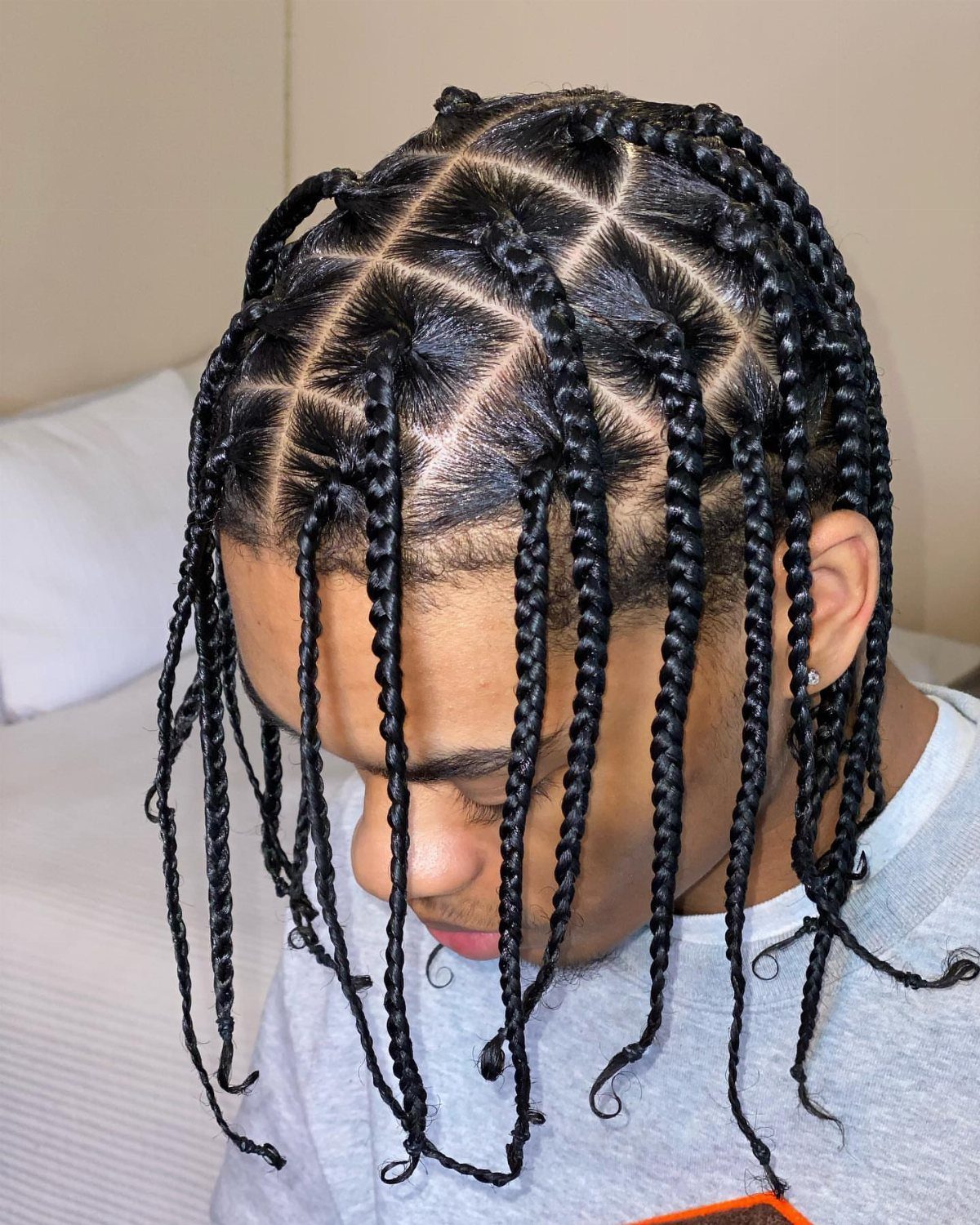
Hair is sectioned and braided into individual plaits that hang down or are gathered together. The braids can run straight back, follow curved patterns, or mix sizes depending on how much time you want to spend on them.
Braiding takes longer than most other styles at this length, but once they are in, maintenance drops to almost nothing for several days.
Keep the scalp moisturized to avoid dryness, and redo the braids when they start to loosen or frizz at the roots. Thickness and texture affect how long each braid takes to set up.
23. Dreadlocks
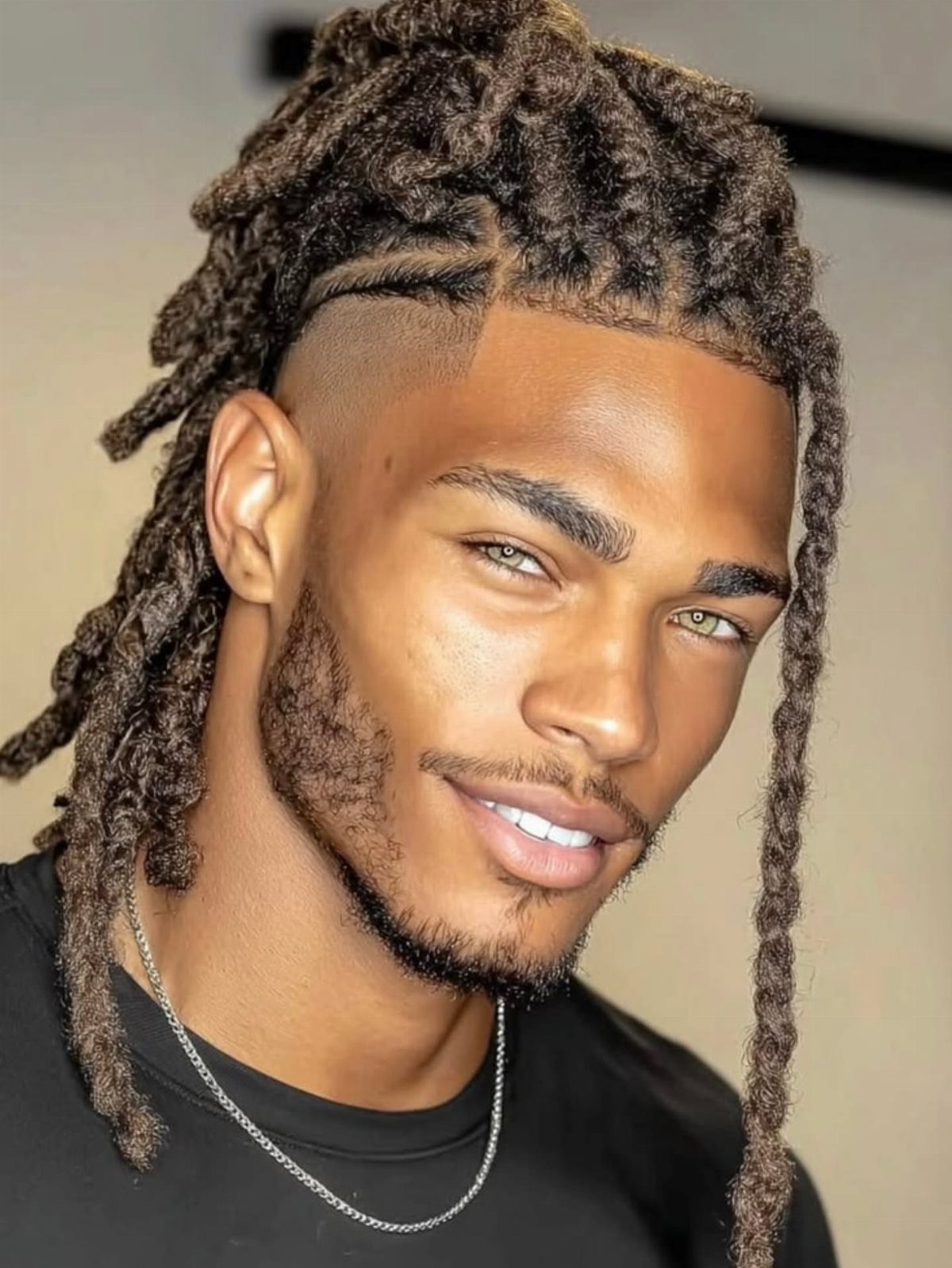
Hair locks into cylindrical sections that hold their shape without daily styling. At medium length, they hang past the ears and can be worn down, tied back, or pulled into a half-up style.
The locs develop over time as the hair mats and tightens, and once they are mature, they need minimal daily work beyond keeping the scalp clean.
Some versions pair the locs with an undercut on the sides to add contrast and reduce bulk. Expect the locs to take months to fully form, and plan for regular maintenance to keep new growth locking at the roots.
Match Cuts to Face Shape
If your face reads round, you need lift at the crown and tighter sides to stretch the silhouette.
Oval faces have enough balance to work with most of the cuts here, so narrow the field by hair type and how much time you want in front of a mirror each morning.
Square jaws pair better with softer, textured finishes than with sharp edges that repeat the same angles.
Heart-shaped faces, wider at the forehead and narrower at the chin, get balance from a fringe that covers part of the forehead or from added length at the sides.
A diamond face tapers at the jaw and forehead but pushes width at the cheekbone.
Avoid very tight sides and anything slicked straight back, which sharpens that line further. Oblong faces run longer than they are wide and look better with width at the sides rather than extra height stacked on top.
Trim and Fade Upkeep
Cut every 6 to 8 weeks or the ends fray and the silhouette sags.
Wash 2 or 3 times a week instead of daily.
Use conditioner every time. Tangles mean you need a wide-tooth comb and leave-in conditioner before you need paste or pomade.
Medium Hair Grow-out
Medium length runs about 3 to 6 inches. Coming up from short means trimming the back and sides every few weeks so the top has time to catch up.
Weeks 4 through 8 sit in the dead zone: too scruffy to look tight, too short to push back, and that’s where most people bail. Clean up the perimeter during that awkward window so it reads intentional instead of forgotten.
Thick hair can be thinned to remove bulk. Fine hair may look thin at this length rather than full, so consider whether the texture supports the shape before committing to the grow-out.
Frequently Asked Questions
Does medium length hair look good on men?
The length handles both: slick it back when the occasion calls for it, wear it loose the rest of the time, and enough coverage at the hairline or crown that small irregularities disappear.
A slightly overdue cut blends in better than it does on a fade or crop. Fine hair needs enough weight left in or it looks thin, and you’ll spend a few extra minutes styling each day.
What haircut to get for medium length hair?
Which cut to ask for comes down to texture, face shape, and how much time you’ll give it in the morning.
A quiff or pompadour adds height for round faces, a side part or slick back suits straight hair, and textured layers work well with wavy or curly patterns.
Cuts with faded sides need touch-ups every 2 to 3 weeks, while styles that keep length all around grow out more slowly.
Can I achieve a professional look with medium-length hair?
A slick back or side part reads polished enough for formal settings, and both styles hold their shape with a medium-hold pomade.