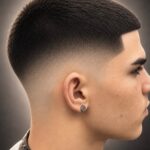
A fade can start mid-scalp and hold clean for weeks, drop behind the ear and need touch-ups sooner, or go to skin and blur within days.
Match the fade height and blend style to your hair type and how often you can book a cleanup.
1. Mid Fade
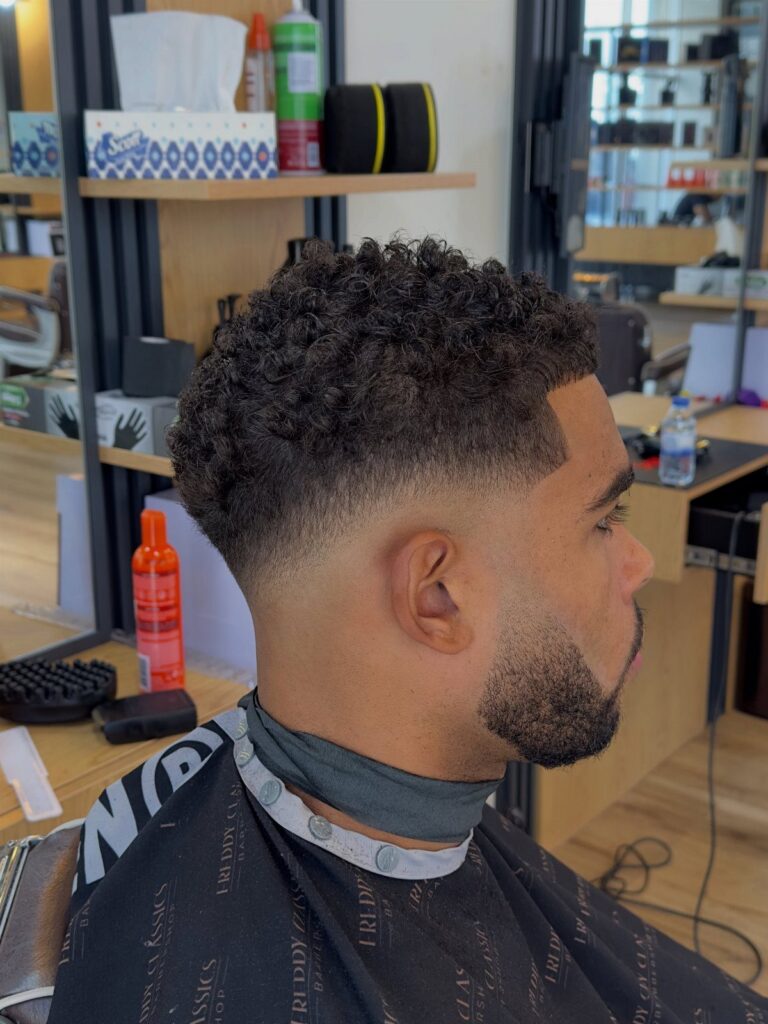
The fade starts around temple height and graduates smoothly down to shorter sides. What you get is something right between the subtle taper that barely shows and the high fade that pulls every eye.
Ask for a mid fade when you want a clean, balanced look that holds its shape longer than a high fade but still shows clear definition.
The top can run any length you like; the fade itself does the framing work. Pair it with texture on top if your hair has natural wave, or keep it tight and styled forward for a sharper finish.
2. Low Fade
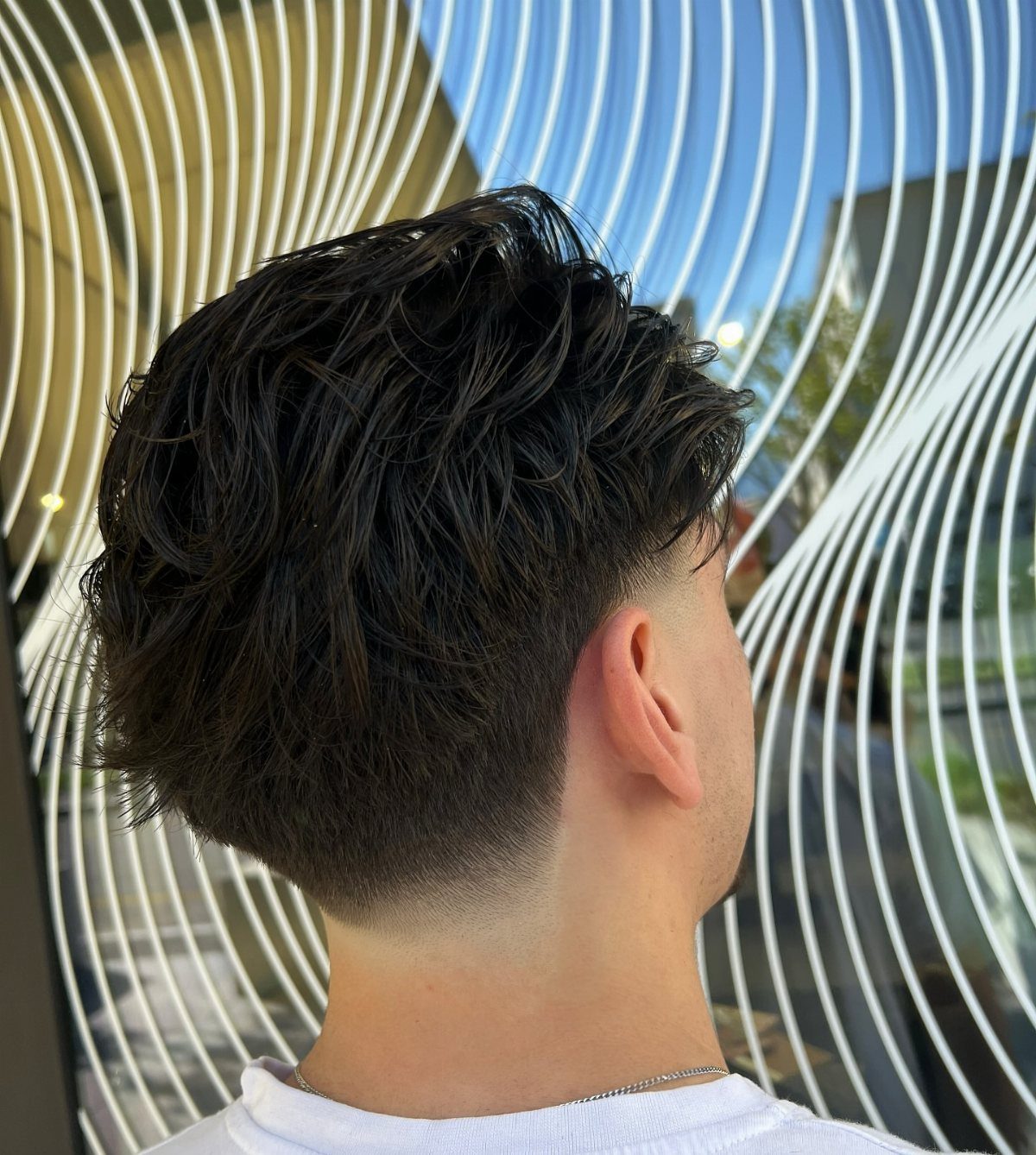
The transition starts low, right where the ear meets the hairline, and most of the side length stays intact. The transition is there, but it sits low enough that the cut reads subtle from the front.
Low fades suit workplace dress codes that lean conservative, and they grow out slower than mid or high versions because the fade line sits farther from the crown.
You can push a cleanup further out than you would with a mid or high fade, especially if your hair is slow to grow back.
The longer sides also mean less contrast, which works if your face is narrow or angular and a high fade would draw too much attention to the jawline.
3. High Fade
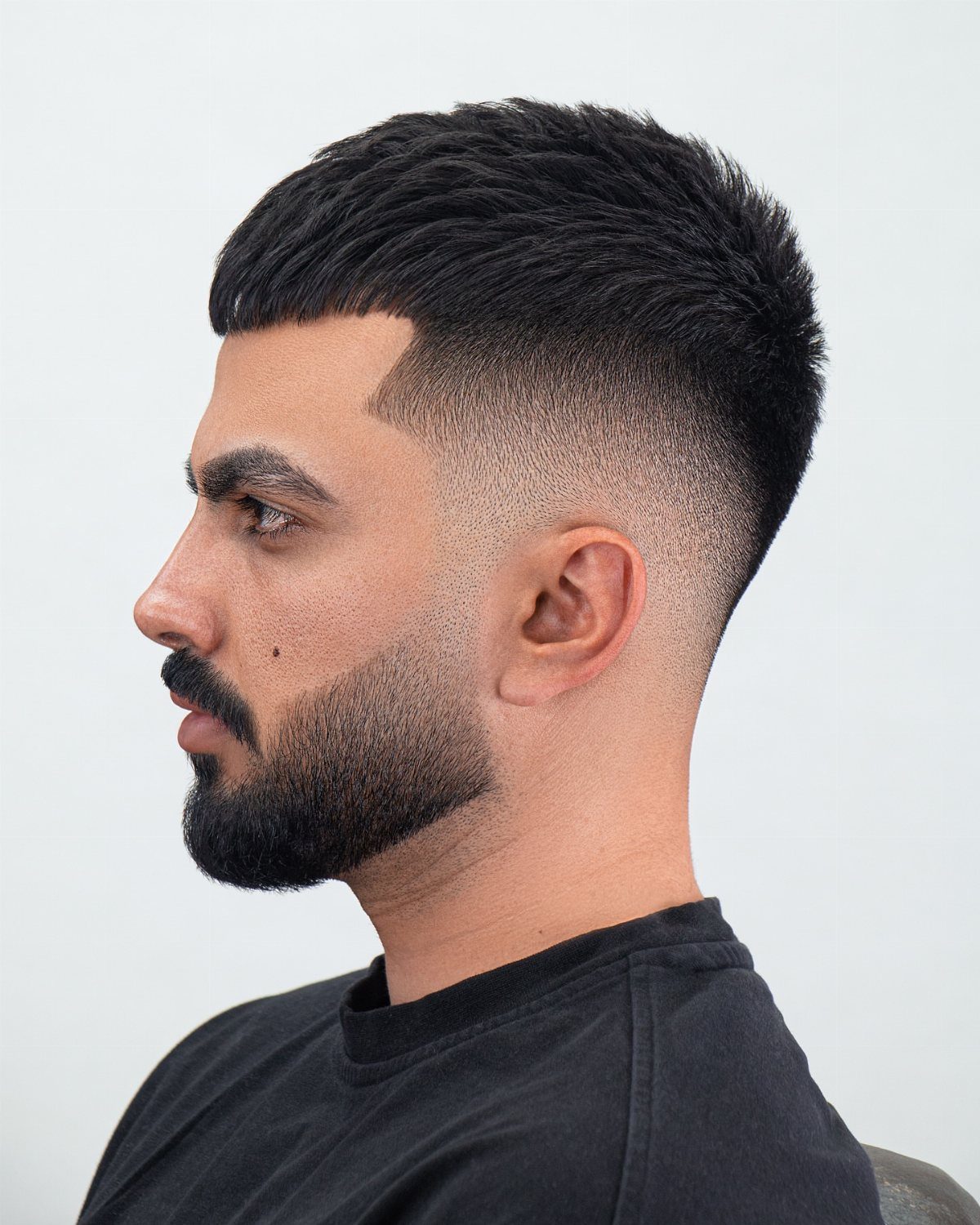
A high fade starts near the upper temple or just below the crown, leaving a sharp band of contrast between the top and the buzzed sides. The transition happens fast, so the effect is bold and deliberate.
This cut suits men who want maximum definition and are prepared to visit the barber often to keep the line sharp.
The high line exposes more scalp, which makes the face look longer and works well if your face is round or square.
Pair it with a beard if you want to balance the strong vertical line, or wear it clean-shaven to keep all the focus on the fade itself.
4. Taper Fade
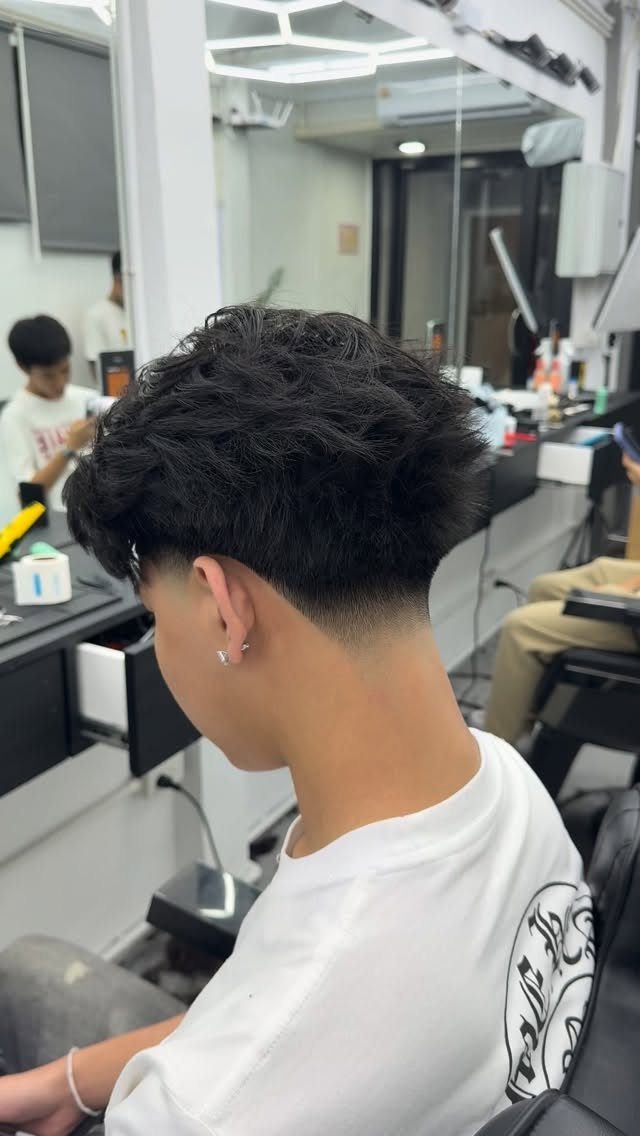
A taper fade keeps the graduation subtle, usually focused on the temples, sideburns, and neckline rather than a hard line up the sides. The result reads more like a shape-up than a full fade.
This option suits men who want definition without drama, and it holds up longer between cuts because there is no stark line to blur.
The neckline stays clean, the sides stay fuller, and the whole cut works in settings where a skin fade or high contrast would read too casual.
Ask for a taper fade if you prefer a natural look or if your workplace expects something restrained.
5. Skin Fade
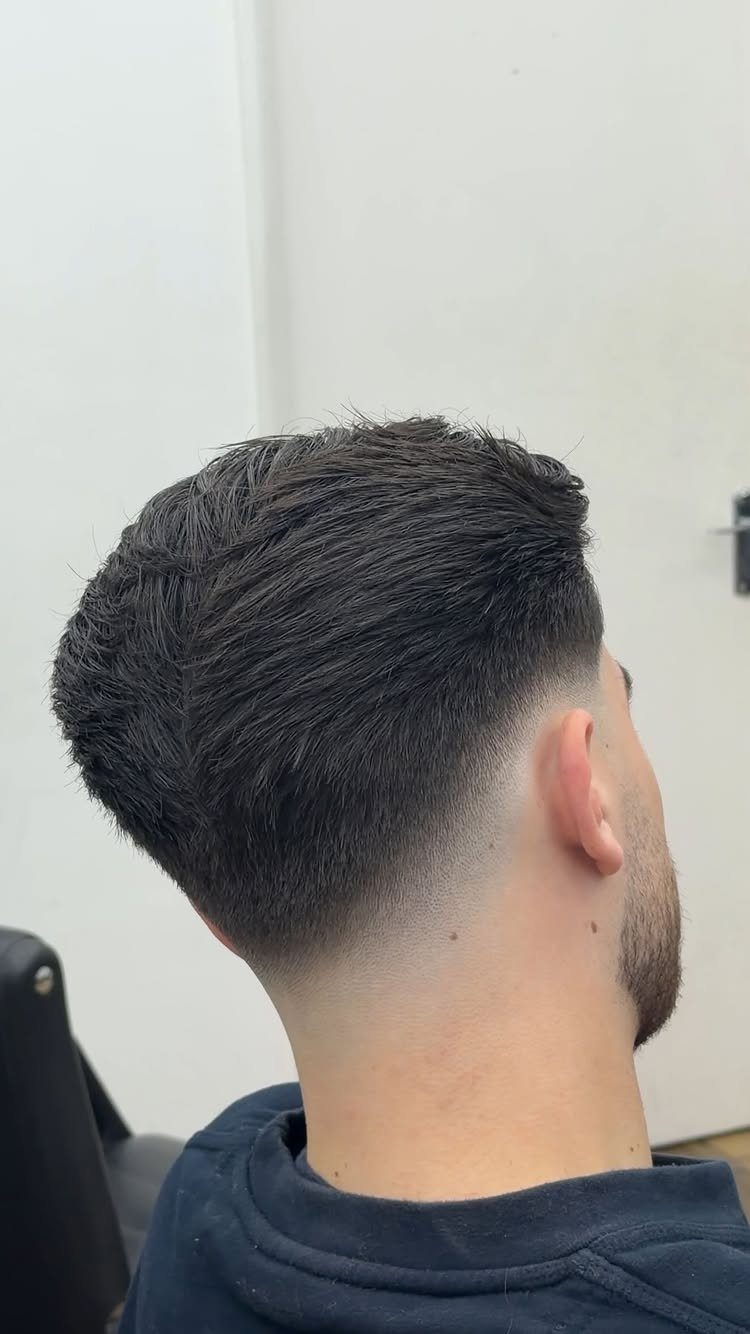
The sides and back drop all the way to skin at the bottom, then blend up into whatever length you are keeping on top. The contrast is sharp, the line is clean, and there is no mistaking the intention.
Skin fades grow in fast because the shaved section becomes visible within days, and the gradient softens quickly after that. This cut suits men who like precision and can stay on a regular barber schedule.
It pairs well with a beard that follows the same fade principle, dropping to skin at the cheek line and blending up into fuller growth near the chin.
6. Drop Fade
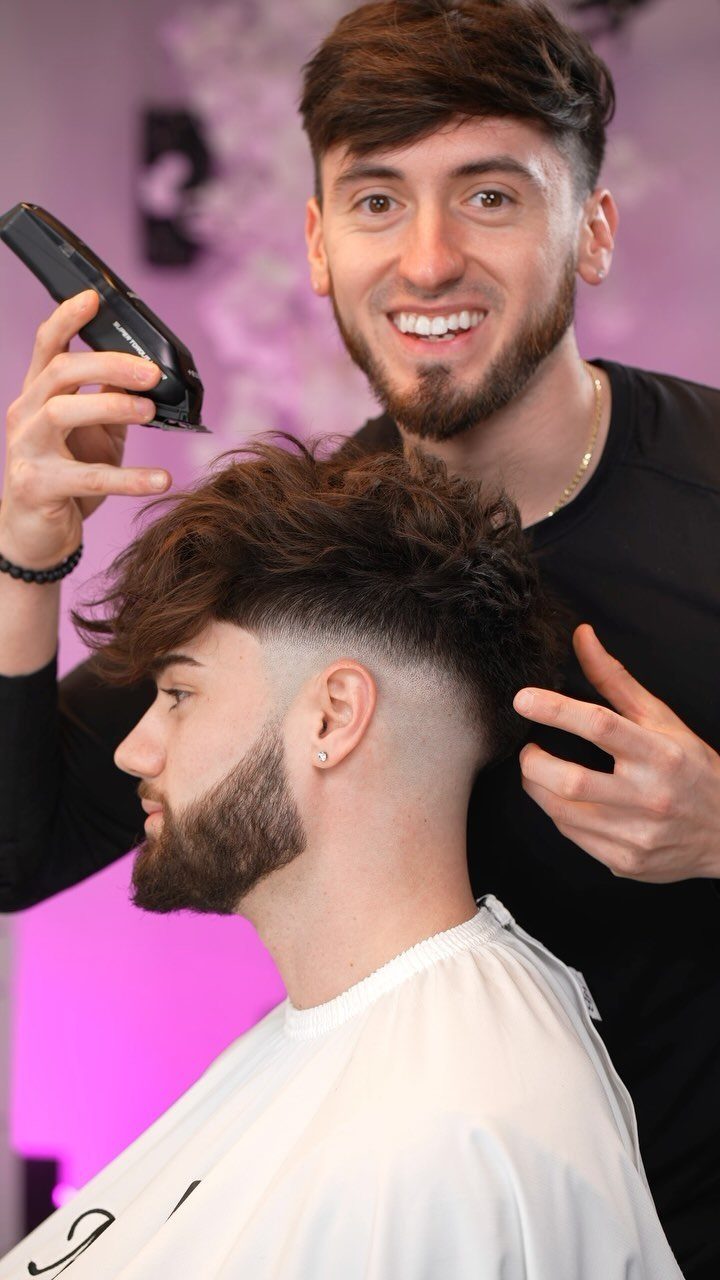
The fade curves down behind the ear instead of holding a straight horizontal line, which follows the shape of your head more naturally. The fade still graduates smoothly, but the line itself drops, which softens the silhouette from the side.
This cut suits men whose hair grows in a pattern that resists a straight fade, or who prefer a rounder shape that follows the skull rather than cutting against it.
The drop also leaves slightly more length at the back, which means the fade grows out with less of a hard shelf.
Ask for a drop fade if you want the contrast of a fade without the geometric line of a mid or high version.
7. Low Taper Fade
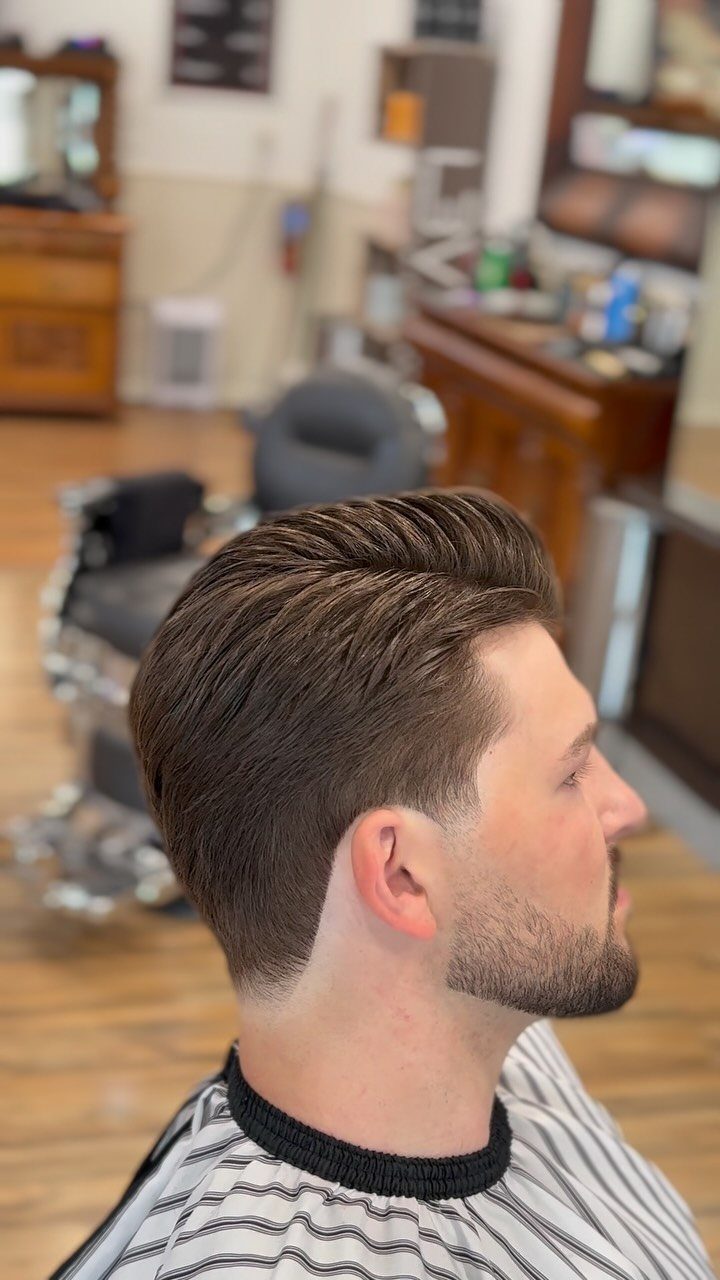
The blend starts just above the ear, takes its time moving up, and leaves most of the length where it sits.
This works well if you want definition without drawing attention to the sides. The blend sits low enough that it grows out slower than a mid or high fade, so you can stretch time between cleanups.
The longer sides also suit conservative workplaces and men who prefer a shape that looks finished but not styled.
8. Low Drop Taper
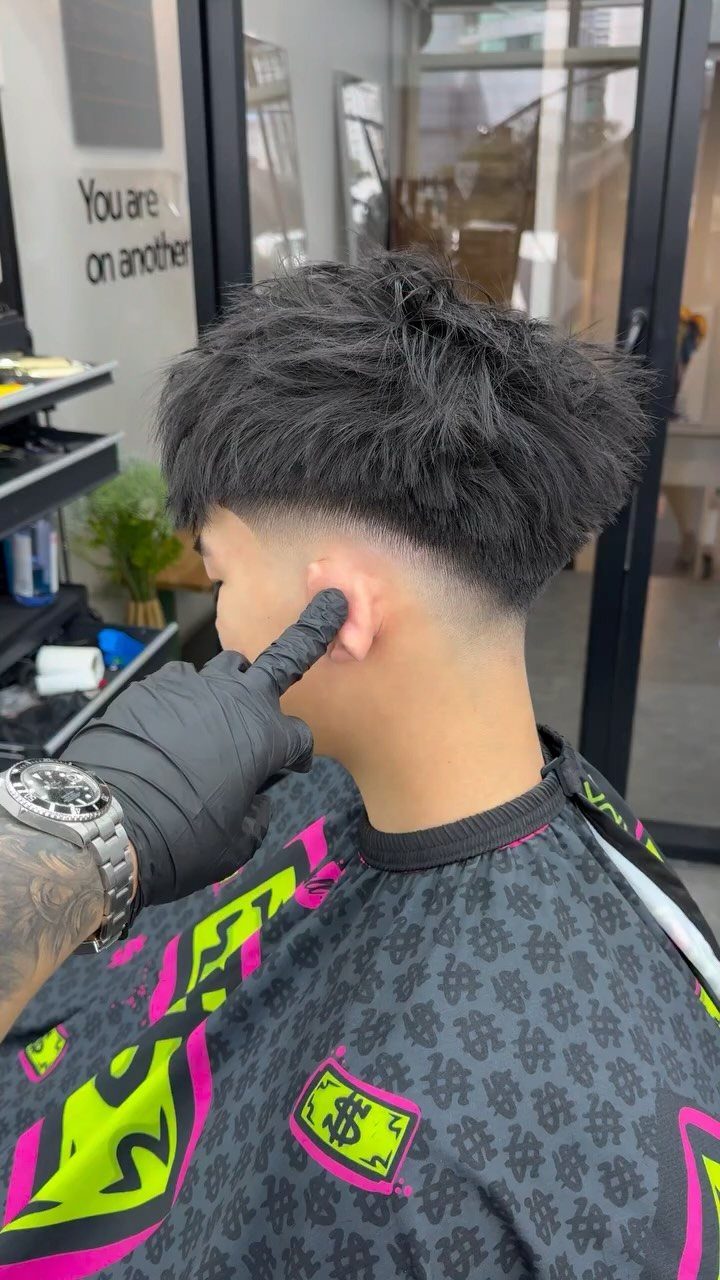
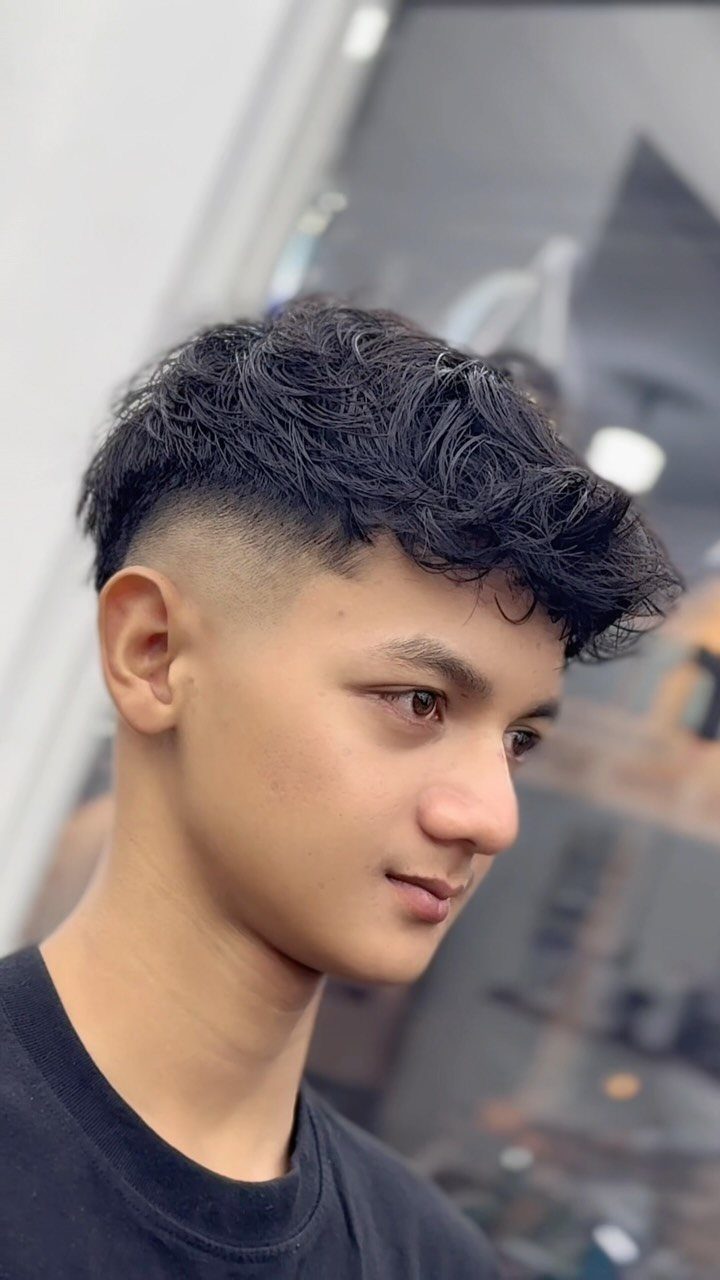
The fade curves down behind the ear instead of running straight across, following the shape of your head and keeping the whole thing understated. The top is left longer and textured, usually falling forward in a loose, unstructured way.
This cut suits men who want a fade that grows out without a hard line and a top that needs minimal styling.
The low drop keeps the sides full enough to work in formal settings, and the messy fringe on top means you can towel-dry and go.
Ask for this if you like the idea of a fade but want something that still reads casual.
9. Burst Fade
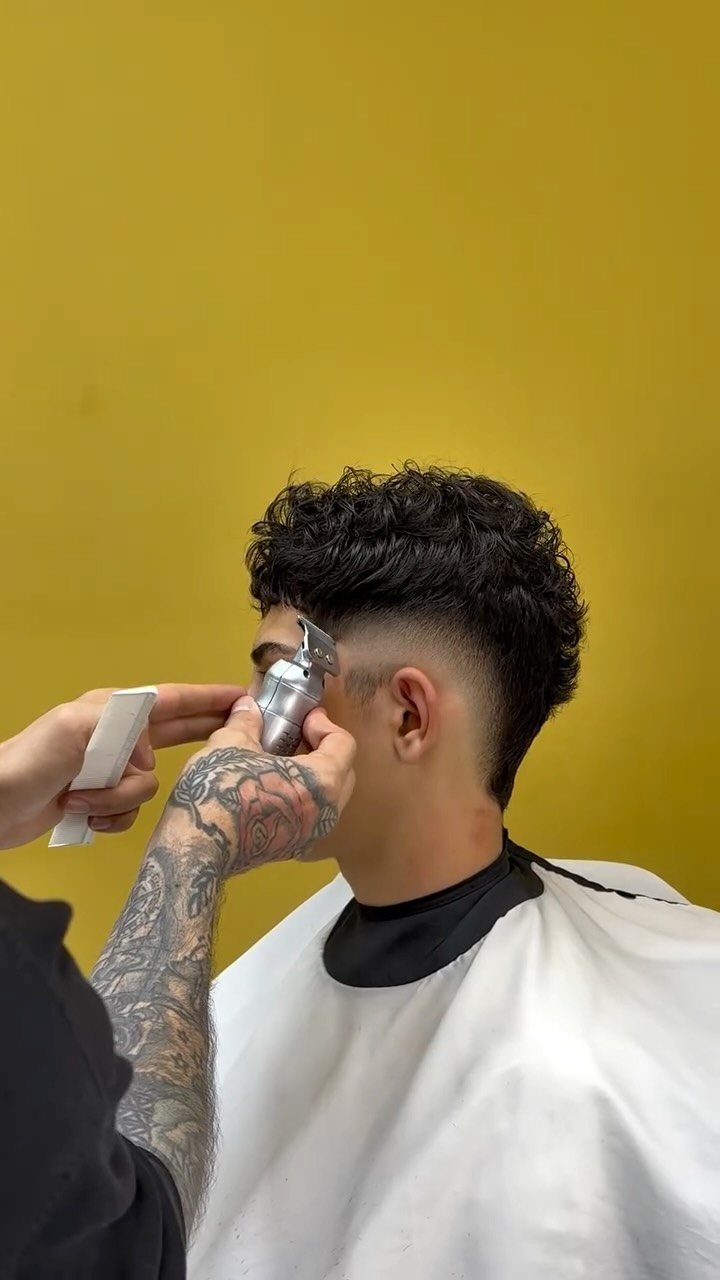
The fade radiates out from the ear in a rounded arc rather than following a straight line up the sides. You get a fade that arcs around the ear and keeps length everywhere else.
This cut suits men with curly or textured hair because the rounded shape follows the natural volume instead of fighting it.
The burst keeps the sides tight without flattening the top, and it pairs well with a beard that stays fuller near the jawline.
The curved blend needs maintenance to stay shaped, so expect regular visits if you want it looking tight.
10. Bald Fade
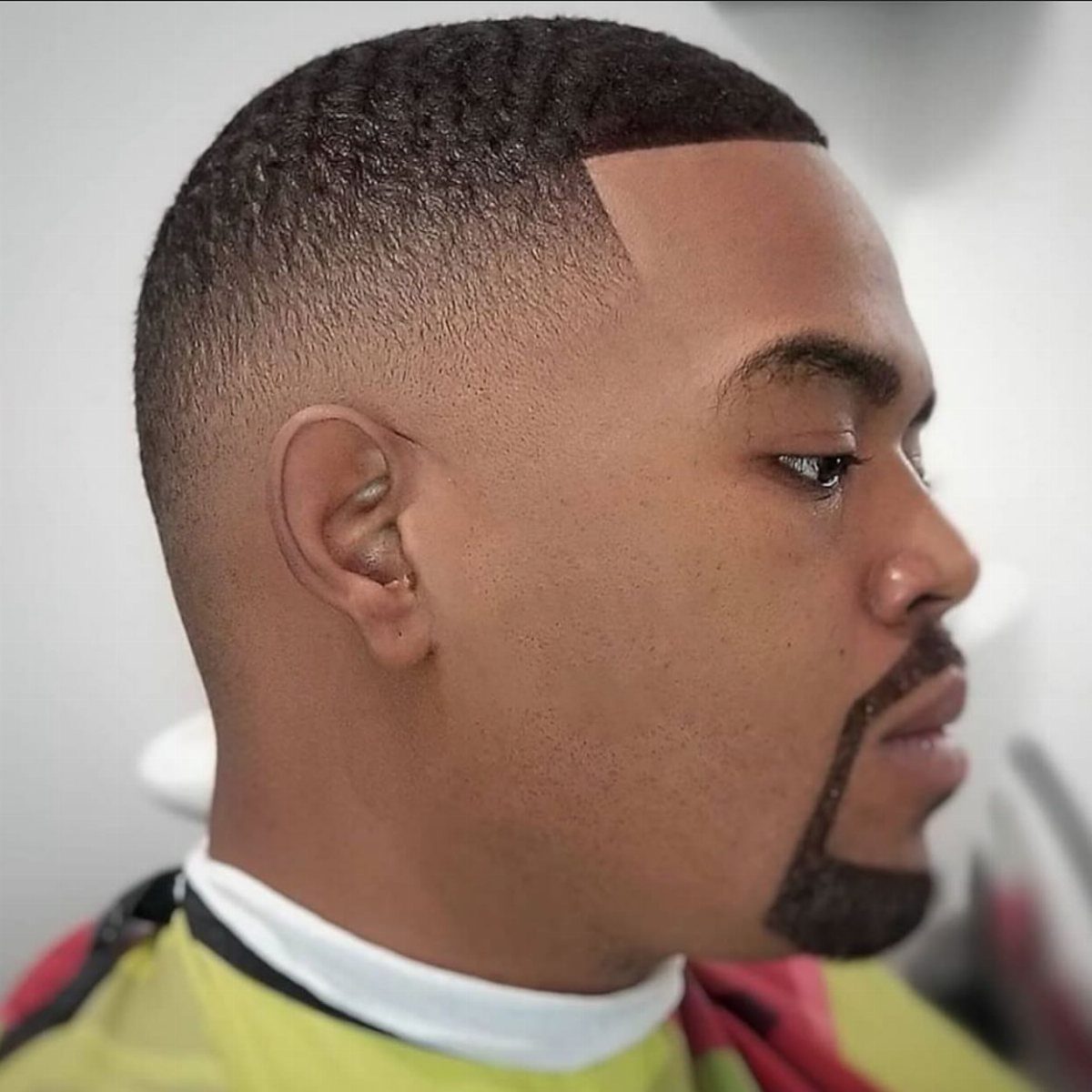
The hair tapers down to skin at the bottom and blends up into whatever length sits on top, with no line where one stops and the other starts.
The transition is smooth, but the contrast is as high as a fade gets.
The shaved section shows regrowth within a few days, so the fade softens fast. The high contrast also makes the top look thicker, which works if your hair is thinning or fine.
11. Temple Fade
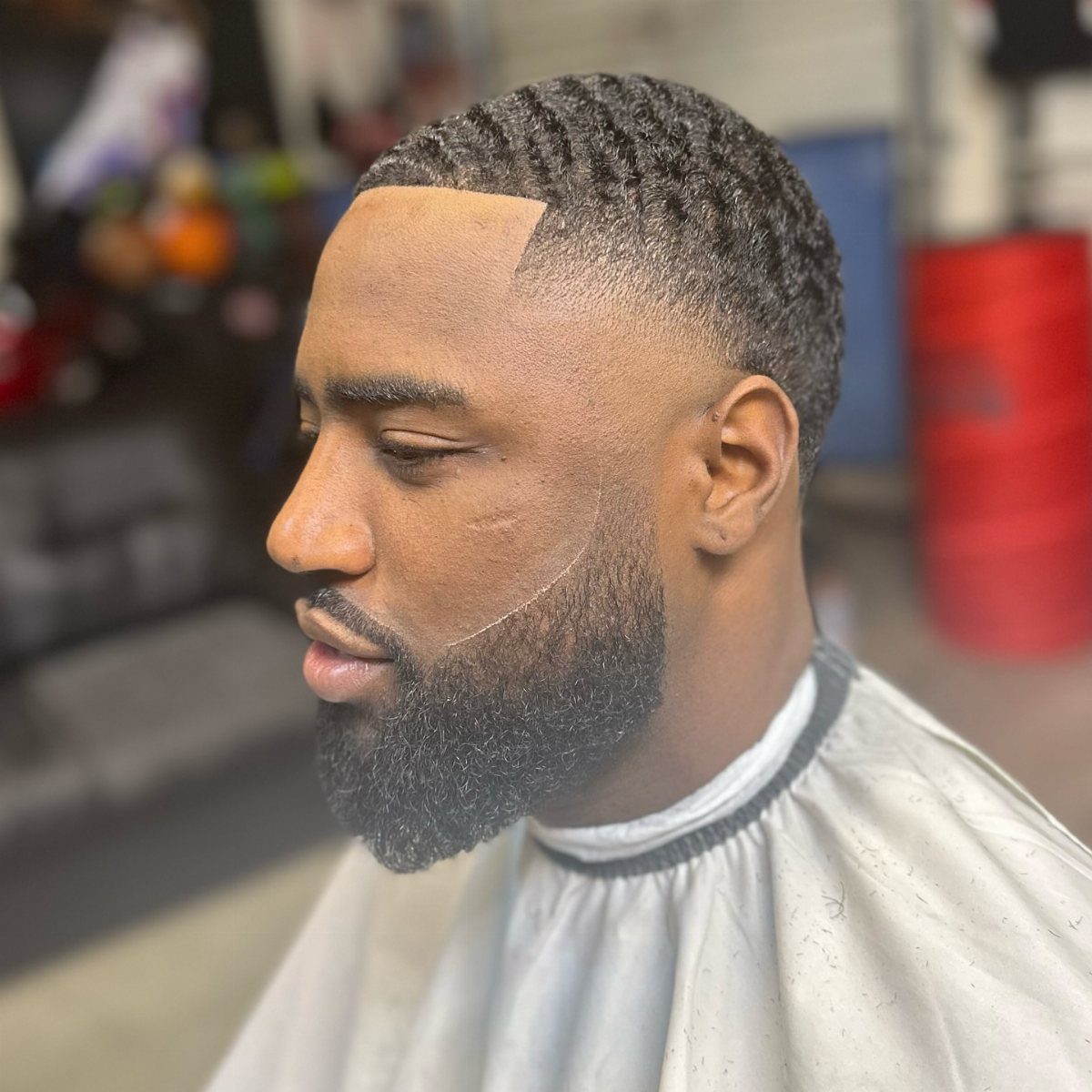
The fade is concentrated at the temples and tapers down toward the ears, leaving the rest of the sides at a consistent length. The focus is narrow, so the cut reads subtle unless you are looking straight at the face.
This option suits men who want a clean hairline without committing to a full fade. The limited area means less maintenance and slower regrowth, and the sides stay long enough to work in formal settings.
Pair it with a beard if you want balance, or keep it short if the fade is doing all the framing work.
12. Undercut Fade
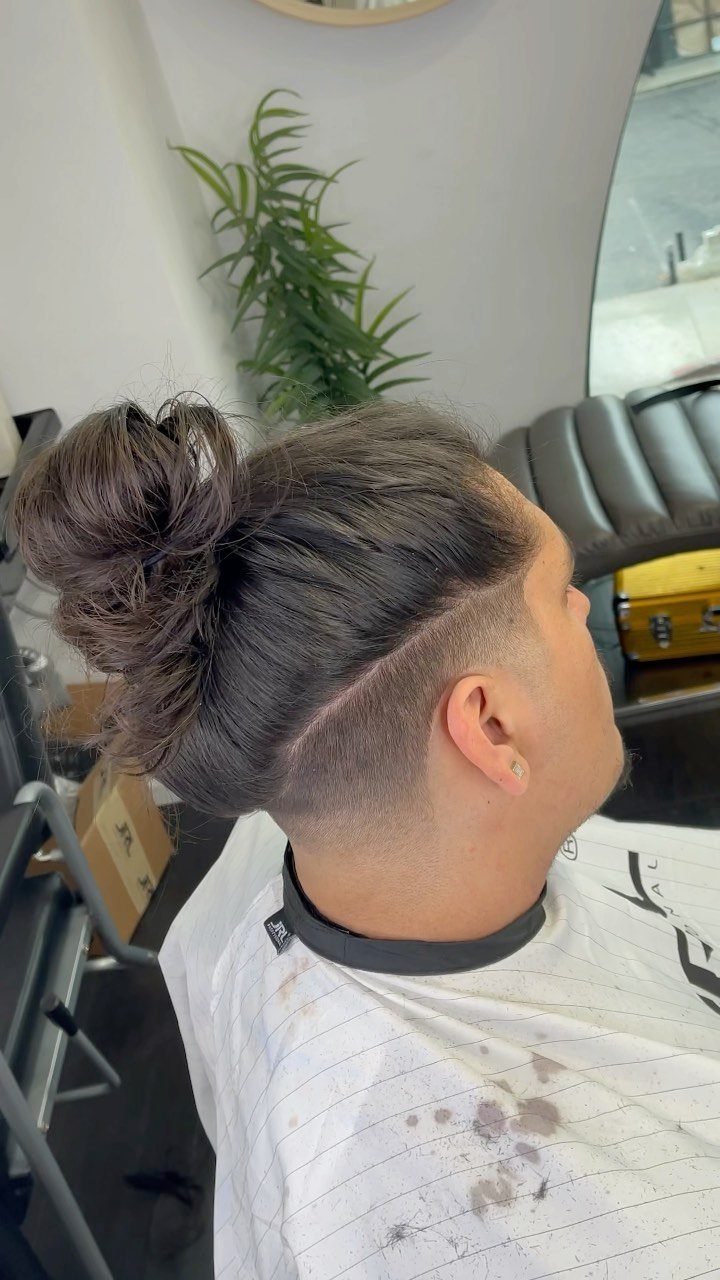
The top is left long enough to tie back or style forward, and the sides are faded high and tight with no blending into the top. The contrast between the 2 sections is deliberate and sharp.
This cut suits men growing their hair out who still want clean sides. The fade keeps the undercut from looking heavy, and the longer top gives you options: wear it slicked back, tied in a bun, or loose and textured.
One barber added a taper to the back and sides of a client who hadn’t trimmed in over 3 years to keep the undercut looking clean.
The fade needs touch-ups often, even when the top can go much longer without a trim.
13. Afro Taper
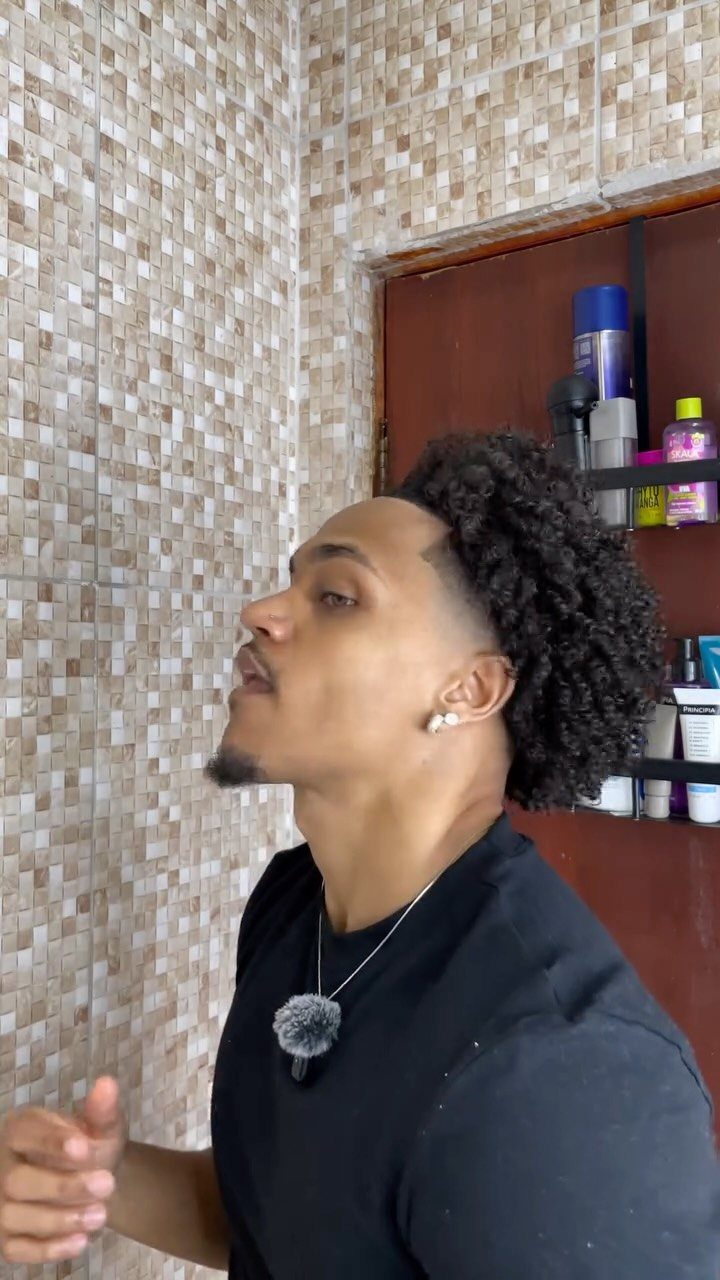
The sides taper cleanly down while the top keeps its full curl pattern, so the shape stays rounded and defined instead of growing outward unevenly.
Natural curls hold their shape and volume while the taper keeps the sides neat.
The taper keeps the sides from puffing out as regrowth comes in, and the rounded shape holds longer than a full afro because the fade does the shaping work.
Ask for a taper that follows your curl pattern rather than fighting it, and expect to come back every 2 to 3 weeks to keep the sides tight.
14. Fade with Hard Part
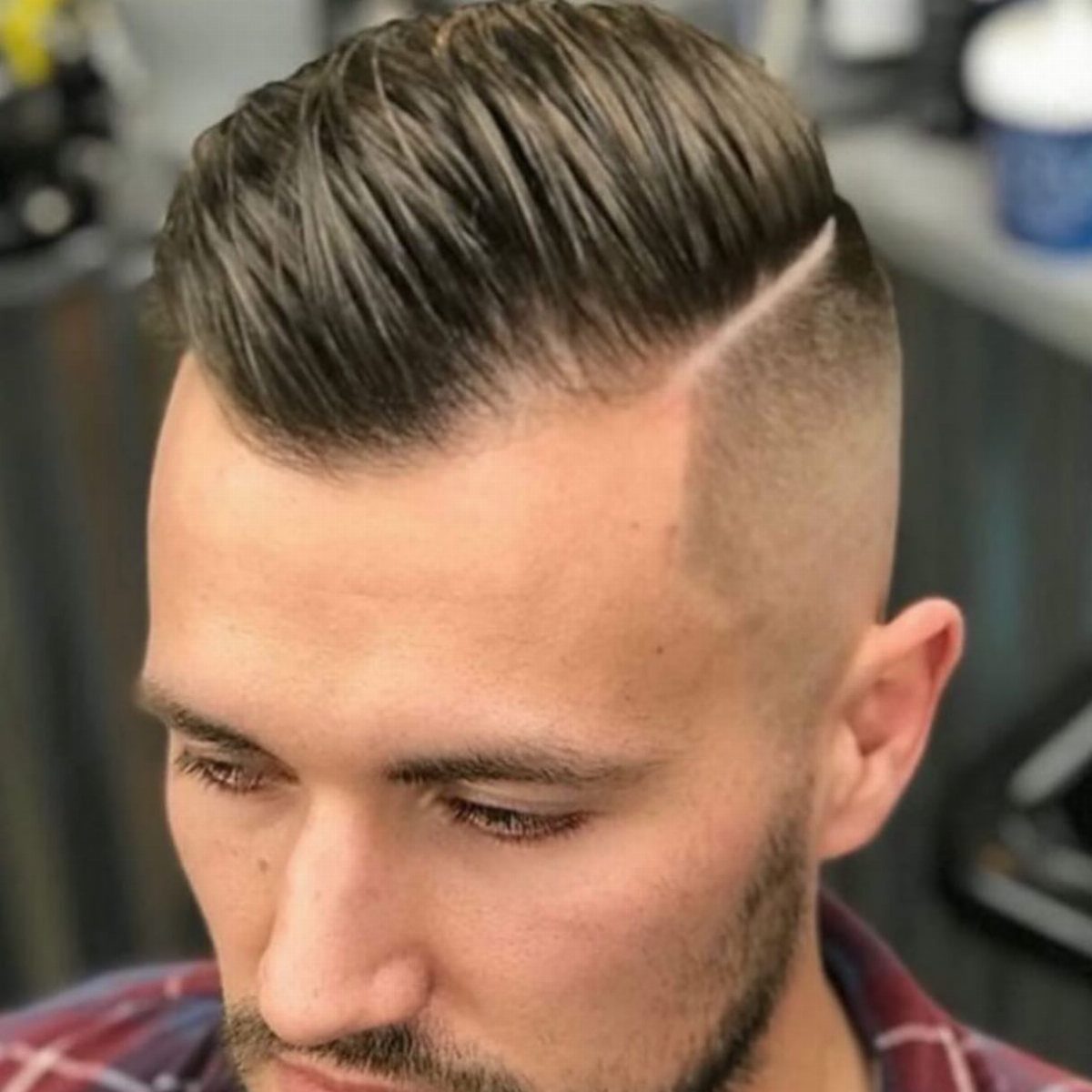
A shaved line separates the top from the faded sides, running straight back from the temple and adding a geometric edge to an otherwise smooth blend.
The hard part makes the fade read sharper because it draws a visible boundary where the taper alone would soften. This works if you want a cut that looks deliberate and you can keep the line crisp between visits.
The shaved line grows back within a week, so plan to maintain it often or let it fill in and become a natural part instead.
15. Skin Fade with Beard
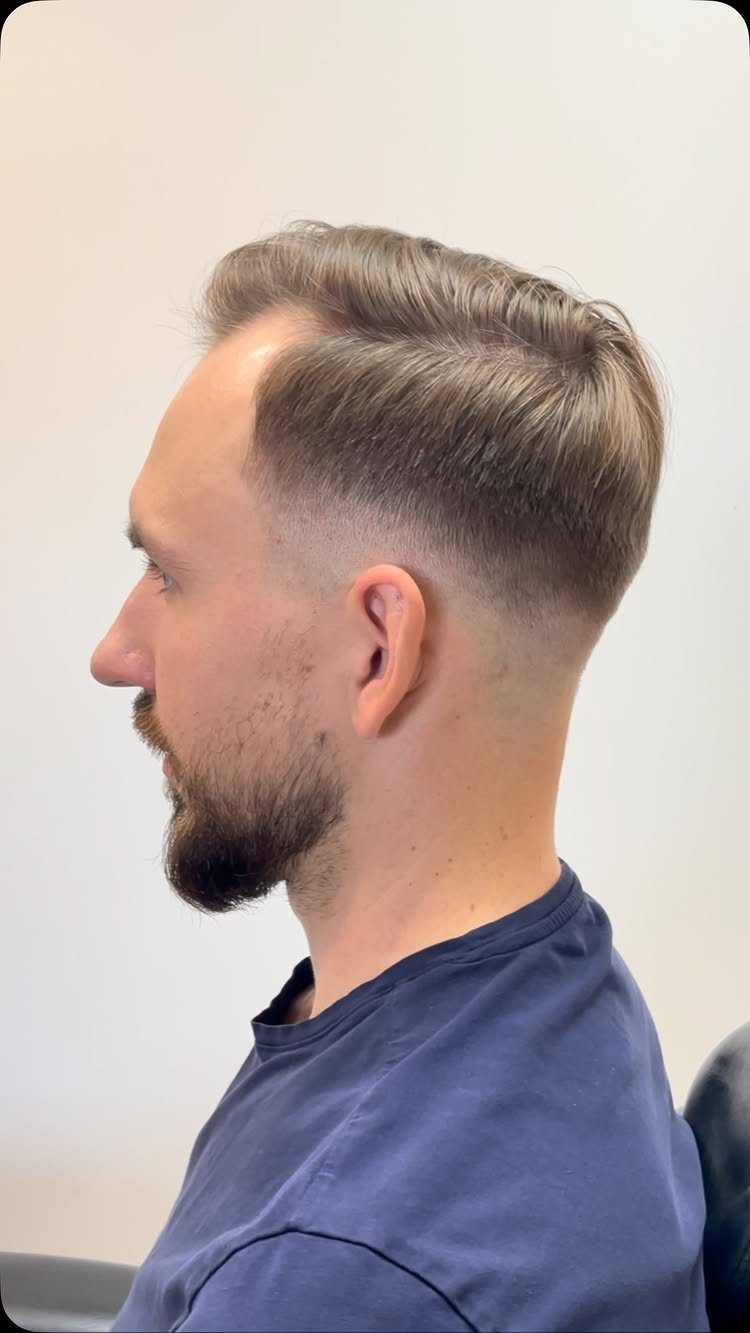
The fade drops to skin at the temples and blends smoothly into a beard that follows the same principle, tapering tight at the cheek and fuller near the jawline.
Pairing a skin fade with a sculpted beard creates one continuous gradient from the top of your head down to your neck, which works if you want a polished look that shows you maintain both.
The beard line needs the same attention as the fade, and both grow in fast enough that the whole look softens within days.
This suits men who visit the barber regularly and want a cut that frames the face from multiple angles.
16. Low Taper Faded Undercut
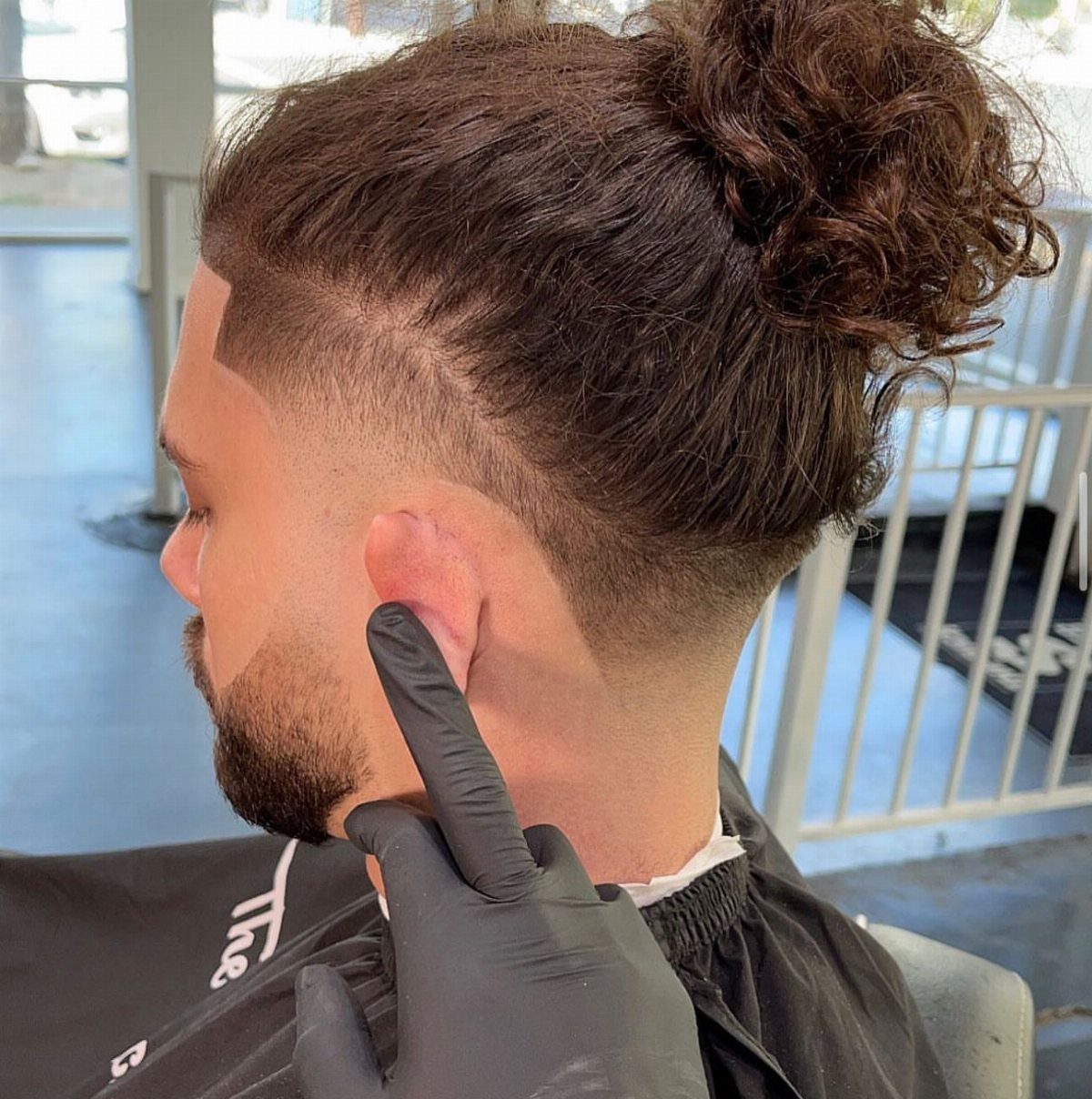
The sides taper low and tight while the top stays long enough to brush back or tie up, with no blending between the 2 lengths.
You can wear the top loose, slicked back, or tied in a bun depending on the day.
17. Pompadour Fade
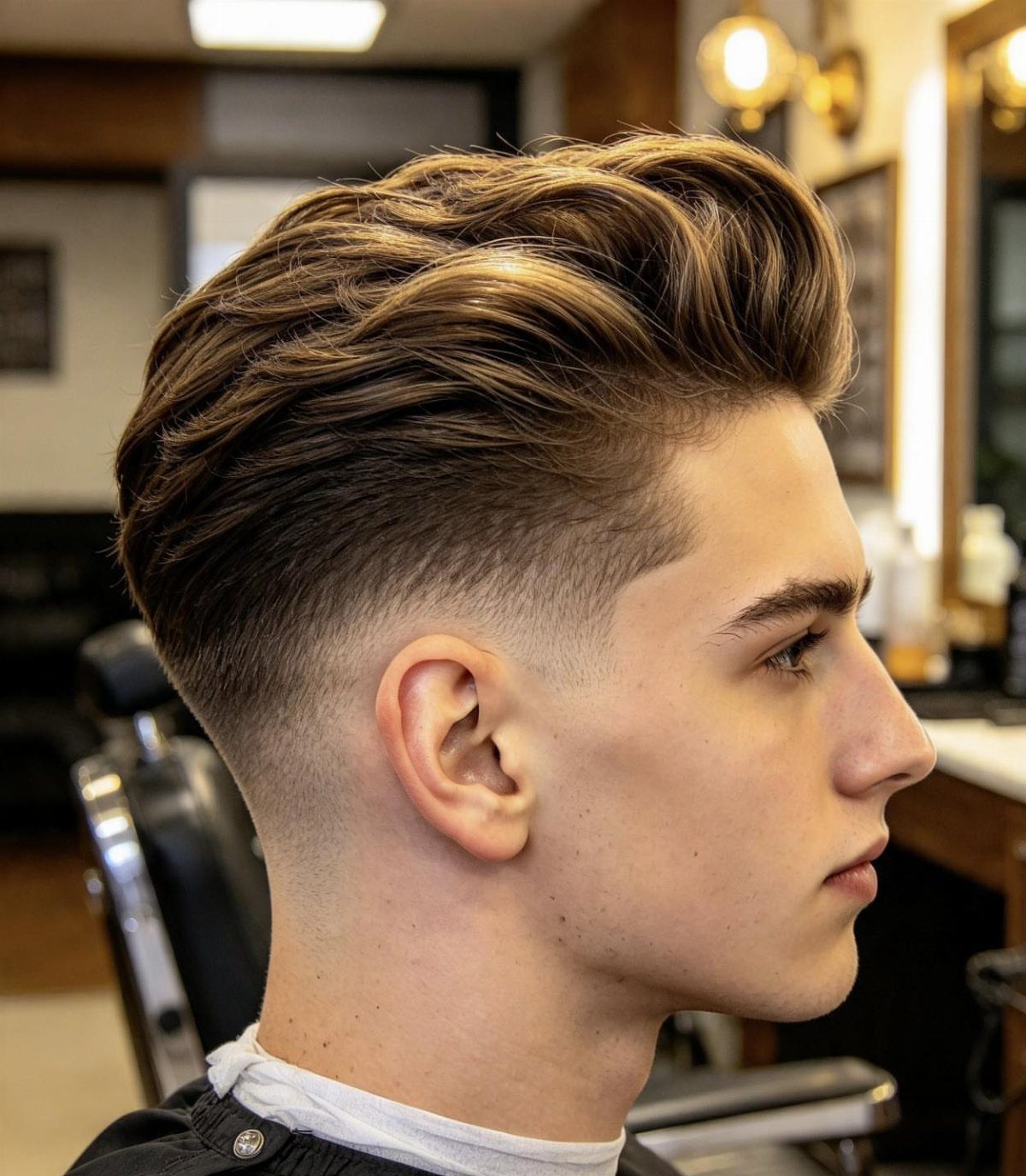
The top is swept back with enough height and volume to stand on its own, and the sides are faded tight to keep all the focus on the pompadour itself.
This cut suits men willing to spend time styling each morning, because the pompadour needs product and a blow dryer to hold its shape.
The fade keeps the sides from competing with the volume on top, and the high contrast makes the pompadour look fuller.
Pair it with a mid or high fade if you want maximum definition, or a low taper if you prefer something that reads less formal.
18. Buzz Cut Fade
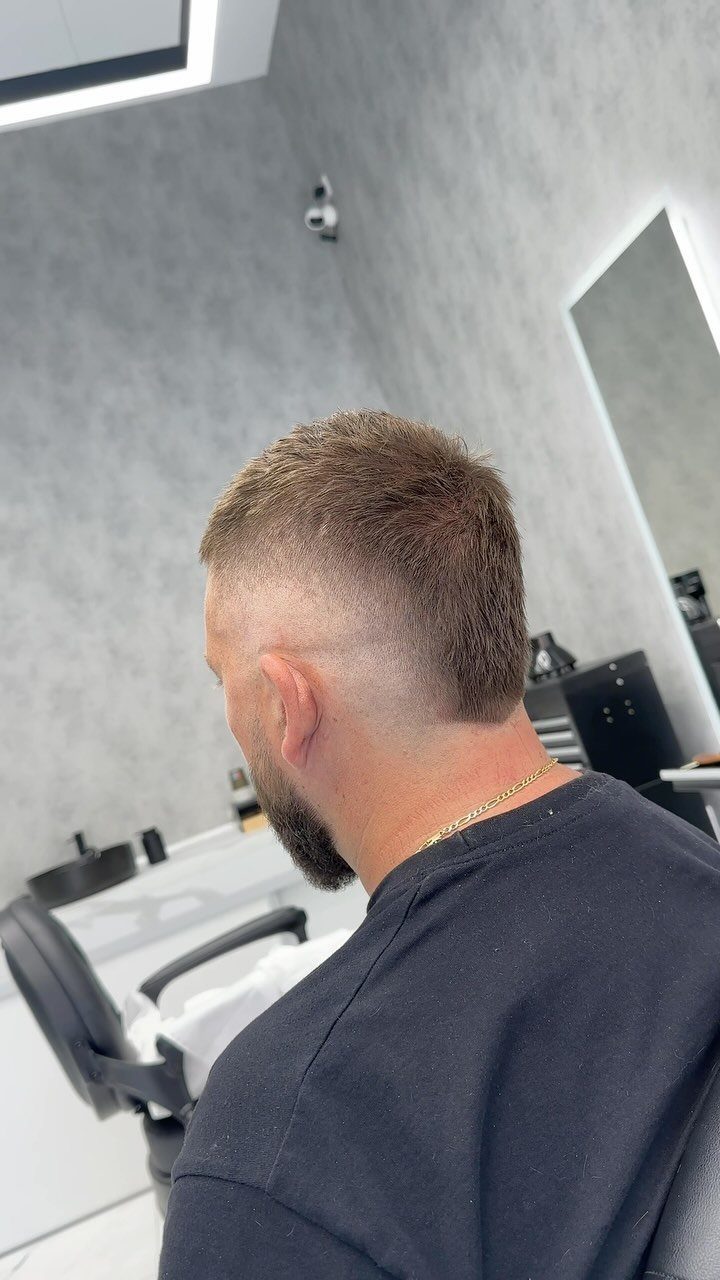
The top is clipped short with clippers and the sides are faded even tighter for contrast without much length anywhere.
This works if you want something that dries in seconds and needs no styling.
The fade adds shape to what would otherwise be a flat buzz, and the short top means you can stretch time between cuts because regrowth stays even.
Ask for this if you want a low-maintenance cut that still looks intentional rather than just clipped down all over.
19. Side Parting Fade
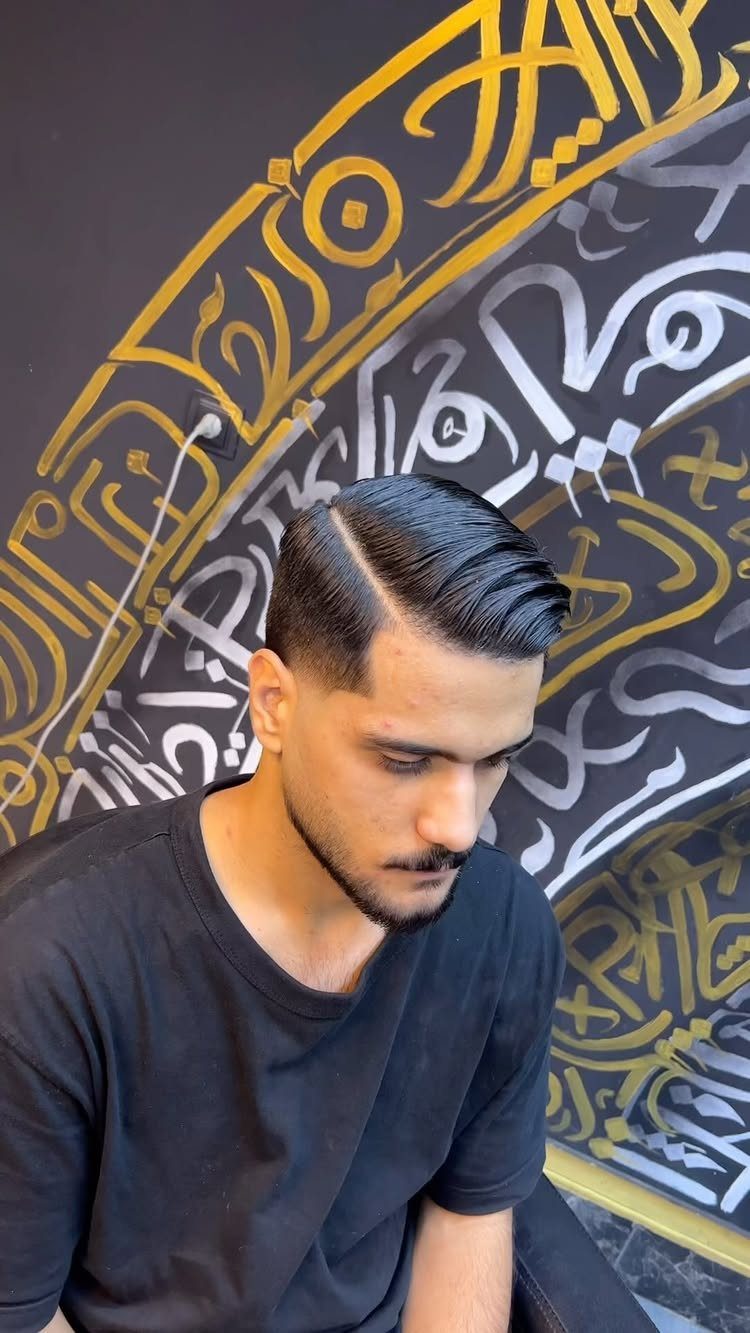
Length sits where it can be parted and swept aside, while the fade drops away clean so the parted volume stands out.
This cut suits men who want a polished look that works in formal settings and pairs naturally with a beard.
The part itself can sit where your hair naturally divides, or you can ask the barber to shave a hard part if you want the line to stay sharp longer.
The fade keeps the sides from adding bulk, and the parted top reads deliberate without needing much product. Ask for a mid or low fade depending on how much contrast you want.
Fade Upkeep and Styling
Most fades need a cleanup every 2 to 3 weeks to hold the line, faster if you’re running a high skin fade. High fades show the line faster as they grow out, which is why most people book a cleanup every 2 weeks.
I wash 2 or 3 times a week with sulfate-free shampoo and leave it at that. Daily washing strips natural oils and leaves the scalp dry, which makes the fade look dull faster than the hair grows in.
Moisturize your scalp regularly, especially if the fade drops to skin. Clippers expose skin that was covered, and dry scalp shows as flaking or irritation along the fade line.
For the top, a matte clay or paste gives you texture without weight. Heavy pomades or gels weigh the hair down and make the contrast between the styled top and faded sides look forced rather than balanced.
Fade Blending and Barber Process
If you can point to a shelf or a band around your head where the hair changes abruptly, the blend failed.
Barbers assess texture, density, and growth pattern before choosing guard sizes. Coarse hair needs a gentler gradient than fine hair, and a cowlick at the crown changes where the fade can start without creating a visible break.
Multiple guard sizes build the fade. Most barbers move through a #2, #1, and #0 guard to create the gradient, blending each transition with clipper-over-comb or scissor-over-comb work to erase the line between passes.
Once the fade reads clean, the barber cleans up the hairline and the skin around the ears.
A clean edge frames the whole cut, and checking the blend from multiple angles and under different lighting catches any line the first pass missed.
“From a barber’s perspective, the biggest difference is where the graduation begins,” Aaron Chan, cofounder of Kings Domain barbershop in Melbourne, Australia. “The higher you move the fade, the more contrast you create.”
— GQ
Frequently Asked Questions
What should I tell my barber for a fade?
Tell your barber the fade height (low, mid, high, or taper), the style you want on top, and how short you want the shortest section to go (skin, #0, #1, #2, or another guard number).
Start longer if you are unsure, because taking more off is easier than adding it back.
What are the different types of fade haircuts?
Common types include low, mid, high, taper, skin, drop, burst, and temple fades. Each differs in where the blend starts and how much contrast it creates between the top and the sides.
What is a low taper fade?
The taper begins right above the ear and climbs slowly, keeping most of the hair at full length.