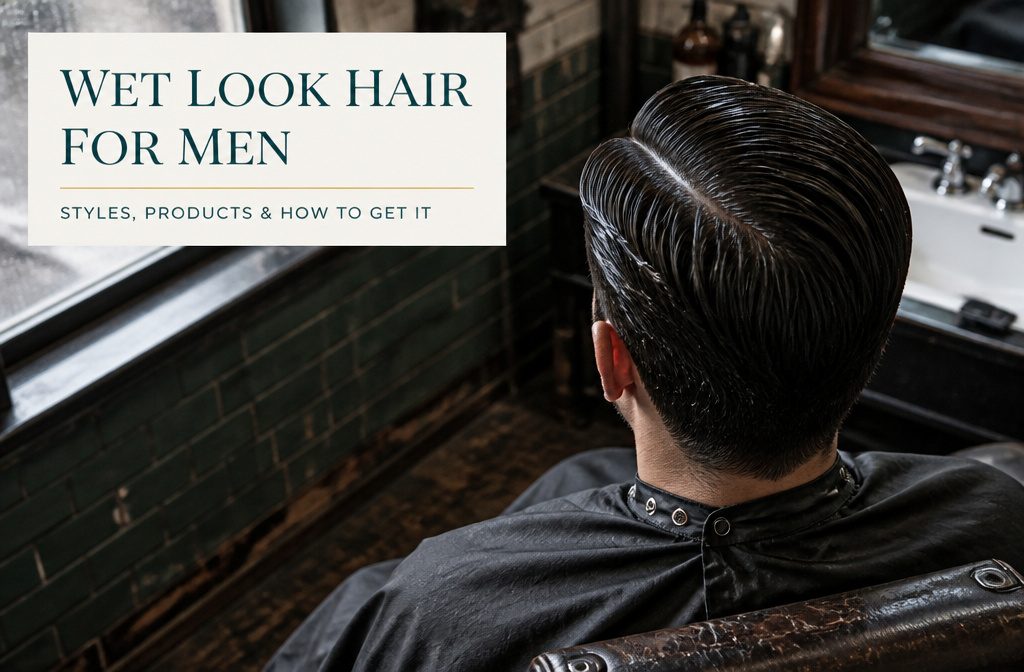
The wet look is slicked, high-shine hair styled to look glossy, as if fresh from the shower. It suits formal events and everyday wear, but product choice decides whether it reads polished or greasy.
Keep gel and pomade off the roots, since buildup there flattens fine hair and turns shine into oil. Most styles need a trim every 4–6 weeks to hold their shape.
What the Wet Look Means and Why It Works
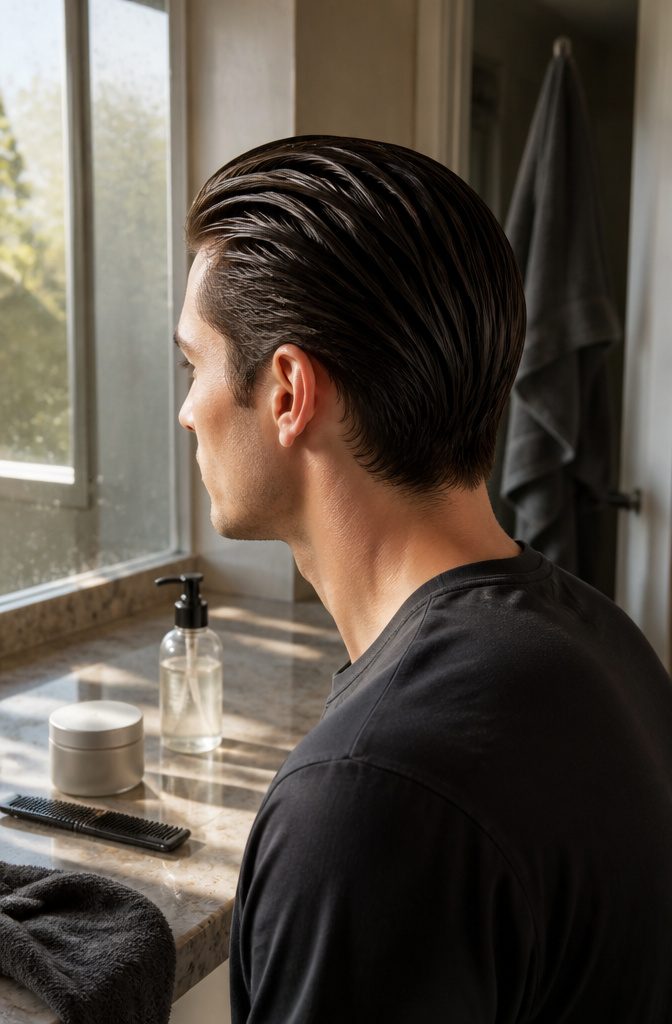
The wet look is slicked-down, high-shine styling that copies the gloss of hair fresh out of the shower.
It suits fancy dinners and weddings, where the shine reads as polished, and it holds up just as well as an everyday style.
Products matter more than the cut. A moisturizing leave-in and a strong-hold gel make the base kit, and I’d pick both for your hair type and texture.
Straight, wavy and thick hair all take the finish well. Fine hair can go flat under heavy product, so use less there.
Keep product off the roots, since too much up there looks greasy instead of intentionally wet.
Classic Slick-Back
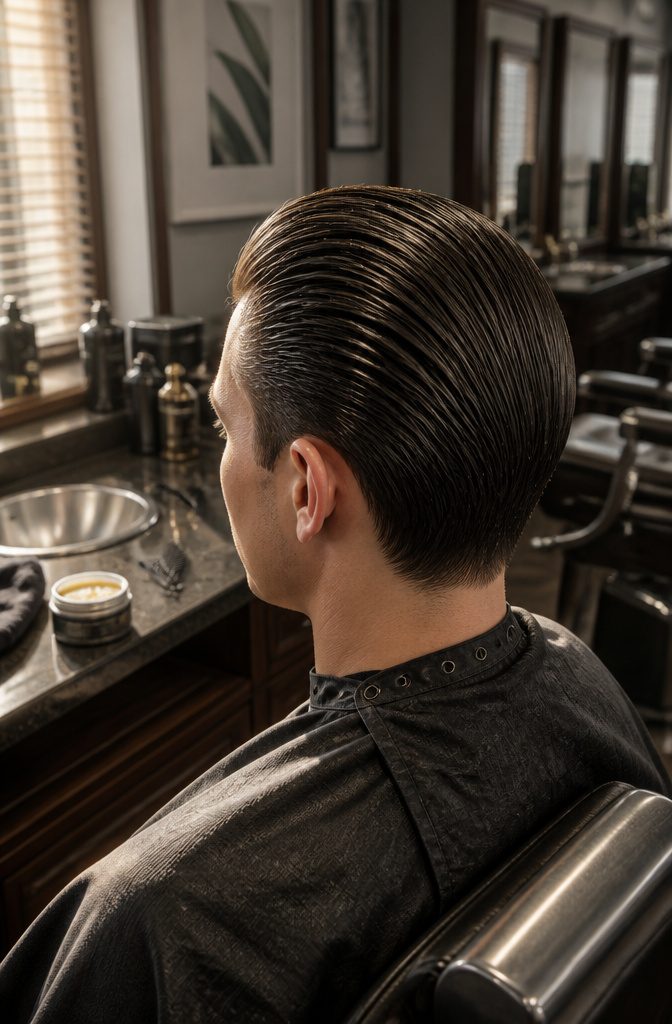
Hair brushed straight back from the forehead and held close to the head is the wet look I’d start with. It suits oval, square and diamond face shapes, and it works for formal or smart-casual settings.
A comb gives the sharpest finish.
Fingers give a looser, more relaxed one. Use a high-shine pomade or strong-hold gel, and keep product off the roots, because that is what turns intentionally wet into plain greasy.
You need enough length on top to sweep back comfortably.
Fine hair tends to go flat under this style, so thick, straight or wavy hair does better. Book a trim every 4–6 weeks to hold the shape.
Deep Side Part
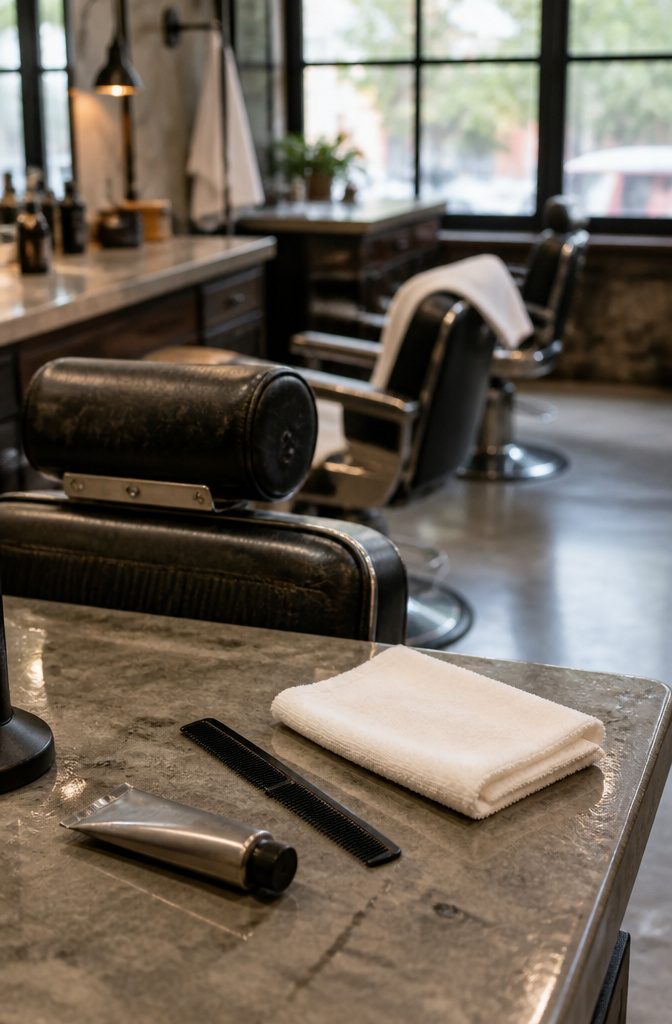
A deep side part gives the wet look direction without adding height.
The hair is divided with a clear line and swept across, a polished barbershop finish that suits offices and formal events. Oval, square, diamond and heart faces carry it best, on straight or wavy, medium to thick hair.
Follow your natural part and the morning gets easier. Pomade, gel or a high-shine cream will do the job; comb for a sharp line or use your fingers to loosen it.
I keep the part modest, since a hard, wide one looks dated, and fine hair goes flat under heavy product. Book a trim every 4–6 weeks to keep the line crisp.
High-Volume Wet Quiff
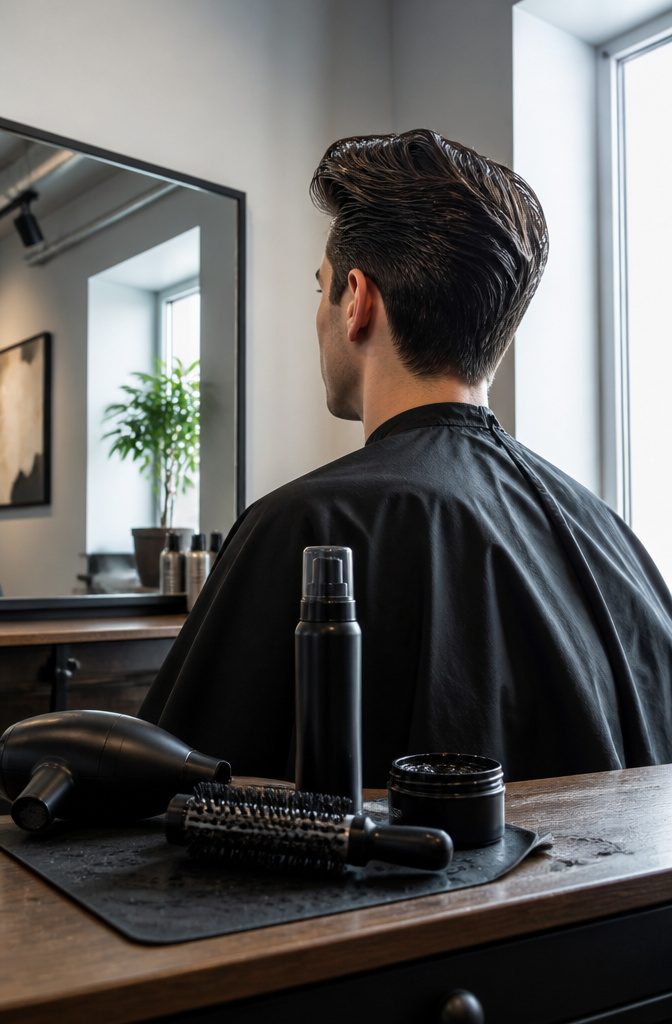
A wet quiff keeps the shine of a slick-back but lifts the front and sweeps it back instead of pressing it flat.
Blow-dry the front upward first, before any product goes in, because height built with gel alone tends to collapse.
Then add a small amount of strong-hold gel or pomade, or start with volumizing mousse. I’d skip heavy handfuls: too much product weighs the quiff down and flattens what you just built.
It suits straight, thick or wavy hair on round, oval, square and diamond faces.
Ask your barber to leave enough length up front, and book a cleanup every 4–5 weeks. Expect a longer morning than with a slick-back.
Wet Comb-Over
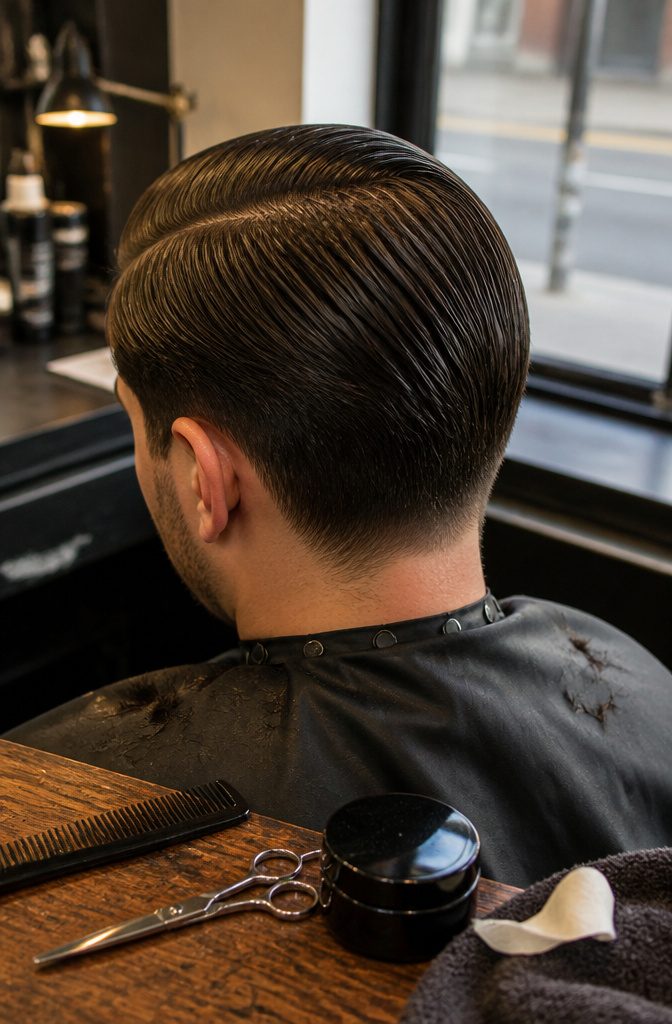
The wet comb-over sends hair diagonally from the part to the opposite side, and it only works if the top is long enough to stay down without springing back toward the part.
It suits oval, round, square and diamond faces, and straight, wavy or medium hair.
Plan on a trim every 4–6 weeks, and tell the barber to leave length on the sweep side. Cut it short and you get a flat comb-over that shows too much scalp.
Put the part where your hair already falls. I’d skip this style on fine hair, which goes flat under pomade or gel, and on oily hair, where heavy shine looks greasy.
Glossy Pompadour
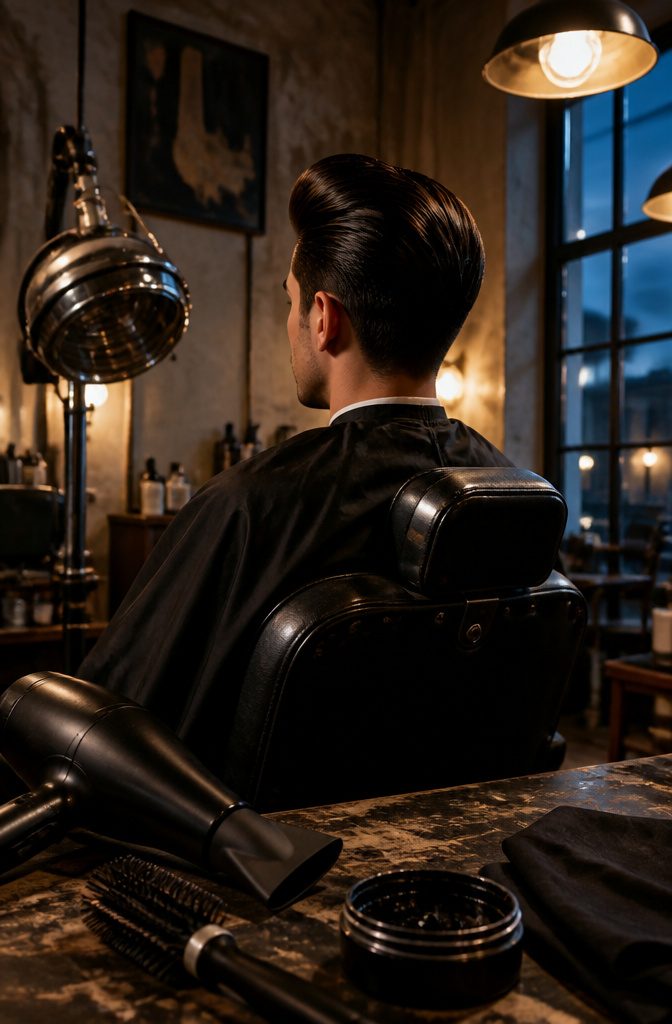
A glossy pompadour lifts the front and rolls it back while the sides stay controlled, and the shine is what makes it formal rather than casual.
Ask your barber to keep the front longer than the crown, because that extra length is what the height gets built from.
Blow-dry the shape first, then finish with a high-shine pomade, mousse or strong-hold gel. Building height with product alone is the classic mistake, and too much product just weighs the front down.
This cut suits oval, square and diamond faces.
It needs thick, straight or wavy hair with enough density to hold the lift. Plan on a trim every 4–5 weeks, and once it’s set, keep your hands out of it, since constant touching breaks the finish.
Loose Middle Part
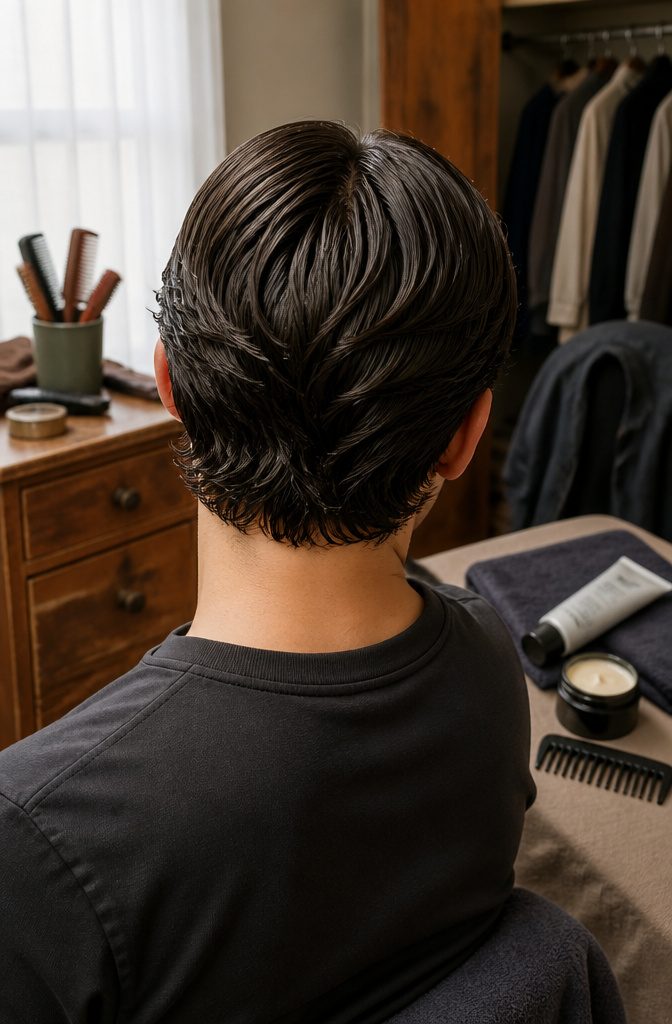
A middle part lets the hair split around the center and fall to both sides, so you get the wet finish without the stiffness of a full slick-back. It works best on medium-length hair, especially with a slight natural wave.
Let your natural part pick the center instead of forcing a ruler-straight line. Keep the shine moderate, using styling cream, a light gel, or a medium-shine pomade.
Too much product flattens both sides against the scalp and kills the movement that makes this cut worth choosing. Fine hair tends to fall flat here, and you need enough front length for the part to hold.
I’d book a trim every 5–7 weeks. Oval, heart, diamond and oblong faces wear it best.
Brushed-Back Flow
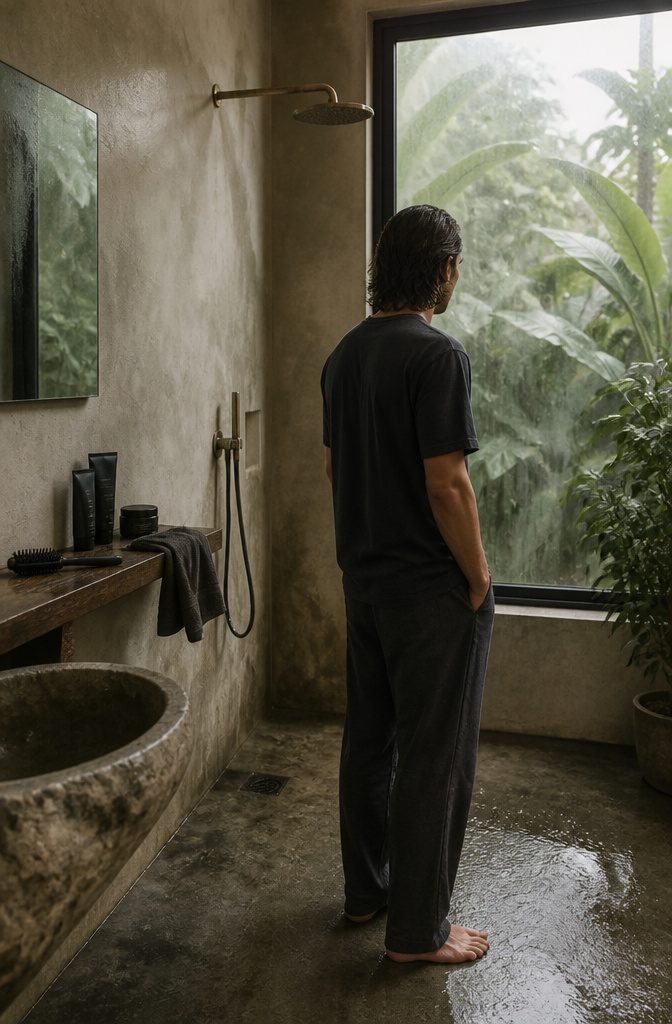
Length decides this one.
Hair needs about 4 cm (a little over 1.5 inches) on top before it will sweep backward at all, and the sides and back need enough left on them for the flow to develop instead of getting clipped flat.
Wavy hair gives the most movement, while straight hair lands cleaner. I’d reach for styling cream, a light pomade or a flexible gel, with a medium shine rather than a glassy one.
Then stop brushing before everything is pinned tight, because a tight finish loses the separation that sets this apart from a slick back.
Plan a trim every 6–8 weeks. Humidity loosens the style, and softer products hold less, so on muggy days the flexible gel is the safer pick.
Wet Textured Fringe
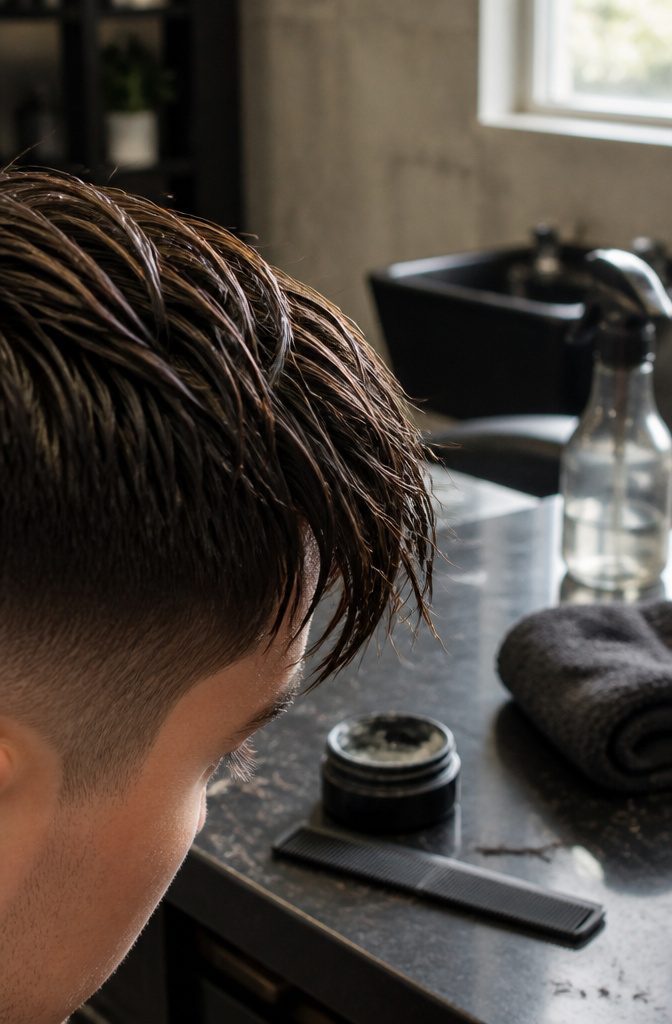
A wet textured fringe stays forward and gets split into small sections, which gives you shine without losing the shape of the fringe. It suits short-to-medium hair and oval, square, diamond and round faces.
Work a small amount of light gel, shine cream or flexible pomade through the ends only. Saturating the whole fringe is the mistake that ruins it, since the sections merge into one flat sheet and the texture disappears.
Very fine hair struggles with this one, and I’d pick another wet look if that’s yours.
Ask for the fringe slightly longer for more styling flexibility, and book a trim every 3–5 weeks. With long bangs, combing everything forward gives a sharper, edgier take.
Sculpted Executive Slick Back
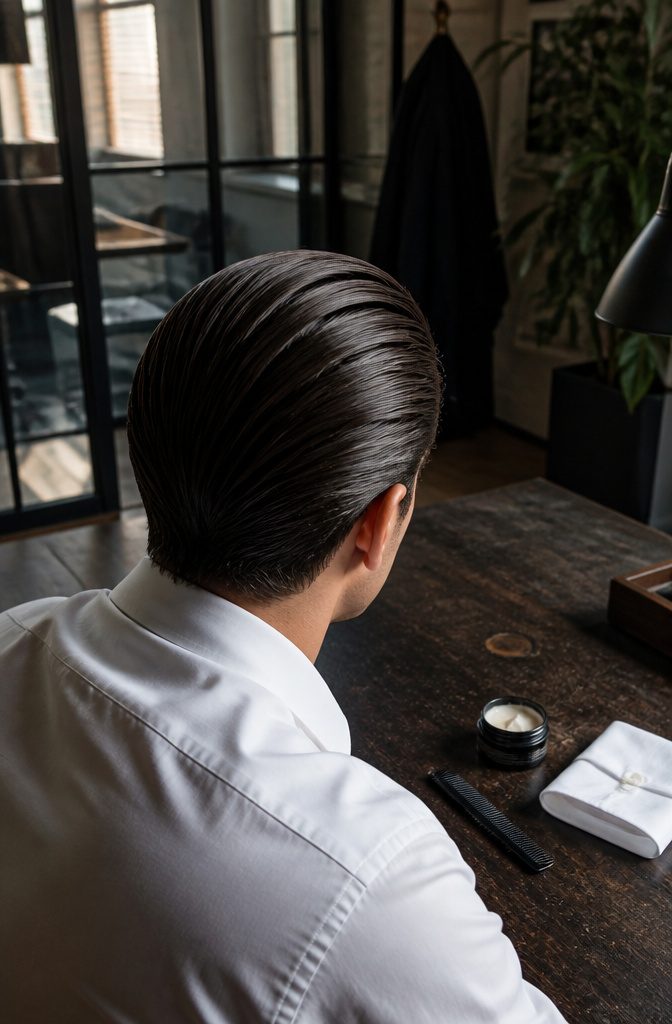
The executive slick-back is defined by what you can’t see: no flyaways at the temples, no strands lifting at the crown, no comb tracks breaking up the surface.
Every hair lies back from the hairline in one direction, with a finish that reads polished under office lighting rather than greasy. For formal settings I’d pick it over looser slick-backs, because clean edges matter more than shine.
Pulling everything off the forehead puts the whole face on display. Before committing, push your hair straight back in the mirror and check how your forehead and jawline look with nothing framing them.
Stray growth shows fast on tight sides and a sharp neckline, so book cleanups on a short, regular schedule instead of waiting until it looks grown out.
Wet Look with Tapered Neckline
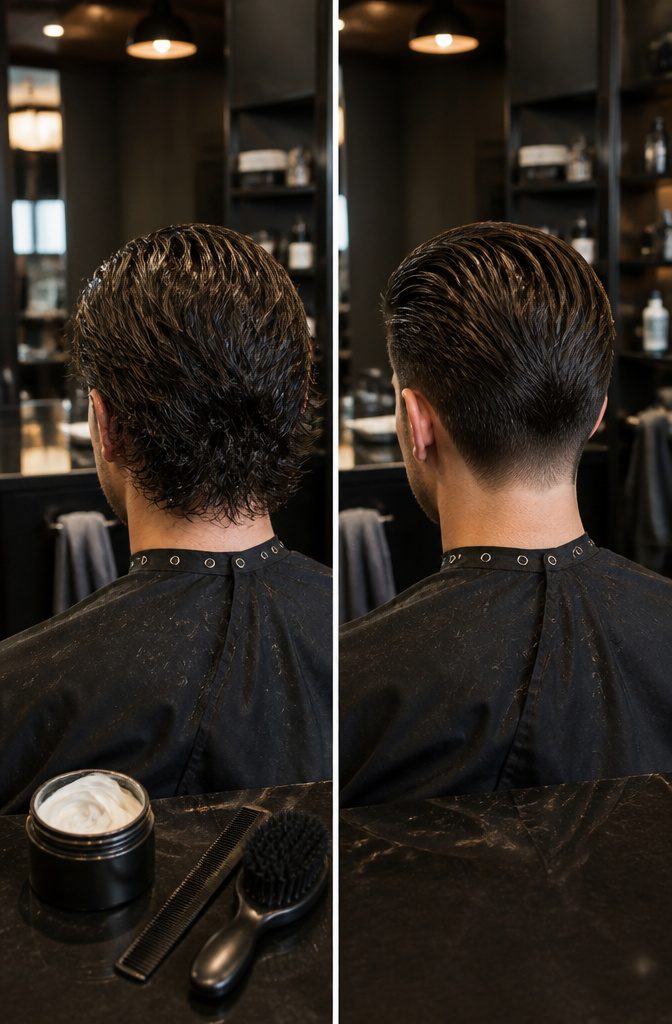
A tapered neckline lets the sides and back stay relatively full while the hair gradually shortens toward the nape, so the glossy top stays the focus.
It suits slick backs, side parts and brushed-back looks, on straight, wavy, thick or medium hair.
Ask for a low taper.
I’d pick it over anything higher, because a high taper starts to read as a fade and changes the whole character of the cut. A low one also keeps the sides looking fuller.
Pomade, styling cream or gel all work, depending on how much shine you want.
The clean edge is the part that needs upkeep, so book a cleanup every 3–5 weeks. Blending is where a cheap cut shows, so choose a barber who takes care with it.
Disconnected Glossy Undercut
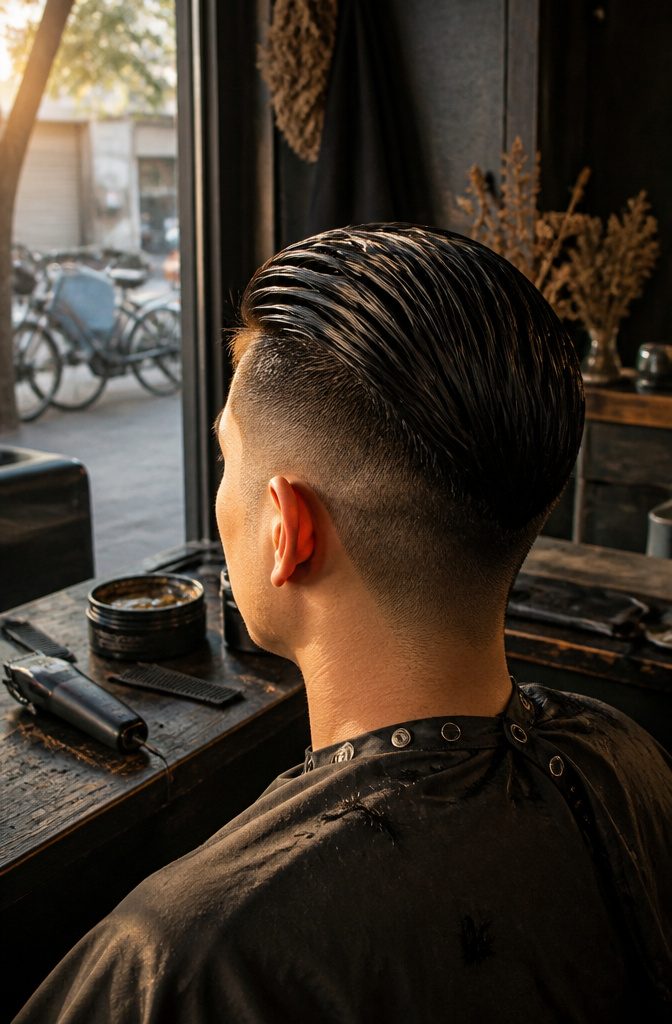
The longer top reads glossier here because the sides are so much shorter, and a sleek wet finish against that contrast is about as sharp as it gets.
Slick it back, sweep it sideways, or add a little lift at the front. High-shine pomade or strong-hold gel does the job, and thick, straight or wavy hair holds the shape best.
The sides are the catch. Once they grow in even slightly, the contrast softens, so I’d book a cleanup every 3–4 weeks.
Decide ahead of time between a fully disconnected line and a softer transition, and have the barber take weight out around it so the top doesn’t turn bulky. Grow-out is awkward.
Wet Curly Hair with Controlled Definition
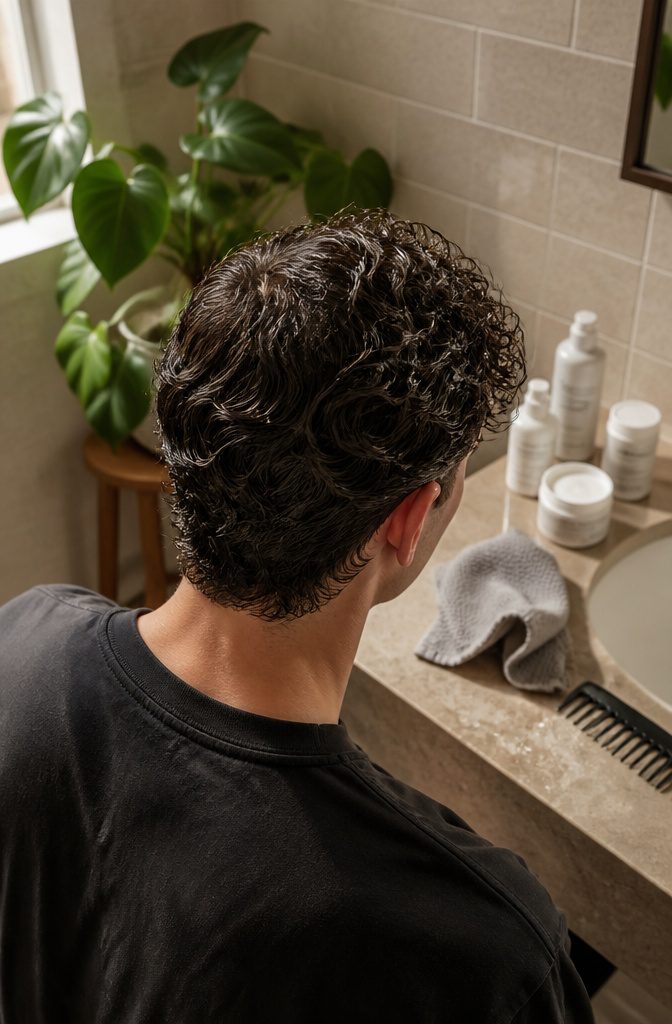
Curly hair keeps its shape in a wet finish when product separates the curls instead of pressing them flat.
Start with a curl cream or leave-in conditioner to lock in moisture, then add curl gel or a lightweight mousse. Gel alone is the usual mistake: heavy gel makes curls stiff and crunchy, and a traditional pomade is heavier still.
I like gel paired with a mousse for volume and a soft, flexible hold. Don’t brush once product is on, because it breaks curls into frizz.
With shorter sides, slick them back and leave the texture on top. Plan a trim every 5–7 weeks, and expect humidity to dull the shine.
Wavy Back-Swept Finish
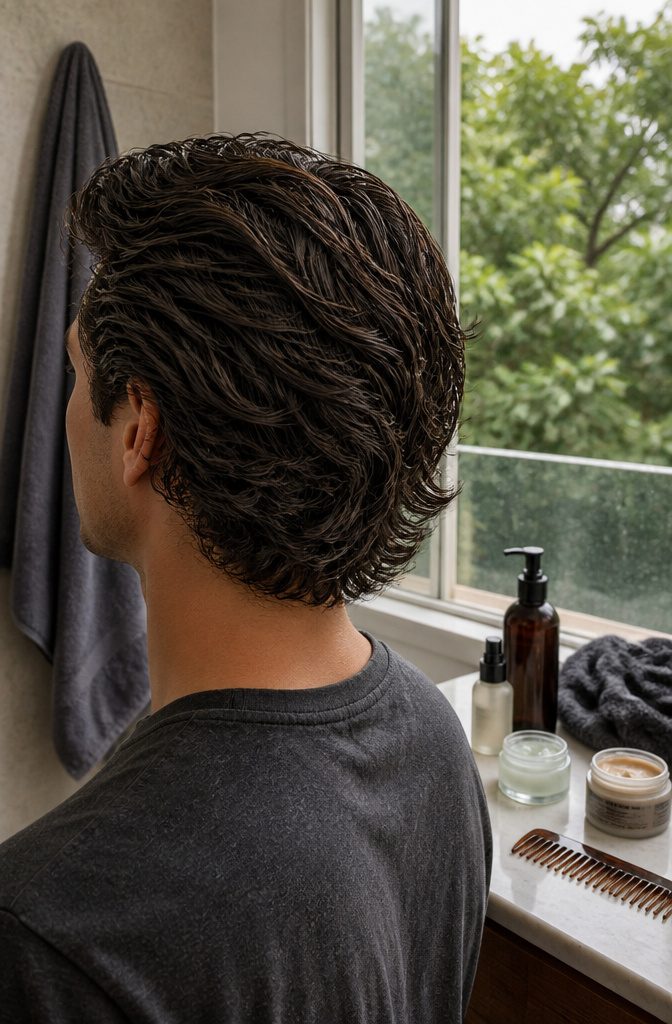
Wavy hair swept back keeps its S-bends while the shine does the wet work.
A medium-shine product is the right call: styling cream, light gel or medium-shine pomade adds sheen without coating the waves flat. I’d skip high-gloss gel here, since it hides the very pattern you’re showing off.
Leave enough length on top for the waves to form, and tell the barber not to crop it short.
Rake it back loosely; combing everything flat erases the wave. Expect a cleanup every 5–7 weeks.
Frizz is the weak point.
Humidity roughens the finish, so start with a frizz serum like L’Oréal Paris Elvive Dream Lengths Frizz Killer Serum on wet hair. Softer products also hold less, so a damp day may need a touch-up.
Natural Side Sweep
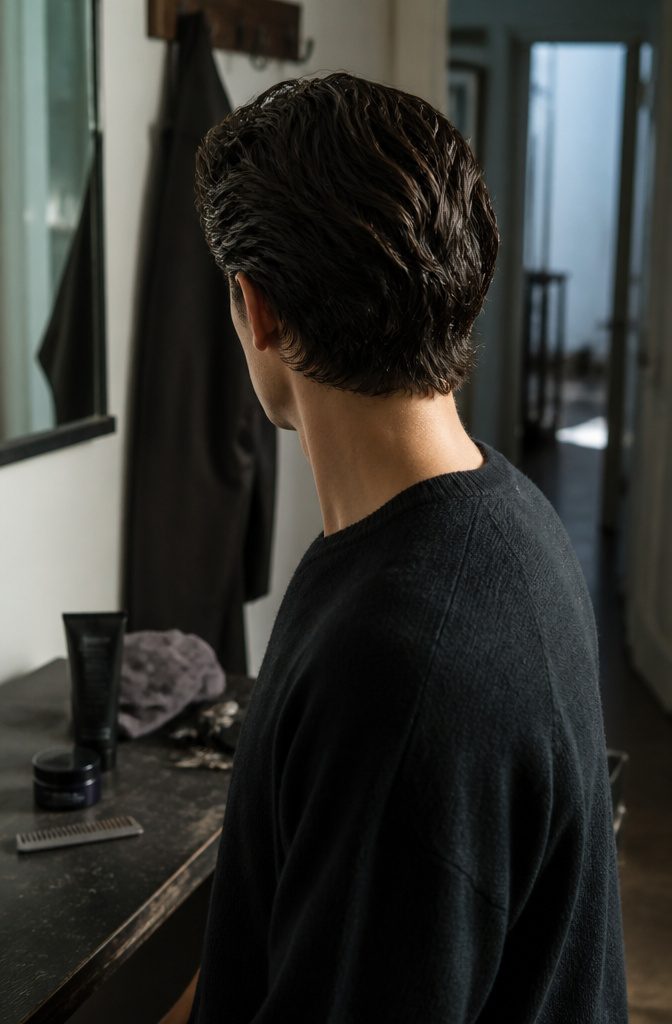
The natural side sweep is the wet look I’d pick for an ordinary Tuesday. The hair goes to one side but keeps some movement and separation, so it looks polished without the formality of a deep side part.
The diagonal direction also gives the look of extra volume across the top, which helps fine and medium-density hair. It works on straight and wavy hair, and on round, oval, square and diamond faces.
Comb it the way your hair already grows. A lightweight pomade, styling cream or flexible gel is enough, and too much product flattens the sweep completely.
Fine hair flattens most easily, and any wet style this loose may need restyling midday. Book a trim every 4–6 weeks.
Slicked-Back Braid
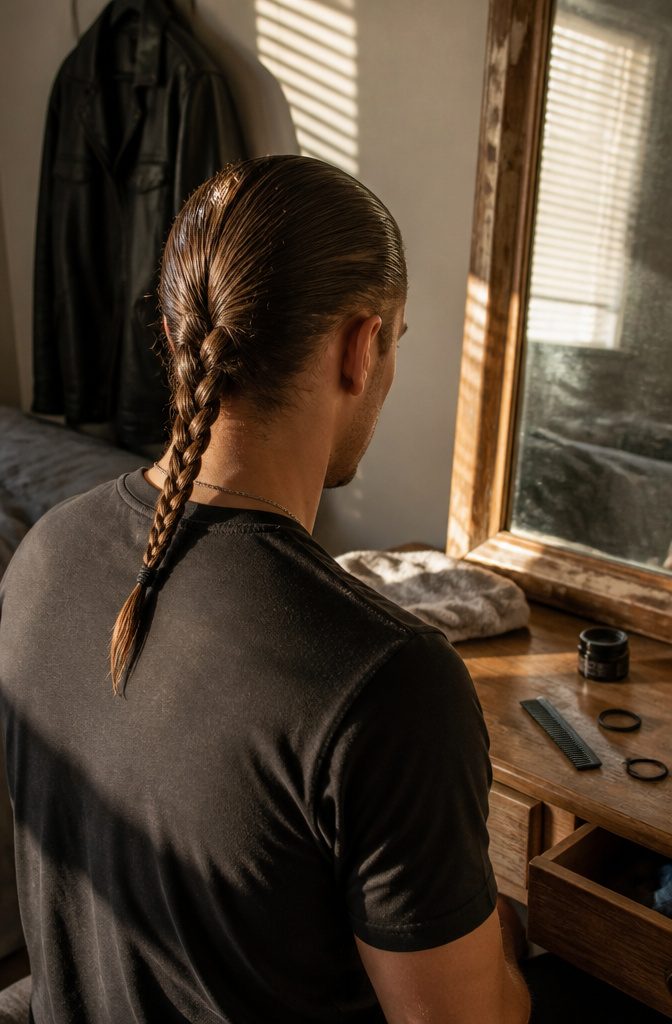
A slicked-back braid is the wet look for guys with length, and it asks for very little skill.
Hair needs to be long enough to split into three sections and cross over itself, which for most men means roughly collar length or more. Shorter, and the ends spring loose.
Comb product through damp hair, slick it straight back, then braid a plain three-strand. It takes next to no time, and it keeps hair off your face all day, so the sleek front stays put.
The Dutch braid is the slightly more intricate option. I’d master the three-strand first and only switch once it feels automatic.
Wet-Look Ponytail
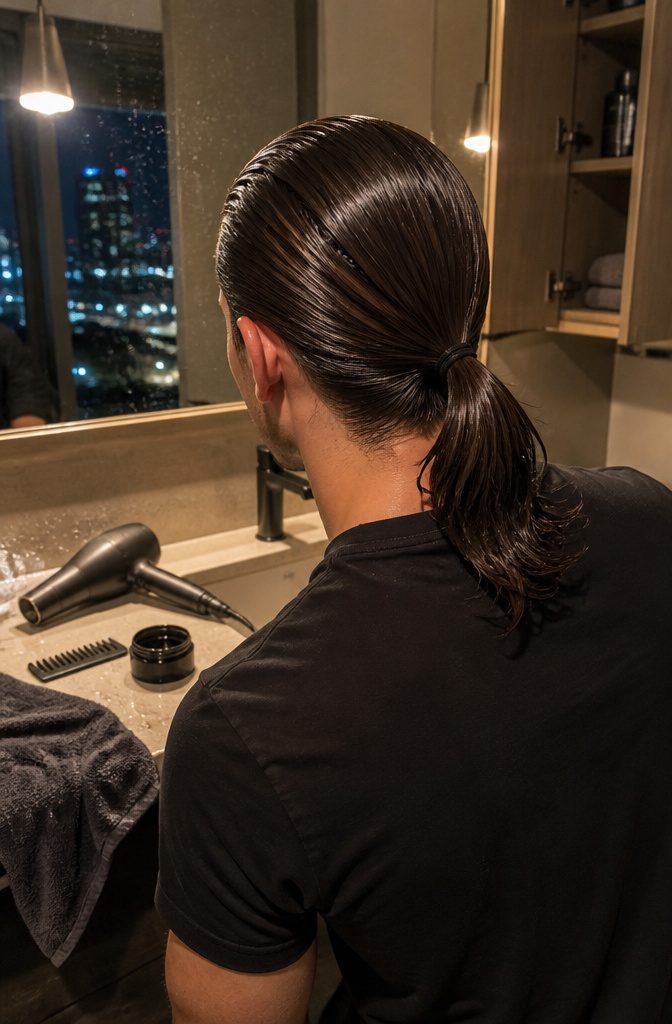
A wet-look ponytail needs hair long enough to gather, which rules out most short crops. Set it at the crown and it reads high-fashion; drop it low at the nape and it turns chic and grown-up.
For an office or a dinner, I’d go low. The slicked sides give the style its polished finish, so the hair around your temples and ears should lie flat and shiny before you tie anything.
Blow-dry the hair straight first, since straight hair slicks back more easily.
Then rub a small amount of gel between your palms and pull it through evenly. Too much gel leaves the hair greasy or stiff.
Textured Wet Waves
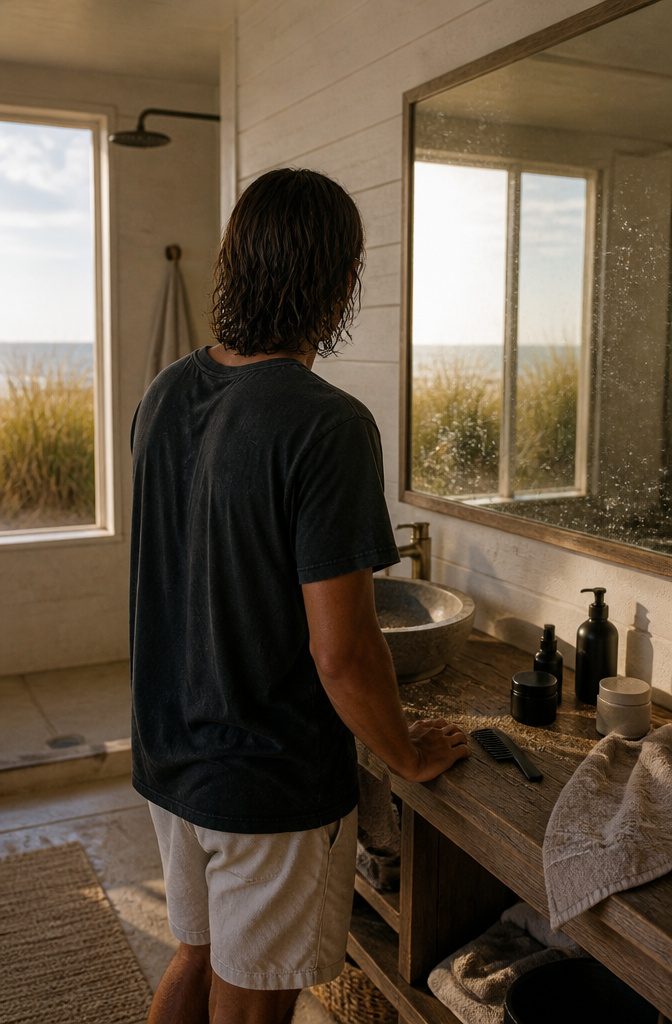
Textured wet waves pair a relaxed, beachy shape with a glossy finish, and the contrast is the appeal: shine usually reads as polished, while loose texture reads as casual, so together they look deliberate, not stiff.
You get the shine of a wet look and the separation of a textured cut.
Go light on product. A small amount worked through the ends gives enough shine, and a light gel, shine cream or flexible pomade suits this better than a heavy hold.
Saturating everything is the mistake I’d warn against most, since it glues the strands into one mass and the waves lose their separation. A texturizing spray builds the base, and a wide-tooth comb spreads product evenly.
Choosing Product by Hair Type and the Finish You Want
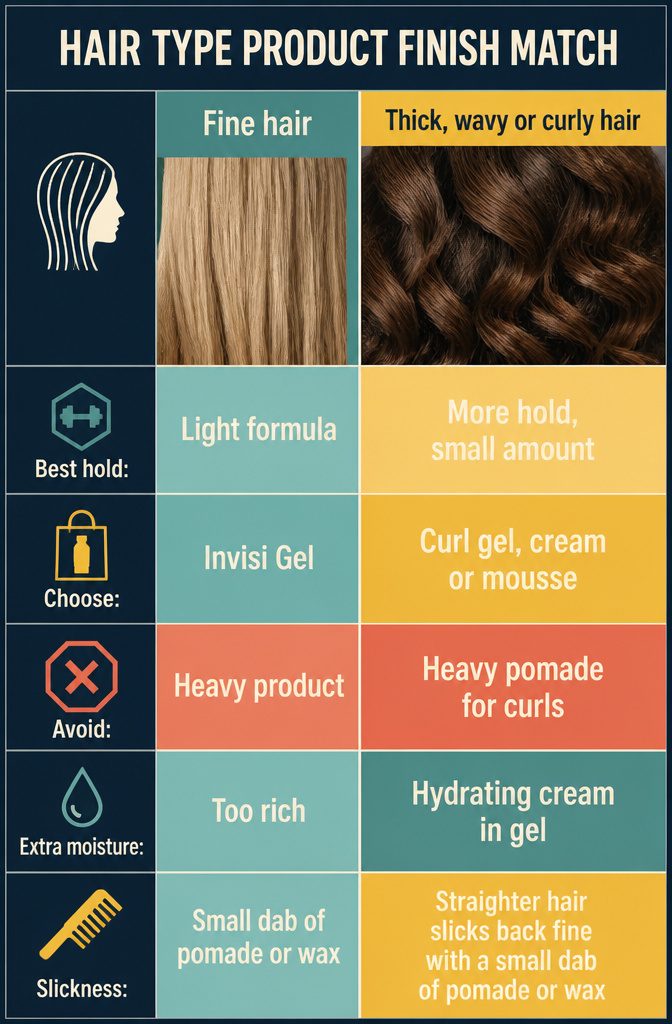
Fine hair loses to heavy product fast, and too much gel flattens the roots and makes it look thinner.
L’Oréal Paris Studio Line Above it All Invisi Gel is the kind of light formula I’d pick: it adds volume and shine and dries without stiffness. Thick or wavy hair can take more hold, used in small amounts.
Mixing Moroccanoil Hydrating Styling Cream into your gel adds moisture, but it’s too rich for fine hair, and Eco Style Olive Oil Gel is too thick for medium to thin hair.
For curls, skip heavy pomade and use curl gel, curl cream or a lightweight mousse. Straighter hair slicks back fine with a small dab of pomade or wax.
Starting with Damp Hair and Spreading Product Evenly
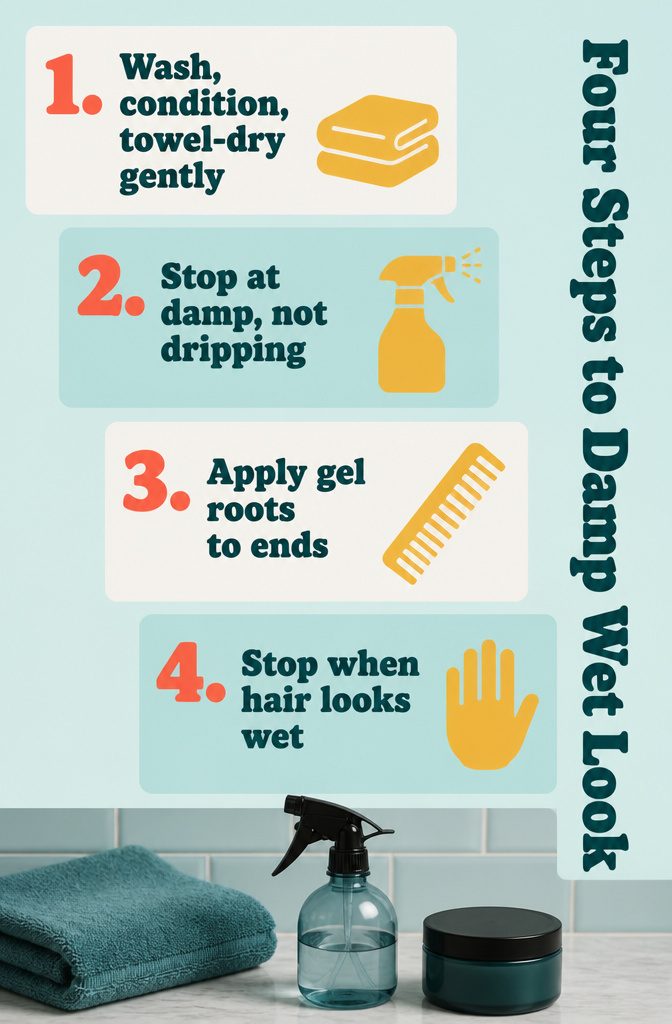
Most wet-look failures start in the shower, and FashionBeans names the cause bluntly:
It might seem logical to start with dripping wet hair, but this won’t absorb any product.
The target is damp, not dripping, because extra water also dilutes the hold of your gel.
- Wash and condition, then towel-dry gently. Pat and squeeze; rubbing hard causes damage and frizz.
- Stop while hair is damp. If it dries fast, keep a spray bottle handy and spritz water back in.
- Work gel from the roots down, and go light on the ends, which turn stiff.
- Stop adding when it looks wet. Too much product leaves hair greasy, stiff, flat or heavy.
Frequently Asked Questions
How can I make my hair look wet all day?
Use a strong-hold gel on damp hair and let it dry completely before going out.
A lightweight hairspray can add extra hold, though it won’t create the wet finish on its own. Thick or wavy hair holds the look longer than fine hair, which may need a midday touch-up.
What men’s hair product gives a wet look?
Pomade, gel, styling cream, and mousse all create the wet look, but the choice depends on your hair type.
Fine hair does best with light gel or mousse, while thick or wavy hair can handle pomade or strong-hold gel. For curls, skip heavy pomade and use curl gel or curl cream instead.
Does pomade give a wet look?
High-shine pomade creates a wet finish, while mattifying pomade does not.
Check the label for shine level. A medium-shine or high-shine formula will give you the gloss, and it works best on thick or straight hair.
Does hairspray make hair look wet?
Hairspray locks the wet style in place but won’t create the shine on its own. Apply gel, pomade, or styling cream first to get the glossy finish, then spray to hold it through the day.
How to get wet, slick hair look men?
Start with damp hair, not dripping wet, and work a strong-hold gel or pomade from roots to ends.
Comb or brush it into your chosen style, keeping product off the very roots to avoid looking greasy. Let it dry completely, and finish with hairspray if you need extra hold.