What Hair Color Fade Means and Which Dyes Actually Wash Out
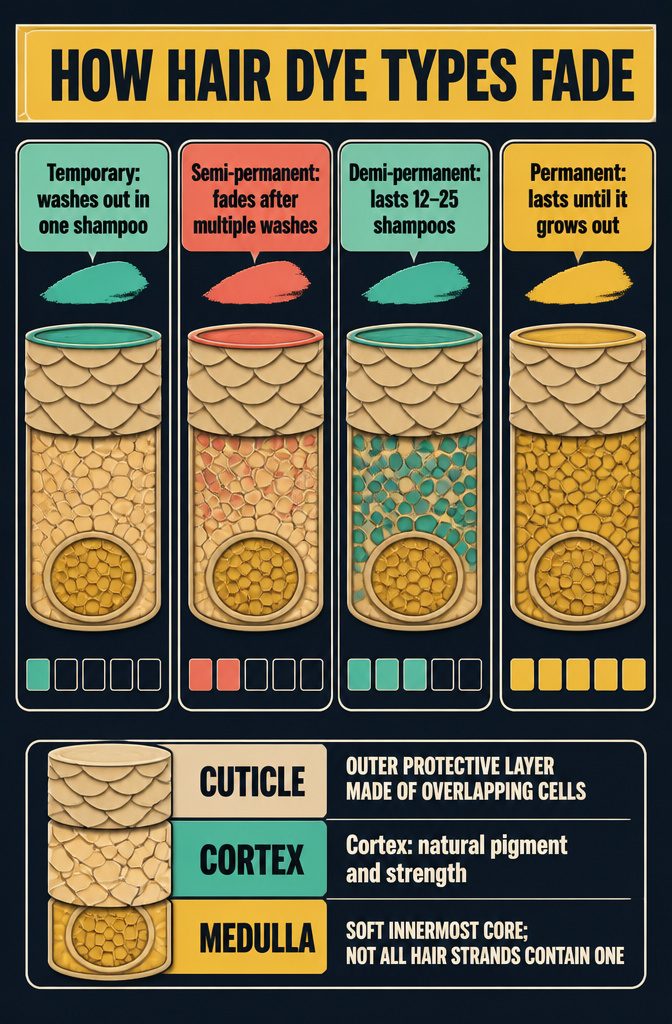
Hair color fades or washes out at completely different rates depending on which type of dye you use.
Temporary dyes wash out in a single shampoo because they bind weakly to the outermost cuticle and sit on the surface rather than penetrating it.
Semi-permanent dyes go deeper, entering the cortex but not chemically bonding with your natural pigment, so they fade after multiple washes.
Demi-permanent formulas last longer, typically holding through 12–25 shampoos before fading noticeably. Permanent dyes work differently: they penetrate the cuticle entirely and mix with the melanin in your cortex, the thickest hair layer that determines your natural color.
The cuticle is the outer protective layer made of overlapping cells; the cortex sits beneath it and gives hair its strength and texture; the medulla is the soft innermost core, though not all hair strands contain one.
Permanent color changes that melanin rather than coating over it, which is why it lasts until it grows out rather than washing away.
1. Washing and Shampoo Strip Color Fast
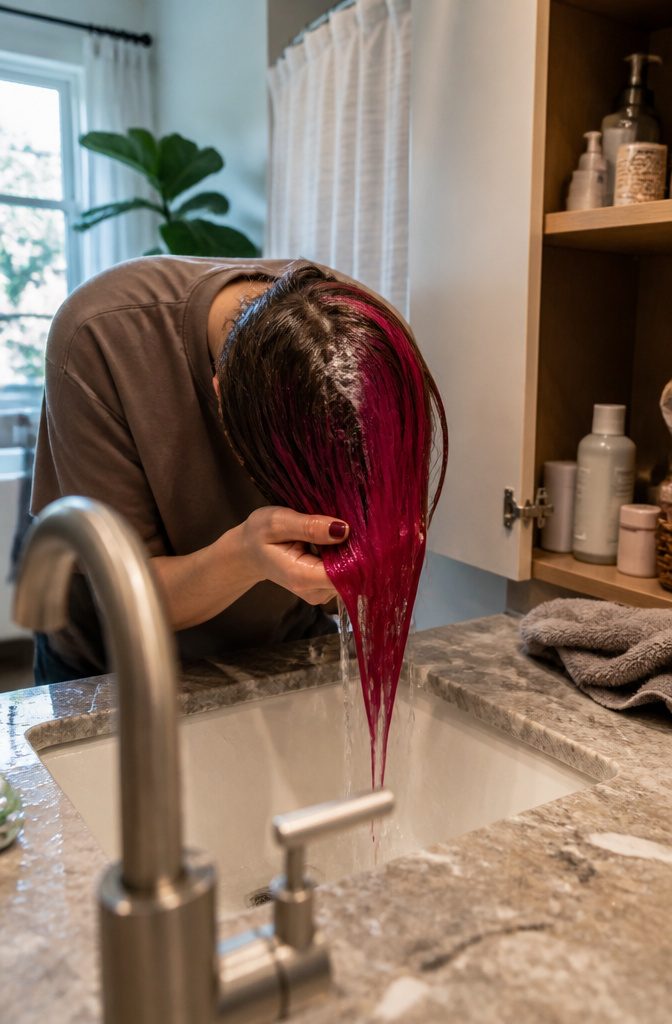
Every time you wash, you’re lifting color molecules out of the hair shaft.
Hot water and shampoo open the cuticle enough to clean, but that same opening lets dye escape. Washing less keeps more pigment locked in, which is why dry shampoo shows up in nearly every color-care routine worth following.
The shampoo itself matters.
Color-safe formulas skip the harsh surfactants that strip dye along with oil. Clarifying shampoo sits on the other end: it cuts through buildup, and while it won’t strip permanent color in one wash, repeated use will fade it over time.
If fading is the goal, reach for a clarifying shampoo that doesn’t say color-safe on the label.
Demi-permanent color lasts 12–25 shampoos depending on the brand and how often you wash. That range is wide enough that skipping even one wash per week can add a full week to how long the color stays bright.
2. Heat and Hot Water Open the Cuticle and Let Color Escape
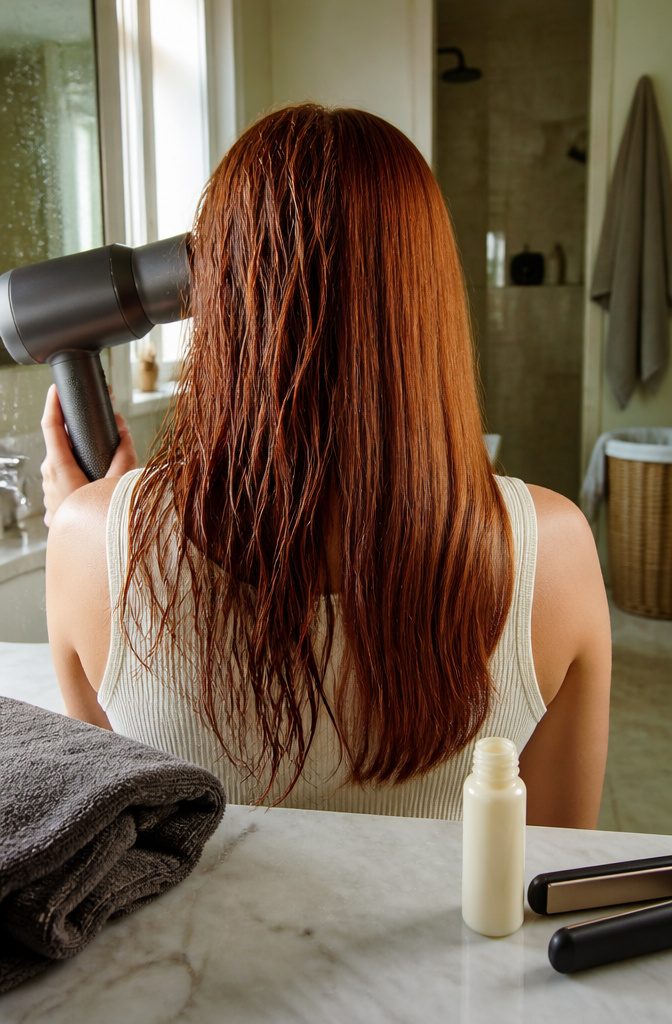
Hot water opens the cuticle, and pigment rinses down the drain with it.
The hotter the water, the faster the fade, so turn the shower down to tepid or cool for the rinse. Hair follicles stay closed in cold water, which keeps color from washing out as quickly.
Styling tools add their own heat. Wet hair is more prone to damage, so rough-dry until it’s about 90 percent dry before a flat iron or round brush touches it.
Apply a thermal protectant before blow drying or straightening, since hot tools can dull color on their own. Going straight in with a hot tool on soaking hair is the habit I’d drop first, because it costs nothing to fix.
3. Porosity and Damage Change How Long Color Holds
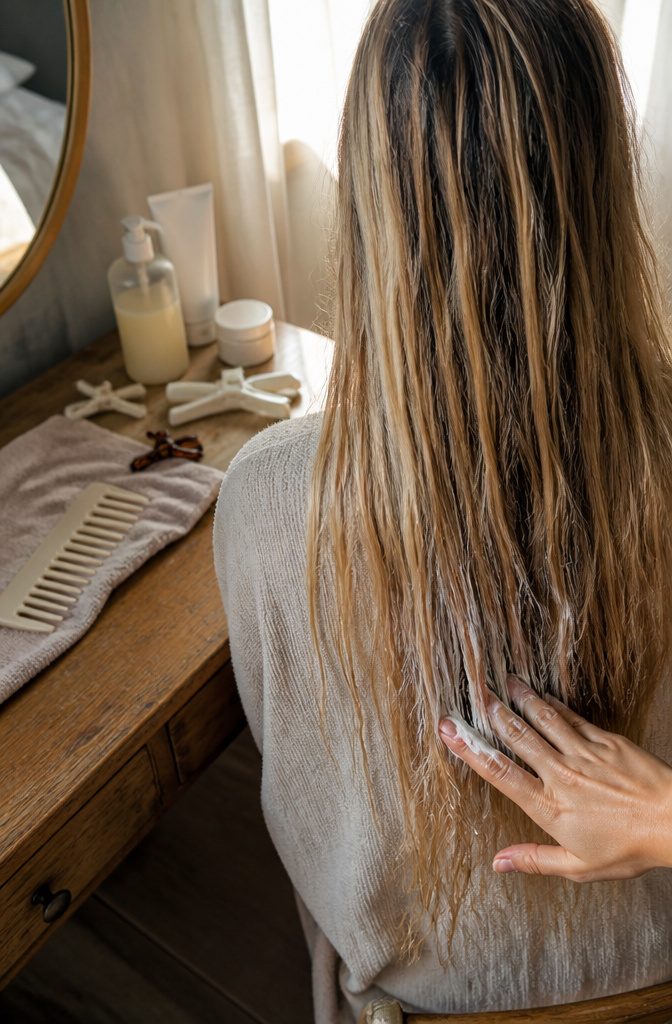
Porosity decides how long color stays put. Highly porous hair soaks up dye fast and loses it just as fast, so a shade that looked right at the chair can go dull within weeks.
Over-processing, harsh styling and rough weather all raise porosity. Bleaching is the biggest culprit, since lighter hair gives brighter color but takes the most damage getting there.
Repair is the fix, and a leave-in is where I’d start. K18 Leave-In Molecular Repair Mask is a colorist favorite for restoring hair’s integrity and helping lock color in.
Joico’s K-Pak Color Therapy Shampoo ($16) and Conditioner ($18) are a cheaper daily option, with peptides that hold color and oils that keep strands soft.
Add a heat protectant before styling. Heat doesn’t change the color directly, but the damage it causes does.
4. Sun and UV Exposure Fade Color Between Salon Visits
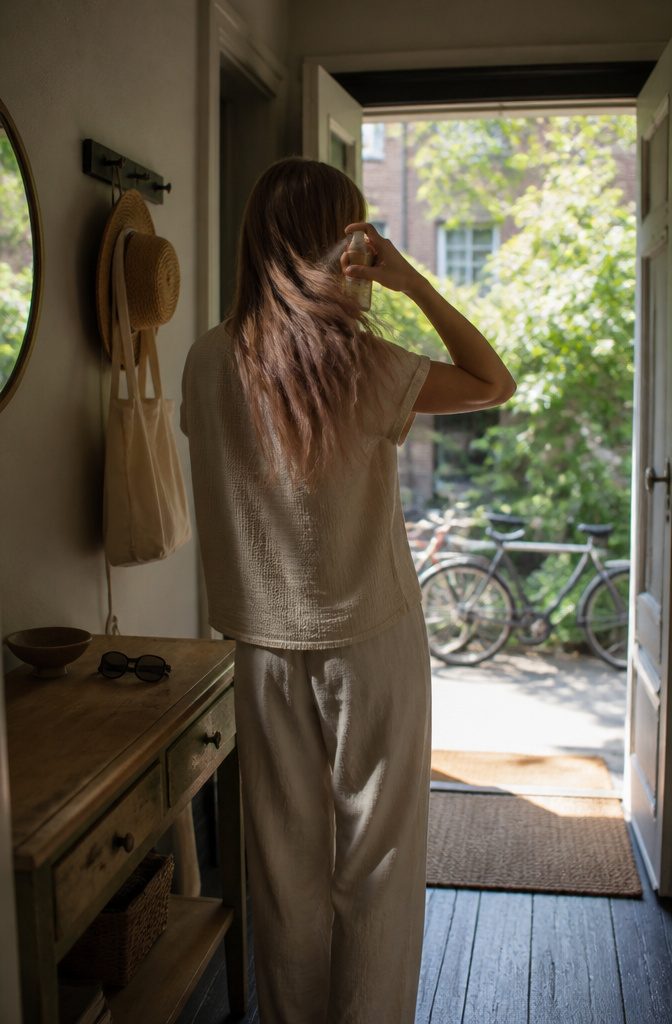
UV rays break down the chemical bonds in hair dye the same way they damage skin. Even after summer ends, hair that spent time in the sun becomes more porous and prone to rapid color loss.
The bleached-out streaks you see on people who spend weekends at the beach are not just faded, they are structurally changed in a way that keeps letting color escape.
Protecting hair from UV before damage happens matters more than trying to repair it later.
Sun Bum 3-in-1 Leave In shields against both heat styling and UV exposure while making waves look defined, and Davines SU Milk offers similar protection for color-treated hair.
Both sit between a heat protectant and a styling product, which keeps the morning routine from turning into a seven-step process.
I apply mine before leaving the house rather than waiting until I am already outside, since UV damage starts the moment you step into daylight.
5. Chlorine and Saltwater Pull Color Out Fast
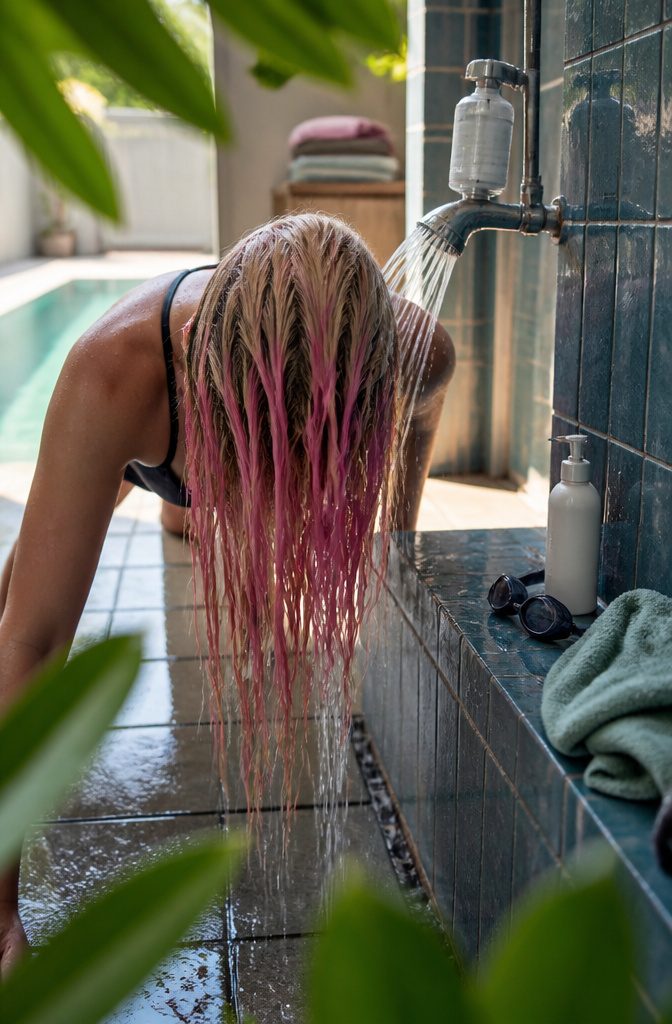
Chlorine and saltwater both strip dye molecules straight out of the hair shaft, and a single swim can shift your color noticeably.
Chlorine oxidizes the dye, breaking down its structure, while salt dehydrates the cuticle and lifts pigment as it dries.
Pool water hits harder than you might expect: one study found that shower water can contain as much as half the chlorine of a swimming pool, which means even daily rinsing accelerates fade.
Installing a filter on your showerhead pulls most of that chlorine out before it touches your hair.
T3 Source Shower Filters remove 95% of chlorine and restore the water’s pH balance, leaving color-treated hair softer and less prone to fade between salon visits.
If you swim regularly, rinse your hair with clean water immediately after getting out, then apply a leave-in primer designed to seal the cuticle.
Products like Pureology Colour Fanatic or Bumble and bumble Hairdresser’s Invisible Oil Primer form a protective layer that blocks chlorine and salt from penetrating in the first place.
6. Dry Conditions and Friction Wear Color Down
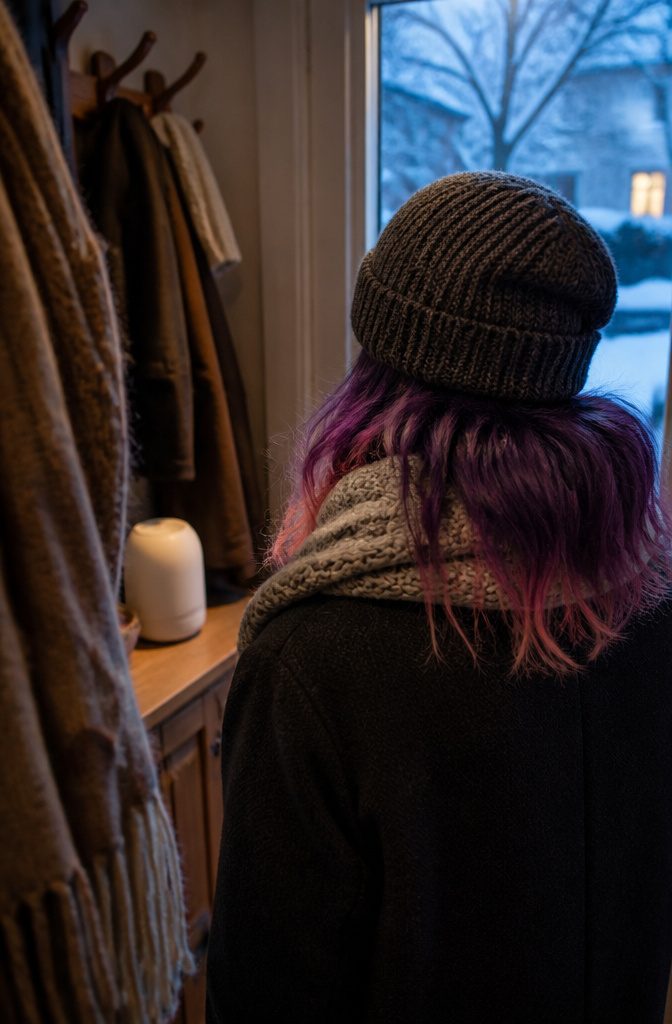
Dry air pulls moisture out of hair, and dry hair turns porous, so color molecules escape more easily.
A dry strand holds pigment about as well as a dry sponge holds water. Fall air is already low on moisture, and indoor heating dries it out further.
Friction does the second half of the damage. Beanies, scarves, hoods and high-collar sweaters rub the same stretch of hair for hours, lifting the cuticle and wearing color off the surface.
I’d choose a looser hat and keep scarf and collar fabric from dragging across the ends, which is where the rubbing tends to concentrate.
Porous hair loses color just as fast as it takes it up, so dryness and rubbing compound each other.
How to Keep Wanted Color Vibrant Longer
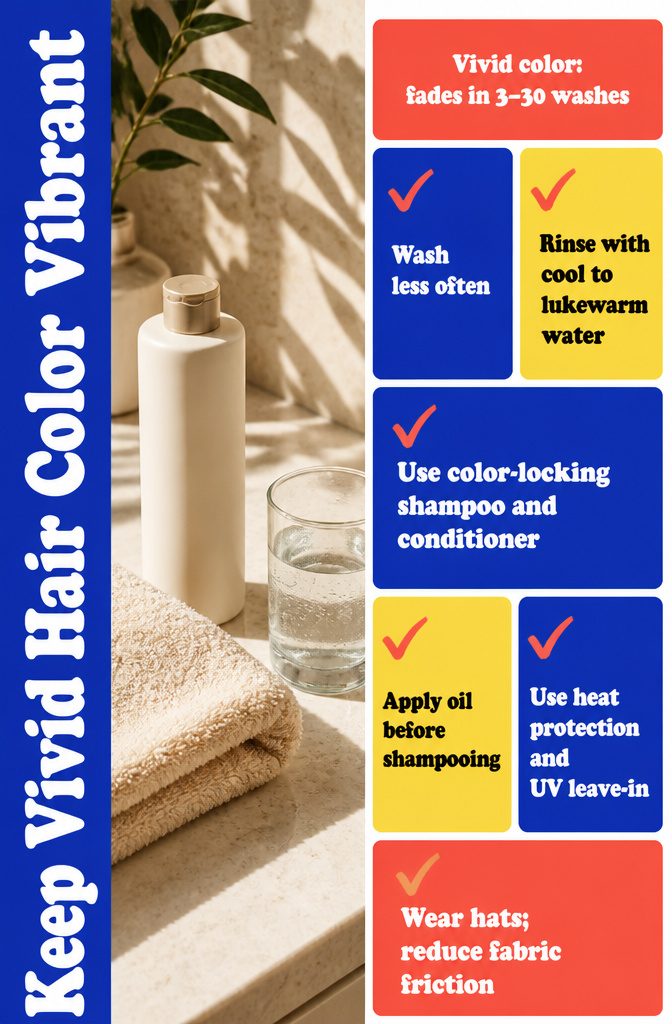
Vivid unnatural color can fade in as little as 3 to 30 washes, depending on hair health, type and aftercare. Cosmopolitan’s colorist put the commitment plainly:
"…any unnatural hair colour, (like blue, pink or purple), is only temporary."
So the routine matters as much as the dye job.
- Wash less, and rinse in cool to lukewarm water. Hot water opens the cuticle and lets pigment escape.
- Use Joico K-Pak Color Therapy Shampoo ($16) and Conditioner ($18). Their peptides lock color in.
- Massage Cantu Rosemary & Mint Hair & Scalp Oil in before shampooing, even overnight.
- Spray Colour Wow Dream Coat before heat styling, since heat damage drives fading.
- Wear a UV-protecting leave-in outdoors, and keep hats and rough fabrics from rubbing your hair.
Color-Depositing Products Refresh Tone Without a Full Dye Job
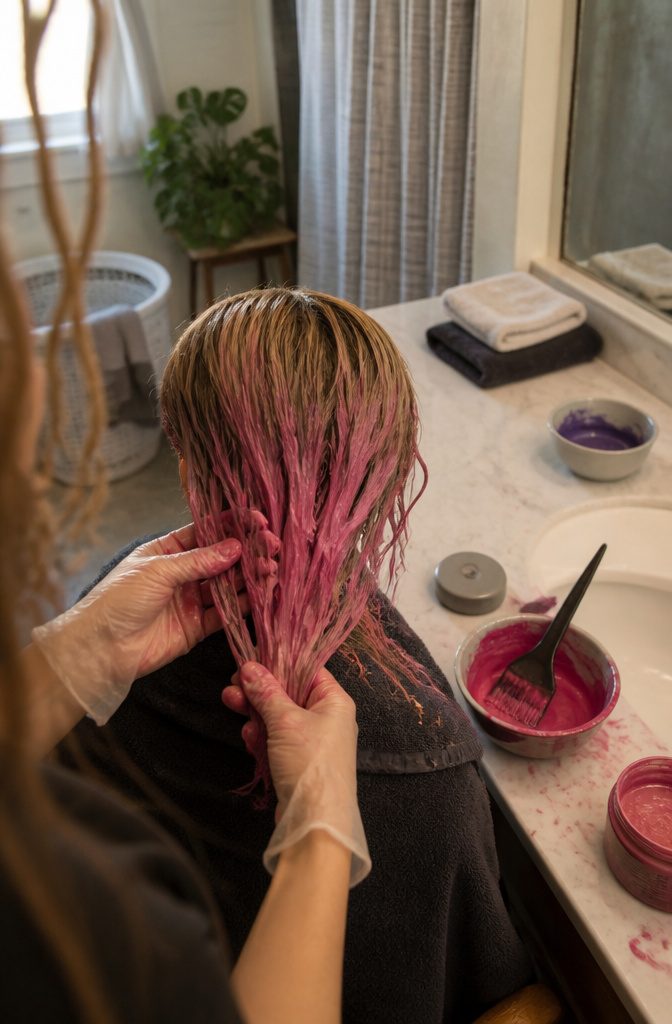
Dye stirred into conditioner is the cheapest way to top up tone between appointments. Squeeze your usual conditioner into your palm, add a dollop of Crazy Color Pinkissimo, work it together and apply it like plain conditioner.
Shrine Hair Drops comes with a mixing bowl and spatula for a tidier setup, and gloves are smart either way.
A pre-dyed mask skips the mixing, and I’d pick one over the DIY route for less mess. Maria Nila Colour Refresh Bright Red and Schwarzkopf Professional Chroma ID Hair Colour Mask both fit here.
XMONDO Color Depositing Masks come in Berry, Platinum, Sapphire and Rose Gold: leave the shade on for 5–20 minutes and reapply weekly. They’re conditioning-based, so regular repeats are safe.
How to Fade Unwanted Color at Home
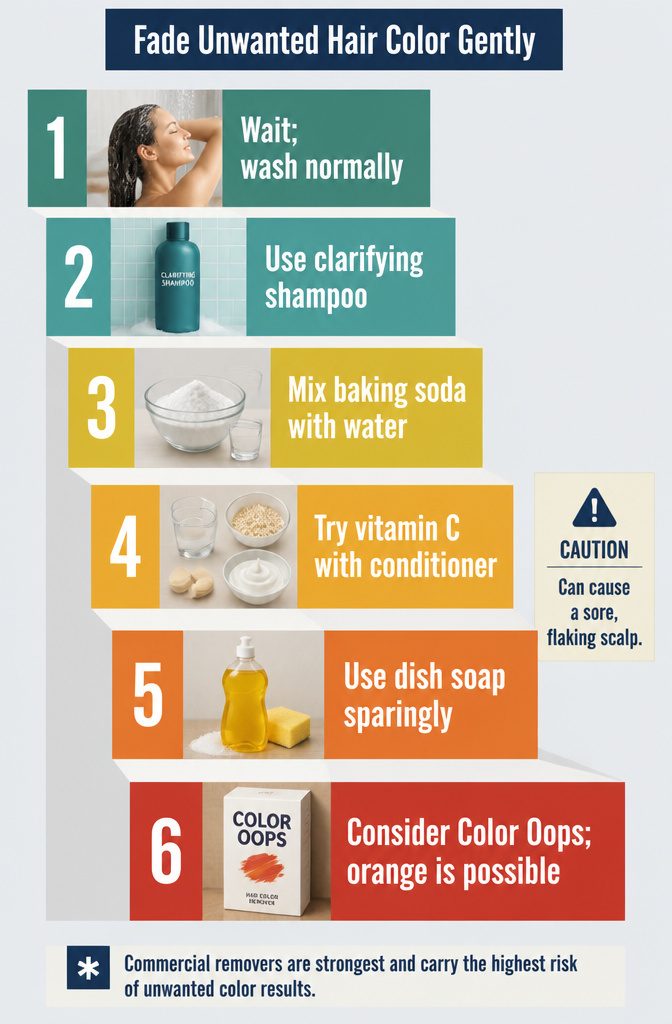
Gentlest to harshest, these are the options:
- Wait and wash normally. Fresh dark dye often looks too dark for a day or two and settles within a week. I’d start here.
- Clarifying shampoo. It fades permanent dye slowly, and skip anything labeled "color-safe."
- Baking soda. Mix about 1 teaspoon with water and leave it on 15–20 minutes.
- Vitamin C. Crush 1/2 cup of tablets into clarifying shampoo, leave 30–60 minutes, then use a hydrating conditioner. It lightens a shade or two. One blogger used 20 to 30 tablets, repeated four or five times over a weekend, and got a sore, flaking scalp.
- Dish soap. One person shampooed and rinsed about 20 times in the first 24 hours. Commenters used Sunlight dishwashing detergent twice, then a hot oil treatment.
- Color Oops. It’s a commercial stripper, but color correctors can turn hair orange.
Stripping Versus Bleaching and What Each Actually Does
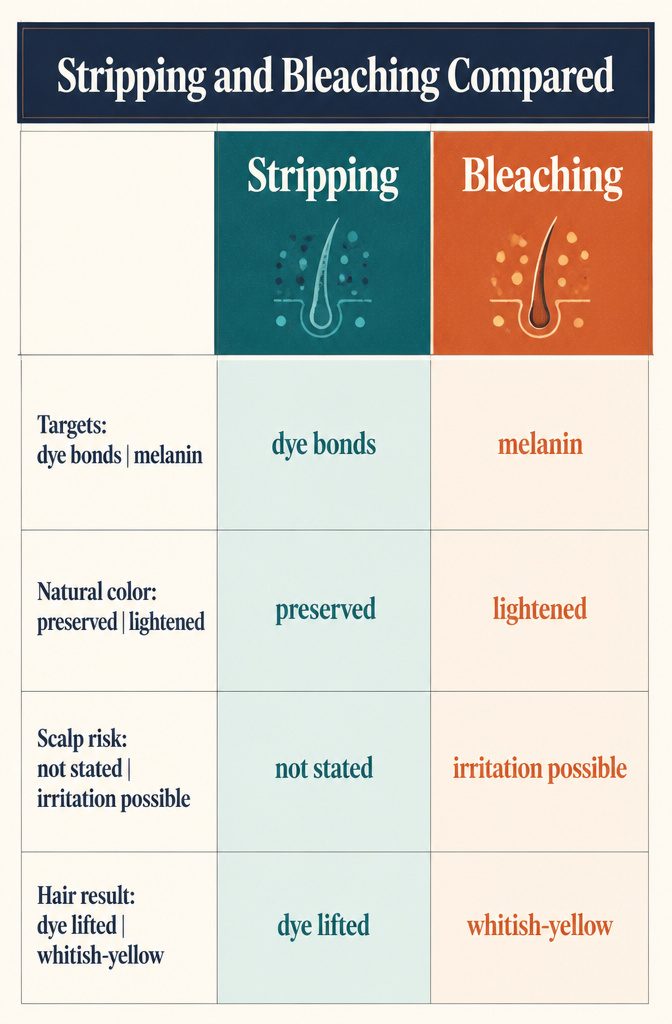
Bleach uses alkaline chemicals like hydrogen peroxide or ammonia to break down melanin in the cortex, so it lightens natural pigment and dye alike and leaves hair whitish-yellow.
Stripping breaks the bonds between dye and melanin instead, which lifts only the dye and leaves your natural color alone.
For removing unwanted dye, I’d try stripping first. Bleach at home can irritate the scalp, leave hair brittle and dry, and turn it completely white if left on too long.
Hair bleached before it was dyed won’t return to its natural color. Many permanent dyes also contain bleaching agents, so they lighten while they color.
Risks of Aggressive Fading and When to Stop
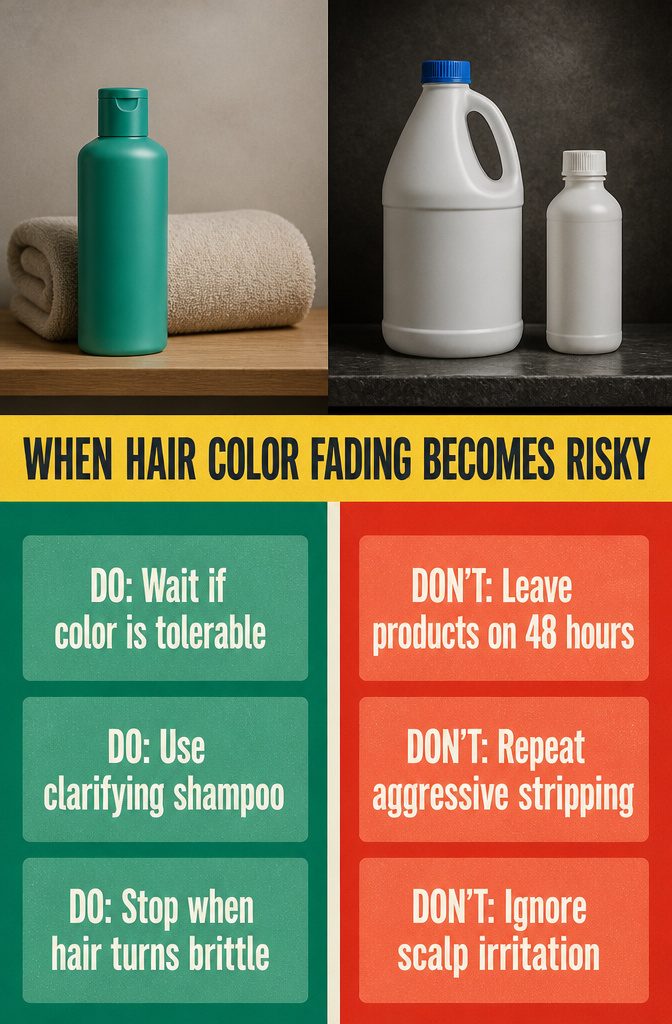
Pushing too hard to strip color carries real risk. Bleach and ammonia-based products can irritate your scalp badly, and the timing matters more than most people expect.
Leaving product on for 48 hours caused scalp irritation that took about a week to return to normal. Even short of that, aggressive washing or repeated stripping dries hair out and can leave it brittle.
Color correction carries its own hazard. Commenters report that stripping products may turn hair green or orange rather than lifting cleanly back to the base shade, which means another round of dye to fix what you were trying to undo.
If the color is tolerable, waiting it out beats risking damage or a worse result. Dark dyes fade faster than you think, and a clarifying shampoo speeds that along without opening the door to chemical burns or straw texture.
When a Salon Colorist Is the Safer Choice
When a Salon Colorist Is the Safer Choice
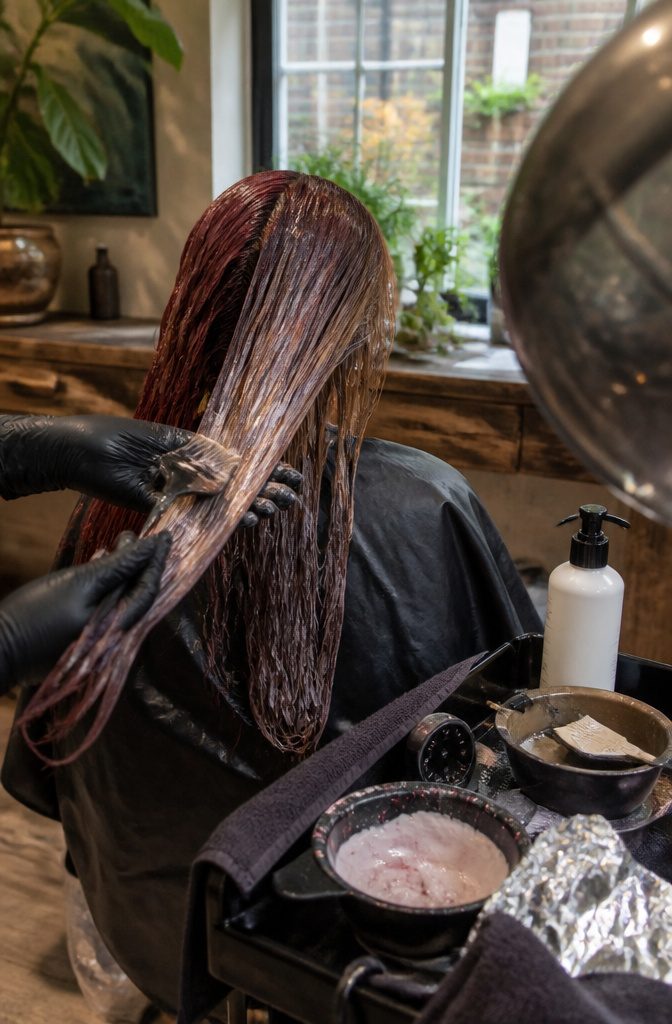
If removing color feels risky, a salon is the safest route. A colorist can assess damage before lifting pigment and tailor the process to what your hair can handle.
One approach is a bleach bath: diluted bleach mixed with shampoo, applied for about five minutes while the colorist watches closely to catch the lift before it turns damaging.
That method worked for one writer stuck with stubborn burgundy tones, leaving her closer to her natural color without wrecking her hair.
Expect time in the chair.
One colorist spent eight hours on a client going vivid pink, bleaching every strand, waiting for lift, then bleaching stubborn patches again before depositing color. That kind of session demands repair afterward.
One caution: color correction can still damage hair if the process is aggressive or rushed, so ask for a mild lightening bath rather than an all-day multi-step correction that might leave you worse off.
Frequently Asked Questions
How does hair dye work?
Hair dye changes color by either removing melanin through bleaching or adding artificial pigment.
Temporary dyes bind weakly to the outer cuticle and wash out in one shampoo, while semi-permanent dyes enter the cortex without bonding and fade after multiple washes.
Permanent dyes penetrate the cuticle completely and mix with the melanin in your cortex, changing your natural color rather than coating over it.
How long does it take for demi-permanent hair color to fade completely?
Demi-permanent color lasts 12–25 shampoos depending on the brand and how often you wash. Skipping even one wash per week can add a full week to how long the color stays bright.
What hair dye colors fade fast?
Vivid unnatural colors like blue, pink and purple fade the fastest, washing out in as little as 3 to 30 washes depending on hair health and aftercare.
These colors are temporary and fade much faster than natural shades because they don’t chemically bond with your melanin the way permanent dyes do.
Does hot water fade hair dye faster?
Yes, hot water opens the cuticle and lets pigment rinse out with it. Turn the shower down to tepid or cool for the rinse, since hair follicles stay closed in cold water and keep color from washing out as quickly.
How to look after coloured hair?
Wash less often and rinse in cool to lukewarm water to keep the cuticle closed.
Use a color-safe shampoo and conditioner with peptides that lock pigment in, and spray on a heat protectant before styling. Wear a UV-protecting leave-in outdoors and avoid rubbing from hats or scarves.
How to keep lowlights from fading?
The same rules apply to lowlights as any color-treated hair: wash less, use cool water, and skip clarifying shampoos labeled non-color-safe.
Protect from heat styling with a thermal protectant and wear a UV shield outdoors. Friction from hats and scarves wears color down, so keep fabric from dragging across your hair.
How to strip unwanted hair color safely?
Wait and wash with clarifying shampoo first, since dark dye often looks too dark initially and settles within a week.
If that doesn’t work, try baking soda or vitamin C mixed with clarifying shampoo, or use a commercial stripper like Color Oops.
For stubborn color or heavy correction, a salon bleach bath is the safest option because a colorist can tailor the process to what your hair can handle.