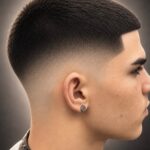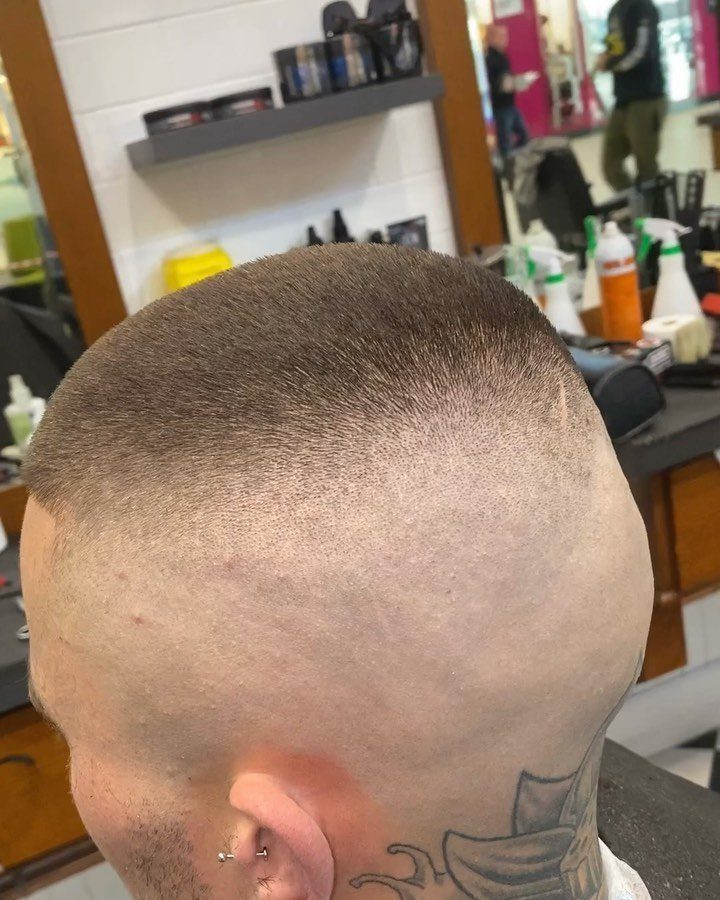
The high fade starts 2 inches or more above the ears and drops to skin, shadow or a short guard, framing everything from buzz cuts and crops to pompadours, quiffs, man buns and dreadlocks.
1. Skin Fade
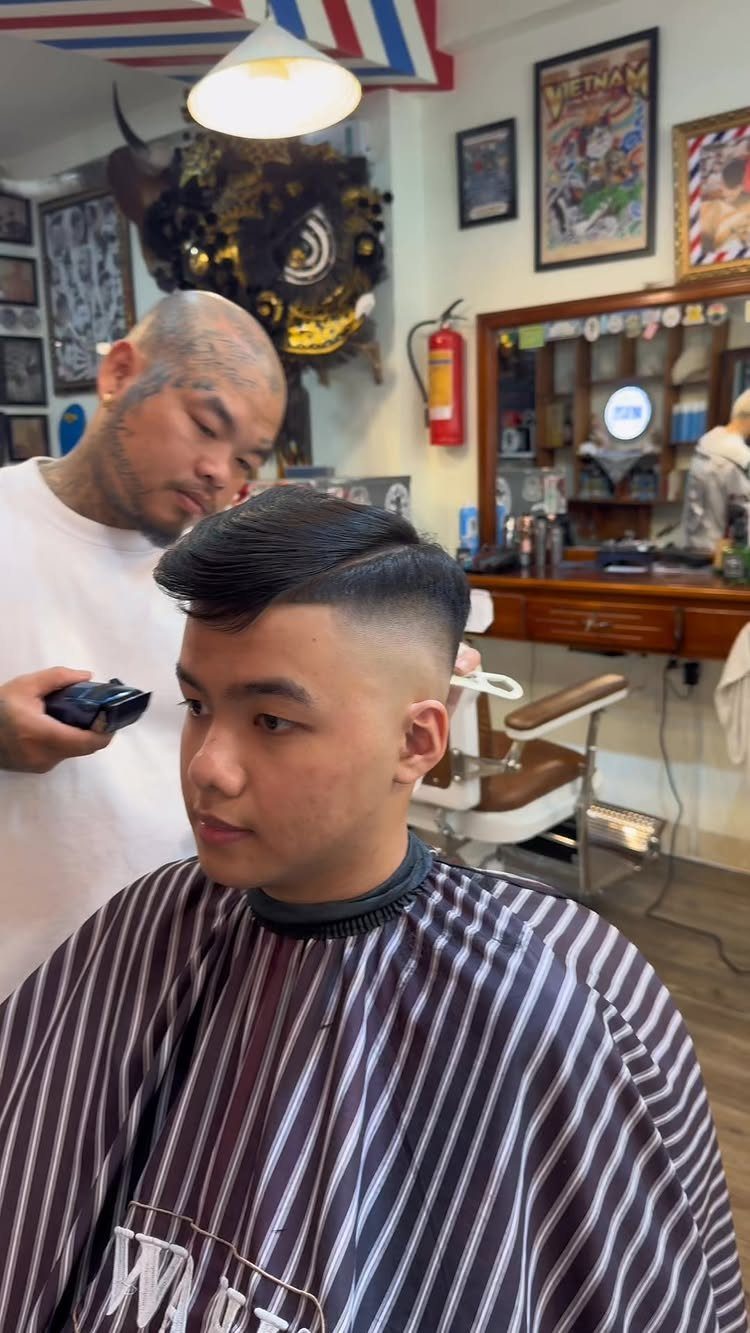
The high fade blends the sides down to bare skin for the sharpest contrast between a longer top and completely shaved sides.
Barbers start the fade high up on the head, usually 2 inches or more above the ears, and taper down to skin level using progressively smaller clipper guards. The gradient is tight, sometimes covering just an inch of vertical space.
Ask for a high skin fade and specify how short you want the top. This cut needs a touch-up every 1–2 weeks to keep the blend crisp and the skin line sharp.
If you choose a high fade, expect a haircut significantly shorter on the sides than the kind you may be used to.
— Hair.com
2. Pompadour Fade
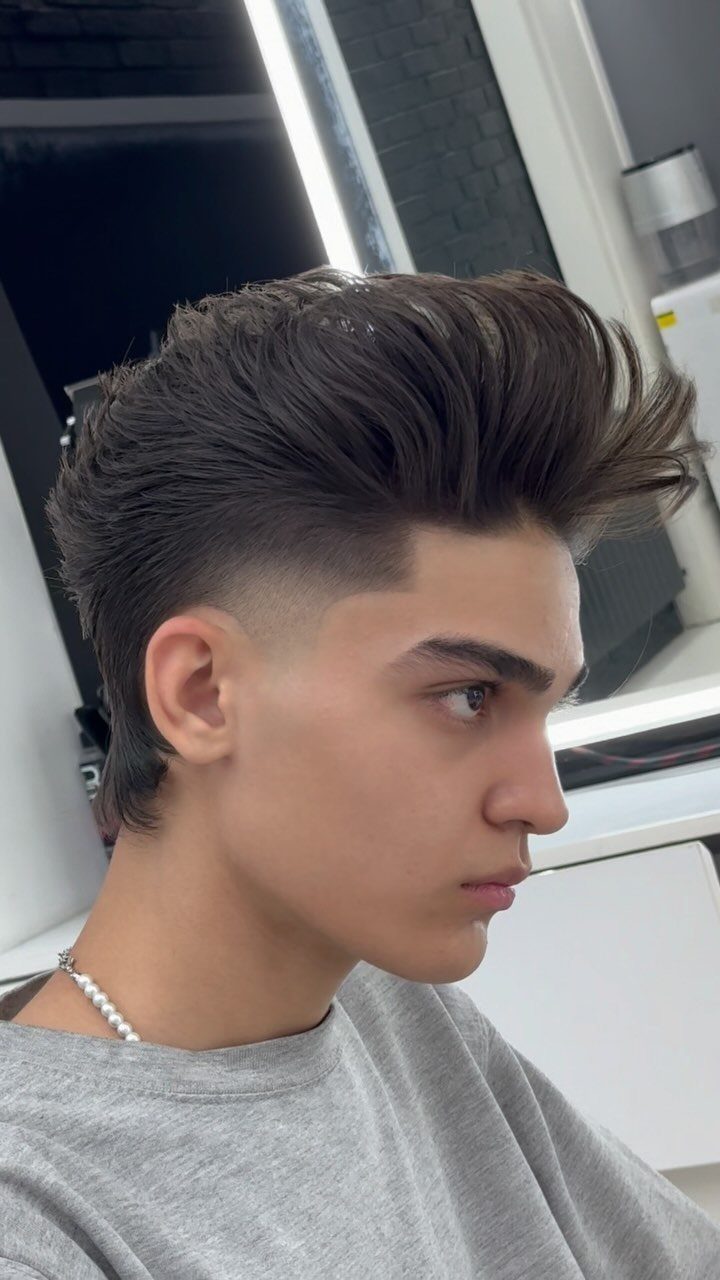
A high fade sets off a tall, swept-up front that flows back. The sides drop to short guards or skin while the top gets blow-dried up and back, then held with medium to strong hold pomade or styling cream.
The pompadour asks for real time in front of the mirror each morning. You’ll need a blow dryer, a round brush or your hands to lift the front, and product to lock the volume in place.
The style grows out well because what sits above the fade stays workable even as the blend softens.
3. Crop Fade
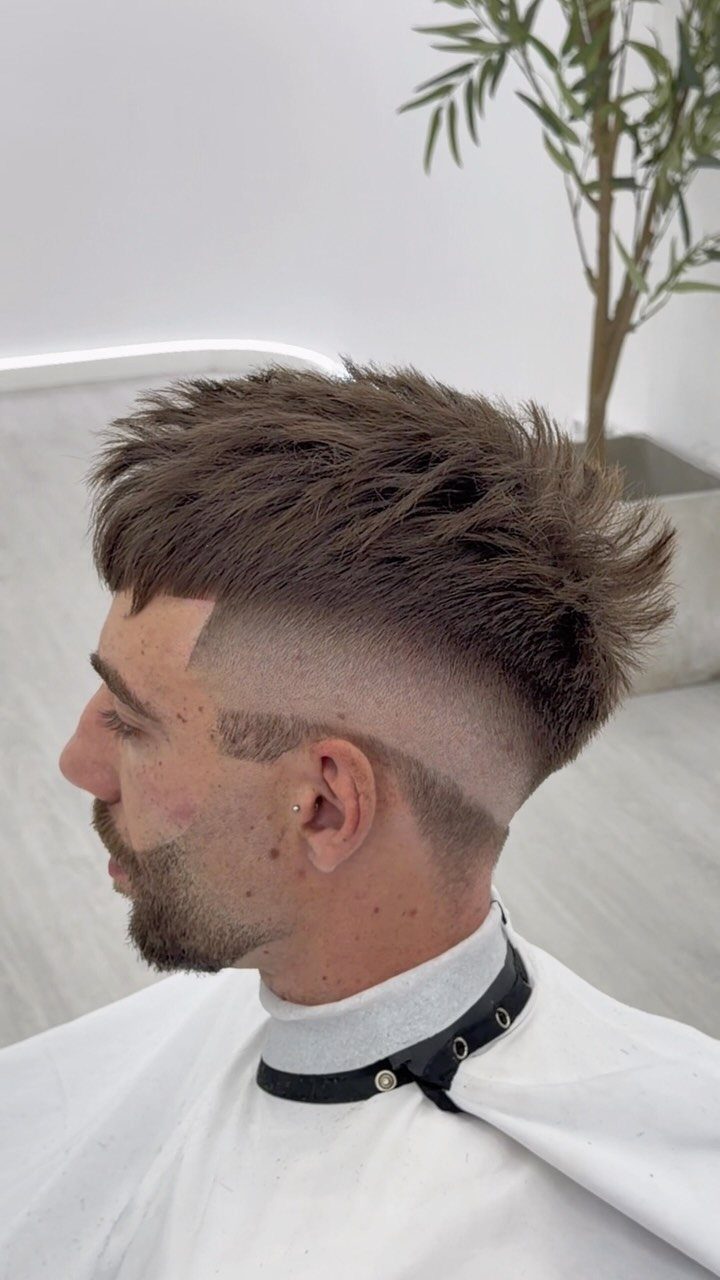
Choppy or rough finish above the ears, often with a forward fringe, contrasts with short faded sides. Scissors or point-cutting give the crown a jagged, matte finish, and fringe length decides how much falls forward.
Styling takes 2 minutes: towel-dry, work a small amount of clay or matte paste through damp hair, and push the fringe forward or to the side. No blow dryer required.
The crop suits thick or medium-density hair that holds texture without going limp. Finer hair can still pull this off with a texturizing product and slightly longer length on top.
4. High Fade Curly Hair
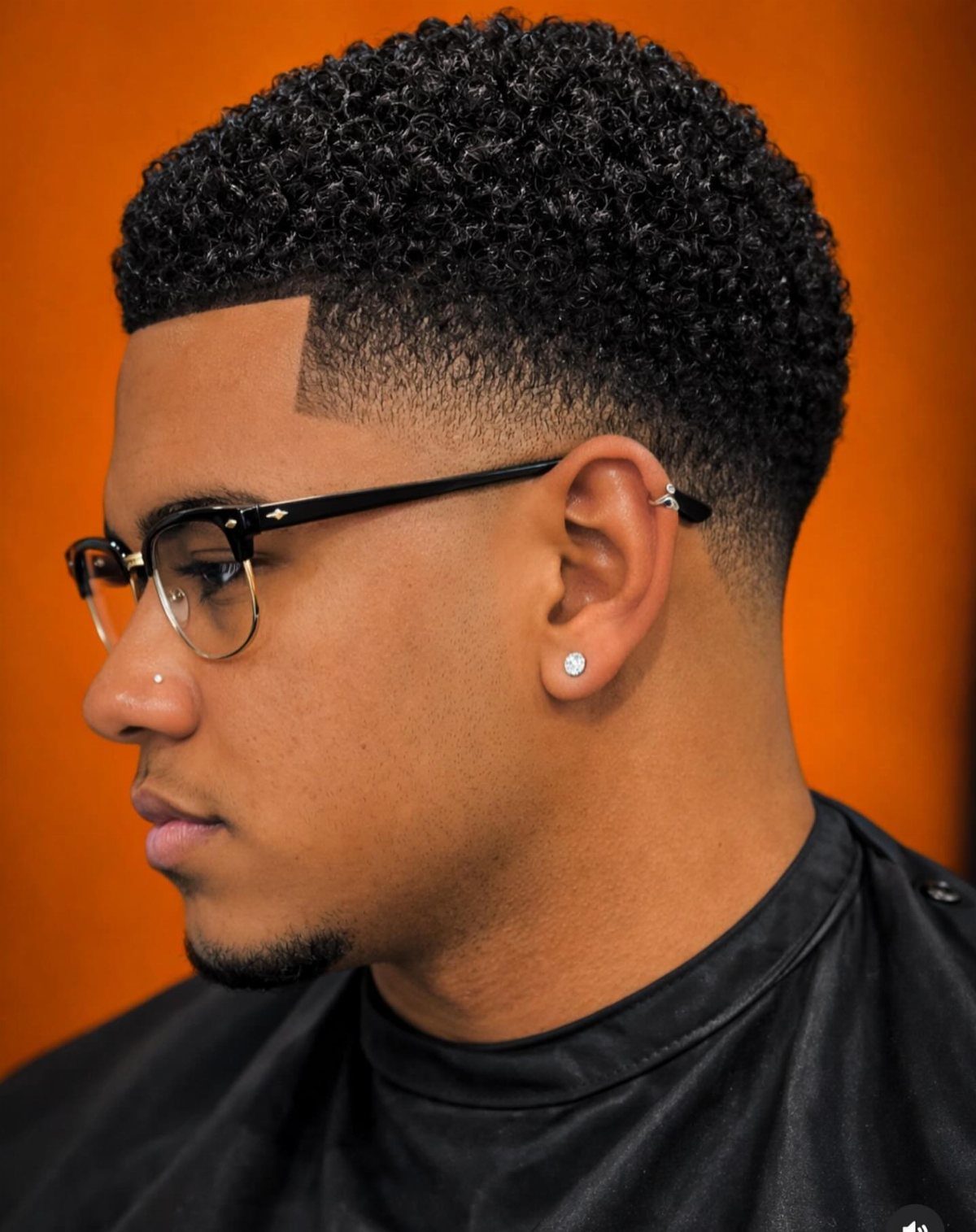
The high fade frames natural curls left longer and fuller on top. Tight curls get the most dramatic contrast when the sides drop to a 1 guard or skin and the crown keeps its full coil length.
Curly hair shrinks as it dries, so ask for more length than you think you need.
Styling is minimal: apply a curl cream or leave-in conditioner to damp hair, let it air-dry or diffuse on low heat, and the curls do the work.
Book your next trim as you leave; the fade loses its drama fast. The top can go longer between trims since curls hide uneven growth better than straight hair.
5. High Fade with Beard
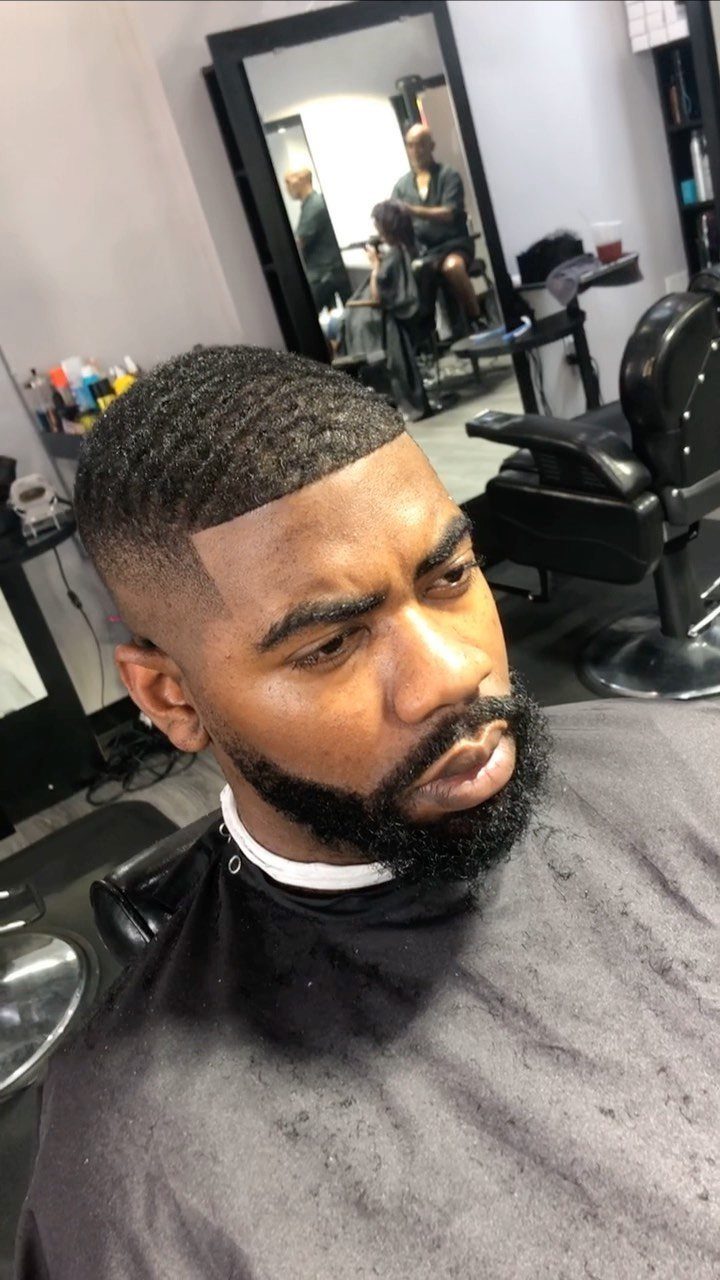
A high fade is paired with facial hair, sometimes blending the beard into the haircut. The barber tapers the sideburns and upper beard line so the fade flows into the beard without a hard stop.
This combo suits men who can grow a full beard and want the beard to feel like part of the whole style, not an add-on.
If your beard grows in patchy or thin on the cheeks, a clean line between the fade and beard works better than a blended transition.
Both the fade and the beard need regular upkeep. Plan for regular barber visits or daily beard trimming at home to keep the lines sharp.
6. Buzz Cut
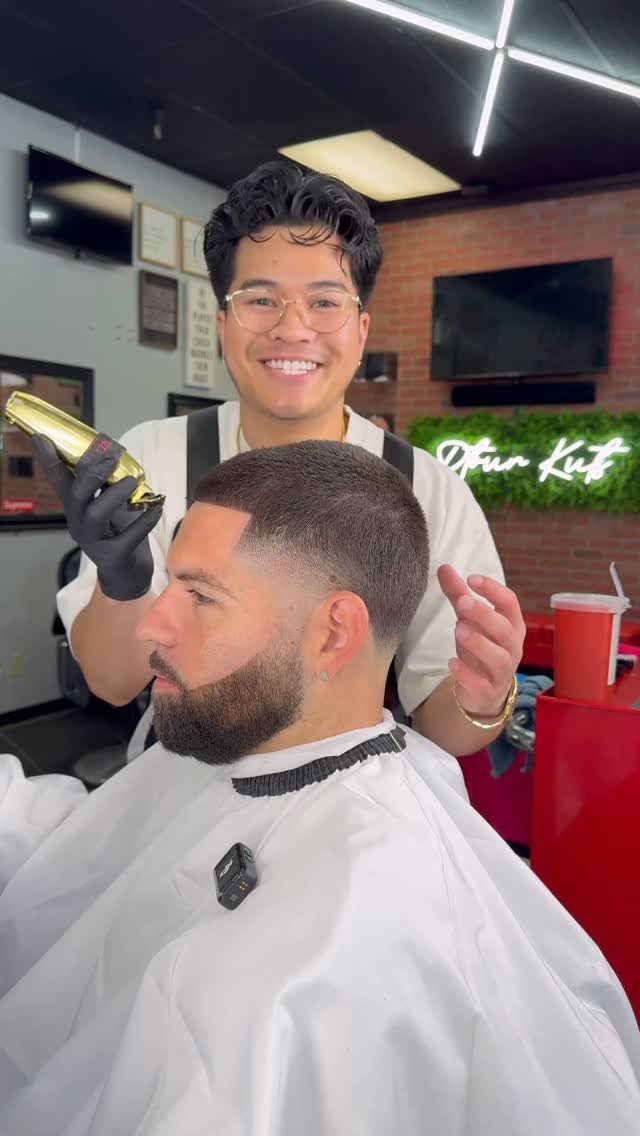
A very short, even top is paired with a high fade. The top is clipped with a 3 guard or shorter, keeping just enough length to show the hair’s natural color without the weight or styling time of a longer cut.
Barber Yamen Maiteh keeps his clients’ tops at a 3 guard because it preserves the darkness of the hair while staying short enough for the cut to last.
That length also gives you a week or two before the top starts to lose its shape.
Washing is fast, drying is a quick towel, and you’re done. The fade still needs a cleanup every 1–2 weeks to stay crisp.
7. High Fade Comb-Over
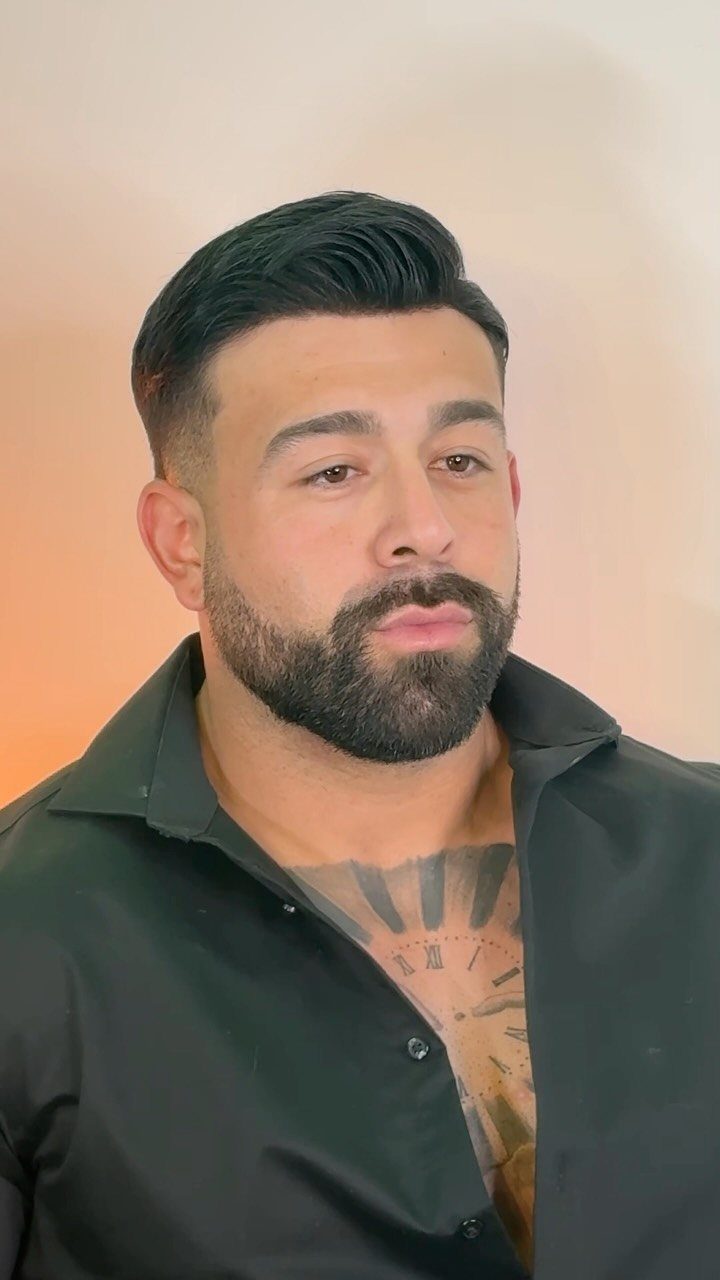
A longer top is combed to the side above a high fade. The side part can be natural or cut in with clippers for a sharper line.
Work pomade or cream through damp hair with a comb, sweep it to one side, and leave it to air-dry. The style holds all day with medium-hold product and looks clean without much effort.
Straight hair and loose waves take the part cleanly; tight curls fight it. If your hair tends to stick up at the crown, you’ll need a blow dryer to smooth it down before combing it over.
8. High Fade French Crop
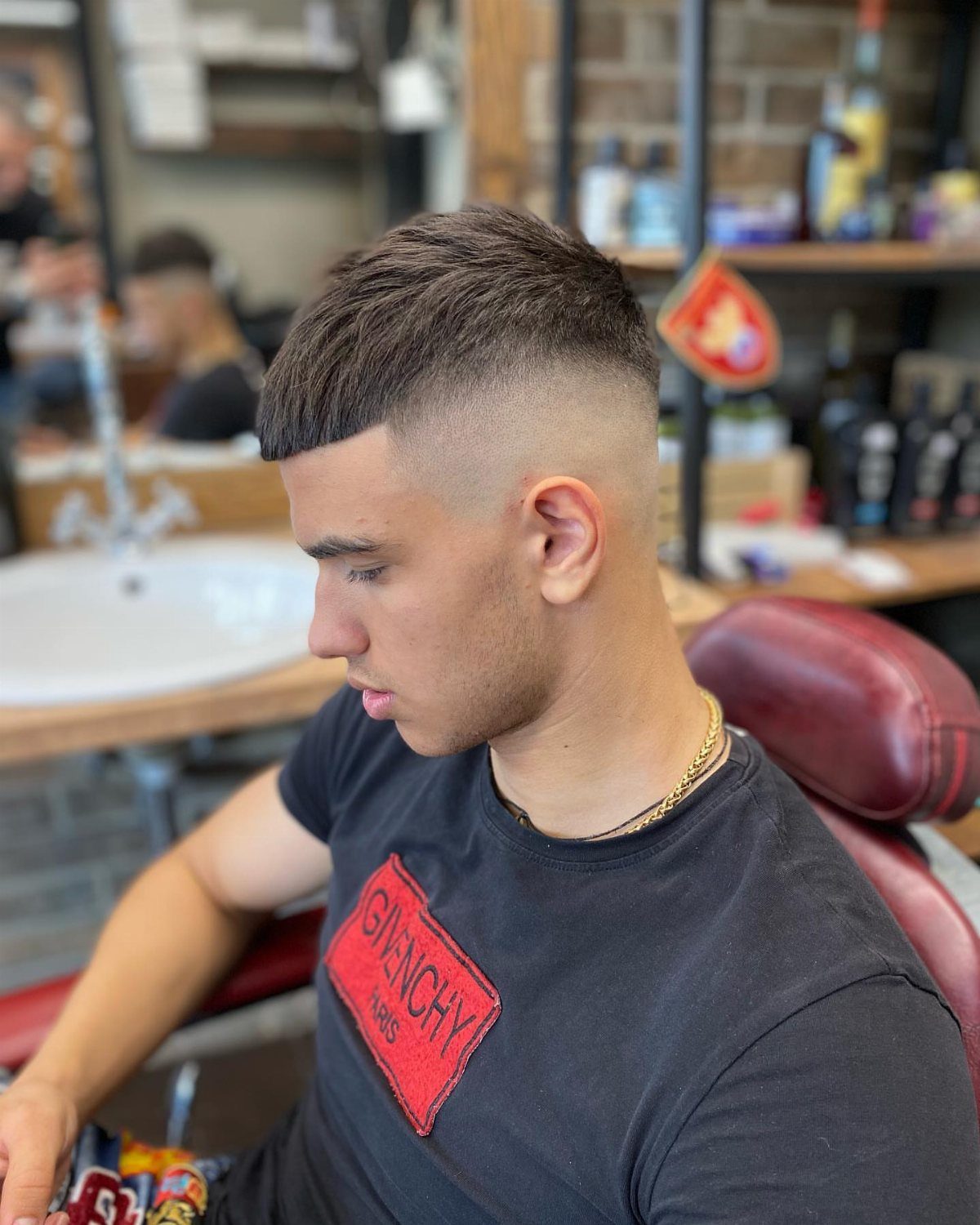
A short top and straight or textured forward fringe sit above a high fade. The fringe sits blunt or textured, and the top stays short enough that most mornings you can skip styling.
The cut does most of the work.
If your hair is fine, ask for a bit more length on top so the fringe doesn’t fall flat.
9. High Fade Quiff
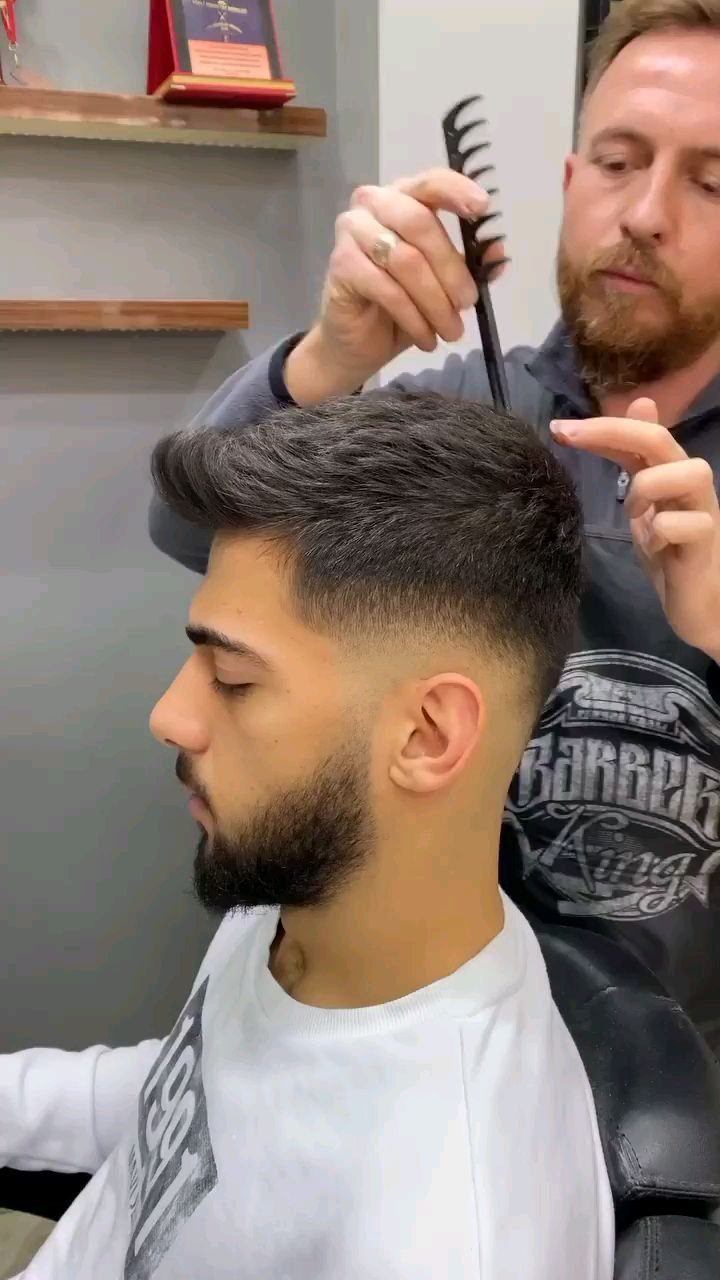
The longer front is lifted up and shaped back above very short sides. The quiff sits between a pompadour and a simple brush-up, with less height but more volume than flat slicked-back hair.
The quiff takes more time than a crop but less than a full pompadour.
Faces on the shorter or rounder side benefit from the added height. Count on some morning work and regular fade touch-ups to hold the contrast.
10. High Shadow Fade
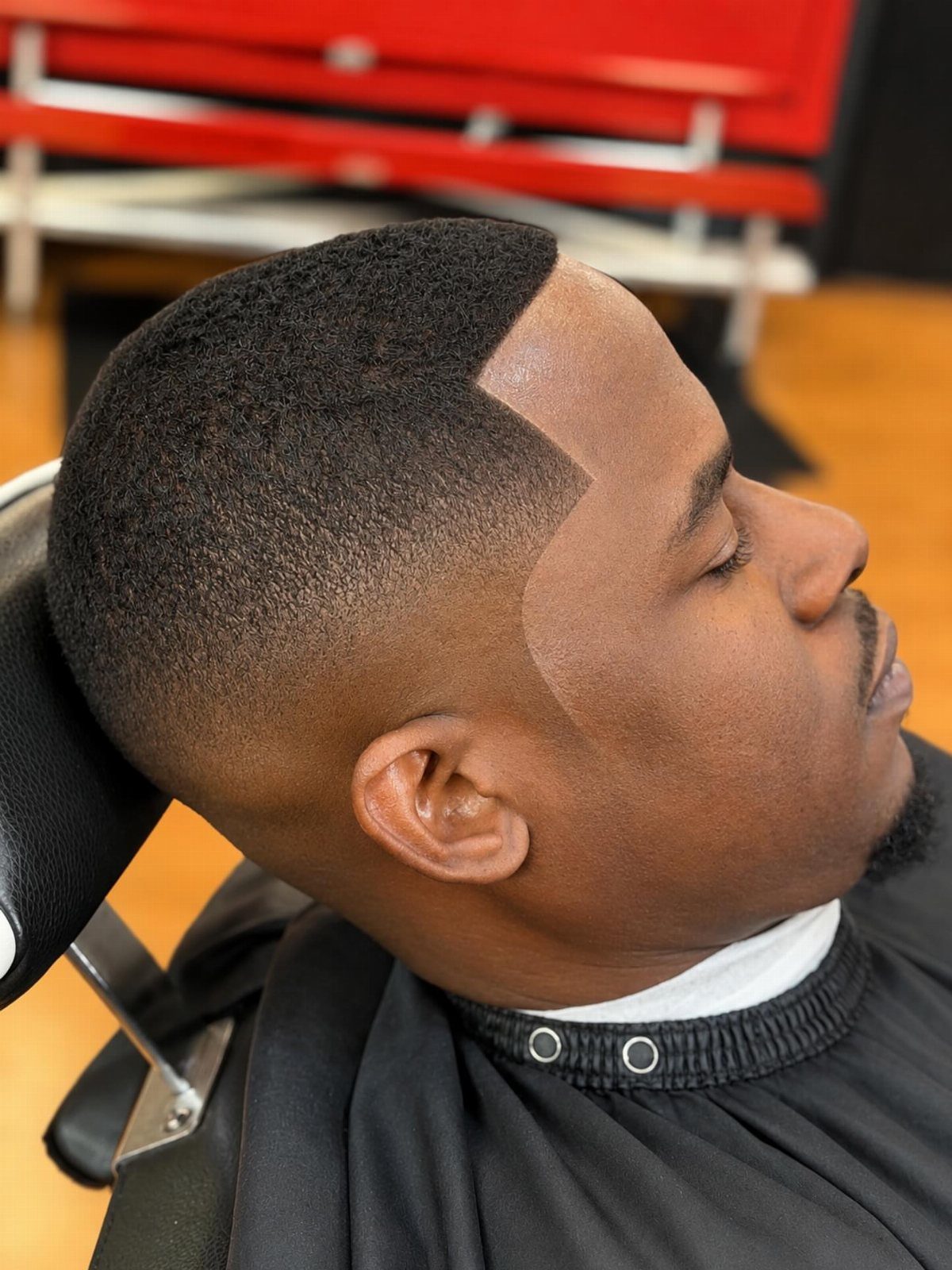
The shortest pass leaves shadow instead of skin. The barber tapers the sides down to a 0.5 or 1 guard, leaving a soft shadow instead of a bright skin line.
This version suits men who want the structure of a high fade without the upkeep of keeping the sides completely smooth.
The shadow softens as it grows out, so you can stretch the time between trims to 2–3 weeks and the fade still looks intentional.
If you have sensitive skin or razor bumps, the shadow fade skips the irritation that comes with going all the way down to skin.
11. High Fade Mullet
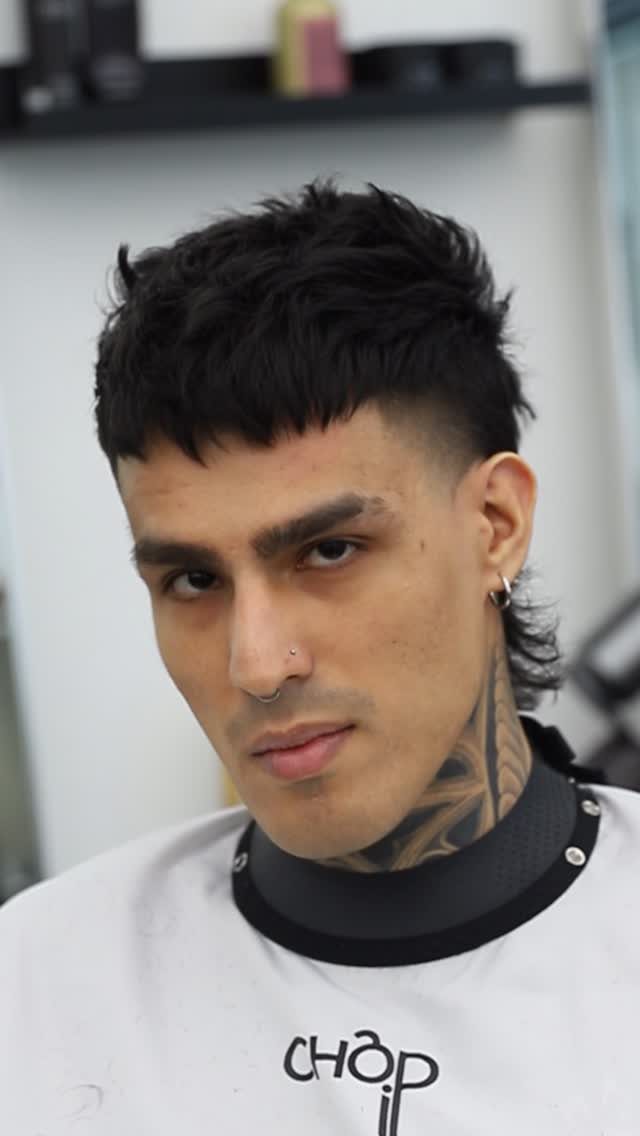
The sides fade tight while the top keeps volume and the back runs long. The mullet can be subtle, with just a few inches of length past the collar, or pronounced, with the back reaching the shoulders.
The top gets styled forward or up with paste or cream, and the back is left loose or lightly textured. Styling time depends on how much length you keep up top.
This cut divides people.
If you’re in a conservative workplace, this probably isn’t the move. If your workplace or life allows room for something louder, this one stands apart.
12. High Fade Mohawk
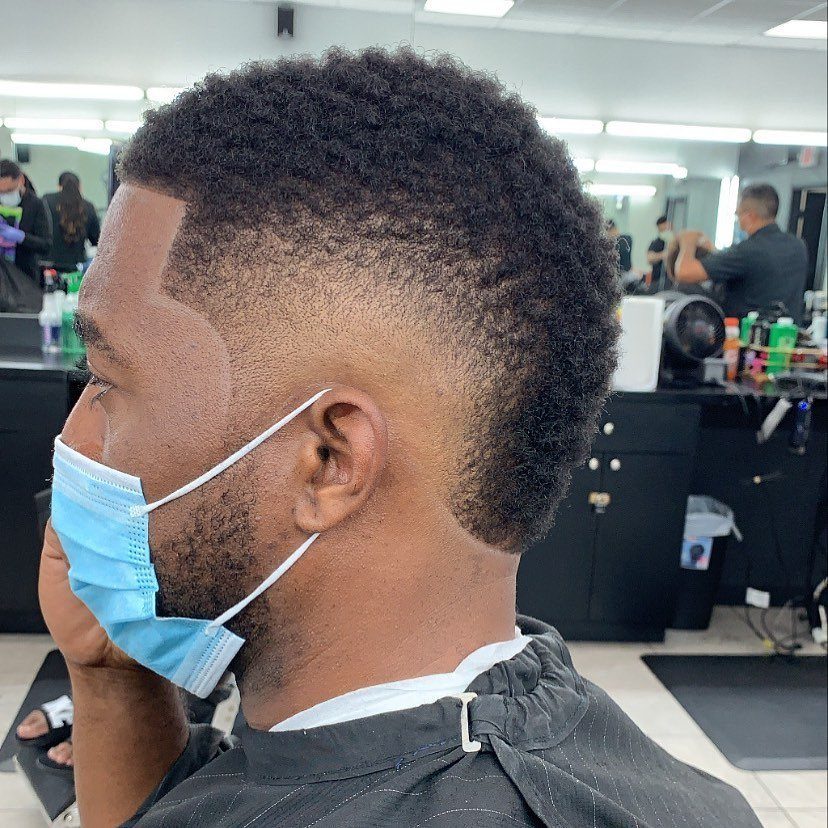
A central strip of longer hair is paired with tightly faded sides. The strip can be wide and blended into the top or narrow and distinct, depending on how much contrast you want.
Curly or textured hair holds the mohawk shape with just a curl cream or leave-in conditioner. Straight hair needs pomade or gel to lift the center and keep it from falling flat.
The mohawk reads bold, so go in knowing that. It suits men who want a statement cut and don’t mind the attention that comes with it.
13. High Fade Dreadlocks
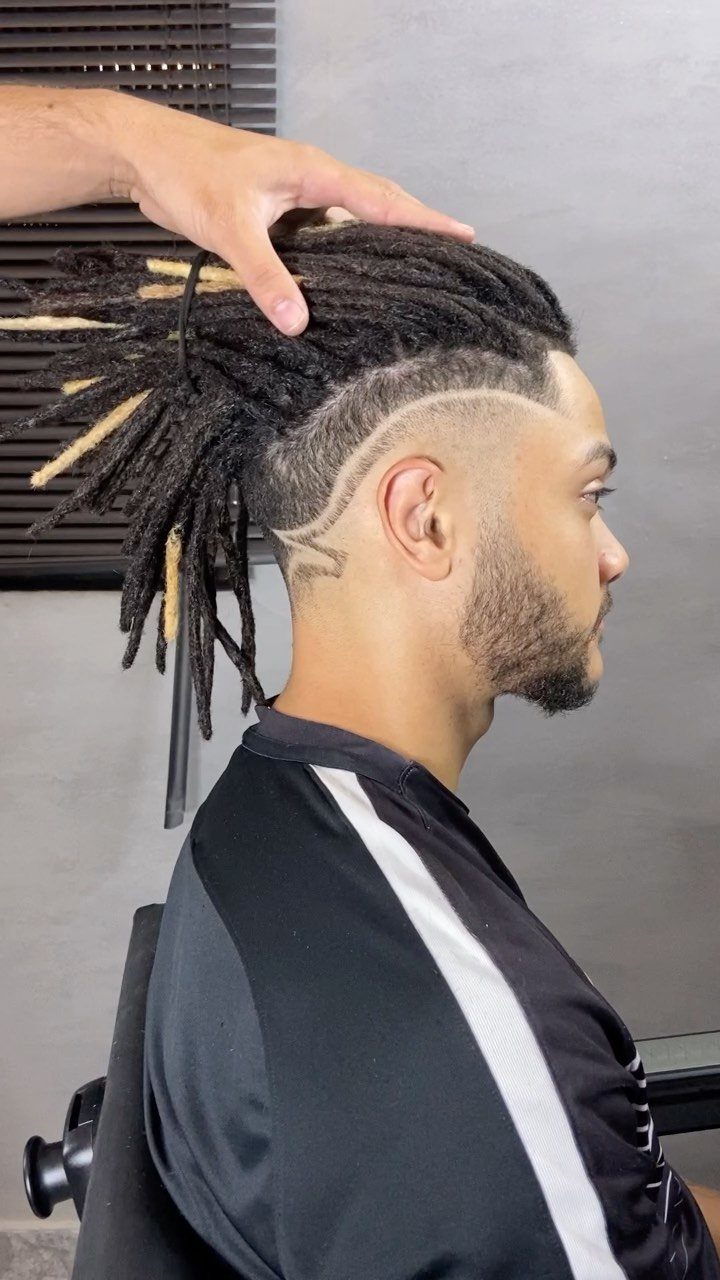
Locs sit on top while the sides fade tight to skin or a short guard. The contrast between the textured, ropelike locs and the clean sides gives this cut its punch.
Length on top decides how much movement you get. Shorter locs stand upright on their own; longer ones can be pulled back or left to fall naturally.
Maintenance splits between the locs and the fade. The locs need regular palm rolling or interlocking to stay tight, and the fade needs frequent touch-ups to keep the sides sharp.
14. High Fade Brush Up
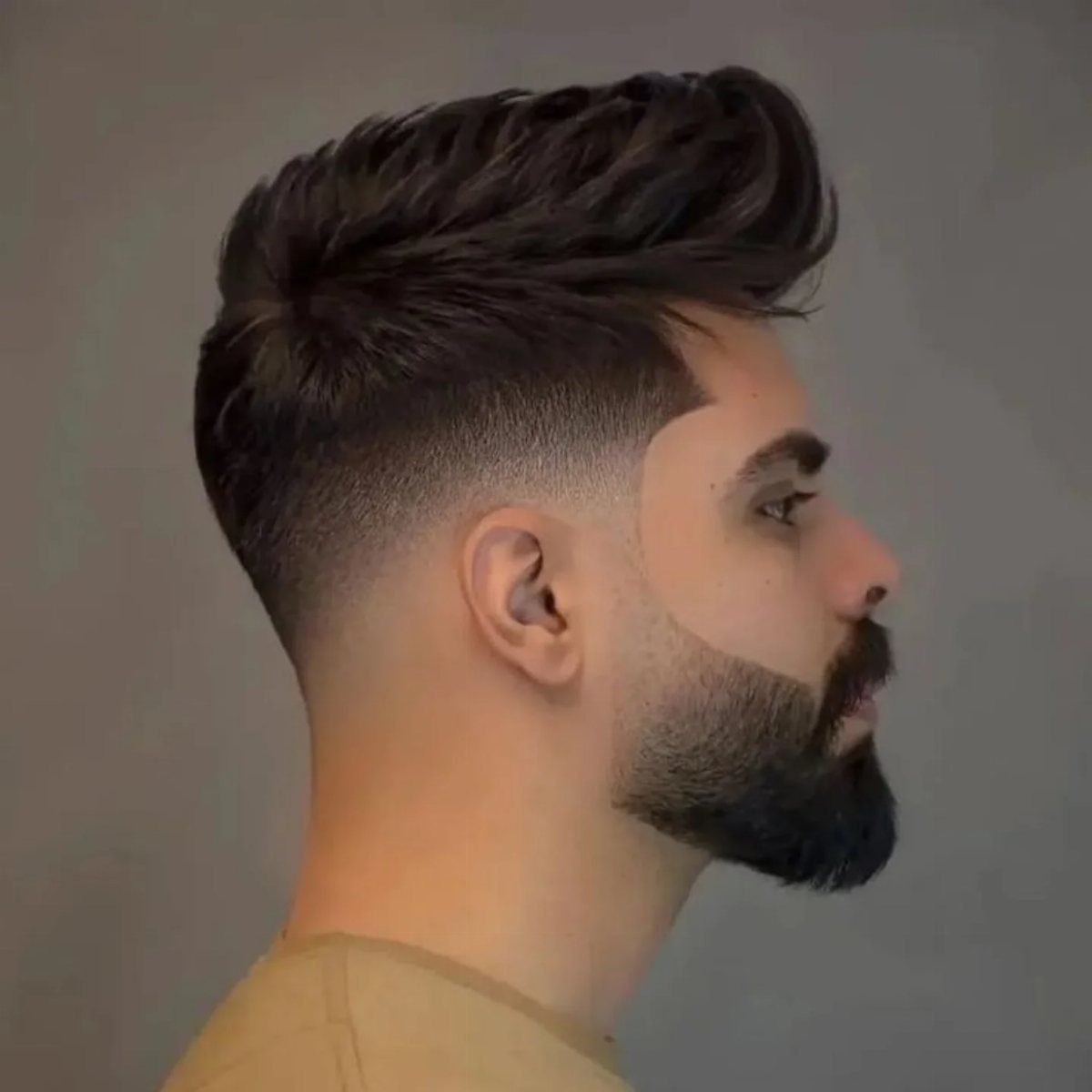
The top is brushed straight up to add height, then left to stand or fall slightly back. The sides fade high, and the contrast between vertical hair and short sides gives the cut its shape.
Apply a medium-hold pomade or styling cream to damp hair, brush or comb it upward from front to back, and let it dry. A blow dryer speeds things up and adds more lift if you want it.
This works best with hair thick enough to hold the upward shape. Fine hair will need stronger product or a bit more length on top to keep from collapsing flat by midday.
15. High Fade Haircut
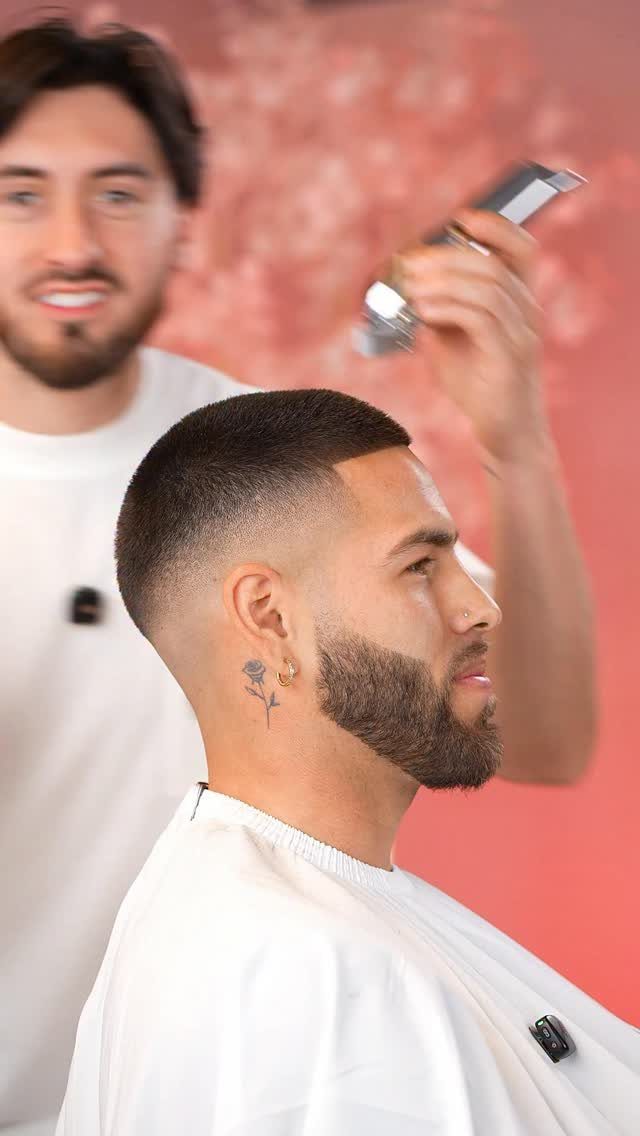
What you keep on top is up to you.
This cut is versatile.
Pair it with a buzz, a crop, a quiff, or anything else that leaves enough length up top to show the contrast. The higher the fade starts, the sharper the line between long and short.
You’ll need regular trims to maintain the fade. Keep it crisp with frequent trims; let it go longer and the blend softens but the shape still reads.
16. High Burst Fade
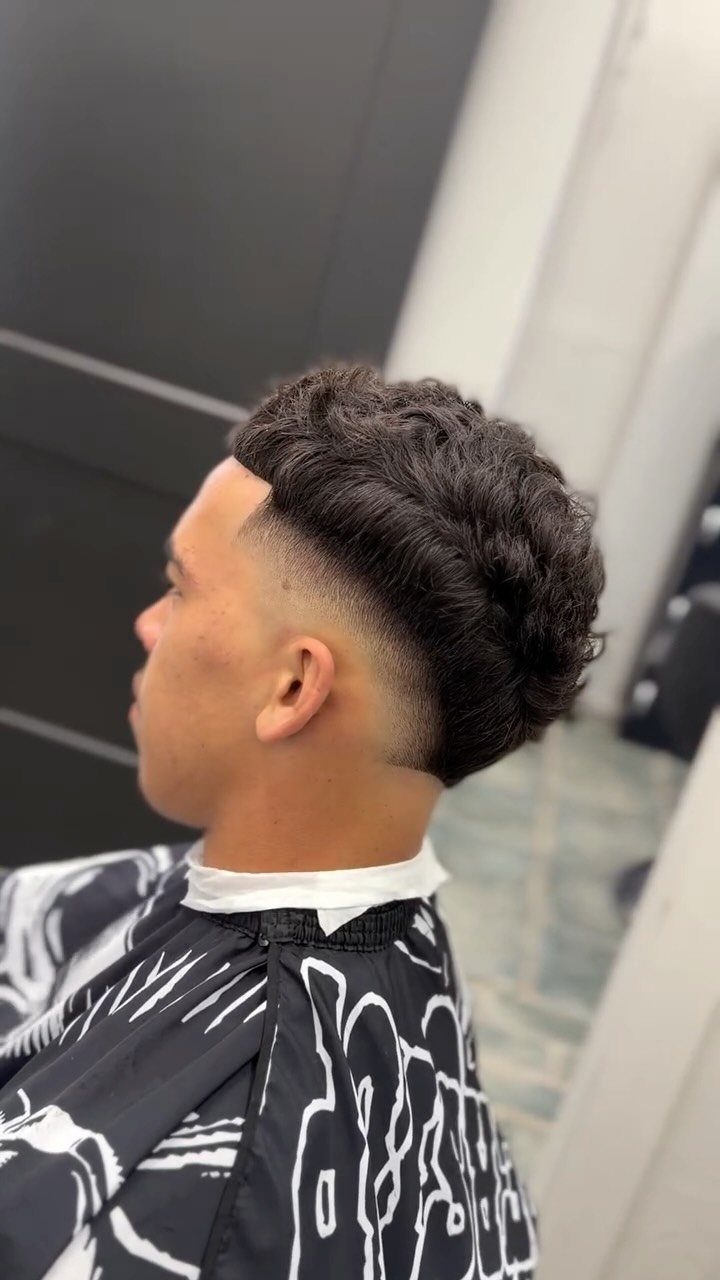
The fade follows a curved path around the ear rather than a straight vertical line. The back keeps more length than a standard high fade, so the taper radiates outward like a sunburst.
This cut suits men who want the drama of a high fade but prefer to keep some bulk at the back.
It works especially well with curly or wavy hair, where the extra length at the nape lets the texture show.
The fade itself does the visual work, so most of your time goes to the crown and front.
17. High Fade Slick Back
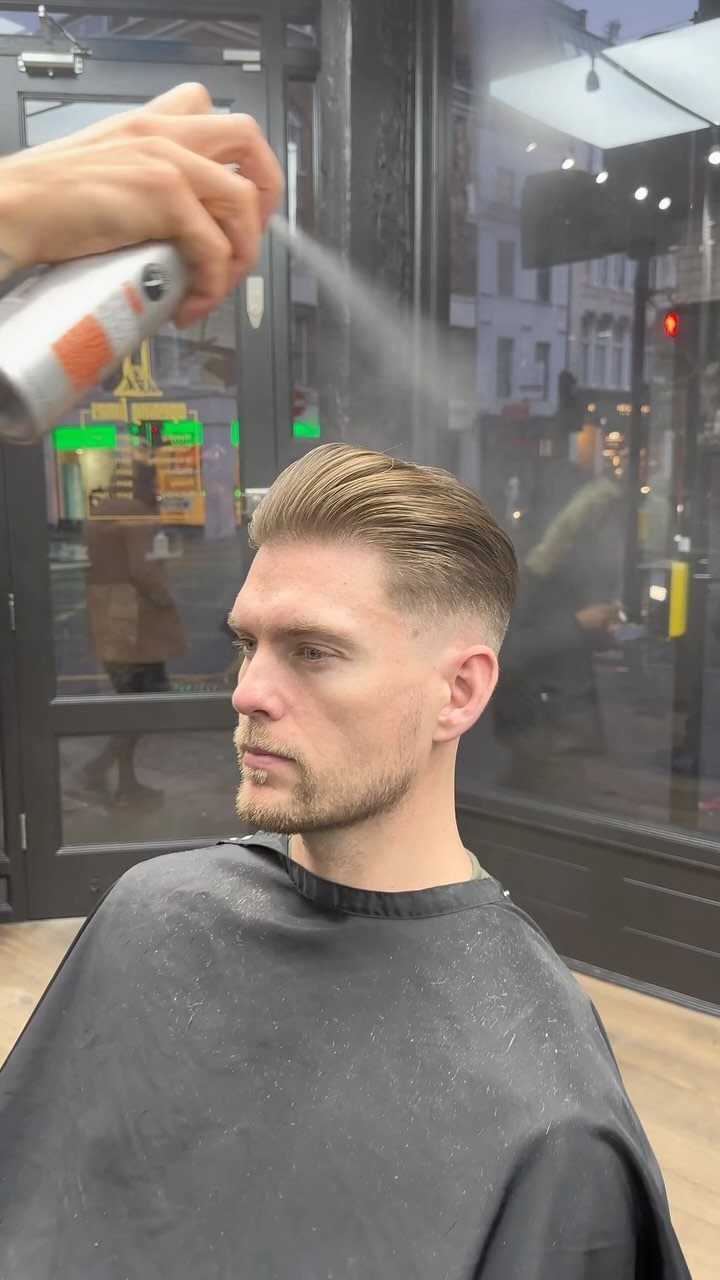
Longer hair on top is combed or brushed straight back above high faded sides. The top can sit flat and close to the scalp or have some volume, depending on how much product you use and how you apply it.
Work pomade or gel through damp hair, comb it back from the hairline to the crown, and let it air-dry or hit it with a blow dryer if you want more control. Strong-hold product keeps it in place all day.
This style suits men with straight or wavy hair that lies flat when combed back. Tight curls will fight the direction, so you’ll need more product and heat to smooth them down.
18. Hard Part Fade
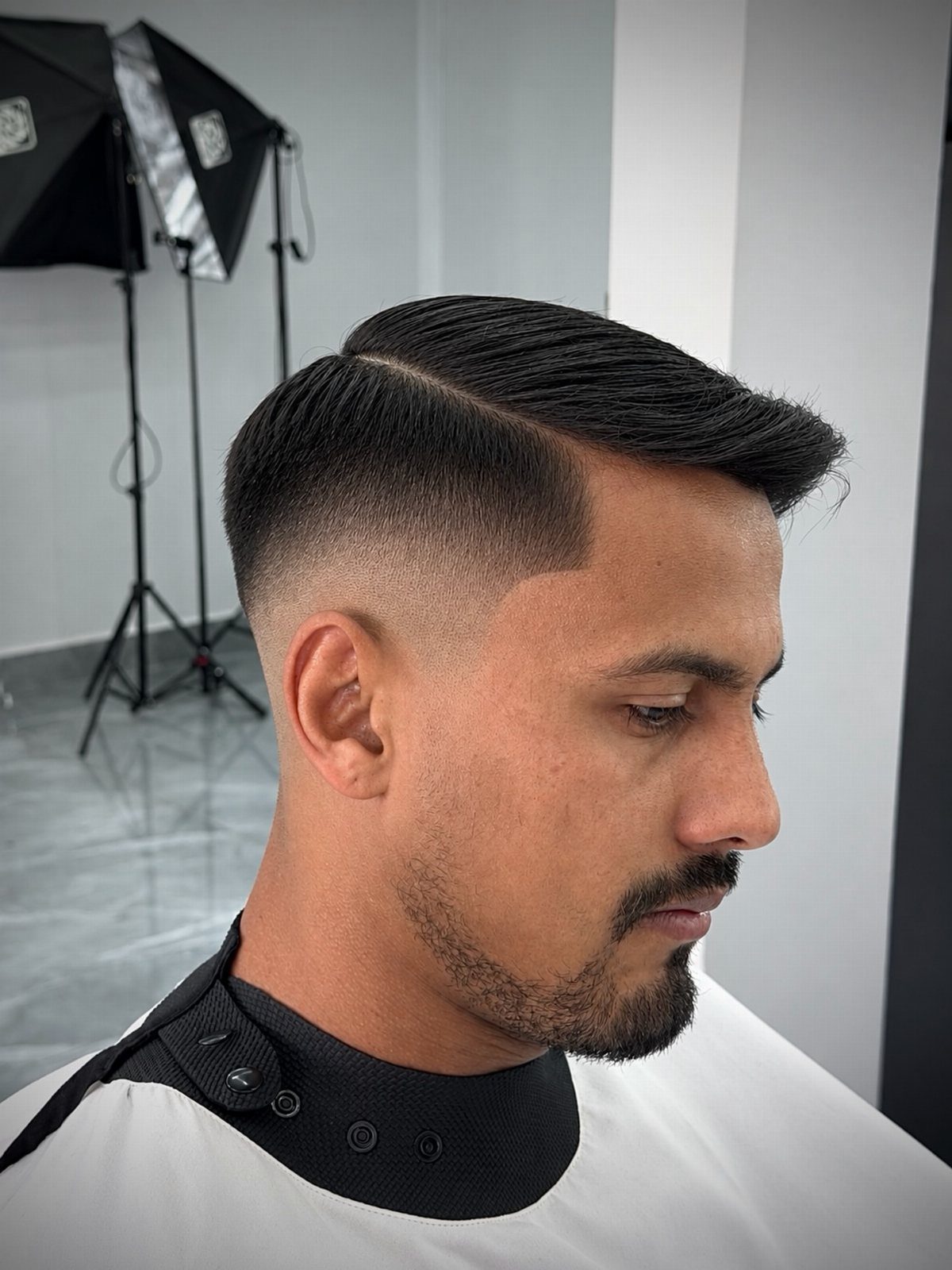
A razor line cuts a visible boundary between the top and the faded sides. The barber cuts the part with a trimmer or razor, leaving a sharp, deliberate line that stays visible until it grows out.
The part can follow your natural part or sit wherever you want the division. Most men place it on one side, about an inch or two from the center.
The razor line fills in quickly, so expect regular visits if you want the part to stay visible. If you skip a visit, the line fades but the fade itself still holds its shape for another week.
19. High Fade Afro
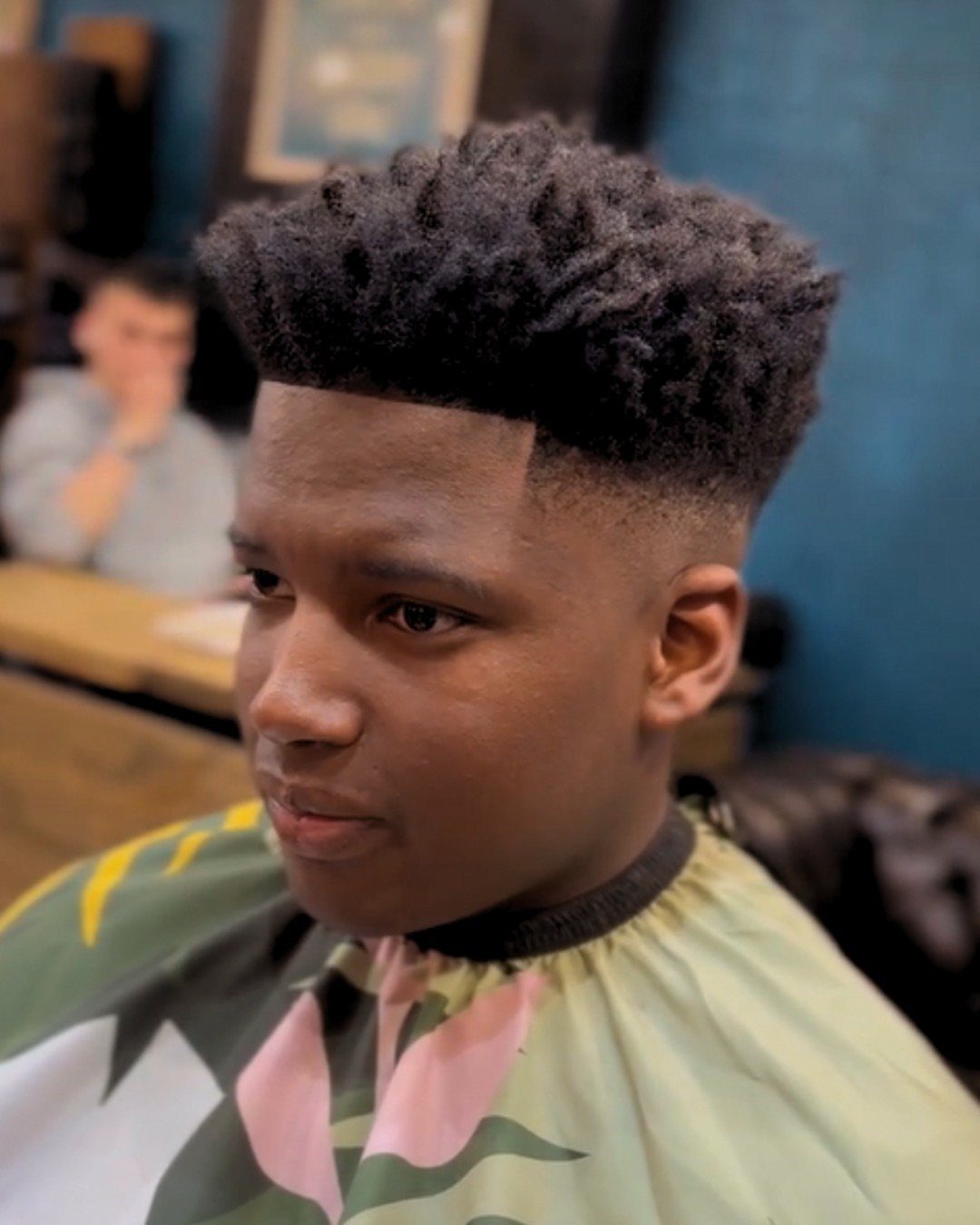
The afro keeps volume and shape on top while the sides drop to skin or a very short guard. The rounded silhouette contrasts with the clean fade line.
How much height you get depends on your hair’s natural texture and how long you let it grow before shaping. Coarser, tighter curls hold more volume without product.
The fade needs regular touch-ups to keep the line sharp. The afro can be picked out each morning or left alone if you prefer a looser, lower shape.
20. Sharp Fade
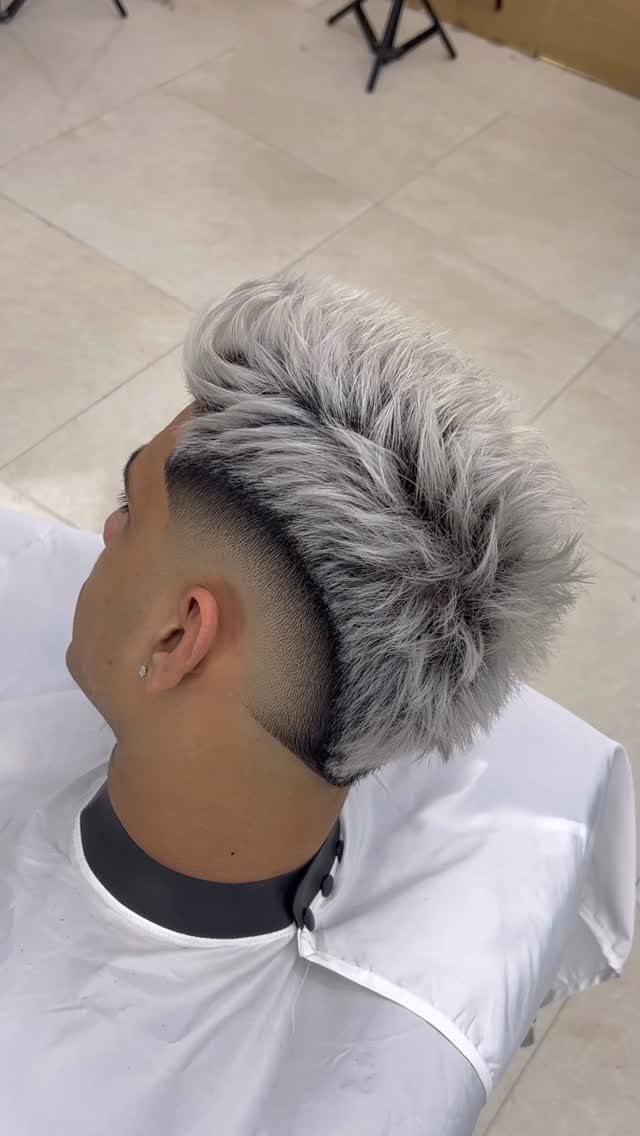
The fade line sits clean and precise, with no stray hairs or uneven patches. A sharp fade relies on clipper skill more than any particular top style.
Ask your barber to tighten the blend and clean the perimeter. The difference between a decent fade and a sharp one comes down to the final pass with the trimmer and razor.
This version demands frequent upkeep.
The sharper the fade, the faster it shows growth. Return quickly if you want the line to stay crisp.
21. High Fade with Spiked Hair
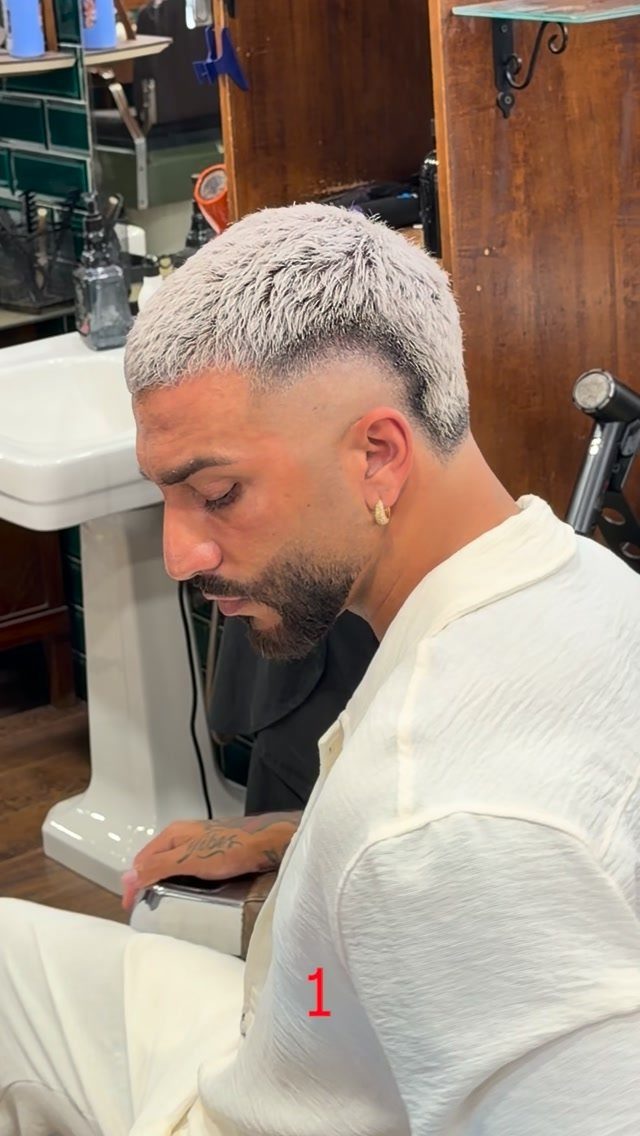
Short spikes stand upright on top above tight faded sides. The spikes are textured with gel or a strong-hold paste and lifted into place with fingers or a comb.
Work product through damp hair, push it upward in small sections, and let it dry standing up. The spikes can be uniform or uneven, depending on how much texture you want.
22. High Fade with Shaved Design
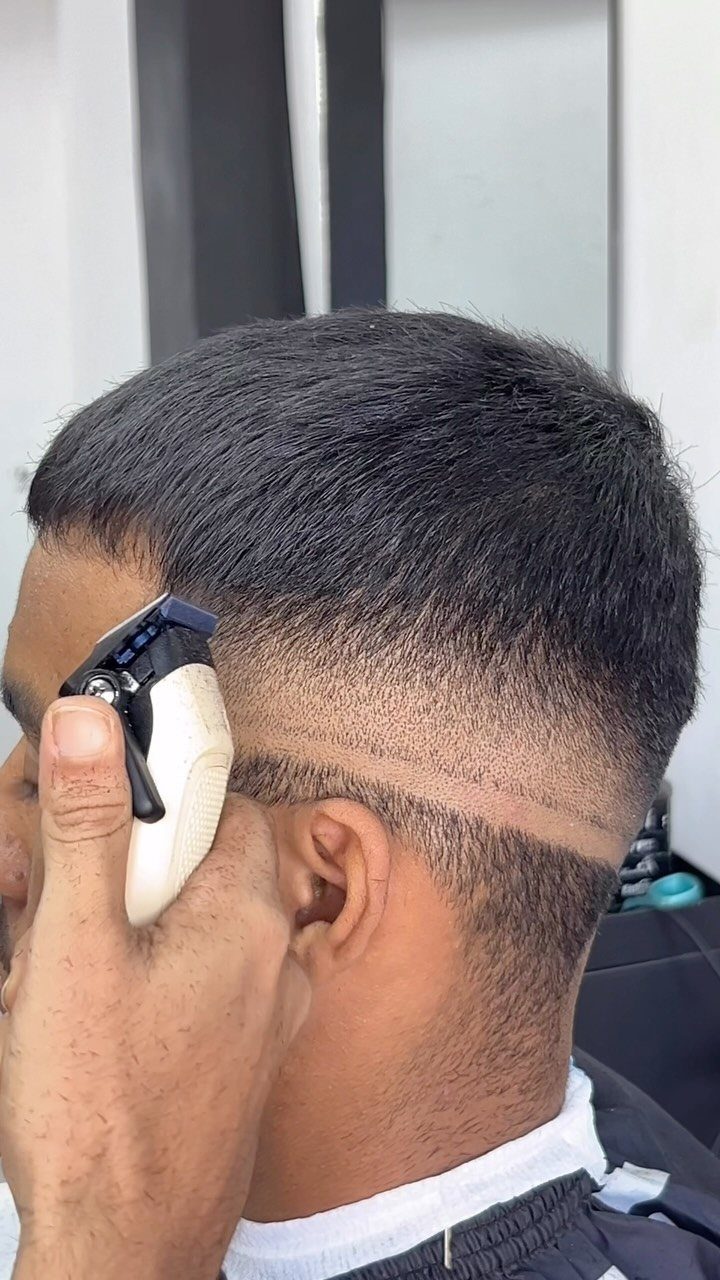
A line, pattern, or geometric shape is shaved into the short sides using a trimmer or razor. The design can be simple, like a single stripe, or complex, with curves and angles.
The design fades out as the hair grows, usually within a week or two. If you want the design to stay visible, plan for regular visits.
Simpler designs last longer and are easier to maintain. A single line or curve holds its shape better than a detailed pattern with multiple elements.
23. High Fade with Line-Up
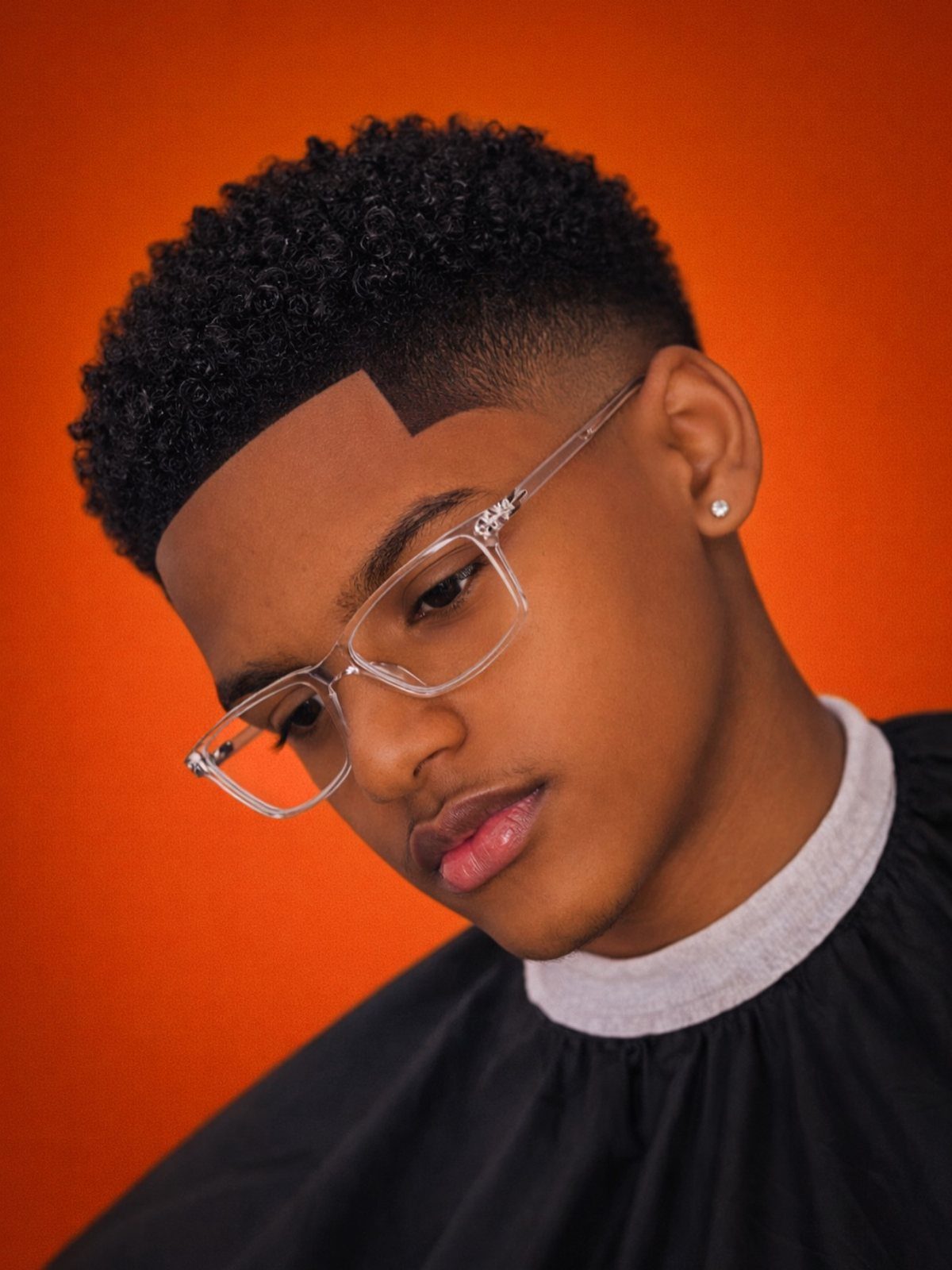
The hairline at the forehead and temples is edged into a straight, defined shape with clippers or a razor. The line-up runs along the natural hairline or slightly reshapes it for a sharper angle.
The barber trims away stray hairs and creates a clean boundary between the hairline and the forehead. The result is a crisp frame that makes the whole cut look more finished.
The line-up grows out faster than the fade, often within a few days. You can maintain it at home with a trimmer if you’re careful, or let the barber handle it at each visit.
24. High Fade with Wavy Hair
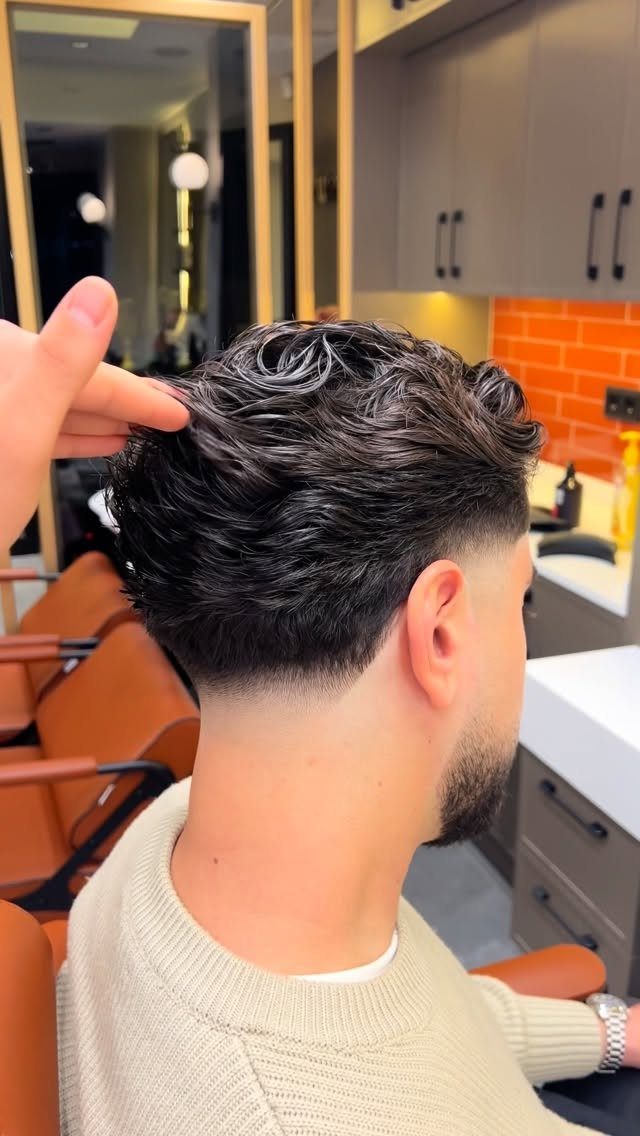
The waves can be brushed forward, swept to the side, or left loose, and they add movement without requiring much styling effort.
The waves form on their own if your hair has natural texture. Straight hair will need more product or a bit of heat to hold the wave.
If your hair is pin-straight, the waves will fall flat unless you’re willing to work for them each morning.
25. Classic Short High Fade
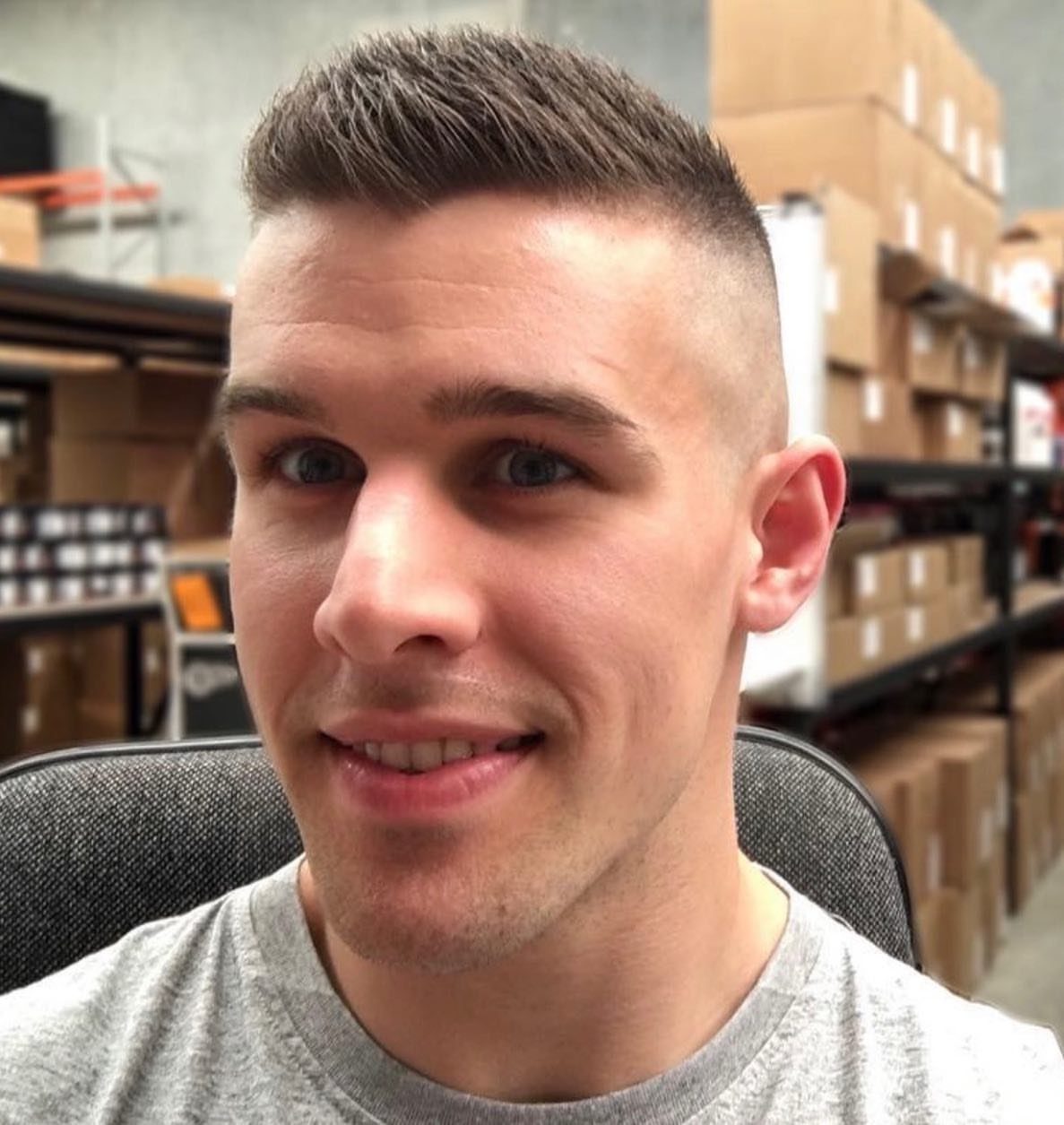
Short hair all over with the fade starting high on the sides. The top stays short, just enough to show texture or direction without needing much from a comb or product.
Most mornings you can run your hand through it and go.
The top can stretch longer between cuts if you don’t mind a bit more length.
26. High Fade with Man Bun
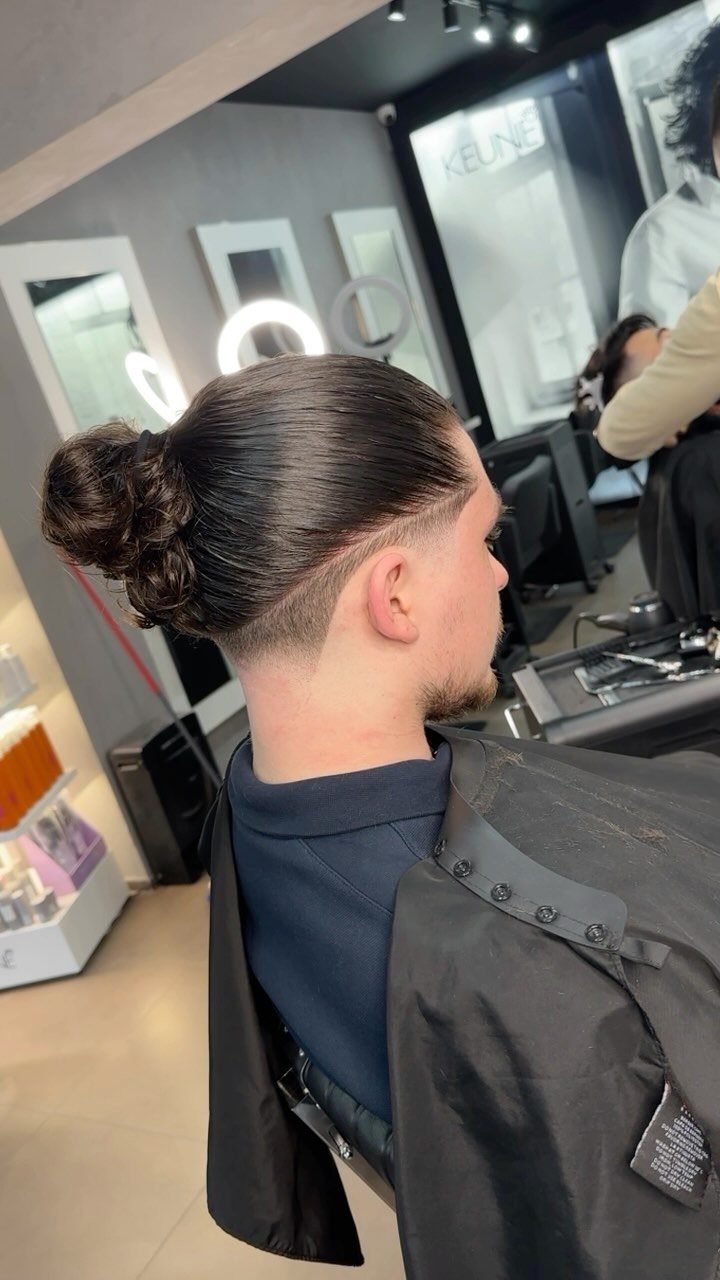
Long hair on top is pulled back and tied above a high fade. The bun can sit at the crown or further back, depending on how much length you have and where you want the weight to fall.
Growing the top out takes time. You’ll need enough length to pull a clean bun, and more if you want it to sit higher or hold better throughout the day.
Keep a hair tie on hand. The fade still needs regular visits, but the top can go months between trims once it reaches the length you want.
27. High Fade Flat Top
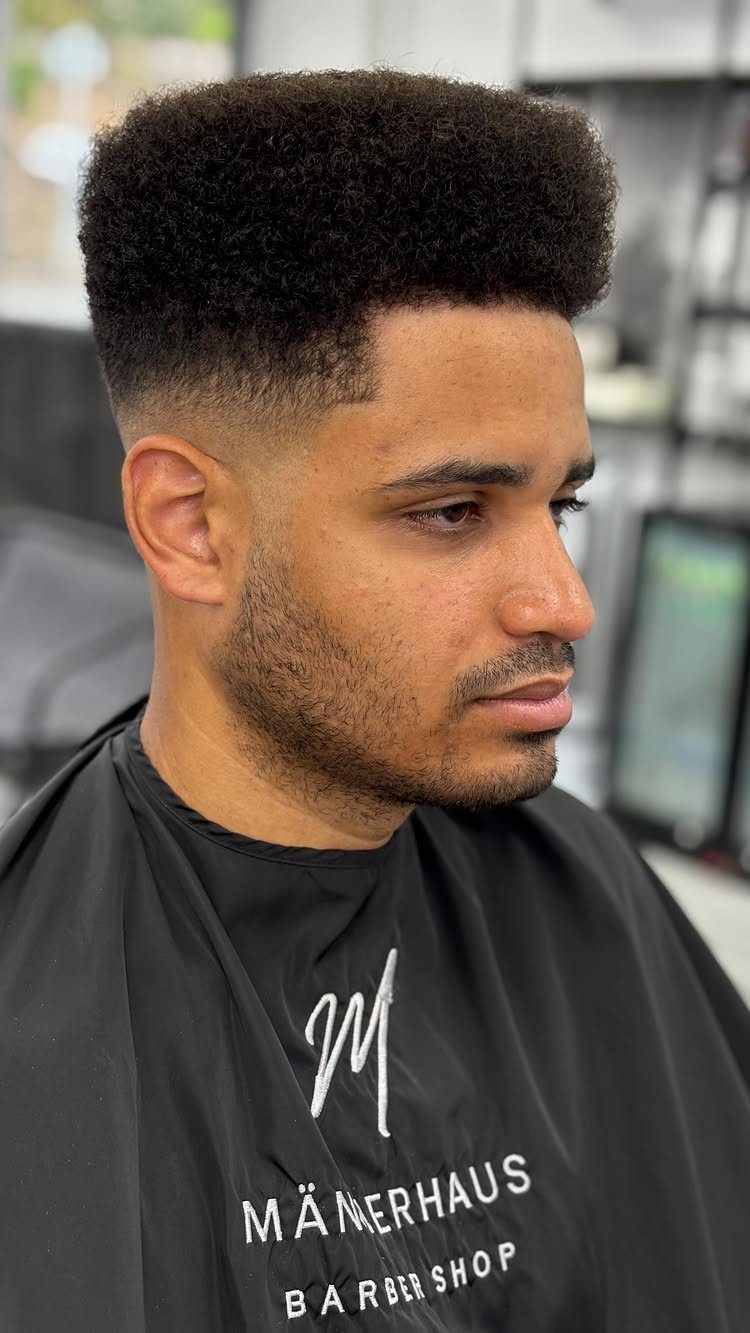
The top stands upright in a level plane, cut flat across. The flat surface runs parallel to the ground, creating a square silhouette that contrasts with the tapered sides.
Achieving the flat top takes clipper work on top and careful blending where it meets the fade. Hair needs enough density to stand without collapsing, so this cut favors coarse or thick hair over fine.
Maintenance runs high. The flat surface loses its shape quickly as hair grows, so expect visits every 2 weeks if you want it to stay level.
28. High Fade with Long Top
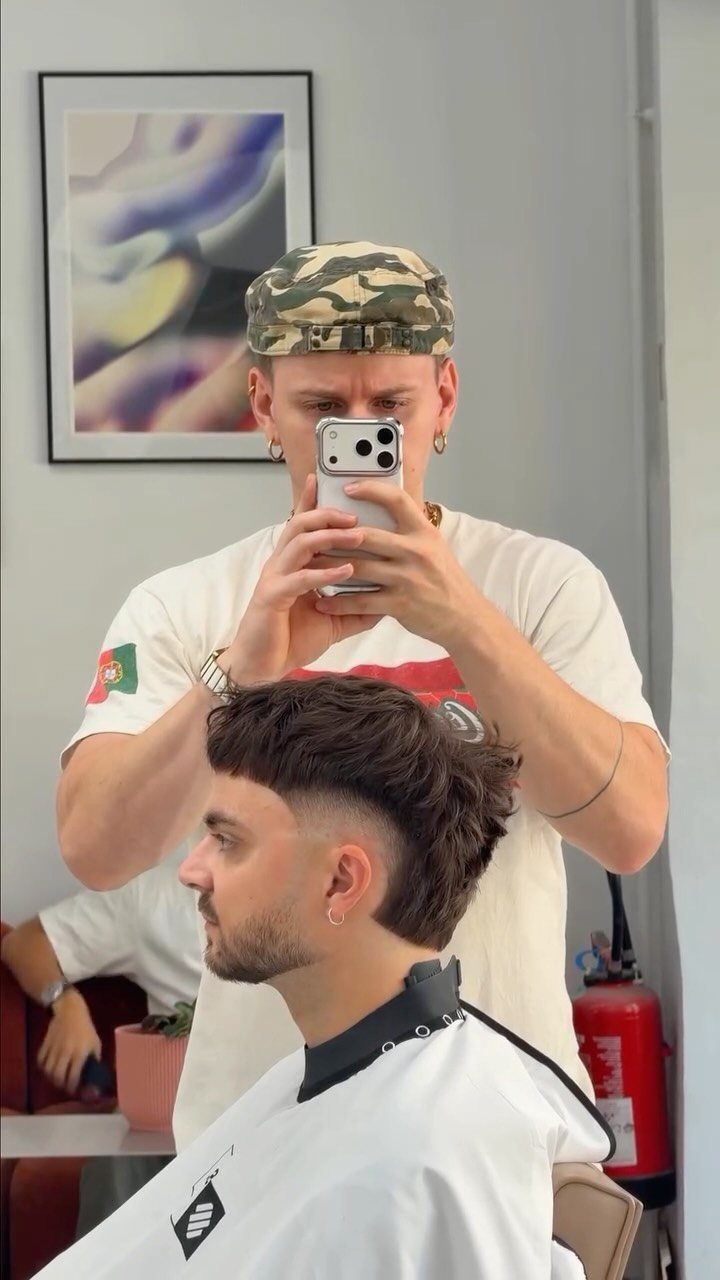
The long top can be styled forward, swept to the side, slicked back, or left loose, giving you options depending on the day or occasion.
More length means more styling time. Count on product and a comb or blow dryer if you want control over where the hair sits.
The fade keeps the contrast sharp, and the length on top opens up more styles than a shorter cut allows. You pay for it in morning styling time and regular fade maintenance.
29. Textured High Fade
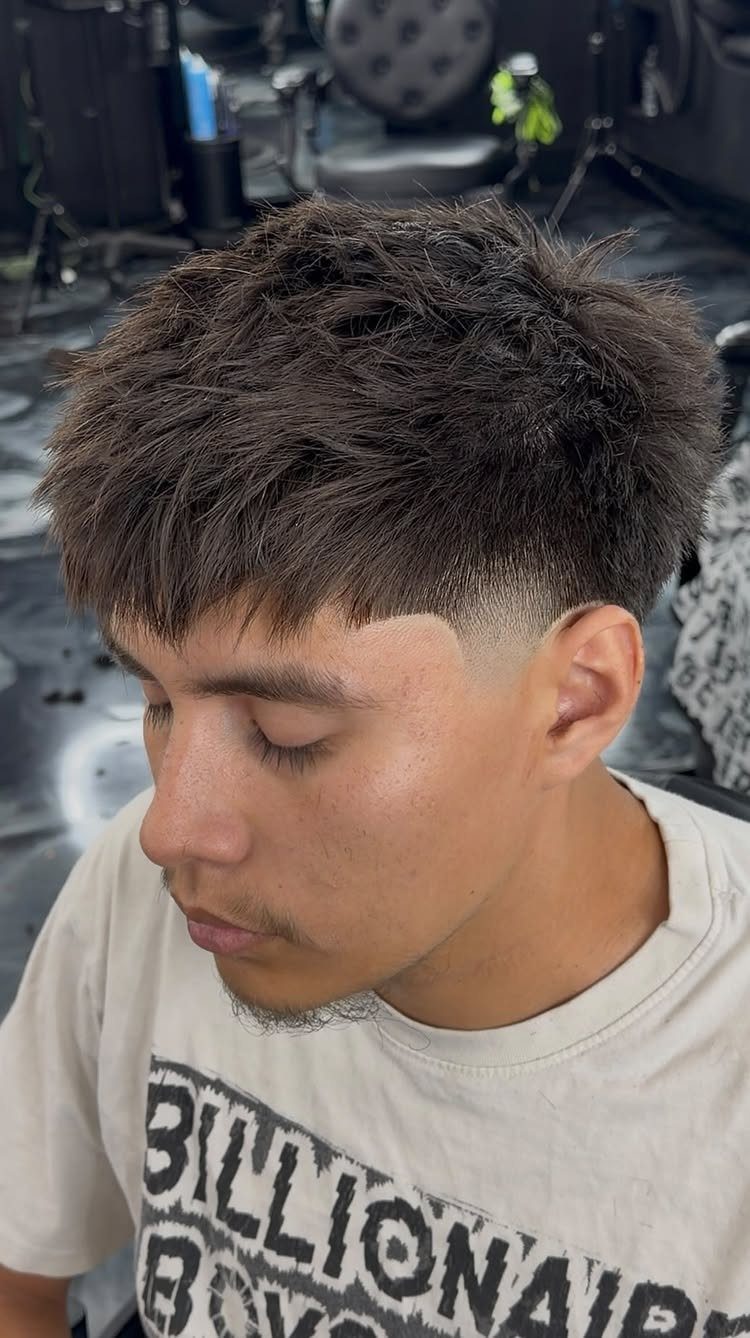
The top is cut with choppy, uneven layers that create movement and separation. The texture shows most clearly when styled with a matte paste or clay that holds the pieces apart.
Work product through dry or slightly damp hair, then push and pull sections in different directions to break up any uniform pattern. The messier the application, the better the texture reads.
This version suits men who want definition on top without the polish of a slick style. Fine hair gains volume from the layering, and thick hair loses bulk.
Fade Upkeep and Grow-out
The line starts high, so even a few days of regrowth creates visible contrast between the fresh blend and the new stubble at the base.
Shadow fades stretch that interval to 2–3 weeks because the base stays at a 0.5 or 1 guard instead of bare skin, and the transition softens gradually rather than breaking apart.
Straight hair shows each day of growth more clearly than curly or textured hair, where the coils mask uneven length.
If you can tolerate a softer line, you’ll get an extra week or two before the fade loses its shape entirely.
Face Shape and Fade Choice
Oval faces carry almost any fade type and top length without issue.
Diamond faces suit a drop fade since the curve follows the natural width at the cheekbones.
Long or oblong faces already run vertical, and a high fade amplifies that.
If your face is long, keep the top short and skip the pompadour or quiff. Adding height on top stretches the proportions further than they need to go.
What to Tell Your Barber
Bring a photo if the style is hard to describe. Name the height first: tell them high fade, break line above the temple.
Then specify how short the base goes. Say whether you want skin at the bottom or prefer it stopped at shadow length.
Add the shape if it matters. Ask for a drop or an arc behind the ear if you want the line to curve instead of staying flat.
Curly hair should be set dry so the barber can see where the fade actually sits when you leave. Curls shrink as they dry, and what looks right when wet sits too low once it dries.
Frequently Asked Questions
What is a high fade?
The blend starts high, at least 2 inches above the ear, and tapers from skin or near-skin up into whatever length sits on top.
The fade tapers down to skin or a very short guard, creating sharp contrast between the sides and whatever length you keep on top. The higher starting point makes this version more dramatic than a mid or low fade.
Will a high fade suit me?
Face shape decides how well a high fade works. The short sides and taller top can elongate the head, so men with long or rectangular faces may want to keep the top shorter to avoid adding height.
Round, square, heart, and oval faces handle the proportions better, especially when paired with volume on top.
How often should you get a high fade?
Most guys book a cleanup every 10–14 days to keep the skin line crisp and the gradient tight.
A high shadow fade, which stops at stubble instead of bare skin, stretches to 2–3 weeks between visits because the softer baseline hides growth better.
Can curly hair get a high fade?
Curly hair pairs well with a high fade because the contrast between tight sides and full curls on top is dramatic.
Tell the barber to measure the fade from dry hair, not wet, and leave more length than feels right since curl springs up and looks shorter once it dries.
Is a high fade good for professional settings?
A high shadow fade or classic high fade with a comb-over or side part reads clean in most offices.
A high skin fade or aggressive variation like a mohawk or mullet suits creative or casual workplaces better, since the sharper contrast can look too bold in conservative settings.
Is a high fade good for balding men?
Pair it with a 2 or 3 guard on top for a clean, even look that doesn’t broadcast thinning. Keeping the top short balances the faded sides and avoids drawing attention to thinning areas.
What is the biggest mistake men make with a high fade?
Getting a high fade on a long or oblong face makes the head look even longer, since the short sides and taller top add vertical emphasis.
The second common mistake is not specifying how close the sides go: "high fade" alone can mean skin, stubble, or a short guard, and different barbers interpret it differently.