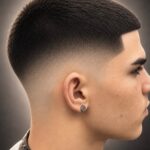
Straight hair shows every line in a fade or taper more clearly than wavy or curly textures, and cuts like the crew cut, buzz cut or French crop hold their shape without product.
The choice comes down to whether you want the morning to take 30 seconds or a few minutes with paste and a blow dryer: a buzz cut or crew cut washes and dries in under a minute, while a quiff or pompadour needs lift and hold to stay off the forehead.
A textured crop or French crop holds shape from the cut alone, while a quiff or pompadour needs paste and a blow dryer each morning to keep the lift.
1. Textured Crop
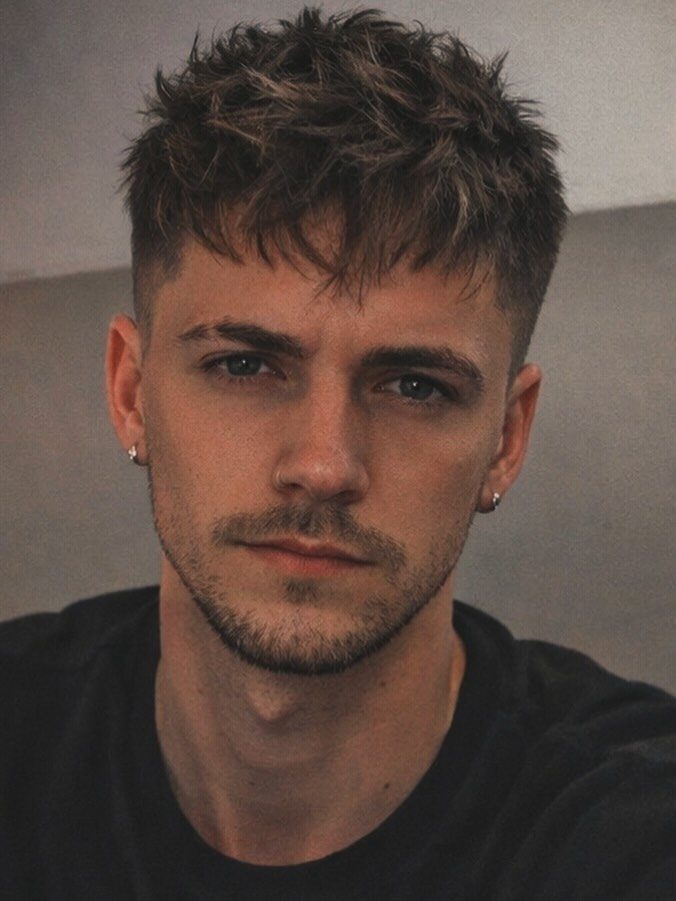
Short sides and a textured top add movement without length. Straight hair cooperates with texture, and the messier finish makes fine hair look fuller than it would under a slick comb-through.
Ask for clippered or scissor-cut sides and textured top, then have the barber point-cut or texturize the ends. Styling takes a minute: work a matte paste or clay through damp hair and push it forward with your fingers.
The crop sits close enough that you can skip morning product if the texture holds from the cut alone, and it grows out clean before the sides need attention.
2. French Crop
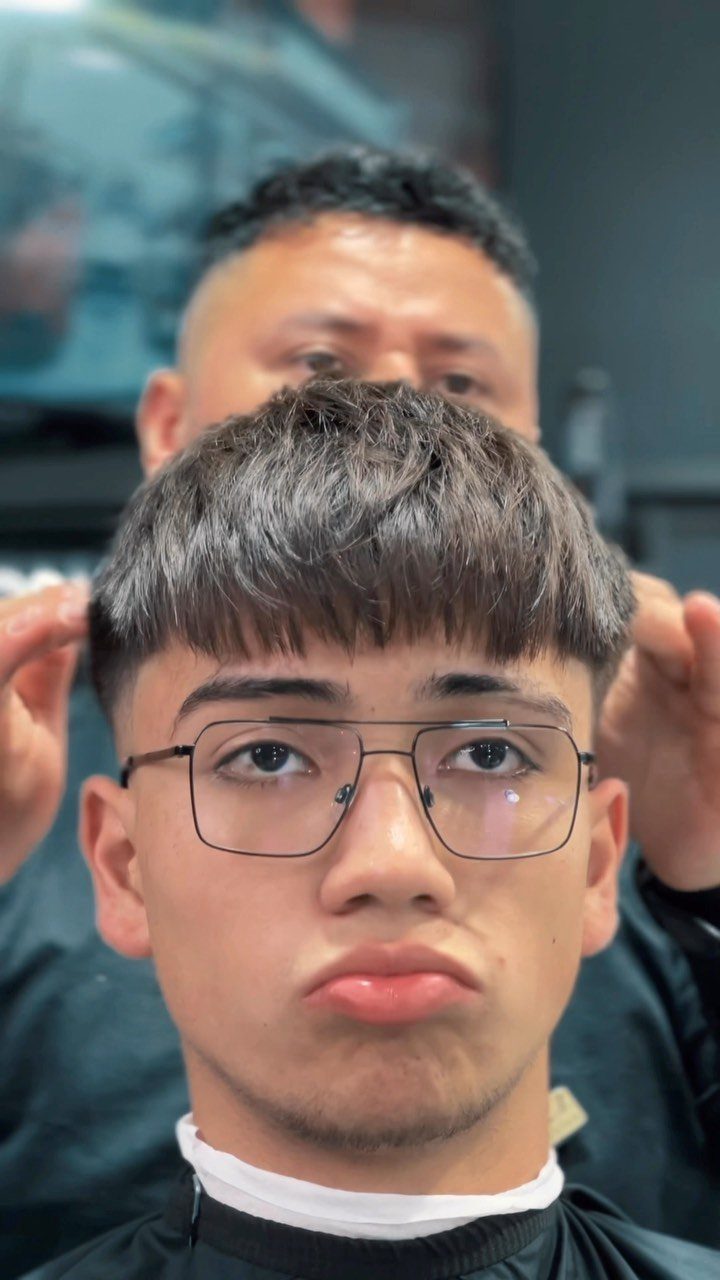
A forward fringe and short textured top make the French crop easy to maintain. The fringe sits low on the forehead, which can disguise a receding hairline or just keep hair out of your face without styling.
Straight hair takes the forward direction naturally.
Ask for a skin fade or taper and leave the top cut forward. Product is optional: straight hair often holds the shape from the cut, though a light paste can add separation.
The fringe grows forward, so regrowth looks intentional longer than cuts that depend on height or volume.
3. Quiff
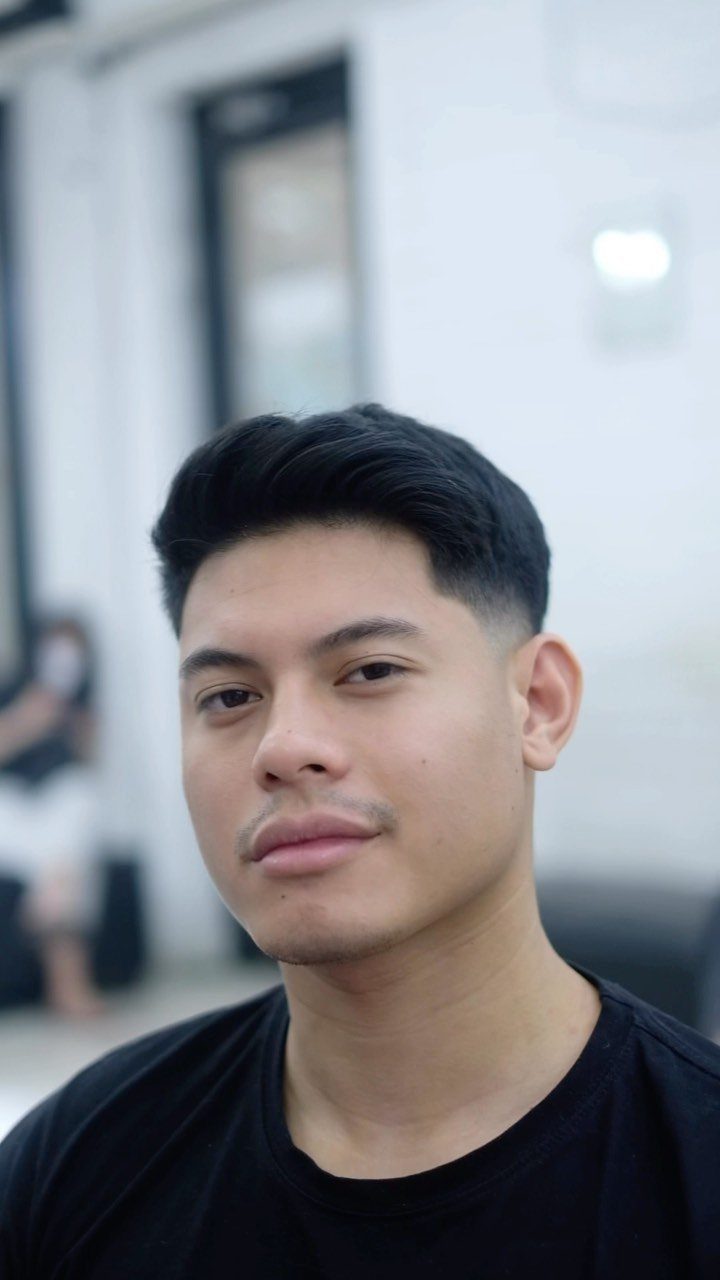
Hair is directed forward and then lifted at the front to create height. The quiff adds volume where straight hair usually lies flat, and it pairs well with a fade or taper that shaves the sides tight.
Blow-dry the front upward while it’s damp, then use a medium-hold pomade or paste to set the shape. Straight hair carries the lift better than wavy hair does, but it also shows every adjustment.
Plan for morning styling and a trim to keep the proportions right.
4. High and Tight Crop
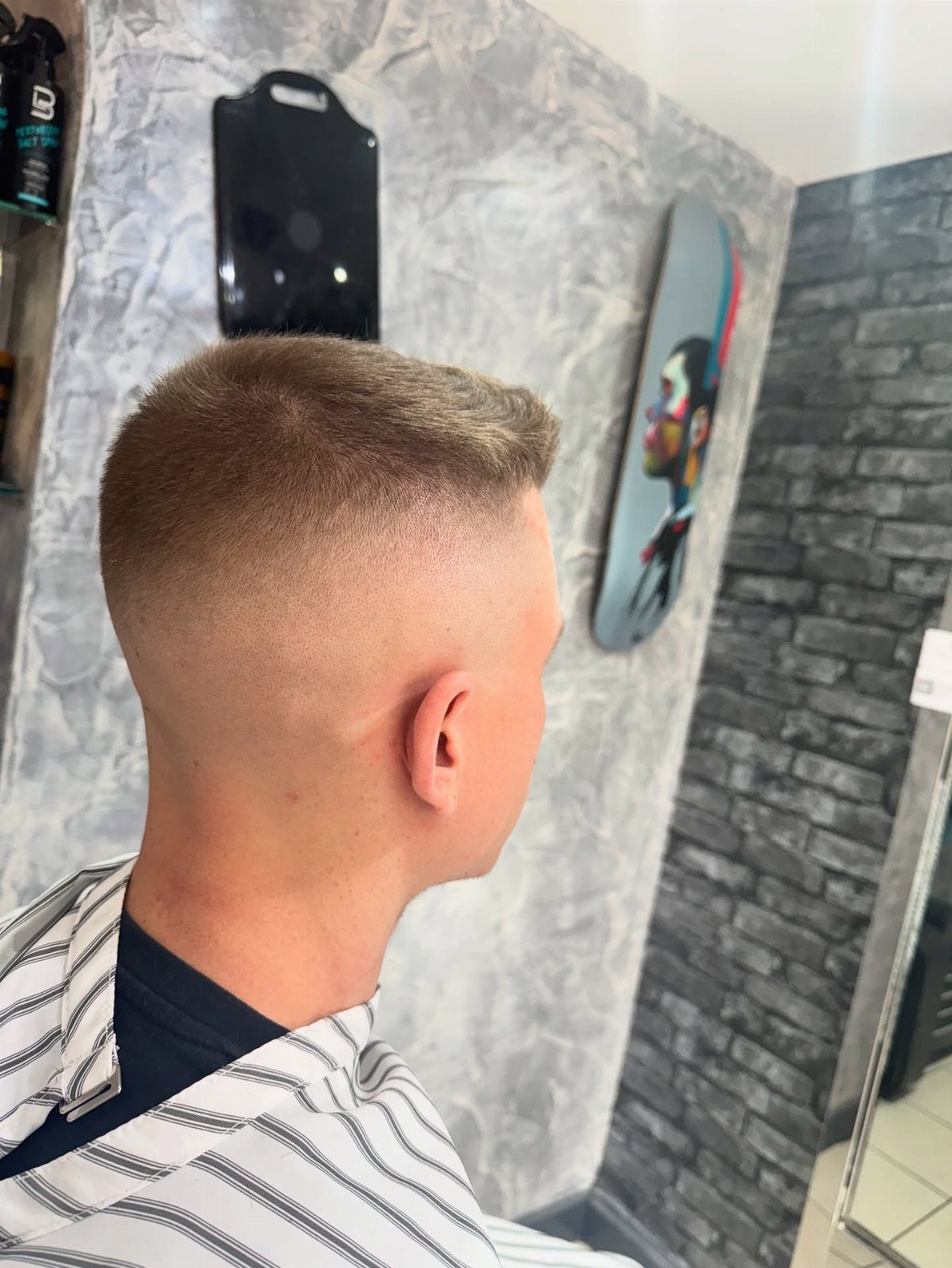
A high fade contrasts with some length and texture on top. The crop stays close to the head, which makes it low-maintenance, and the high fade adds definition without requiring product.
The barber can add texture with scissors or clippers, depending on how much movement you want.
The fade needs attention as it grows, but the top stays clean without looking sloppy.
5. Fade with Slight Length on Top
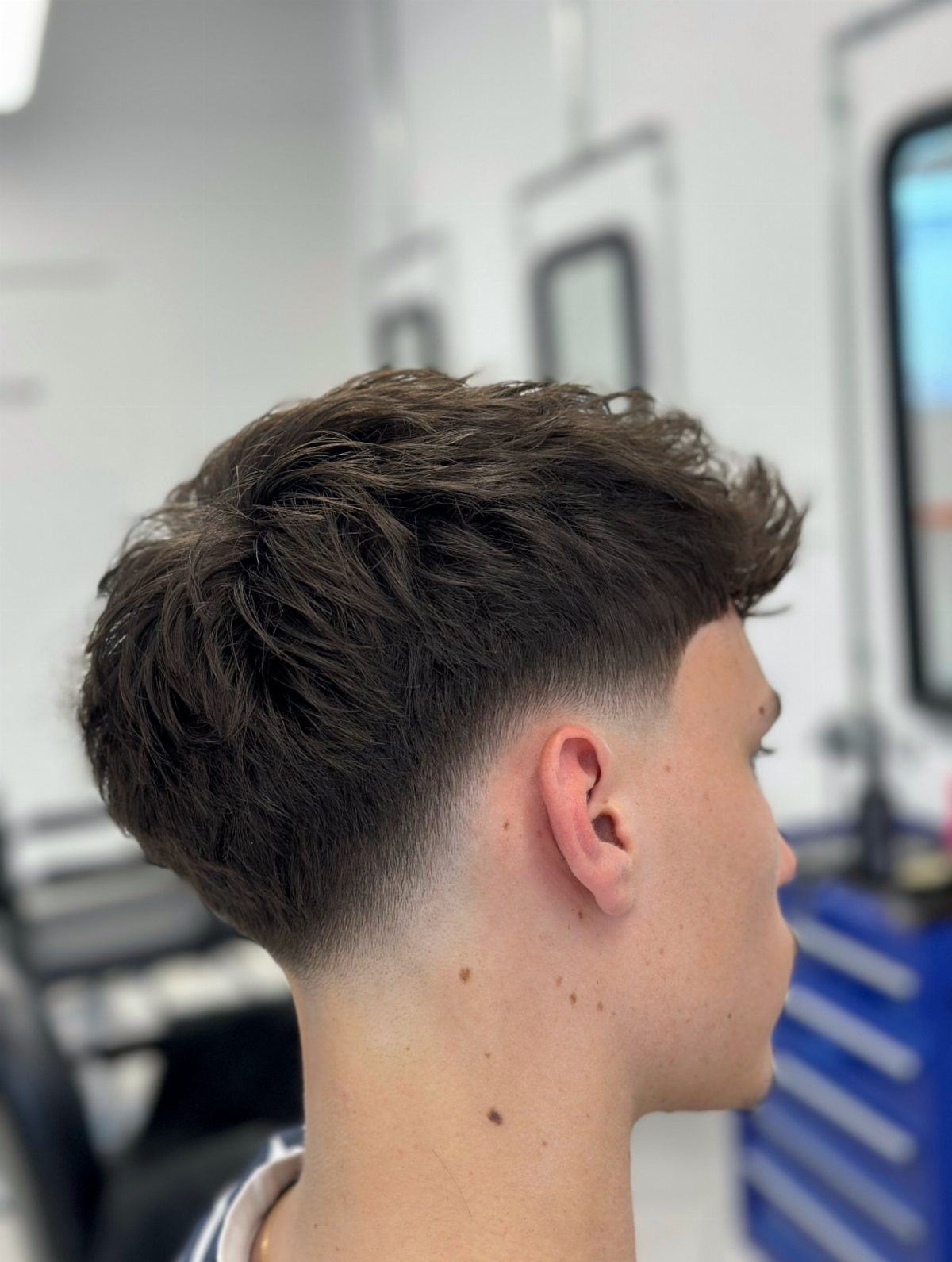
The sides graduate in length instead of cutting to skin, which softens the transition and suits guys who want a fade without the sharpest contrast.
Straight hair shows the fade clearly, and the slight length on top gives you enough to style or leave alone.
The fade blends as it grows, so you can stretch visits if the top looks tidy.
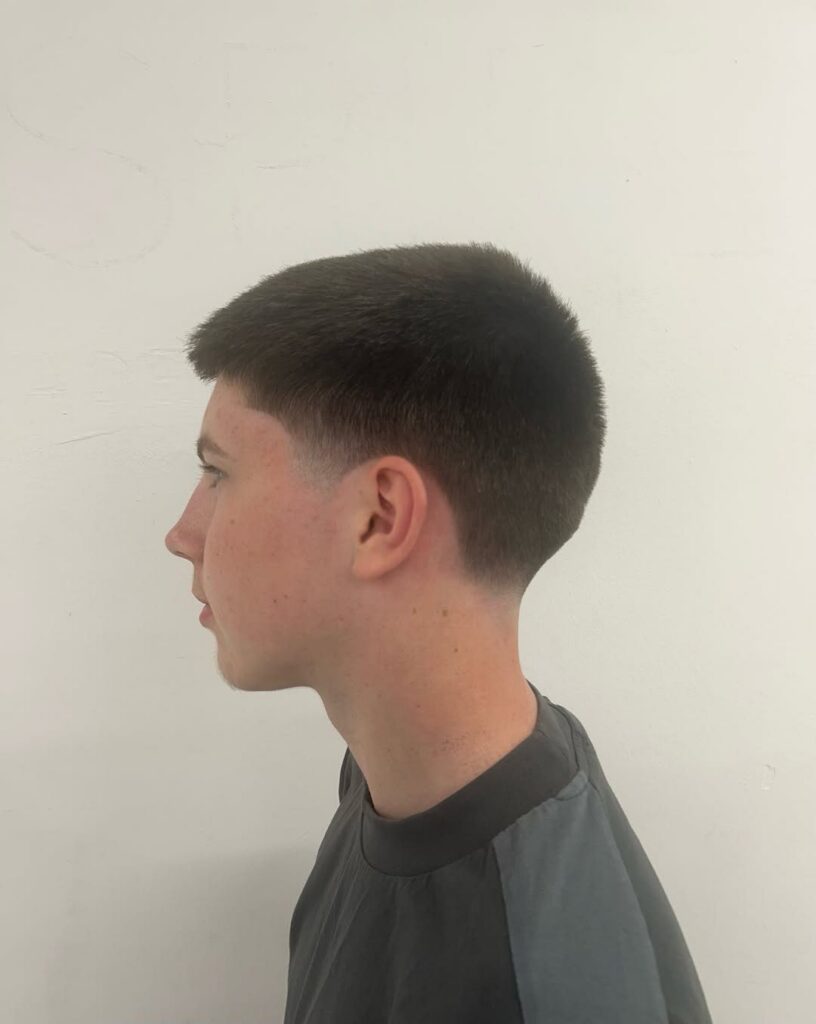
6. Tapered Fade
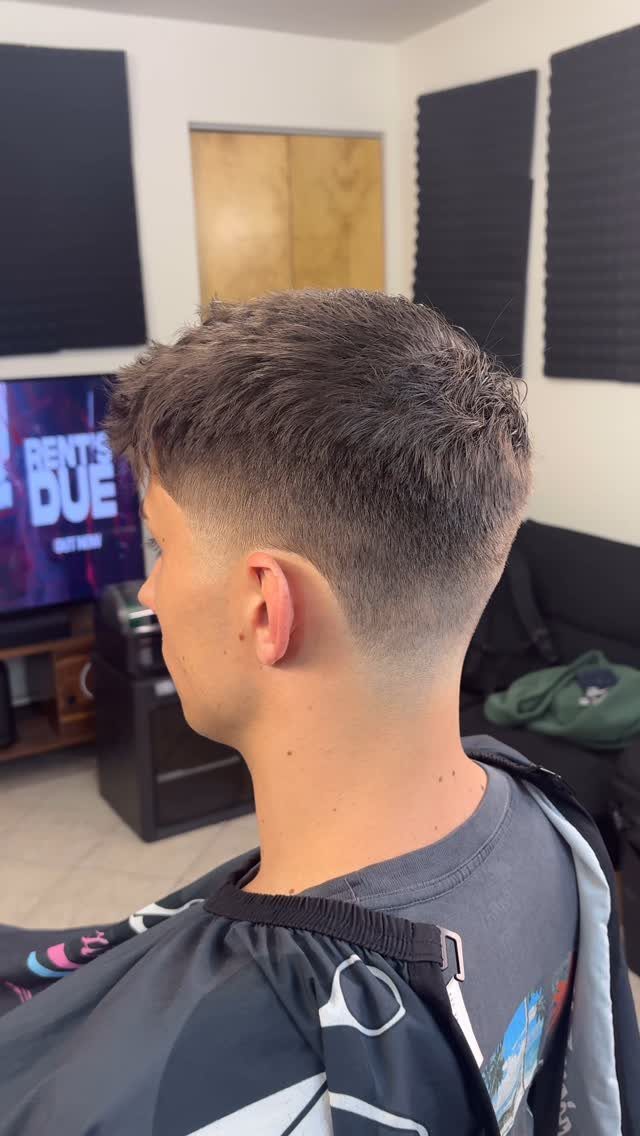
A structured taper fade keeps the cut simple while adding shape. The taper blends gradually from longer hair on top to shorter hair at the neckline, and the fade takes it down to skin or near-skin at the edges.
Straight hair shows the taper cleanly, and the textured top gives you styling options without requiring much length.
The taper grows out slower than a high fade, so you can go longer between cleanups. The top needs a minute of paste or clay if you want separation, or leave it as-cut for a low-effort finish.
7. Pompadour
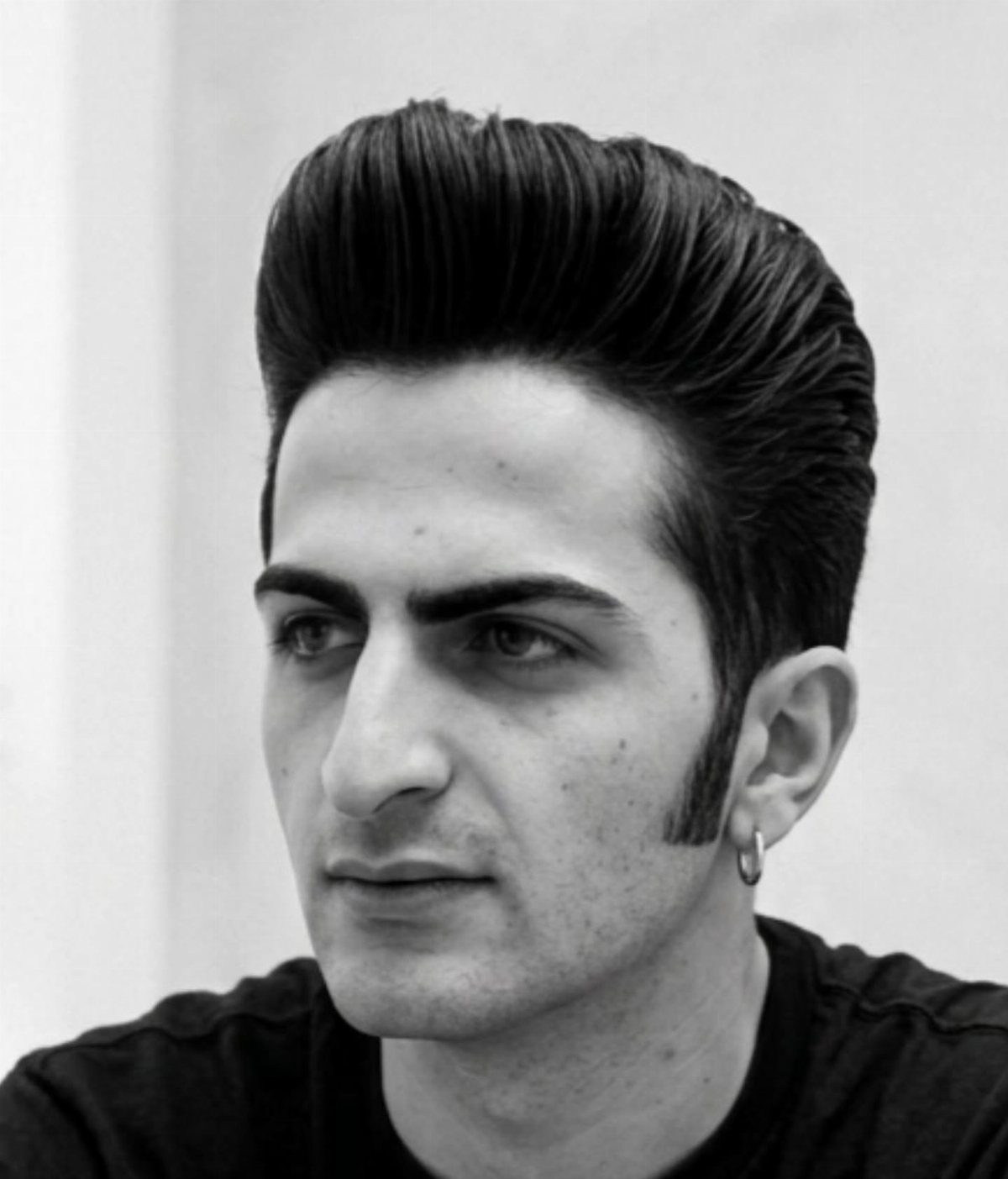
Longer hair on top is brushed up and back to create volume. The height makes straight hair look fuller, and the shape works with a fade or tapered sides to keep the profile clean.
Straight hair holds the lift well, but it needs product and a few minutes each morning to keep the shape.
The pompadour needs regular trims to hold its shape, and the fade loses definition without periodic cleanups.
8. Bro Flow
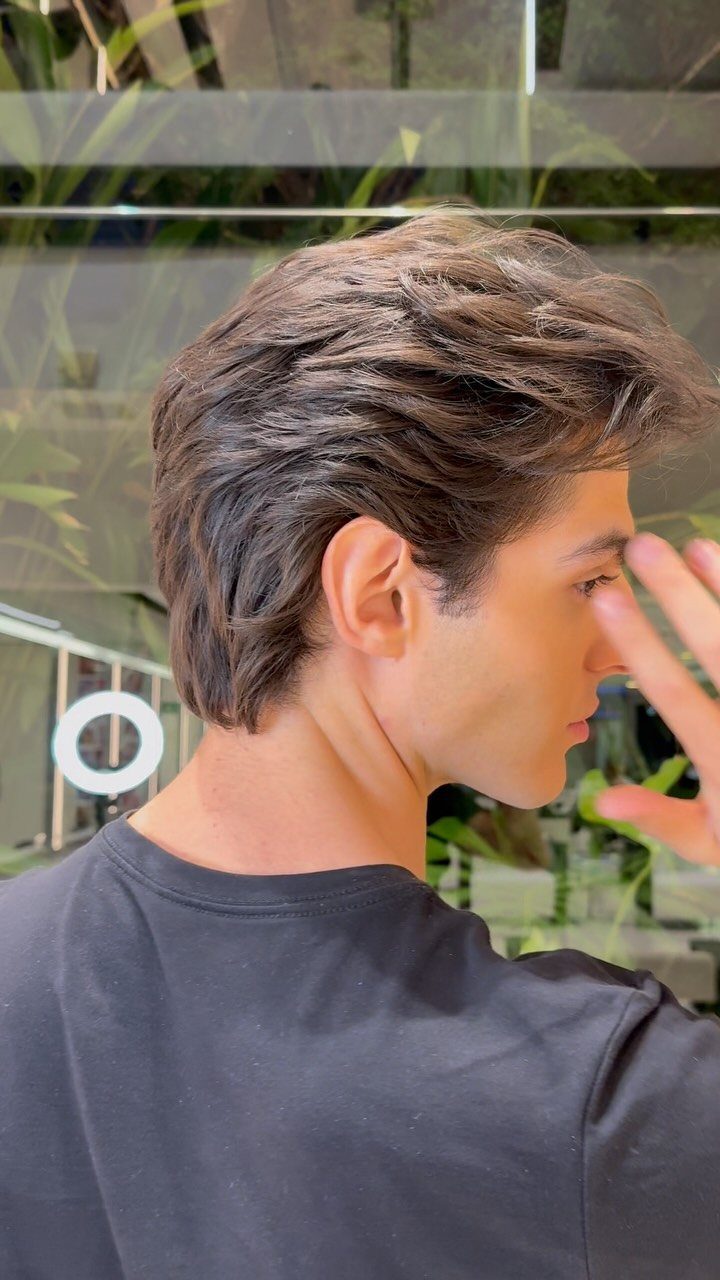
Medium-length hair is brushed back in a relaxed, flowing style. The length gives you enough to tuck behind your ears or let it sit loose, and the style works whether your hair dries straight or picks up a slight wave.
Let hair grow past the awkward phase, then ask for layers to remove weight and add movement.
The bro flow grows out without looking unkempt, and it suits guys who want length without the commitment of a man bun.
9. Crew Cut
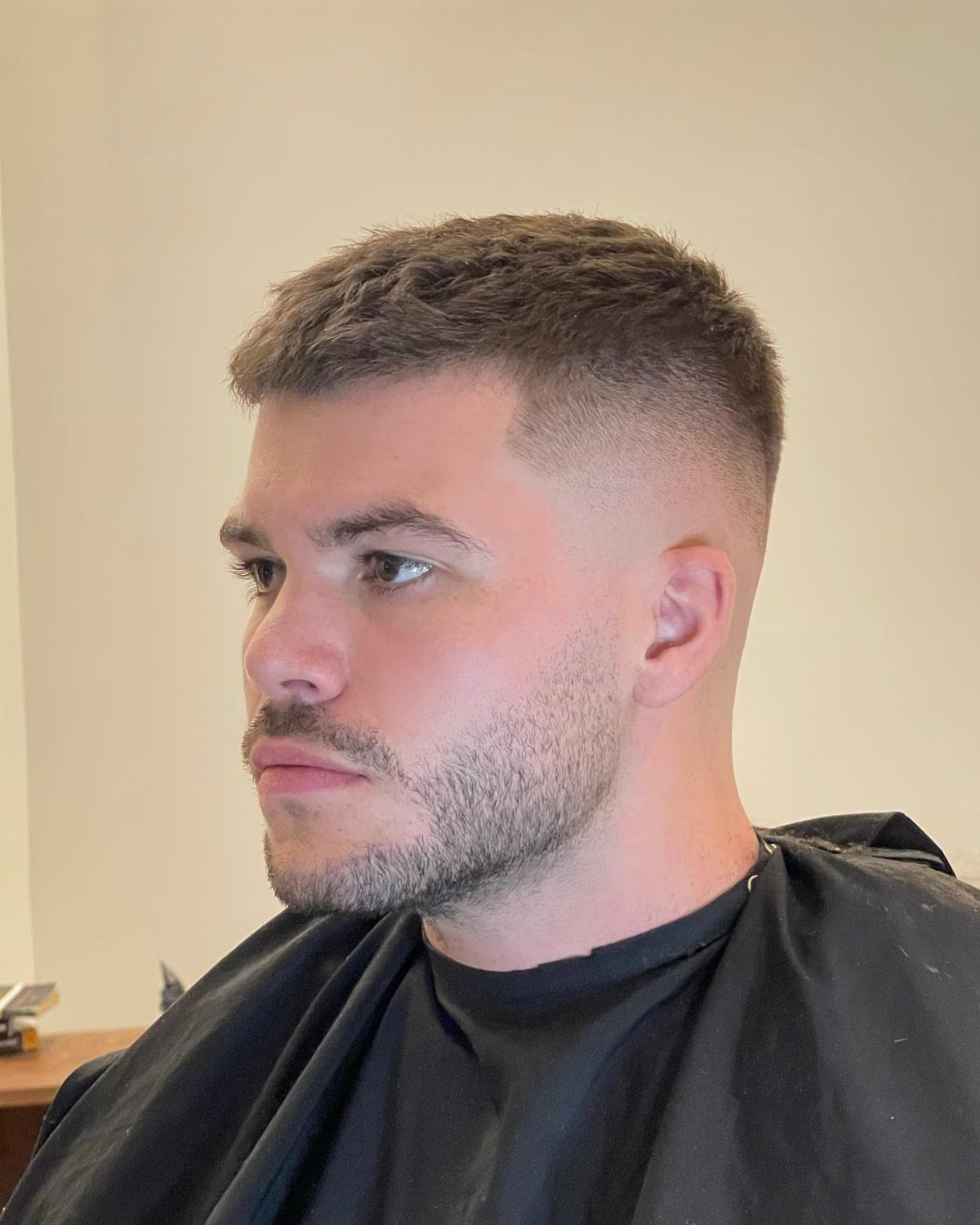
A classic short cut with slightly more length on top than the sides. The top is clipped or scissor-cut to around half an inch, and the sides taper shorter toward the neckline.
Straight hair sits flat and tidy without product, and the cut requires almost no morning effort.
The crew cut grows out clean, and you can stretch visits before the shape softens.
10. Buzz Cut
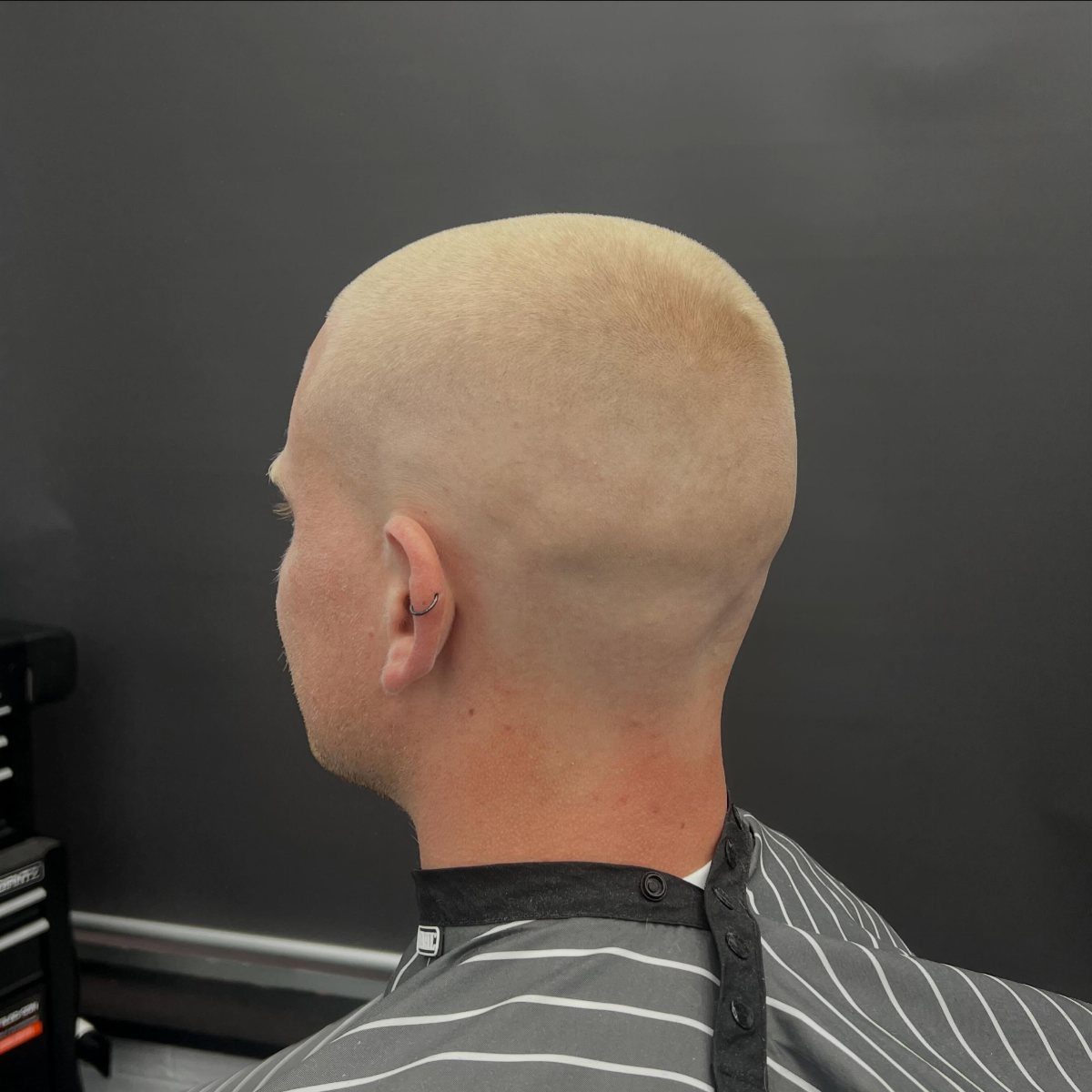
An ultra-short clipper cut with very little styling required. The entire head is clipped to one guard length, which makes straight hair sit uniformly close.
Ask for a single guard length or a slight taper at the neckline if you want some shape. Maintenance is a clipper pass every few weeks, and styling is washing and drying.
The buzz cut suits guys who want zero morning effort and don’t mind frequent cleanups.
11. Side Part
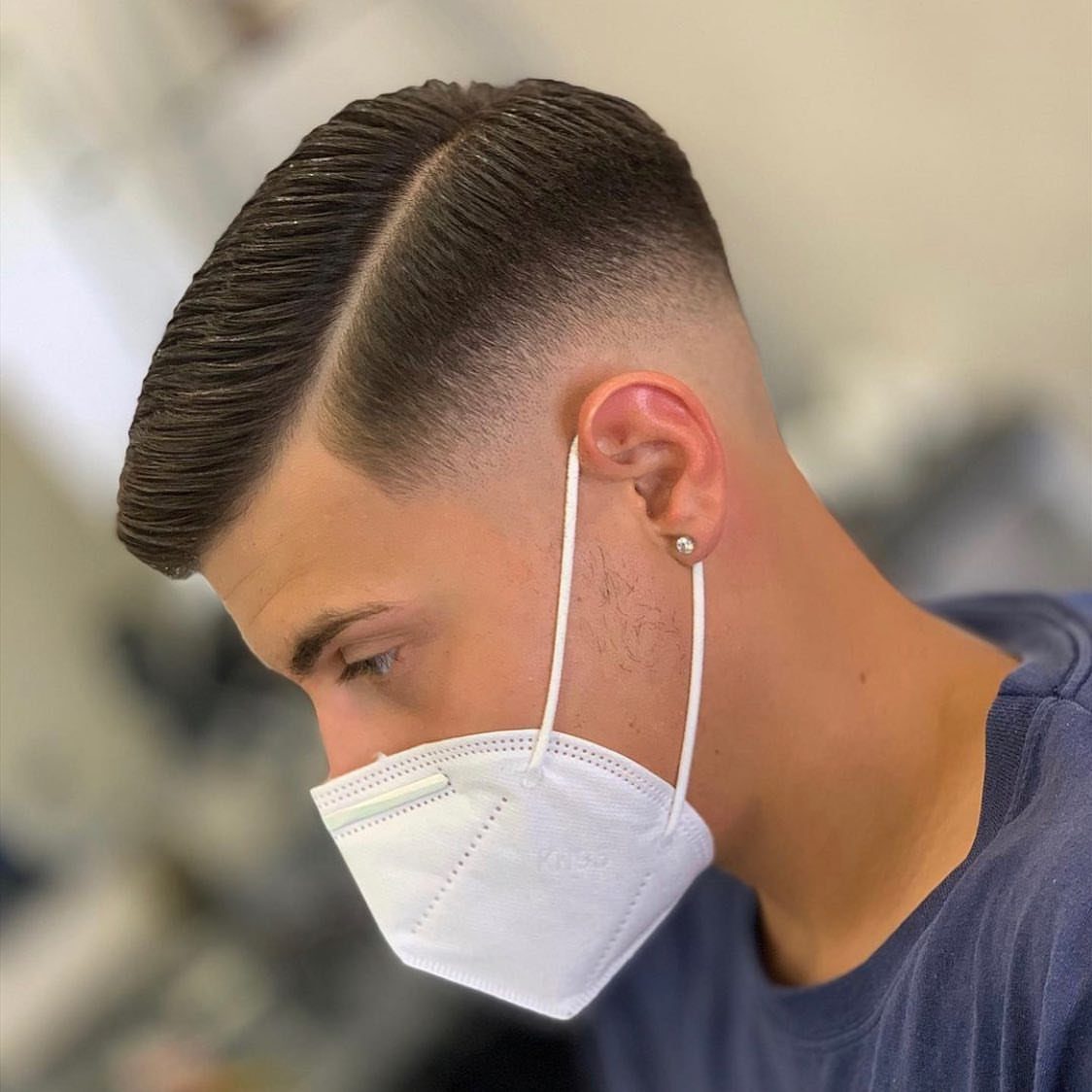
A clean, adaptable style with hair arranged along a defined side part. The part can sit low or high, and the sides can taper, fade, or stay longer depending on the look you want.
Straight hair shows the part sharply. Tell the barber to cut or shave the part line if you want it crisp, or comb it in at home with medium-hold pomade or paste.
The side part suits most face shapes, and it reads formal or casual depending on how you style it.
12. Slick Back
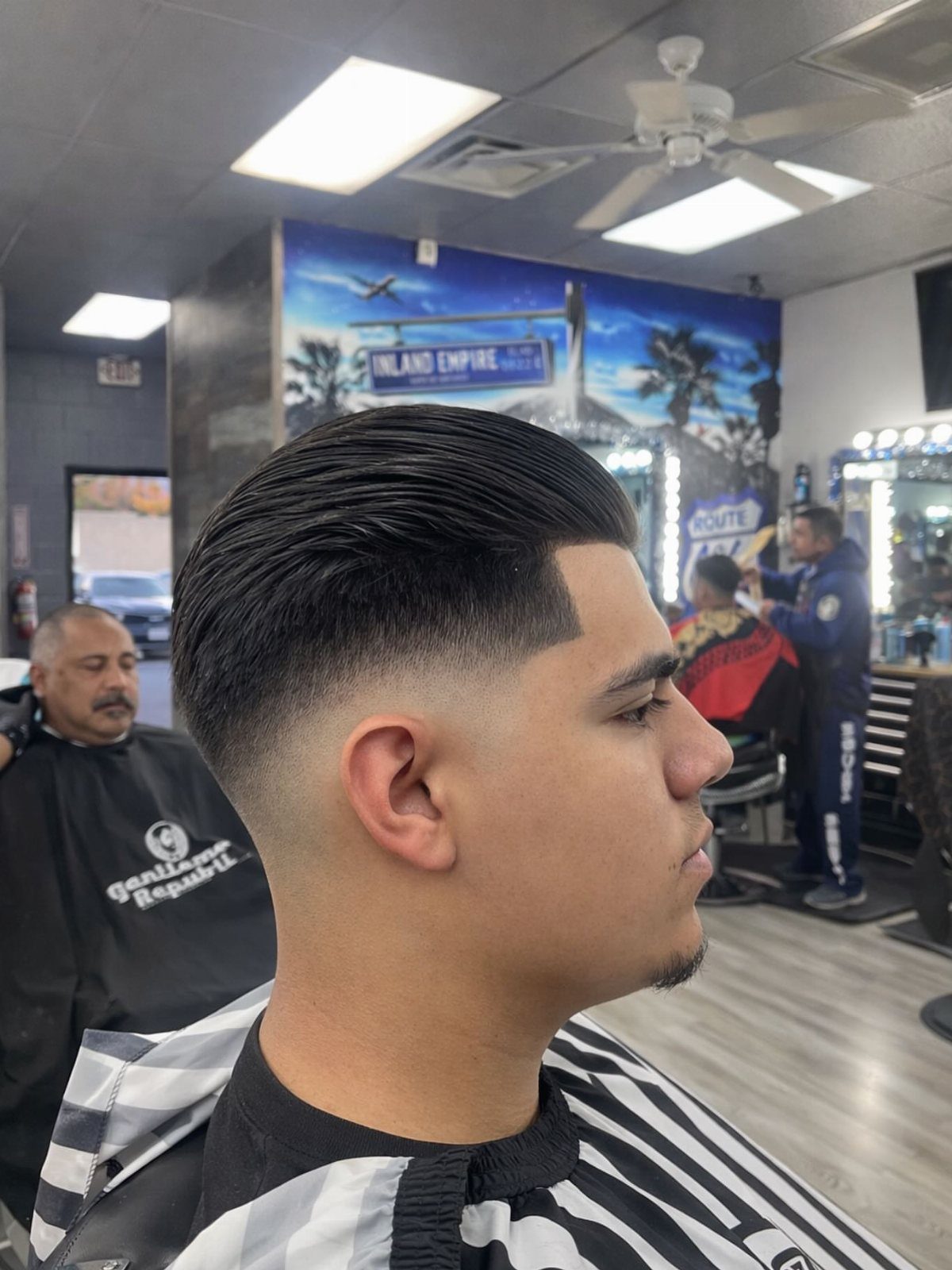
Hair is combed smoothly back from the forehead. Straight hair takes the direction easily, and the style works with a fade or tapered sides to keep the profile sharp.
Apply a high-shine pomade or gel to damp hair, then comb it back with a fine-tooth comb. The finish is polished and stays in place through the day.
The slick back needs a few minutes of styling each morning, and the fade loses definition without periodic cleanups.
13. Textured Shag
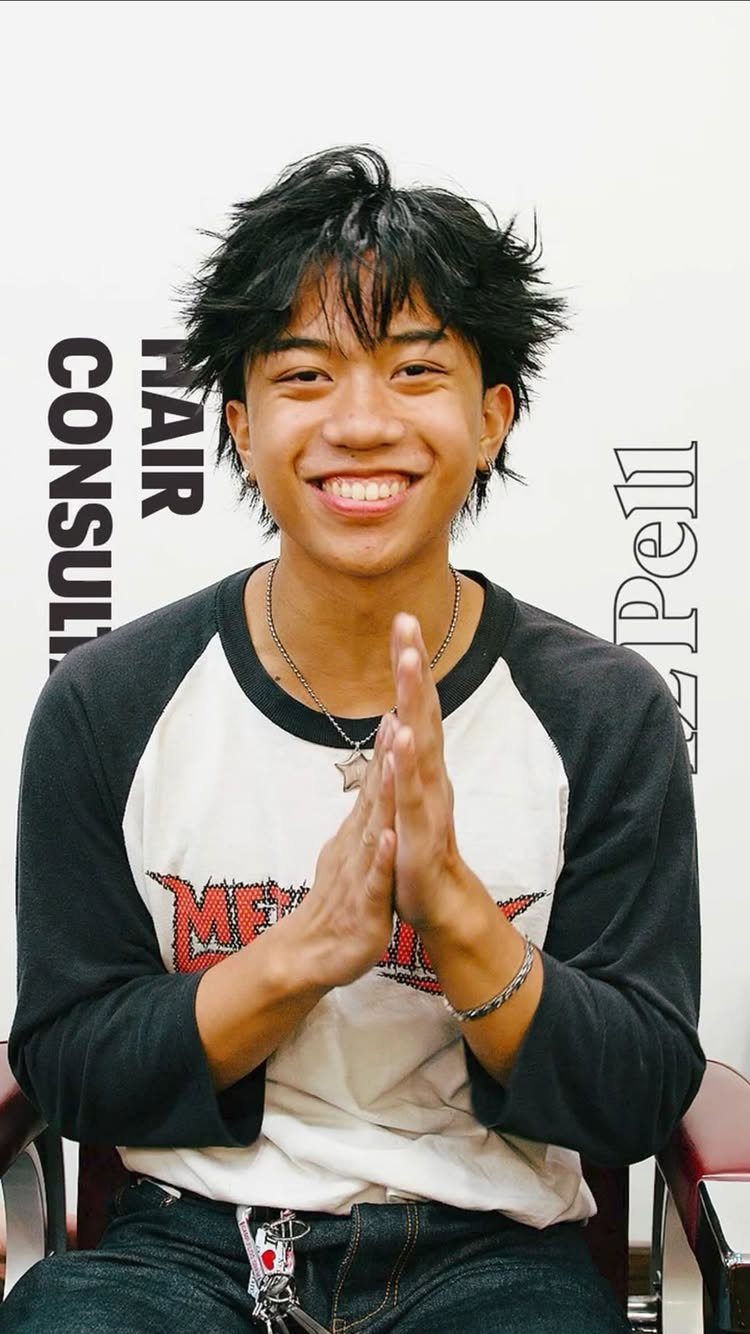
Choppy layers give straight hair texture and lift without requiring length. The shag works by removing weight in irregular layers, which lets straight hair move instead of lying flat.
Ask for disconnected layers with point-cutting or razor work to create the choppy ends. Some guys flat-iron the ends outward for a wispy finish, though the layers usually provide enough movement on their own.
A matte paste or light cream adds separation.
14. Long Layers
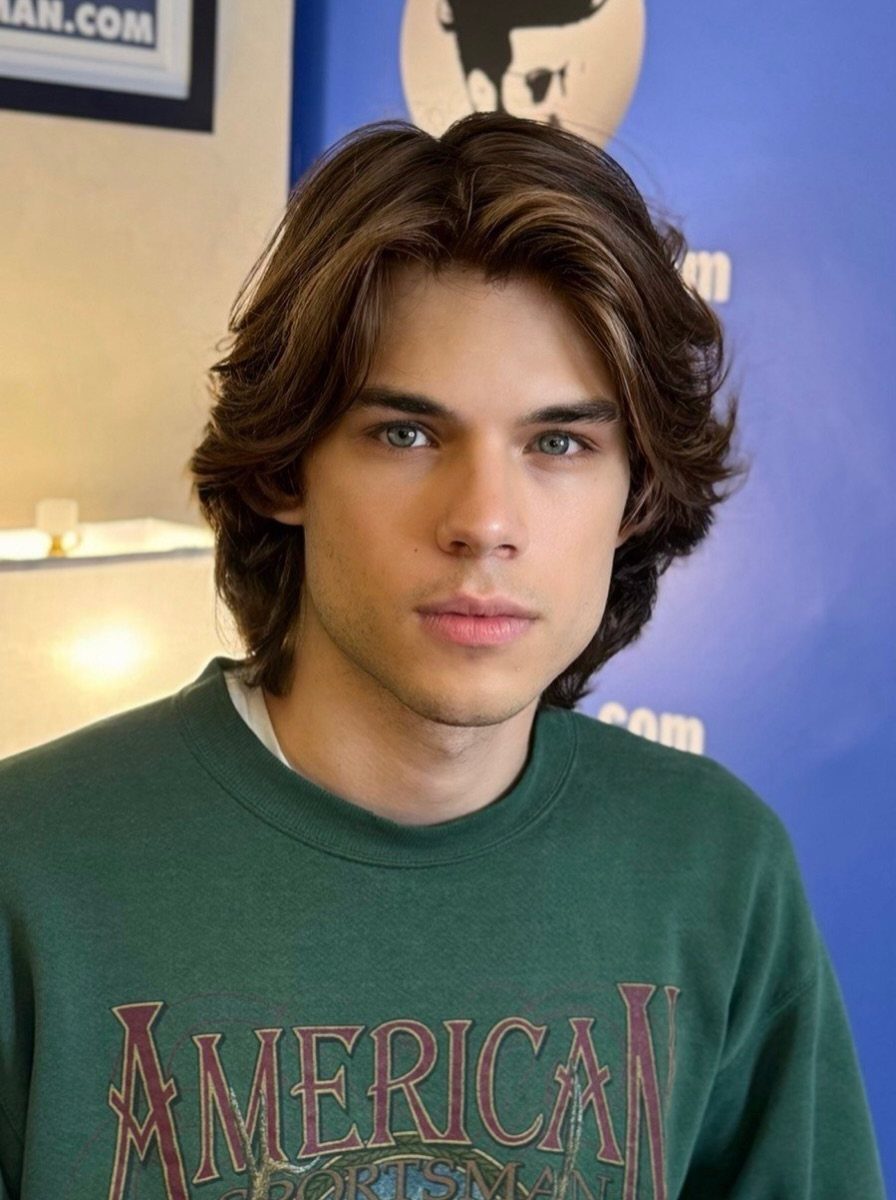
Layers reduce bulk and add movement to long straight hair. The cut frames the face and prevents the flat, one-length look that weighs straight hair down.
Ask for face-framing layers starting around cheekbone level, with more length at the back. Straight hair shows the layers cleanly, and the cut works air-dried or blow-dried.
The layers grow out gradually, so the cut stays shapely between trims. Plan on a cleanup to keep the face-framing pieces from growing past their useful length.
15. Man Bun
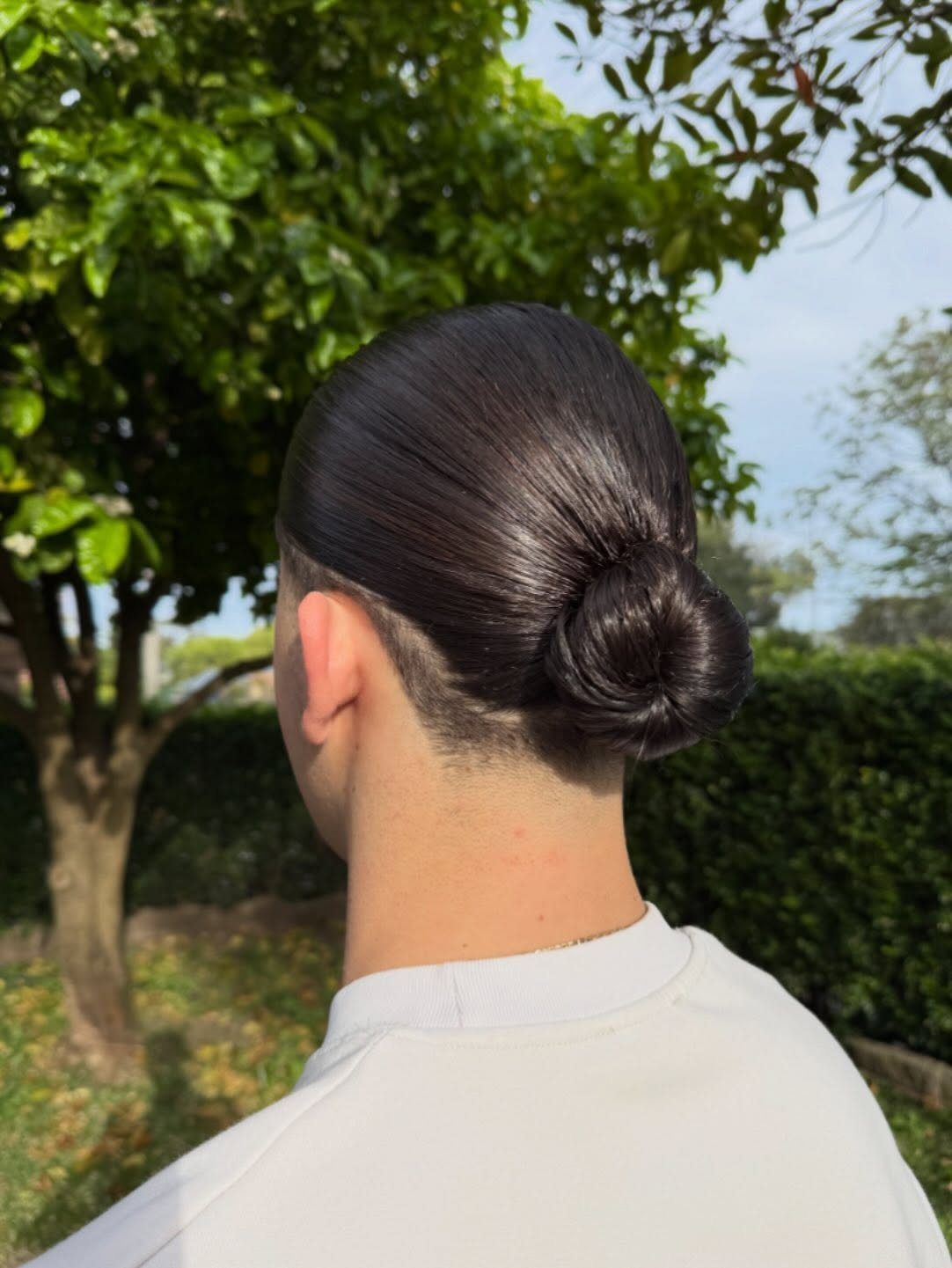
Long hair is pulled into a bun at the crown or back of the head. Straight hair ties up cleanly without frizz, and the bun keeps hair off your neck during work, workouts, or warm weather.
Growth takes time.
Let hair reach at least shoulder length, then gather it into a ponytail and twist it into a bun. A hair tie holds it in place.
The man bun suits guys who want length but need it contained most of the day. Let it down and it doubles as long layers.
16. Spiky Hair
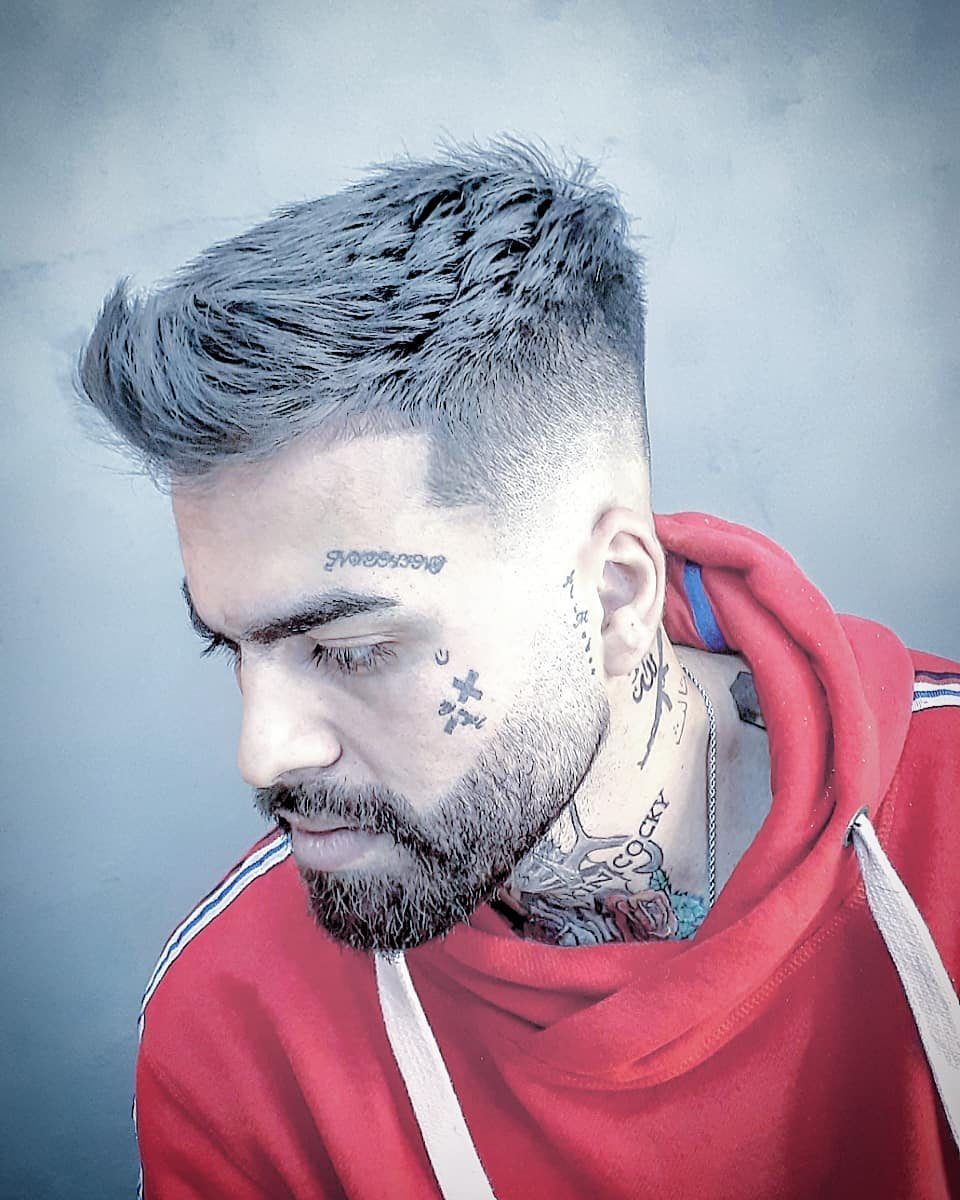
Short hair is pushed upward and separated into defined spikes. Straight hair holds the vertical direction well, and the spikes add texture where a flat top would read plain.
Apply a strong-hold gel or paste to damp hair, then push sections upward with your fingers.
Spikes need a minute of styling each morning, and the cut itself requires regular trims to keep the length in the range where the style works.
17. Viking Braids
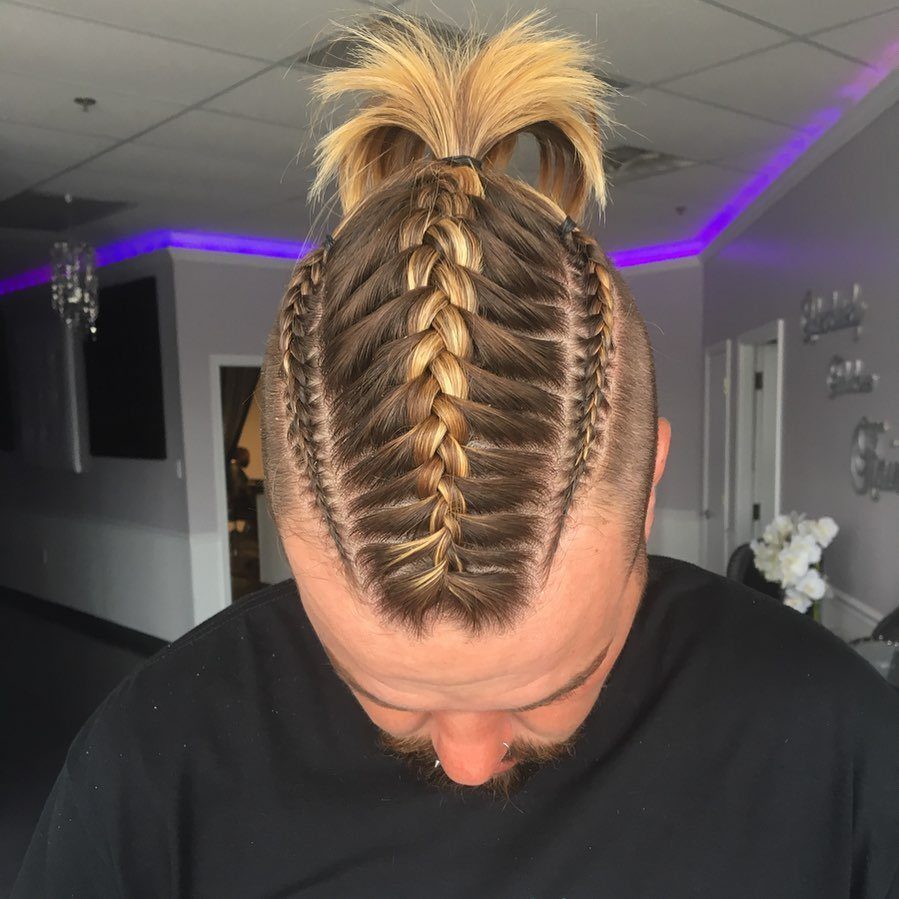
Longer straight hair is sectioned and plaited into tight, parallel braids. The braids sit close to the scalp and can be tied back or left loose, and straight hair takes the pattern cleanly without flyaways.
Growth matters. Hair needs enough length to braid securely.
Section the top into rows, then braid each one tightly from the root. The braids can be left as-is or gathered into a ponytail.
The style holds for several days, which makes it low-maintenance once it’s in. Undo the braids and straight hair returns to its usual texture.
18. Fade Haircuts for Men
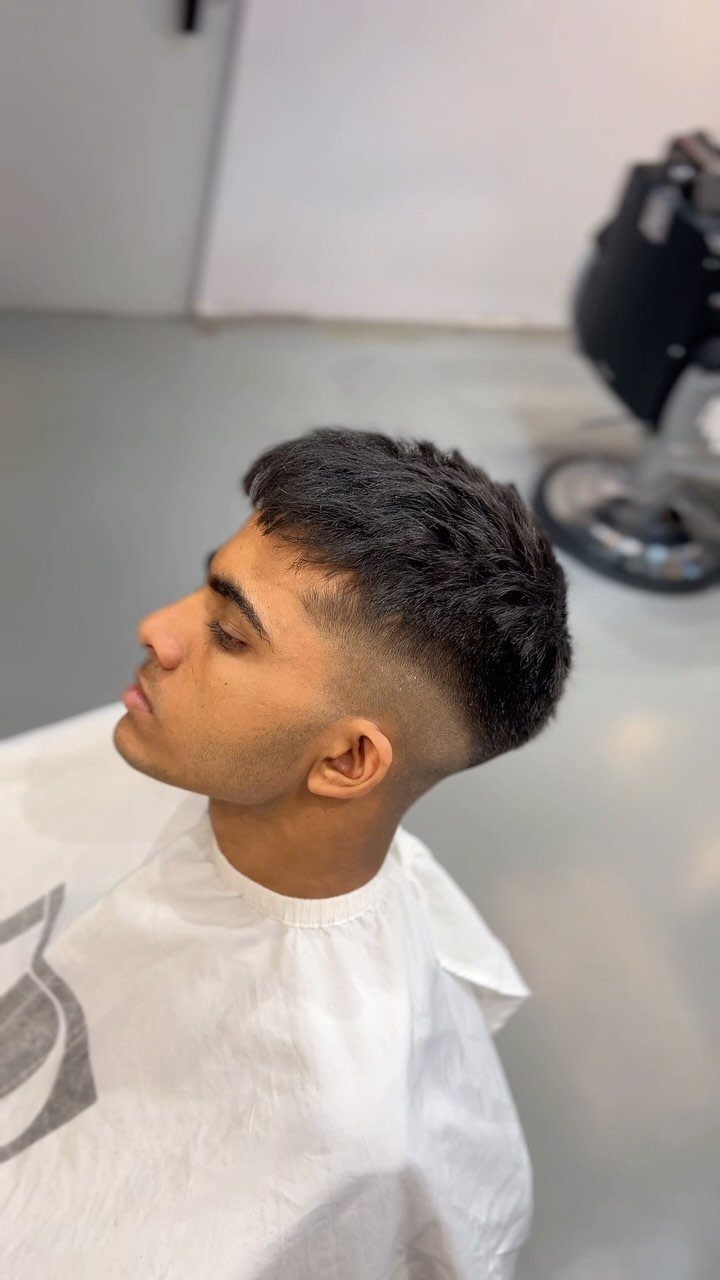
Straight hair shows the gradient sharply, and the contrast between the faded sides and textured top adds definition without requiring product on the sides.
Ask for a low, mid, or high fade depending on where you want the taper to start, then decide on the top length and texture separately.
The fade grows out quickly, so plan on regular cleanups if you want the gradient to stay crisp.
19. Long Straight Hair
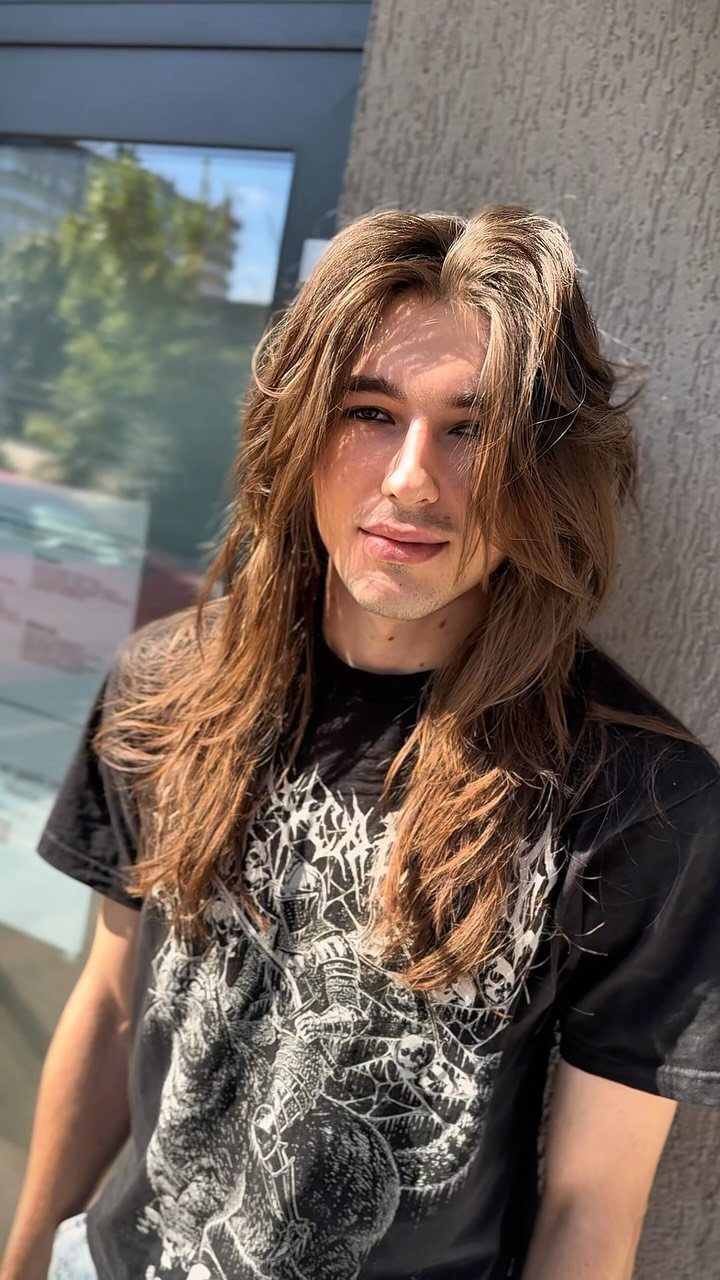
Long straight hair worn down or pulled back suits guys who want length without the texture work wavy hair demands. Straight strands sit smooth and show layers clearly, so ask for face-framing cuts to keep the shape from looking blunt.
A round brush and blow dryer lift the roots; air-drying works if you want the weight to stay. A leave-in conditioner keeps ends from looking dry, and straight hair shows split ends faster than curly hair does.
Plan on trims to keep the ends clean and the shape intentional.
20. Finger Waves
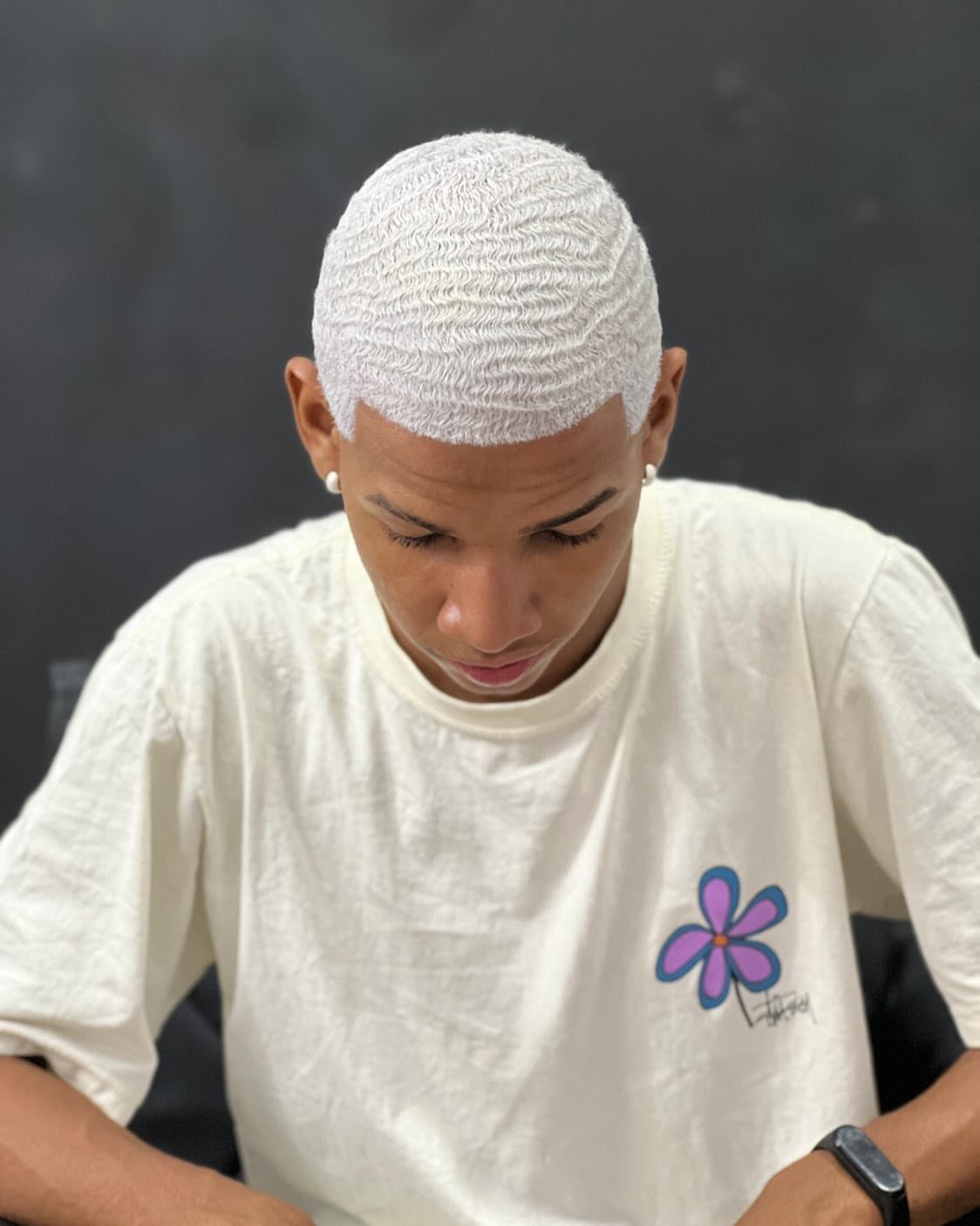
Finger waves shape short hair into a structured, vintage wave pattern.
Apply a strong-hold gel to damp hair, then comb the waves into S-shaped curves using a fine-tooth comb and your fingers to hold each ridge in place. The waves need to dry completely before you move them.
The pattern holds for a day or two, then needs resetting.
21. Hard Part
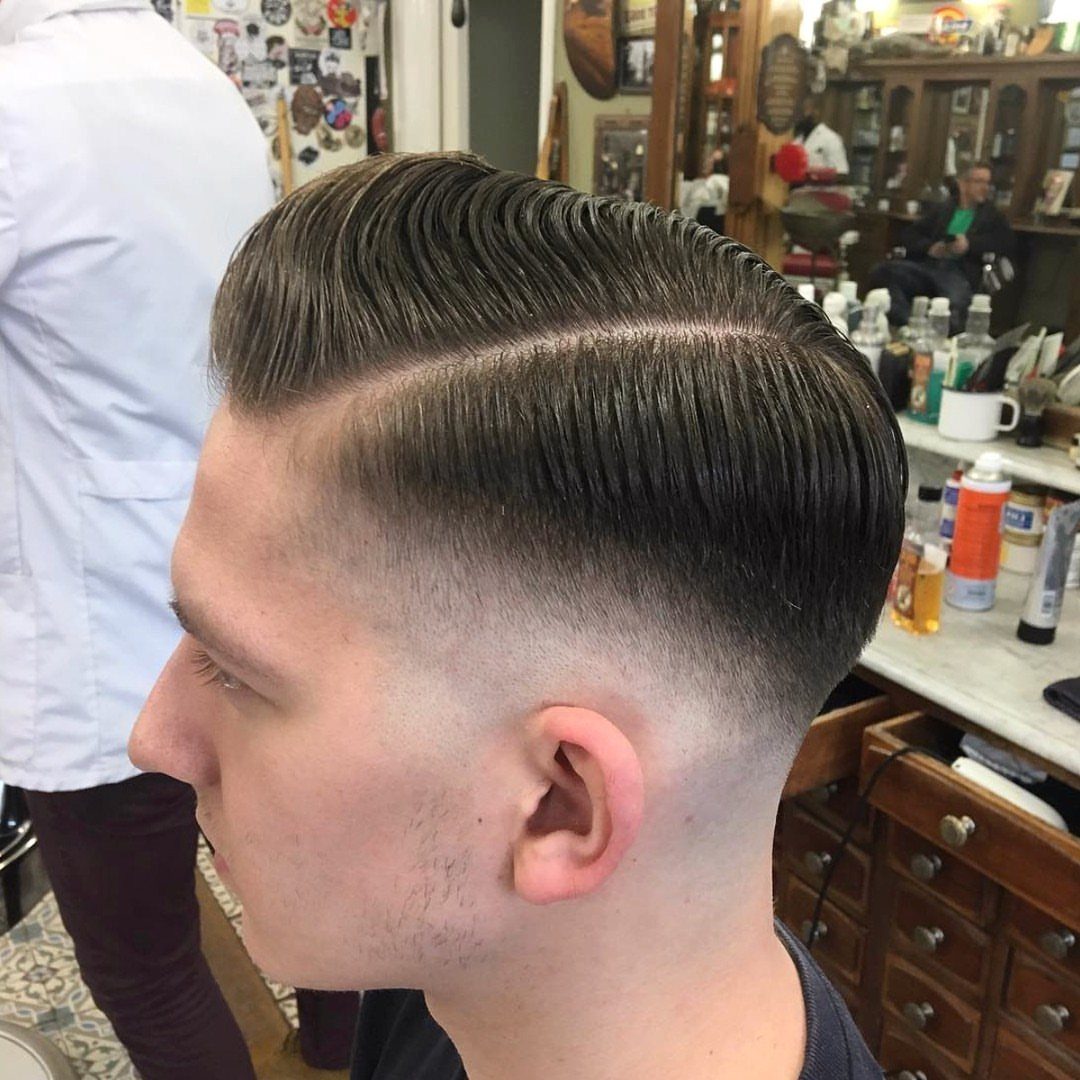
A hard part is shaved or cut into the scalp to create a visible line where the hair divides. The line stays sharp and adds definition to a side part, pompadour, or fade.
Ask the barber to shave the part with a trimmer or razor. The line sits wherever the natural part falls or wherever you want the hair to divide.
22. Top Knot with Fade
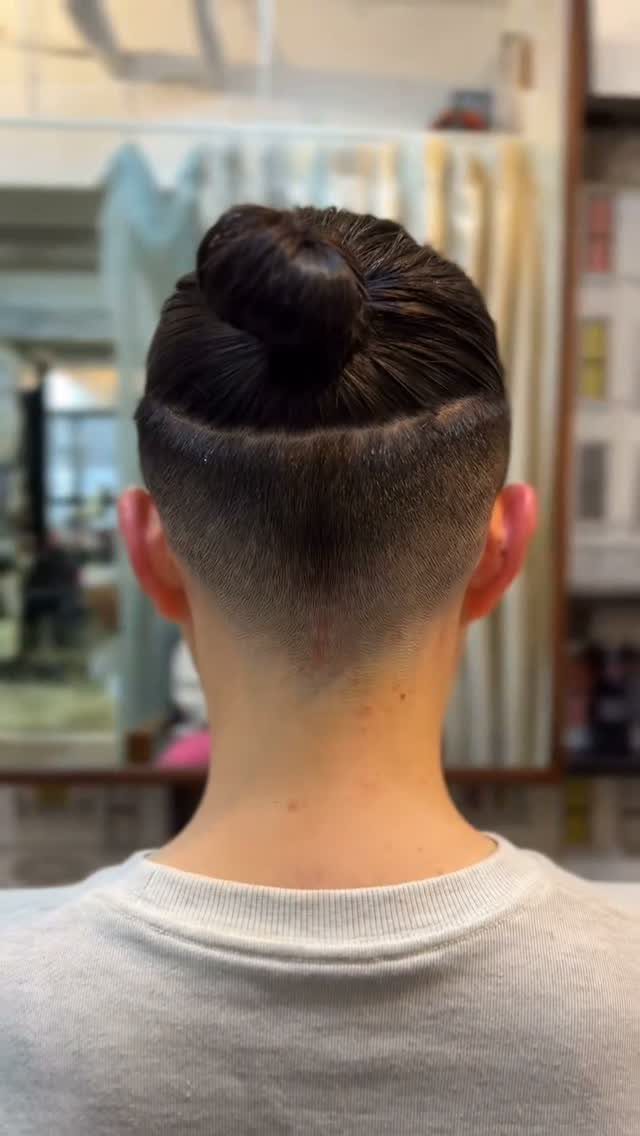
Hair on top is gathered into a knot at the crown, and the sides and back are faded to skin or near-skin.
Straight hair ties cleanly without frizz, and the high contrast between the knot and the fade keeps the look sharp.
Growth takes time. The fade needs frequent cleanups, but the knot itself holds without restyling.
23. Straight Hair Mullet
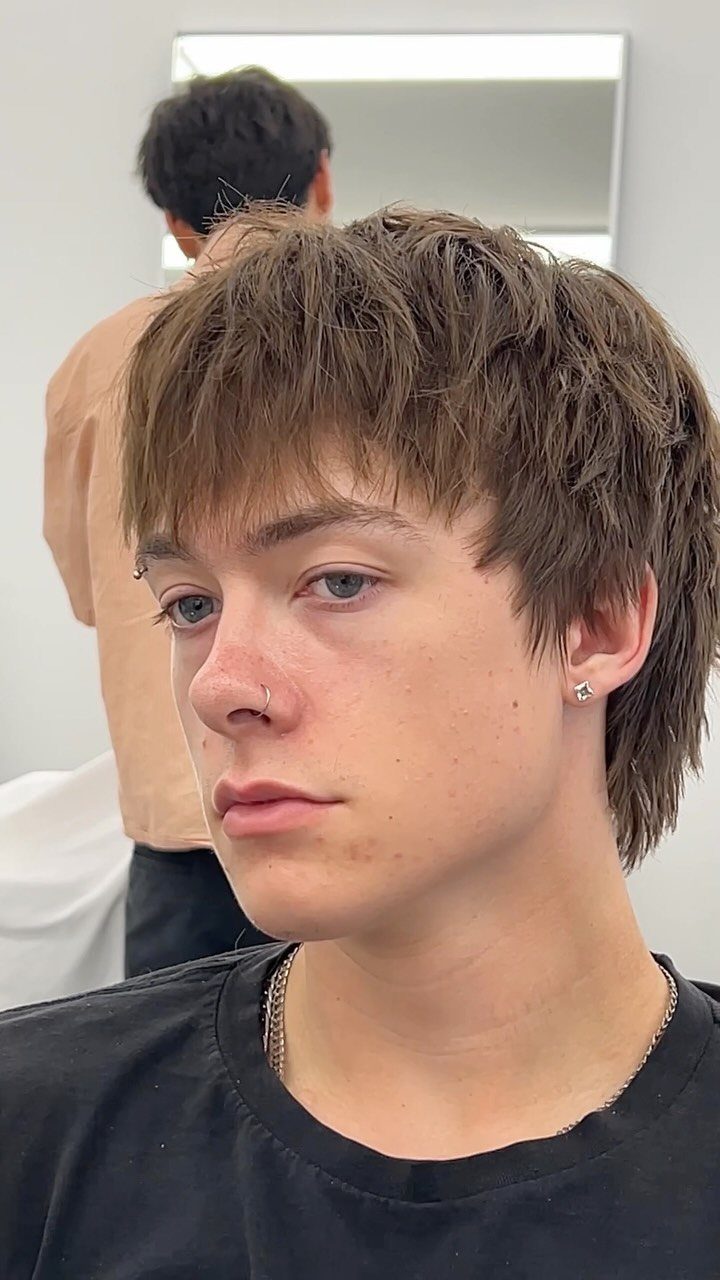
The top and sides stay short and choppy, then drop to length at the back. The modern mullet keeps the contrast softer than the 80s version, and straight hair shows the layers without frizz.
Ask for disconnected layers with the back left longer and the top textured. A matte paste adds separation to the front and keeps the texture from sitting flat.
The mullet grows out gradually, and the longer back section needs occasional trims to keep it from looking unkempt.
From the mullet in the ’80s to the faux-hawk in the 2000s, most men’s haircut fads don’t age well in photos.
— GQ
Haircut Cleanup Timing
Short cuts need attention sooner than long ones. A buzz cut holds its shape for 2–3 weeks before the clean line at the neckline starts to look soft, and fast-growing hair pushes the same timeline on any close-cropped style.
Longer cuts stretch further. General upkeep runs every 4–6 weeks, which covers most of the textured crops, quiffs, and side parts that sit somewhere between close-cropped and long.
Long hair and fine-hair cuts can reach 6–8 weeks before the shape starts to drift, though split ends show up sooner on straight hair than they do on wavy or curly textures.
Your own growth rate moves those windows. If hair grows fast, shorten the interval; if it grows slow, you can wait.
Choosing a Cut with Your Barber
Bring a photo if you have one, but tell the barber what you want in words they can act on.
Call the cut by name, give a guard number for the fade or taper, and tell them how many inches you want left on top.
A mid fade with a textured crop and a number 2 on the sides gives the barber a clear start; "something like this picture" leaves room for interpretation.
Face shape, hair type, and lifestyle matter more than copying a reference exactly.
An oval face shape works with just about anything, square faces look good in most classic styles, and round faces benefit from extra volume up top to lengthen the look.
Straight hair shows every line, so a cut that depends on texture or wave might not translate.
Settle on a neckline shape before they start: blocked straight across, tapered to a point, or rounded to follow the hairline. The choice changes how the cut grows out and how often it needs attention.
Frequently Asked Questions
What hair type do I have?
Hair type comes down to curl pattern, strand thickness, and density. Straight hair falls flat without curl or wave, and the strand itself can run fine or coarse, dense or sparse.
Which haircut is best for short and straight hair?
A textured crop, crew cut, or classic taper all work well on short straight hair.
Buzz cuts suit angular faces, while a short quiff or Caesar cut fits most face shapes. The best choice depends on how much maintenance you want and whether you prefer a clean or textured finish.
How should guys style short straight hair?
Short straight hair can be parted to the side for a professional look, brushed back for something clean, or textured with paste for a messier finish.
How do I choose the right hairstyle for my face shape?
Oval faces suit most styles, round faces look better with height on top to lengthen the profile, and square faces work well with classic structured cuts.
Your hair texture and how much time you want to spend styling matter just as much as face shape.
How often should I get my hair cut to maintain an attractive hairstyle?
Crops, quiffs, and side parts hold their shape for 4–6 weeks before the outline starts to blur.
What hair products should I use to maintain my hairstyle?
Matte paste or clay works for textured styles, pomade suits slick backs and side parts, and gel holds spikes or finger waves.
Choose based on the finish you want: matte for separation, shine for polish, or strong hold for vertical styles.
What are some hairstyles that are considered classic and always attractive?
Crew cuts, side parts, slick backs, and tapers stay in rotation because the proportions work across decades. Each one stays clean as it grows and works across different face shapes and hair textures.
How can I transition between hairstyles without going through the awkward phase?
Ask the barber to reshape and clean up the hair as it grows instead of cutting it back to the short style you’re leaving. Layers and texture make the in-between length look intentional rather than unfinished.
What are some hairstyles that can make thin hair look fuller?
Textured crops, shags, and choppy layers add movement that makes fine hair look fuller. Slicked-back styles flatten thin hair and make it look thinner, so messier finishes work better.