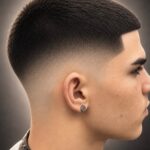
Straight hair works across this full range, from an undercut or crew cut that takes 30 seconds to style to shoulder-length hair parted down the middle.
The cut that fits depends on how much time you’ll spend each morning and how often you’re willing to sit for a trim: a buzz cut with skin fade needs attention every week or two to stay sharp, while a shaggy layered cut stretches to 6 or 8 weeks before the ends look uneven.
Guard numbers matter when you’re asking for a taper fade, buzz cut, or crew cut with clipped sides. A 1 guard leaves 3mm, a 2 leaves 6mm, and specifying the number keeps the result consistent.
1. Undercut
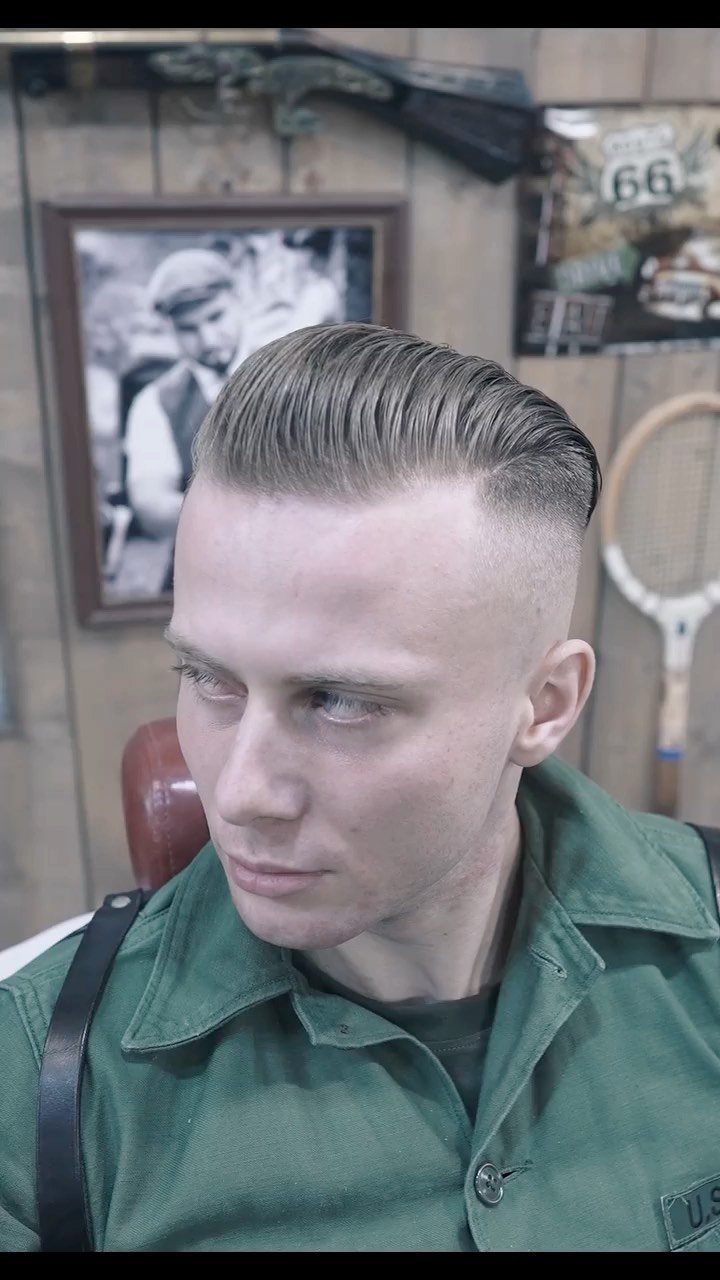
The sides are buzzed short, usually to a 1 or 2 guard, while the top keeps at least 3 inches to sweep back or to the side. The contrast gives straight hair a clean edge and works across most face shapes.
Tell your barber you want clipped sides with no gradient, keeping the top long and disconnected.
Pomade or wax goes into damp hair, then you comb it where you want it. Regular trims keep the sides tight and the contrast strong.
2. Textured Crop
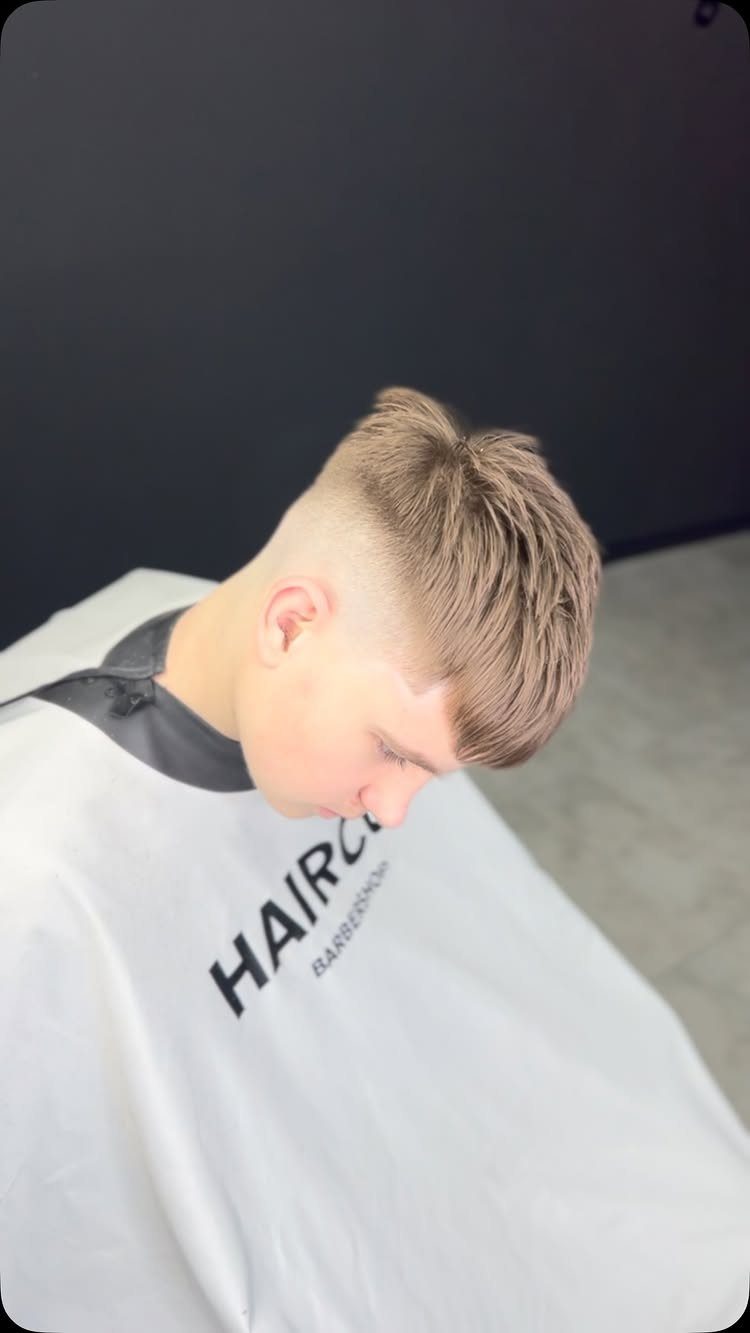
Choppy, uneven lengths on top give straight hair movement it otherwise lacks. The texture breaks up flat sections and can make fine hair look thicker than it is.
Point-cutting or a razor breaks up the top so individual pieces stand apart. Styling is fast: towel-dry, add a small amount of matte paste, and push the hair forward with your fingers.
The fade on the sides needs a cleanup every 2 weeks, but the textured top grows out without looking unkempt for closer to 4.
3. Ivy League

This cut leaves more length than a crew, enough for a subtle part or a forward sweep. Straight texture keeps it clean with minimal effort.
Length sits around an inch up front, tapering shorter as it moves back.
Sides fade down gradually. A light styling cream or pomade gives a polished finish, and the whole thing air-dries in minutes.
4. Taper Fade
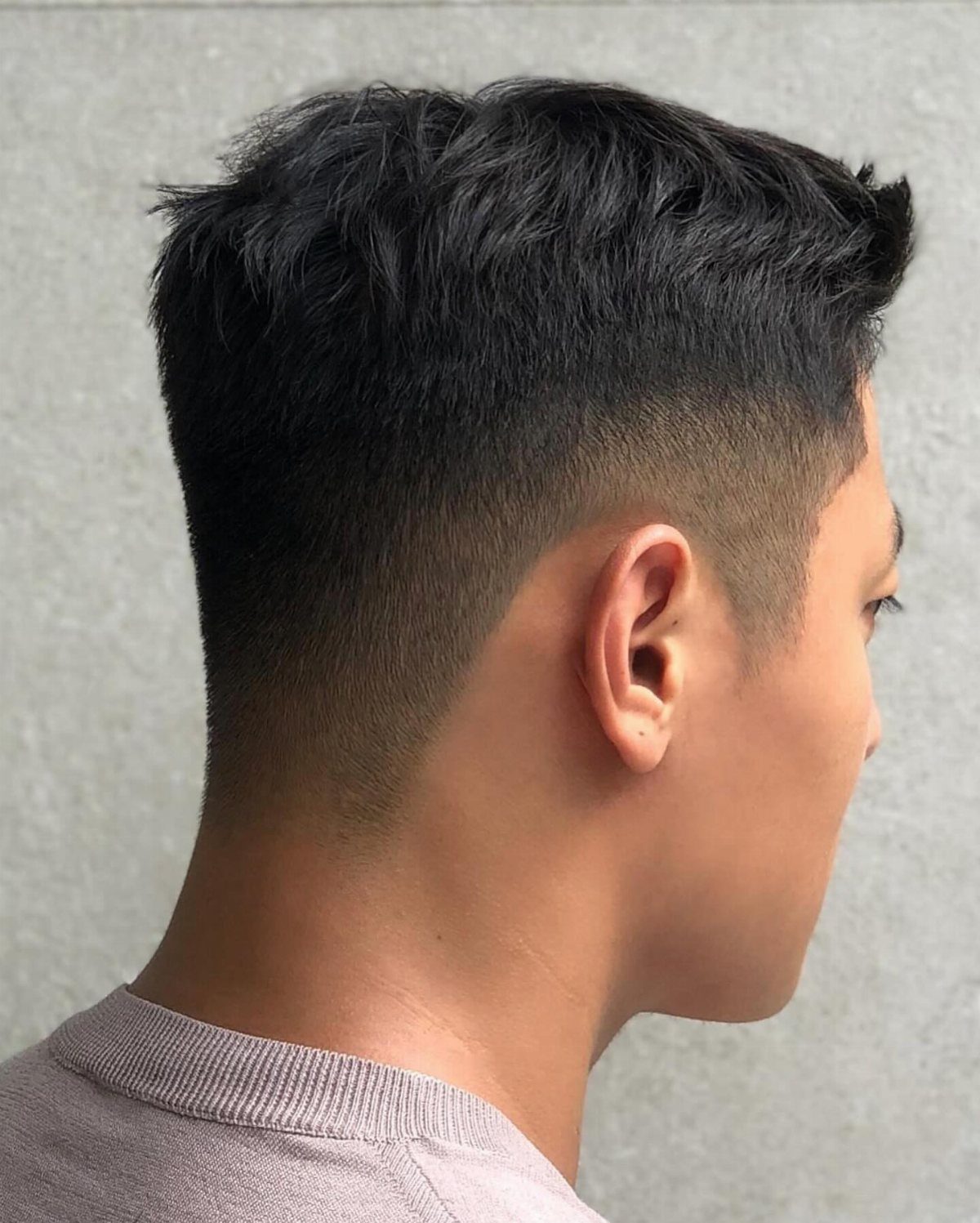
The fade starts partway up the sides and blends gradually into the longer top, following the natural hairline around the ears and down the back. It’s cleaner than an all-over buzz but less stark than a disconnected undercut.
Straight hair shows the fade clearly, so any unevenness will stand out. Ask for a mid or high taper depending on where you want the blend to begin.
The top can be textured, combed over, or left short. Touch up the fade often if you want it sharp.
Keep the hairline around the ears and neck longer, nothing too clean.
— GQ
5. Side Part
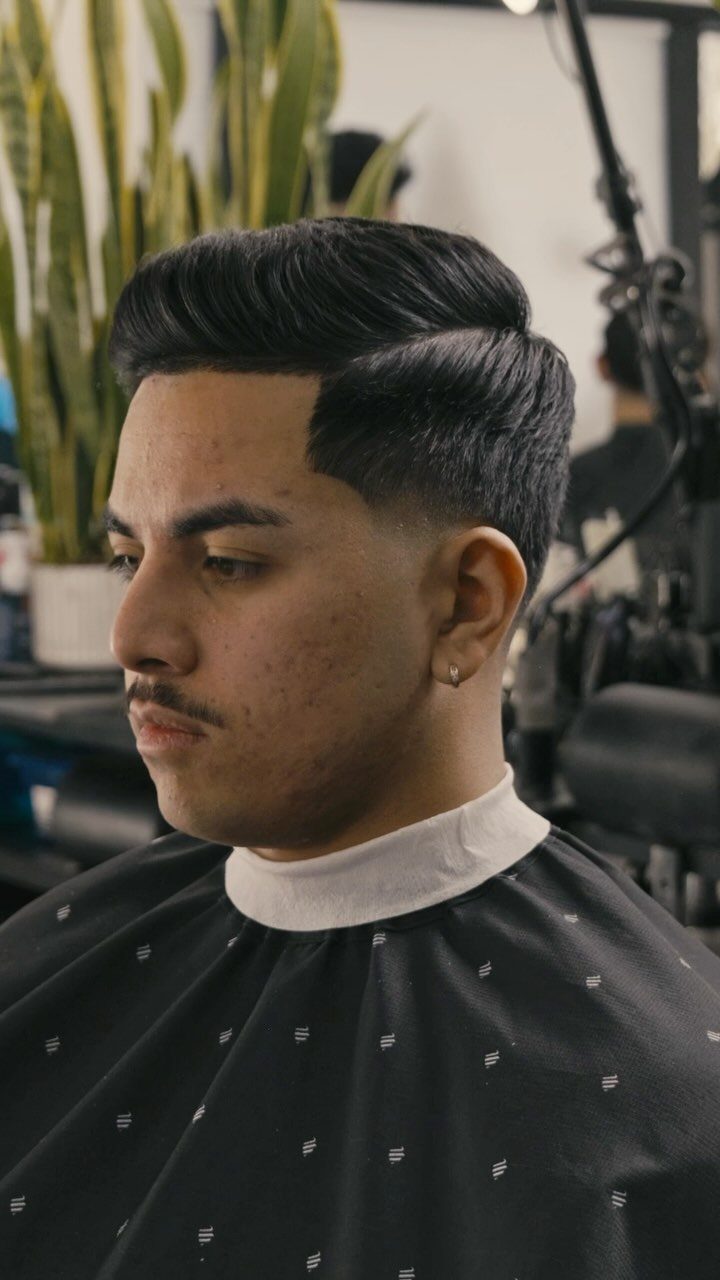
A part is cut or combed into one side, and the hair on top is directed across the head in the opposite direction. It works for straight hair that’s thick enough to hold the direction without flattening completely.
Ask for 2 to 3 inches on top with a fade or taper on the sides. Comb damp hair into place with a light pomade or cream, following the part line.
The person who made the visible example recommends a cut every 2 to 4 weeks to keep the length consistent. If your hair is fine, a matte product will hold the part without weighing it down.
6. Slick Back
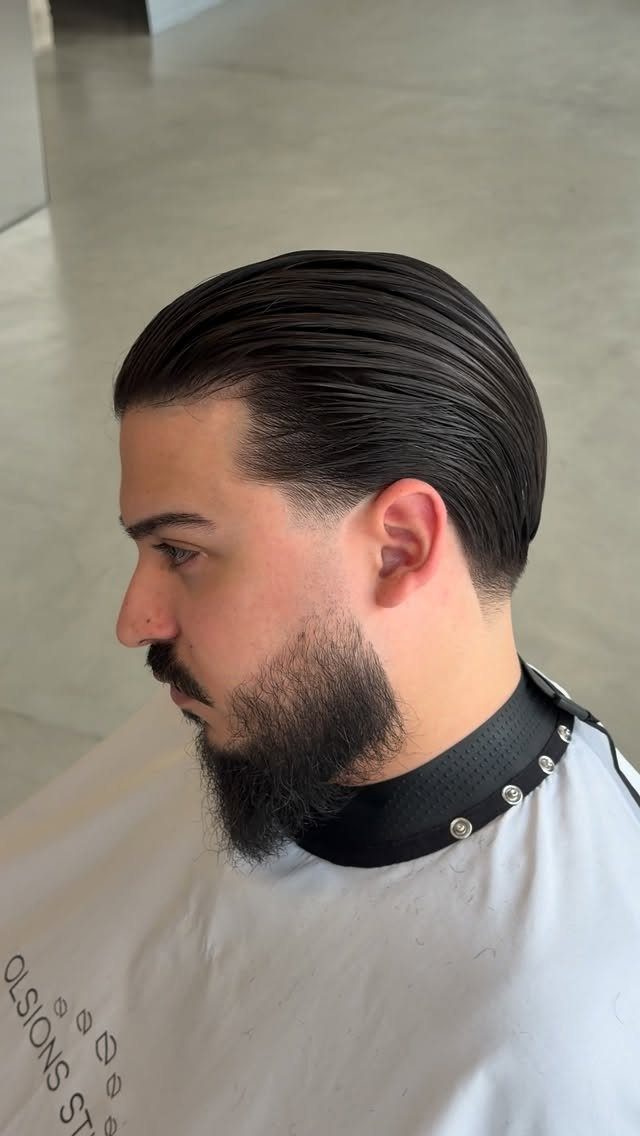
All the hair on top is combed straight back from the forehead, leaving the face fully visible. Straight hair holds the direction easily once you have enough to comb back.
You need length on top for this to work. Work a medium-hold pomade through damp hair and comb it backward, smoothing any strays.
A blow dryer on low heat sets the direction and adds a bit of lift at the roots. The sides can be faded, tapered, or left longer depending on how much contrast you want.
7. Pompadour
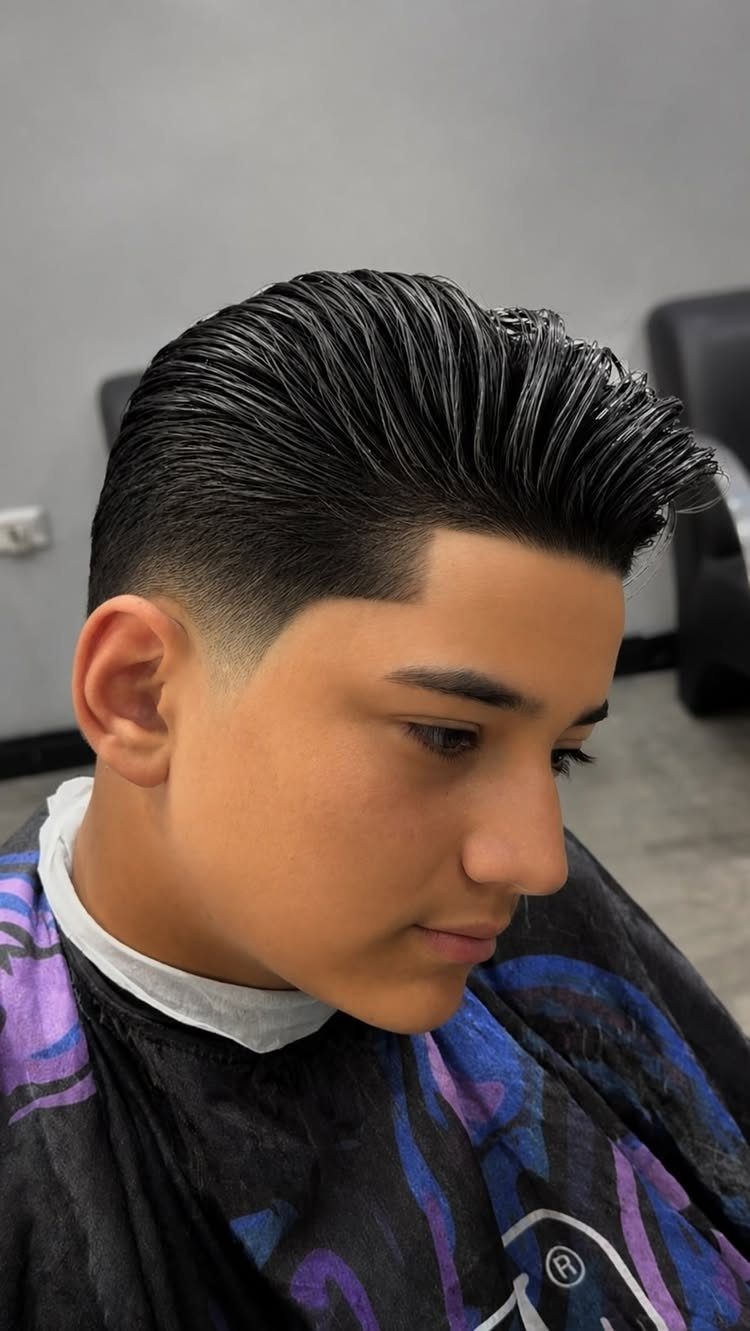
Volume on top lifts the front and sweeps it back, leaving the sides faded short. Straight hair holds the shape without fighting a natural curl.
Blow-dry the top upward and back while it’s damp, using a round brush to build lift at the roots. A medium or strong-hold pomade locks it in place.
The height needs a few inches of length, and maintaining the shape means daily styling. The fade requires regular cleanup to keep the contrast visible.
8. Textured Messy Quiff
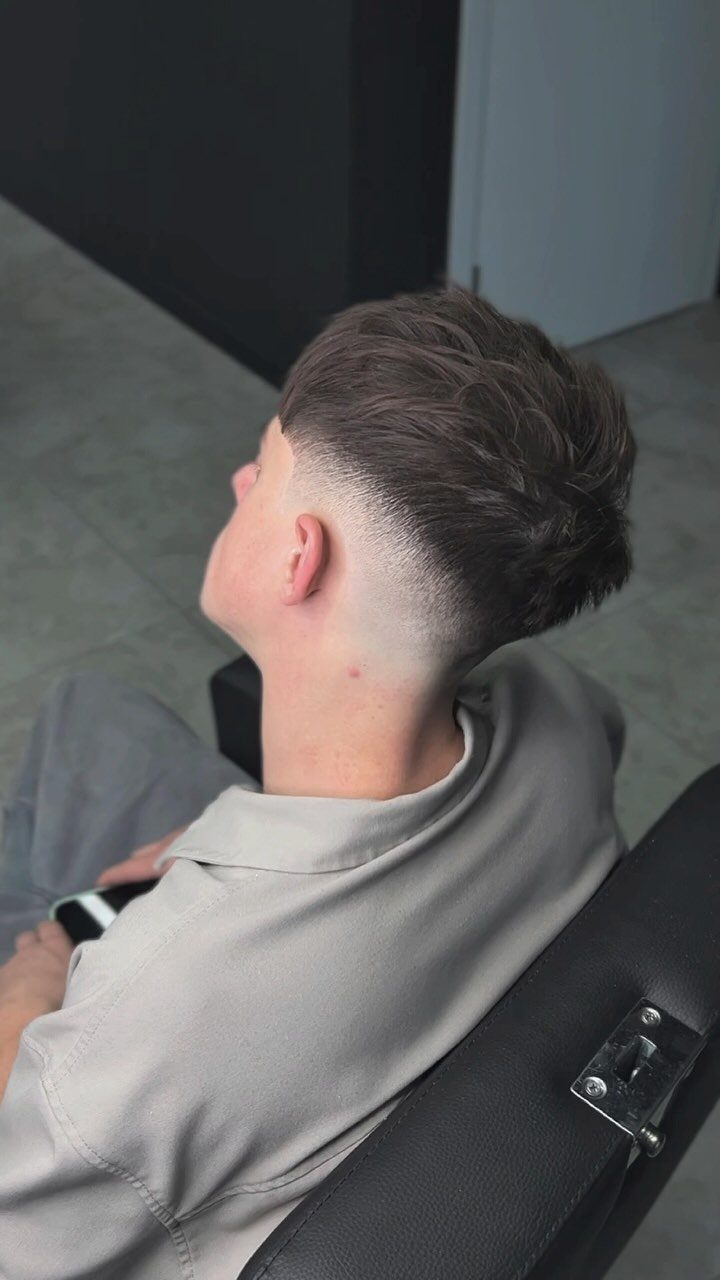
Length on top is pushed back and slightly to one side, with enough texture that it doesn’t sit flat or polished. The relaxed finish keeps it from looking too controlled.
Ask for choppy layers on top and a high fade on the sides. Blow-dry with your fingers running through it to add volume, then work in a matte paste or clay.
The messiness is intentional, so don’t comb it smooth. Styling is quick, and the fade needs regular attention to stay sharp.
9. High Fade with Swoopy Top
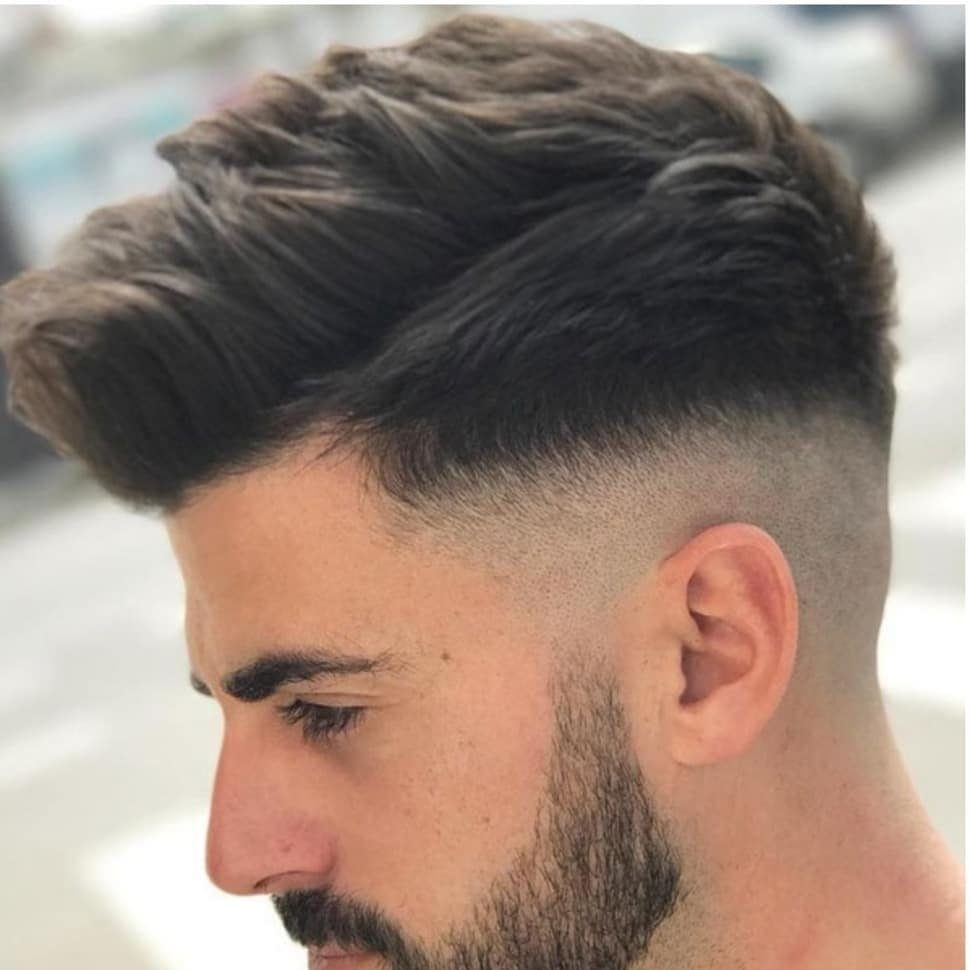
The fade starts above the temples and the top is left long enough to sweep across and back in a pronounced arc. Straight hair shows the movement clearly without added curl.
You need enough length on top for the sweep to work.
Blow-dry it to one side while lifting at the roots, then add pomade for hold and shine. The high fade keeps the sides clean but grows out fast, so expect frequent trims if you want it sharp.
10. French Crop
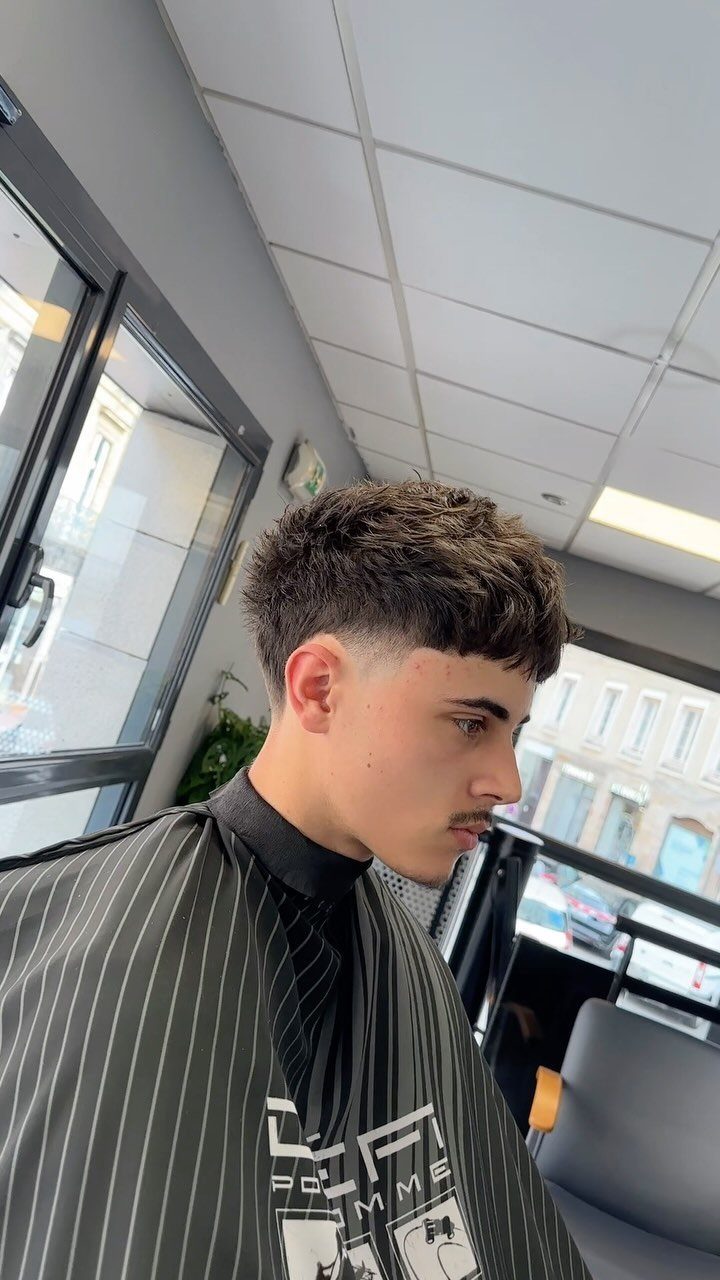
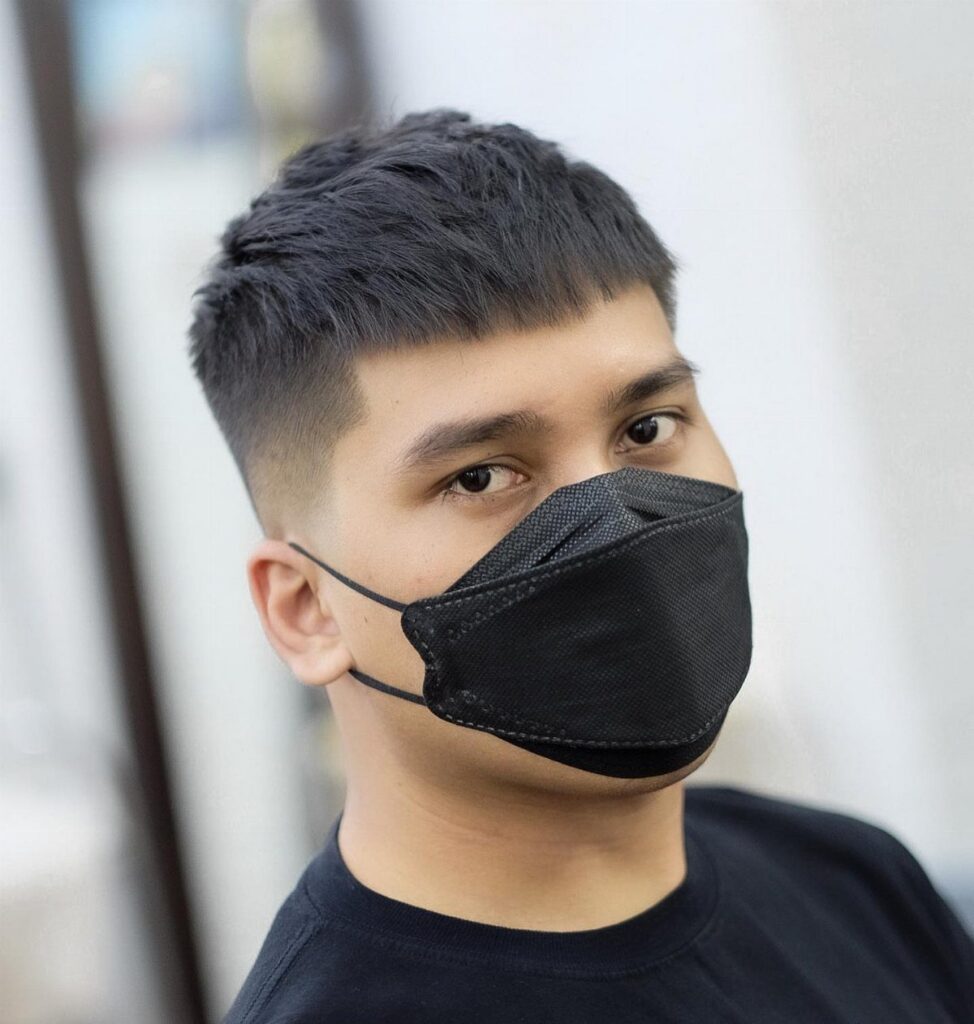
Short on top with a blunt fringe that sits forward toward the forehead, and the sides fade down gradually. Straight hair keeps the fringe line clean and defined.
Ask for scissor-cut length on top, around an inch to an inch and a half, with the fringe trimmed horizontally. The sides taper or fade to keep the proportions tight.
Styling is minimal: towel-dry and push the fringe forward with a bit of matte paste. The fringe needs regular trims to stay above the eyes.
11. Tapered Spiked Haircut
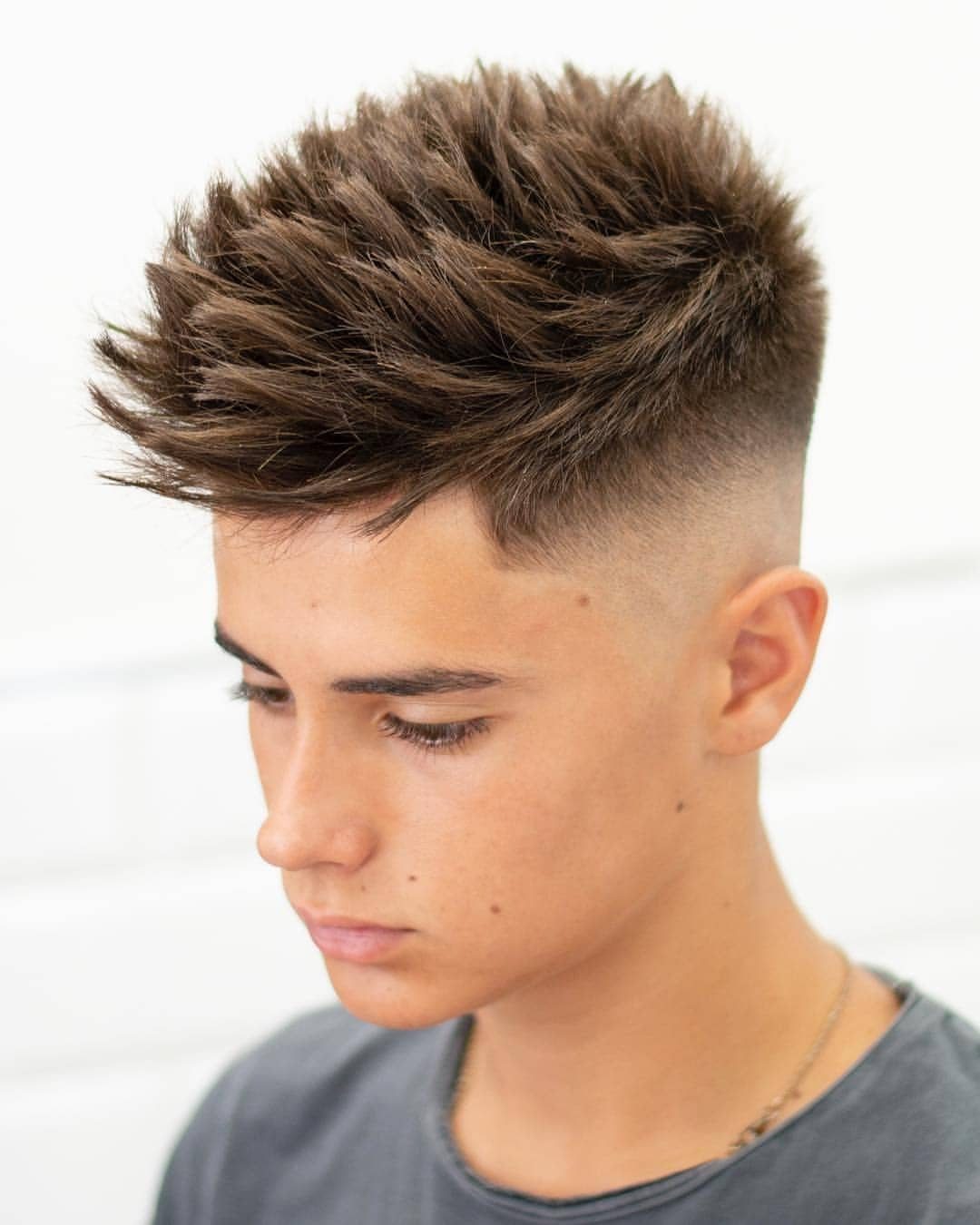
Layers on top are cut with texture and styled upward into soft spikes that don’t harden into points. The taper keeps the sides close without a full fade.
Ask for layered length on top with the sides tapered down. Rub a small amount of clay or fiber through damp hair and lift the top with your fingers, separating the pieces as you go.
The spikes should hold their direction without looking stiff. Touch up the taper regularly.
12. Long Straight Hair Middle Part

Hair falls past the shoulders and is parted down the center, framing both sides of the face evenly. Straight texture keeps the part line sharp and the hair from tangling as easily as wavy or curly types might.
Growing it out takes patience, and regular trims keep the ends even without losing length.
A light leave-in conditioner prevents dryness, and brushing it once a day distributes oil from the scalp. The middle part can be finger-combed into place while damp and will hold on its own as it dries.
13. Buzz Cut with Skin Fade
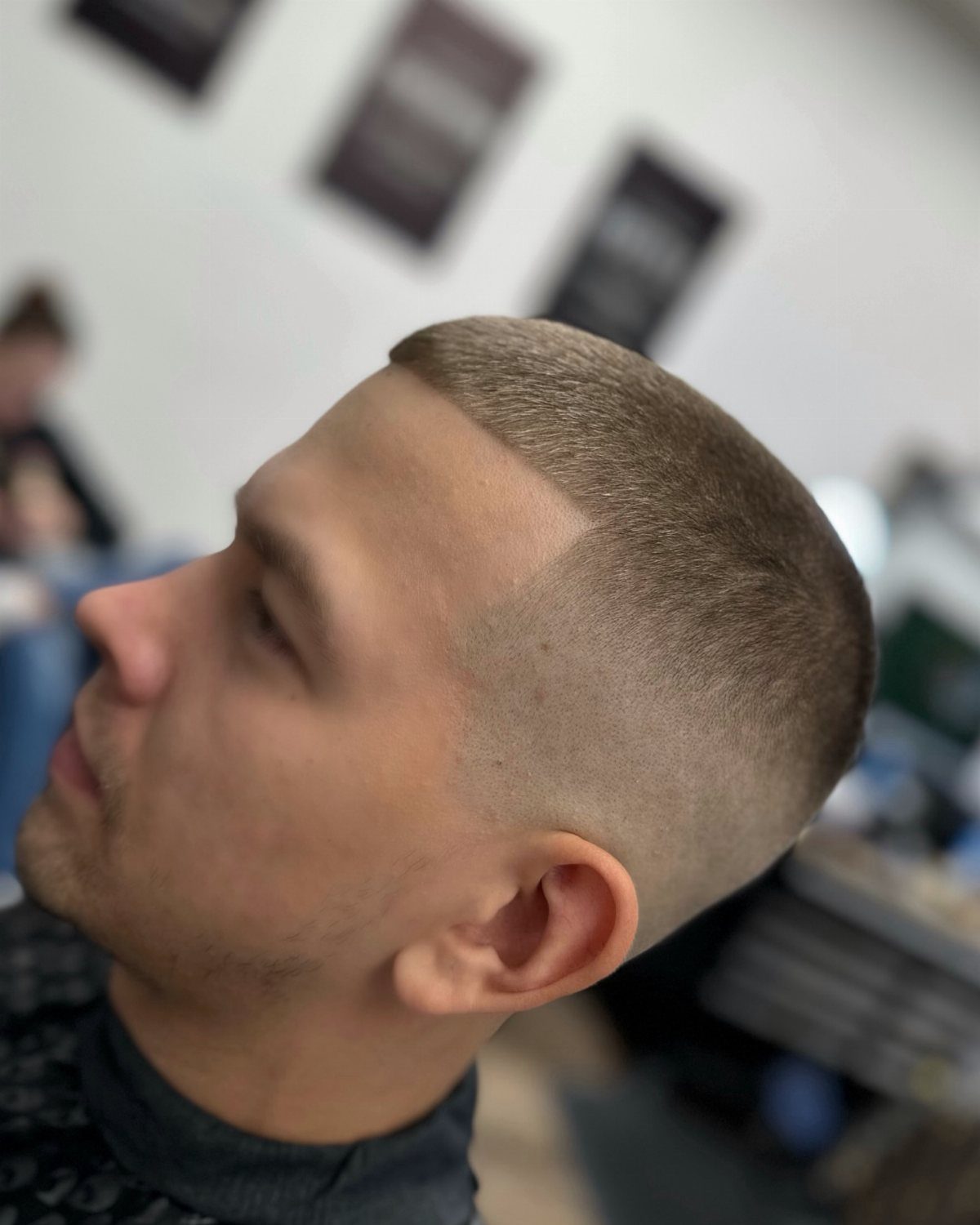
The top is buzzed evenly to a 1 or 2 guard while the sides fade to bare skin, usually starting high above the temples. Straight hair shows the fade line clearly, and the short length means zero styling time.
Ask for a skin fade on the sides and back, with the top clipped uniformly short.
The fade needs maintenance often to stay sharp, since the bare-skin sections grow out fast. If you want detail around the hairline, tell your barber before they start the fade.
14. Shaggy Layered Cut
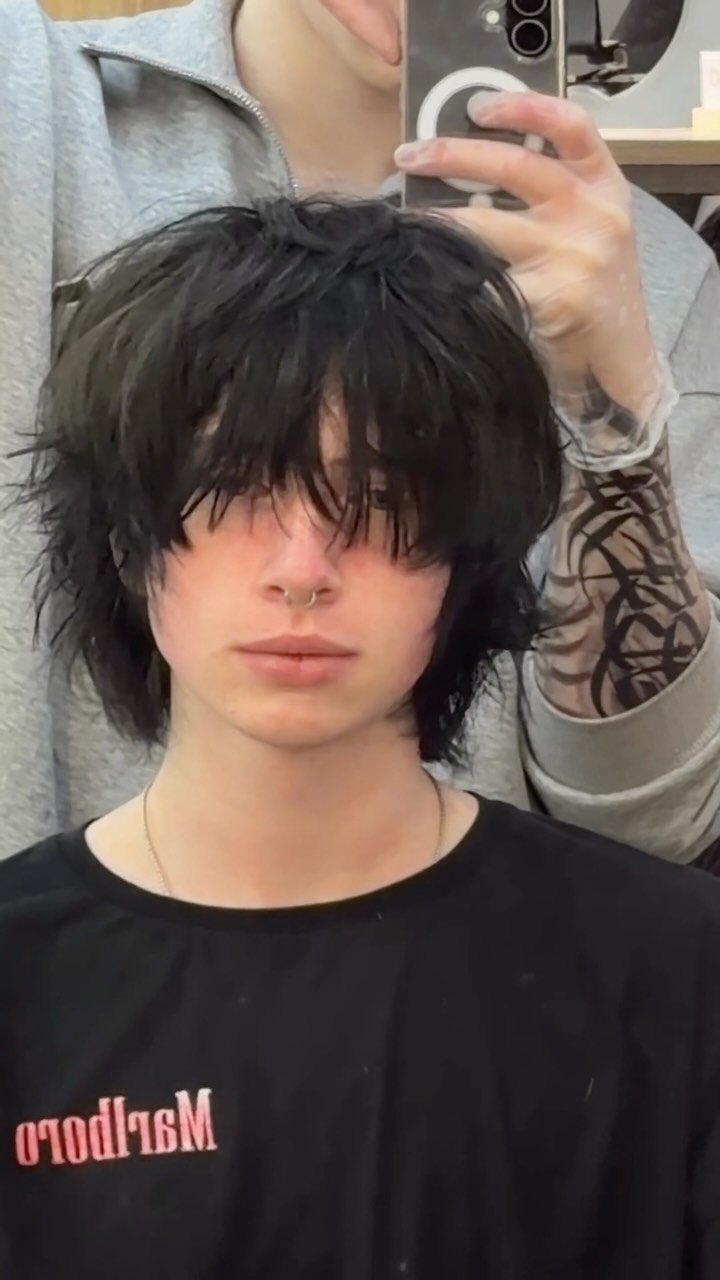
Choppy layers fall past the ears and across the forehead, with enough length that the ends move independently. Straight texture keeps the pieces separated without clumping together.
Point-cut layers give the shaggy look, and the bangs are left long enough to cover part of the face. The length hides the growth between cuts, so you can stretch trims longer.
15. Short Crew Cut with Beard

The crew cut sits close to the scalp with clean lines at the cheeks and neck. Pairing the 2 balances the short hair and frames the face.
Maintaining both means regular trims: the crew needs a clipper pass every 2 to 3 weeks, and the beard needs shaping at similar intervals to keep the edges sharp.
Straight hair makes the crew easy to cut evenly at home if you have the right guard.
16. Buzz Cut with Neckline Design
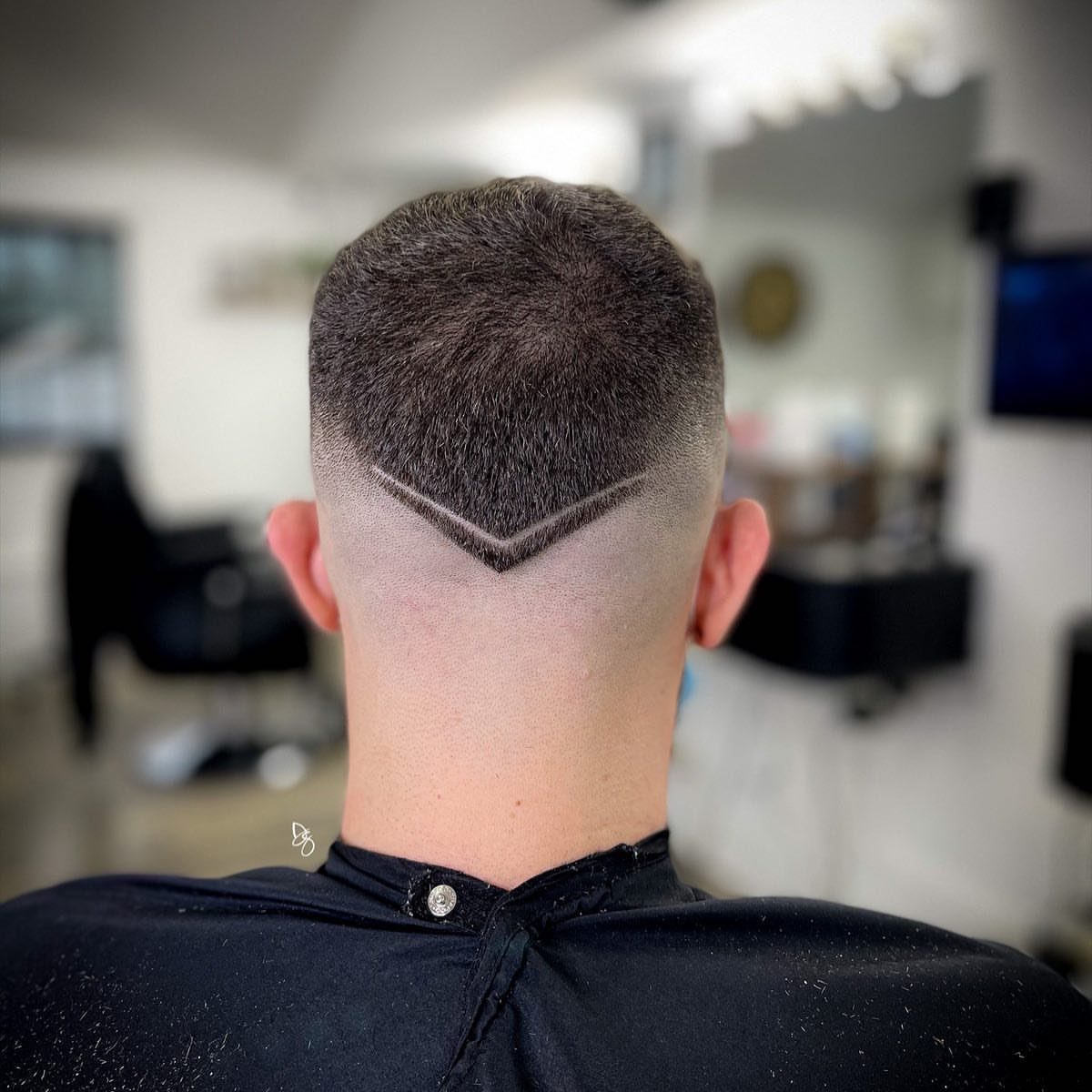
A buzz cut is trimmed to uniform length across the head, then a geometric design is shaved into the neckline using a trimmer or razor. The V-shape is the most common, but other patterns work the same way.
The design grows out in a week or two, so it’s temporary by nature.
Ask your barber to shave the pattern after the buzz is finished. If you want it to last, plan for frequent touch-ups, or let it fade as the hair grows back in.
Haircut Maintenance Intervals
Styles that keep more length on top but still work clean, like the Ivy League or side part, can stretch to 4 to 6 weeks between trims. The shape holds longer, and minor growth doesn’t ruin the proportions.
Longer cuts with layered or textured tops can go 6 to 8 weeks before the ends start looking stringy or uneven. Regular trims keep split ends from traveling up the shaft and preserve the shape without sacrificing length.
Your hair’s growth rate decides the real interval. Fast growers hit the upper edge of those ranges sooner.
Straight Hair and Styling
Straight hair gets greasy faster because scalp oil slides down the shaft without waves or curls to slow it.
The solution is washing daily with volumizing shampoo and conditioner, keeping conditioner on the ends only so the roots don’t flatten under extra moisture.
Straight hair can look flat or lifeless without that step, especially if it’s fine.
Texturizing products that add grip or body without weighing hair down are what make straight hair hold a shape.
Styling powder lifts fine hair, sea salt spray gives a tousled look, and matte clay holds textured styles in place without shine. Heavy products weigh straight hair down and make it look greasy again by midday.
Choosing and Communicating a Cut
Face shape, hair thickness, and how much time you’ll spend styling each morning all narrow the options. If 2 cuts look right on paper, the one that takes less daily work usually wins.
Tell your barber the style name, the guard number for the sides, and the top length in inches. Guard numbers translate directly: a 1 is 3mm, a 2 is 6mm, a 3 is 9mm, a 4 is 12mm.
The way you specify the taper or fade on the sides and back changes the cut’s formality and how long it looks clean as it grows out.
Frequently Asked Questions
Which fade is good for straight hair?
Any fade works with straight hair since the texture shows the fade line clearly.
A low taper is the most flexible option because it pairs well with both polished styles and messy textured looks, while a high fade gives sharper contrast but needs more frequent touch-ups.
Which haircut is trending right now for men?
The textured crop with a fade is one of the most commonly requested cuts right now. Buzz cuts are also seeing a resurgence, especially the clean, even-length version that reads as simple and edgy without much maintenance.
What is the easiest haircut to maintain?
A buzz cut with a skin fade requires zero styling time and only a quick wash and towel dry. The fade needs frequent maintenance to stay sharp, but the short length on top means no daily work.
How often should you wash your hair?
Oil travels down a straight shaft fast, so most guys with this texture wash daily and reach for shampoo with volume so it doesn’t sit flat.