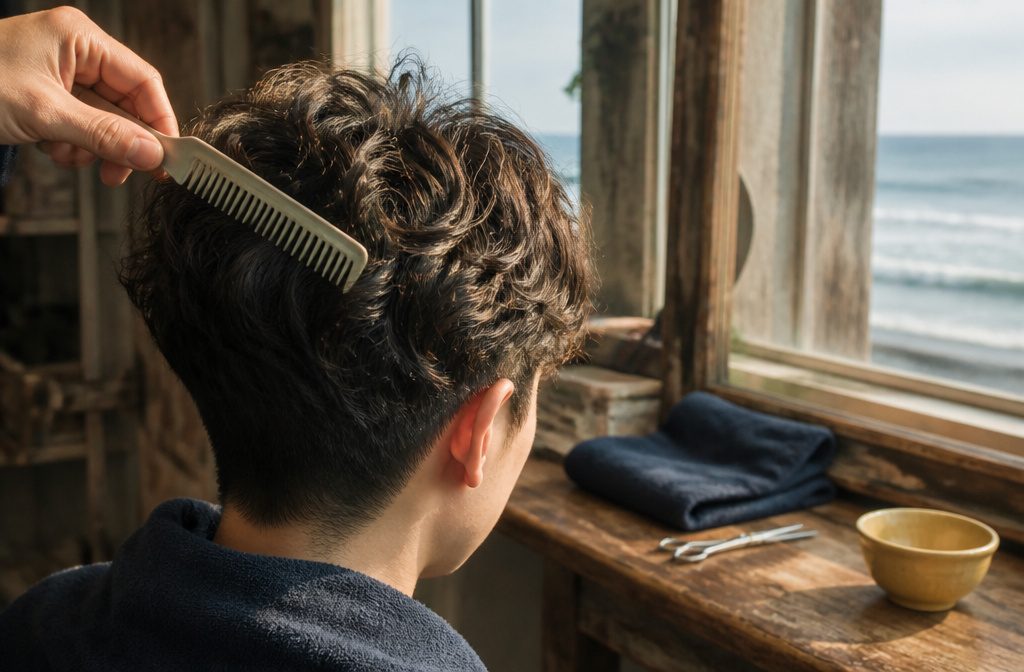
A beach waves perm for men uses large rods and gentler chemistry to set soft, uneven waves that look like natural surfer hair rather than tight curls.
The pattern holds for three to six months, but only if you match it to the right cut first and keep sulfates away from it after.
Korean wave perms pair a wavy top with a down perm on the sides to stop volume where you don’t want it.
What a Beach Wave Perm Actually Gives You
A modern men’s perm is built to look like you never had one.
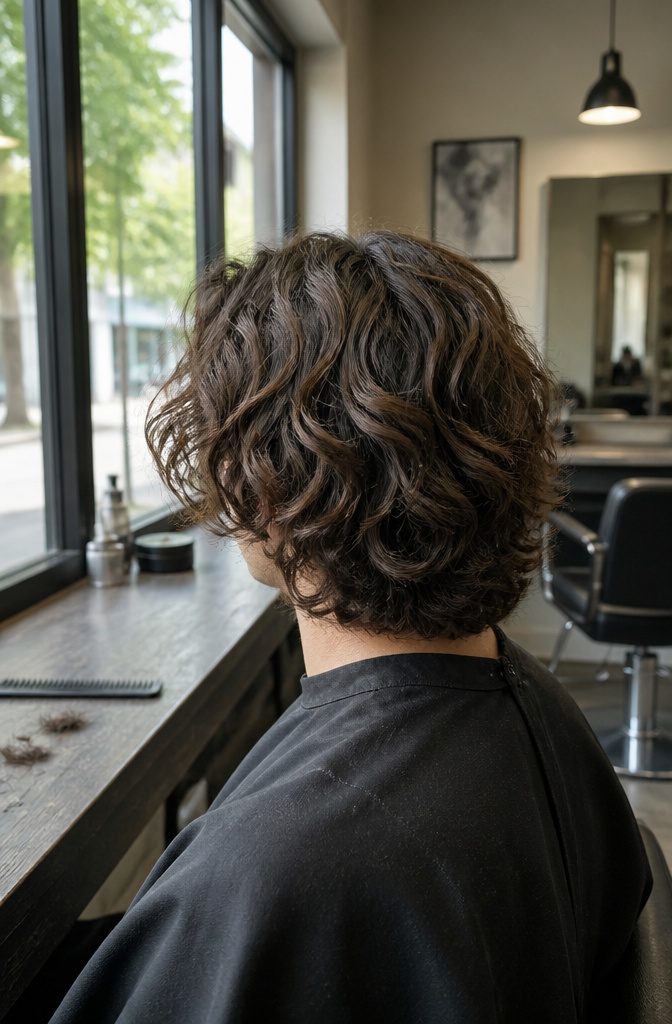
Instead of the tight, uniform curls of old perms, it leaves soft, uneven waves with movement and volume, the kind that read as surfer hair rather than a salon project.
The pattern runs from subtle ripples to fuller waves that stay soft, and a stylist can set it to suit your face shape.
I’d steer most guys toward the gentler end, since it passes for natural and works on both a relaxed bro flow and a more defined wavy top.
The finished hair should look tousled, as if you woke up that way, so a little imperfection means the perm did its job.
Korean Wave Perms for Soft Volume
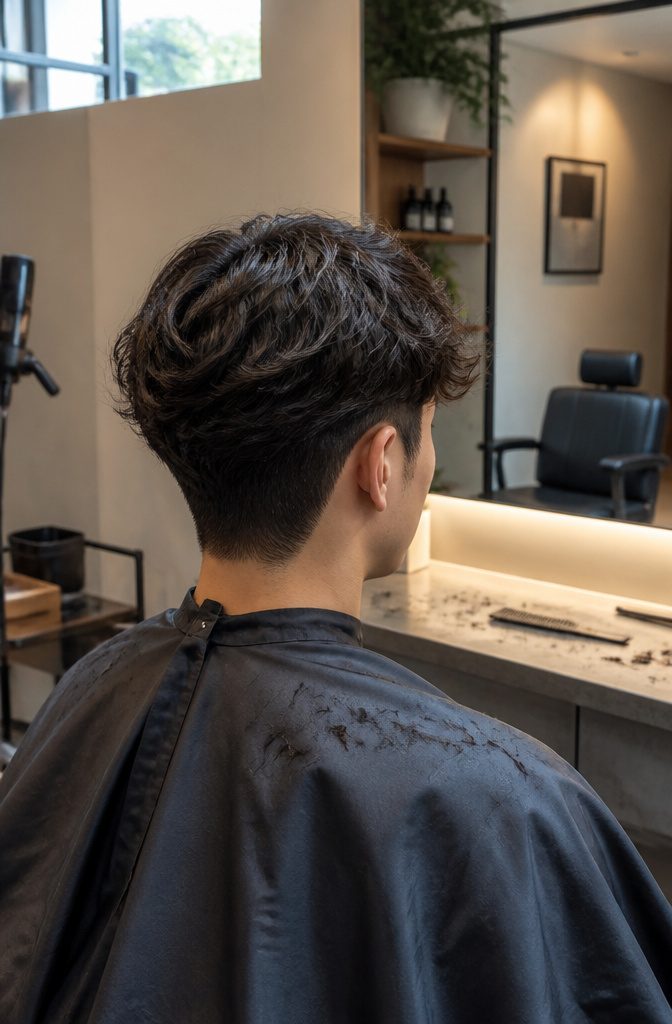
Korean-style wave perms trade tight curl for soft, voluminous, naturally flowing movement. The usual build is a textured fringe or a two-block cut, with a longer, wavy top over shorter, tapered sides.
Many also include a down perm on the sides, which keeps that area sleek and neat instead of letting it puff out beside the top.
The result is a balanced silhouette: volume where you want it, clean lines where you don’t.
I’d choose this over an all-over wave if you want a youthful, dynamic look that still reads tidy. Ask for the down perm on the sides so the shape holds together.
Match the Perm to Your Haircut and Length
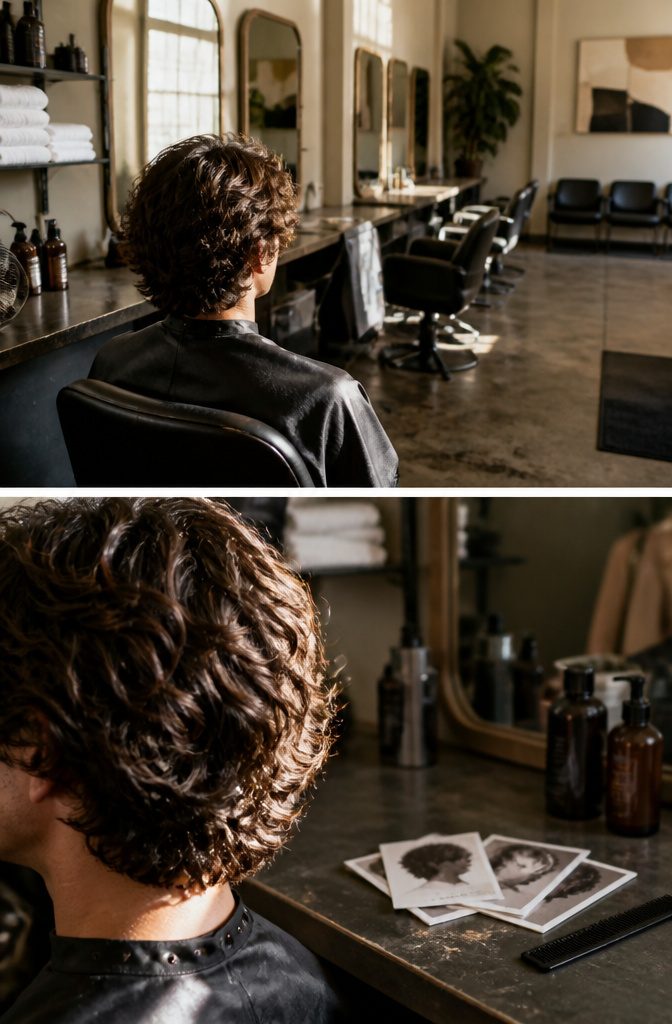
A perm bends to the cut underneath it, so settle the cut first.
On a medium-length bro flow the waves run loose and relaxed. On a short textured crop they add movement up top while tapered sides stay clean, and a mid fade can sit under a longer flowing top.
A textured mullet gets a tousled edge, a middle-part wolf cut gets soft movement, and a two-block cut can carry waves on its longer section.
Face shape changes the plan: the curl pattern can be tuned to your face shape, from subtle ripples to more pronounced but still soft waves.
I’d bring photos of the cut and finish you want, then let the stylist decide how tight to go.
How to Style and Maintain Permed Waves
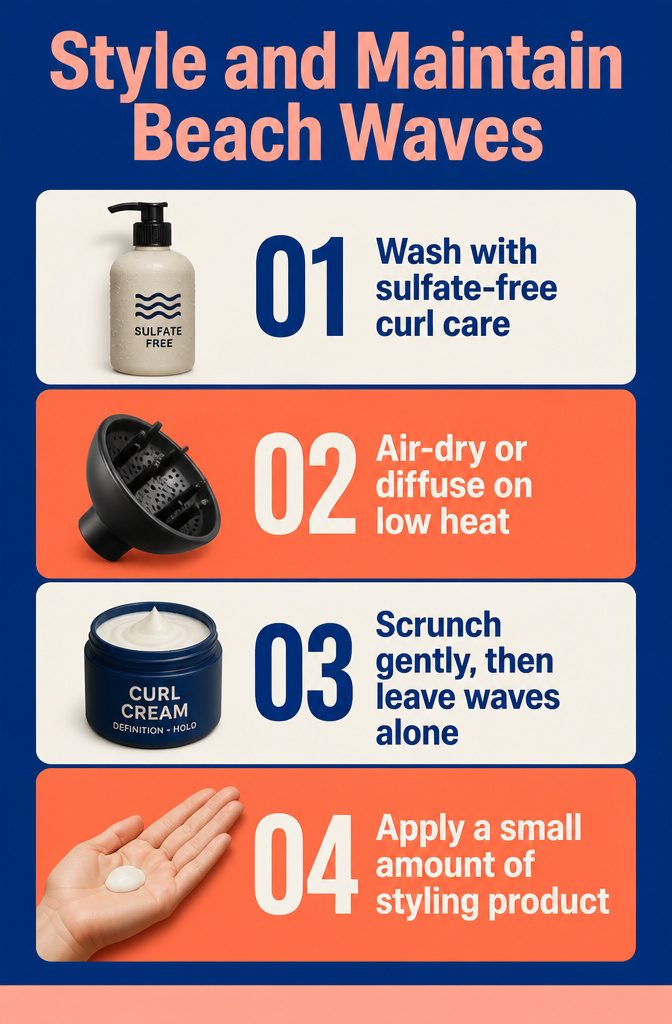
Daily care for permed waves comes down to three habits, starting in the shower.
- Wash with a sulfate-free shampoo and conditioner made for curly or permed hair. Sulfates strip moisture, and dry waves frizz and lose their shape quickly.
- Air dry, or use a diffuser on low heat. Skip high heat and a bare dryer nozzle, which blow the pattern apart. Scrunch gently, then leave it alone while it dries.
- Add sea salt spray for rough, beachy grip, or a light curl cream for definition and hold without stiffness. I’d reach for the cream first if your hair runs dry, and the spray if it runs fine and flat.
- Use a small amount of product. Too much turns waves crunchy, and that stiff look is what you’re trying to avoid.
Talk Through the Look With Your Stylist
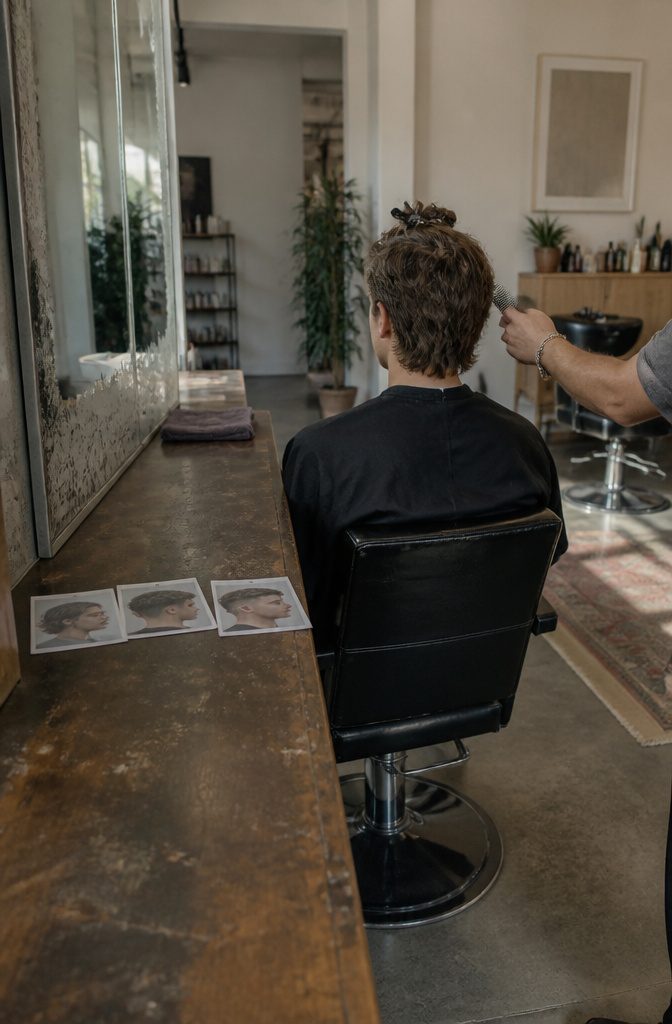
A perm is not one-size-fits-all, so the consultation shapes the result more than any product you buy afterward.
Waves can run from subtle ripples to more pronounced but still soft ones, and a good stylist sets the pattern to suit your face shape and the look you want.
Bring photos. A picture of a relaxed bro flow, a textured crop or a mid fade with a wavy top says more than the word "beachy" does.
Settle the wave pattern and the cut together before the perm starts, because tapered sides, a mullet and a center-parted wolf cut all sit differently over waves.
I’d also ask whether your current cut can carry the perm or needs reshaping first.
Bro Flow, Crops, and Mullets That Work With Waves
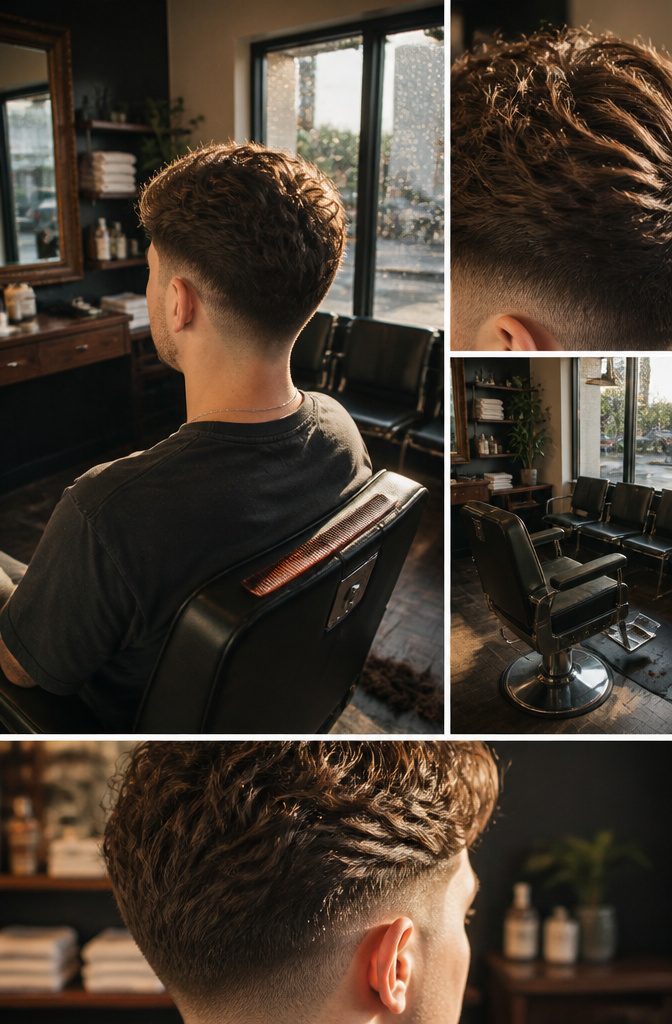
Each cut gives the perm a different job, so I’d settle the length first and the wave pattern second.
- Bro flow: at medium length, textured waves sit loose and relaxed. A middle part suits it well.
- Short and wavy: the perm stays on the textured top while tapered sides and back keep the outline tidy.
- Flow with a mid fade: the fade sharpens the edges and the perm supplies all the movement up top. For a modern look, this is the pairing I’d pick.
- Textured mullet: waves give the longer back natural movement instead of a flat hang.
- Textured crop: short, natural-looking waves add texture without much length. It’s the gentlest way into a perm.
- Middle part wolf cut: the perm adds volume and movement to the layers.
Products That Define Without Stiffness
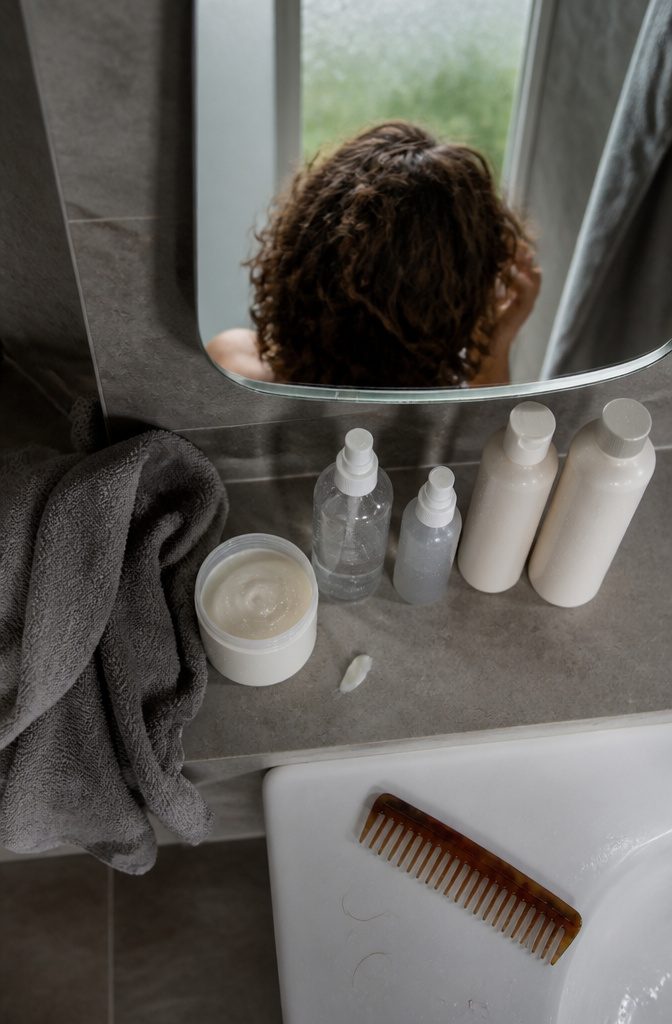
Three product types cover most permed waves, and none of them should leave a crunch.
- Sulfate-free shampoo and conditioner: Sulfates strip oils that permed hair already runs short on. A gentler cleanser keeps waves softer and less frizzy, and conditioner belongs on the mid-lengths and ends every wash.
- Sea salt spray: Mist it on damp hair and scrunch upward. It adds grit and a loose, beachy hold without glue. Salt also dries hair, so I’d keep it to a few sprays rather than a soaking.
- Light curl cream: It defines each wave and calms frizz, and starting with less than you think you need keeps it from weighing the hair down. A lightweight lotion beats a rich butter, which pulls waves flat.
Low-Maintenance Texture, High-Impact Look
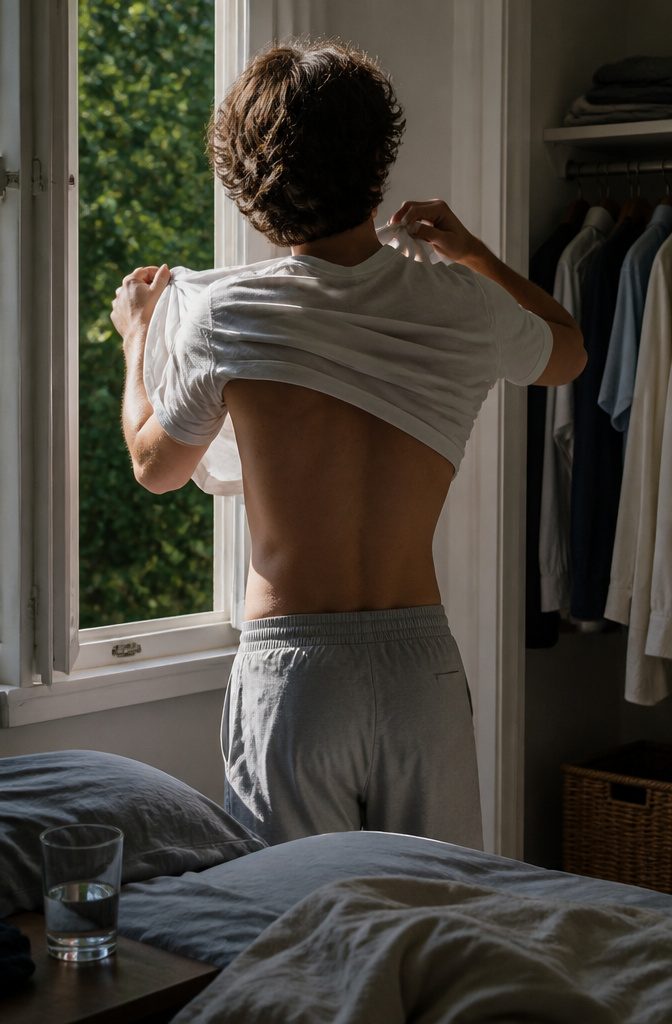
A good beach wave perm reads as hair that simply grew that way. The curl is loose and soft, closer to surfer waves than anything tight, and it adds volume and movement to hair that would otherwise sit flat.
The texture does the styling for you, so the result looks tousled, as if you woke up like that, rather than built with a blow dryer and a heavy hand.
I like that the pattern is adjustable. A stylist can set anything from subtle ripples to more pronounced but still soft waves, and the pattern should be matched to your face shape.
A relaxed bro flow and a defined wavy top both work. The effort goes into the appointment, and the mornings stay easy.
Frequently Asked Questions
Are beach wave perms a thing?
Yes, and they’re built to look natural rather than obviously permed. Modern beach wave perms give soft, uneven waves with movement and volume that read as surfer hair, not tight uniform curls.
The pattern runs from subtle ripples to fuller waves, and a stylist can tune it to suit your face shape.
Is there a perm for wavy hair men?
Yes, men’s wave perms add soft texture and volume to hair that would otherwise sit flat.
Stylists customize the curl pattern from subtle ripples to more pronounced but still soft waves, often pairing them with cuts like bro flows, textured crops, mid fades, or two-block styles.
The finished look should appear tousled and natural, not structured or stiff.
Can you perm wavy hair?
Yes, you can add a perm to wavy hair to increase texture, volume, or definition.
A stylist will adjust the rod size and processing to work with your existing wave pattern rather than fight it. Perming wavy hair works by adding more definition and body to your natural texture, stopping short of tight, uniform curls.
What’s the difference between a wave and a perm?
A wave is the natural pattern of your hair, while a perm is a chemical process that reshapes straight or wavy hair into curls or waves.
Modern wave perms use larger rods and gentler processing to create soft, loose waves that mimic natural texture rather than the tight curls older perms produced. The perm adds the wave pattern, then styling maintains it.