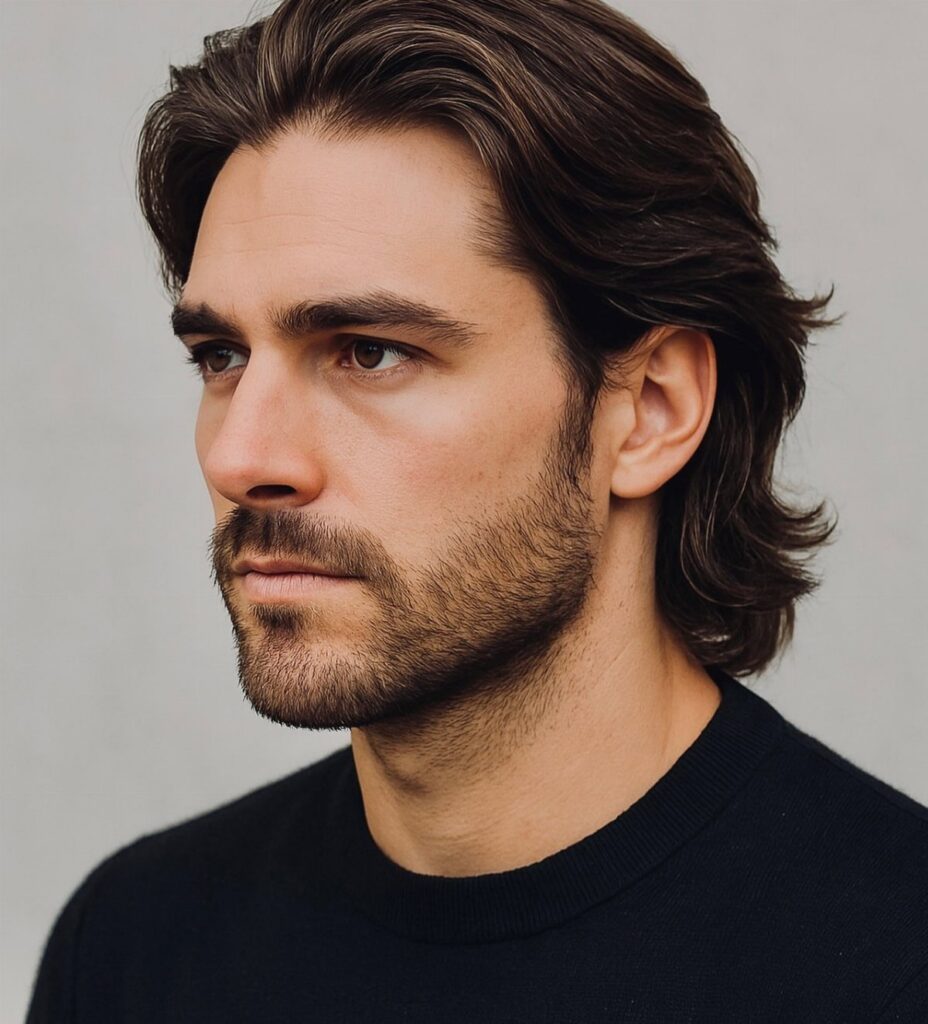
Medium length sits between 2 and 6 inches on top, a range wide enough that one end gives structure with minimal effort while the other lets the hair fall naturally and opens up more styling options at the cost of longer drying time.
The choice depends on how much time you are willing to spend each morning: slicked styles and pompadours need product and a blow-dryer, textured cuts and natural curls mostly air-dry, and anything with a fade or taper on the sides requires a cleanup every 2 to 3 weeks before the line blurs.
1. Slick Back
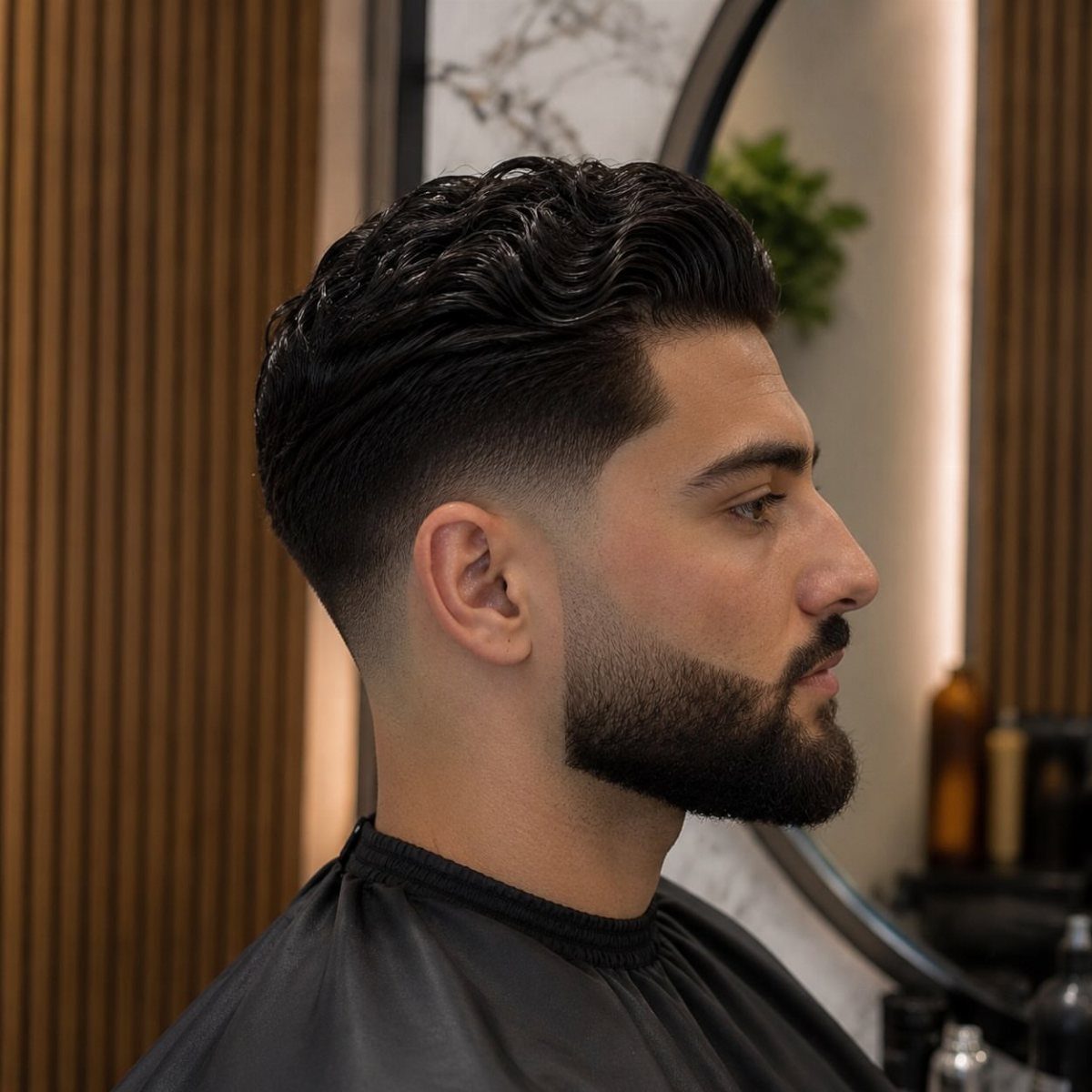
Hair long enough to comb back stays where you put it with enough product, giving a clean, controlled look that reads polished without much fuss. The barber leaves length on top and fades the sides to whatever height you prefer.
Work a medium-to-strong hold pomade through damp hair, comb it straight back from the hairline, and let it set.
The style holds through a full day if the product is doing its job. The fade needs a cleanup before it blurs.
2. Textured Hair with Medium Fade
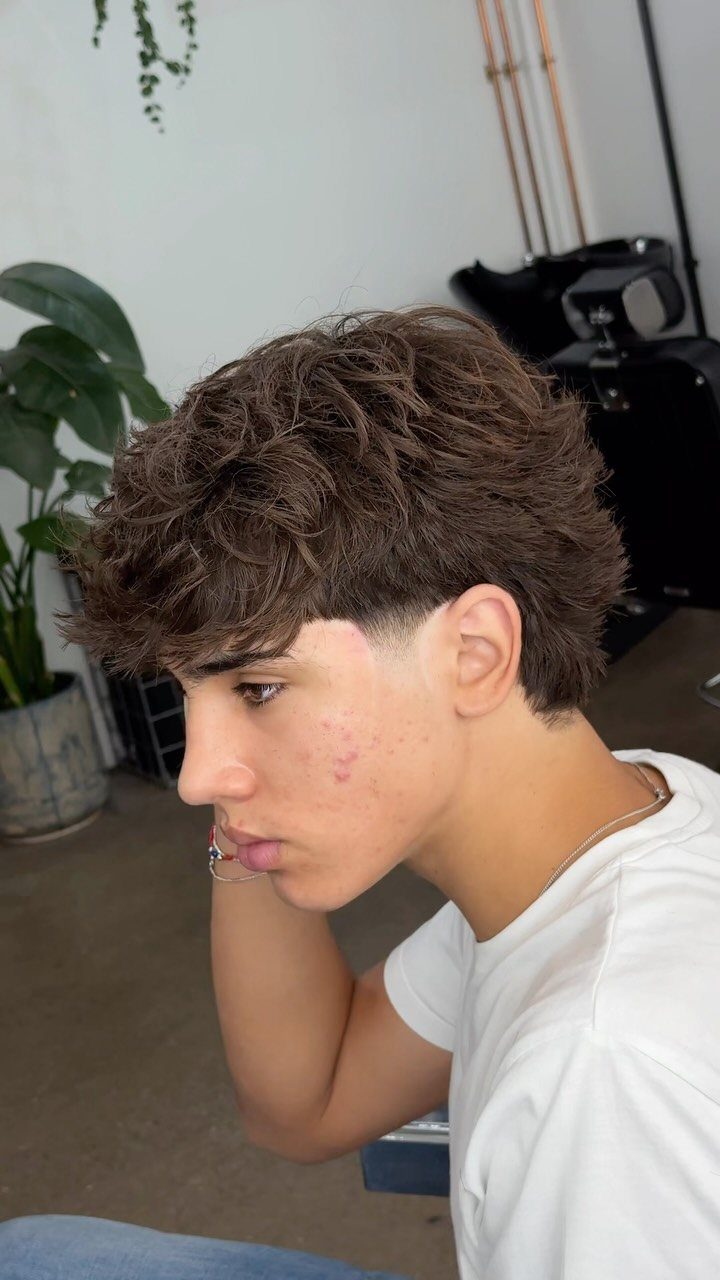
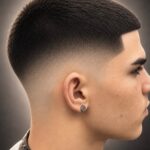
Leaving the top textured instead of combed smooth gives medium hair movement and separation, while a fade on the sides keeps the shape clean without committing to a full buzz.
The barber cuts layers on top to remove bulk and adds a fade that starts around the temples or just below.
Salt spray or a light paste applied to dry hair brings out the texture.
The cut grows out without looking ragged. Face shape does not matter much here; the fade adjusts to suit most heads.
3. Hair Design
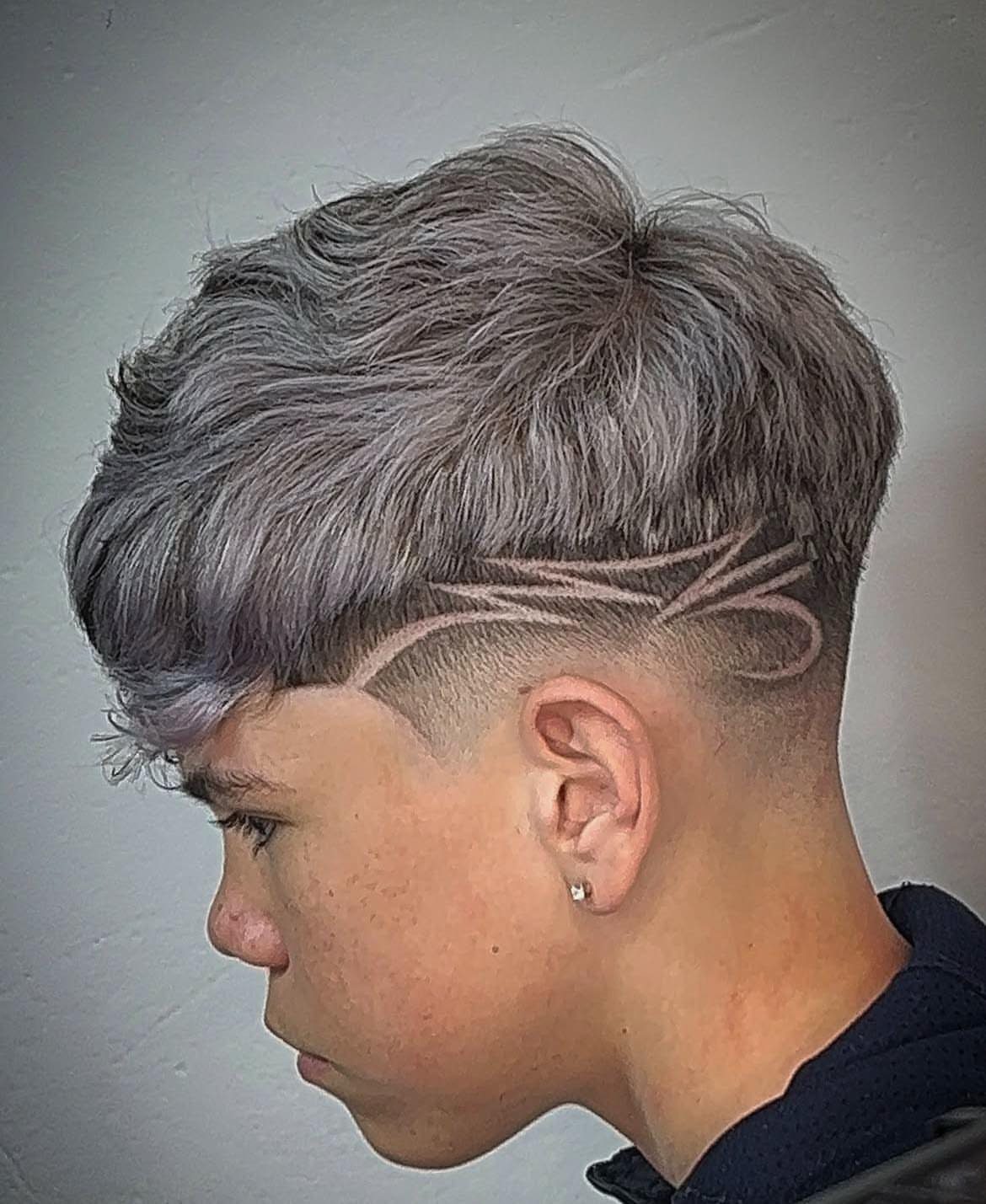
A barber uses clippers to shave geometric patterns, lines, or curves into the sides of a fade, turning a standard cut into something more intentional.
The design sits where the fade transitions, usually above the ear or along the temple, and stands out best on dark hair where the contrast is sharp.
The pattern grows out quickly, so this only makes sense if you are already getting frequent cleanups.
The cut itself is no harder to maintain than any other fade; the design is just an addition that resets each visit. Ask for the pattern you want by showing a reference photo.
4. Shaggy Layers

The barber cuts layers through the length to remove weight and lets the ends break up instead of landing in a blunt line.
The cut grows out well if you do not mind a little extra length.
Styling is usually just towel-drying and letting it air-dry, maybe running a bit of cream through it if the ends need control. Straight or wavy hair suits this better than tight curls, which need more structure to avoid looking uneven.
5. Side Part
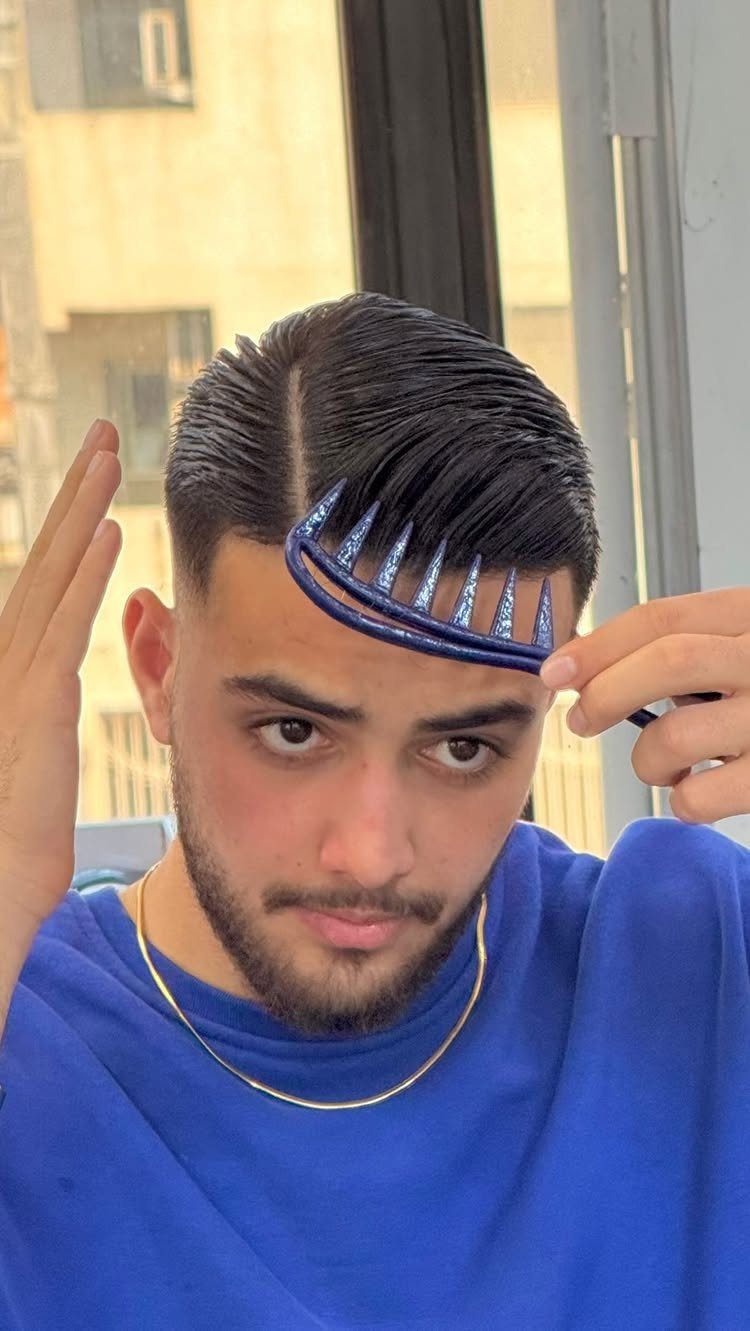
A defined part gives medium hair direction and a structured, polished shape that holds up in professional or casual settings.
The barber cuts length into the top and either fades or tapers the sides, leaving the part placement up to you or following the natural break in your hair.
Blow-dry the hair to one side after applying a styling cream or mousse, then comb the part in with a fine-toothed comb. The style lasts through the day with a medium-hold product.
6. Comb Over
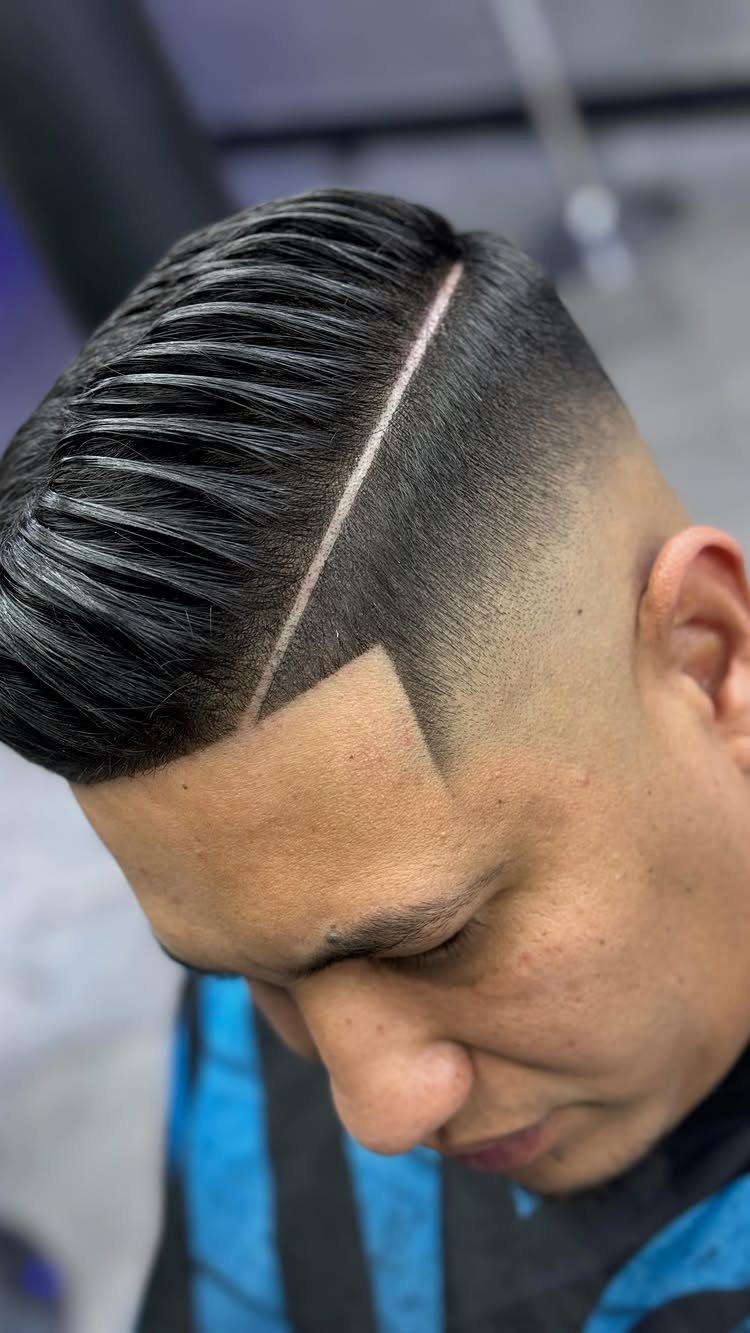
The top is swept across from a part, often with lift at the roots, giving medium hair volume and a tailored look that reads more formal than most cuts at this length.
The barber leaves length on top, fades or tapers the sides, and cuts a hard part if you want a visible line.
Blow-dry the hair across and slightly back, using a round brush to add height, then finish with a medium-hold pomade or cream.
The cut needs a cleanup before the fade blurs. Thicker hair holds the shape better; fine hair may need more product to keep the lift.
7. Fringe
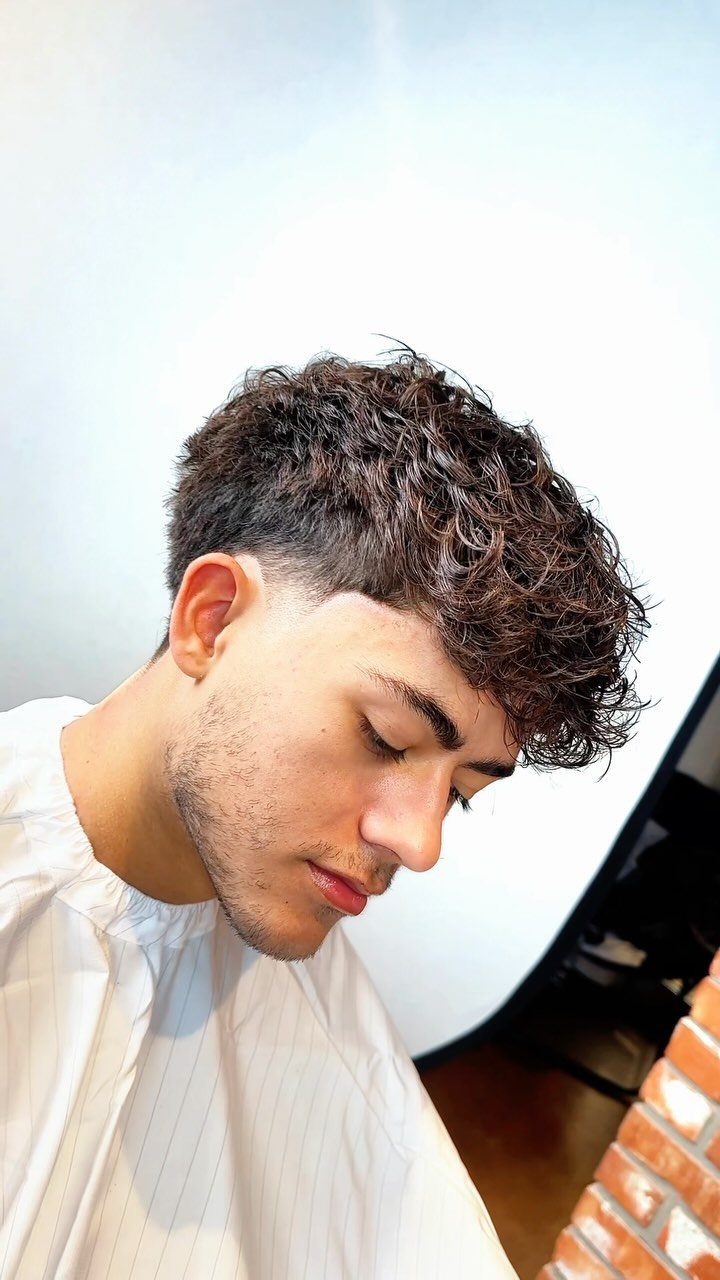
The barber leaves length across the forehead and cuts texture into the top, giving you options each morning: push it forward for a casual look, sweep it to one side for something cleaner, or leave it loose and let it fall where it wants.
Run a small amount of paste or clay through damp hair and shape the fringe by hand.
Curly hair holds texture without much effort; straight hair may need a bit more product to keep it from lying flat. The cut grows out gradually and still looks intentional after a few weeks.
8. Pompadour
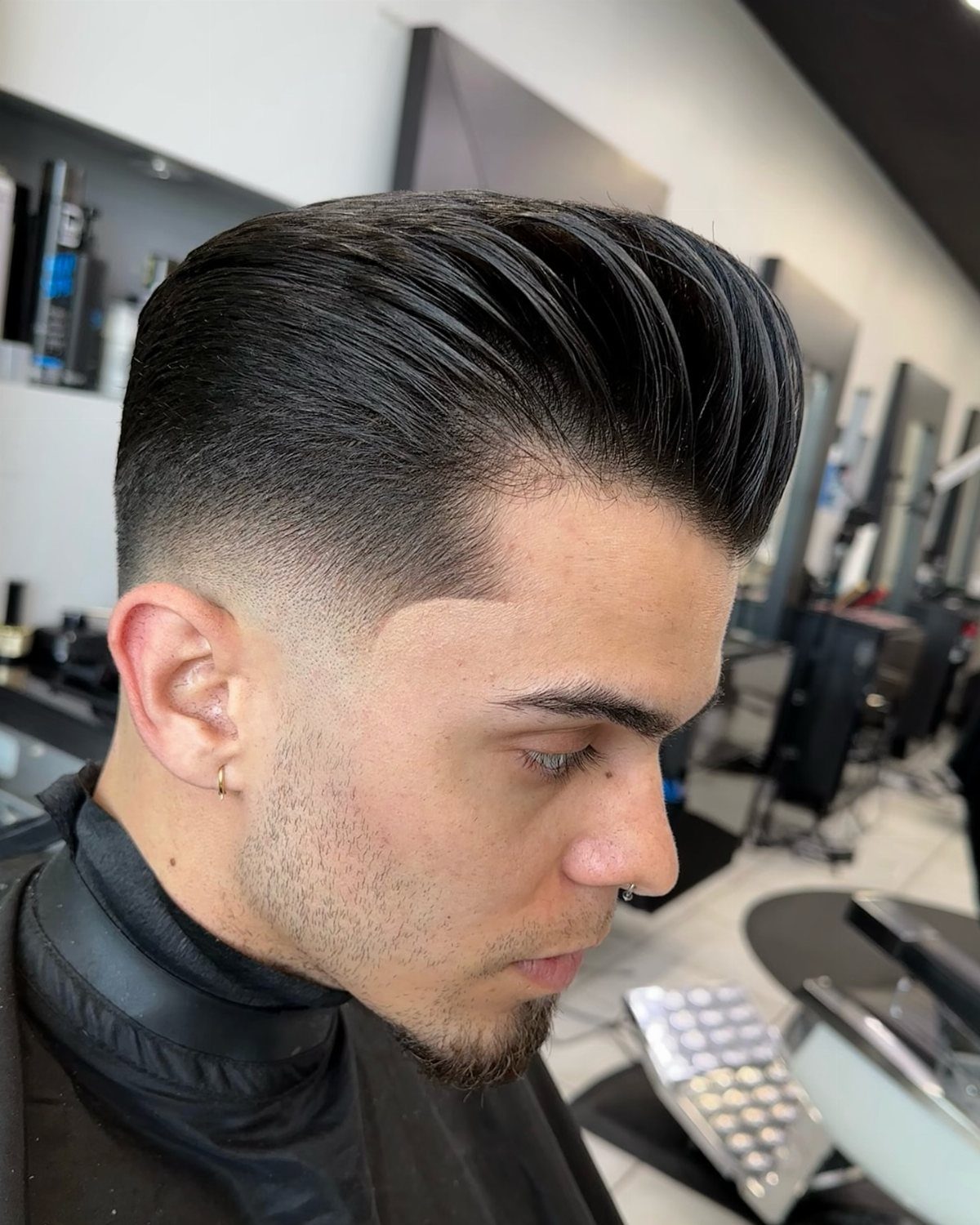
The top is blown dry upward and back with volume at the front, then held in place with a strong pomade. The sides are faded or cut short to keep the focus on the height.
Towel-dry the hair, apply a pre-styler or mousse, then blow-dry while lifting the hair up and back with a round brush or your hand.
Finish with a firm-hold pomade to lock the shape. The style takes a few minutes each morning and needs a cleanup before the sides lose their edge.
9. Medium Length Natural Curls
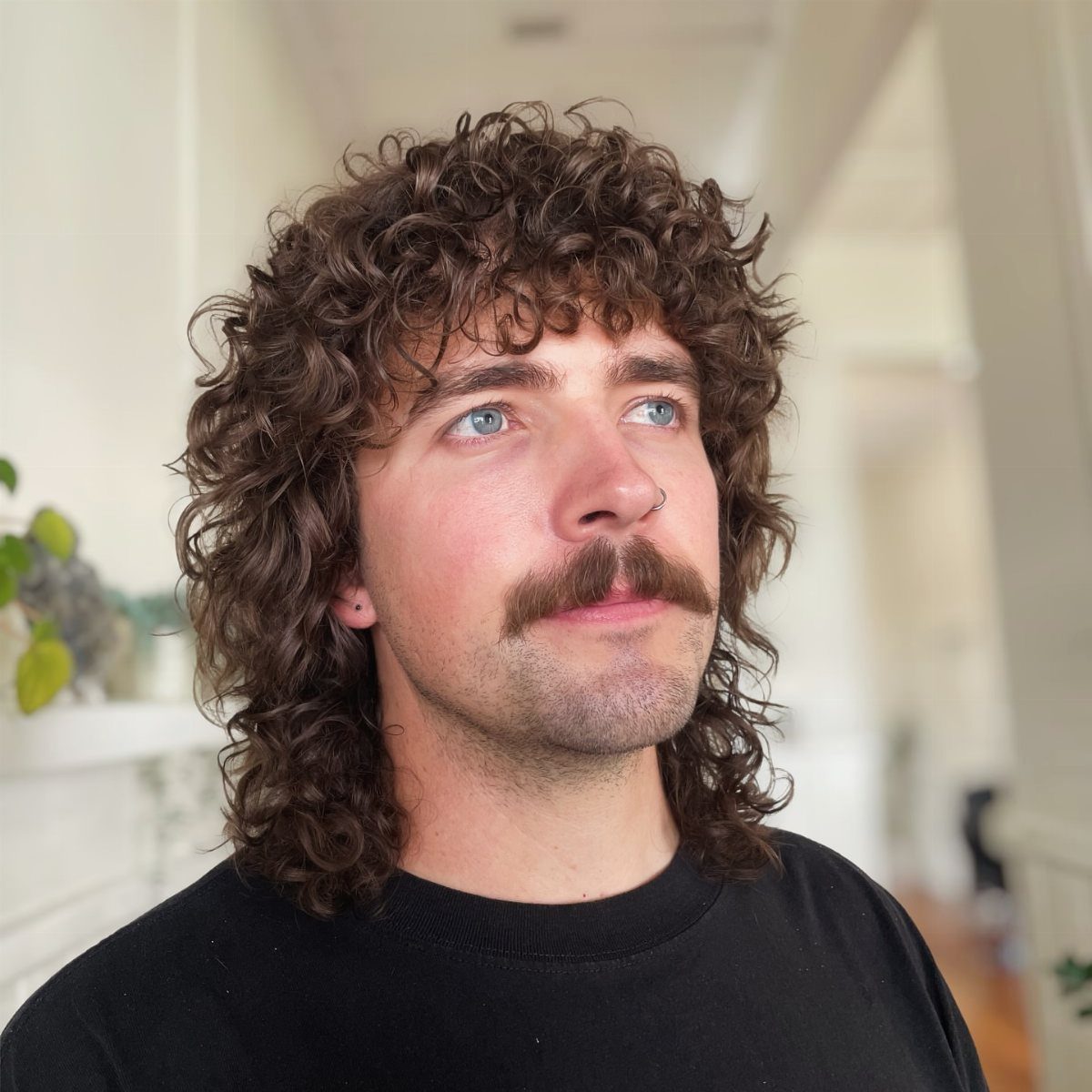
Medium length gives curls room to form without the weight pulling them out of shape, while staying short enough to avoid constant upkeep.
The barber trims the ends to keep the shape even and removes bulk if the hair is dense.
A leave-in conditioner or curl cream worked through damp hair keeps the curls defined without frizz.
Air-drying works for most curl patterns. The cut holds its shape as it grows, and trims can stretch longer than they would with a structured style.
10. Quiff
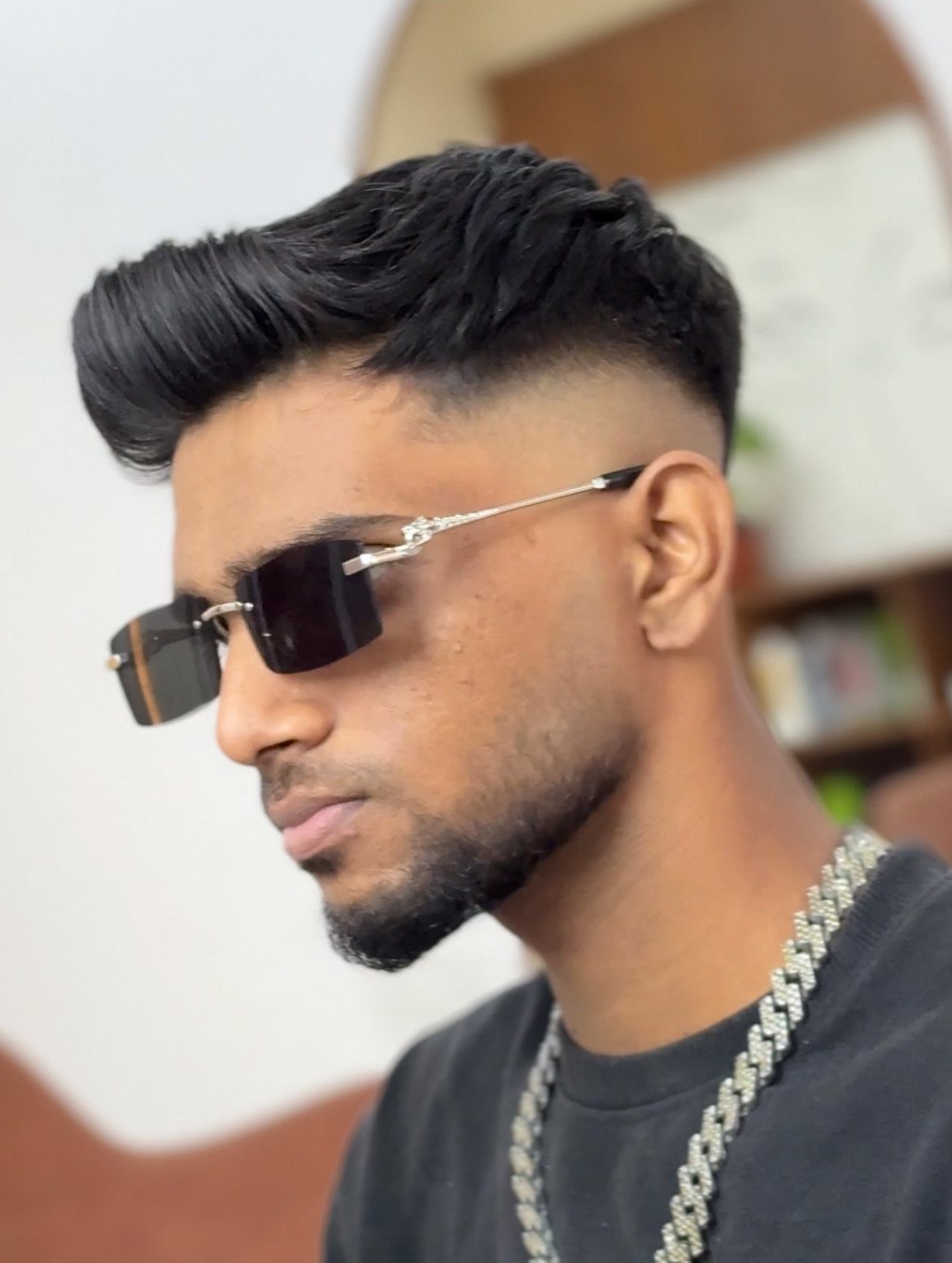
Blow the front section upward and slightly back to build height, then hold it in place with a medium-to-strong product. The sides are faded or tapered to keep the shape balanced.
Apply a styling cream or mousse to damp hair, blow-dry the front with a brush to add lift, then finish with pomade or paste to hold the structure.
The quiff takes a few minutes to set each morning and lasts through the day with the right product. Thicker hair holds the shape with less effort.
11. French Crop
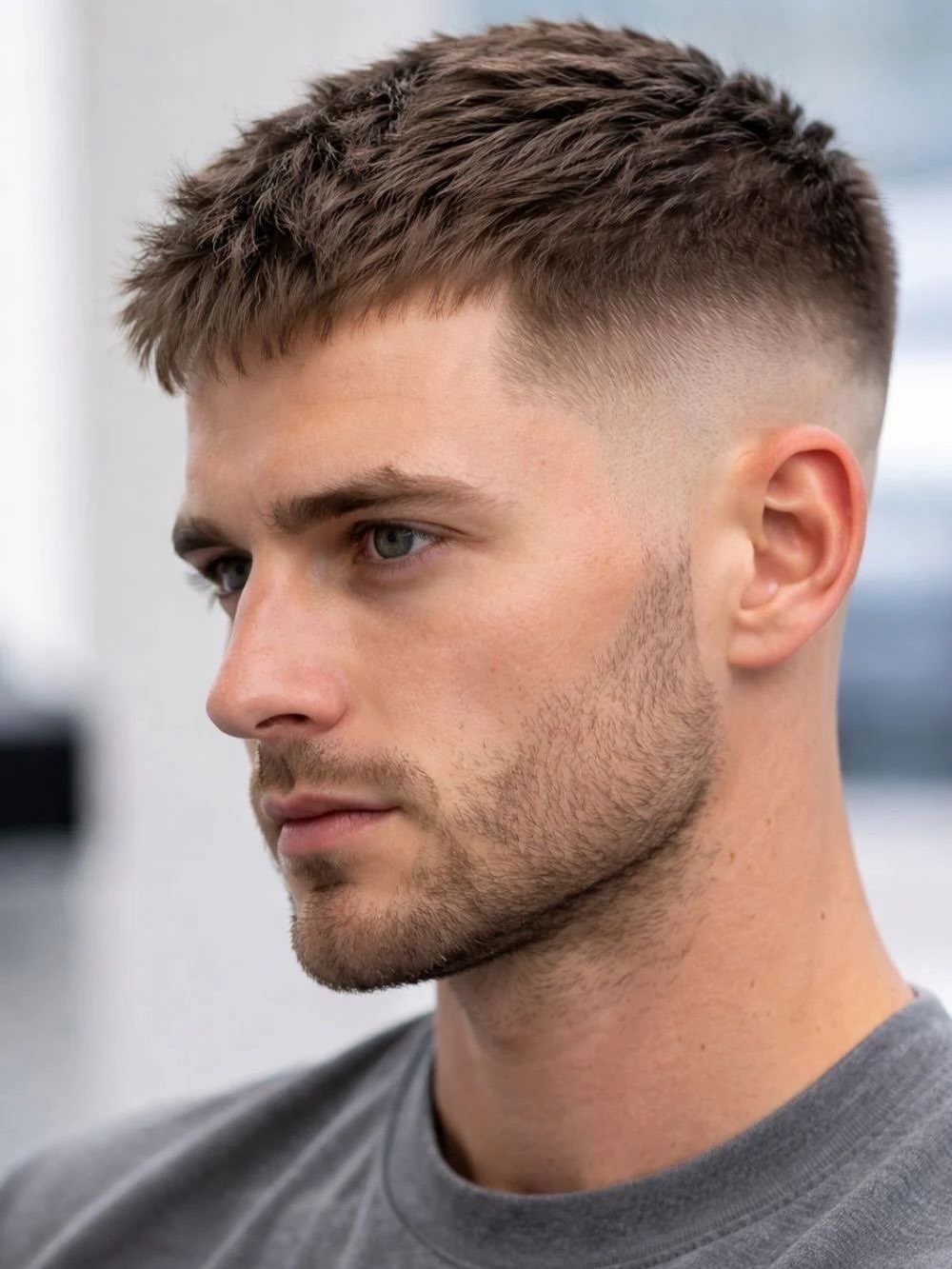
The fringe lands just above or at the eyebrows, so ask your barber to leave enough length on top for texture and forward movement. The barber cuts the fringe straight across or leaves it slightly uneven for a softer edge.
The cut stays sharp for a couple of weeks before the fade needs attention.
12. Mullet
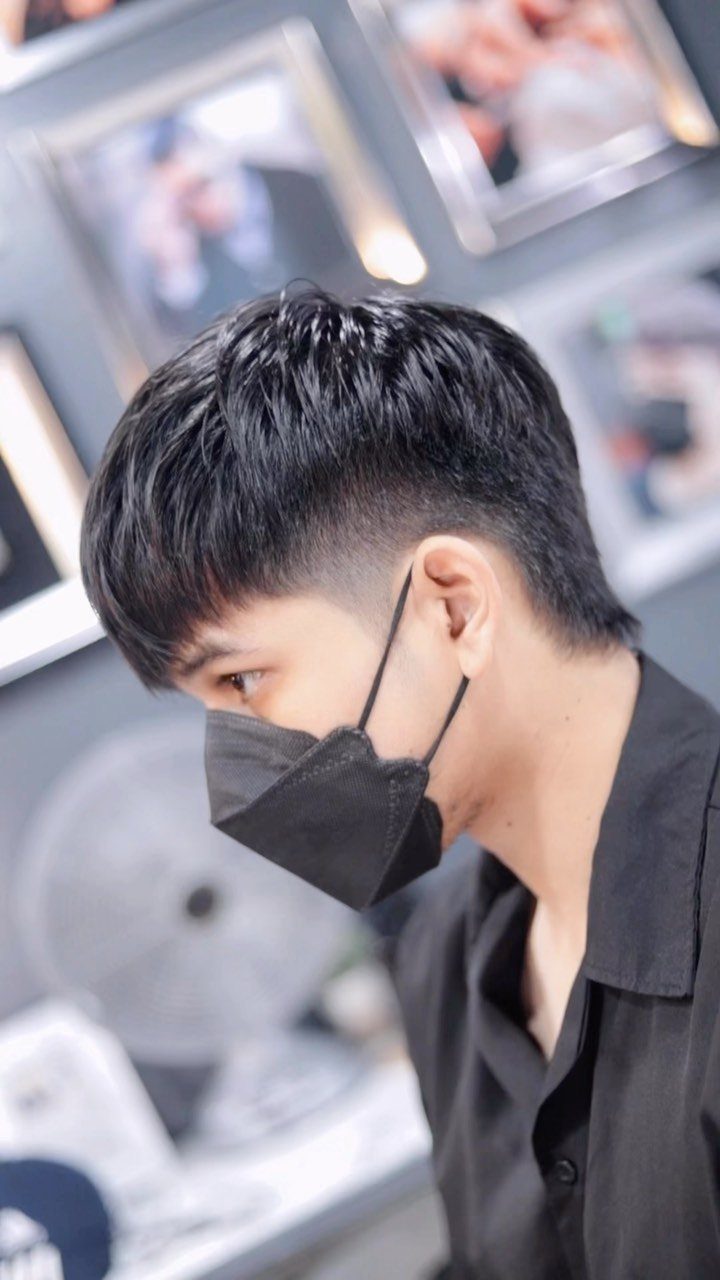
The top and sides stay short or faded while the back is left long, creating a sharp contrast that has moved from retro curiosity to a style people ask for by name.
The barber determines how much length to leave in the back and whether to blend the transition or keep it abrupt.
Styling depends on the texture: straight hair can be combed back, wavy hair holds shape on its own, and curly hair at the back adds volume without much work.
The cut grows out in a way that either looks intentional or needs correction quickly, depending on how the barber set the line.
Men’s medium length hairstyles can be just as daring as longer styles. Better yet, if you have the confidence, a modern-day mullet is a low-maintenance look that suits most face shapes, hair types, and textures.
13. Side Swept
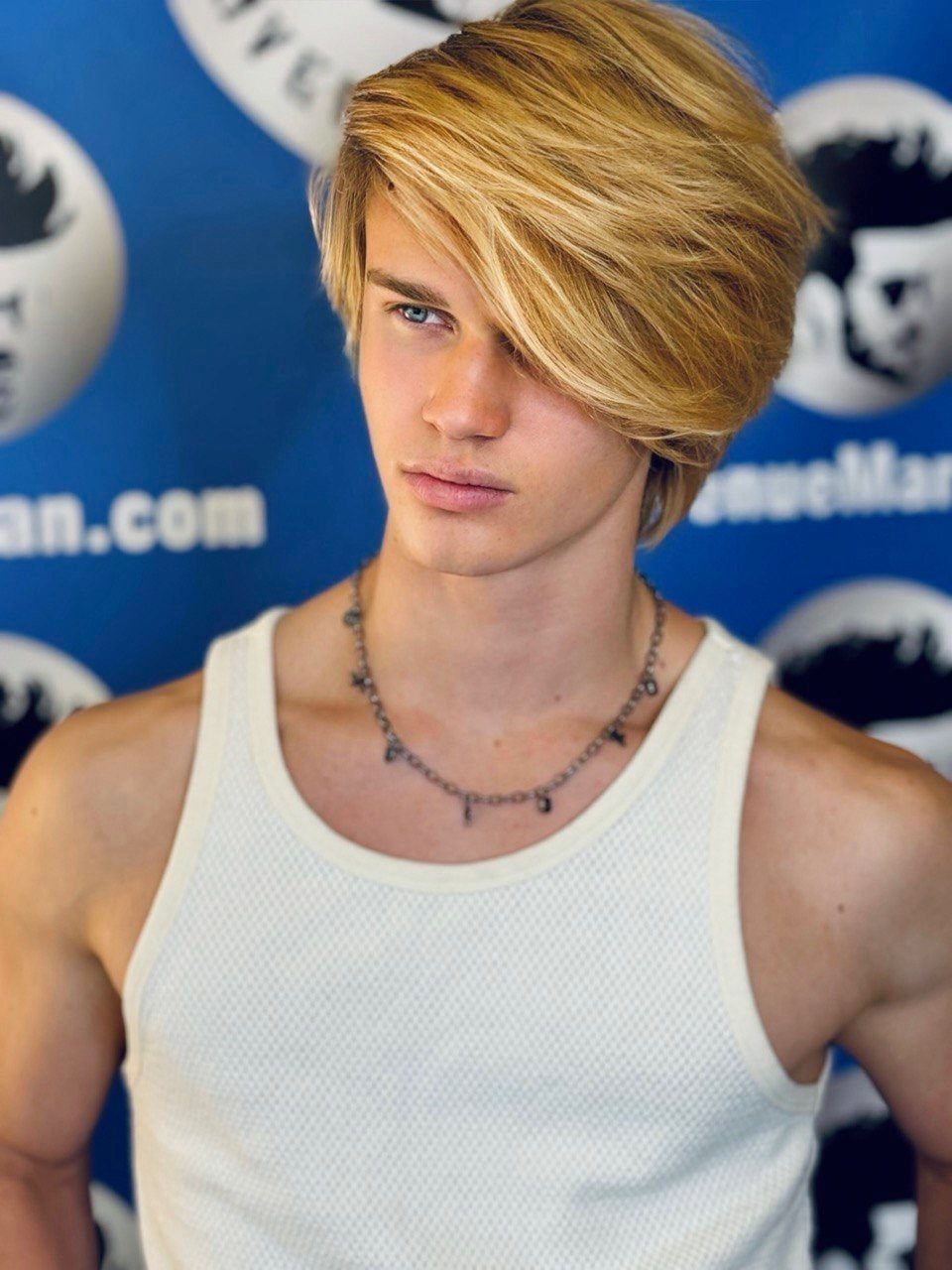
The hair falls across the forehead and to one side in a single direction, creating a clean diagonal line that works in casual or professional settings.
The sides can be tapered or faded to whatever height suits the face, leaving the top long enough to sweep cleanly.
Run a styling cream through damp hair and brush or comb it across while blow-drying, following the natural growth pattern.
The style holds with minimal product and resets easily after being flattened. Most face shapes can wear it, and any hair that takes a natural or styled bend will cooperate.
14. Curly Taper Fade
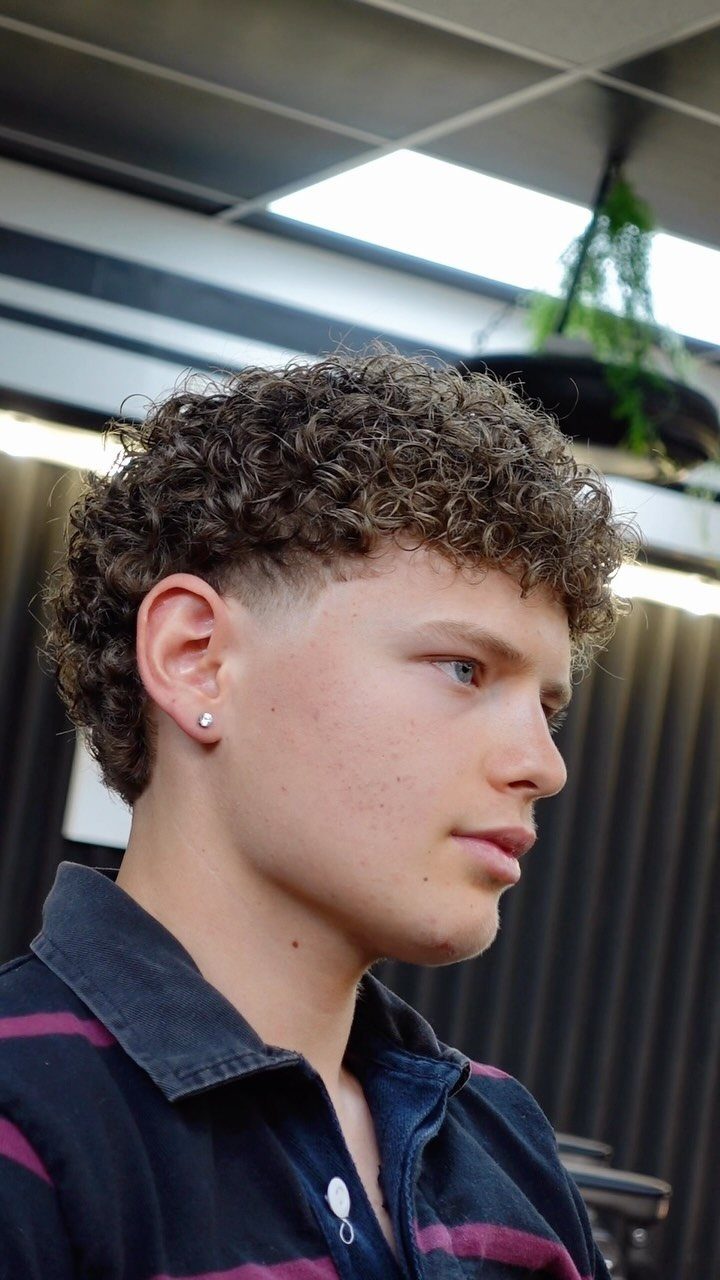
Curls on top get room to form while a taper cleans up the sides, giving contrast without the hard line of a fade.
The barber removes length gradually down to the skin, blending the transition so the curls sit above a smooth gradient.
The taper lasts longer than a fade before needing a touch-up, making this a lower-maintenance option if barber visits are spaced out.
Dense hair benefits from thinning on top to prevent the curls from looking too heavy against the clean sides.
15. Wolf Cut
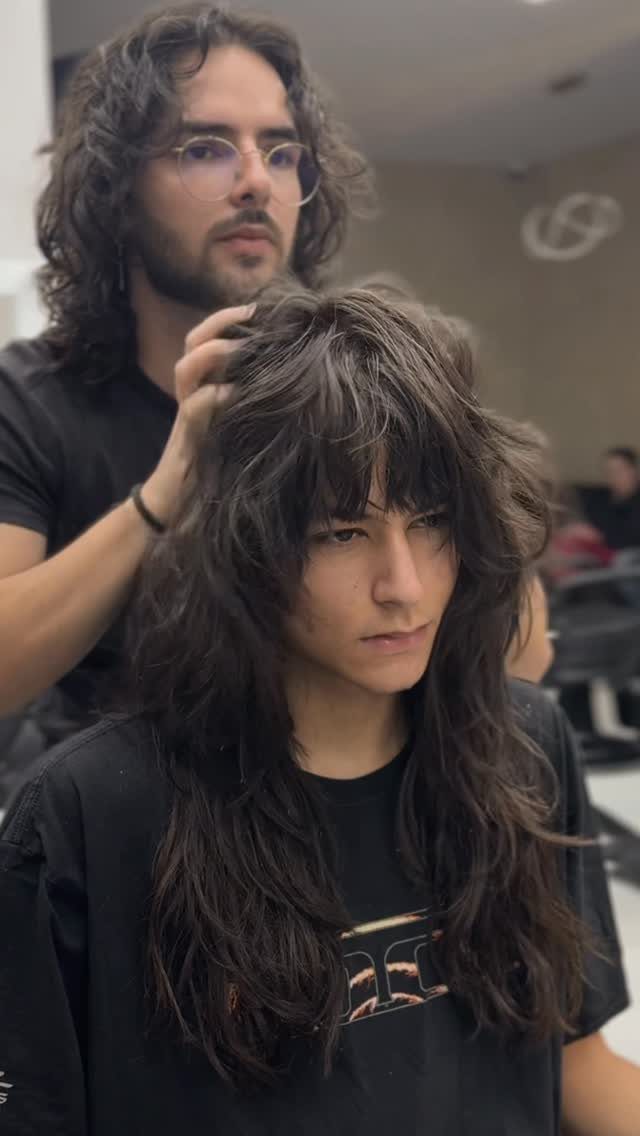
Layers cut heavily through the crown create volume and movement, while the back stays longer and choppy, landing somewhere between a shag and a mullet.
The barber removes bulk from the top and textures the ends to keep them from sitting flat.
Styling is minimal: towel-dry and let it settle, or work a light paste through the layers if the ends need separation.
Wavy or straight hair shows the layering most clearly. The cut grows out gradually and holds its shape for weeks without looking unkempt, though the texture softens as length returns.
16. Faux Hawk
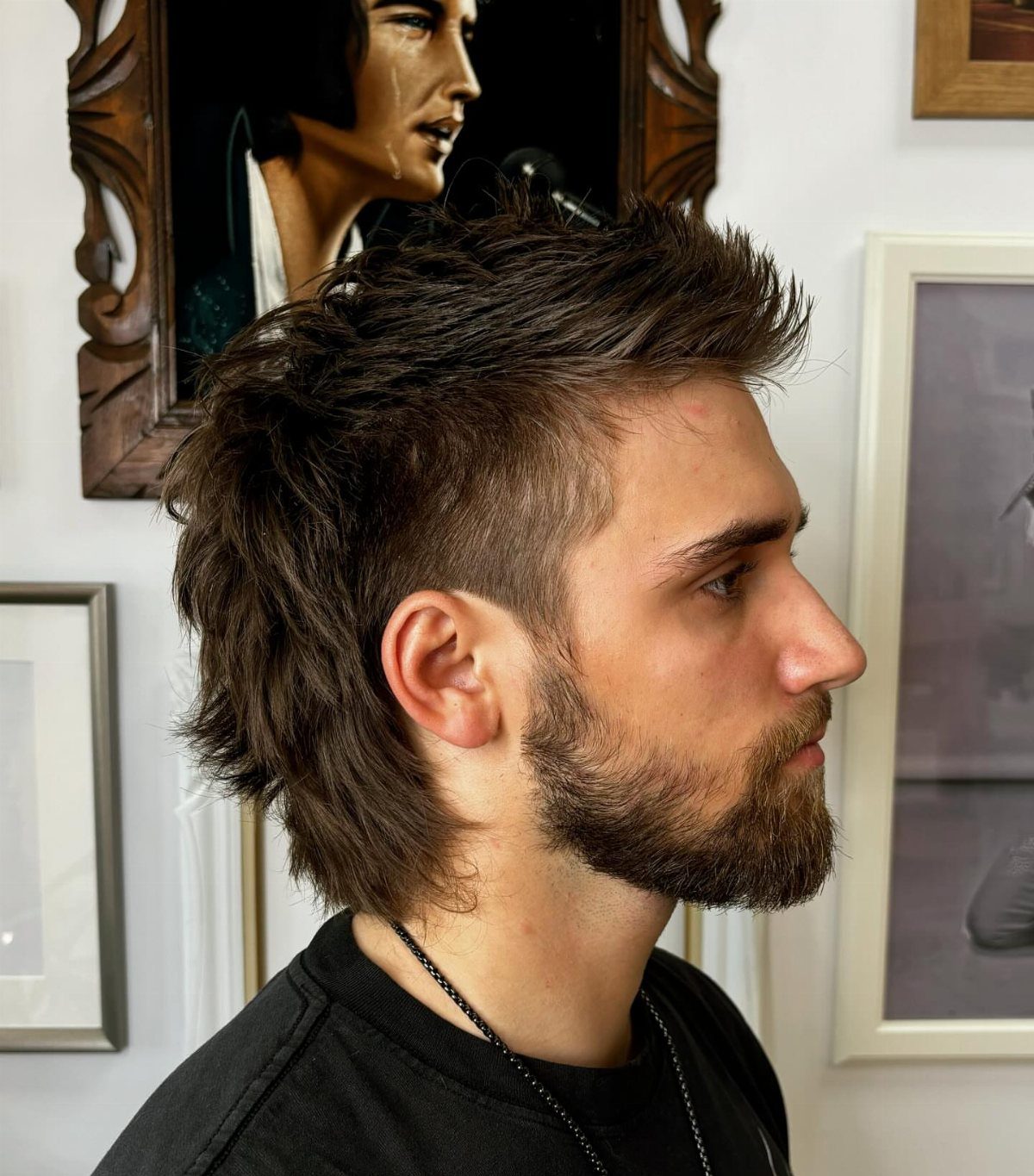
The center strip is left longer and styled upward to create height, while the sides are tapered or faded short to emphasize the shape.
Apply a strong-hold gel or pomade to damp hair and push the center section upward with your fingers or a comb, working from front to back. Thicker hair gives more height with less product.
17. Soft Medium Waves
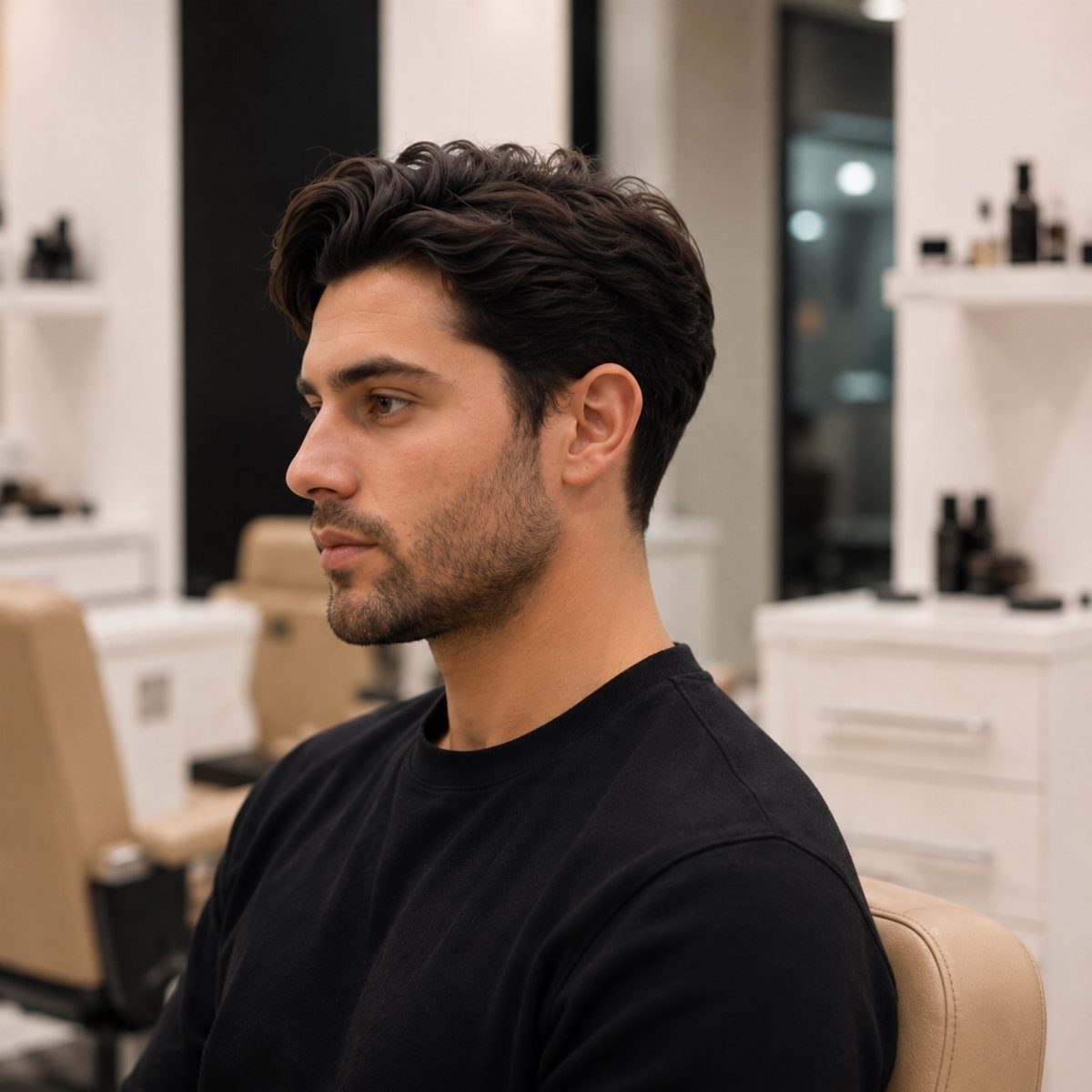
Natural waves at medium length give hair movement without the structure of a defined style, settling into a relaxed shape that needs little daily effort.
A light cream or sea salt spray worked through damp hair brings out the wave pattern.
Air-drying is usually enough. The cut suits most face shapes and grows out without losing its shape, making it a low-commitment option for wavy hair that does not want to fight its texture.
18. Medium Flow
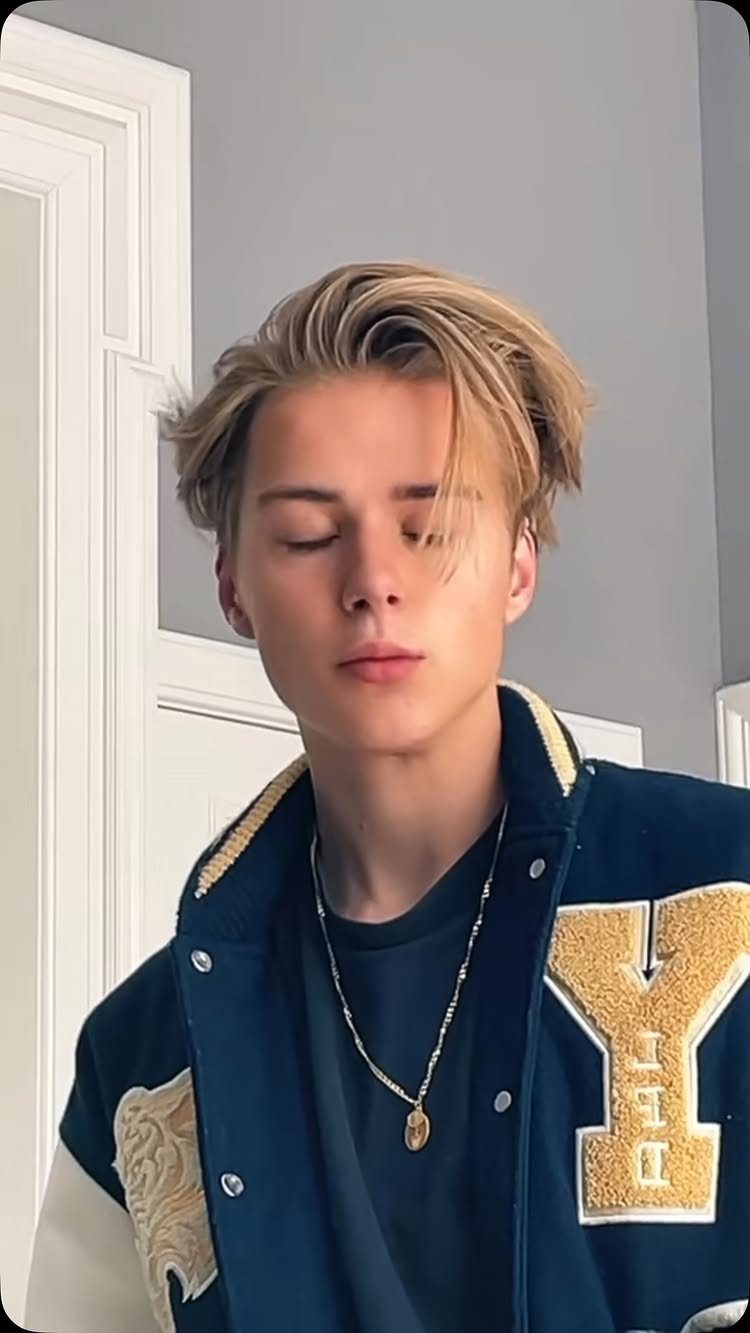
Length is left through the top, sides and back so the hair falls loosely around the head, creating a natural, relaxed look that reads casual without appearing neglected.
Let it air-dry or towel-dry after washing, and add a light leave-in conditioner if the ends are dry.
19. Middle Part
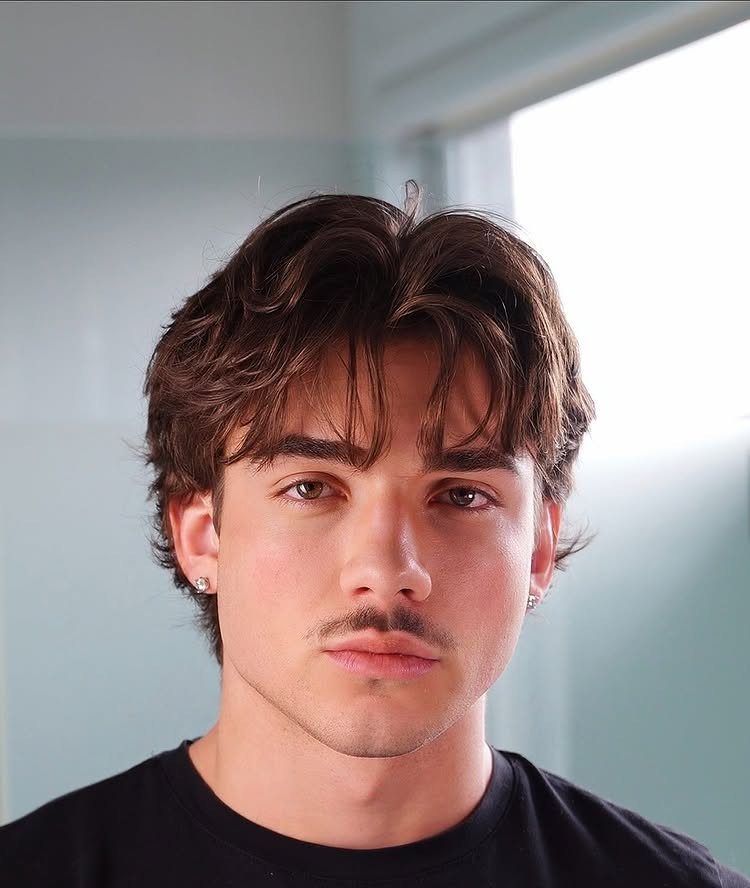
A center part splits the hair evenly and frames the face without adding structure most men need to work for.
The barber leaves enough length to reach past the ears and cuts layers if the hair is thick enough to need them.
Comb the part in after washing and let the hair air-dry, or blow-dry it forward and down to add a bit of volume at the roots.
20. Undercut
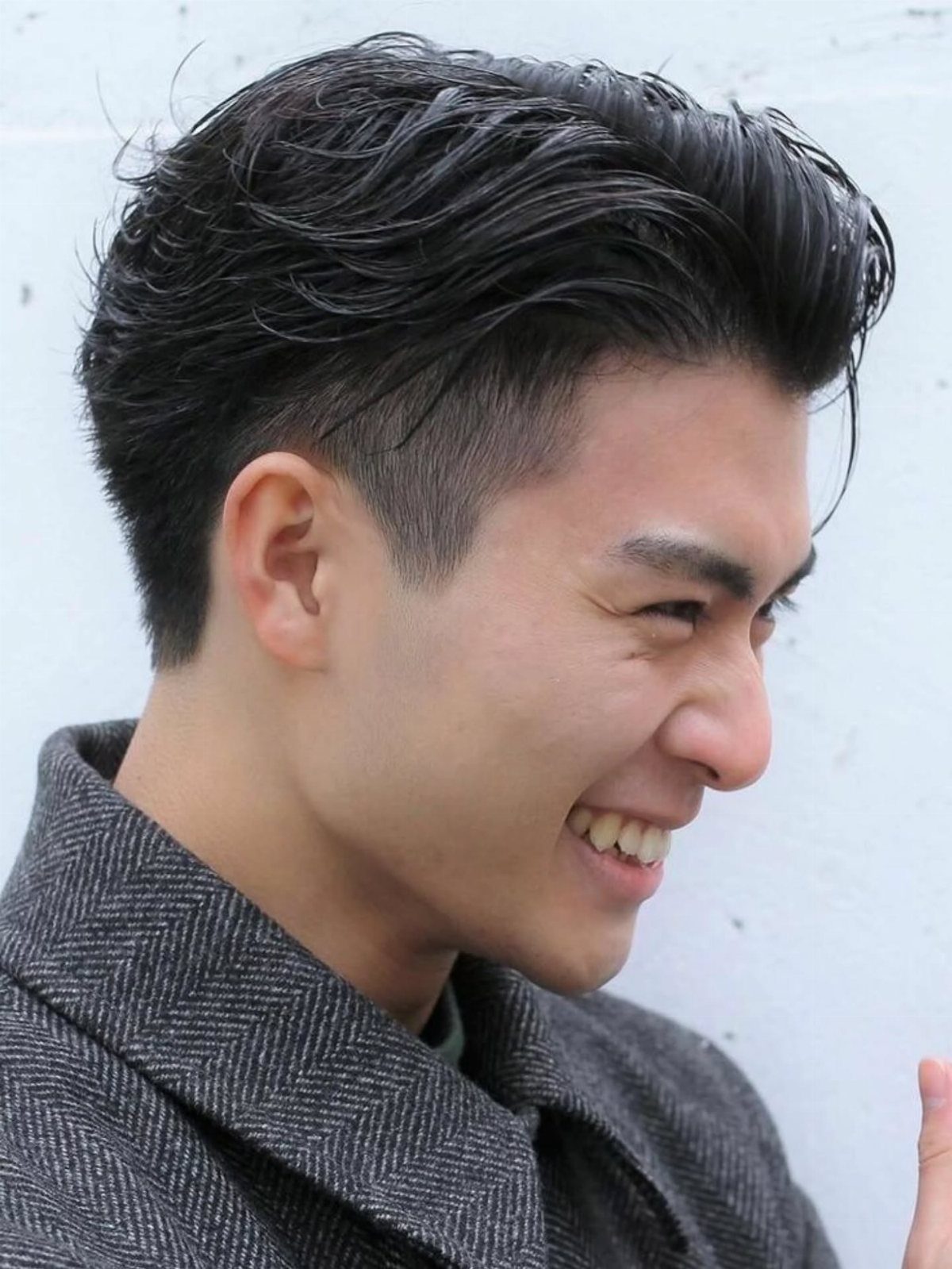
The barber sets the line where the top meets the sides, usually above the temple or higher, and leaves the top long enough to comb back, sweep to one side, or style upward.
The top can be slicked, textured, or left loose depending on how much product goes in. The shaved section grows back quickly, so the cut needs a cleanup every couple of weeks to keep the line sharp.
21. Man Bun

Pull the hair back and twist it into a bun at the crown or higher, securing it with an elastic or letting it hold itself if the length and texture allow.
Medium length is enough to gather the hair without excess bulk.
The bun takes seconds to form and stays put through the day. Fine hair may need a band to hold it; thicker hair can sometimes knot without one.
22. Kinky Spikes
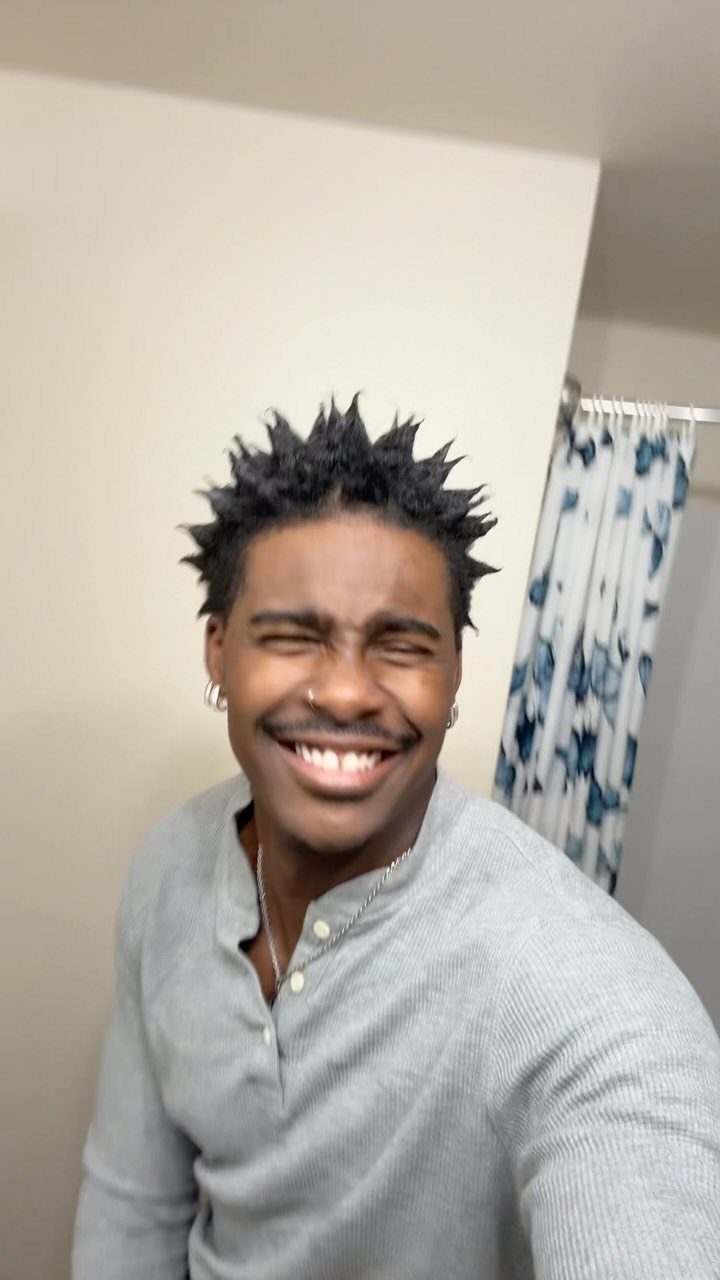
Kinky hair is shaped upward into defined spikes using a strong-hold gel or styling cream, giving the texture height and separation. The barber cuts the length short enough to stand upright without flopping, usually a few inches on top.
Work the product through damp hair and lift sections upward with your fingers, pinching the tips to sharpen the spikes.
The style sets as it dries and holds through the day. Dense hair forms thicker spikes; lighter hair gives more separation between them.
23. Tightly Coiled Hair with Medium Fade
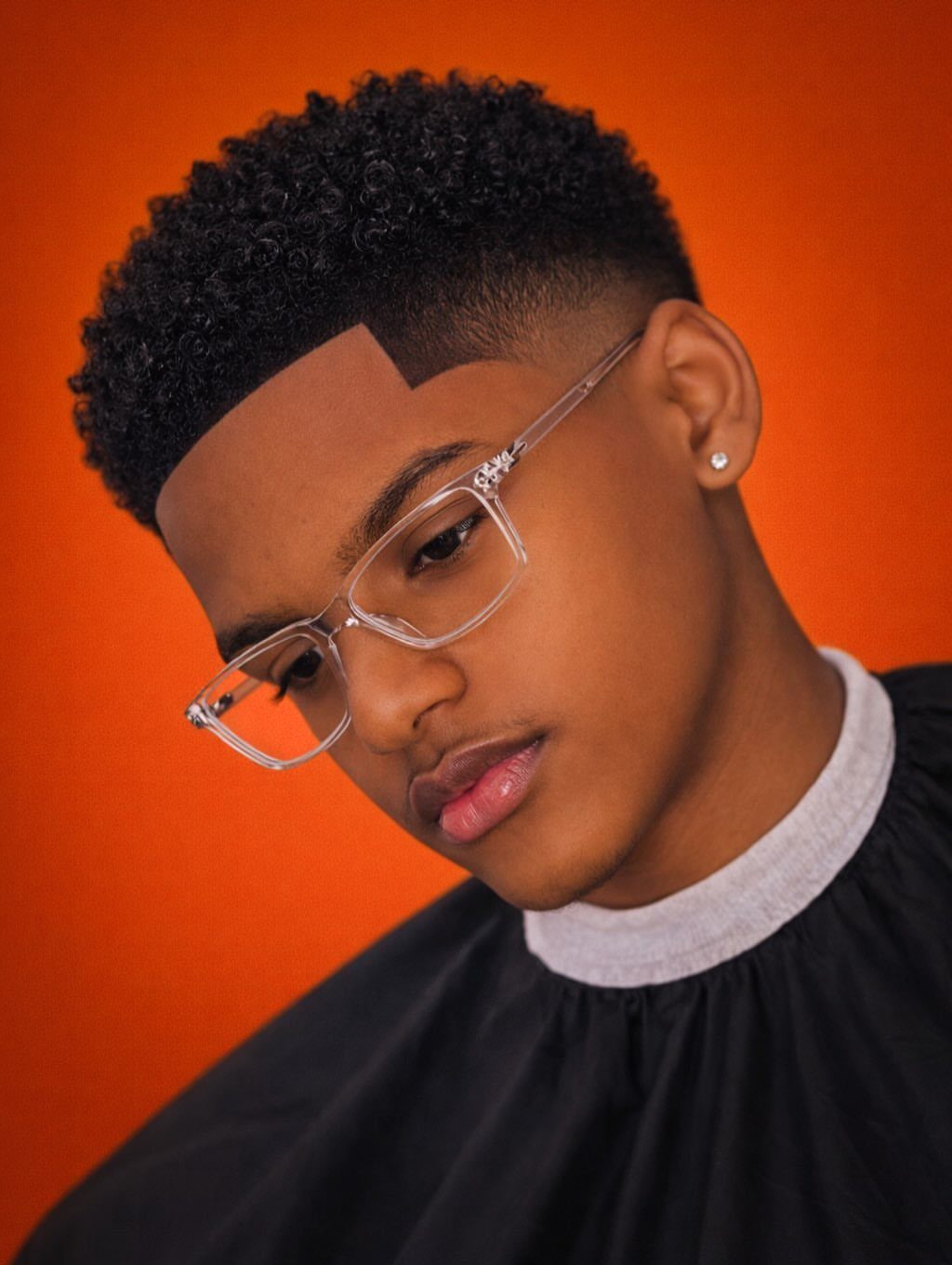
Coils on top keep their natural texture and shape while a fade tapers the sides down to the skin, giving contrast without flattening the curl pattern.
The fade needs a cleanup before the taper blurs, usually every 2 to 3 weeks.
24. Textured Topknot Bun
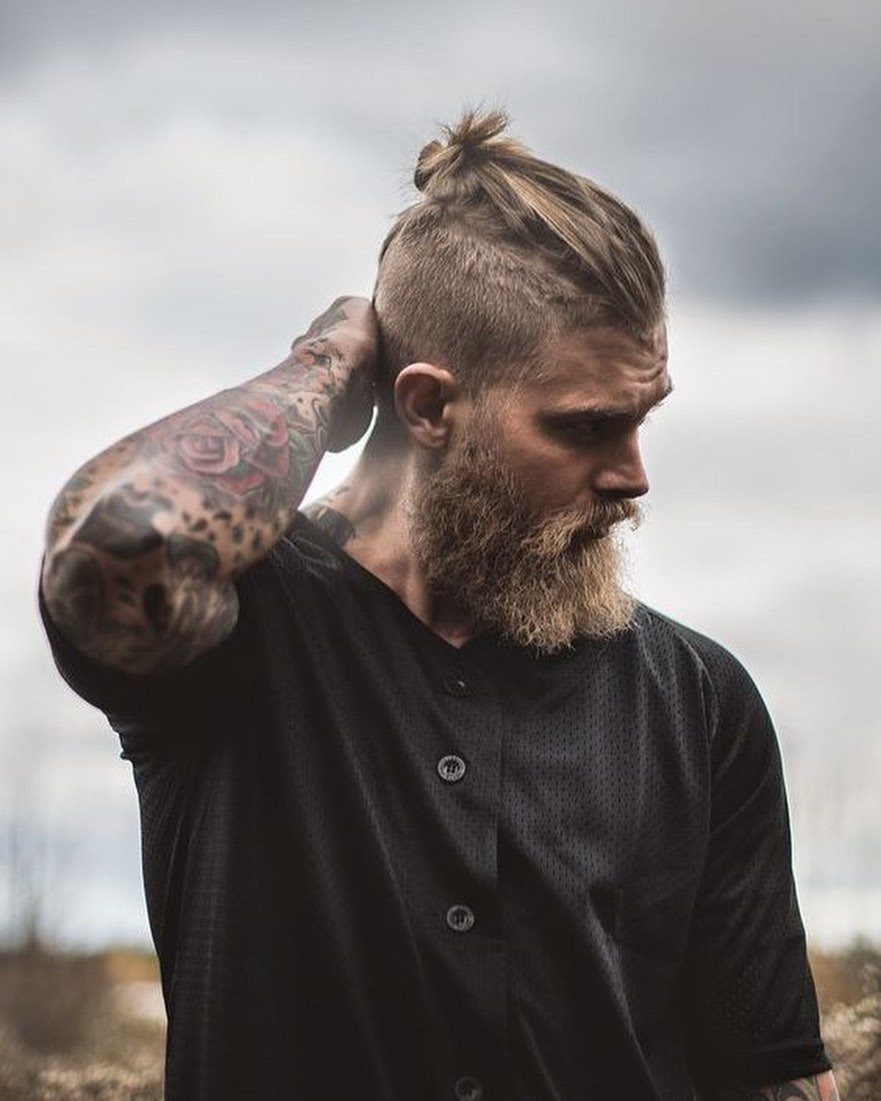
Gather the hair at the crown and twist it loosely into a bun, leaving the texture visible instead of smoothing it flat.
The style takes a few seconds to form and holds with or without a band, depending on the hair’s length and thickness.
Wavy or straight hair shows the texture best when the bun is left a bit messy. The short sides need a trim before they lose their edge.
Trim Timing and Upkeep
Most medium styles need a trim every 6 to 8 weeks to keep the shape intact and prevent split ends from forming.
Split ends work their way upward if you ignore them, and that leads to tangles, breakage, and color that looks flat. Trimming them off before they spread keeps the ends looking clean and the hair easier to manage.
If the sides are doing most of the work holding the shape, the barber visit interval is shorter.
If the length on top carries the style and the sides are left longer, trims can stretch to 8 weeks without the cut looking grown out.
Medium Length Definitions
Medium length is usually defined as 2 to 6 inches on top, though the exact range shifts depending on who is measuring.
Some pages put the floor at 2 inches, others at 3, but most agree that anything past 6 inches starts reading as long rather than medium.
The range is wide enough that a 2-inch cut and a 6-inch cut look and behave differently. The shorter end of medium gives structure and holds a defined shape with less effort.
The longer end lets the hair fall, wave, or curl naturally and offers more styling options, but it also takes more time to dry and needs more product to control.
Frequently Asked Questions
What are some popular medium-length haircuts in 2026?
Slick backs, textured cuts with medium fades, side parts, pompadours, and quiffs are all widely requested.
Styles with natural texture like shaggy layers, soft waves, and medium flow are also common asks at the barber. The specific cut depends on hair type and how much time you want to spend styling each morning.
How to style men’s medium length messy hairstyles?
Work a medium-hold paste or cream through the hair and let it fall where it wants to, breaking up sections with your fingers if they clump together.
The cut itself does most of the work if the barber cut layers to remove bulk. Air-drying or towel-drying keeps the texture loose rather than forcing it into a fixed shape.
What is the best medium length hairstyle for men?
No single cut suits every face shape or hair type, but slick backs, side parts, quiffs, and textured styles with fades work for most people.
Curly or coily hair holds shape with less product when the texture is left natural. Talk to your barber about what fits your hair and how much time you have each morning.
How often should you shampoo medium length hair?
Every 2 to 3 days works for most hair, though thicker or oilier hair may need more frequent washing.
Shampooing too often strips oil and dries out the scalp, while waiting too long leaves buildup that weighs the hair down. Adjust based on how the hair looks and feels rather than following a fixed schedule.
Can I achieve a professional look with medium-length hair?
Side parts, slick backs, and comb overs all read as polished and work in professional settings.
Blow-drying adds structure, and a medium-hold product keeps the shape clean without looking stiff. The fade or taper on the sides tightens the overall look and prevents the cut from appearing too casual.
Are there easy styles for men with wavy medium-length hair?
Textured cuts and soft waves let the natural pattern show without forcing it flat, and both need minimal daily effort. Wavy hair holds texture better than straight hair and grows out without losing shape.