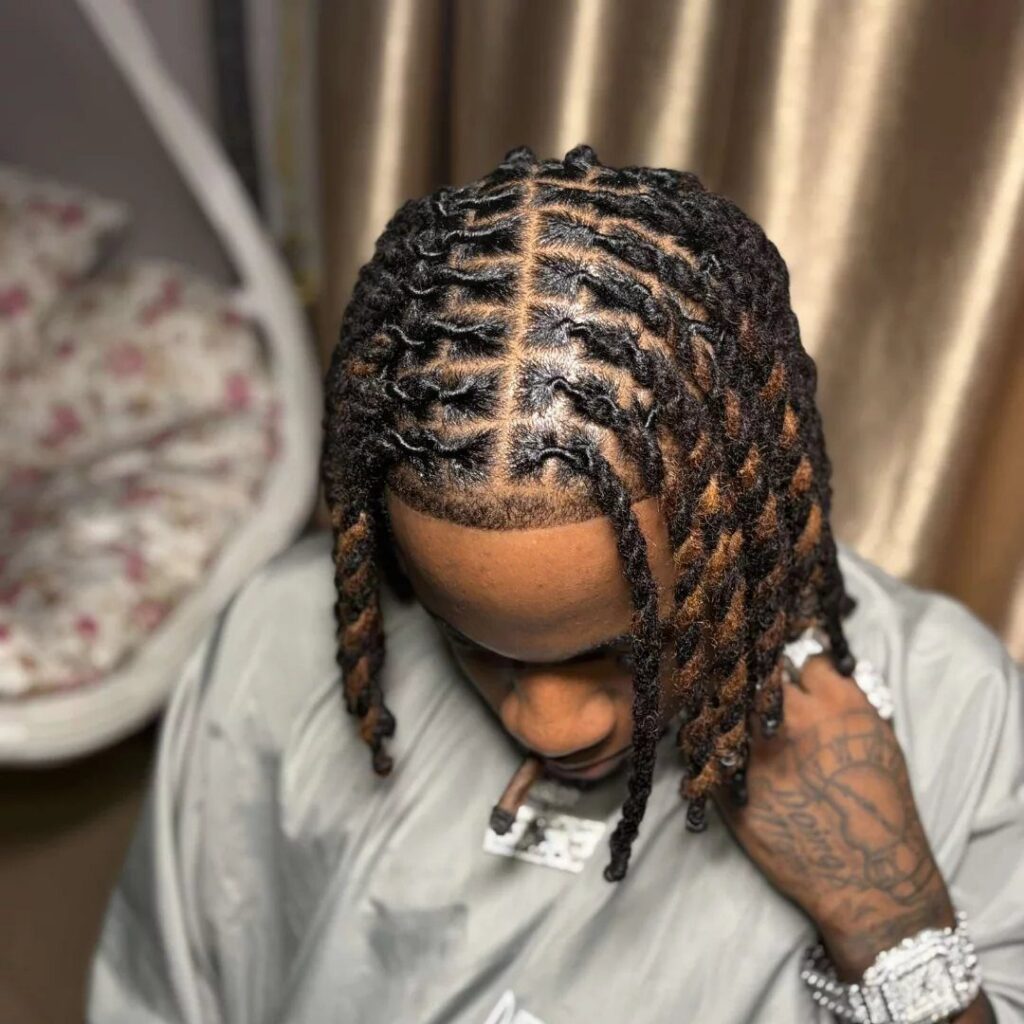
Locs range from freeform sections that lock on their own to twisted, braided, or woven patterns that take a few hours in the chair, and daily upkeep splits wider than the finished look.
If you want the least intervention, freeform locs form without retwisting appointments and just need separation every few weeks to keep neighboring sections from merging.
1. Freeform Dreadlocks
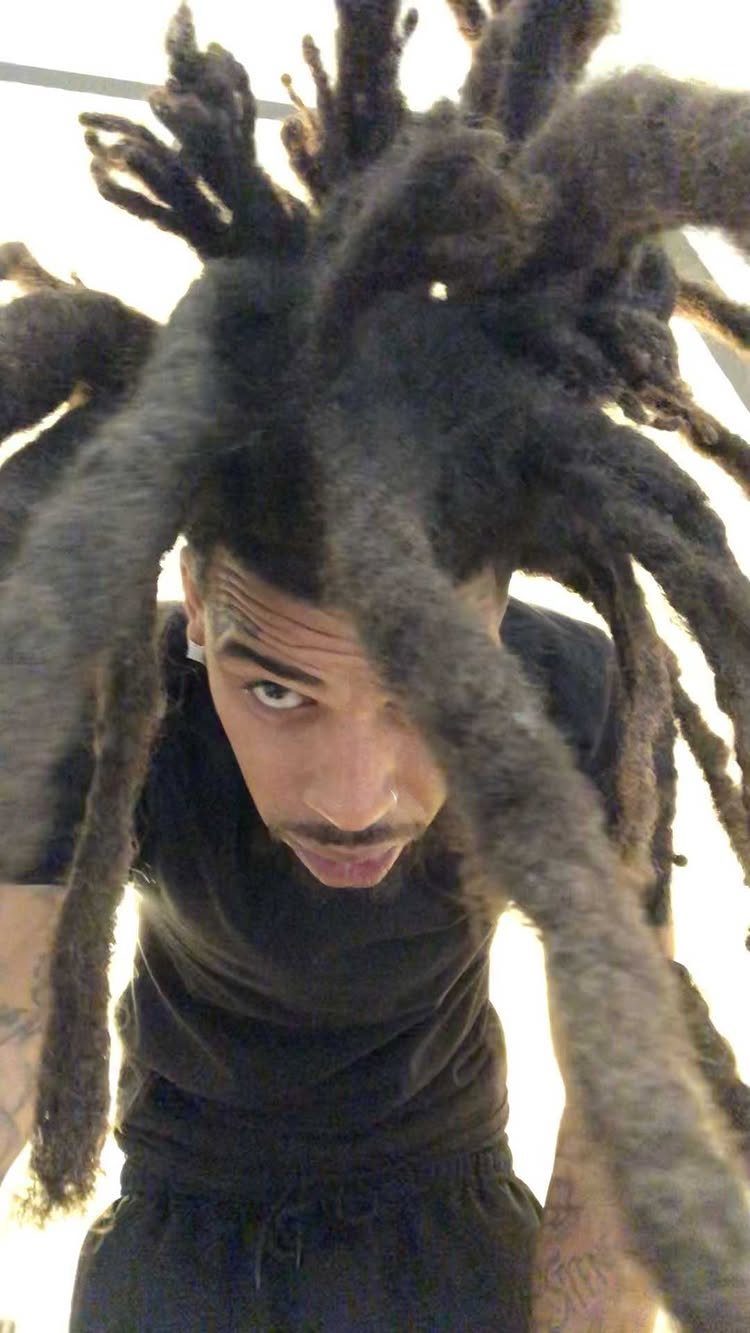
Locs that form on their own, washed and separated but not twisted, combed, or patterned into uniform sections. The texture locks naturally over time, and each loc takes its own thickness and path.
Least maintenance, most variability in thickness. Early stages can look messy for months while the hair mats and tightens, so patience matters more than stylist skill.
Once mature, freeform locs hold their own weight and move independently. No retwisting appointments, just regular washing and occasional separation to keep neighboring locs from joining.
2. Twist Dreadlocks
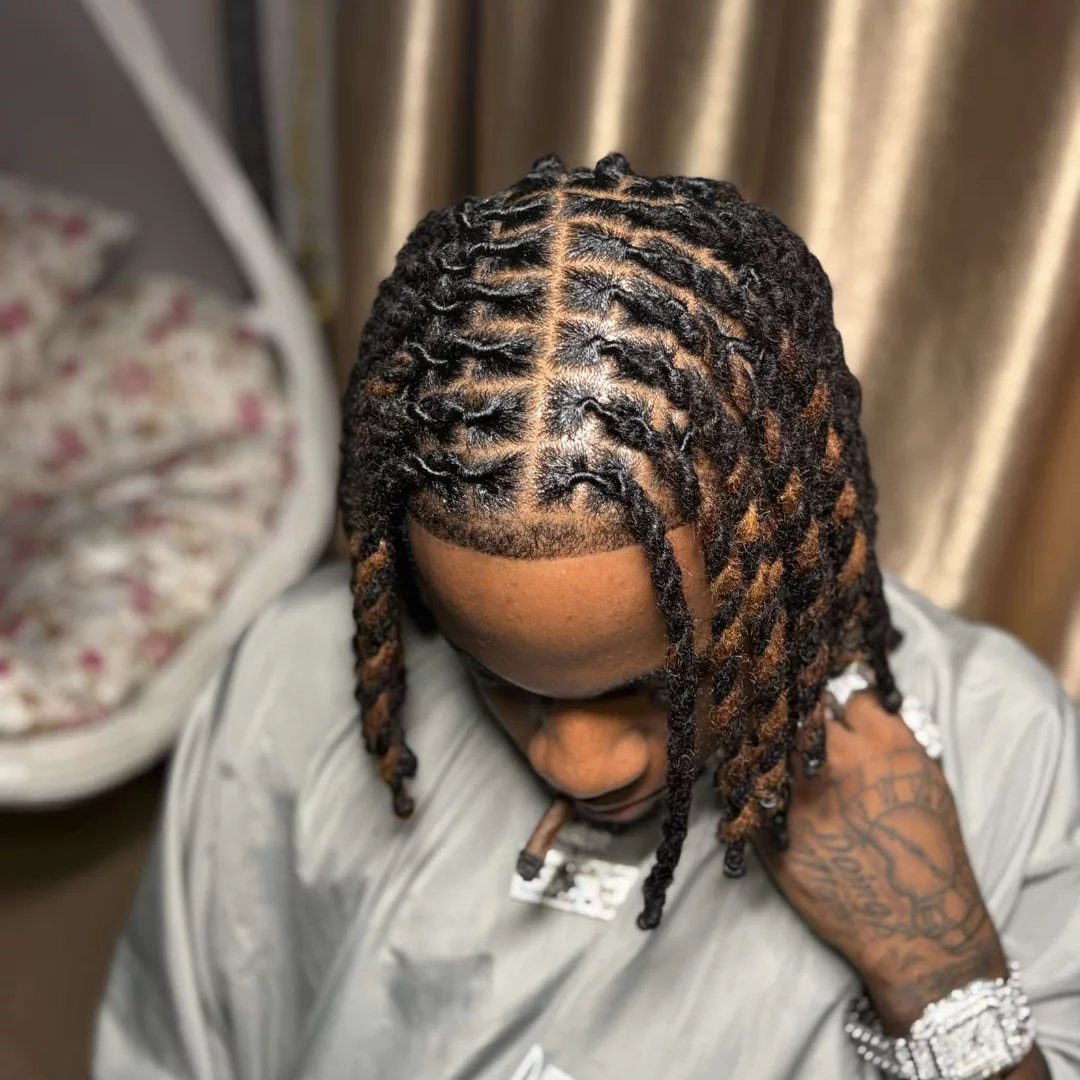
2 individual locs twisted around each other to form a thicker rope. You can twist just a few sections for an accent or work through the whole head for uniform texture.
The twist adds width and definition without extra length, so if your locs feel thin or you want more visual weight, this is a fast styling option.
It works best on locs that have fully locked, since loose new growth can unravel during the twist.
Twisting holds for a few days to a week depending on how tight you wind it and how active you are. Sleeping in a durag or bonnet stops it from loosening overnight.
3. Dreadlocks with Man Bun

Locs pulled back and coiled into a bun at the crown or higher. It keeps everything off your neck and works whether your locs hit your shoulders or your waist.
A high bun shows off a clean fade or taper and gives a sharp, contained look for work or going out. A low bun sits more casual and puts less tension on the hairline if that is a concern.
Tie with a hair tie that does not snag, and if your locs are heavy, double-wrap or use a thicker band. Let a few locs hang loose in front for asymmetry instead of pulling everything back.
4. Medium Length Dreadlocks
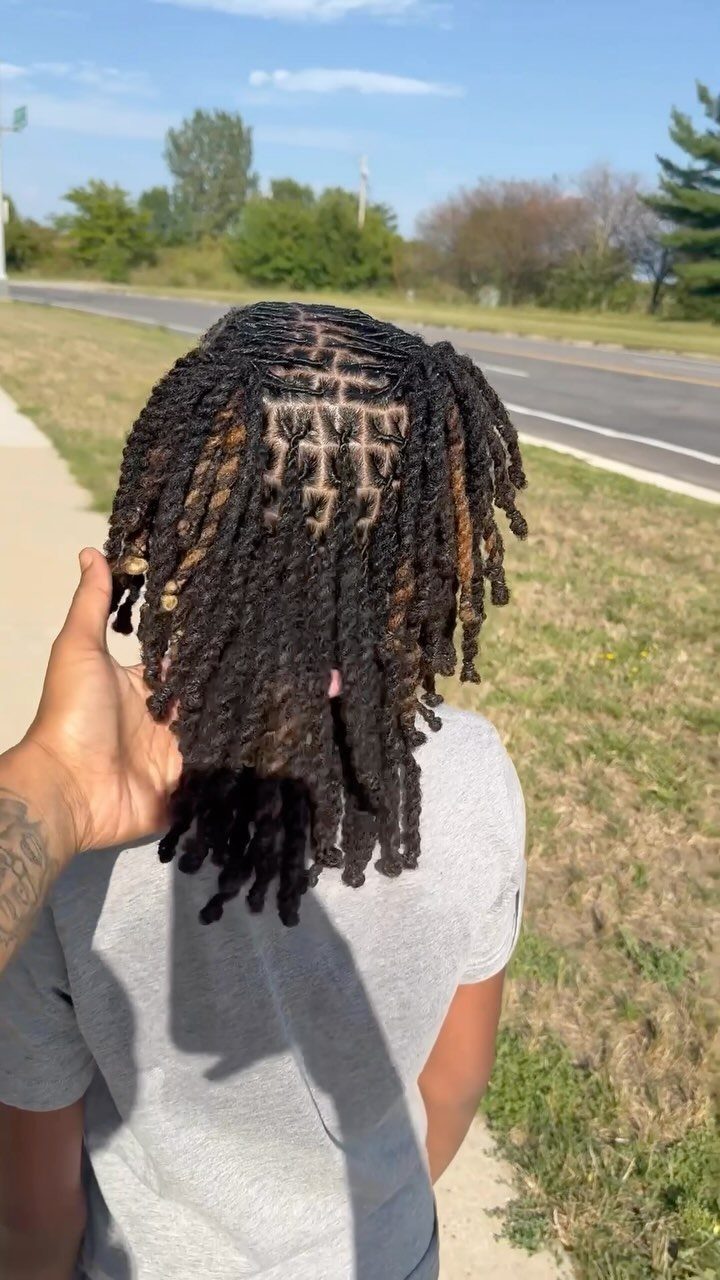
Locs that fall between the chin and shoulders, offering styling range without the weight or drying time of longer lengths. They can be worn down, pulled into a half-up style, or tied back when needed.
This length suits faces that get lost under very long locs and gives enough movement to avoid the stiff look short locs can have when they first lock.
Retwist frequency stays moderate, tied to how fast your hair grows and how neat you need the roots.
Medium length dries faster than long locs but still holds updos and ponytails, so you get flexibility with less upkeep.
5. Barrel Twists Into Short Locs
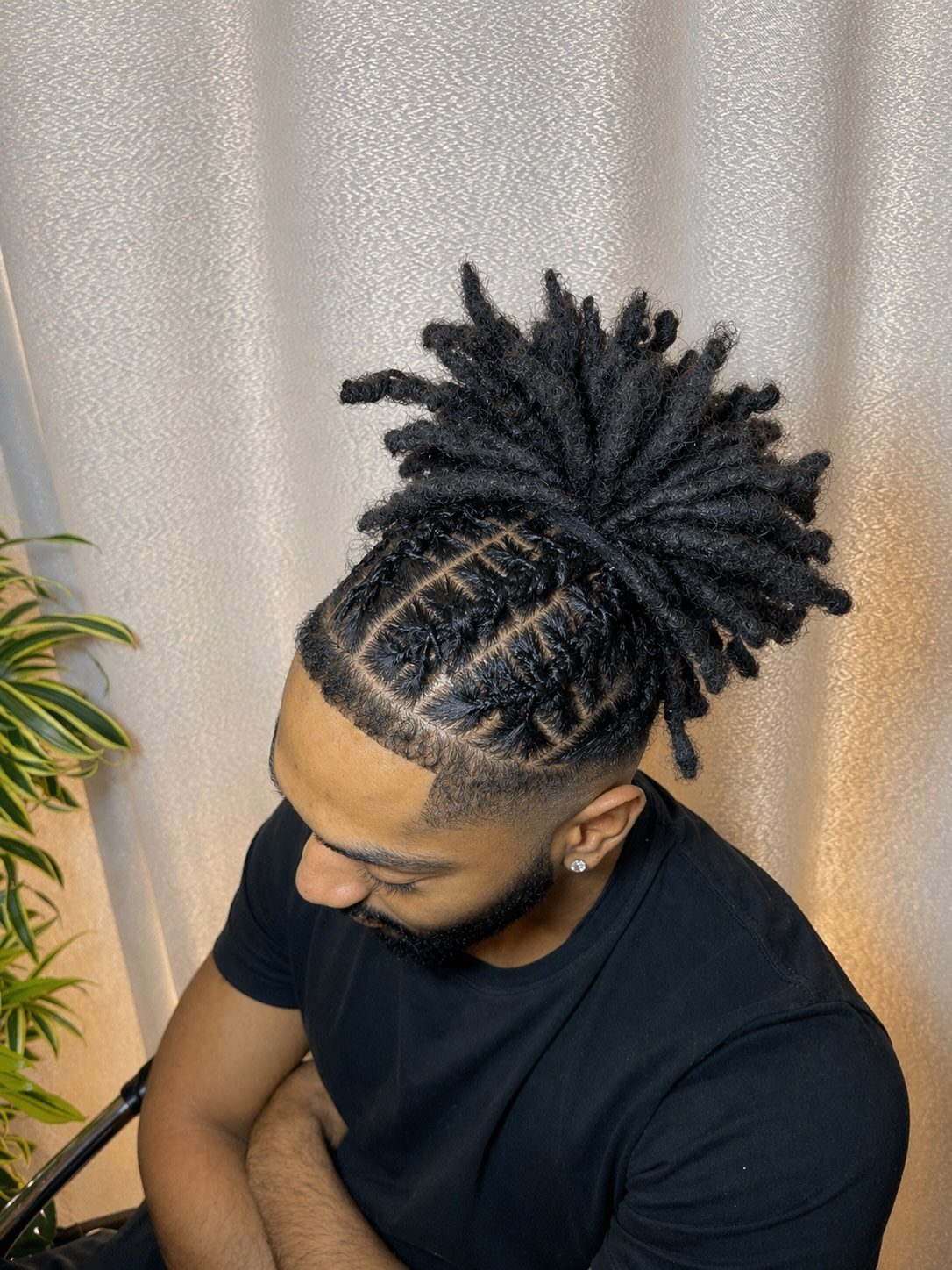
Barrel twists that transition into short locs as the hair locks up. The twists are chunky, rope-like sections that eventually tighten into individual locs once the hair matures.
This method gives you a defined pattern early while the locs form, so you skip the awkward in-between phase where twists start to fray but have not locked yet.
The thickness is set by how much hair goes into each barrel, and wider sections mean fewer locs overall.
As the twists mature, they shrink and firm up. You can leave them loose or tie them into a small bun once they reach a few inches, which keeps them out of your face during the locking process.
6. Rope Twist Long Locs
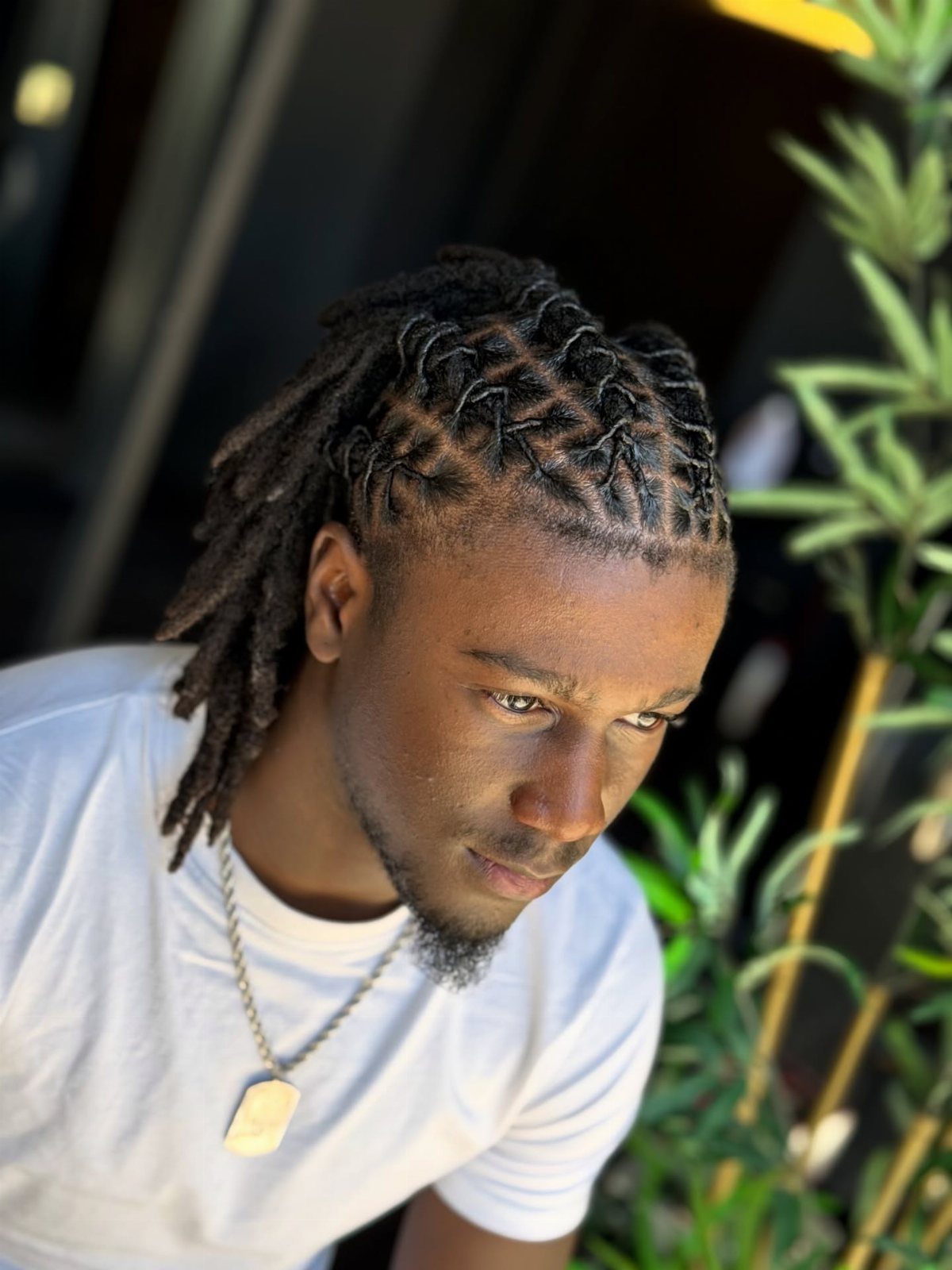
Long locs twisted into tight rope sections that sit on top of the head. The twist pulls the locs upward and gives height without cutting length.
Rope twisting long locs takes time but holds well once finished, lasting several days before you need to redo it. The style needs fully matured locs, heavy enough to stay twisted without unraveling.
If your locs reach past your shoulders, this keeps them contained and off your back while adding vertical shape. Use a light oil or cream before twisting to smooth flyaways and give the rope a cleaner finish.
7. Dread Ponytail
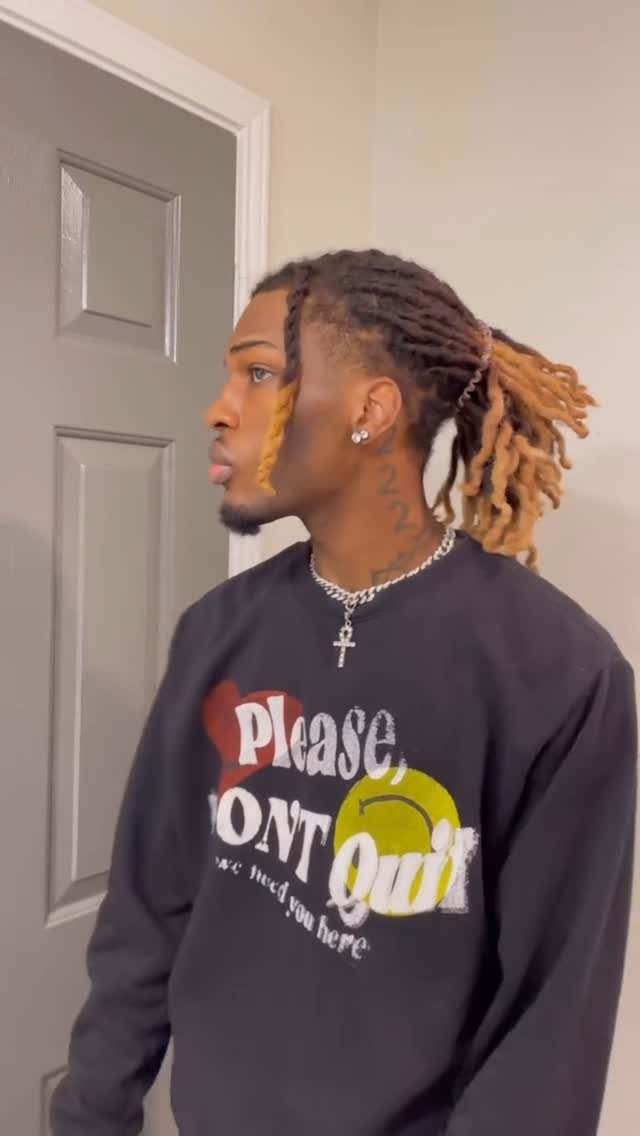
Keeps everything off your face and neck without needing the coil work a bun takes.
Low ponytails sit relaxed and work for daily wear. Mid or high placement tightens the look and shows off any fade or taper underneath.
Use a fabric-covered elastic or a thick band that grips without snagging.
If your locs are heavy, double-wrap to hold tension. Leave the ponytail loose after tying so the locs hang naturally instead of bunching.
8. Long Loc Man Bun
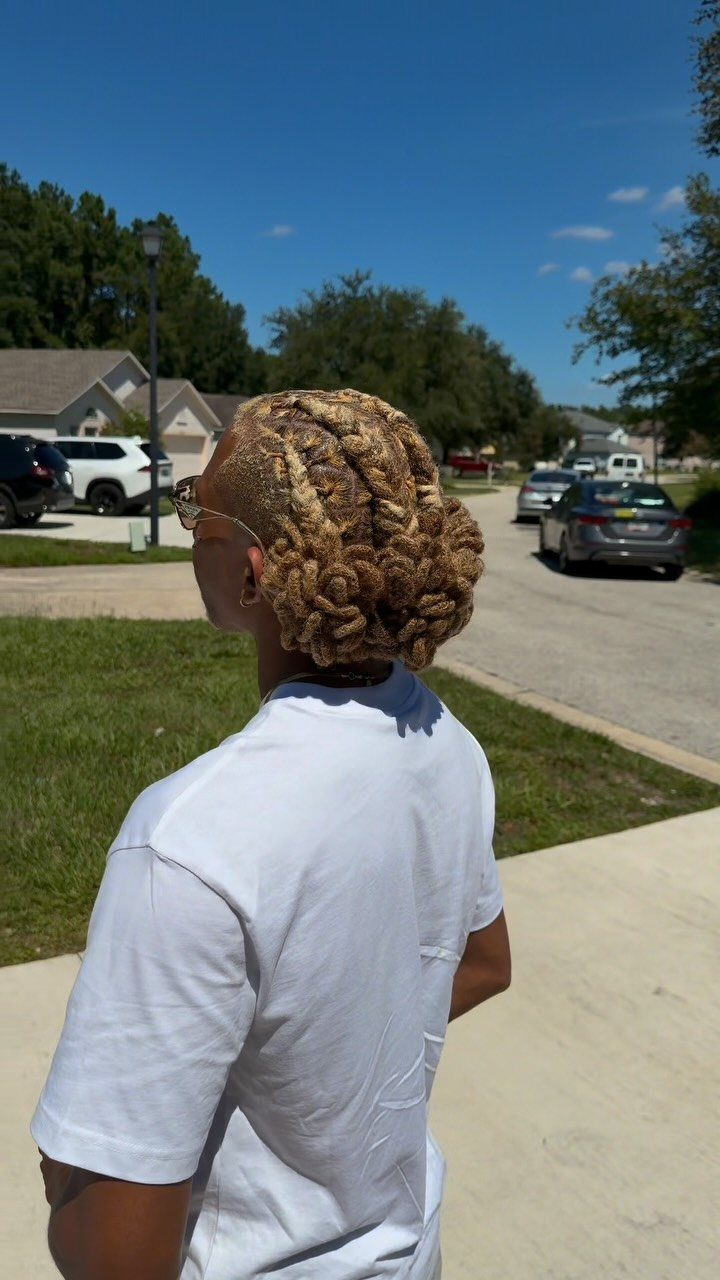
Once locs reach past your shoulders, a man bun becomes the fastest way to get them up and contained.
Wind the length into a coil at the crown or higher, secure it, and you have a clean shape in under a minute.
Long locs add weight, so the bun sits fuller than a short-loc version and holds better without pins. If the bun feels loose, twist the locs lightly before coiling to tighten the hold.
High placement keeps the bun visible and pairs well with a fade. Mid or low placement reduces pull on the hairline if that matters.
9. Long Freeform Locs
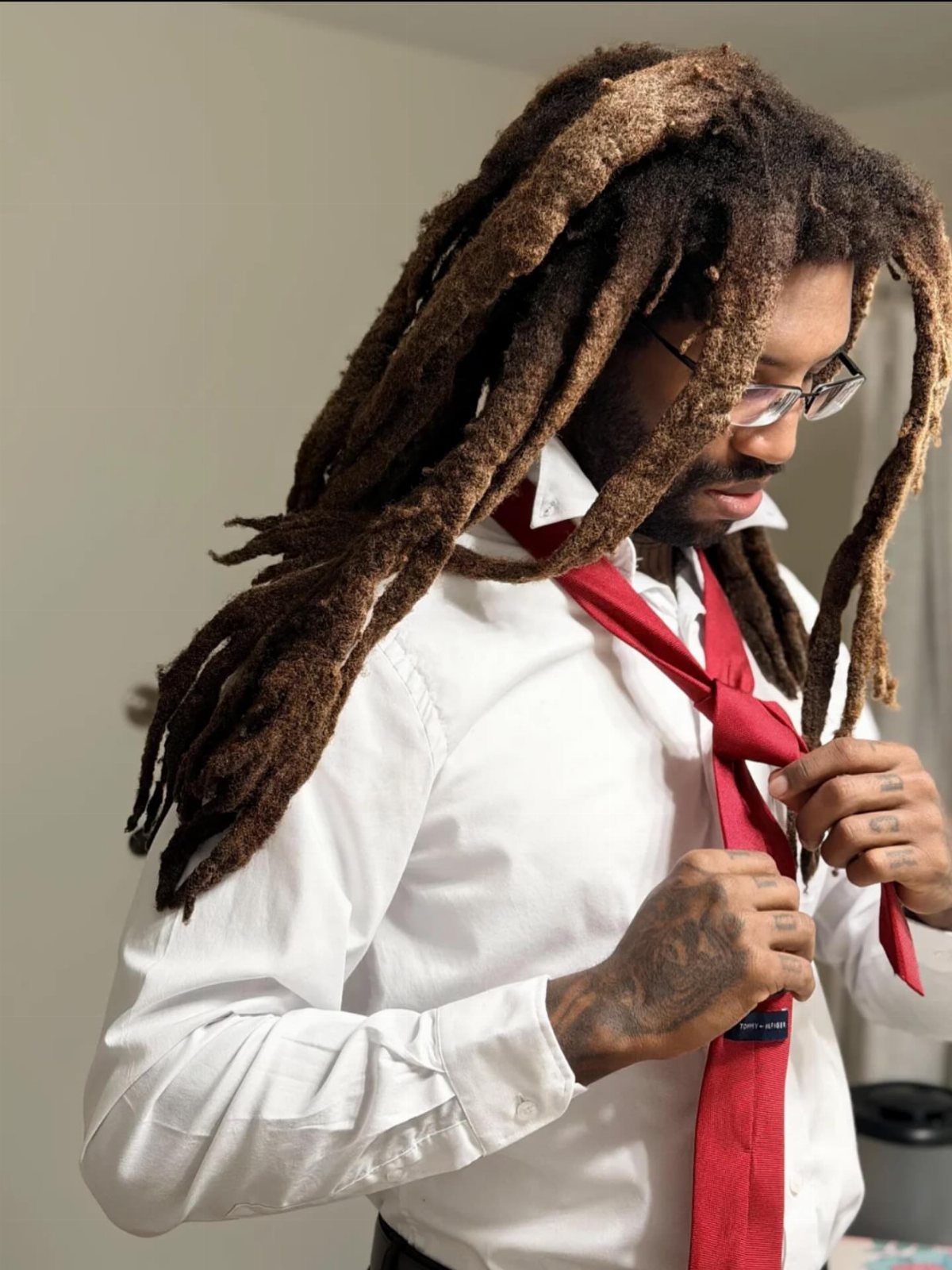
Freeform locs left to grow long, reaching mid-back or farther. The length adds weight and the locs settle into their own thickness and direction without uniform patterning.
Longer freeform locs take years to reach full length and shrink as they mature, sometimes tightening several inches shorter than the hair’s stretched length. Wash time stretches because the thickness holds water, and air drying can take hours.
Separation every few weeks keeps neighboring locs from merging at the roots.
10. Bantu Knots with Short Dreadlocks
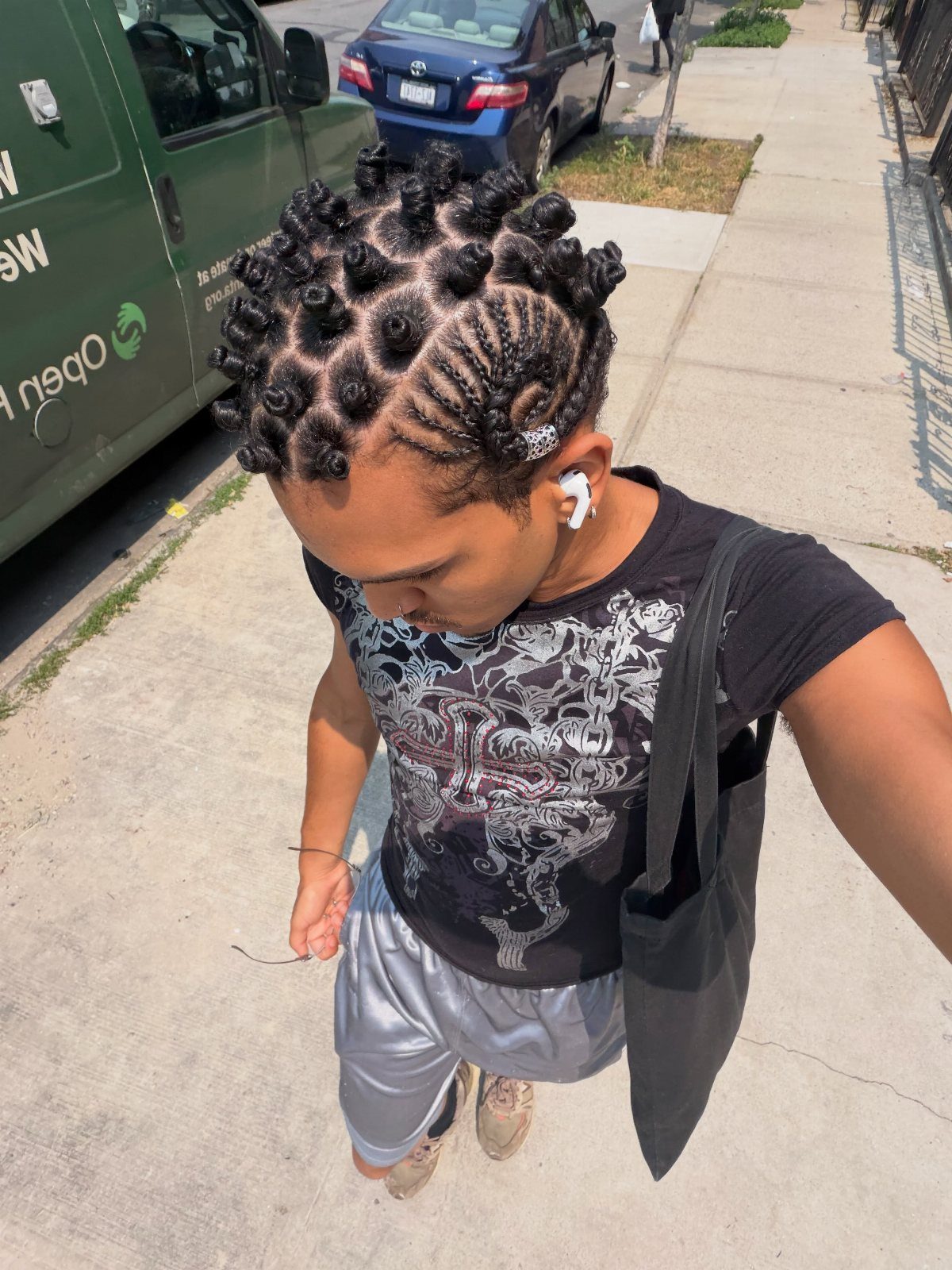
Each knot is a separate section, and the style works best when the locs have locked enough to hold the twist without unraveling.
Bantu knots add height and texture to short locs that would otherwise sit flat. The knots can cover the whole head or sit in rows with shaved or faded sides showing.
Twist each loc from root to tip, then coil it back onto itself and tuck the end under. Sleep with a durag to keep the knots tight overnight.
11. Dreadlocks with Taper Fade
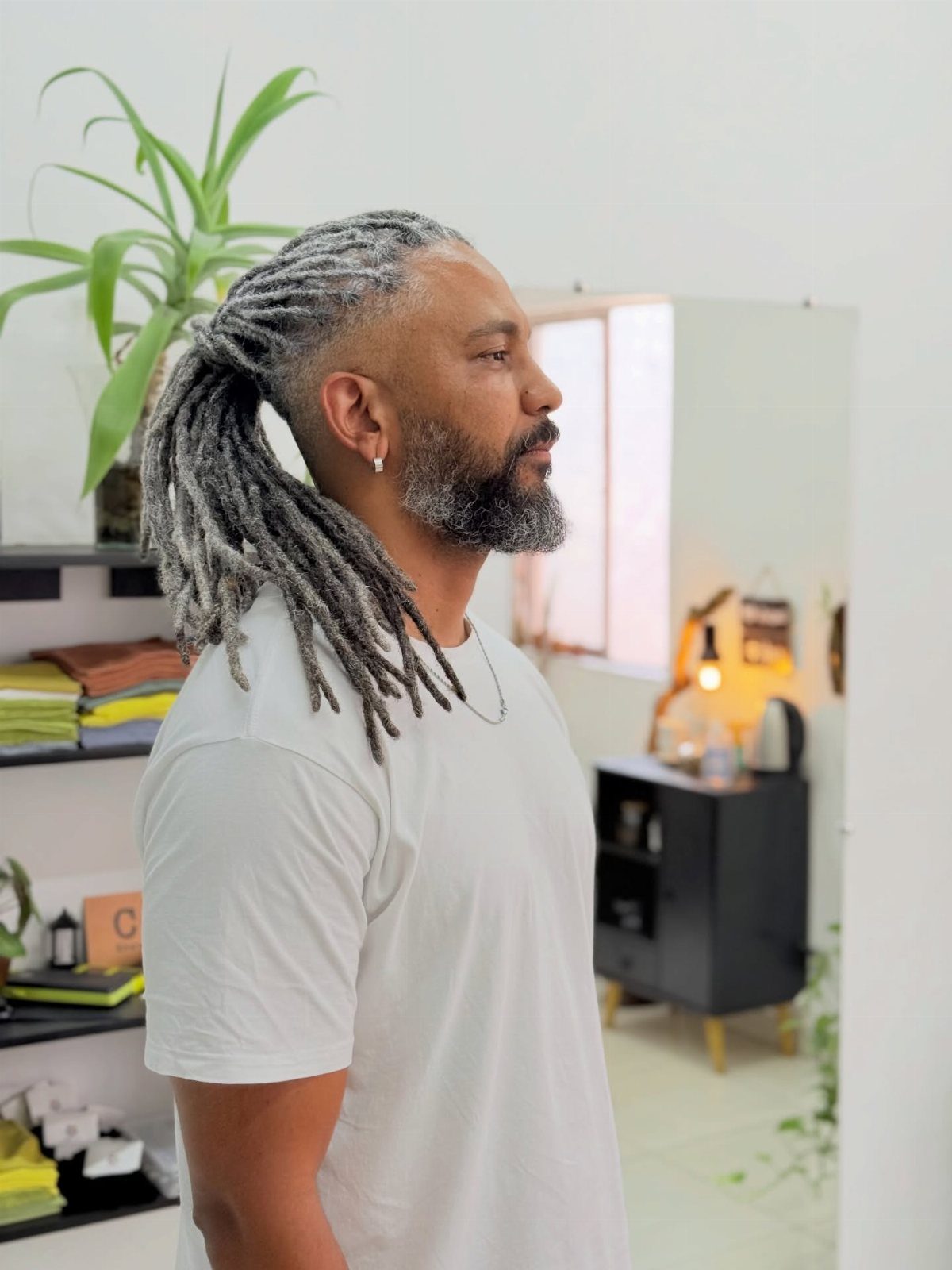
Locs on top with a taper fade on the sides and back. The fade starts high or low depending on preference, and the contrast between the textured locs and the clean skin or short hair gives sharp definition.
A high taper shows more scalp and makes the locs look taller.
A low taper keeps more hair on the sides and reads more subtle. Fades need touch-ups every 2 to 3 weeks to stay clean.
If your locs are long enough, tie them back to show off the fade fully. Shorter locs sit upright and the fade frames them without needing any styling.
12. Braided Dreadlocks
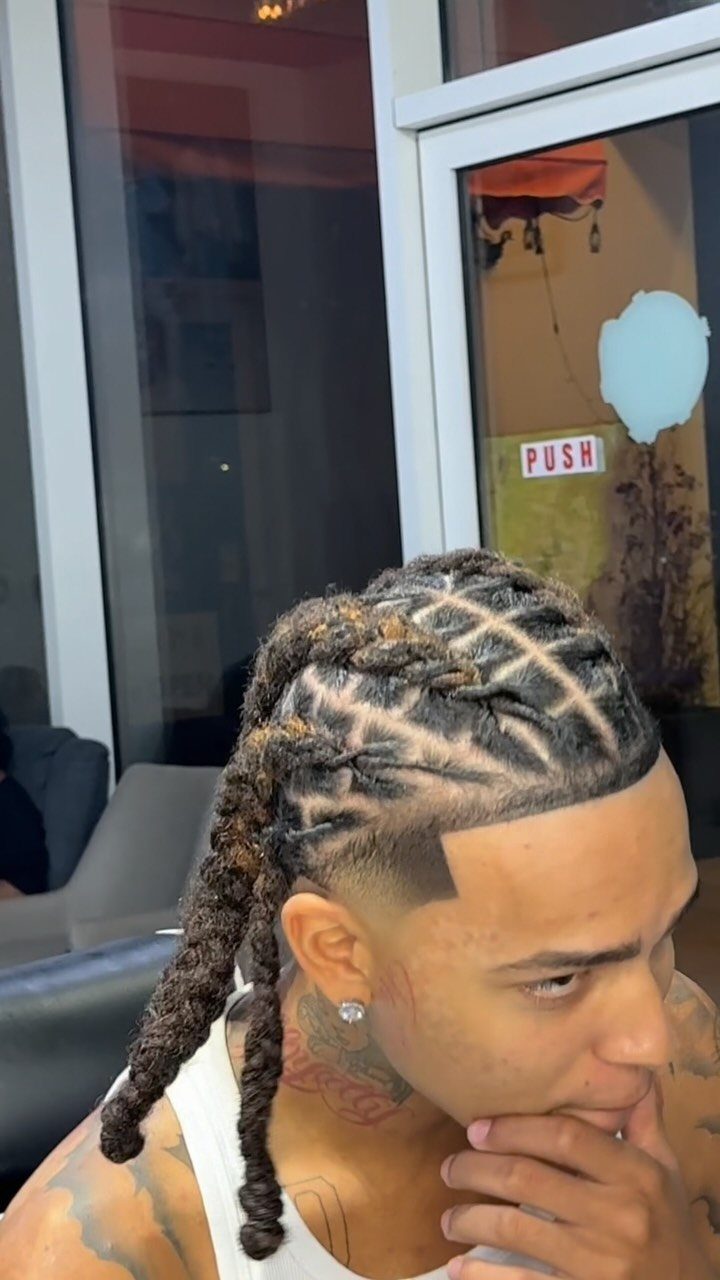
Locs braided together into thicker sections, either starting from the scalp in cornrow patterns or braiding mature locs into ropes after they have grown out. The braid tightens the look and adds structure.
Braiding from the scalp works with newer locs and holds them in place while they lock. Braiding mature locs together creates width and can be styled into updos or left hanging.
Depending on tension and activity, the braid holds anywhere from a few days to a full week. Redo it when the sections start to loosen or fuzz out at the roots.
13. Long Dreadlocks
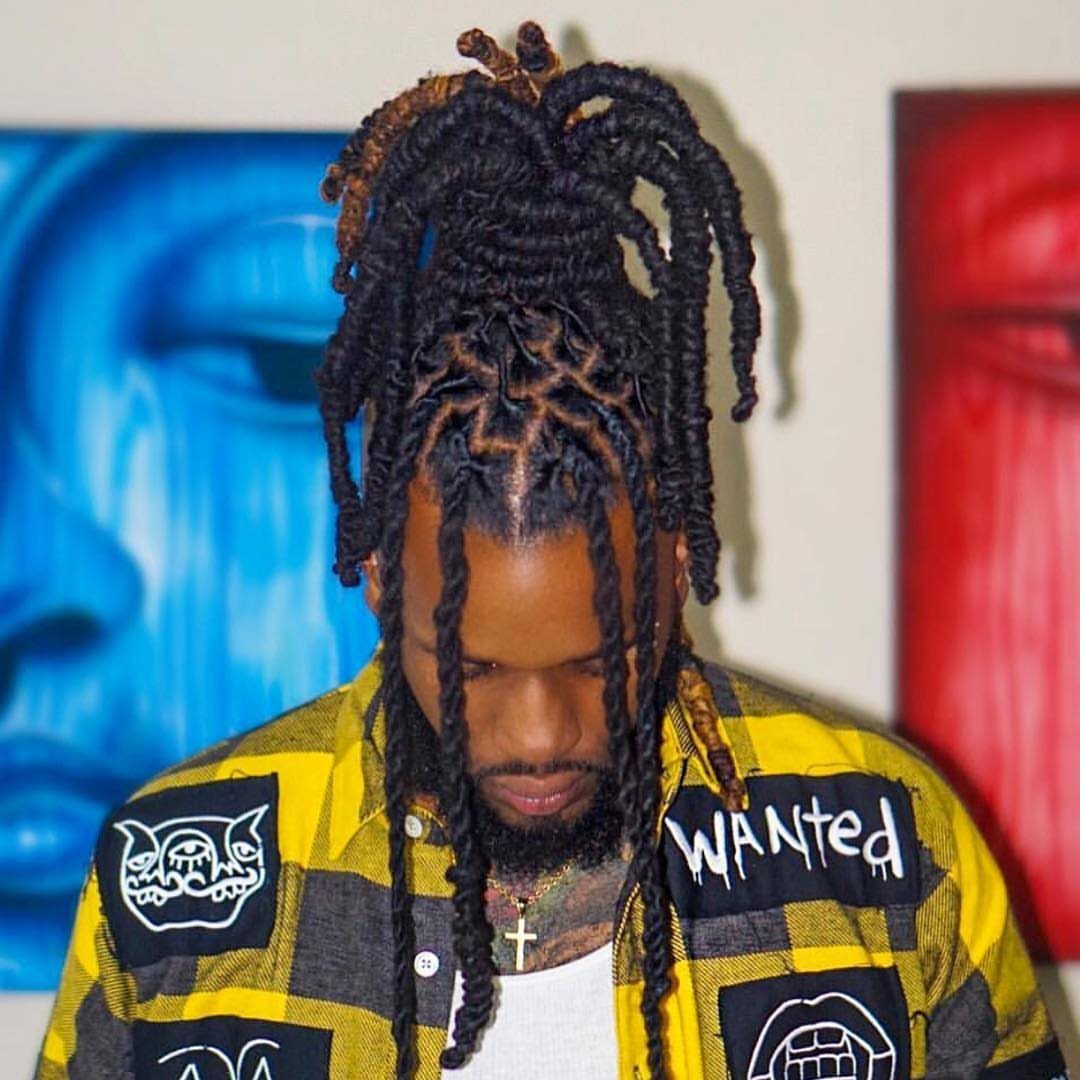
Locs that reach past the shoulders and continue growing, some extending to the waist or lower. Length is the defining feature, and the weight pulls the locs straighter as they hang.
Drying time stretches with length.
Air drying can take most of a day, and a blow dryer on low heat speeds it up without the wait. Washing becomes a longer process because the thickness holds water deep in the loc.
If your locs are long enough to sit on, tie them up or drape them forward before sitting down to avoid pulling at the roots.
Growing out your dreadlocks could take anywhere from 10 months to two years.
14. Criss-Cross Dreadlocks
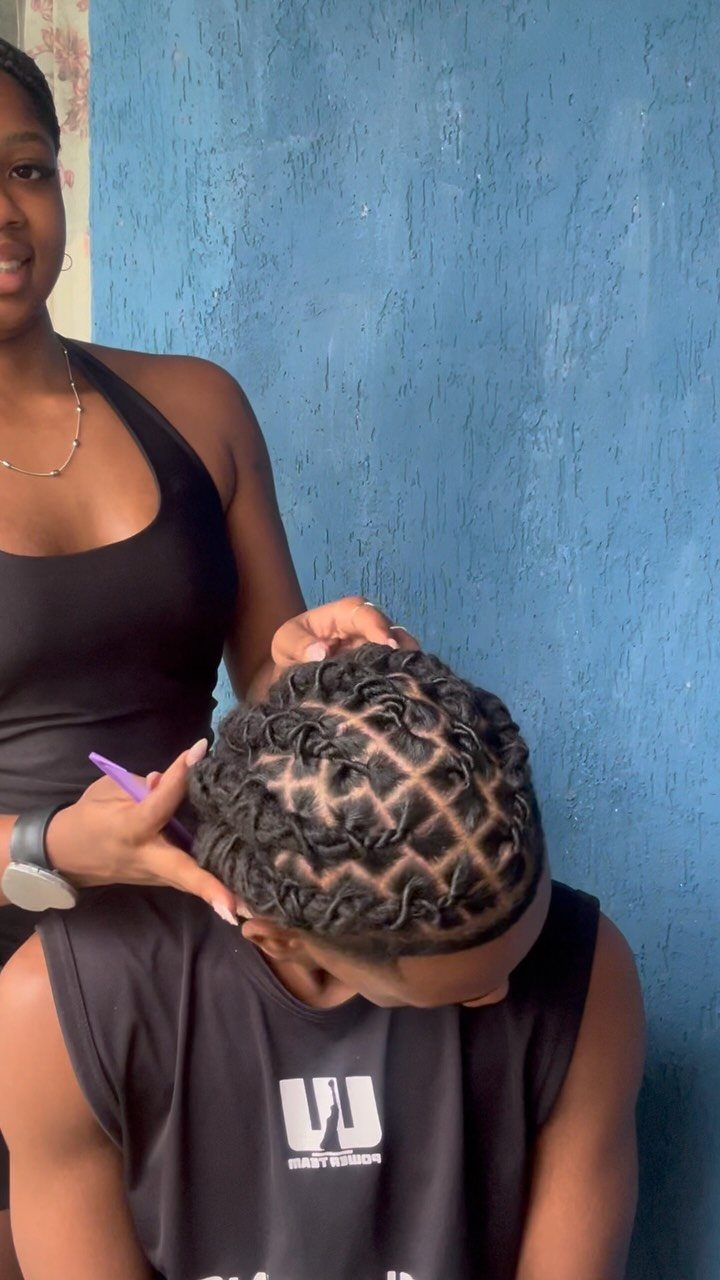
Locs are crossed over each other in an X pattern across the scalp, usually held with clips or bands while fresh.
The crossing can cover the whole head or sit as an accent section with the rest of the locs hanging loose.
This is a stylist job unless you have help. The pattern needs even tension across each cross to sit flat and hold, and it takes longer to set than a simple pullback.
The style lasts a few days before the crossings loosen or shift. A durag at night stops the criss-cross from loosening while you sleep.
15. Dreadlocked Rows
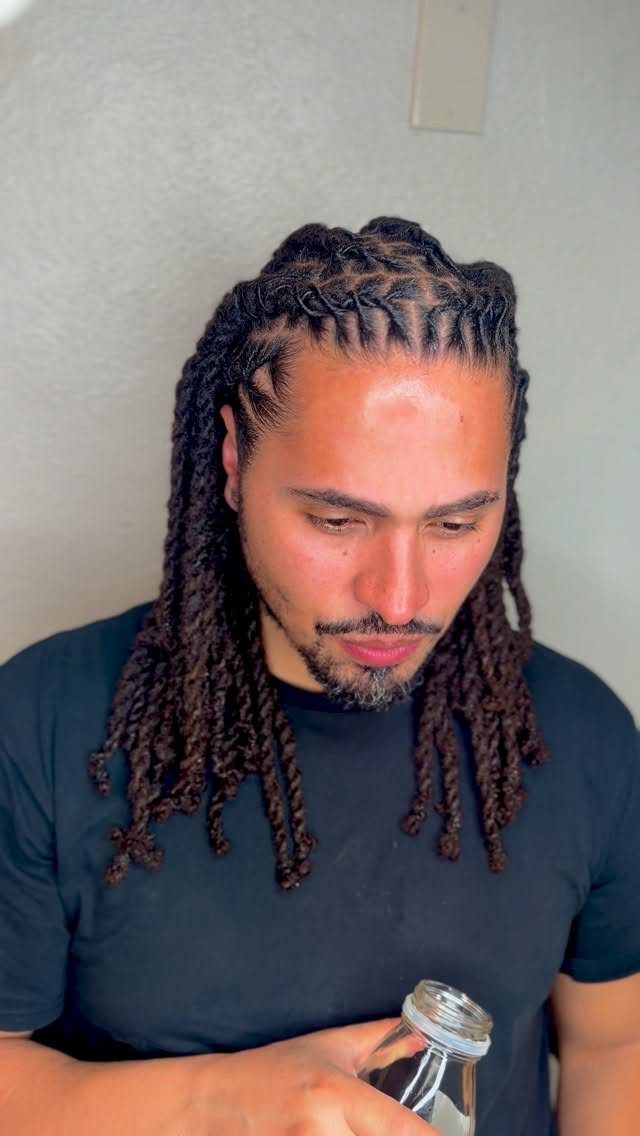
Locs braided or twisted into horizontal rows starting at the scalp, with the rest of the length hanging loose behind each row. The rows sit flat and the pattern shows cleanest on locs that have fully locked.
Rows give structure to locs that would otherwise hang loose, and they keep the front and sides out of your face without pulling everything into a bun or ponytail.
Redoing the rows takes time, so plan for a stylist visit or a few hours at home.
The rows hold for a week or longer depending on how tight they are set.
16. Mohawk with Dreadlocks
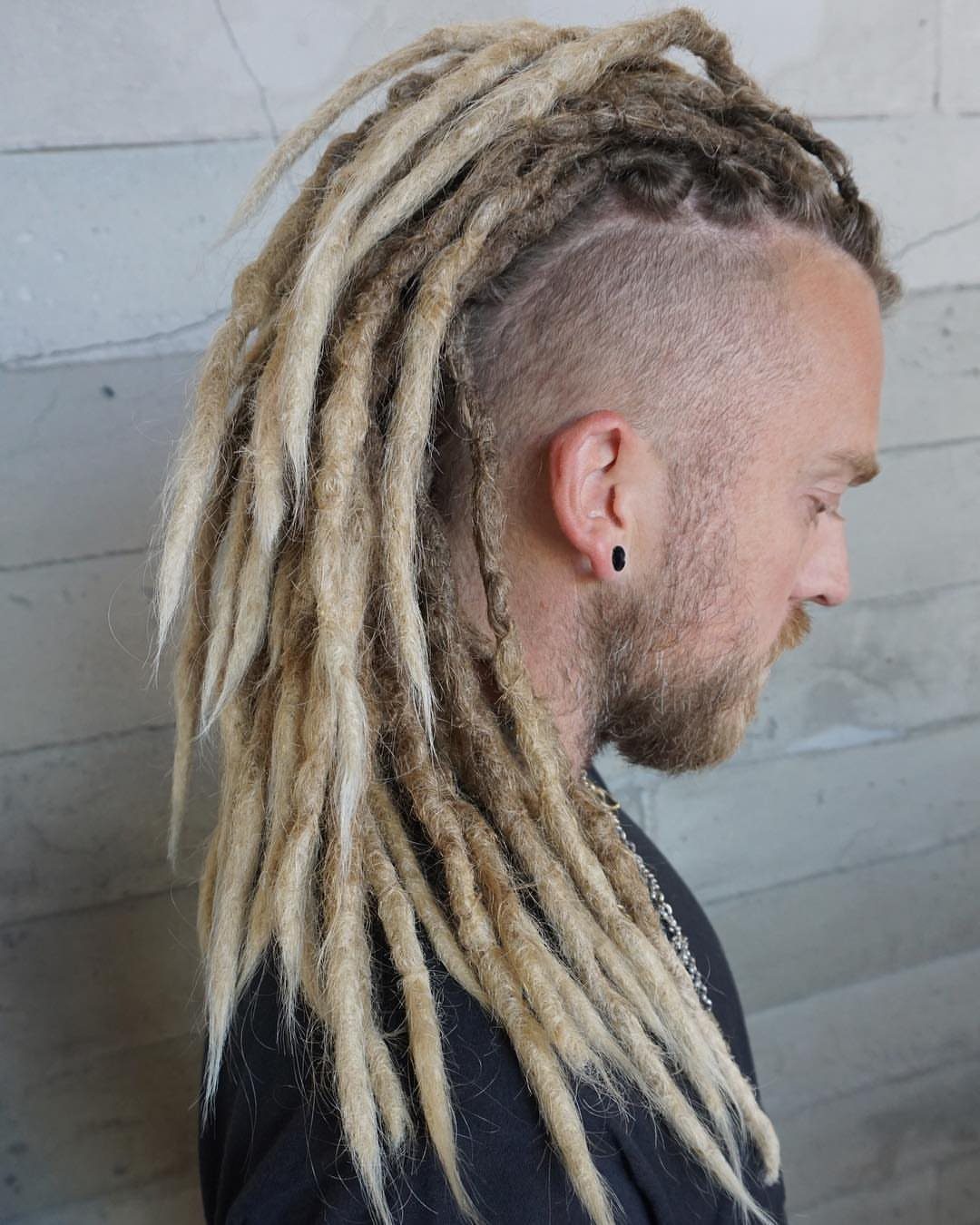
Locs grow or are styled in a strip down the center of the head, with the sides shaved or faded close. The contrast between the textured center and the clean sides makes the mohawk shape sharp.
Width and height depend on how much hair you leave in the center. A narrow strip reads more dramatic, a wider one holds more locs and gives more styling range.
The fade loses its sharpness as it grows, so expect regular touch-ups to keep the contrast clean. If your locs are long, the mohawk can be tied into a ponytail or bun that runs along the centerline.
17. Basket Weave Dreadlocks
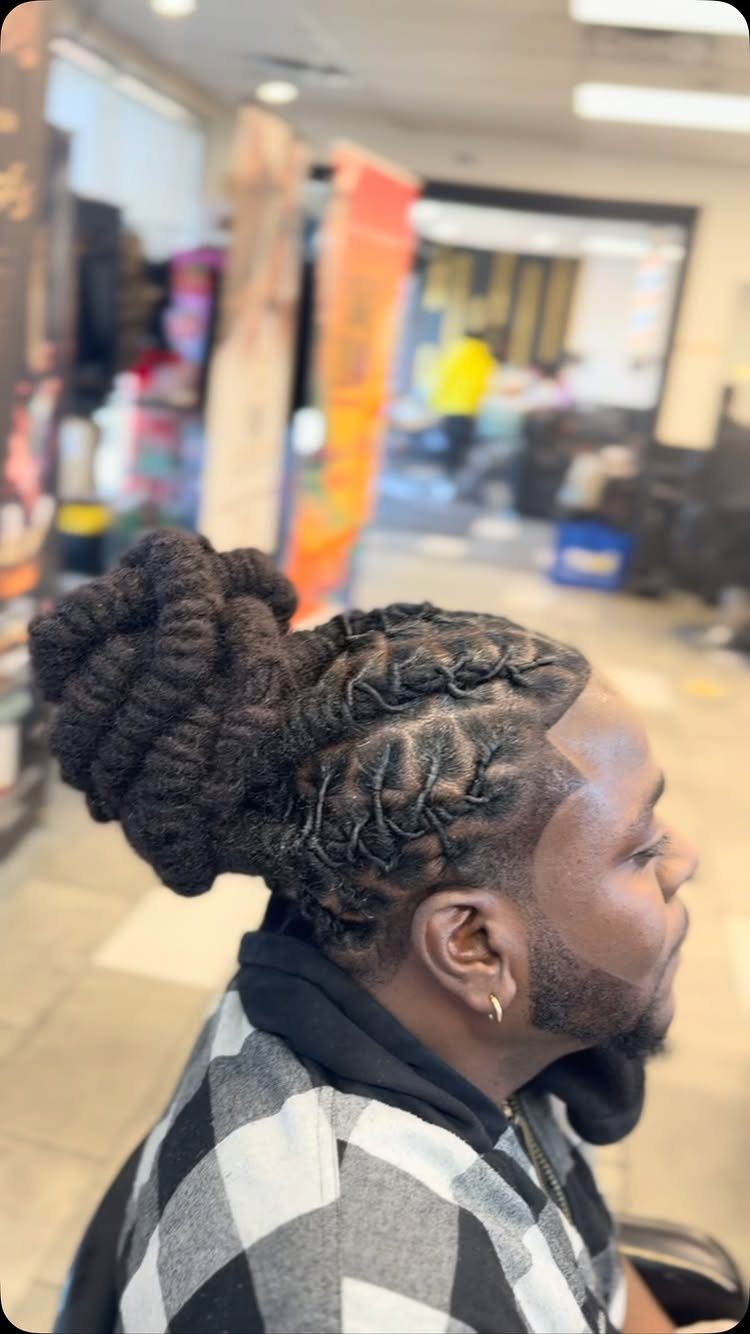
Locs are woven over and under each other to form a basket-weave texture across part or all of the head.
The weave sits flat and tight, and the pattern is usually done by a stylist because the over-under sequence needs even tension.
This is a special-occasion style, not something you redo weekly. The weave holds for a few days if you sleep carefully, but the locs will loosen and need to be reset or taken down.
Once the weave is removed, the locs return to their usual texture without damage.
18. Ombre Dreadlocks
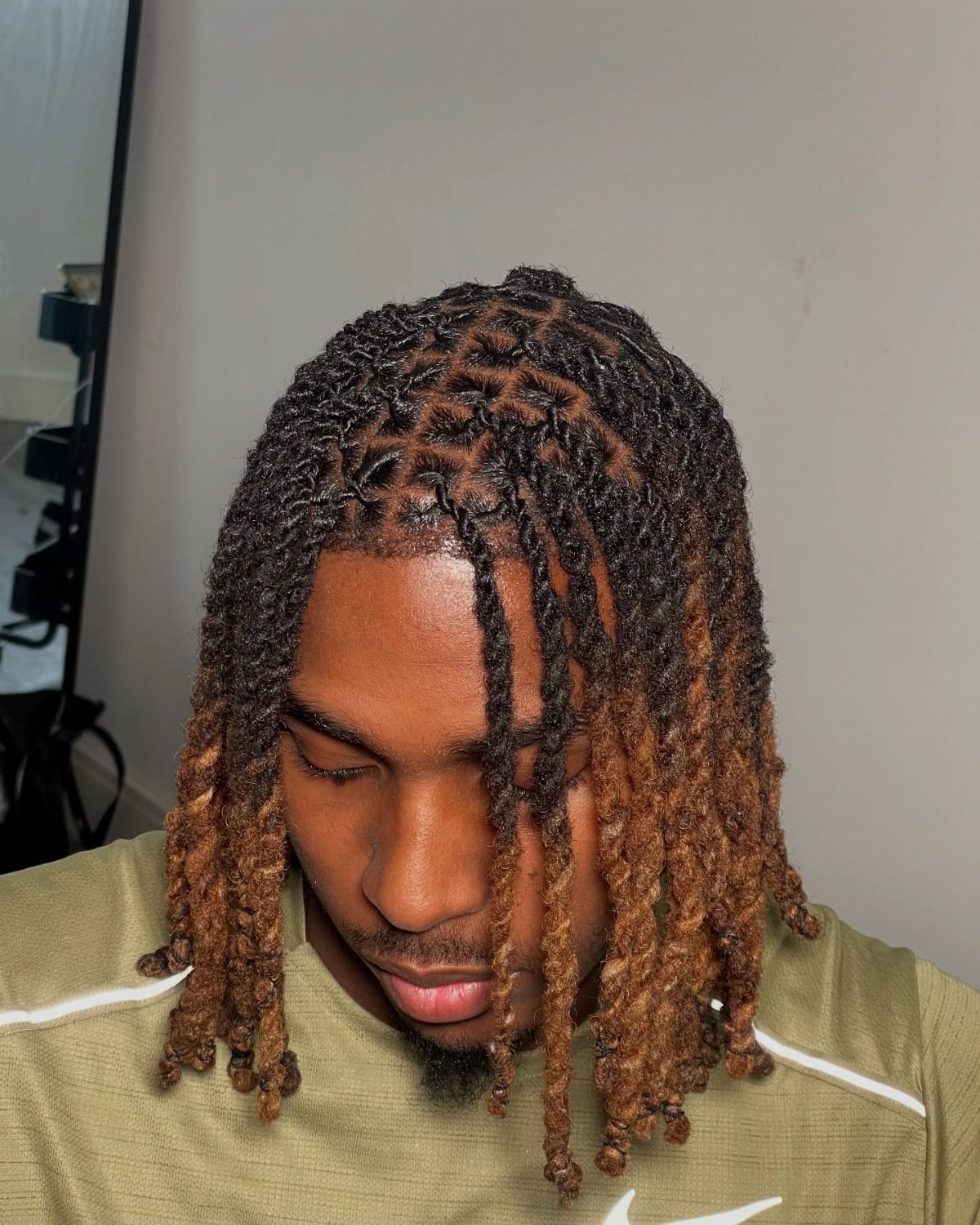
Color transitions from dark at the roots to lighter at the ends, creating a gradual fade along the length of each loc. The shift can go from black to brown, brown to blonde, or any other combination.
Bleaching or dyeing locs takes longer than loose hair because the color has to saturate the locked texture, and the dye needs to be worked into each section.
A stylist familiar with locs will know how to lift the color without over-processing.
How often you retouch the color comes down to your growth rate and how much darker root you’re willing to show. Some prefer the grown-out look with more root showing, others retouch every few months.
19. Chunky Dreadlocks
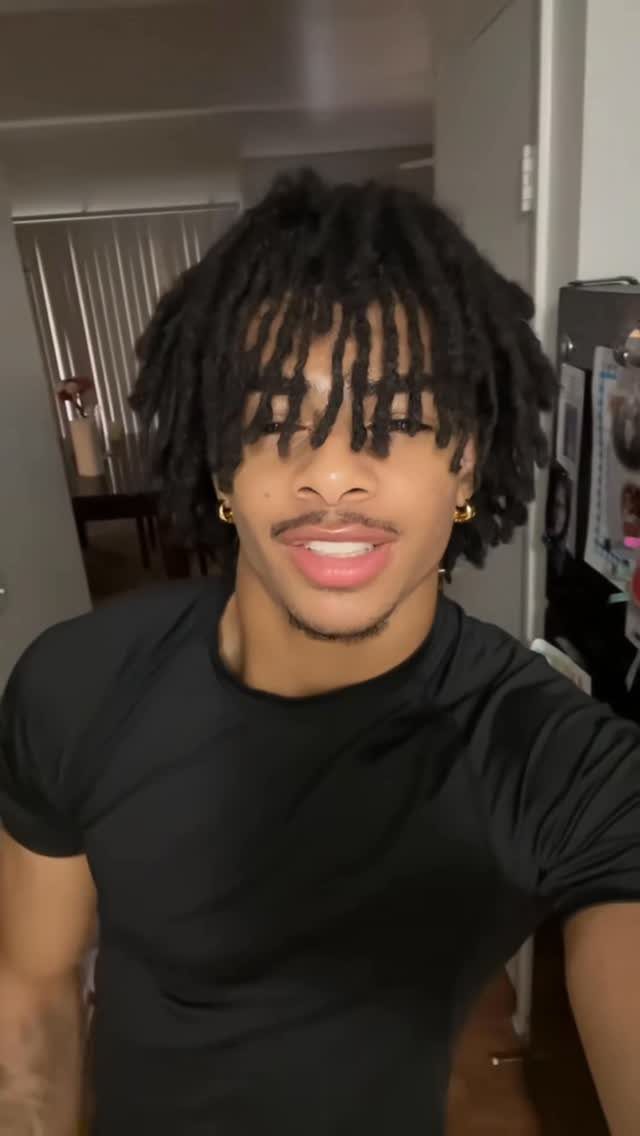
Locs that are thicker than standard, created by starting with larger sections or by combining neighboring locs as they mature. The thickness makes each loc stand out individually and reduces the total count on your head.
Chunky locs need less frequent retwisting than thinner ones because the bulk hides new growth better. The trade is styling range: thick locs are harder to braid tightly or weave into intricate patterns.
If you start with chunky sections, the locs lock faster because there is more hair in each one. Washing takes less time since you have fewer locs to work through.
20. High-Ponytail Dreadlocks
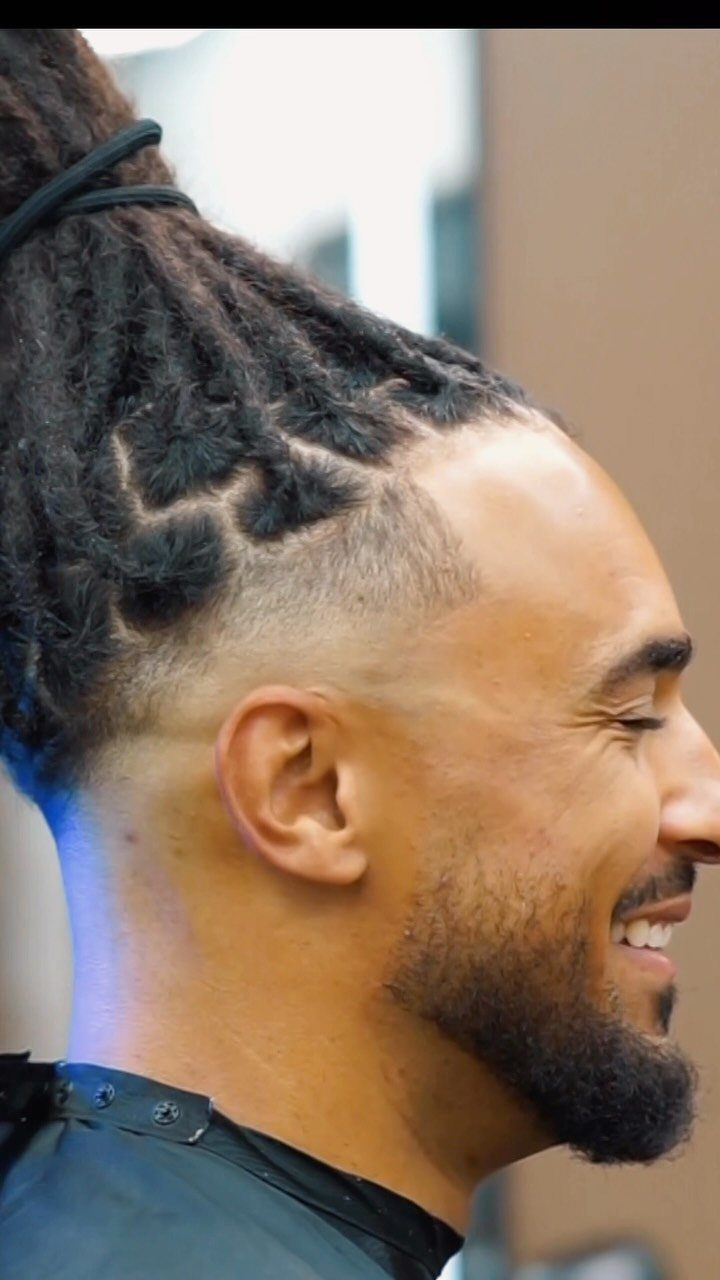
Pulls the locs straight up and back, sitting at or above the crown. The height shows off the length and keeps everything off your shoulders and neck.
A high ponytail tightens the whole look compared to a mid or low placement, and pairs well with a fade or undercut because the lifted locs leave the sides fully visible.
The higher you pull, the more tension sits at the hairline. If that bothers you after a full day, drop the ponytail lower next time.
21. Cornrows and Dreadlocks
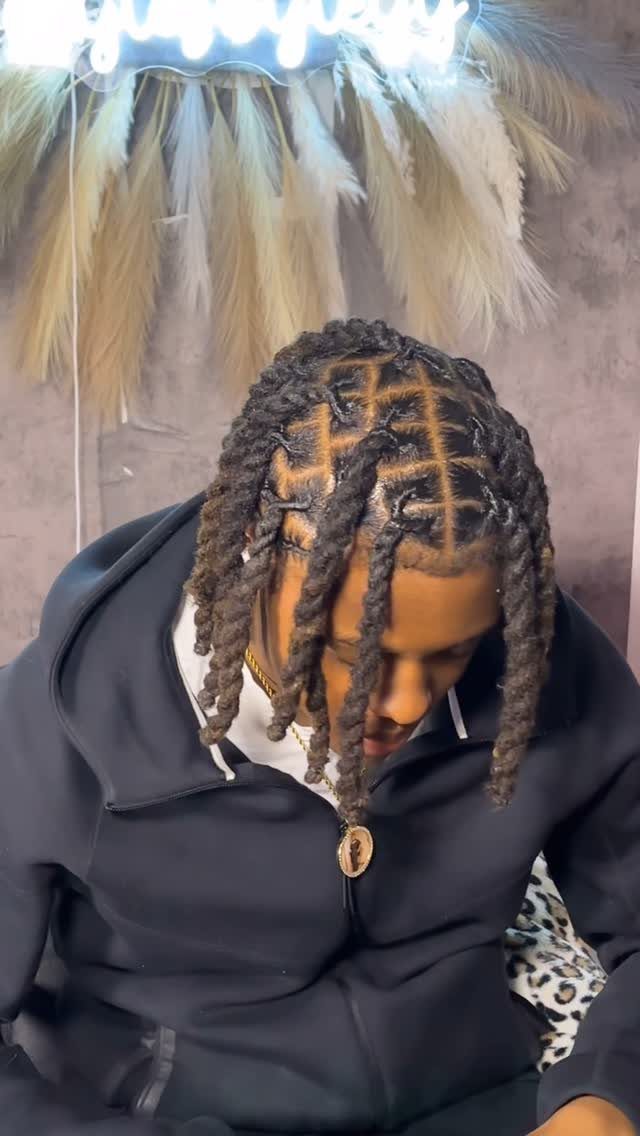
Cornrows braided into the scalp with locs extending from the ends of each row. The cornrows can cover part of the head or run the full length, and the locs hang loose once the braid finishes.
This works best with mature locs that have enough length to braid into the rows without unraveling. The cornrows hold the roots flat and structured while the locs add texture and movement below.
22. High Top Short Dreads
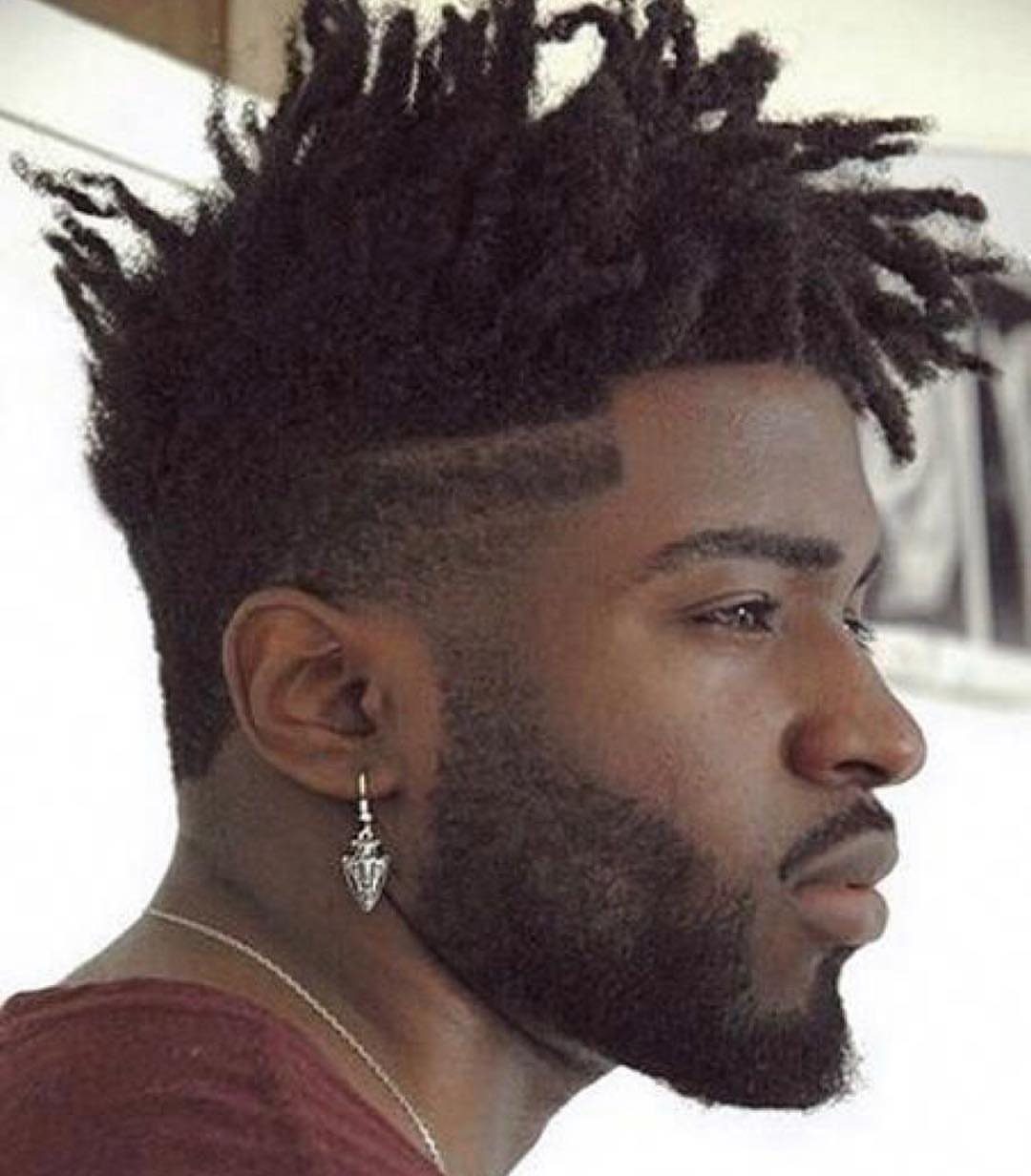
Short locs shaped into a high-top silhouette with faded or shaved sides. The locs sit upright in a flat or rounded block at the crown, and the fade brings the contrast.
A high top works with locs that have locked enough to hold their shape without flopping. The sides need regular touch-ups to keep the fade sharp and the high-top shape defined.
This style reads bold and gives height without needing long locs. If your locs are still budding, wait until they firm up before committing to the high-top shape.
23. Short Upright Dreadlocks
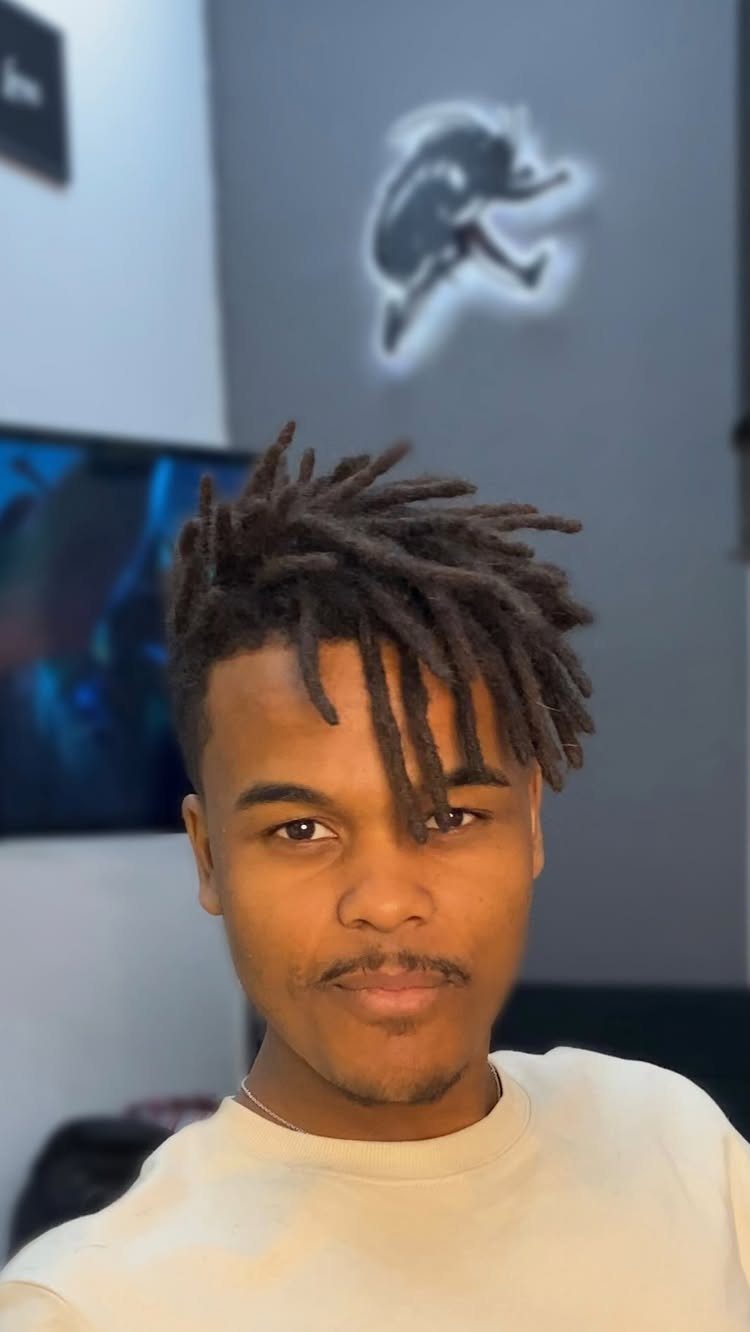
Locs that sit short and stand upright, angling forward over the forehead instead of lying flat or pulled back. The upright position gives texture and movement without needing length past a few inches.
This look works when the locs have locked enough to hold their angle but are still light enough to stand without drooping. A light styling cream or gel helps direct them forward and keeps flyaways down.
If your locs grow longer, the weight will pull them down and the upright angle softens. Trim the ends or let them fall naturally depending on what you want next.
24. Split-Color Dyed Dreadlocks
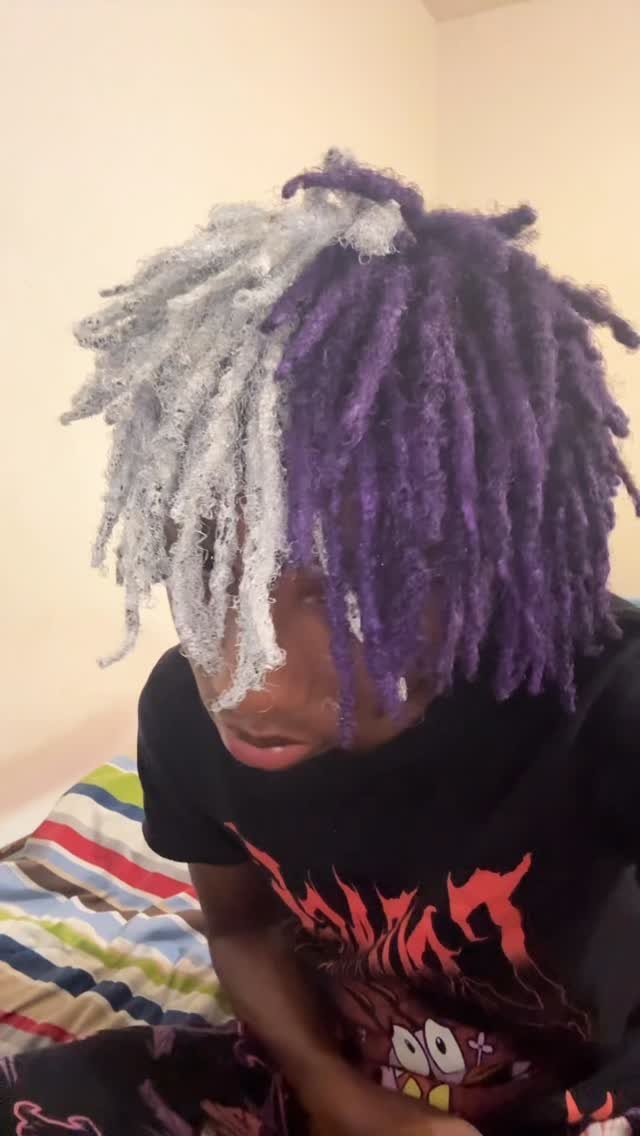
Locs dyed in two colors split down the center, with one half in one shade and the other half in a contrasting color.
The split runs vertically from front to back, and the divide stays visible whether the locs are worn loose or tied up.
A stylist familiar with locs will section each side and process the colors separately to keep the line clean.
The split-color effect stays bold as long as the dye holds. How often you retouch depends on your growth rate and how much root you want showing before you refresh the color.
25. Front-Falling Fringe Dreadlocks
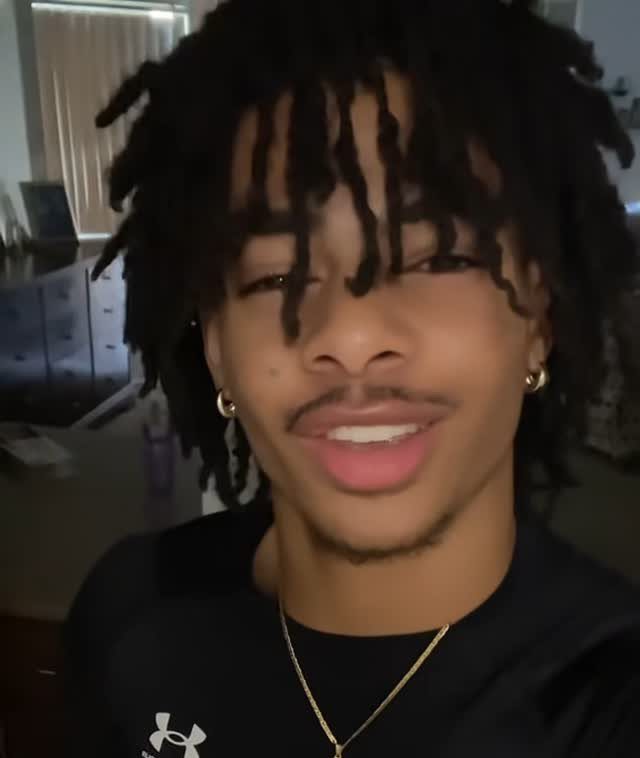
The fringe hangs straight down across the brow rather than swept aside or standing upright. The fringe sits loose and frames the face, softening the overall look.
This works when the locs have enough length to reach the forehead without being forced. Shorter locs may need a slight lean or push forward with styling product to hold the angle.
The fringe stays out of your eyes if the locs are thick enough to fall in sections rather than individual strands. If they start to obstruct your view, tie them back or pin the front sections to the sides.
26. Dreadlocks with Undercut
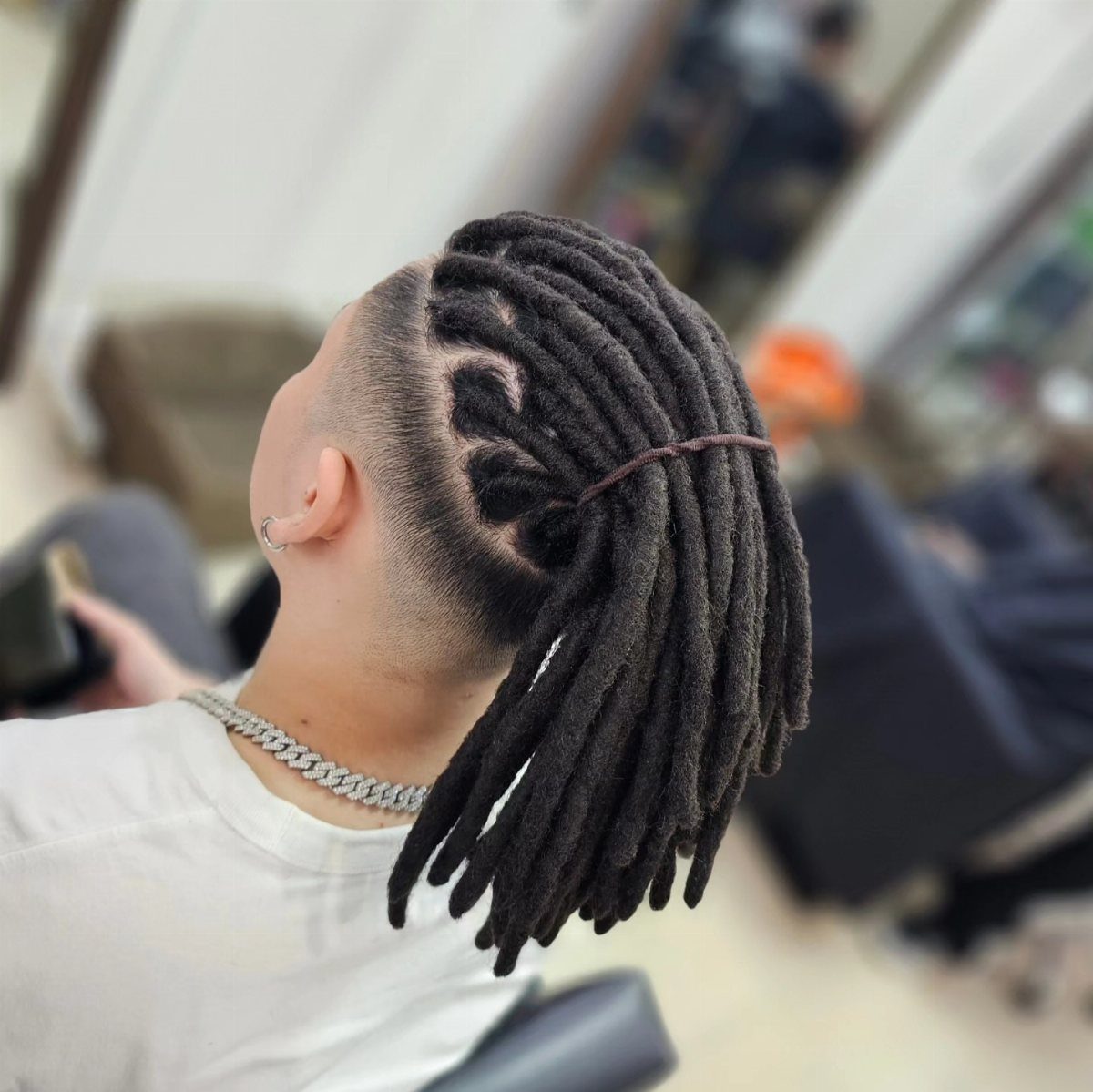
Locs on top with the sides and back shaved close, creating a hard line between the textured top and the clean undercut. The contrast reads sharp, and tying the locs back shows the undercut fully.
The undercut grows out faster than a fade and loses definition in about 3 weeks. Fresh clippers every few weeks hold the contrast sharp.
If you let the undercut grow, the locs will eventually blend into longer sides. Until then, the style holds a distinct split between the 2 lengths.
27. Blonde Dreadlocks
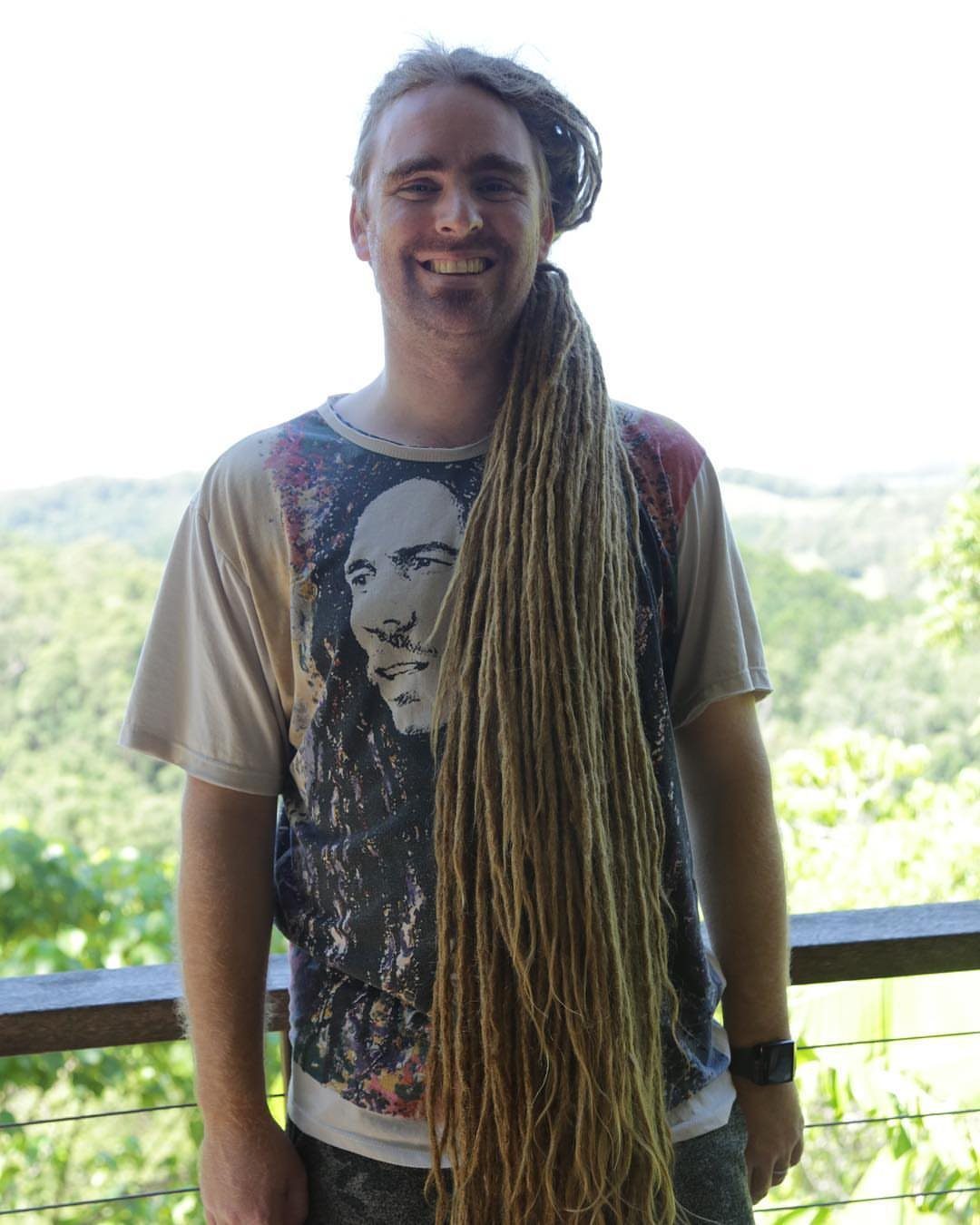
Locs bleached or dyed blonde, either from root to tip or with darker roots showing underneath. The blonde stands out against darker skin tones and adds contrast to the texture of the locs.
Bleaching locs takes multiple sessions to lift dark hair to blonde without damaging the locked structure. Someone who knows locs can meter the bleach and treat between rounds.
Blonde fades to brassy tones over time, so expect to tone or refresh the color every few months. Purple shampoo helps neutralize the yellow between dye jobs.
28. Afro High Top with Dreads
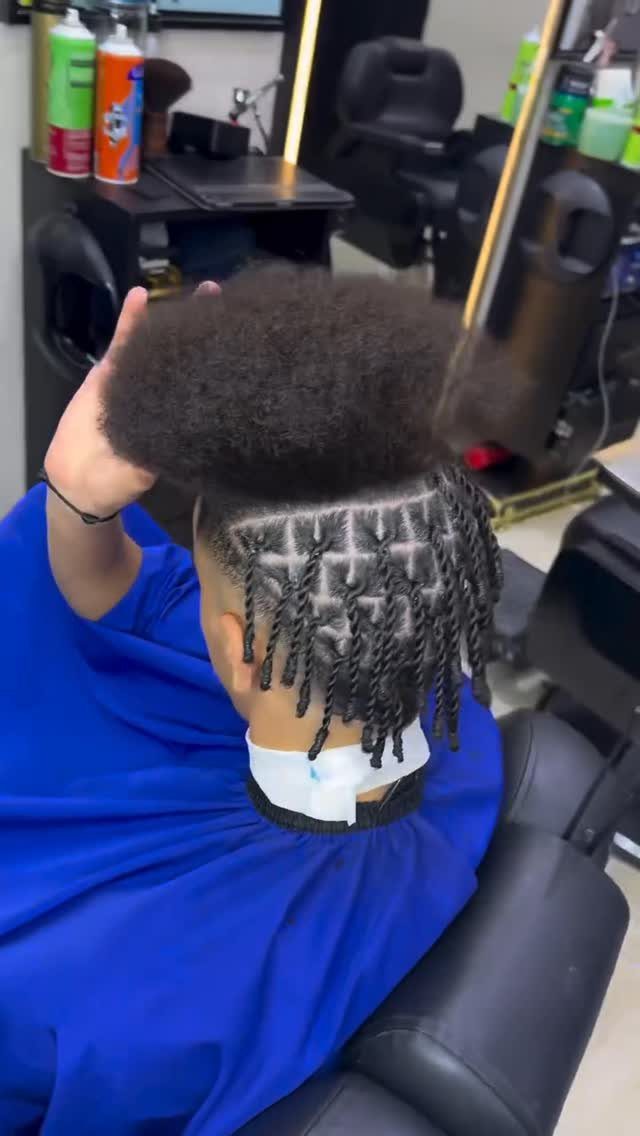
A high-top afro sits at the crown while short locs cover the sides and back. The afro adds height and volume at the top, and the locs below give texture without competing for space.
This style needs 2 different textures managed separately. The afro section is picked out or shaped to hold its height, while the locs are retwisted or maintained as usual.
The high-top shape flattens as it grows, so regular trimming or reshaping keeps the silhouette defined. If the afro section grows too long, it will start to loc and lose the contrast.
29. Curly Dreadlocks
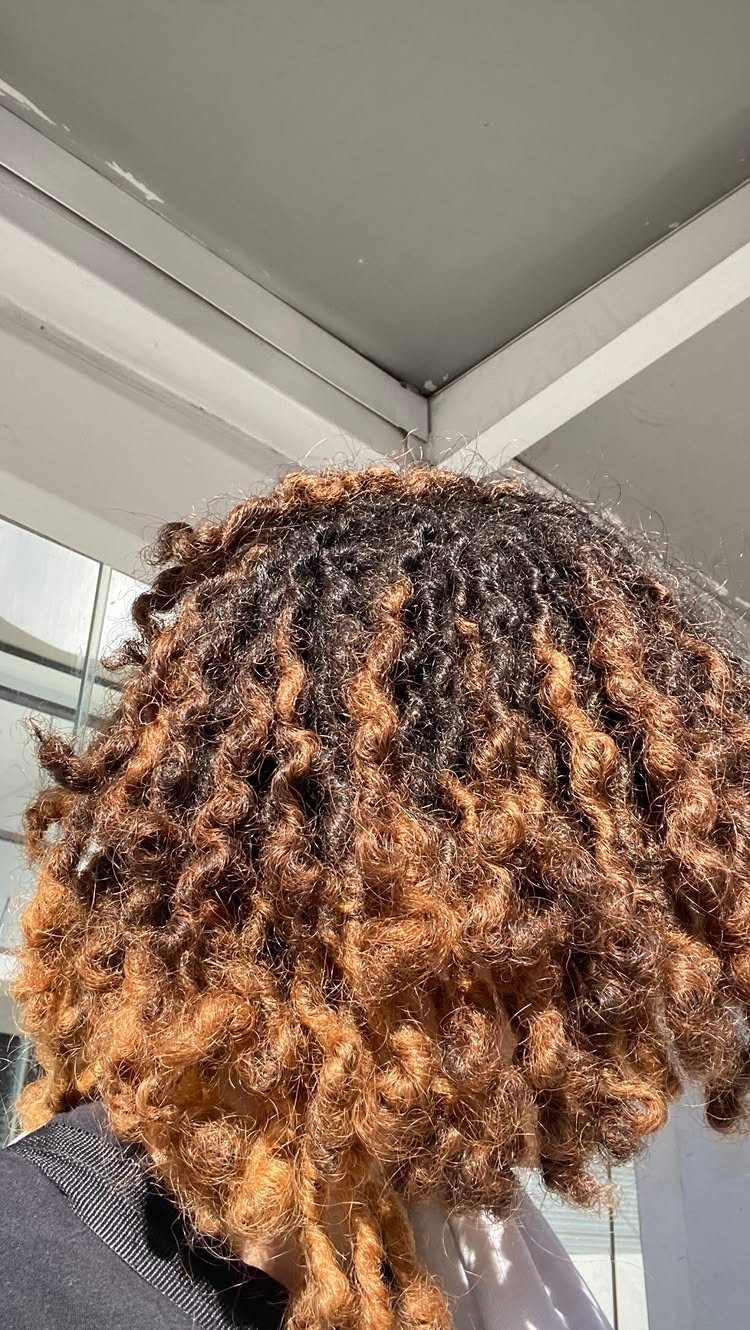
Locs that retain a curly texture along their length instead of locking into smooth cylinders. The curls add width and a softer look, and the locs spiral rather than hang straight.
Curly locs form naturally when hair with tight curl patterns is allowed to loc without being twisted or palmrolled into uniform shapes. The curl pattern stays visible as the loc matures.
Shrinkage is more noticeable with curly locs, so what reaches mid-back when stretched may sit at shoulder length when dry. Washing can tighten the curls further until the locs dry fully.
30. Geometric Parted Dreads
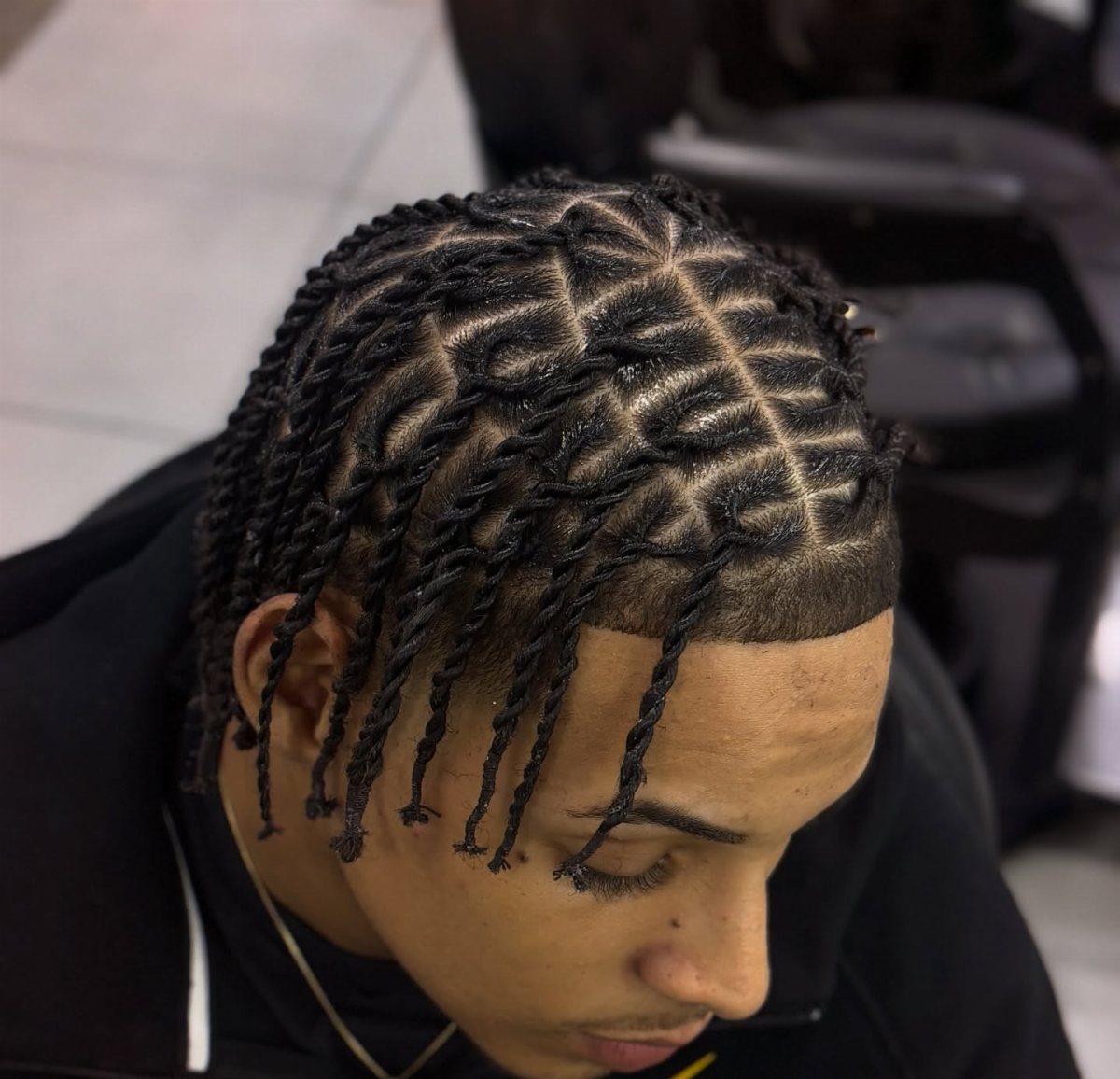
Locs separated by straight lines carved into the scalp, forming grids, diamonds, or other sharp patterns. The partings show the scalp in clean shapes, and the locs sit in defined sections.
A barber or stylist uses clippers or a razor to create the partings, and the lines need to be recut every few weeks as hair grows back and blurs the edges.
The pattern holds longest on shorter locs because the weight does not pull at the roots. Longer locs can shift the partings over time, so tighter patterns work better with medium or short lengths.
31. Half-Up Dreadlocks
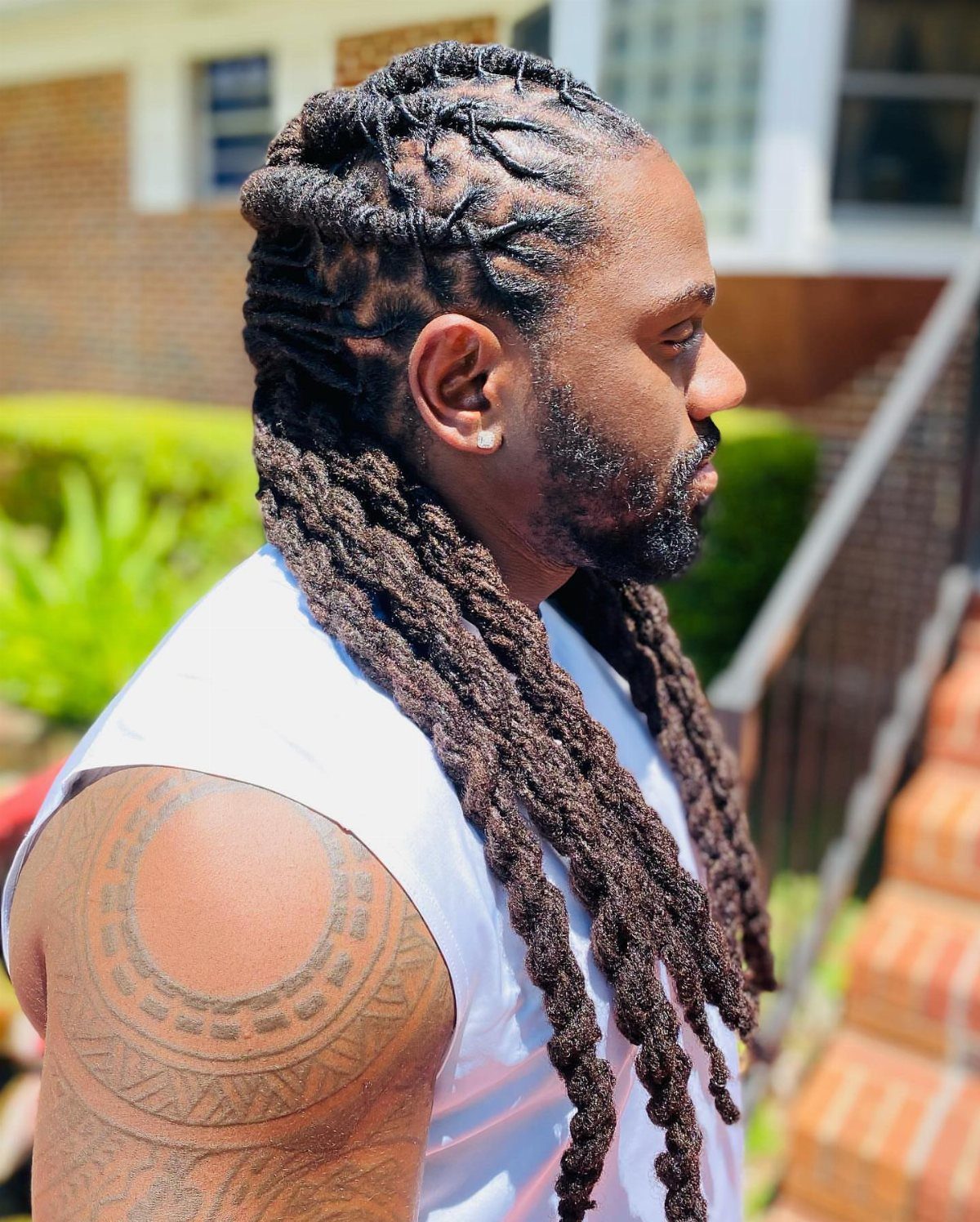
The top half is gathered and secured at the back or crown while the rest falls loose.
This splits the difference between wearing everything down and pulling it all back, and it keeps locs off your face without losing the length behind you.
The gathered section can sit at the crown, mid-head, or lower depending on how much you want lifted. A hair tie or elastic band holds the bundle, and the loose locs below still move freely.
If your locs are long enough, the half-up portion can be twisted or knotted instead of simply tied.
Frequently Asked Questions
Can a white guy have dreadlocks?
Yes, though locs carry deep roots in African, Rastafarian, and Hindu traditions where they hold spiritual and cultural meaning.
Wearing them outside those contexts means understanding that history rather than treating them as purely aesthetic. The technique works on most hair types, but coarser textures lock faster and hold better than fine straight hair.
Which is better, locs or dreads?
They are the same thing.
"Locs" is the preferred term for many people because "dread" historically carried negative connotations, though "dreadlocks" remains widely used. The method and the hair stay the same no matter which term you use.
Can you undo dreadlocks?
Mature locs can be combed out, but it takes hours of patient work with conditioner and a fine-toothed comb to separate the locked hair without cutting it.
The longer and tighter the locs, the harder the process becomes. Many people who want to remove locs end up cutting them short instead.
How to style dreadlocks?
Tie them into a ponytail or man bun to keep them off your neck, twist sections together for added width and texture, or leave them down to hang naturally.
Locs long enough to reach your shoulders can be pulled into half-up styles, and fully locked locs hold braids and rope twists for several days. Leave shorter locs loose or shape them into a high-top fade.
How long does it take to get dreadlocks?
Locs can be started in a single session using twists, braids, or backcombing, but full maturity takes 10 months to 2 years depending on your hair texture and how tightly the sections lock.
Coarser hair locks faster, and freeform locs take longer to tighten than structured methods. Extensions give you the look immediately and last up to 3 years.
What is the best style of dreadlocks for men?
Short tapered locs suit professional settings and need less daily care, medium locs offer styling range without the weight, and long freeform locs make a bold statement if you have the patience to grow them.
Face shape and how much retwisting you are willing to do matter more than following a trend.
Do dreadlocks require special products?
Use residue-free shampoos that rinse clean without leaving buildup inside the locs, and stick to lightweight oils like jojoba or argan to moisturize the scalp without coating the hair.
Avoid wax entirely, since it traps dirt and never fully washes out once the hair locks.
Can I get dreadlocks if I have short hair now?
Yes, locs can start on hair as short as 2 to 3 inches using twists or braids.
Short locs lock faster than long ones because there is less length to tighten, and styles like tapered fades or high-tops work well while the locs mature.
If your hair is shorter than that, let it grow a bit before starting.