1C hair holds enough body to show natural bends at the ends without forming actual waves, which places it at the edge of straight and makes it harder to identify than types with clearer patterns.
The coarse strands lift at the cuticle more easily than fine hair does, so frizz appears even when the texture itself is straight.
Washing every other day keeps oil from flattening the roots without stripping the scalp, and air-drying with light foam gives shape that lasts past noon.
1. What 1C Hair Means
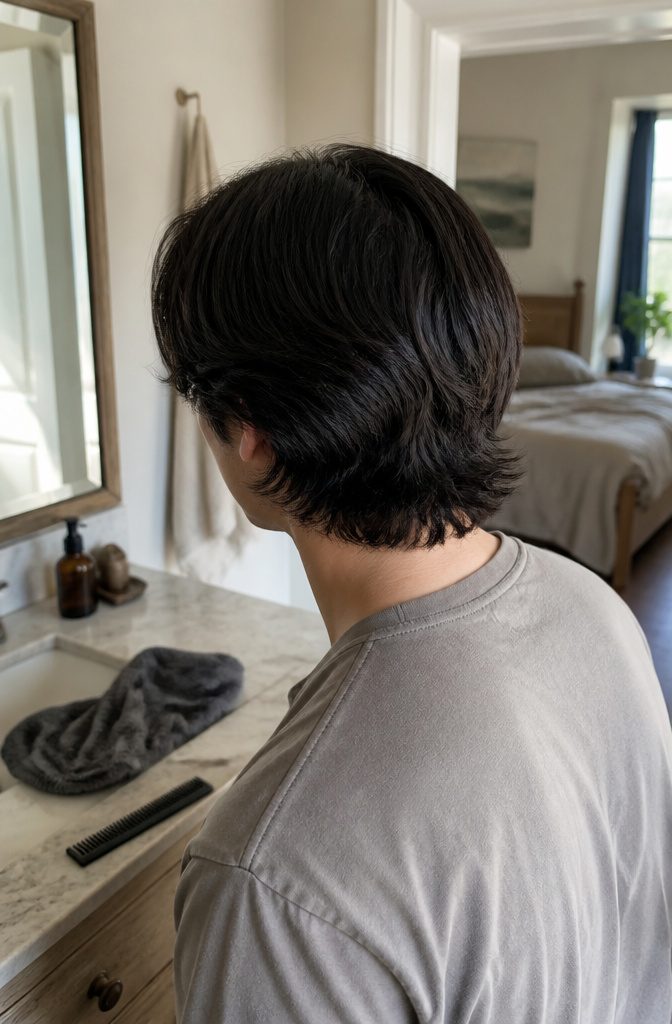
1C hair sits at the edge of straight, thick enough to hold body and coarse enough to bend slightly at the mid-lengths or ends without forming the defined S-waves you see in 2A hair.
The Andre Walker system places it at the far end of type 1, just before wavy types begin.
Where 1B lies flatter and 1A has almost no volume at all, 1C has definite movement and enough strand weight that the ends flip, twist, or arc on their own.
The confusion around "slightly wavy" trips people up.
The bends come from coarseness and how the strands sit together, not from a curved follicle, which keeps it classified as straight. You’ll notice more bulk than fine straight textures and a slightly rough feel that adds grip.
Different zones behave differently: the crown may lie flatter, the nape may kick out, and the sides may show more bend than the top. That irregular movement is part of the pattern, not a mistake to fix.
2. How to Tell If You Have 1C Hair
How to Tell If You Have 1C Hair
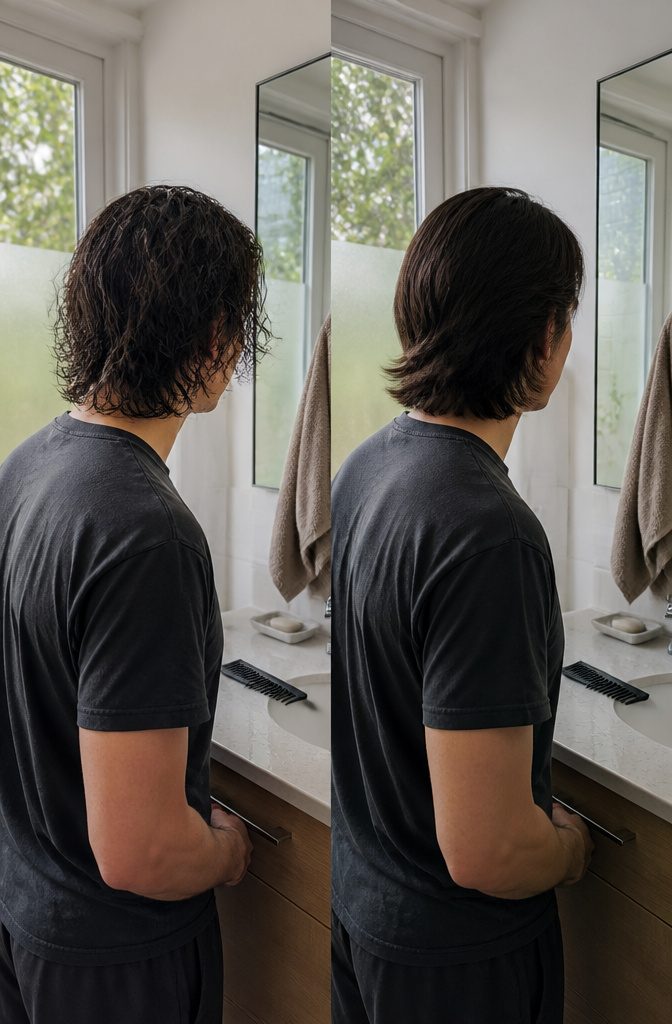
The identification markers sit at the boundary between straight and wavy: mostly straight with natural bends or slight movement, usually showing up at the mid-lengths or ends rather than at the root.
It has more body than 1B hair, which lies flatter, but stops short of the defined S-waves that mark 2A. If your hair air-dries with texture that looks tousled rather than forming actual waves, you’re likely working with 1C.
The confusion comes from the phrase "slightly wavy." The bends in 1C come from strand weight and coarseness, not from a curved follicle, which keeps it classified as straight.
The type label alone does not establish traits like density or frizz-proneness. Map what you actually have before choosing a cut or forcing every section into the same finish.
3. Why 1C Gets Frizzy Even When It’s Straight
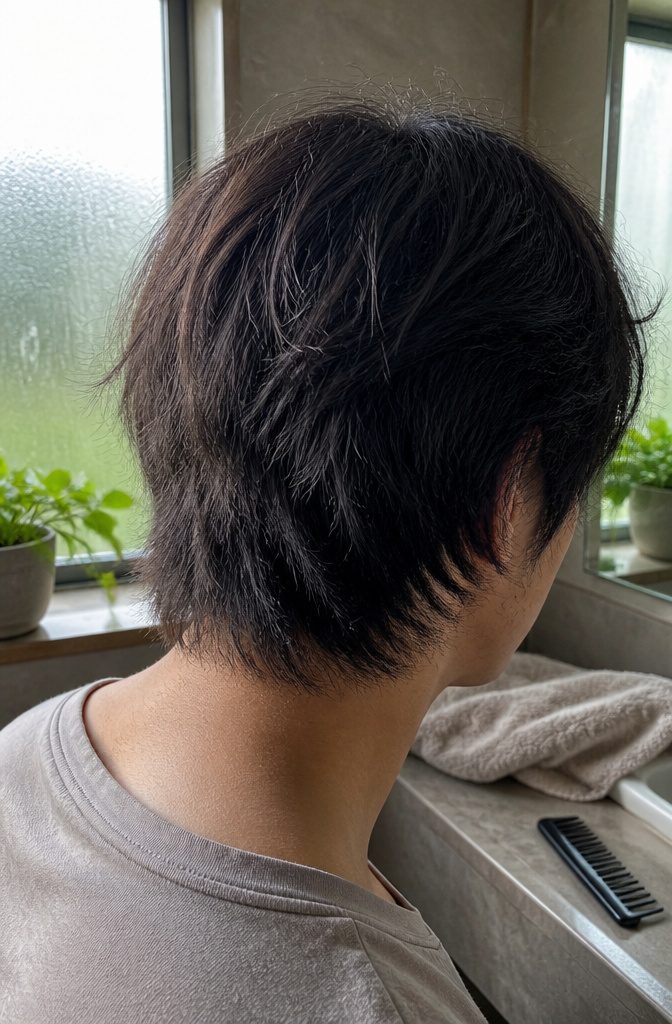
The oil your scalp produces travels down fine hair fairly easily, but 1C strands are thick enough that the cuticle lifts more readily, and that lifted surface lets moisture in unevenly.
Sebum sits at the roots, weighing them flat, while the ends stay dry. Humidity finds its way into those raised cuticle layers and causes frizz even though the hair itself is straight.
Because the strands are thicker, the cuticle can lift more easily, creating flyaways if moisture balance isn’t maintained.
— Laifen
Frizz here is structural, not damage.
The coarse texture that helps 1C hold a style also makes it prone to tangles, knots, and poofiness from mid-length down. Oil distribution works against you twice: flat at the scalp, dry and unruly everywhere else.
4. How Often to Wash 1C Hair
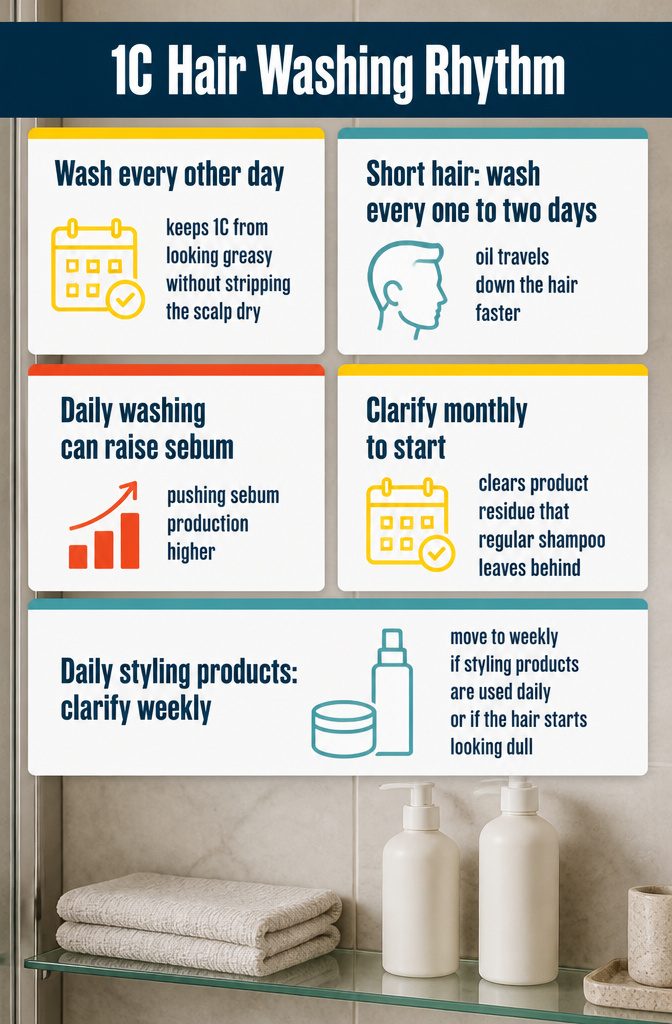
Every other day keeps 1C from looking greasy without stripping the scalp dry.
Daily washing pushes sebum production higher, so spacing washes two to three days apart gives the scalp time to regulate without letting oil build up at the roots.
Men wearing 1C shorter than a few inches see oil travel down the hair faster, which means washing every one to two days often works better than stretching it longer.
The ends get coated sooner, and what looks fresh on day one can look flat by day three.
Clarifying shampoo once a week or once a month clears product residue that regular shampoo leaves behind.
I’d start monthly and move to weekly only if styling products are used daily or if the hair starts looking dull between clarifying rounds.
5. Choosing Products That Won’t Flatten or Grease It
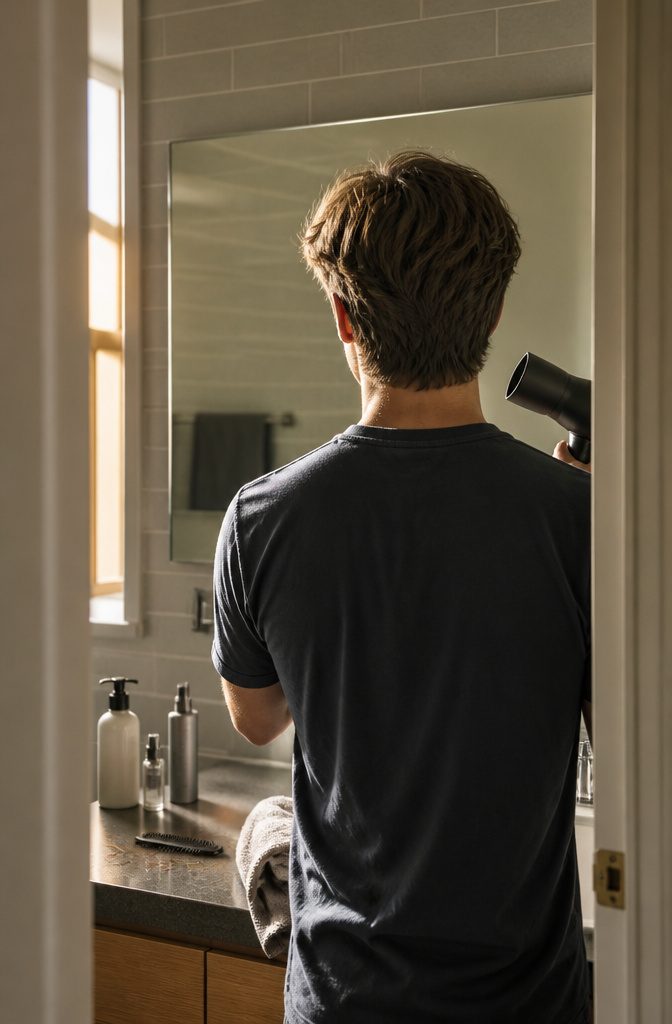
Stay away from oils and heavy mousses if you want to keep volume up front.
I use lightweight leave-in conditioners with glycerin or panthenol on the ends, not the roots, to control frizz without flattening the first inch where 1C hair actually has some lift.
It’s a 10 Miracle Leave-In Lite and Briogeo Farewell Frizz Leave-In Conditioner both do that without the weight that kills root volume.
Silicone-based serums split opinion, but for 1C hair they help smooth raised cuticles without the grease that comes from oil-based formulas.
I reach for those when I’m heat styling and need slip. For thermal protection, Kenra Thermal Styling Spray or CHI 44 Iron Guard keep the strand intact under a blow dryer or flat iron.
Washing every one to two days prevents the sebum buildup that flattens roots faster on shorter men’s cuts.
Heavy creams and too much product at the scalp create the cycle: buildup flattens roots, you add more product to fix frizz, and it collapses further.
6. Drying and Styling Without Adding Frizz
Air-drying 1C gives you that tousled, textured finish without lifting a tool, and the coarser strand structure means you can get away with it more mornings than finer types can.
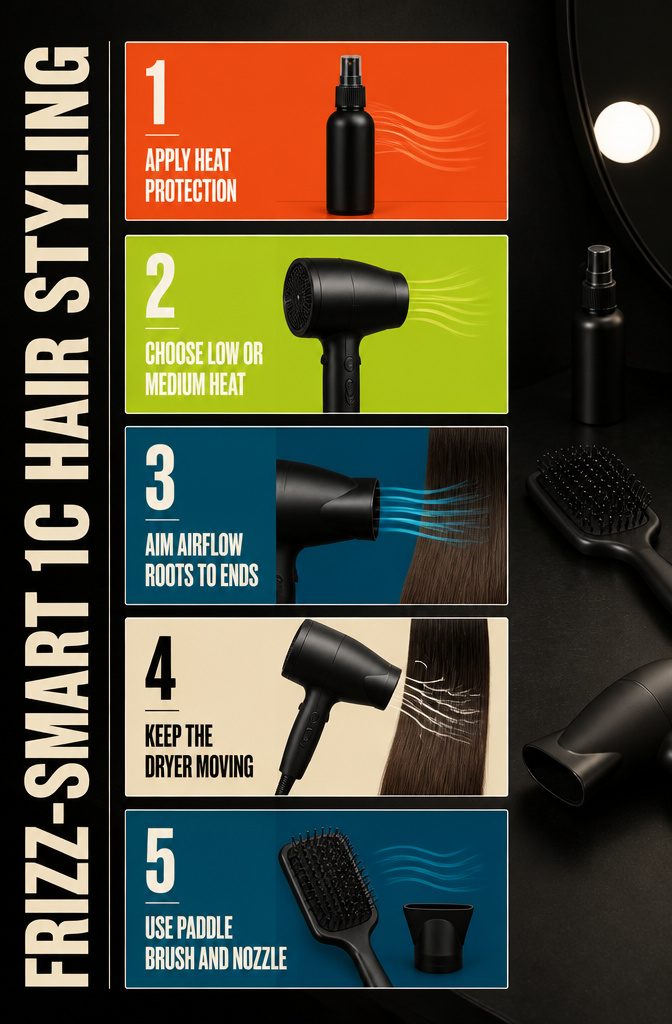
If you want sleek or lifted roots, expect 35–50 minutes for a full blowout with a paddle brush and concentrator nozzle.
Direct the airflow from roots toward ends and keep the dryer moving; park it in one spot and you invite frizz.
I keep heat on low or medium. The Laifen Swift ionic dryer cuts time without cranking temperature, and 1C hair already runs dry enough that high heat makes things worse, not faster.
Always layer in heat protection before you turn anything on. The coarse texture holds curls better than finer straight hair when you use the right products, but strand weight still pulls waves loose faster than on wavy types.
A heat-friendly formula with thermal protection keeps shine intact and styles lasting past lunch.
7. Cuts and Styles That Work With the Natural Movement
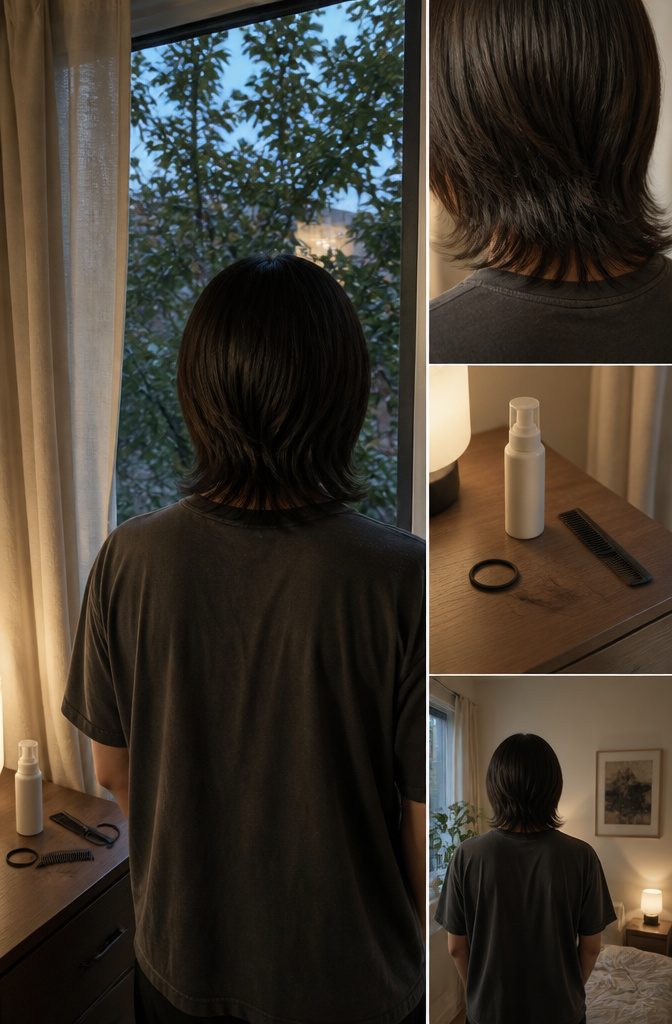
Cuts and Styles That Work With the Natural Movement
The strand weight and slight bend in 1C hair respond better to some cuts than others.
- Long layers add movement without fighting the natural straightness. They keep the hair from sitting flat or heavy, and invisible layers work particularly well if you’re dealing with bulk. Short layers tend to lie flat instead of adding lift.
- Voluminous ponytails play to the body 1C already has. Smoothing the hair back hides flyaways, or you can leave them if the look feels more natural. A low ponytail takes 8–12 minutes to set up right.
- Air-drying with light volumizing foam gives shape at the roots without the weight that flattens everything by noon. Product buildup at the scalp is where most air-dried styles fail.
- Heat styling holds initially but drops faster than it does on wavy or curly hair. The coarse strands carry too much weight to keep curl shape past the first few hours.
- Keeping length actually minimizes frizz in 1C hair. The added weight smooths things out, which is the opposite of what shorter cuts do.
Hard Water and How It Changes the Strands
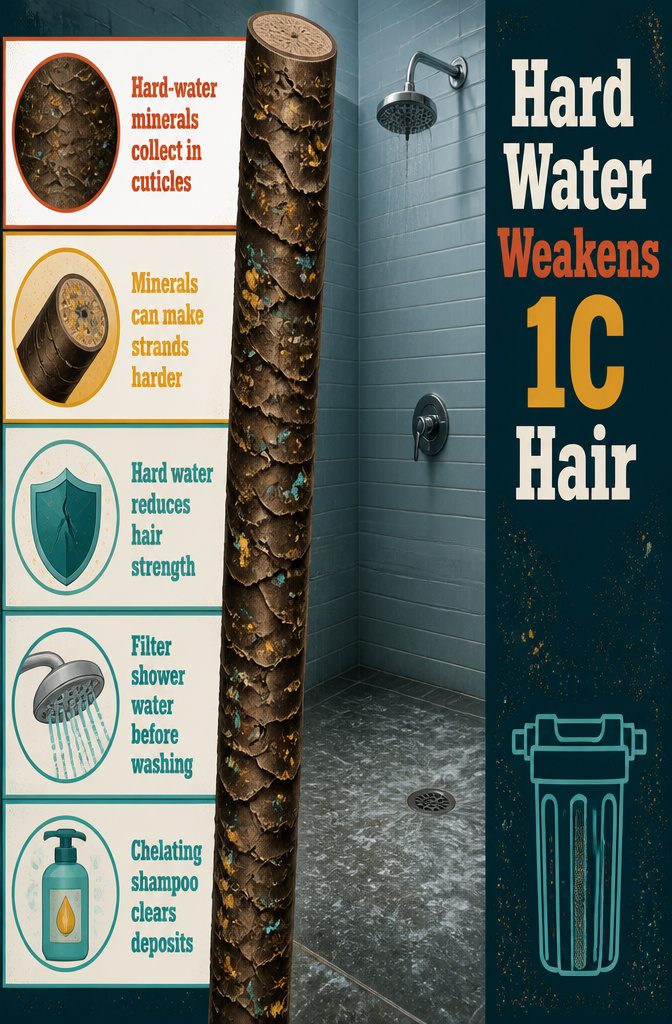
The minerals in hard water can make hair rougher and weaker over time. A 2011 study found that water-hardness metals concentrate primarily in the hair cuticles, which means the strands absorb too much of them and turn harder.
The International Journal of Trichology warns that hard water decreases hair strength, leading to more breakage. Even though 1C hair tends to be stronger than the finer 1A and 1B types, hard shower water still affects it.
The fix is straightforward. A filtered showerhead strips out the minerals before they reach your hair, and a chelating shampoo can cleanse deposits that have already built up.
If your hair feels rougher than it should or tangles more than usual, check whether you live in a hard water area and install a filter. The difference shows up within a few washes.
Pillowcases and Towels That Reduce Friction
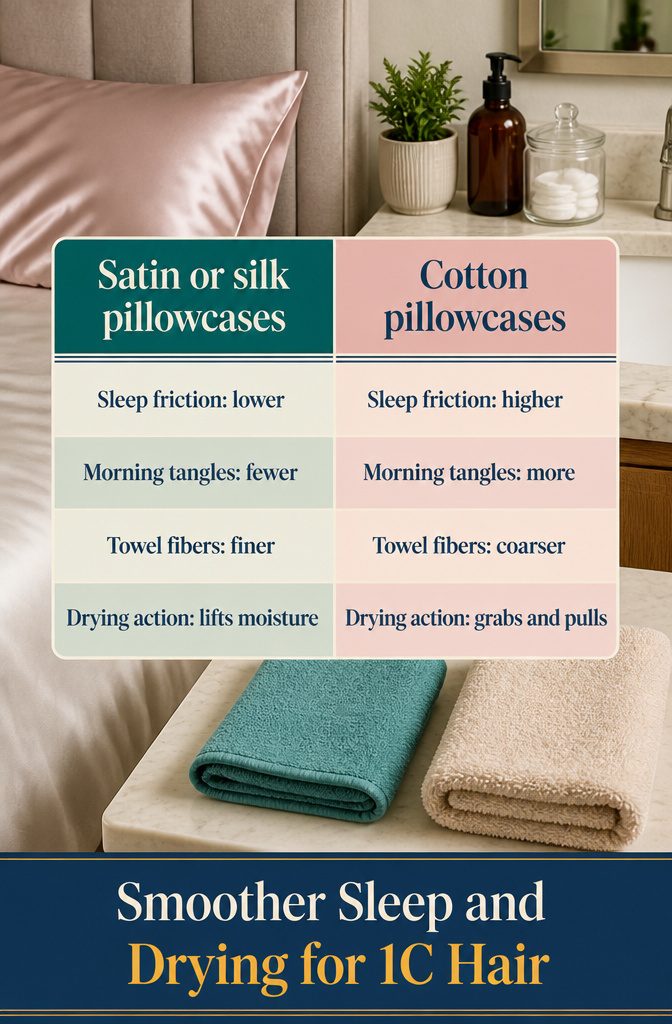
Satin or silk pillowcases cut down on friction while you sleep, which means fewer tangles and less breakage when you wake up.
Cotton creates more drag against the hair, and that shows up as knots you have to work through in the morning. Switching to a smoother surface solves most of it.
The same logic applies when you dry. Microfiber towels are gentler than terry cloth because the fibers themselves are finer.
According to the scientific literature, microfibers are one hundred times finer than human hair, so they absorb water without the abrasive action that leads to frizz and split ends.
Terry cloth grabs and pulls, microfiber lifts moisture off without the tug. If you don’t have a microfiber towel around, a soft cotton t-shirt works in a pinch and still beats the rough towel you dry your body with.
Frequently Asked Questions
How do I know I have 1C hair type?
Your hair lies mostly straight with a natural bend or slight movement, usually showing up at the mid-lengths or ends rather than at the root.
It has more body than 1B hair, which lies flatter, but stops short of the defined S-waves that mark 2A. If your hair air-dries with texture that looks tousled rather than forming actual waves, you’re likely working with 1C.
Is my hair 1C or 2A?
1C has slight bends or movement but stays mostly straight, while 2A forms defined S-shaped waves.
The bends in 1C come from strand weight and coarseness, not from a curved follicle. If your hair looks tousled when it dries but doesn’t form actual wave patterns, it’s 1C.
Why does my 1C hair get frizzy even though it’s straight?
The coarse texture means the cuticle lifts more readily, and that raised surface lets moisture in unevenly.
Sebum sits at the roots, weighing them flat, while the ends stay dry and prone to frizz. Humidity finds its way into those lifted cuticle layers and causes flyaways even though the hair itself is straight.
Can 1C hair hold curls or waves well?
Yes, the coarse strands hold curls better than finer straight hair when you use the right products and heat protection.
Strand weight still pulls waves loose faster than on wavy types, so expect styles to drop within the first few hours rather than lasting all day.
How do I style 1C hair?
Air-drying with light volumizing foam gives shape at the roots without flattening everything by noon.
Long layers add movement without fighting the natural straightness, and voluminous ponytails play to the body 1C already has. Heat styling holds initially but drops faster than it does on wavy or curly hair because of strand weight.
How common is 1C hair?
Follicle shape, strand diameter, and genetics combine to determine whether hair is 1C.
The type sits at the edge of straight, just before wavy types begin, which makes it less common than 1A or 1B but still widespread enough that most stylists recognize it immediately.
Is type 1C hair good?
1C has definite movement and enough strand weight that the ends flip, twist, or arc on their own, which gives you body without much effort.
The coarse texture holds styles better than finer straight types, though it also means more frizz at the ends if moisture balance is off.
Do men with 1C hair need a different approach to care?
Shorter hair makes scalp buildup the main concern because oil travels down the strands faster.
Washing every 1 to 2 days keeps roots from looking greasy without stripping the scalp dry, and staying away from heavy products at the crown preserves the lift 1C already has.
Can 1C hair change texture over time?
Hormonal shifts, aging, and long-term heat use can change strand thickness and cuticle behavior, which affects texture and frizz patterns. The core type remains genetic, but the way it behaves day to day can shift over the years.
Does 1C hair respond well to color treatments?
Coarse strands can absorb color unevenly and feel drier after processing. Keeping ends conditioned after coloring helps manage the added frizz it can bring, and using a chelating shampoo clears deposits that make strands rougher over time.