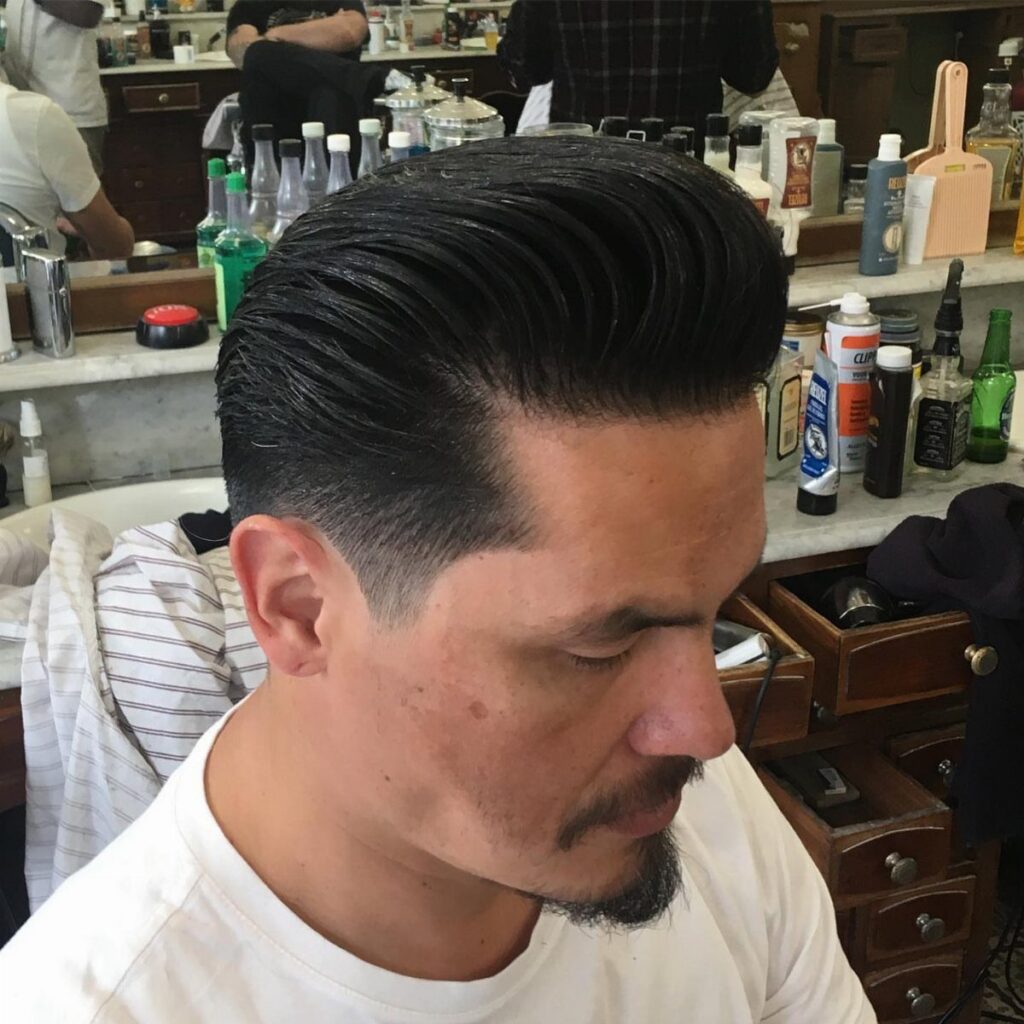
The fade entry point sits just above the ear and blends up gradually, which keeps grow-out slower and trims further apart than mid or high fades manage.
Round faces gain the length they need when the top adds height, oval faces handle any version on this list, and square jawlines get refinement from softer gradual blends instead of hard fade lines.
1. Pompadour
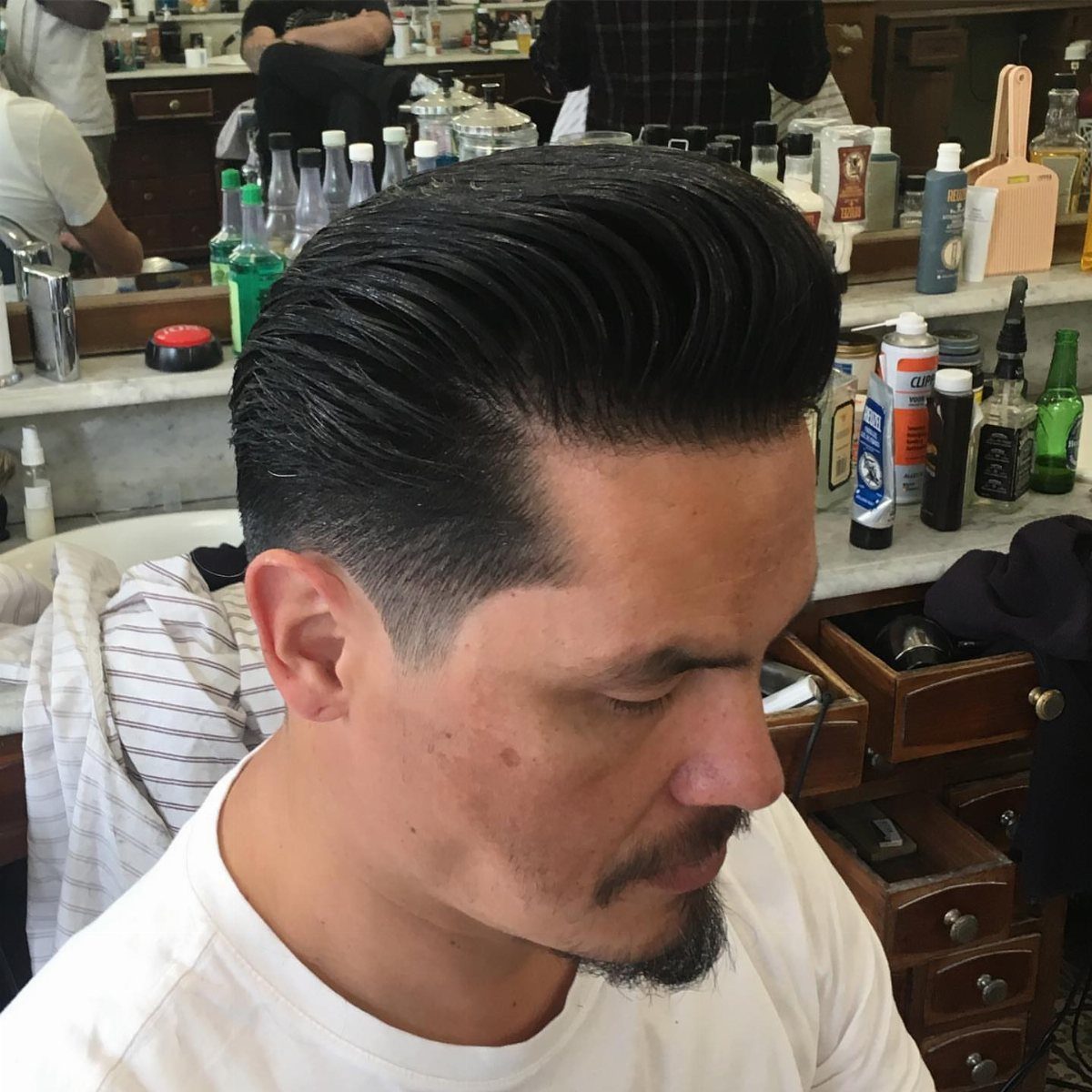
Height matters more than anything else here, hair swept back from the forehead and held above the scalp instead of lying flat. The low taper keeps sides cleaned up without the upkeep a higher fade demands.
Volume comes from round-brushing while you blow-dry, then locking it with product that holds. The shape drops by afternoon unless you use enough product to lock it, and the top needs a trim every few weeks to hold the volume.
2. Slick Back
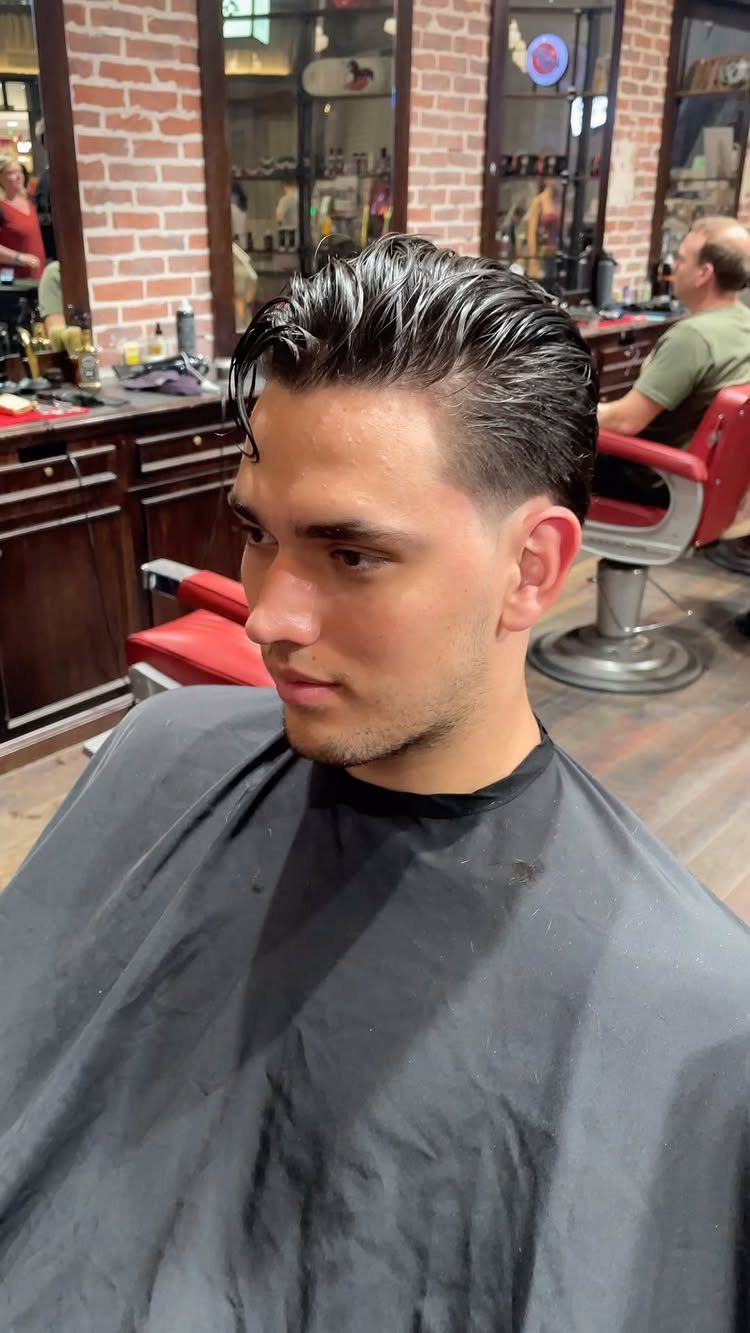
Medium or longer top hair combed straight back and held smooth against the scalp, no volume at the front. The low taper cleans up the sides and back without much fade above the ear.
A slick back needs hair long enough on top to brush back without pieces standing up.
Product with slip and hold keeps it in place. The hold lasts most of the day if you use enough.
3. Wavy Hair
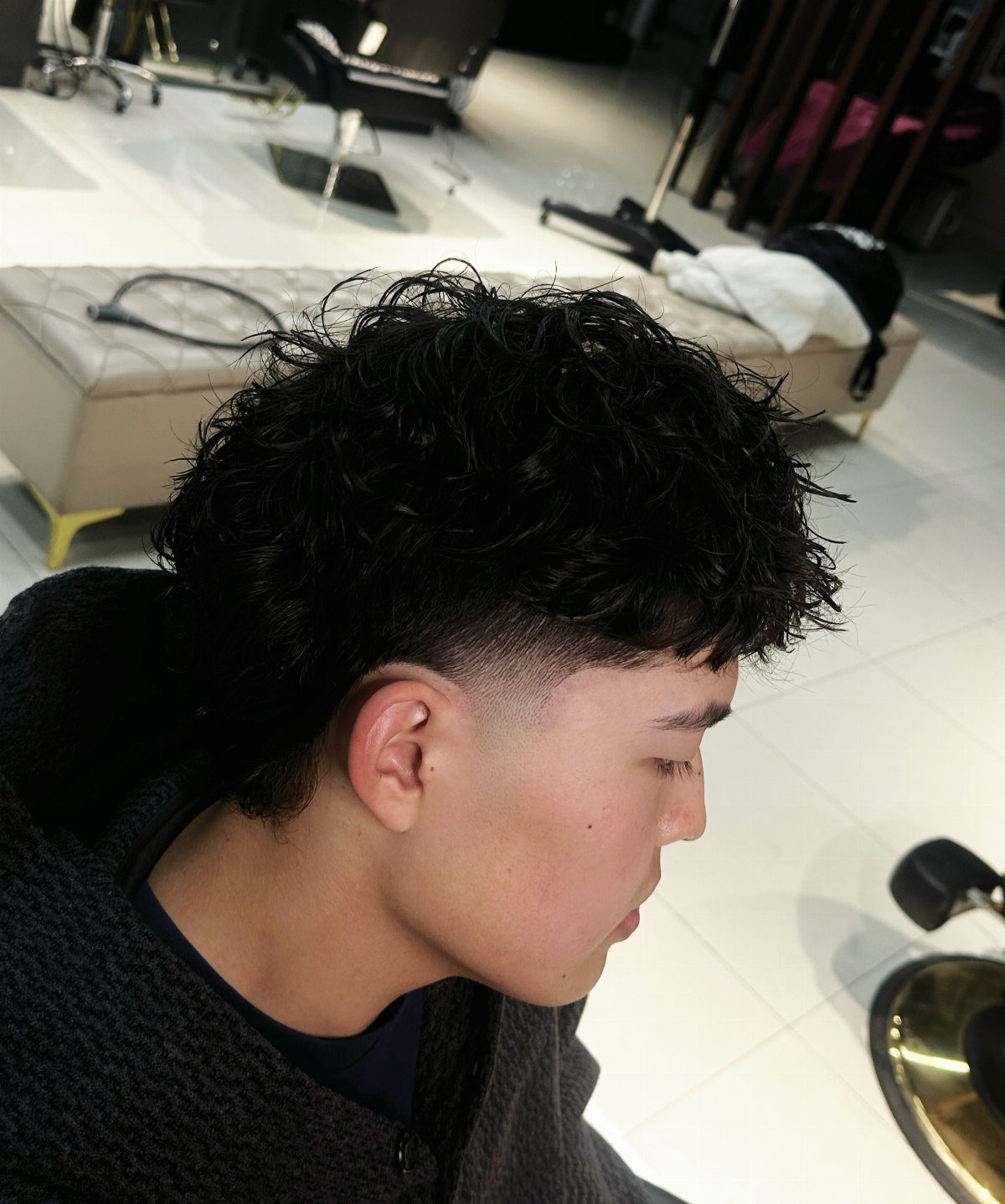
Natural waves stay longer on top, tapered short where the hair meets the ear and down the neckline. The texture does the work here; the cut just frames it.
This one suits wavy or loose-curl hair that holds shape on its own. Styling is minimal if you let the wave sit naturally, a little longer if you want definition with a curl cream or light hold product.
4. Ivy League Beard Fade
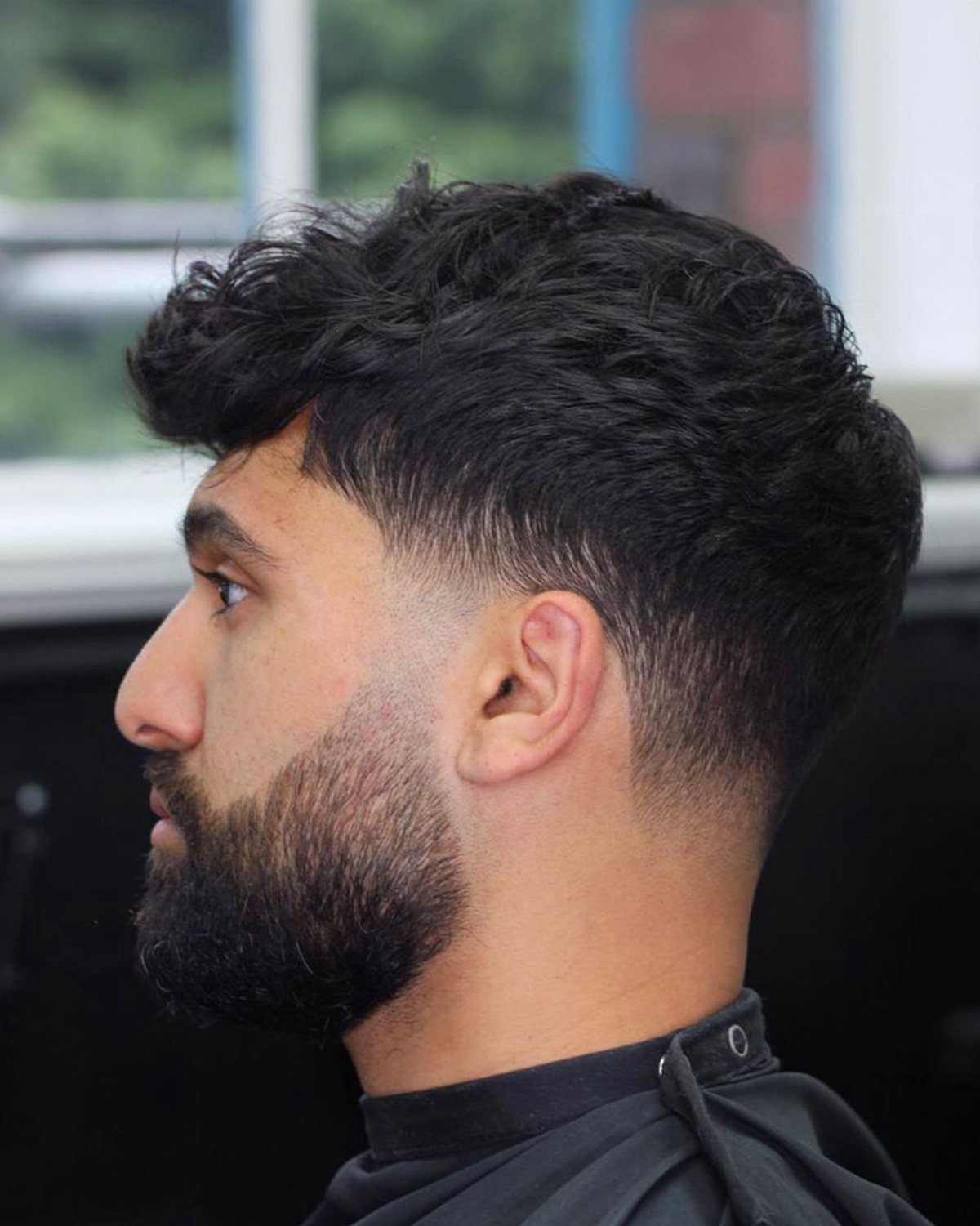
An Ivy League cut on top, short enough to comb forward or to the side, paired with a beard that fades into the sideburns and blends down through the jawline.
The barber lines up the beard fade to match the hair taper.
Both pieces need regular upkeep.
Styling the top takes under a minute with a light pomade. The beard needs daily trimming or shaping to hold the fade line, so this cut trades its polished look for time every morning and money every couple of weeks.
5. Straight Sleek Quiff
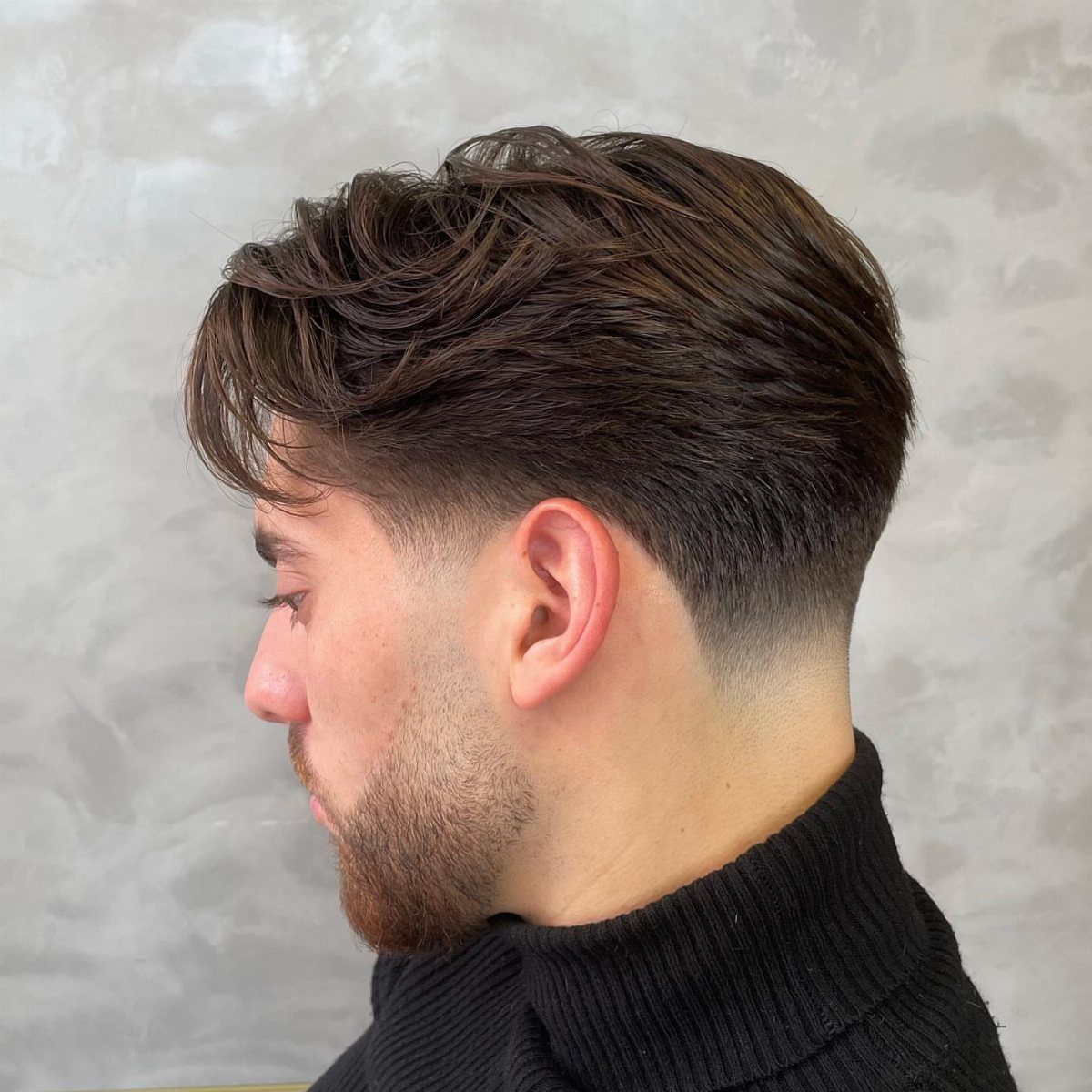
A smooth quiff lifted at the front and swept slightly back, no messy texture. The low fade keeps contrast low enough that it doesn’t pull attention down from the top.
Straight hair holds this shape better than wavy or curly types. Blow dry the front upward and back, then lock it with a medium-hold pomade or cream.
6. Textured Fringe
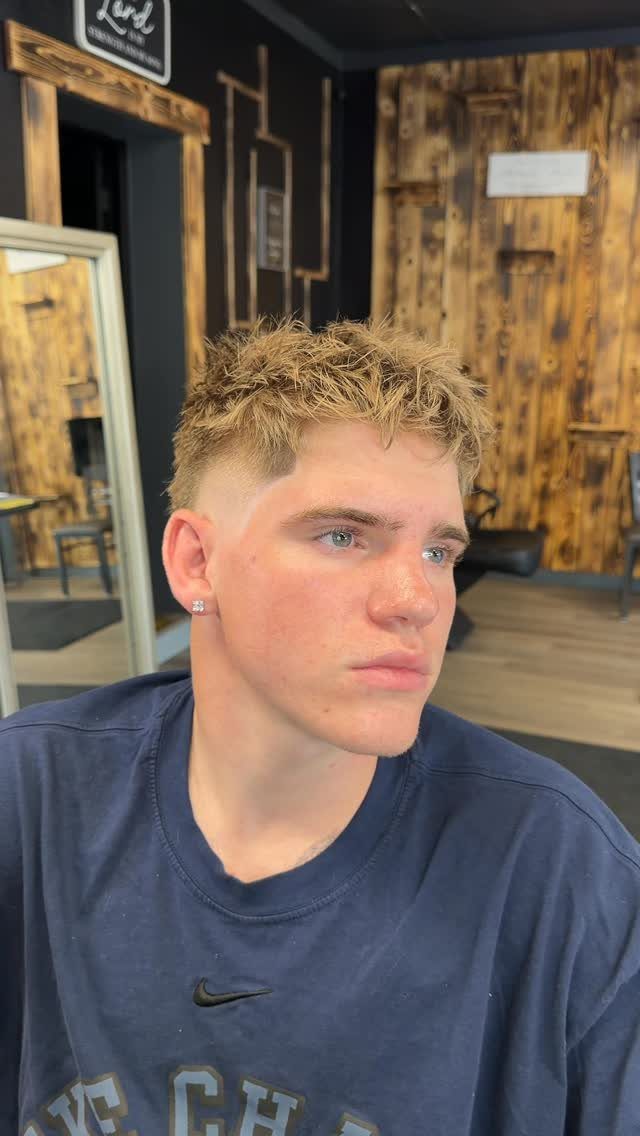
A forward fringe with texture left intentionally rough, pieces separated rather than combed smooth. The low taper fades the sides without much skin showing.
This cut works for straight or wavy hair that holds some natural movement. Styling takes a texturizing paste or matte clay, worked through damp hair and pushed forward.
7. Mullet
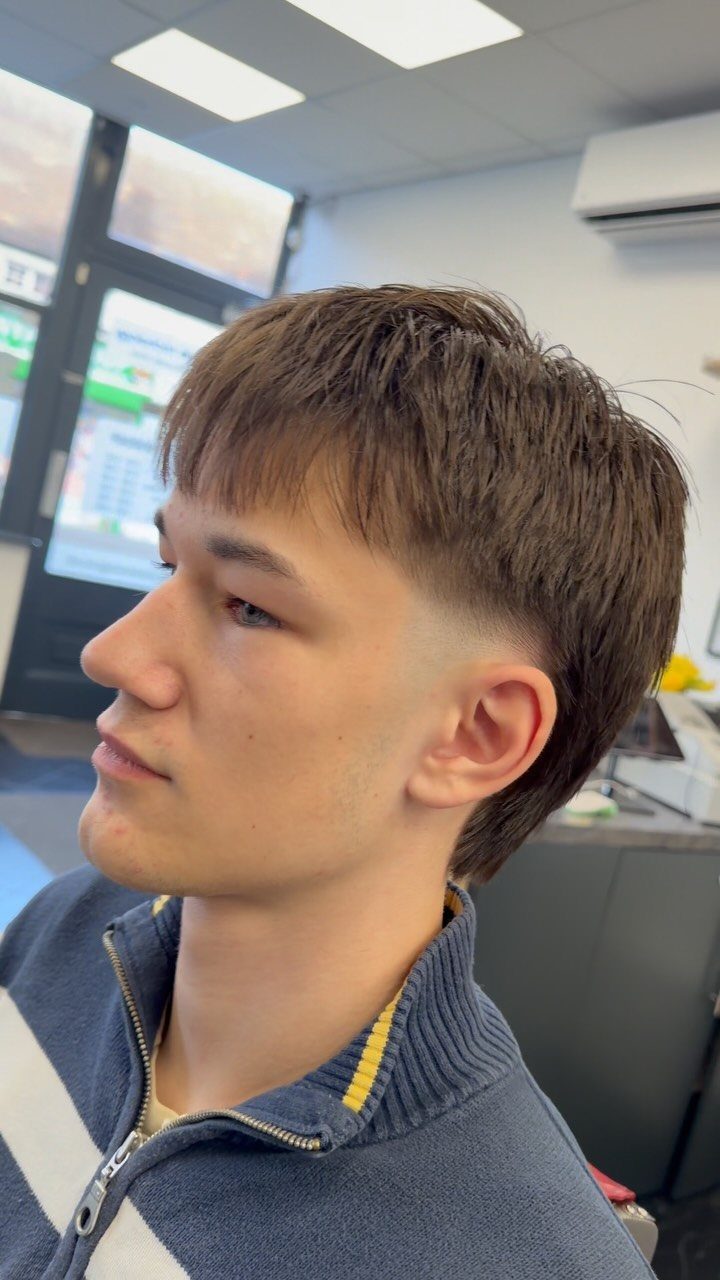
Short at the crown and temples, long from the occipital ridge down. The taper keeps the transition gradual where the short meets the long, no hard line.
This one needs length in back, which means months of growth if you’re starting from a short cut. Styling the top is quick, the back sits on its own or gets a light product to control weight.
The taper grows out slower than a high fade, so trims stretch further apart.
8. Low Taper Fade Haircut
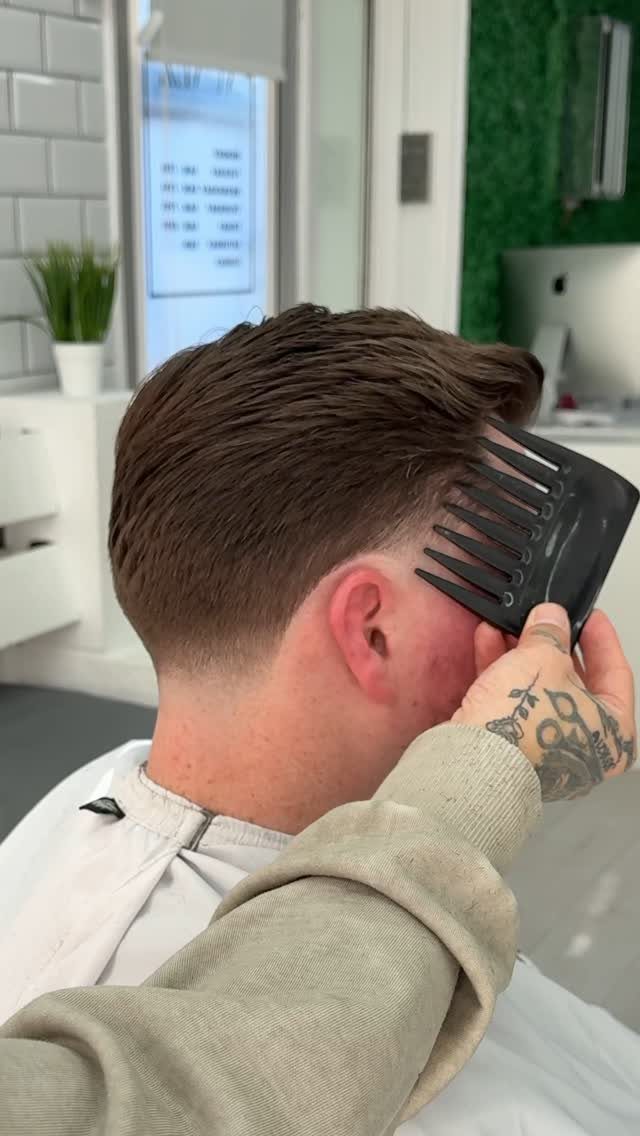
The fade starts low, just above the ear, and blends up gradually into longer hair on top. The back tapers down the neckline the same way.
It’s the baseline version of this cut. The low start makes it office-ready and keeps the grow-out period longer than higher fades, so you can push trims out further than usual.
Styling depends entirely on what you keep on top.
9. Curly Mullet
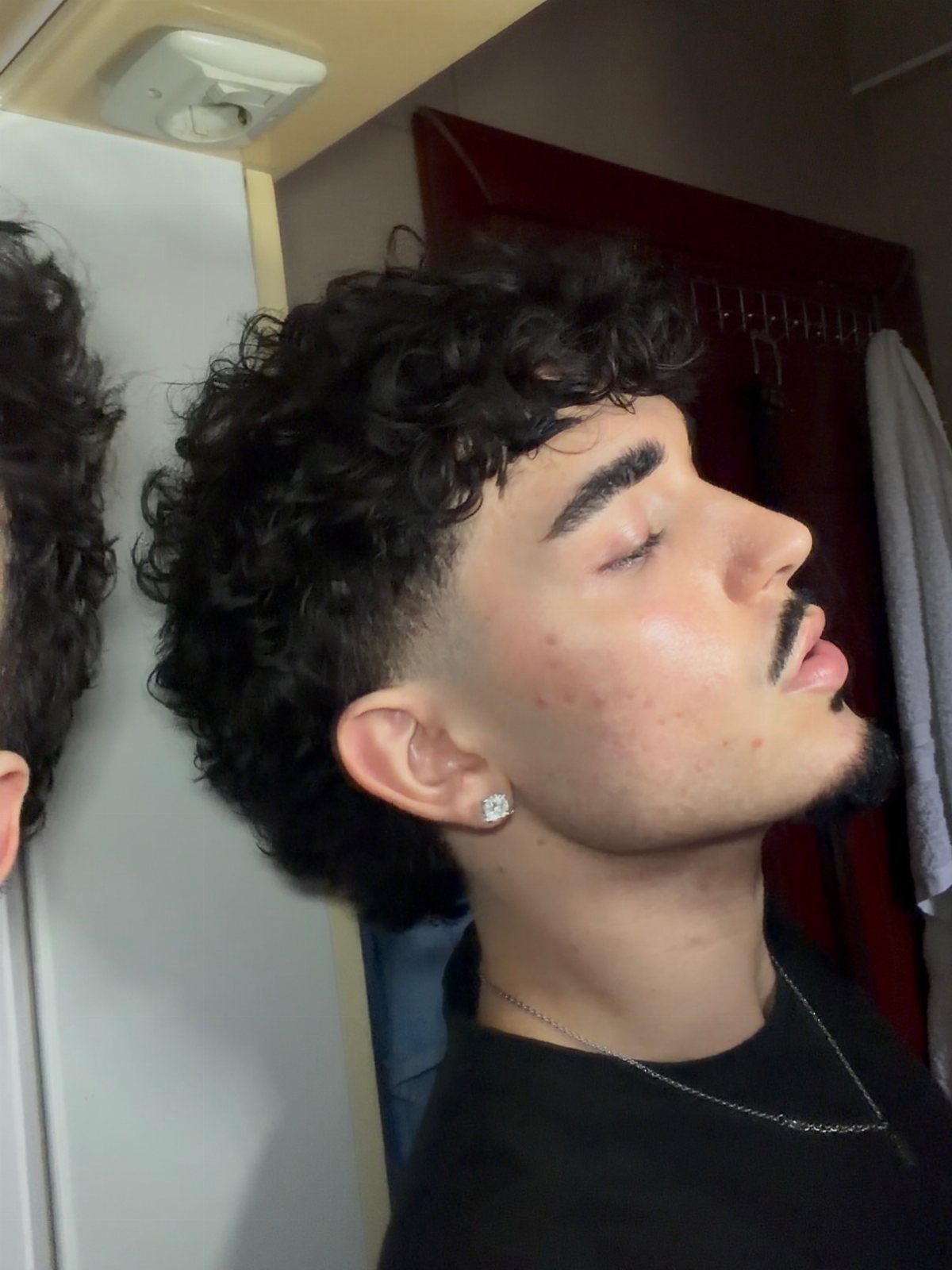
Curls left full on top and in back, tapered tight around the ears and down the sides. The texture makes the contrast between short and long more obvious than a straight mullet does.
Type 3 or tighter curls hold the shape without much work. The back needs length to show the curl pattern, and the taper keeps it from looking unfinished at the sides.
A leave-in conditioner or curl cream controls frizz without weighing the curls down.
10. Curly Top
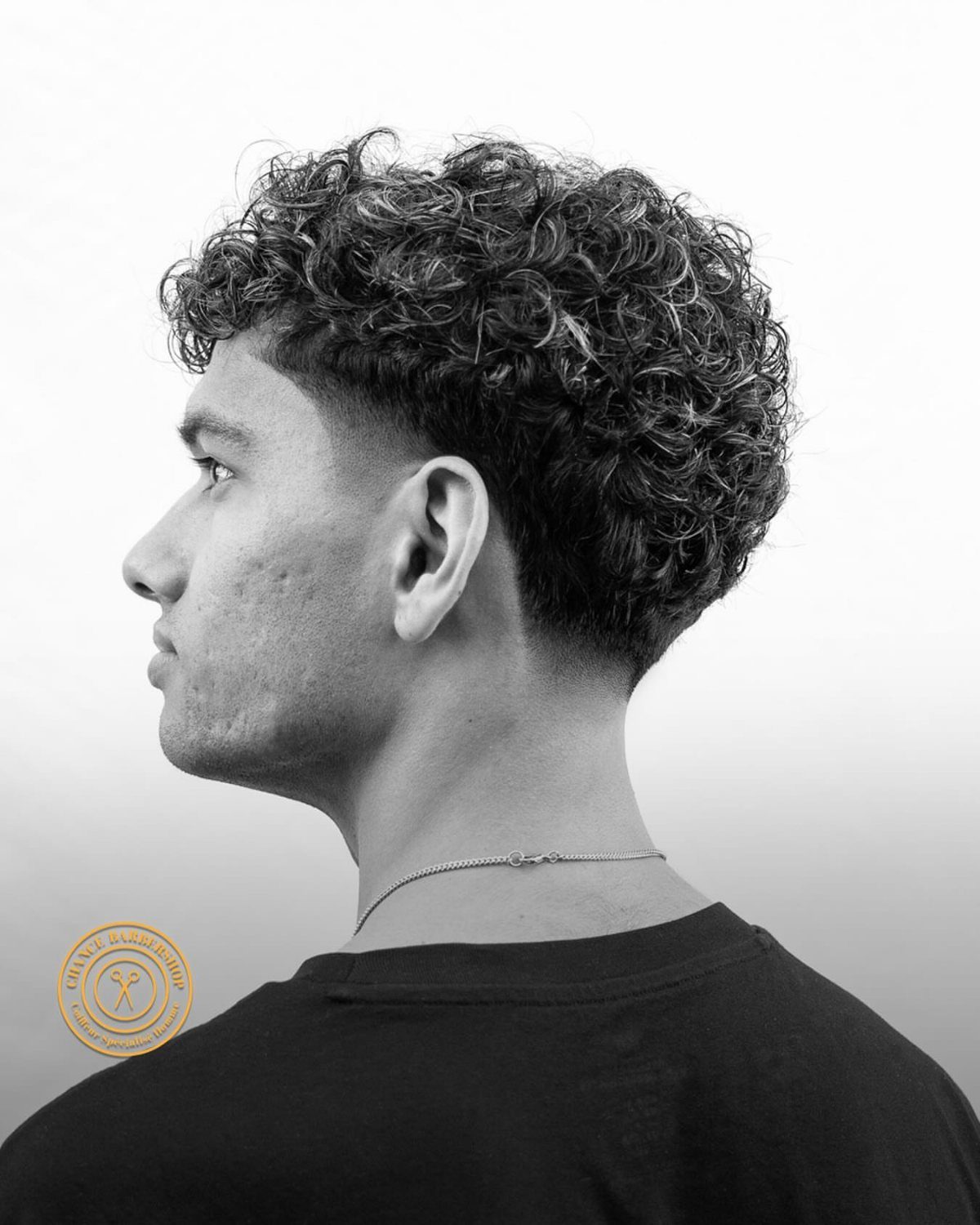
The curl pattern stays intact on top, cut shorter around the perimeter where the taper takes over. The shape comes from the curls themselves, not from blow-drying or product.
Type 2b through 4c hair works here.
Tighter curls need more length on top to show the coil. Work a curl cream or leave-in through damp hair and let it air-dry.
The taper defines the shape without flattening the volume the curls create.
11. Crew Cut
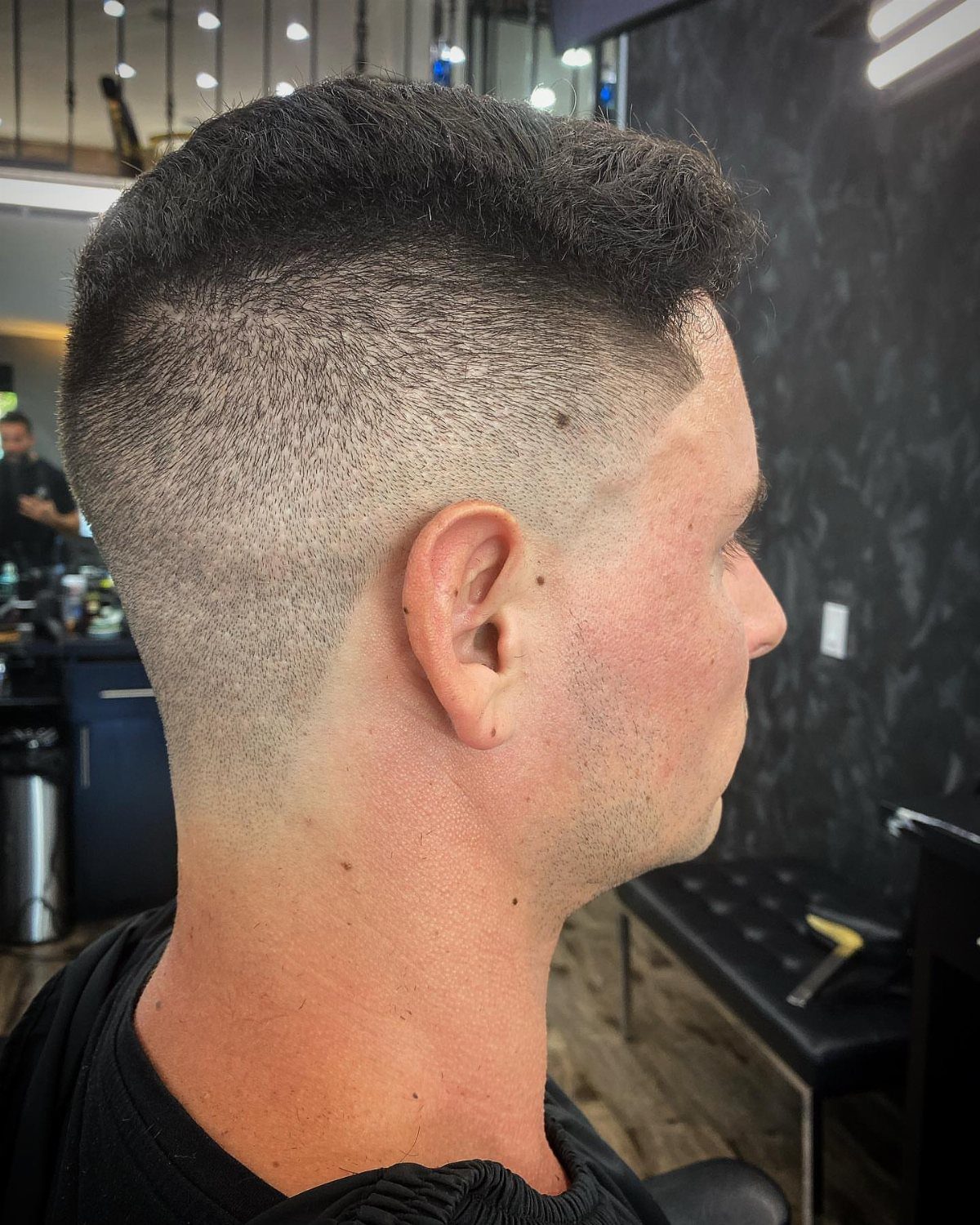
Uniformly short on top, tapered down the sides and back. The top sits flat or slightly lifted at the front, no length for combing or styling beyond that.
No product needed, dries in minutes, and the short top means the taper holds its shape longer before it looks shaggy.
Most barbers trim this quickly, and it works in any setting that allows short hair.
12. Fluffy Hair
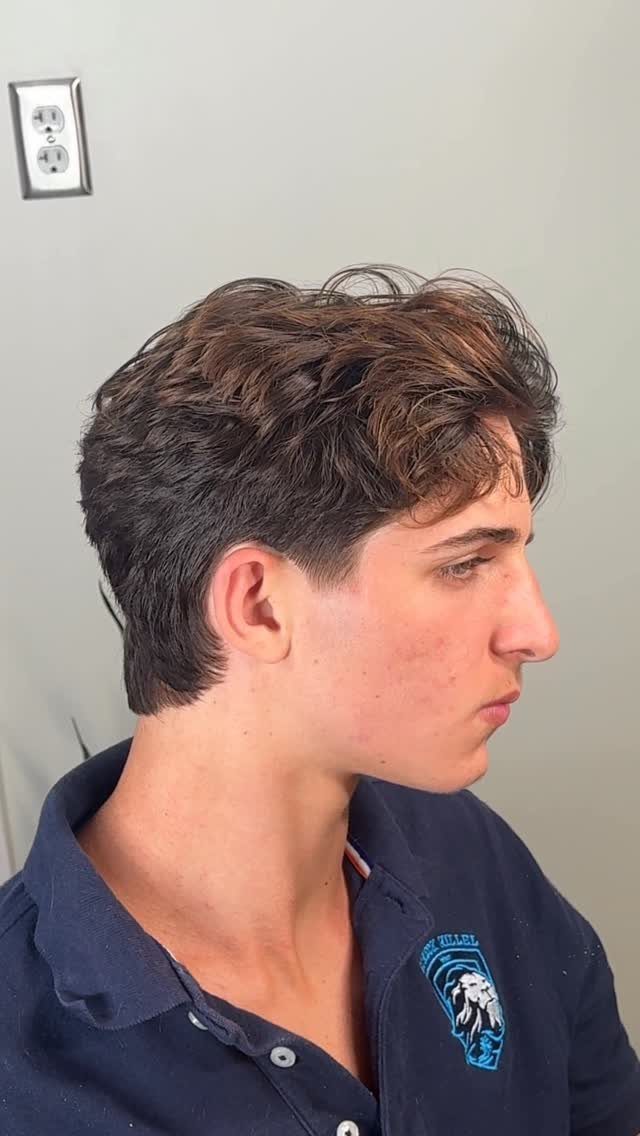
Volume sits loose on top, lifted away from the scalp without structure or a defined shape. The taper keeps the bulk controlled at the sides so the top reads as intentional volume, not overgrown hair.
Wavy or straight hair with some natural body holds this best.
Blow-dry upward with your fingers, then work in a lightweight mousse or sea salt spray while it’s still warm. The volume drops without product.
Regular trims keep the taper clean and the top from crossing into shaggy.
13. Buzz Cut
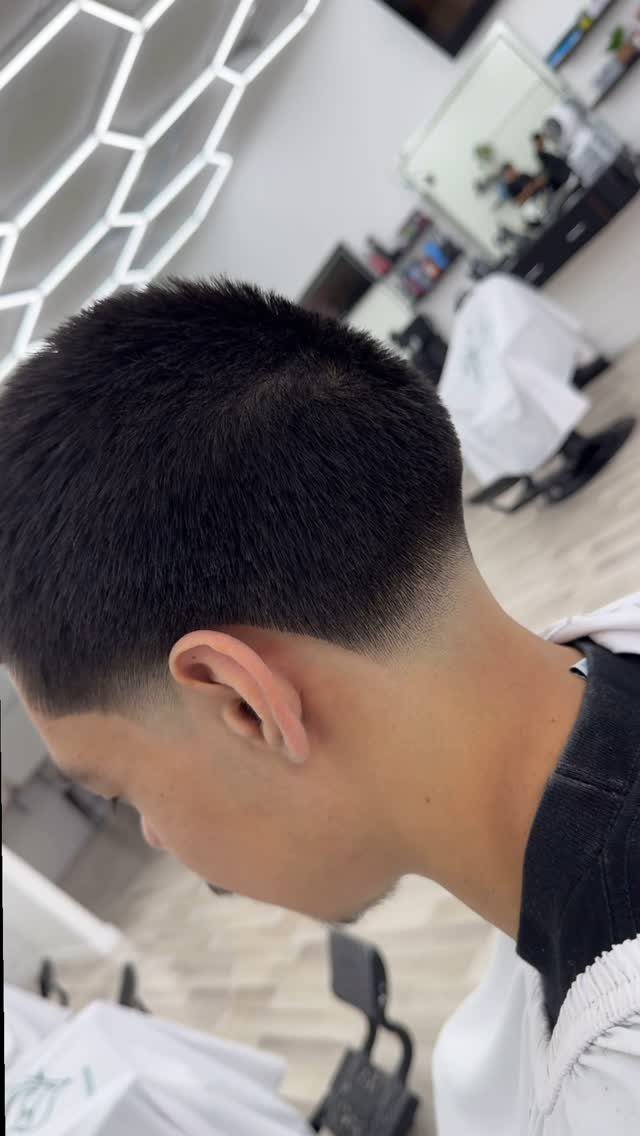
Clippers set to one guard length across the entire head, then tapered down at the sides and back. The result is low upkeep and no styling.
This one dries before you finish toweling off. No product, no morning routine, and the short length means you can stretch trims longer than cuts that rely on shape up top.
Works in any setting that allows short hair and fits any face shape willing to show it.
14. Afro
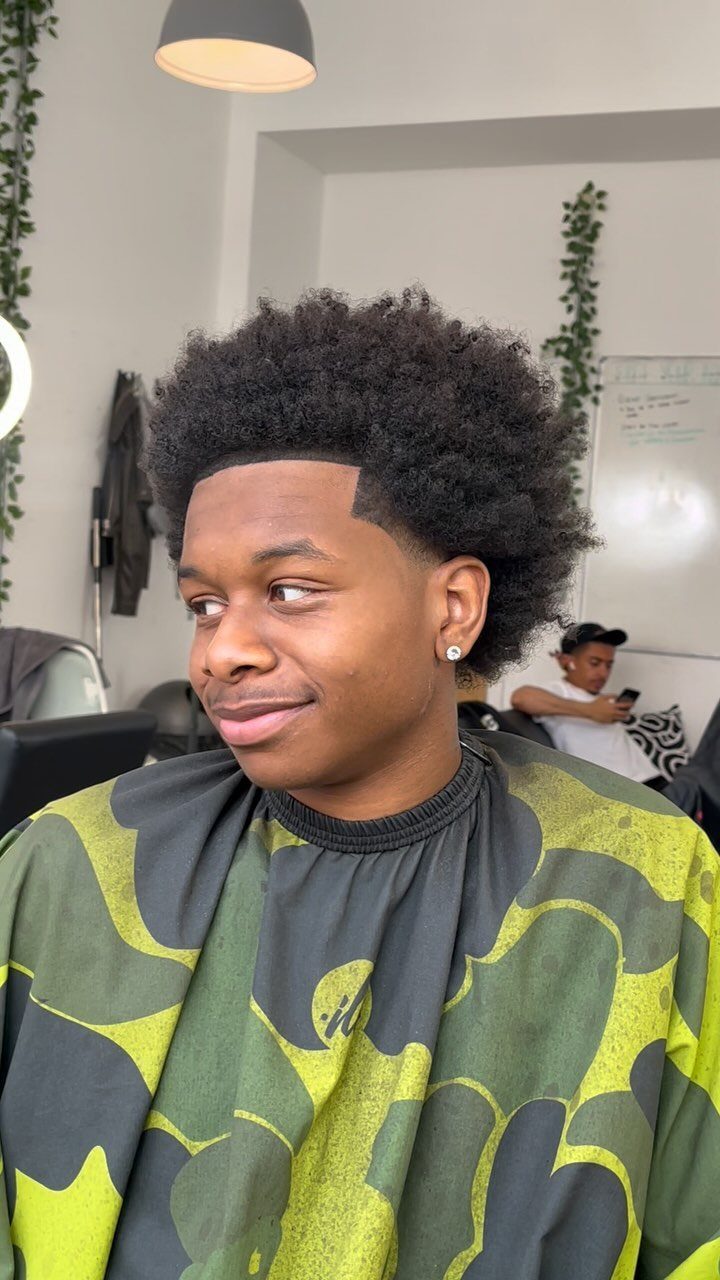
The natural curl pattern stays full and rounded on top, shaped into the classic afro silhouette. The taper cleans the edges and keeps the full shape on top intact.
Coiled hair holds this shape without flattening. A pick lifts the roots and evens out the round, and a moisturizer or leave-in keeps the texture soft without weighing it down.
The taper needs regular cleanup to stay sharp, but the top grows at its own pace and the shape adjusts as it does.
15. Drop Fade
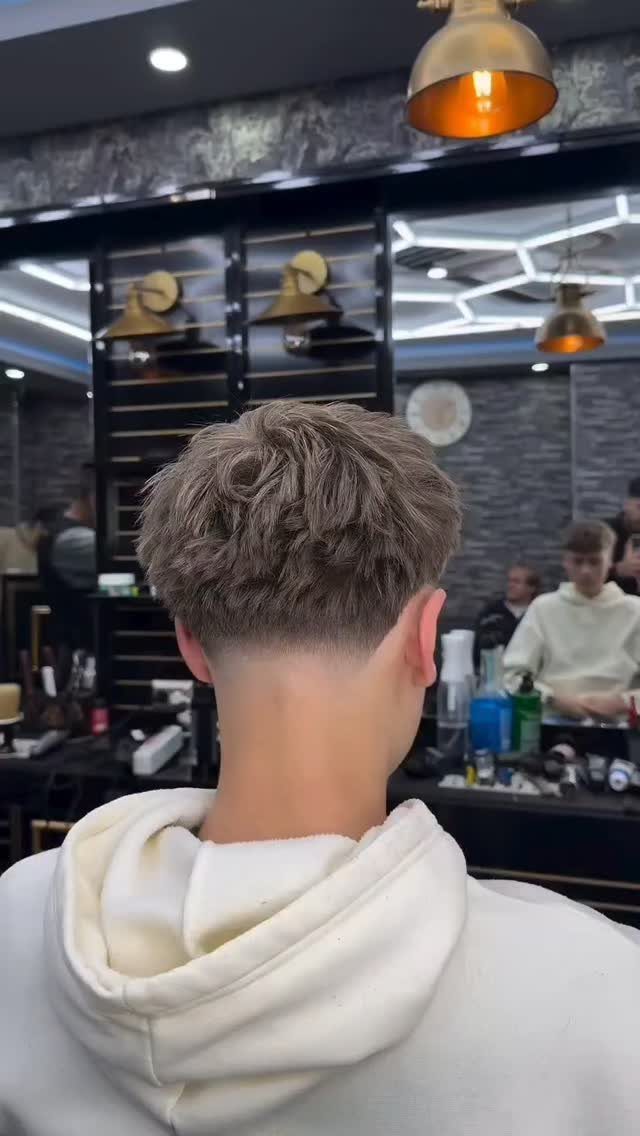
The fade arcs down behind the ear, not straight around, mirroring the curve from the temple to the nape. The drop creates a softer transition than a straight fade.
Because the fade sits lower at the back, you get more time before it needs a touch-up.
The fade itself just frames it.
16. Blowout
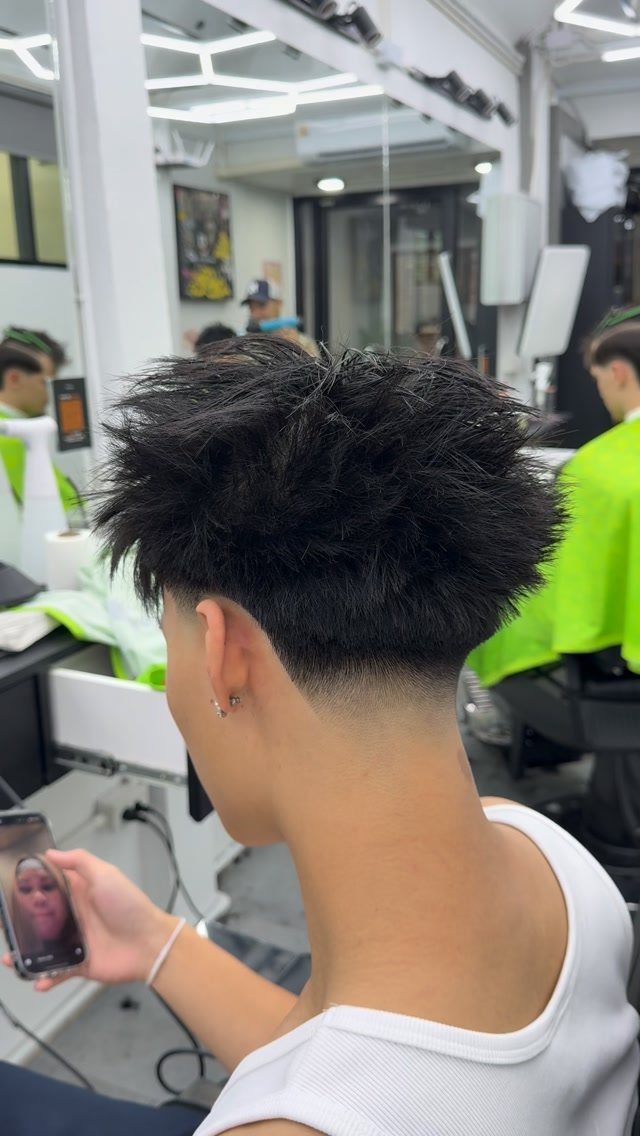
Blow-dried volume that lifts the hair away from the scalp, no slick hold or defined shape. The low taper keeps the sides short enough that all the visual weight sits on top.
Straight or wavy hair with some thickness holds this best.
Blow-dry upward while the hair is damp, then lock the lift with a mousse or volumizing spray. The height drops without product.
17. Spiky Hair
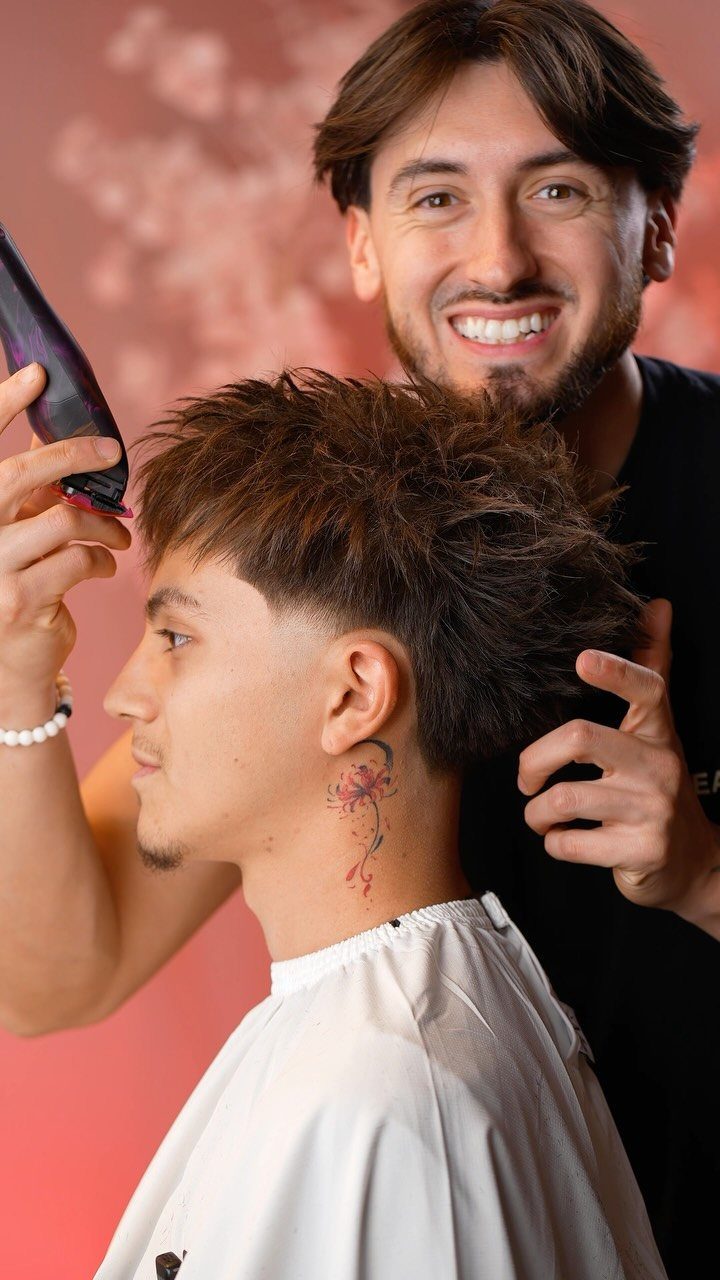
Short hair on top worked upward into separated points, each piece standing on its own.
Gel or a strong-hold pomade does the work here.
Apply it to damp hair and push each section upward with your fingers. The spikes hold all day if you use enough product.
This style suits straight or slightly wavy hair that’s short enough to stand without flopping over.
18. Top Knot
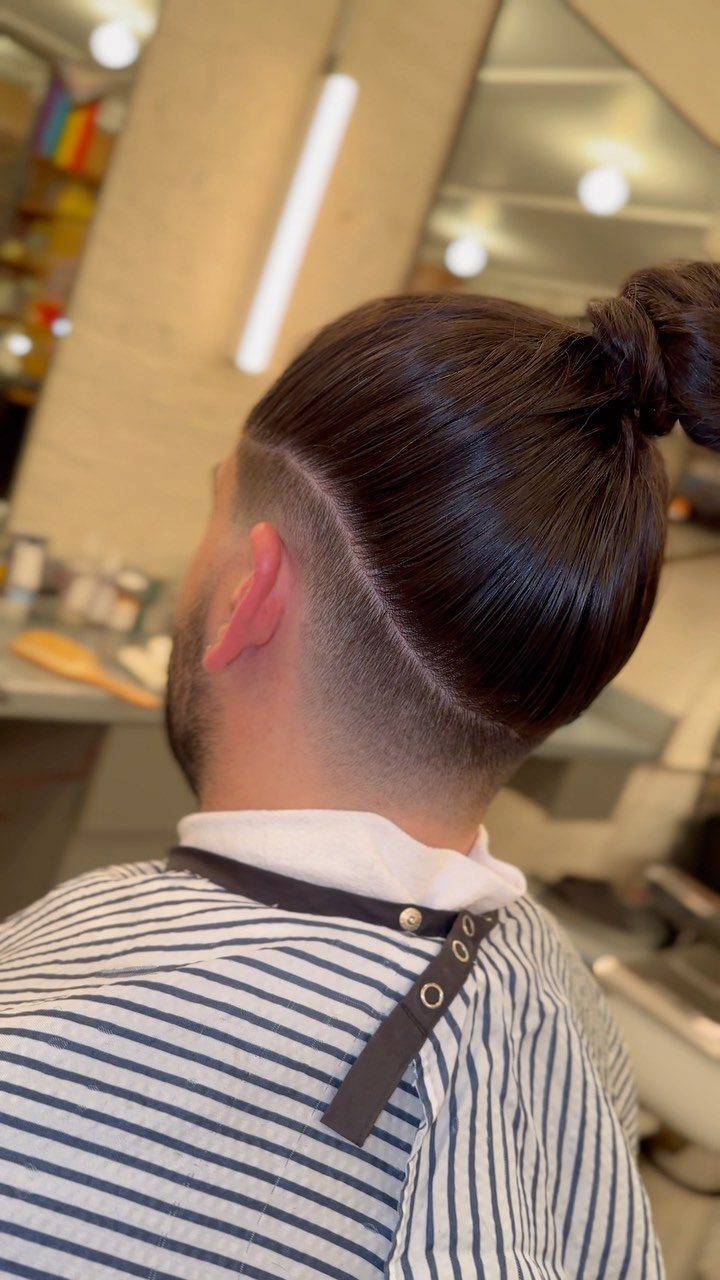
Long hair on top pulled back and tied into a knot at the crown, sides and back tapered short. The knot sits high enough to stay clear of the collar.
A hair tie or elastic secures the knot. Styling takes under a minute once you have the length.
19. Low Temple Taper Fade
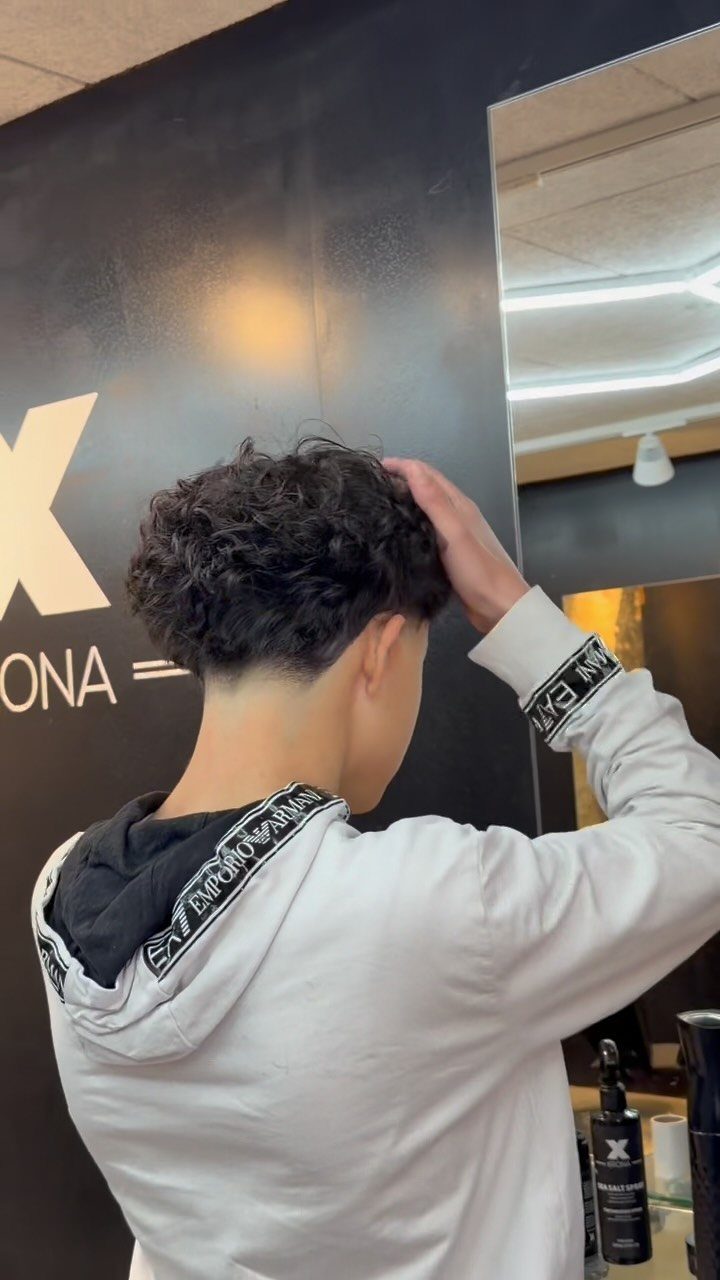
The taper concentrates at the temples and fades up from there, leaving the curls on top untouched. The low placement keeps the fade subtle enough for most settings.
Curly hair holds the contrast naturally.
Styling depends on curl type. A light cream or leave-in defines the pattern without flattening it.
20. Low-Fade Cut with Messy Texture on Top
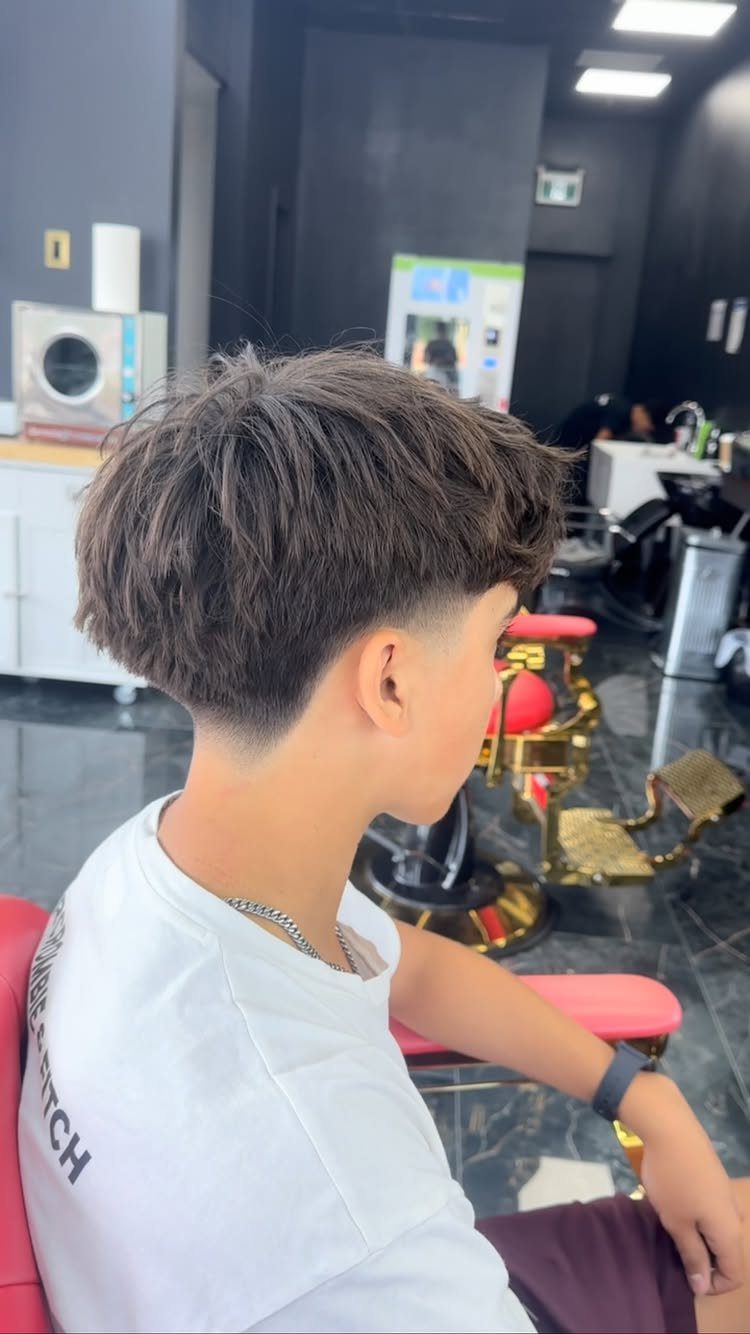
Longer pieces on top sit loose and uneven, separated rather than smoothed down.
Fine or medium-density hair works here better than thick. Too much density and the messy texture reads as overgrown instead of styled.
The hold lasts most of the day without stiffness.
21. Broccoli Hair
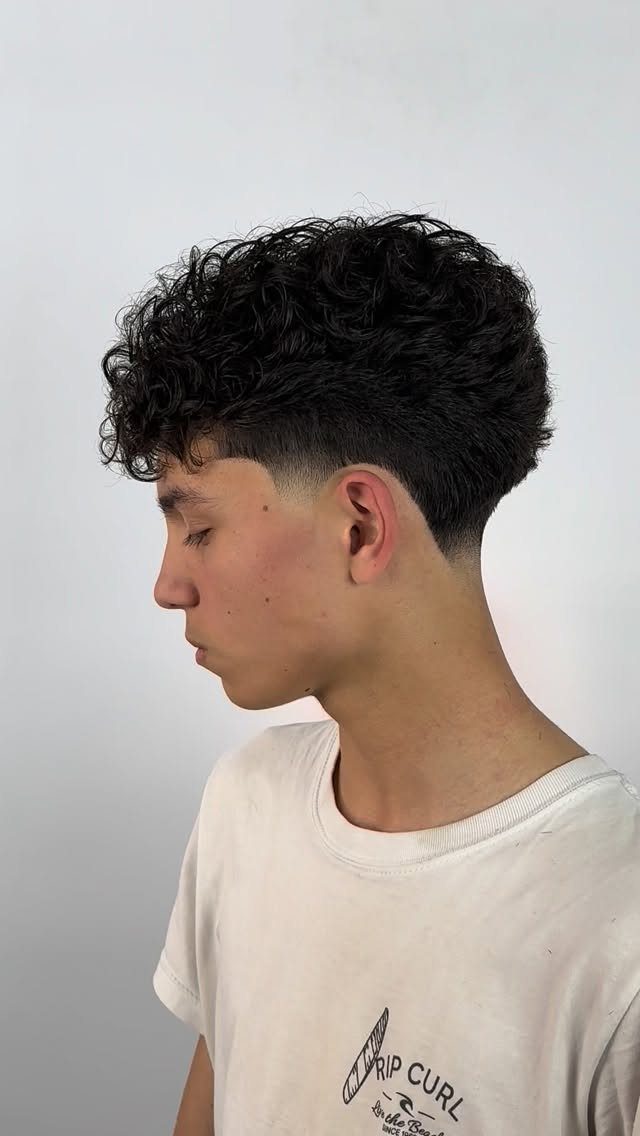
Dense curls form a rounded shape on top, sitting high and full like the vegetable the name borrows. The taper cleans up the perimeter and makes the top volume deliberate.
A curl cream or light mousse defines the coils and controls frizz.
The rounded top grows at its own pace. The taper needs regular touch-ups to keep the shape from blending into one length.
22. Wet Look Flow
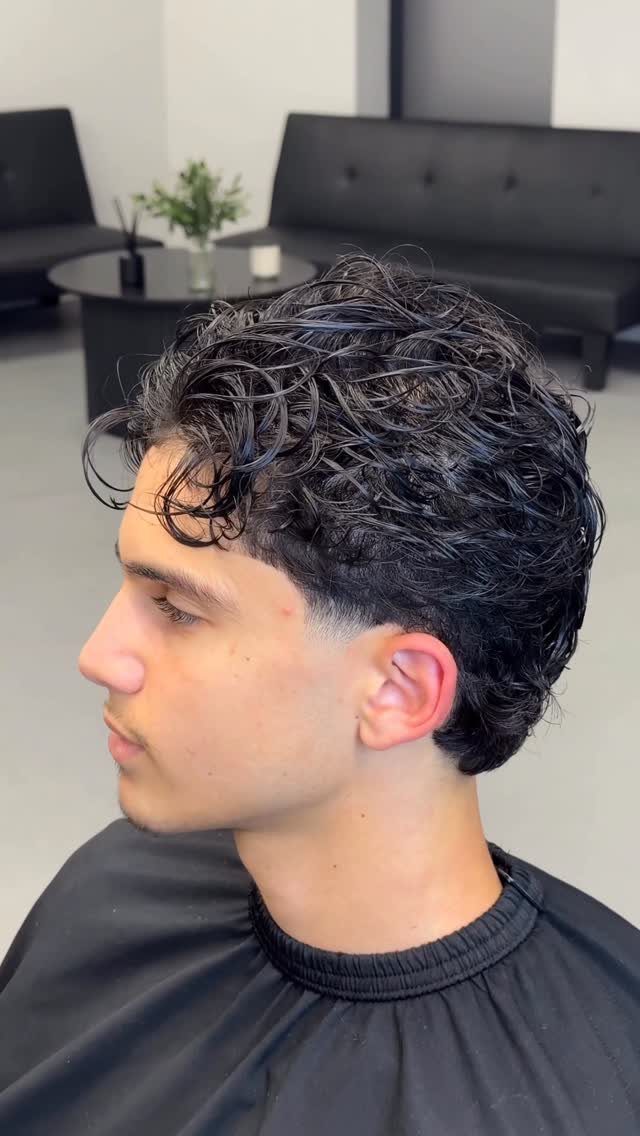
Hair styled back or to the side with a high-shine product that mimics the look of wet hair. The taper keeps the sides and back tight enough that the shine stays on top.
Apply it to damp hair and comb it through for an even coat. The shine holds all day but washes out easily.
Straight or wavy hair shows the wet look most clearly. Curly hair can pull it off with enough product to smooth the coils down.
23. Clean Low Taper Twists
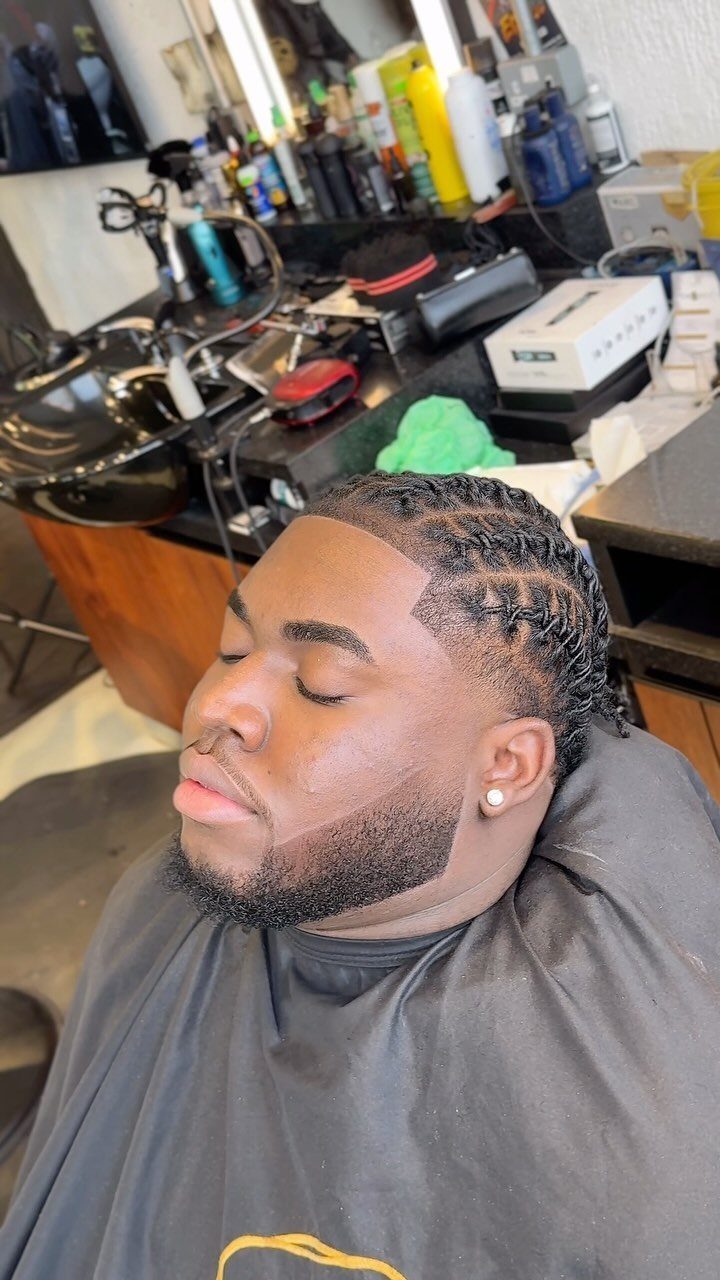
Individual twists on top, each section twisted from root to tip and left to hold its shape. The taper fades the outline while leaving the twist length untouched.
Coiled hair holds twists naturally. The taper defines the perimeter so the twists read as intentional texture, not unfinished length.
Twists take time to install but last days with minimal upkeep. A light oil or leave-in keeps them from drying out.
24. Low Taper Fade Edgar
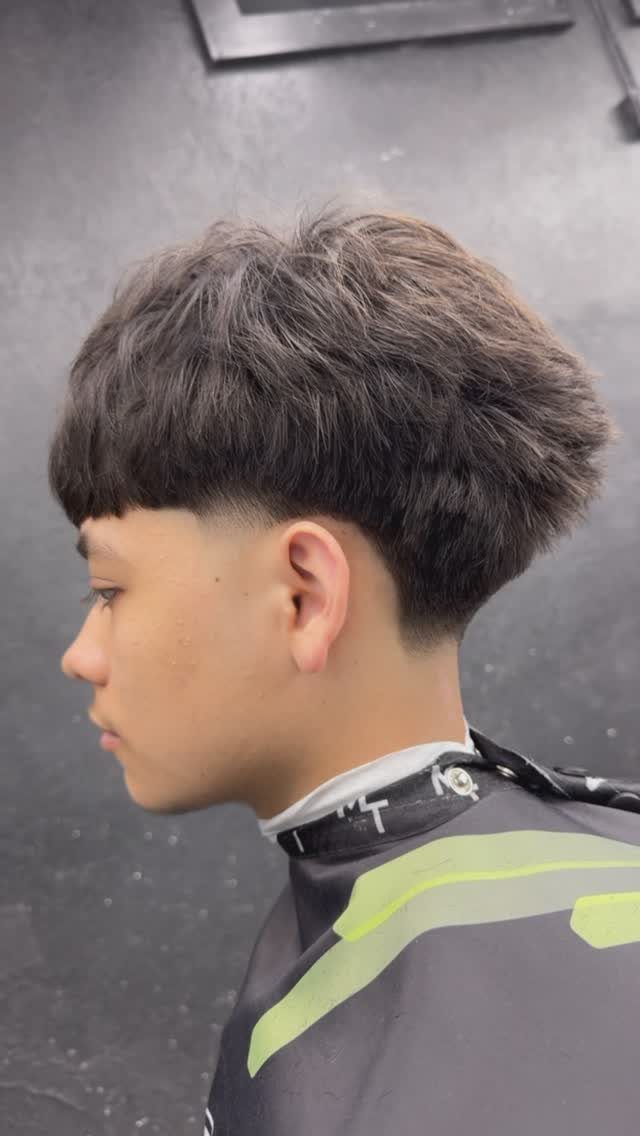
A straight-across fringe cut blunt at the forehead, paired with a low taper that keeps the sides and back short. The hard line at the front is the defining feature.
The fringe works best when it has enough length to lay forward without standing up.
Fine hair works if there’s enough density to hold the blunt edge. Curly hair fights the straight line unless it’s blown out.
A fresh cut holds the line on its own. The fringe grows forward into your eyes faster than most styles, so trims come often.
25. French Crop
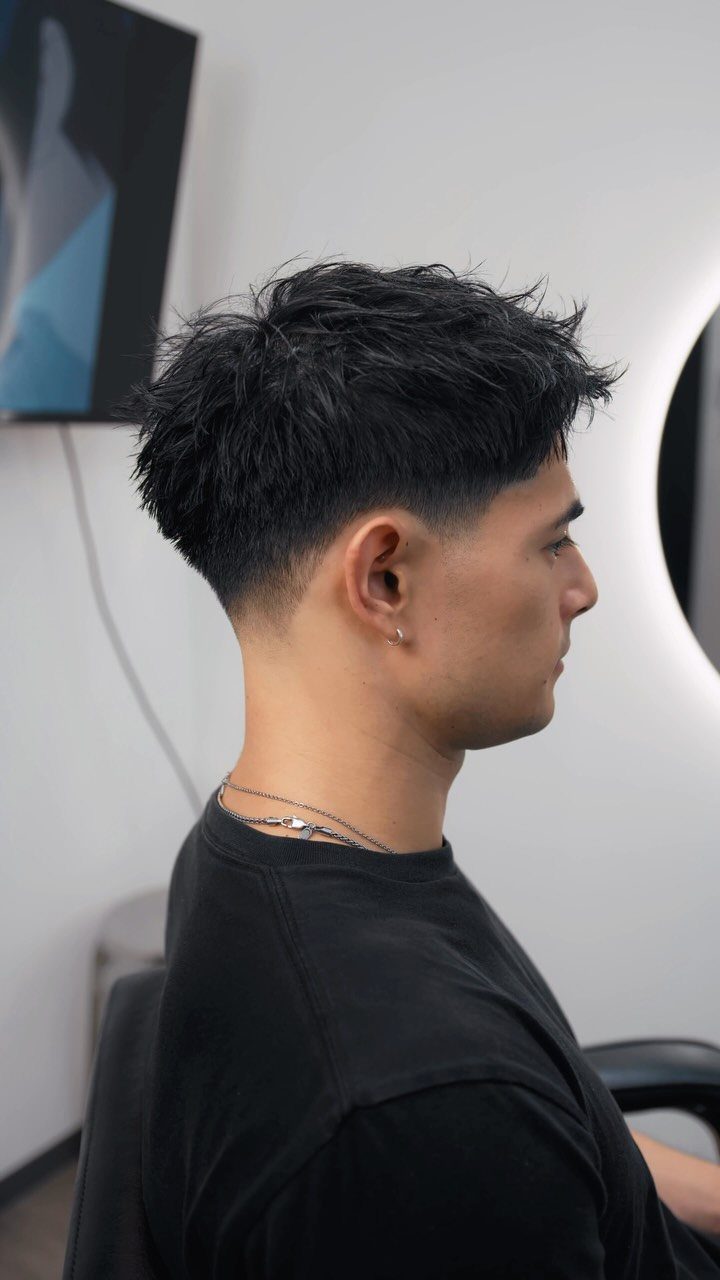
A short fringe cut forward and left textured, paired with sides tapered low. The fringe sits blunt or slightly broken up, depending on how much movement you want.
Straight or wavy hair holds the shape cleanly. A small amount of matte clay or paste separates the pieces without making them stiff.
The fringe grows forward quickly, so you’ll need trims every few weeks to keep it from hanging past your eyebrows. The taper stretches longer.
26. Low Skin Fade Haircut
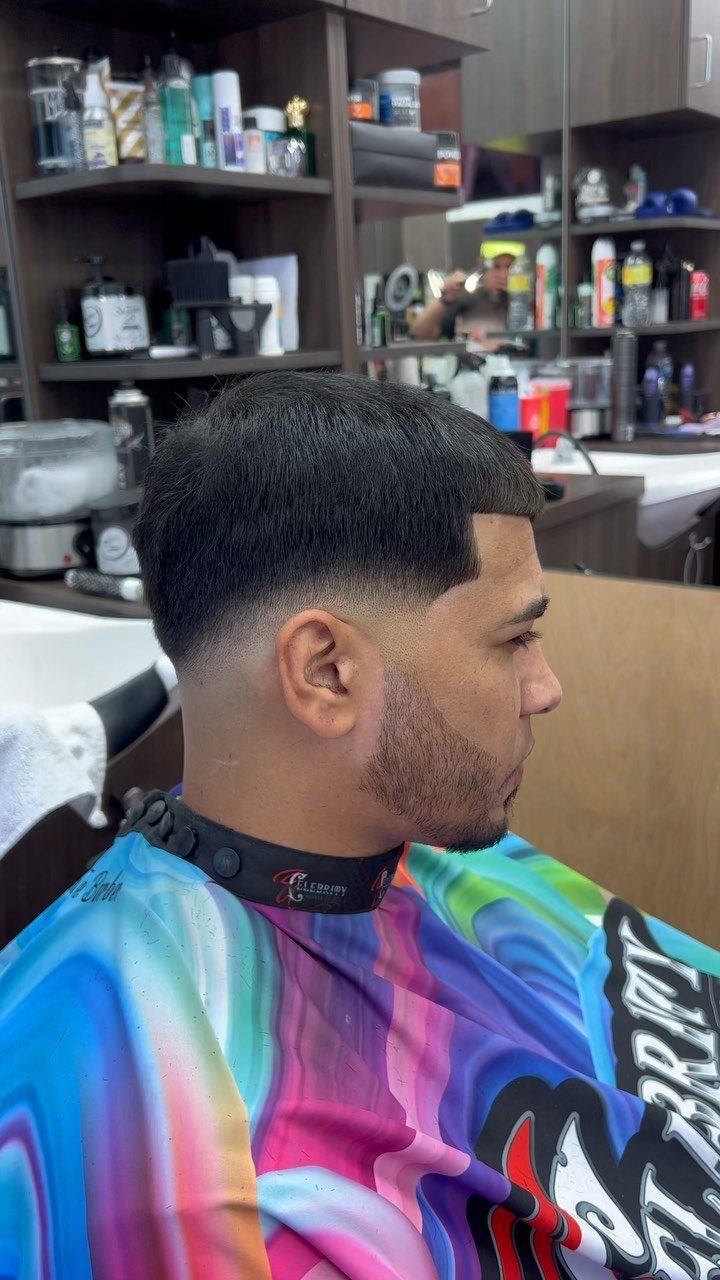
The blend drops all the way to skin, but the entry point sits low near the top of the ear. The skin shows only at the bottom edge.
This version needs touch-ups more often than a guarded fade because the skin line shows growth sooner. Most barbers charge the same as a regular low fade.
Going to skin creates enough separation that the cut looks intentional from across the room, no product required.
27. Clean Crop
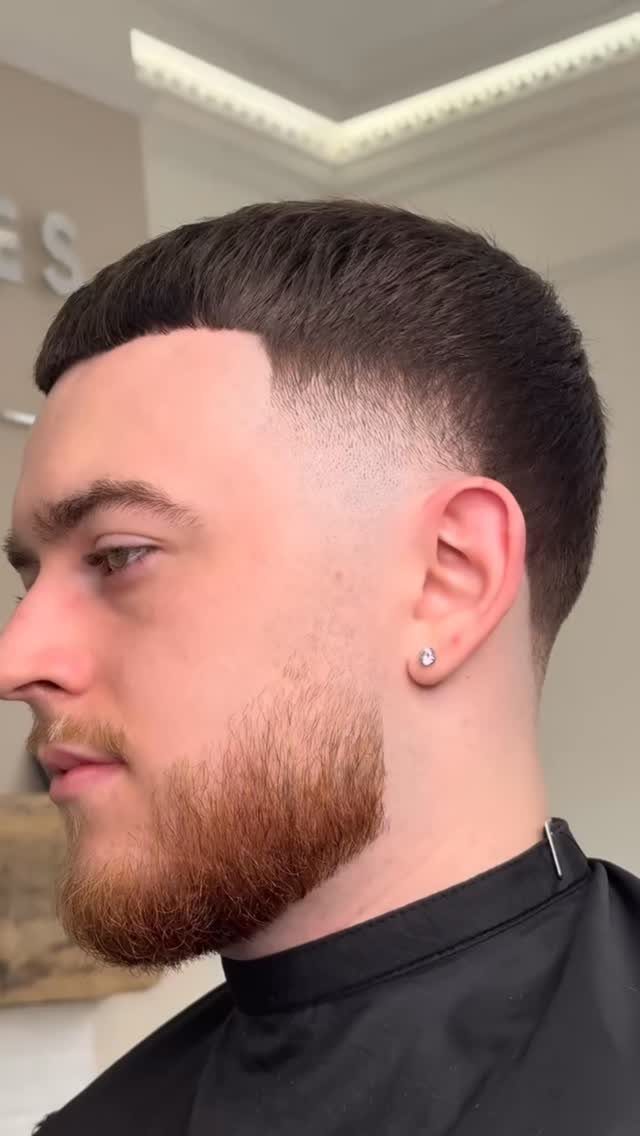
The top sits short and neat, cut blunt across the front or slightly textured depending on preference. The sides stay close without going to bare scalp.
This cut works across most hair types and face shapes.
28. Low Taper with 360 Waves
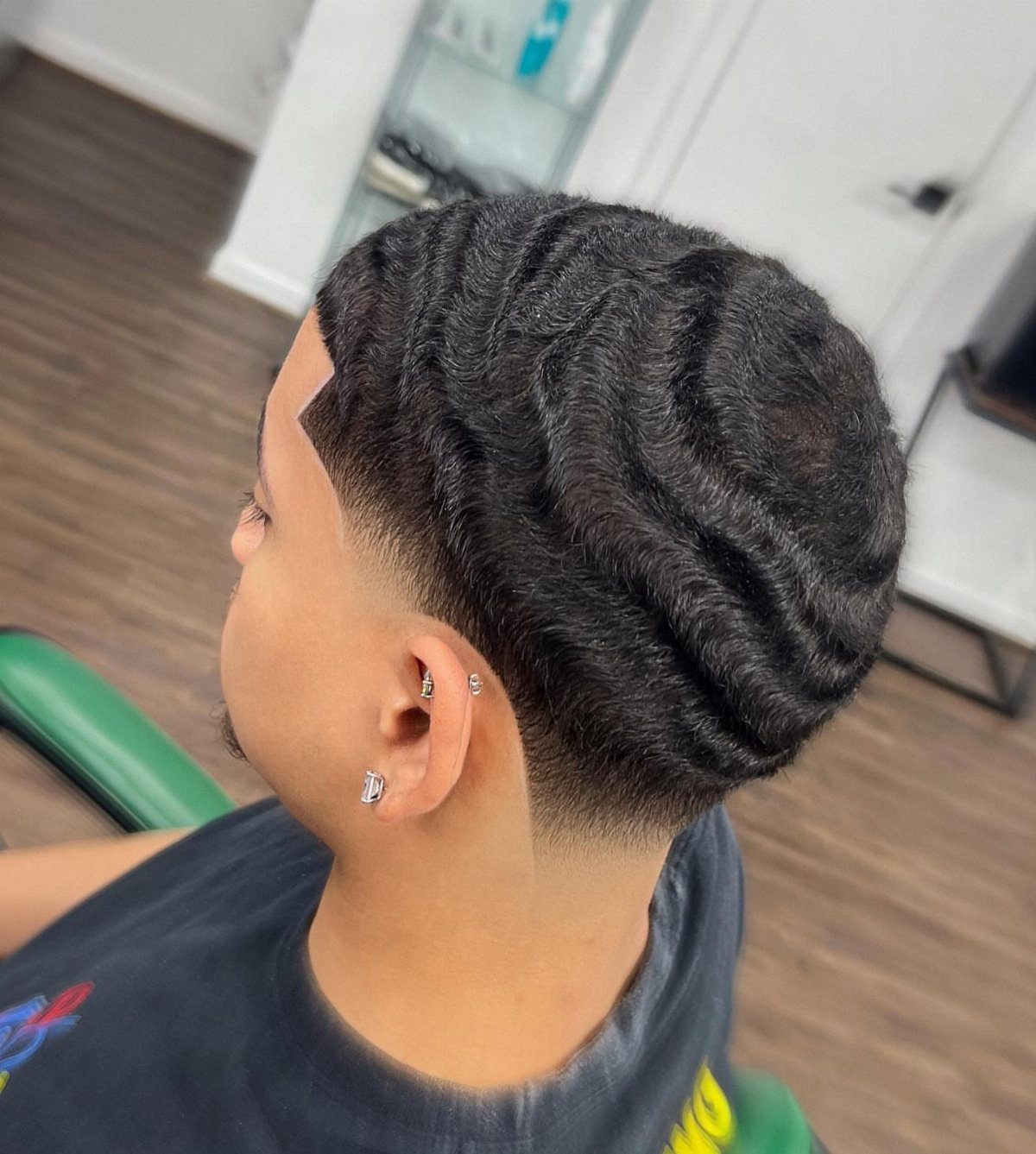
Brushed wave patterns form concentric circles radiating from the crown, paired with a taper that keeps the sides and back clean. The waves sit tight and defined across the entire top.
Getting the waves takes daily brushing with a wave brush and a durag worn overnight. A wave pomade or moisturizer holds the pattern and adds shine.
Cleanup appointments matter more here because a grown-out taper erases the boundary your waves need.
29. Side Part Low Taper Fade
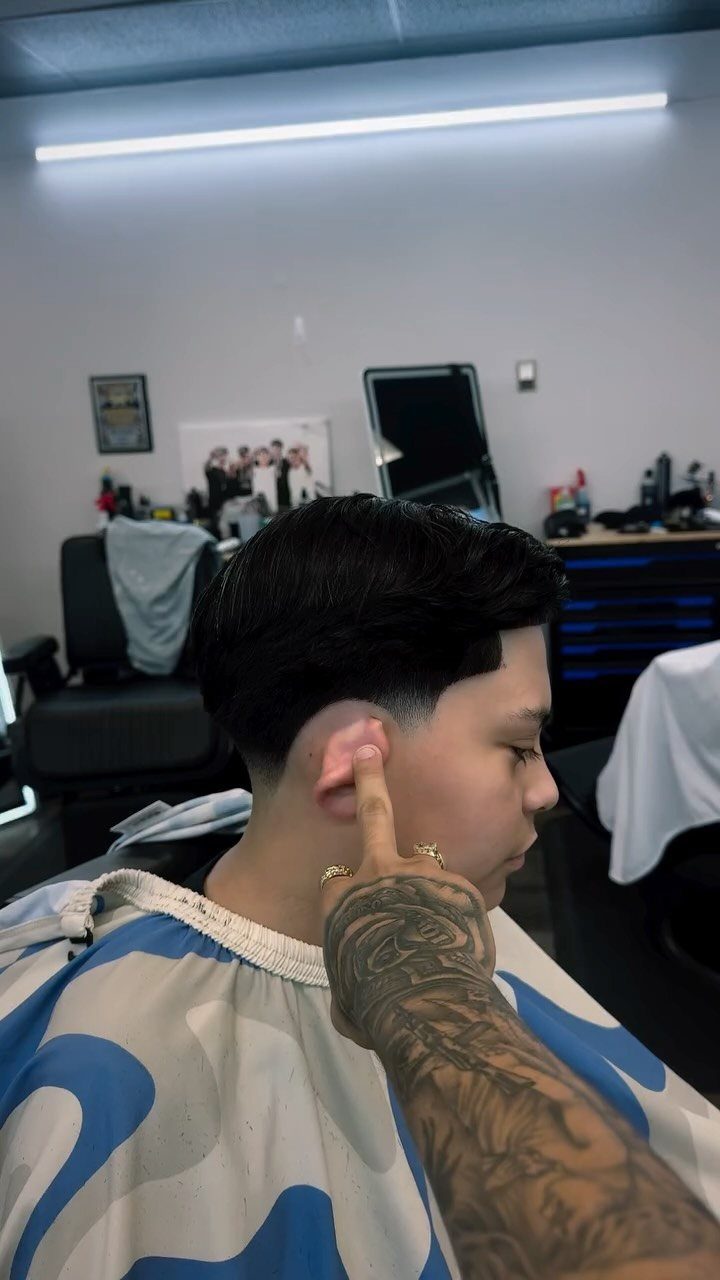
A defined part carved or combed into the hair, with the longer side brushed across and the taper cleaning up the outline. The part can sit high near the temple or lower depending on where your natural part falls.
A comb and a light pomade lock the side in place. The part stays visible as long as the top has enough length to lay flat.
The taper grows out slowly, so this cut stretches further between trims than higher fades do.
30. Low Taper Fade with Beard
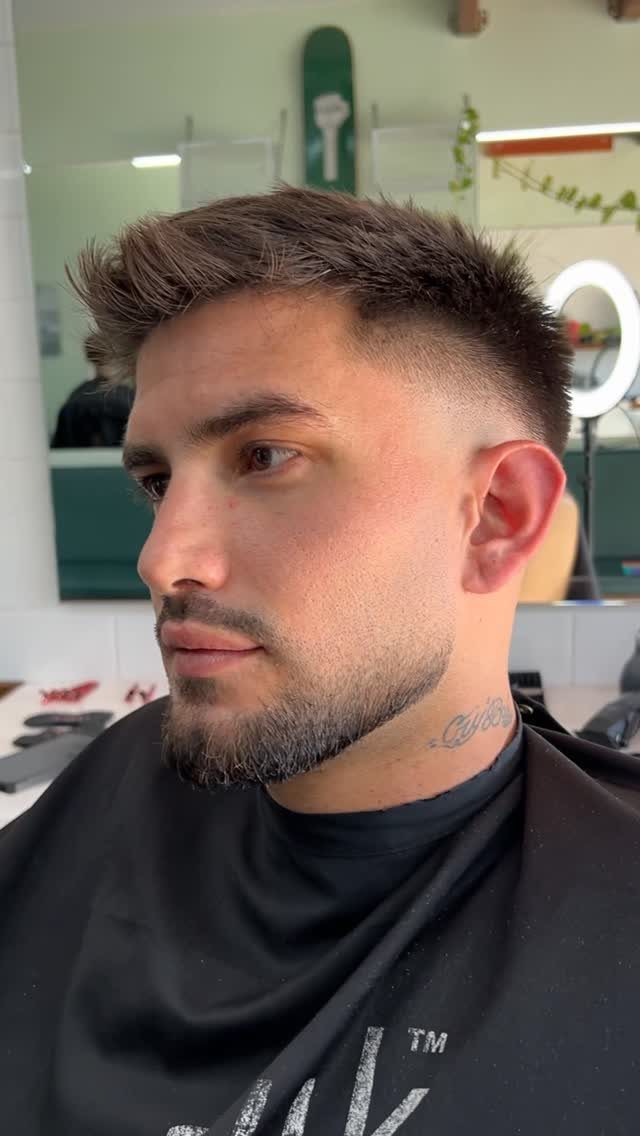
The taper blends into the beard instead of stopping at the sideburn, creating one continuous fade from the hair down through the jawline. The beard is trimmed to match the fade gradient.
Getting this right takes a barber who can line up both pieces at once. The beard needs regular shaping to hold the blend, so plan on extra time at each trim.
Hair length on top is your call. The taper and beard connection work with anything from a buzz cut to longer styled hair.
31. Neckline Taper Fade Back View
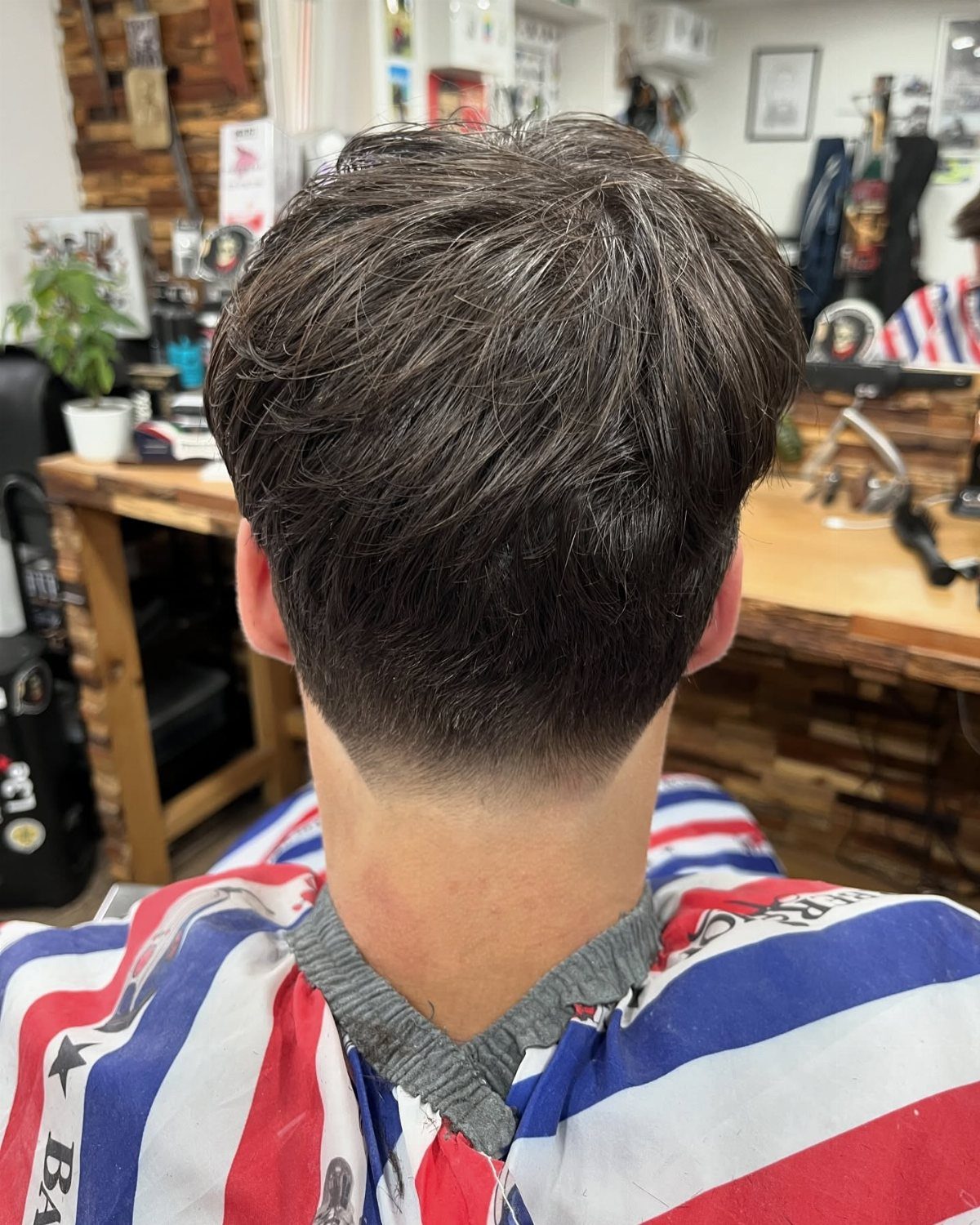
The back shows where a low taper succeeds or fails. The blend from hair to skin should move through at least 3 guard lengths and stop clean at a natural neckline, without stray hairs below the fade line.
A squared or rounded neckline both work.
Squared reads sharper, rounded softens the shape. Either way, the line needs to sit level across both sides or the whole cut looks rushed.
This angle is what you see in a hand mirror after the cut. If the blend looks choppy or the neckline sits crooked, that barber is not the one to return to.
Fade Upkeep and Grow-out
Cleanup timing depends on texture.
Straight hair holds the line longer and can stretch 3–4 weeks between trims. Wavy hair disguises grow-out better and pushes that to 4–5 weeks.
Curly or thick hair shows the fade losing definition faster, so most people book every 2–3 weeks. Fine hair can go 4 weeks.
If you can live with softer edges and less precision at the sides, some versions stretch to 8 weeks before they need attention. Most people trim before that point because the fade line blurs enough that it stops reading as intentional.
A detail trimmer at home takes care of the neckline between appointments.
Barber Consultation and Cut Details
Specify where the fade starts and where it ends, not just the height. Saying the fade starts just above the ear, runs a #1 into a #2, leaves 2–3 inches up top, and keeps the neck natural gives a barber what they need.
Photos from more than one angle help.
One side view doesn’t show how the back connects or how tight the blend runs. The barber needs to see the full shape you’re after.
Say whether you want the hairline shaped up or left soft. That decision changes how sharp the perimeter reads and how soon you’ll need the next trim.
Ask what your hair type needs for the style you’re requesting.
Face Shape and Hair Suitability
Round faces gain length when the top adds height.
Oval faces handle any variation. Square jawlines get refinement without losing the strong edge.
A heart-shaped face gets balance from the shorter sides pulling attention away from a wider forehead. A long face looks better with volume pushed to the side rather than stacked straight up.
Mid fades suit oval and square jawlines. A high fade sharpens angular features, so it works best when your face can handle that level of contrast.
Hair texture and density affect how the fade reads. Softer gradual blends suit square faces better than hard lines.
Frequently Asked Questions
What is a low taper fade for men?
A blend that begins low, near the temple, and shortens from the longer crown down through the sides.
What face shape works best with low taper fades?
Low fades flatter nearly any face shape because the low start keeps side length instead of exposing the full profile. Round faces benefit most from the added length, while oval and square shapes handle any fade height without issue.
What’s the difference between a taper and a fade?
A taper shortens gradually from crown to nape, blending length without ever exposing scalp. A fade cuts all the way down using smaller and smaller guards, often ending at naked scalp for sharp contrast.