Straight hair takes styling cues well but broadcasts every bit of oil, so plan on washing more often and choosing products that add texture instead of gloss.
The right cut depends on strand thickness: fine hair needs texture or shorter lengths to avoid falling flat, while thick hair requires thinning shears to keep it from looking blocky.
Faded styles blur within a month; scissor cuts buy you 6 to 8 weeks because straight hair grows uniformly and hides damage longer.
1. Textured Shag
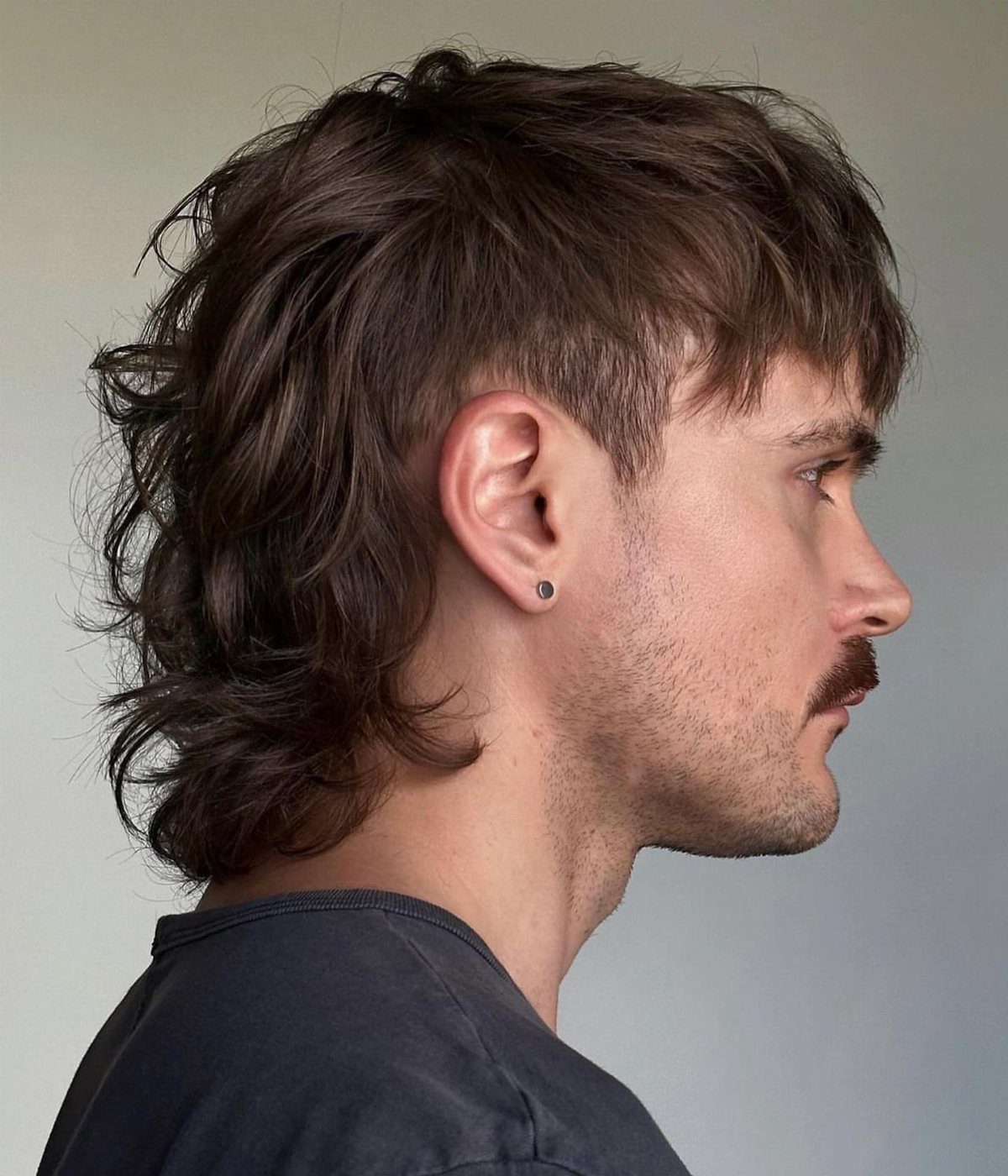
Choppy layers cut through straight hair give it movement instead of letting it sit flat. The fringe falls forward without needing much work in the morning, and the uneven lengths mean it grows out softer than a blunt cut would.
Ask for textured layers through the top and sides, with the fringe left long enough to brush your eyebrows.
Most barbers will point-cut the ends to keep the texture visible. Styling takes a small amount of matte paste worked through damp hair, then left to air-dry or hit with a blow-dryer for more lift at the roots.
2. Textured Crop
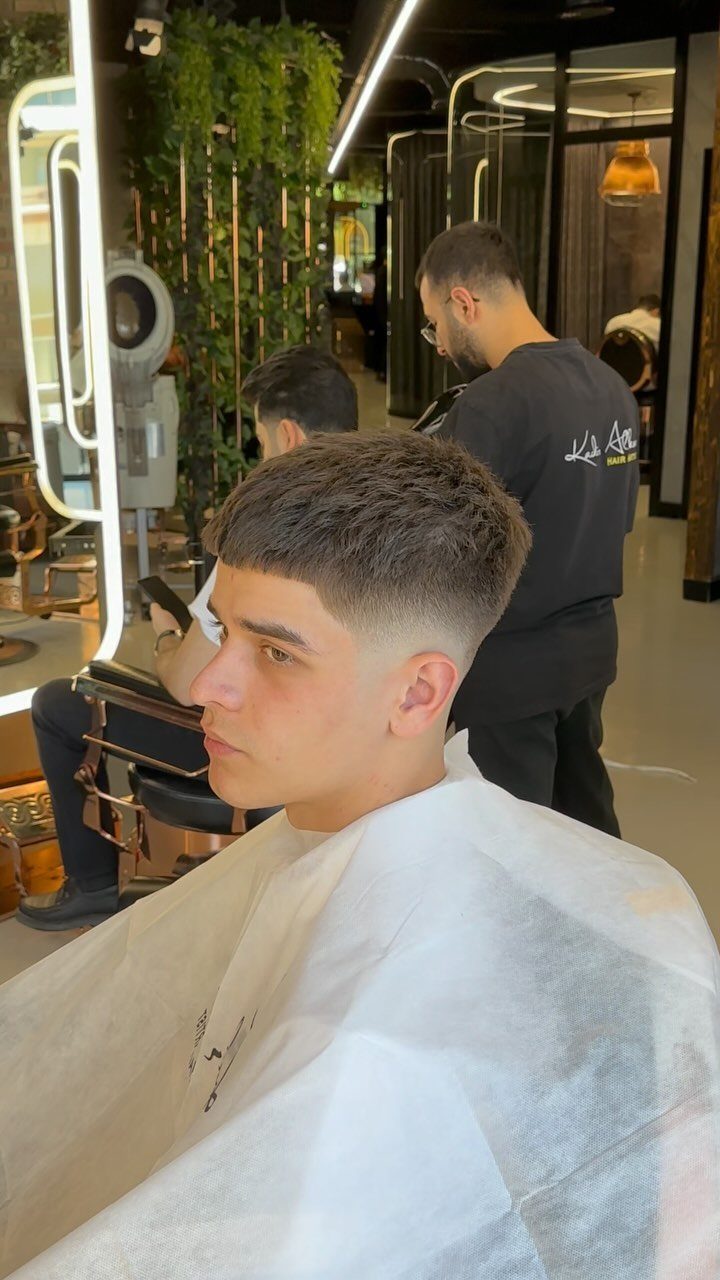
The top stays short but gets cut with texture rather than one even length, so straight hair picks up dimension instead of lying flat. The fringe pushes forward, and the choppy finish means you can skip styling on most mornings.
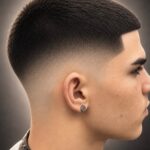
Pair it with a skin fade on the sides for contrast, or leave the sides longer if you prefer less upkeep.
In the morning, a small amount of styling cream or sea salt spray gives definition without making it stiff. This grows out cleanly before the shape starts to blur.
3. Quiff
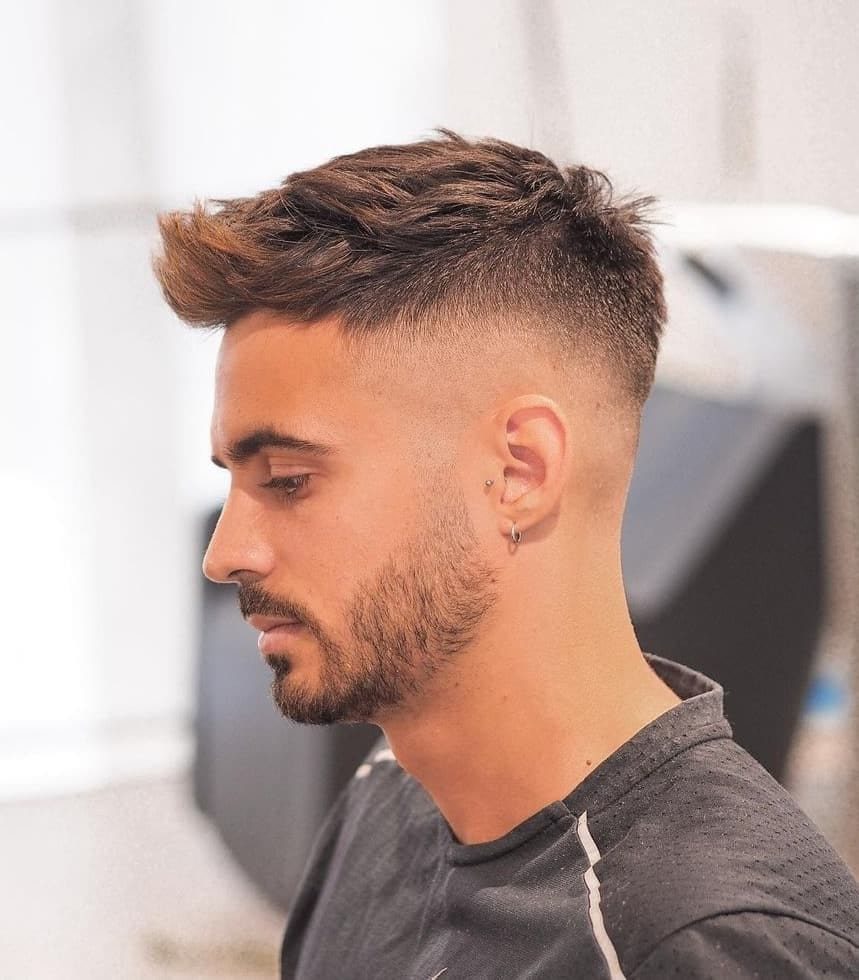
The front section is lifted up and swept back to build height, which suits straight hair because it holds the shape without fighting a curl pattern. Sides stay short to keep the focus on the volume up top.
You’ll need a blow-dryer and a round brush to get the lift, then a medium-hold pomade or styling cream to lock it in place. Plan for some time each morning.
The quiff works well if your hairline is still strong, since receding temples make the swept-back look harder to balance. Expect regular barber visits to keep the sides tight.
4. Faux Hawk
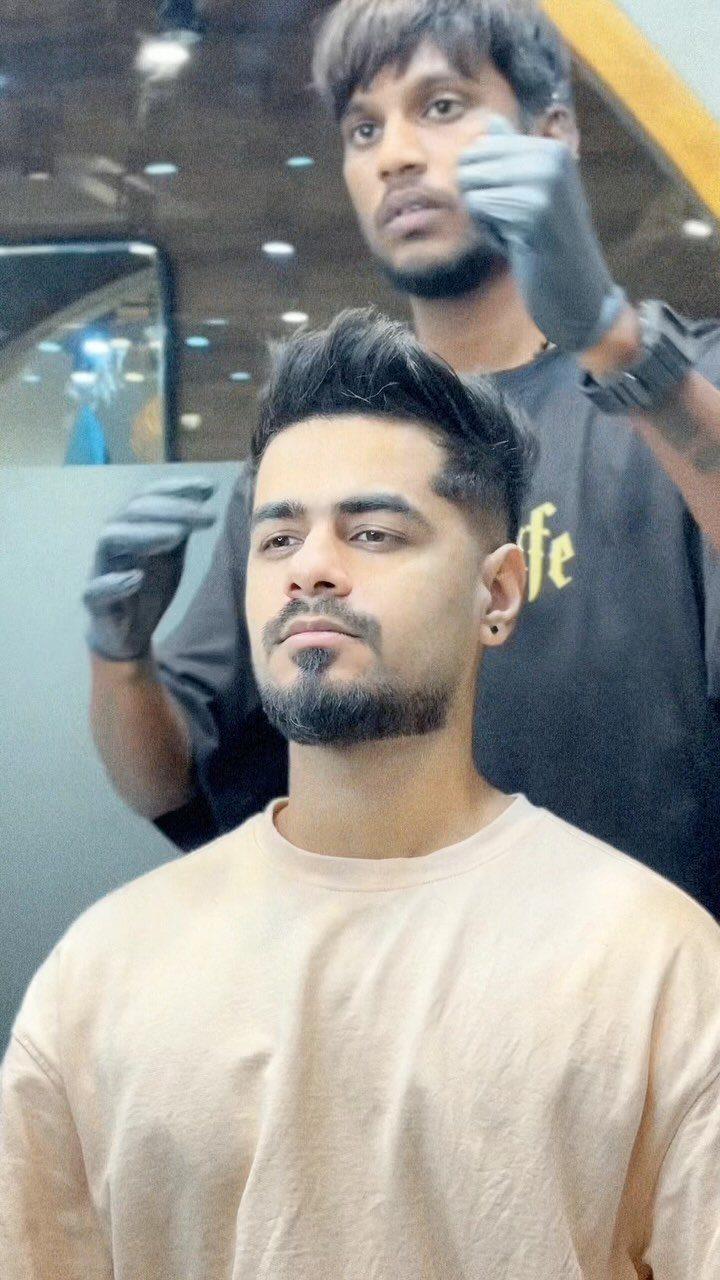
Hair is styled into a central ridge that runs front to back, mimicking a mohawk without shaving the sides down to skin.
Straight hair holds the ridge shape easily, and the look reads as bold without requiring a full commitment to an undercut.
Ask for length on top with shorter sides, usually a mid or high fade.
Styling takes a strong-hold gel or pomade and a few minutes of shaping the ridge with your fingers or a comb. The sides need a cleanup more often, but the top can go longer between trims.
5. Thick Textured Hair
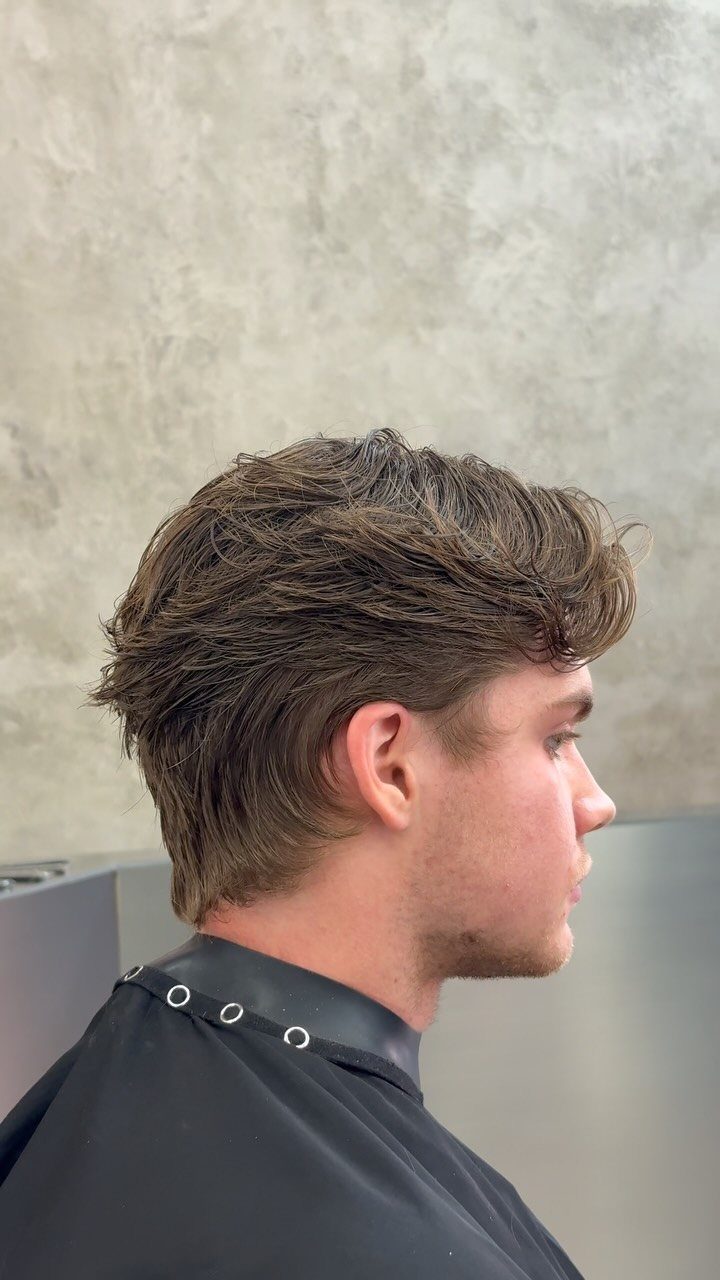
Thick straight hair can look heavy and shapeless without texture to break it up. Finger-worked styling products and point-cut layers give the hair separation and keep it from sitting in one solid block.
Ask your barber to texture through the top and sides with thinning shears or a razor.
In the morning, a clay or matte paste worked through damp hair gives definition and keeps the pieces from clumping back together. This style grows out well because the texture softens the shape rather than holding a hard line.
Style with a matte clay (avoid wax or gel, which clump hair and make it look thinner).
— GQ
6. Crew Cut
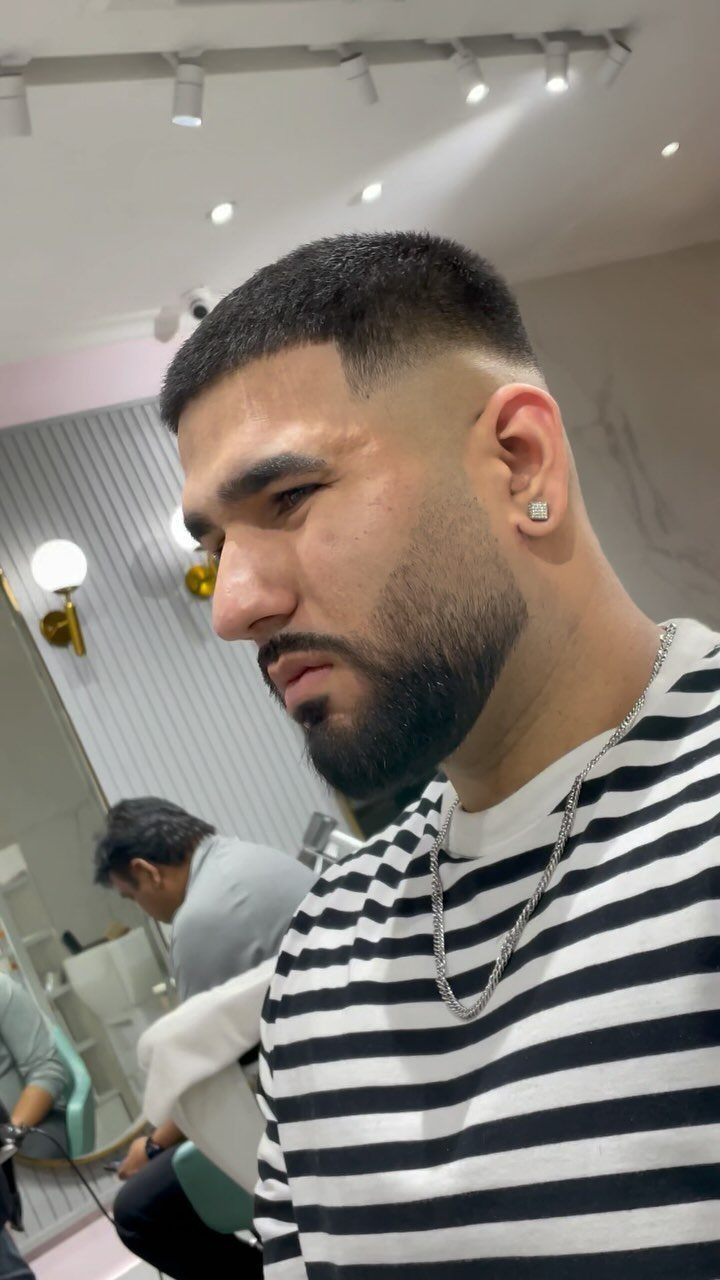
Short, even length on top with the sides cut close or faded. Straight hair suits this because the top stays flat and tidy without needing product to control curls or waves.
The crew cut takes almost no time in the morning, usually just a quick towel-dry after a shower.
If you fade the sides, plan for more frequent barber visits to keep the fade sharp; if you leave the sides uniform with clippers, you can stretch that interval.
This works well if you prefer a low-maintenance routine and don’t mind frequent trims.
7. Pompadour
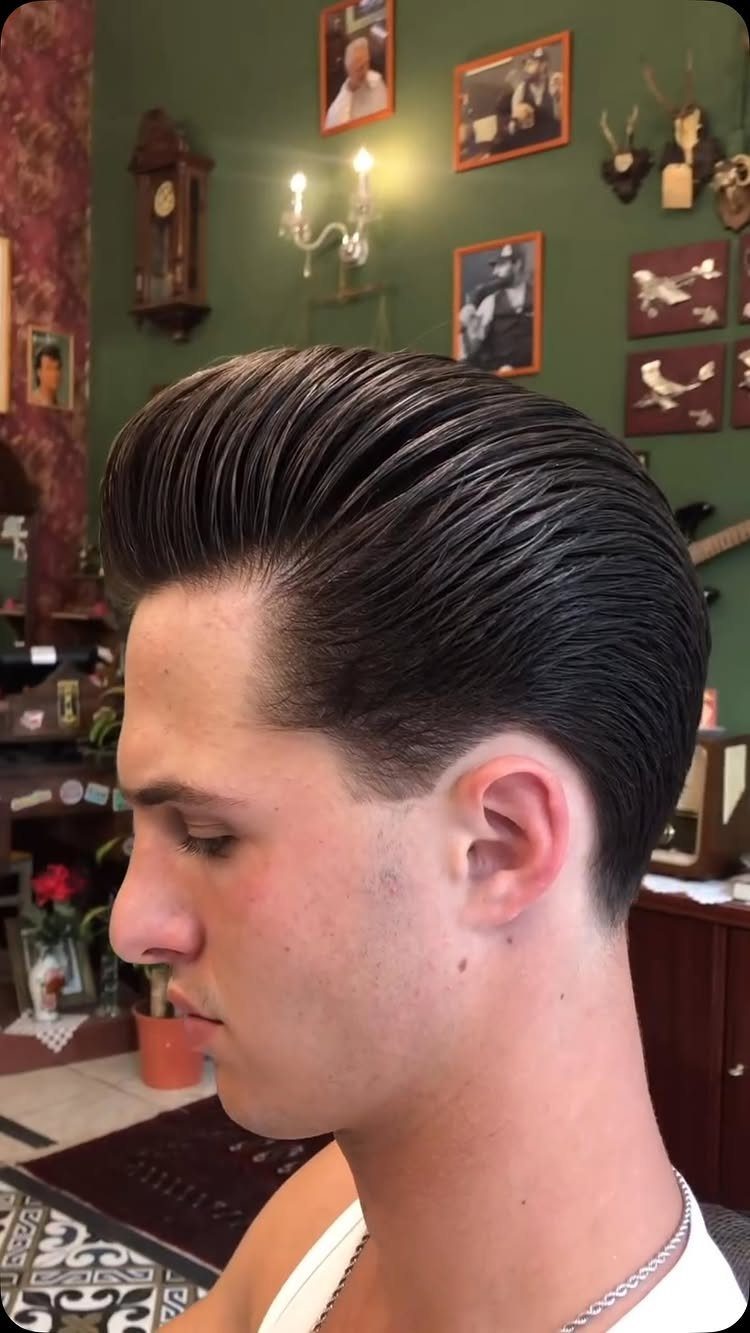
Hair at the front is lifted high and swept back to build volume, then tapered into shorter sides.
Straight texture holds the shape without fight, but count on a few minutes with the dryer and a round brush every morning to build that volume.
A medium to strong-hold pomade keeps it locked in place through the day.
The sides need regular cleanup to maintain contrast with the top. This suits men with a full hairline, since the swept-back volume draws the eye to the front section.
8. Side Part
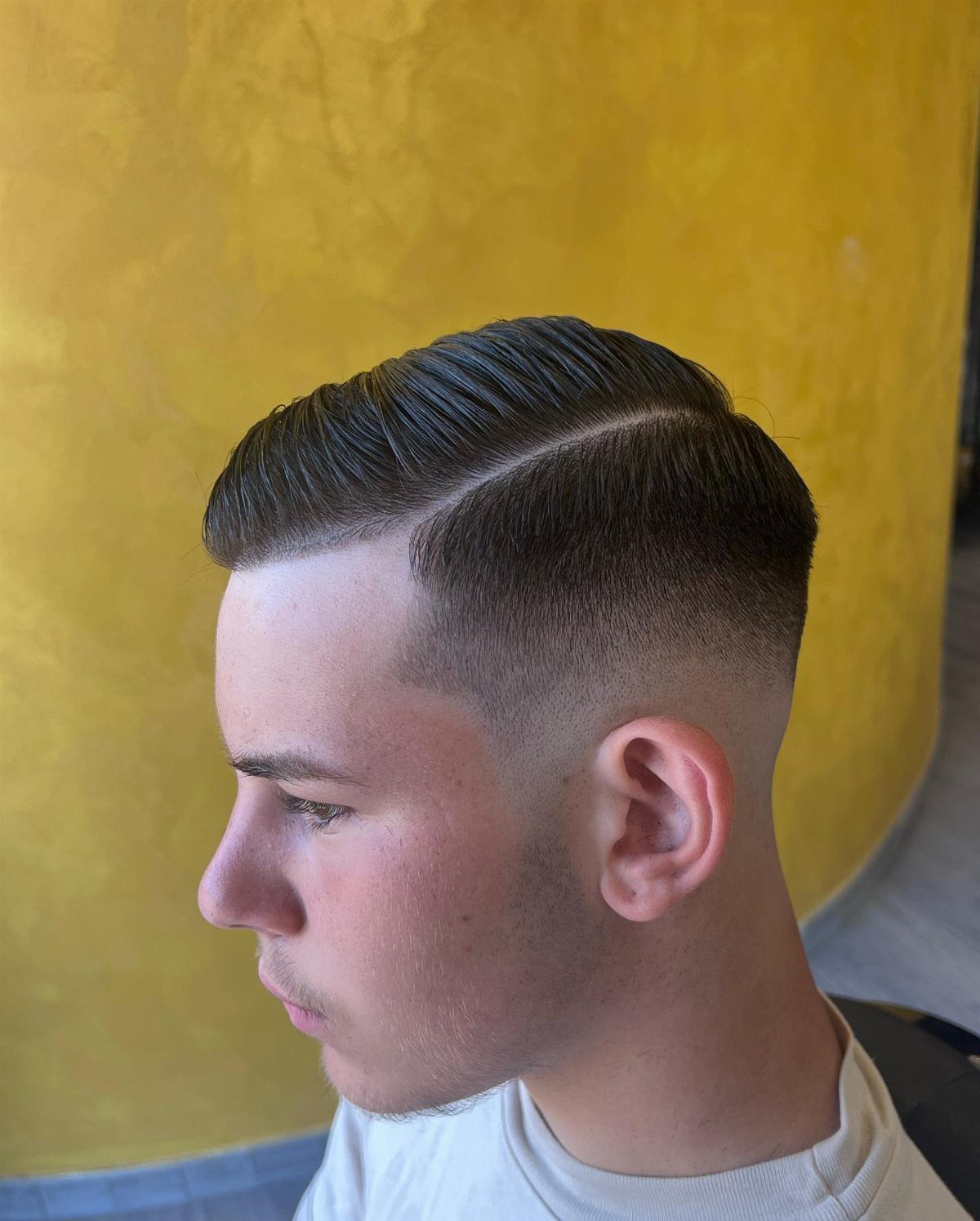
A clean line divides the hair, with one side combed across and the other side clipped short or faded. Straight hair sits neatly along the part without curling back into itself.
Use a comb and a light pomade or cream to set the direction in the morning.
The part itself can be cut in with clippers for a sharp line, or combed in for something softer. A skin fade on the sides gives more contrast but requires more frequent barber visits to stay crisp.
9. Short Back and Sides
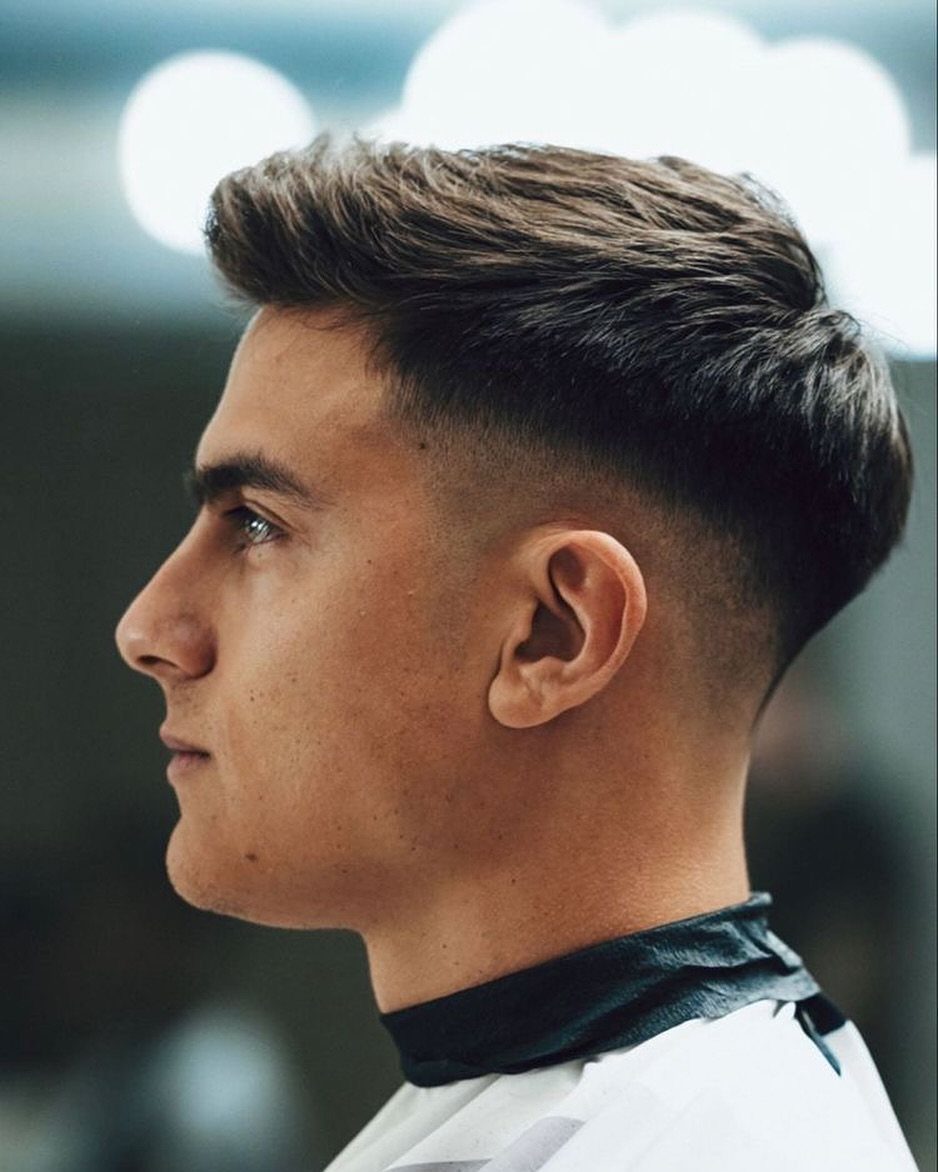
The top is scissor-cut with some length left, while the sides and back taper down shorter. This gives straight hair room to move on top without adding bulk around the ears or nape.
Styling is optional; most mornings a towel-dry is enough, though a small amount of product gives texture if you want it.
The cut grows out evenly, so you can stretch barber visits longer than you would with a fade. This works well if you want something tidy but not severe.
10. Low Taper with Longer Top
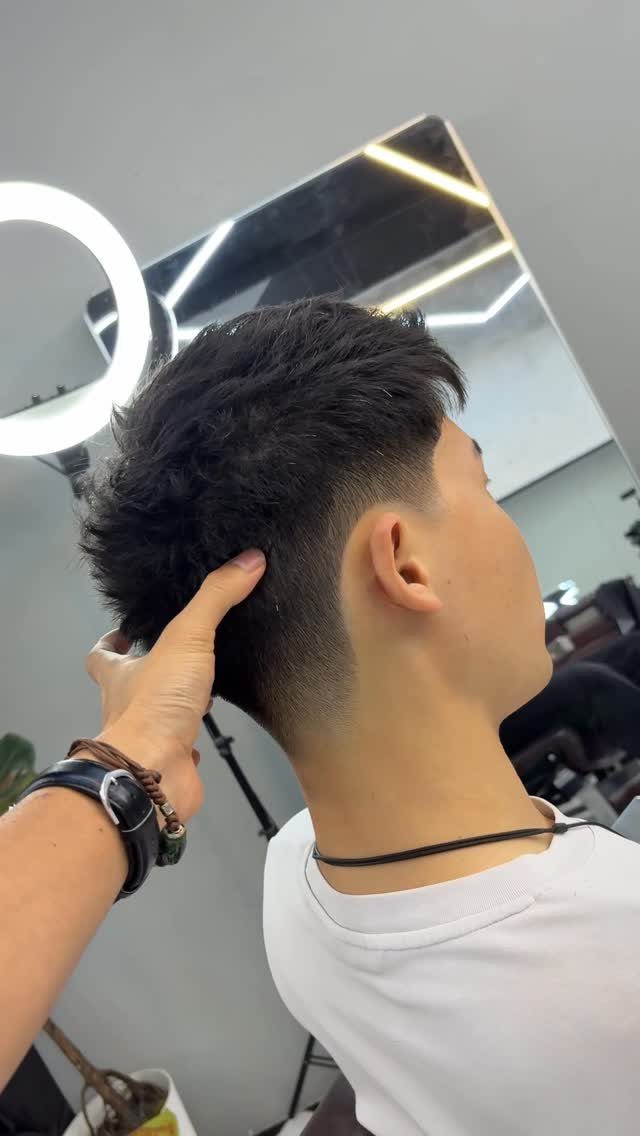
The sides and back blend down gradually, starting the taper low near the ears and nape while the top keeps several inches of length.
Straight hair on top can be styled forward, back, or to the side without fighting any natural curl.
Ask for a low taper rather than a fade if you prefer a softer transition.
The top takes a small amount of product to shape, or you can leave it loose. This balances maintenance between a full fade and an all-over scissor cut.
11. Slicked-Back
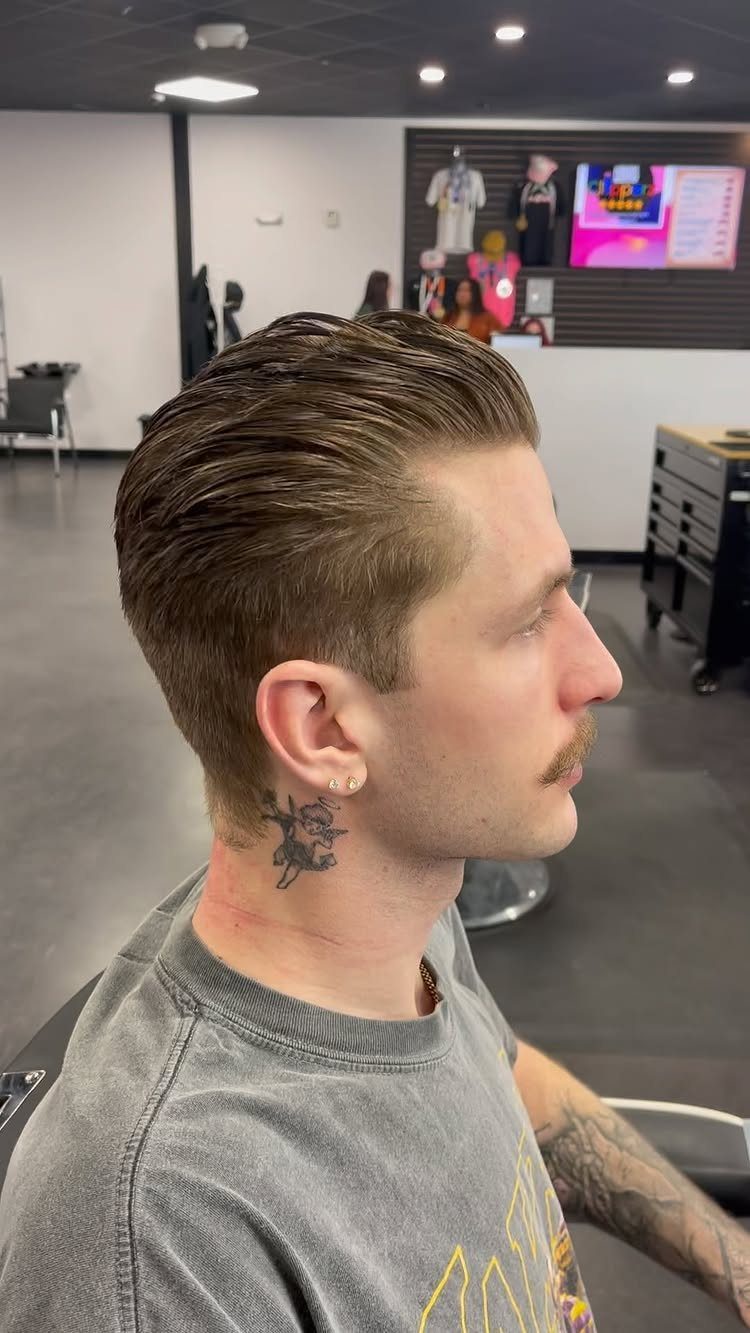
Hair is combed straight back from the forehead and held in place with product. Straight hair makes this simpler because it stays where you direct it instead of springing back forward.
You’ll need a medium to strong-hold pomade or gel, applied to damp hair and combed through.
The look works at different lengths, but longer hair gives more dramatic sweep. This takes more styling time than a forward-swept fringe, and you’ll need to reapply product after washing.
12. Voluminous Side Part

The part sits to one side, and the hair on the heavier side is blown out to add height and width before being combed over. Thick straight hair holds the volume without collapsing flat by midday.
This takes a blow-dryer, a round brush, and a volumizing mousse or spray worked through damp hair.
Once dry, a light pomade or cream keeps it in place. The volume makes thick hair look intentional rather than overgrown, though it requires more morning work than a flat side part.
13. Hard Part
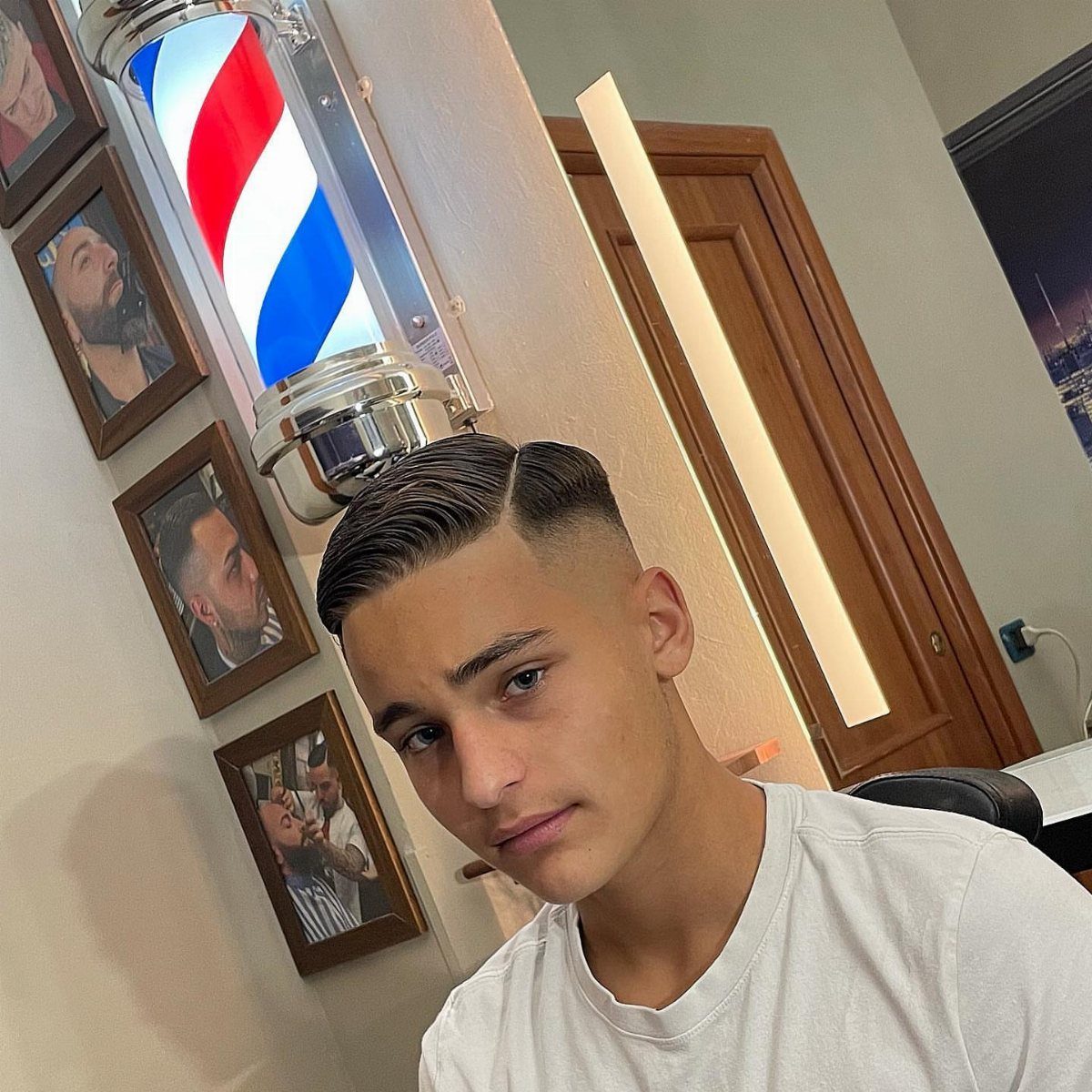
A razor or trimmer shaves a line into the scalp to mark where the hair divides. The shaved part gives a sharper, more defined look than a combed side part and holds its line even when the hair is messy.
Straight hair sits cleanly on either side of the line without curling back over it. The shaved line grows out in a week or two, so this needs regular touch-ups to stay visible.
14. Slicked-Back Undercut
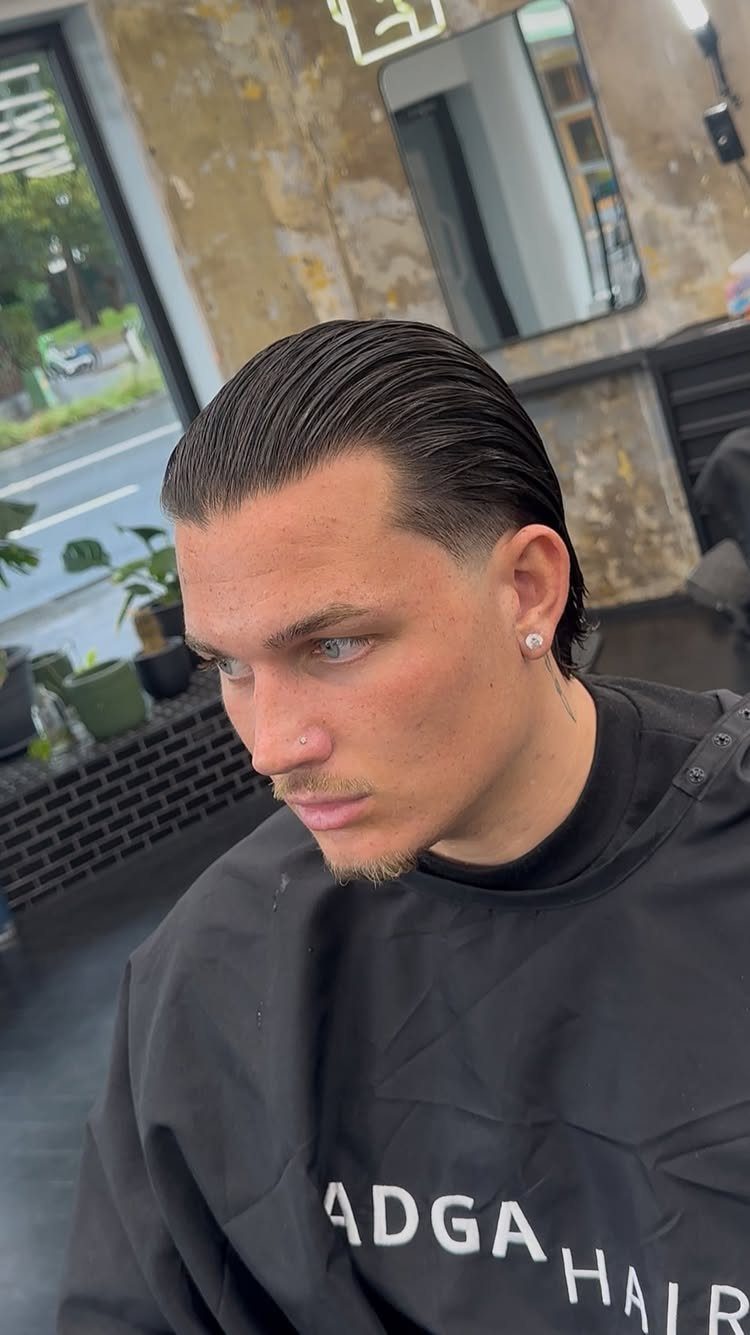
The sides are buzzed short or faded while the top keeps several inches of length, then combed straight back with product. The contrast between the short sides and longer top makes the slicked section look taller and more intentional.
15. Bro Flow
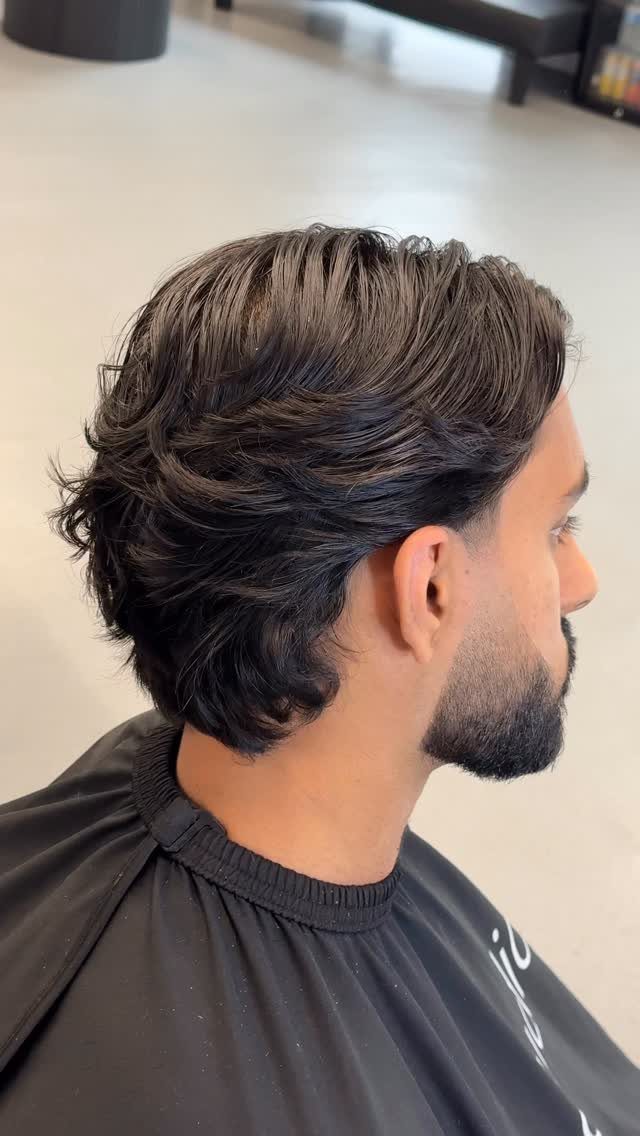
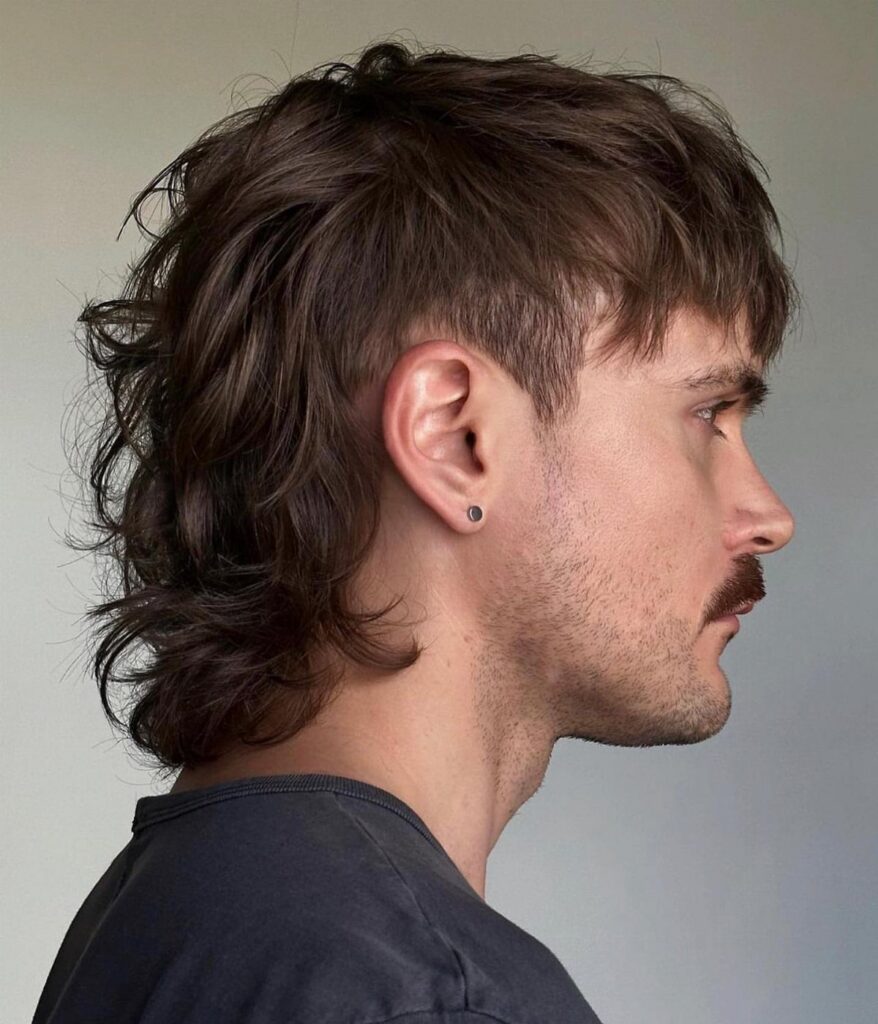
Hair grows out to chin length or just past it, with light layers cut through to keep it from looking heavy. Instead of styling it forward or up, you brush it back loosely and let it fall where it wants.
Straight hair makes this simpler because it doesn’t require curl cream or other products to manage texture.
Most mornings take a quick brush or run your fingers through it after a shower. You’ll spend a few months looking unfinished while it grows past your ears.
16. Man Bun
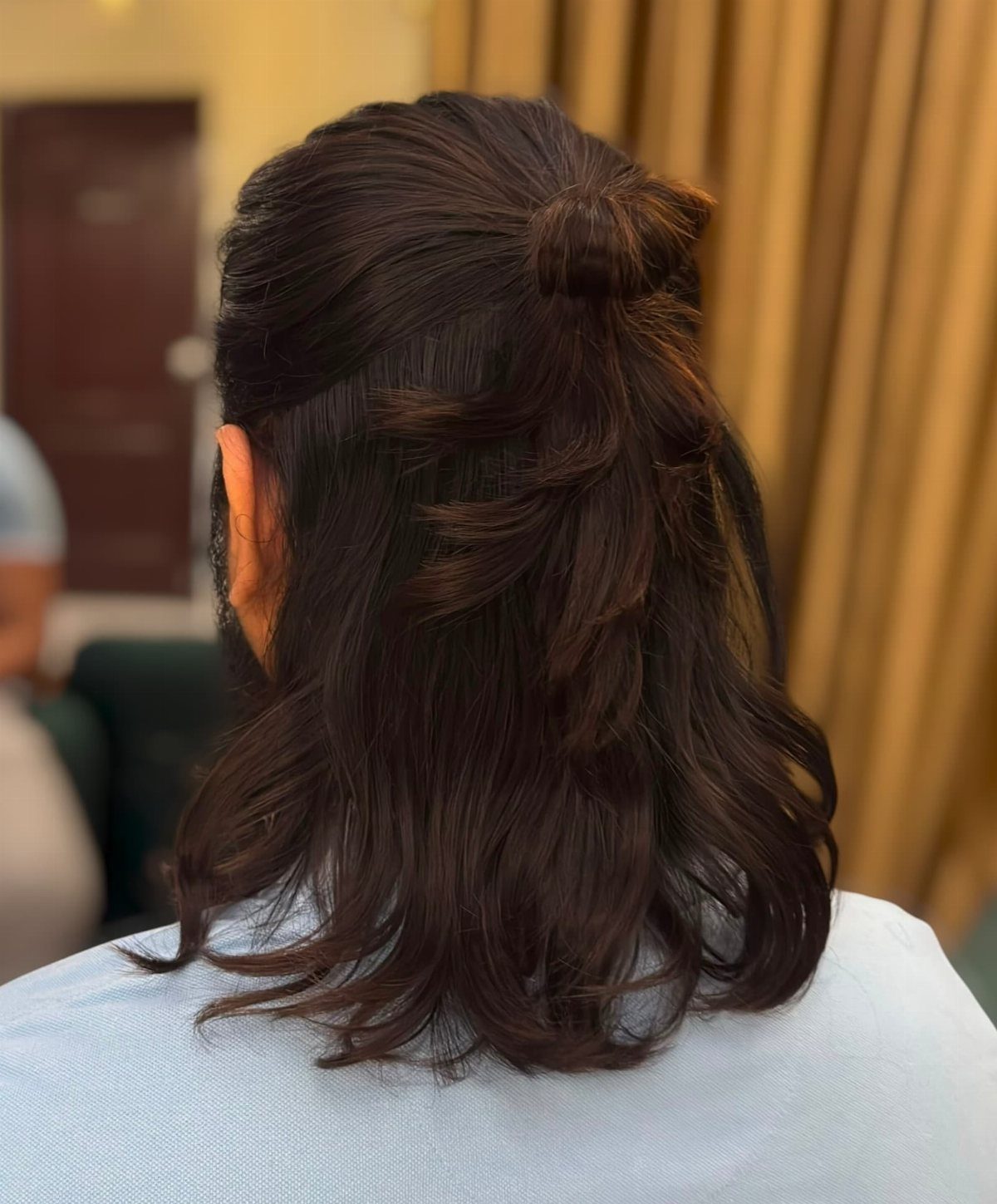
Some of the hair is pulled back and tied while the rest hangs loose.
This keeps hair off your face without committing to a full bun, and straight hair holds the tie without slipping out as easily as finer textures might.
You’ll need enough length to gather at least the top section.
A small elastic or hair tie secures it. The look works for casual settings but reads less polished than a full bun or a slicked style, so consider where you’ll be wearing it.
Choose for Hair and Face
Strand thickness and density matter more than most men realize when picking a cut.
Fine straight hair looks best with shorter styles or textured layers that add dimension, since longer blunt cuts can fall flat against the head. Thick straight hair carries more weight and needs thinning shears or point-cutting to avoid looking blocky.
Face shape changes which proportions work. A longer face benefits from width at the sides, while a rounder face looks better with height on top and tighter sides.
Growth patterns around the crown or hairline sometimes rule out certain styles, so check how your hair naturally falls before committing to a look that fights it.
Bring a reference photo to your barber and confirm the fade height, top length, and whether you want texture cut in or left smooth.
Volume and Oil Control
Straight hair shows oil faster because sebum travels down the shaft without waves to slow it. Washing daily with volumizing shampoo keeps it from looking greasy by midday.
I condition from mid-length to the ends and skip the roots entirely, since straight hair near the scalp already carries enough oil to flatten the whole thing if you add more moisture up there.
Blow-drying against the direction you’ll style it builds lift at the roots before you comb it back into place. Lightweight products hold texture without collapsing the volume you just built.
Styling powder, sea salt spray, and matte clay all add grip and separation without the shine or weight that makes straight hair look limp. Skip heavy pomades unless the style calls for a slicked finish.
Trim Schedules
A low-fade quiff holds its shape for 3 to 5 weeks before the fade blurs and the top gets too long to style cleanly.
Most scissor-cut styles with straight hair stretch to 6 to 8 weeks between trims, since the hair grows out evenly and split ends take longer to show.
Trimming on schedule removes split ends before they travel up the shaft and keeps the overall shape readable. Straight hair telegraphs an overgrown cut faster than wavy or curly textures because every millimeter of length shows.
Frequently Asked Questions
What are the top hairstyles for men?
Textured crops, quiffs, and side parts rank high for straight hair because they add dimension without fighting the natural fall of the hair.
Longer styles like the bro flow and slicked-back undercut work well for men willing to spend time styling each morning. Crew cuts suit those who prefer low maintenance, though they do ask for regular trims to hold the shape.
What Is Straight Hair in Men?
It runs from root to tip in a straight line, no bends or kinks.
Natural scalp oils travel down the shaft faster than on wavy or curly textures, so it shows grease by midday if you skip daily washing. Layers and point-cutting add dimension and keep it from sitting flat against the head.
What Hair Type Do I Have?
Type follows curl shape, strand thickness, and how much hair you have per square inch of scalp. Density and strand width decide whether it reads fine or thick.
What Is the Best Haircut for a Straight Hair Male?
There is no single best haircut for straight hair. The side part looks clean and works for most face shapes, while textured crops and quiffs add dimension without much fuss most mornings.
Which Fade Is Good for Straight Hair?
Any fade height works with straight hair, but a low taper blends more gradually and gives a softer transition than a mid or high fade.
Pair it with a textured crop or side part for a balanced look that doesn’t require daily barber visits. Skin fades on the sides add more contrast but need cleanup every 3 to 5 weeks to stay sharp.