Straight hair holds a crew cut’s clean lines, slicks back without wave interrupting, and shows the contrast of an undercut or skin fade more sharply than textured hair can.
The single thing that decides which cut works for you is how much time you’ll give it each morning: a burr cut or short crop needs zero styling and a towel, a pompadour or quiff takes 5 minutes with a dryer and pomade, and long straight hair past the shoulders is faster than most short cuts that need daily product.
Guard sizes matter when you’re asking for a crew cut or taper: a #3 leaves 9mm, a #4 leaves 12mm, and knowing which one you want keeps the cut consistent across barber visits.
1. Crew Cut
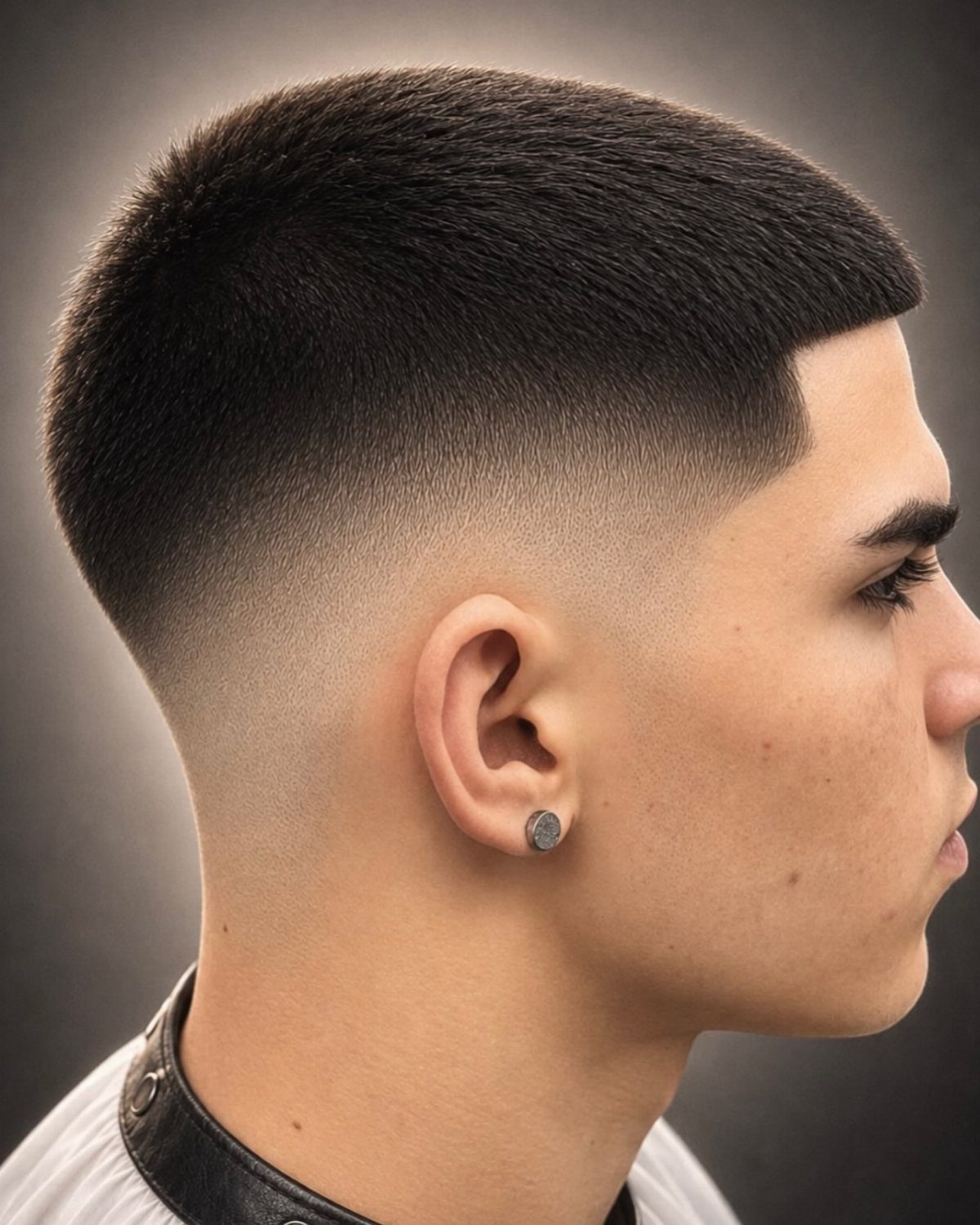
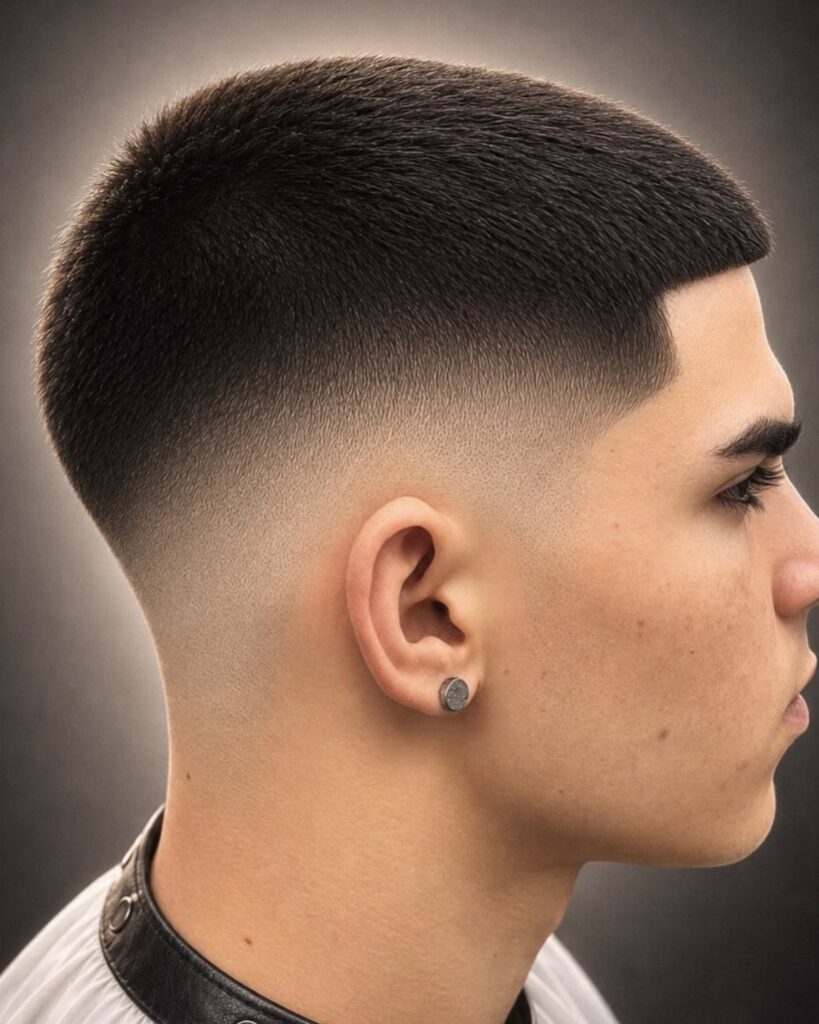
Straight hair holds a crew cut’s clean taper without fighting it. The top sits just long enough to keep shape but short enough that you walk out of the shower ready, no product unless you want it.
Ask for a 3 or 4 guard on top, tapered or faded down the sides and back. How high that fade climbs changes the look: low keeps it conservative, mid or high reads sharper.
You’ll need a trim every 3 to 4 weeks to keep the taper crisp, but daily styling is optional.
2. Pompadour
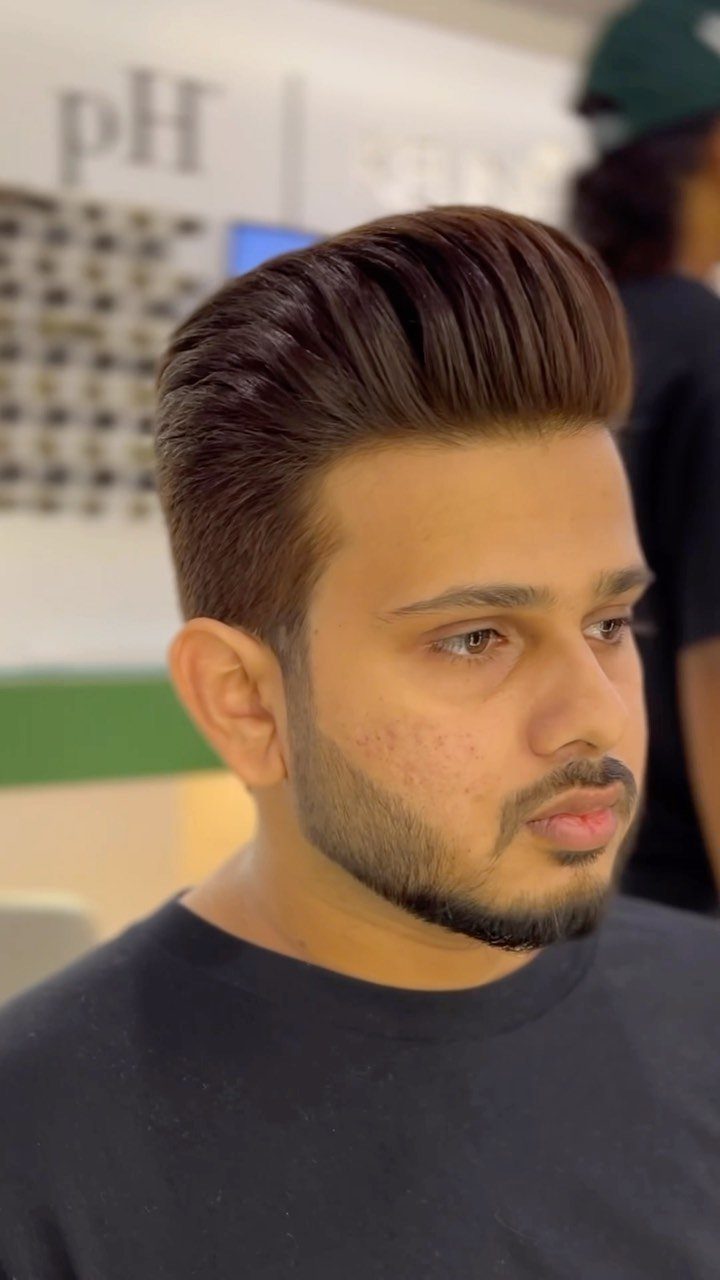
Volume at the front defines the pompadour. Hair sweeps up and back, and straight hair makes that height easier to hold since waves or curls add their own direction.
You’ll need a dryer and a medium to strong-hold pomade.
Blow the front upward while it’s damp, then work pomade through and comb it back with lift at the roots. The sides stay shorter to keep the contrast.
This cut became one of the most popular styles of the 1950s, and it still works if you’re willing to spend 5 minutes each morning keeping that volume in place.
3. Undercut
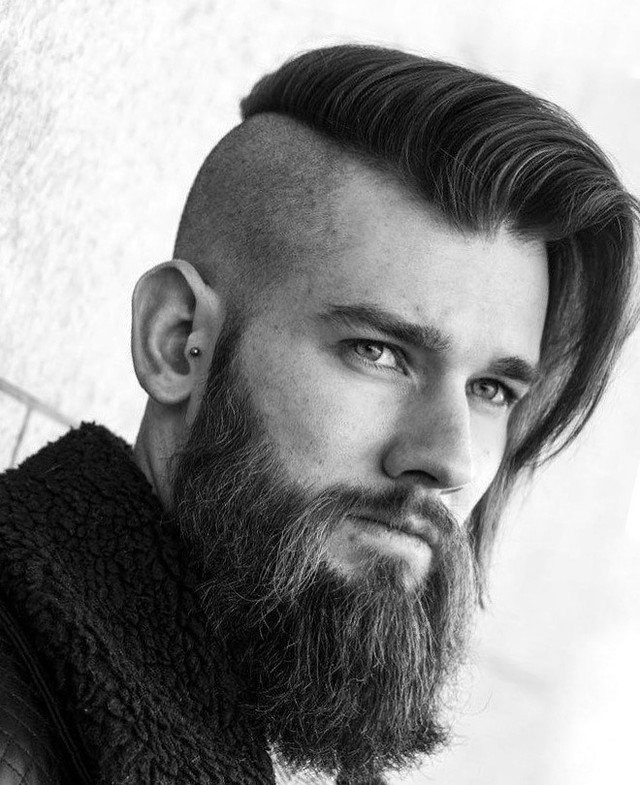
Short sides, longer top. The undercut separates the two with a distinct line rather than blending them, and hair without wave or curl shows that contrast cleanly.
How you style the top changes the whole look: slicked back, textured forward, parted to the side. The cut itself just gives you length to work with.
Sides need trimming every 2 to 3 weeks if you want the line sharp. The top can grow out longer without losing the shape.
4. Classic Taper
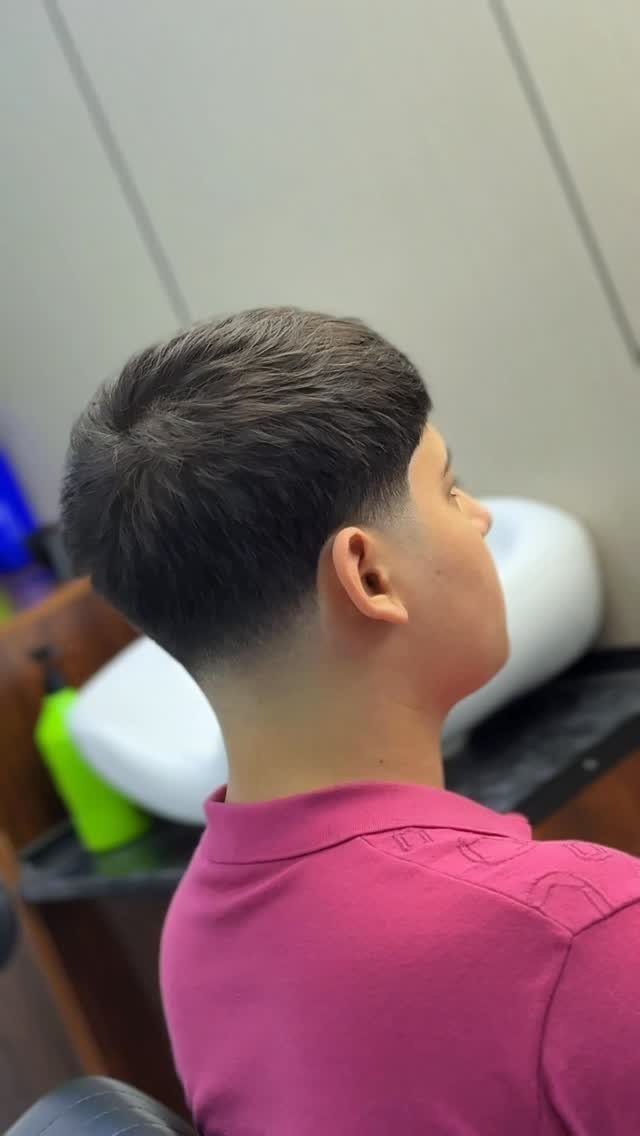
A taper eases from longer hair on top down to skin or near-skin at the neckline and ears. Straight hair shows the gradual shift without adding texture that can hide or soften it.
Ask for the fade to start low, mid, or high depending on how much contrast you want. The top can be styled forward, to the side, or left natural.
Maintenance sits around a few weeks apart. Styling depends on how long you leave the top: short enough and you need nothing, longer and you’ll want light product for hold.
5. Hard Part Comb Over
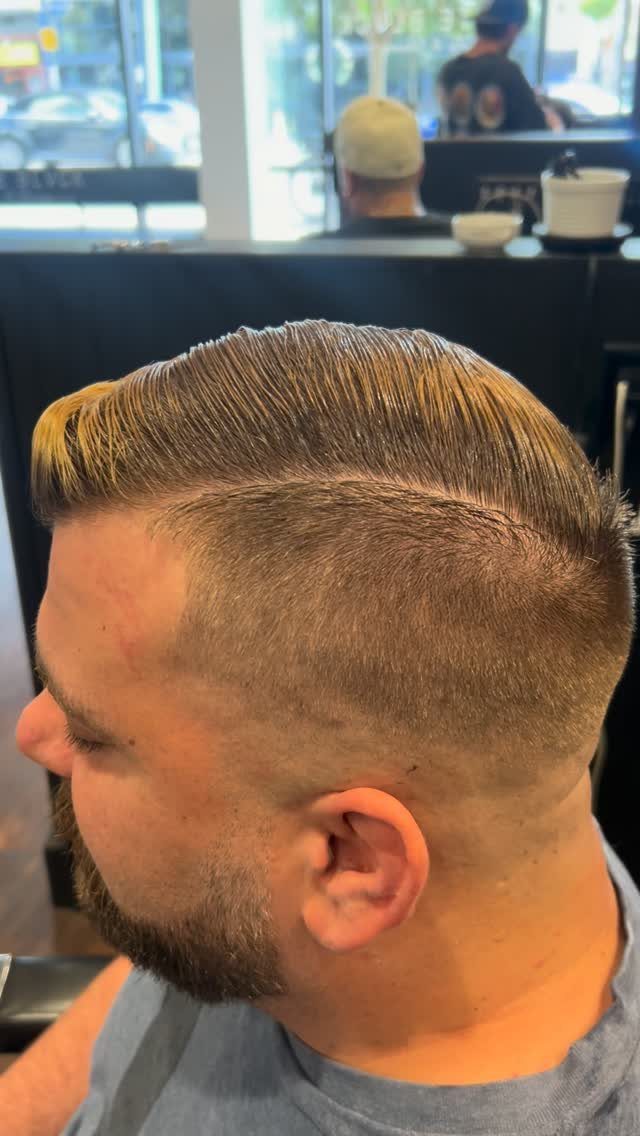
A shaved line carves the part into the scalp, so there’s no question where the comb-over begins. Straight hair combs cleanly over that line without curl pulling it back toward center.
The fade or taper on the shorter side makes the contrast sharper. You’ll need pomade or cream to keep the longer side swept across and in place, and the hard part itself needs a touch-up regularly or it grows in.
If you don’t want to maintain that shaved line, a natural part combed over works the same way with less upkeep.
6. Textured Crop
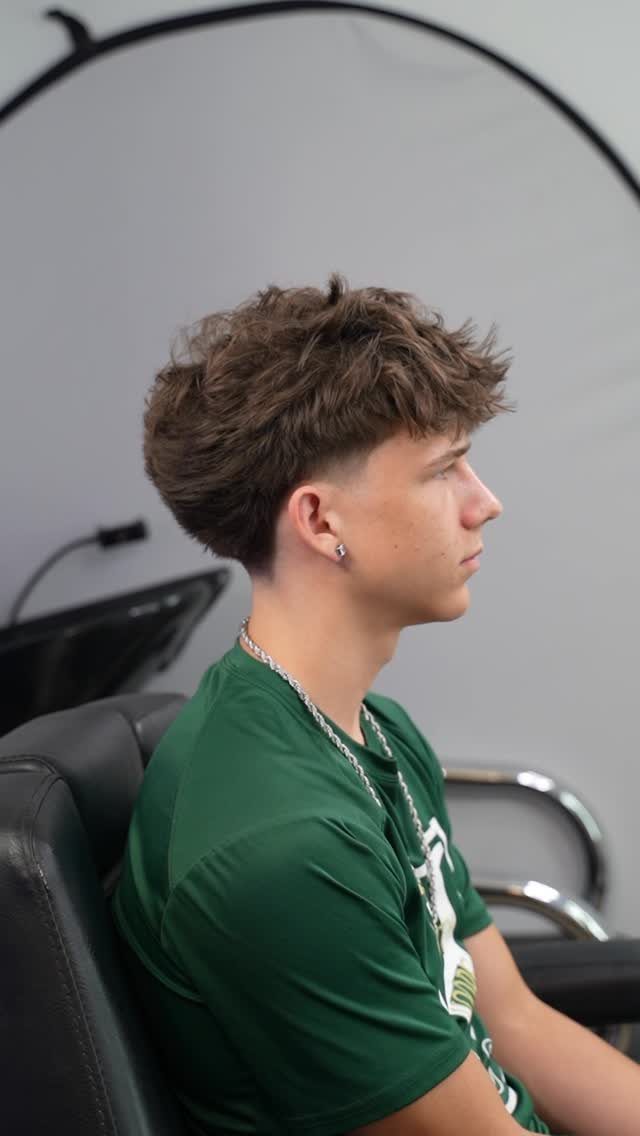
Short around the ears and back, slightly longer on top with the fringe cut forward and textured.
Straight hair takes to this cut because the fringe sits flat without curl lifting it, and the textured layers keep it from looking blunt.
Ask for point cutting or razor texturing through the top. The fringe should just reach your forehead or sit slightly above it, and the sides fade or taper to keep the weight on top.
Styling takes a minute: work a small amount of matte paste or clay through damp hair and push it forward.
The cut does most of the work, and you’ll need a trim regularly to keep the fringe from growing past your eyes.
7. Quiff
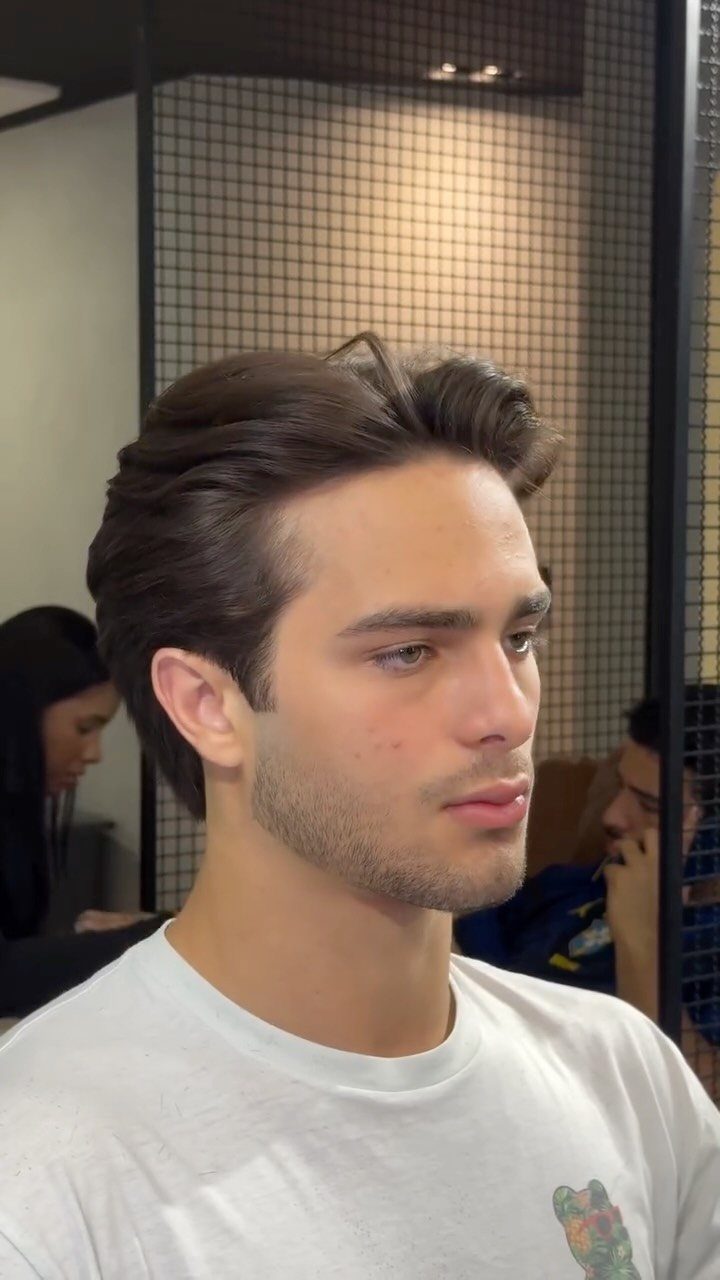
Volume at the front, shorter at the sides. The quiff lifts hair upward and slightly back, and straight hair holds that height without curl working against it.
The sides can be tapered or faded to keep the focus on top.
This cut needs a few minutes each morning to set the volume, and regular trims to keep the proportions right.
8. Bro Flow
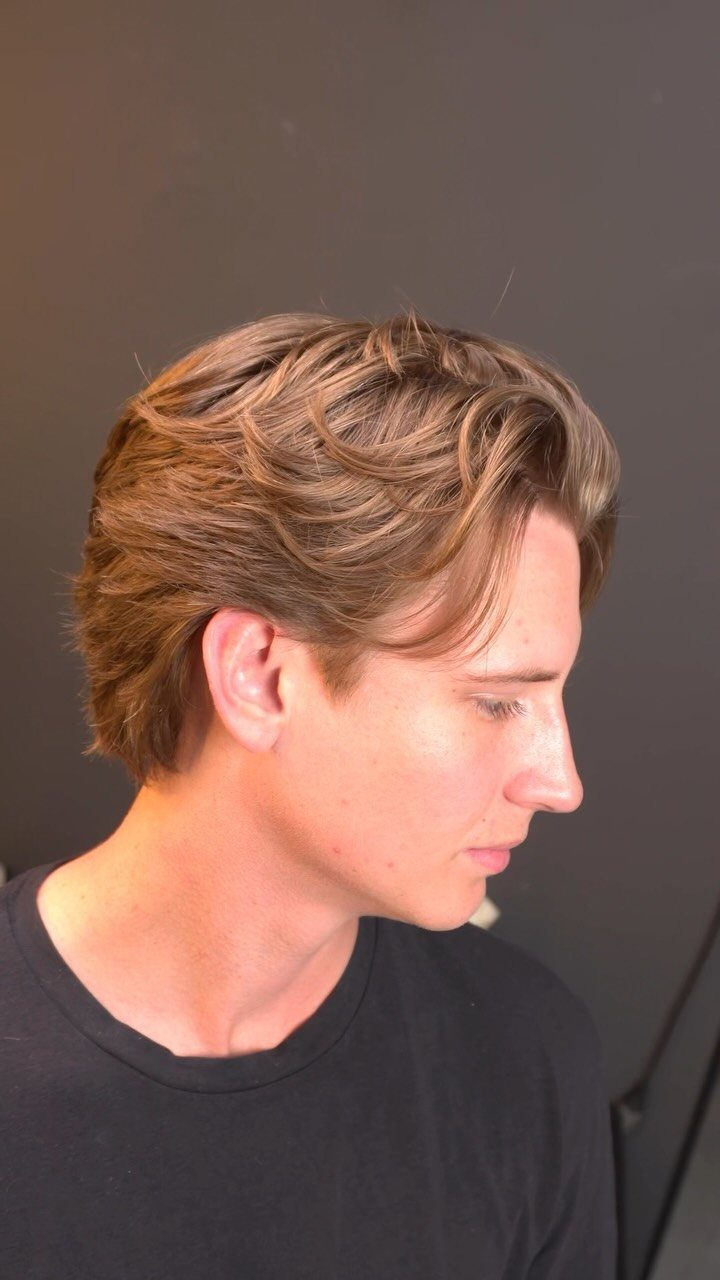
Grow the top out to chin length and let it fall naturally. The length gives you the option to tie it back when you don’t want it in your face.
The sides can stay short or grow with the top. If you keep them short, you’ll need regular trims while the top catches up.
The awkward middle phase lasts a few months, and hats help. Once it reaches length, styling is optional.
9. Textured Short Cut
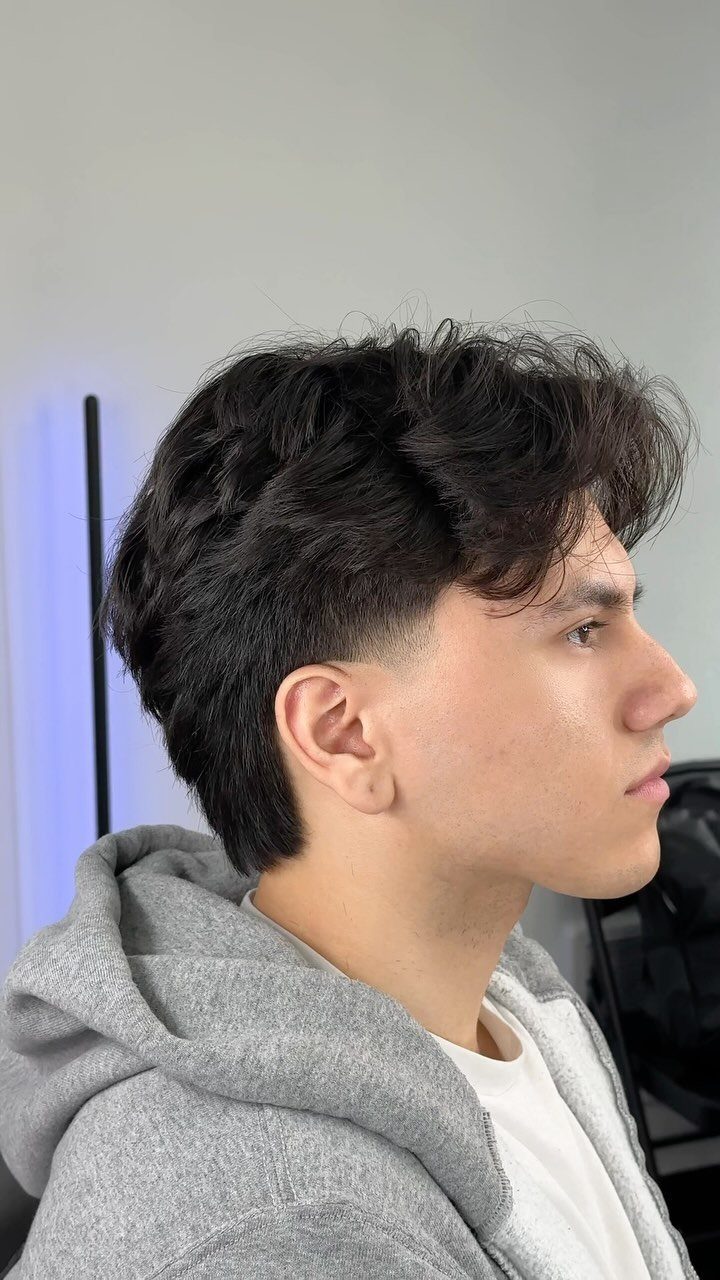
Short all around with texture cut into the top. Point cutting or razor work breaks up the ends so the cut doesn’t sit flat and uniform.
The barber takes the sides down with a taper or fade and cuts texture into the top. How much length you leave changes how much movement you get.
Regular trims keep the shape clean.
10. Slicked Back
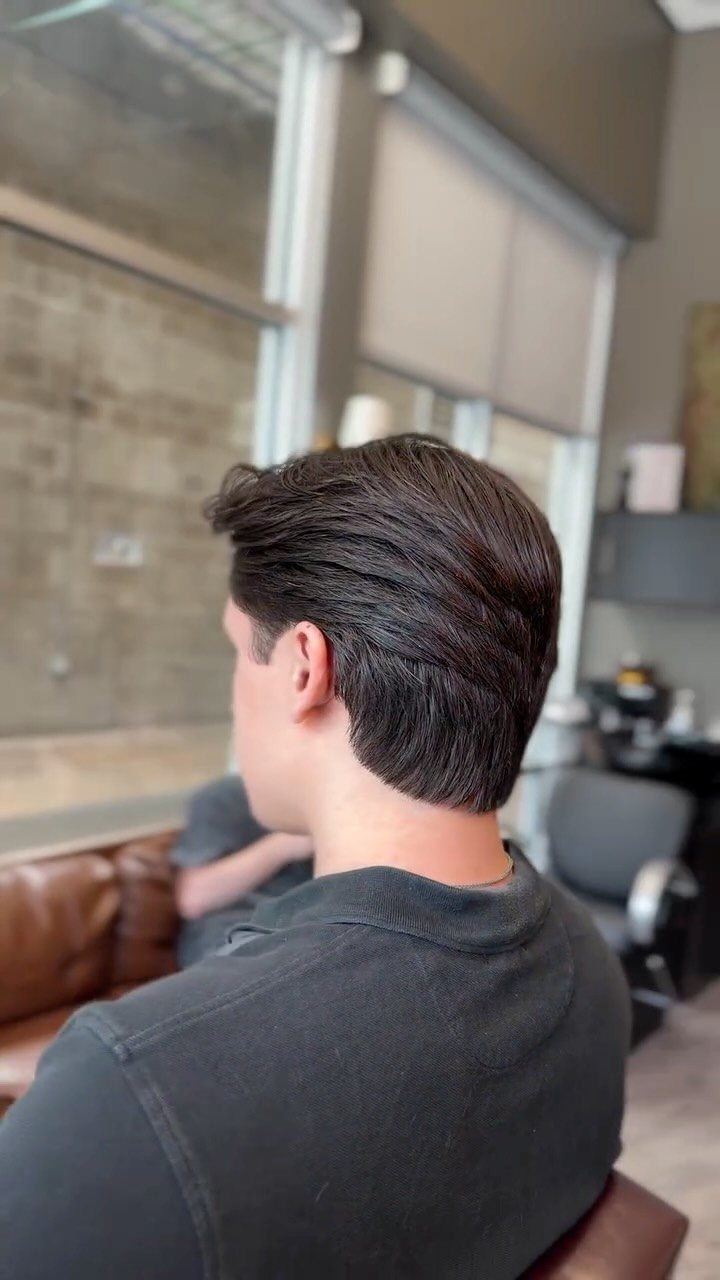
Hair combed straight back from the forehead, held with product. Straight hair slicks smoothly without wave interrupting the line.
Work it through damp hair and comb everything back, then let it dry or set it with a dryer if you want more hold.
Length on top determines how much you can slick back.
11. Long Straight Hair
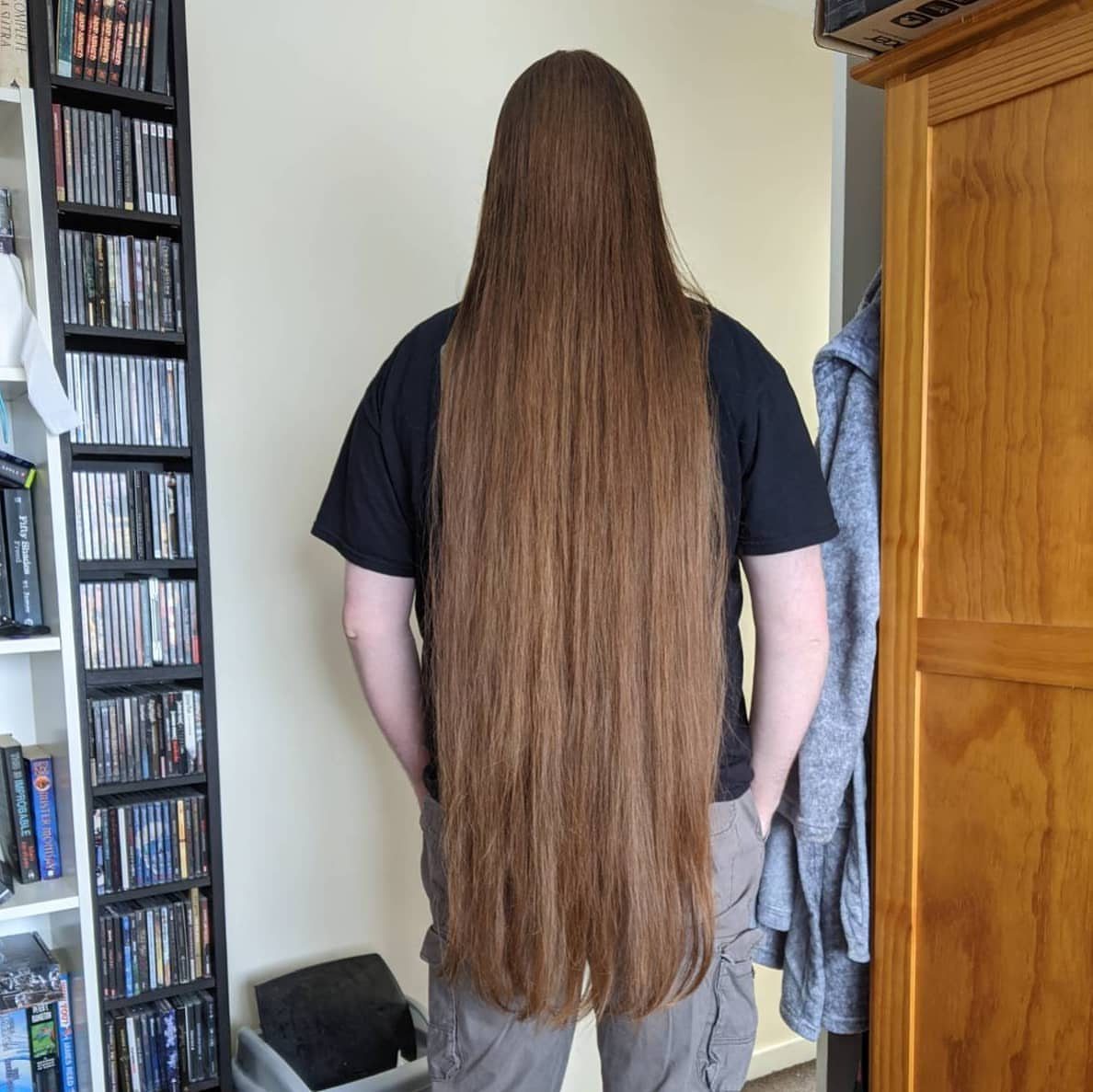
Hair grown past the shoulders and worn loose or tied back. Straight hair at this length falls cleanly without the bulk that comes with wave or curl.
Growing it out takes patience through the in-between stages. Once it reaches length, the maintenance shifts to conditioning and regular trims to keep the ends from splitting.
You can wear it down, pull it into a bun, or braid it. The length itself becomes the style, and mornings are faster than most short cuts that need daily styling.
12. Short Crop
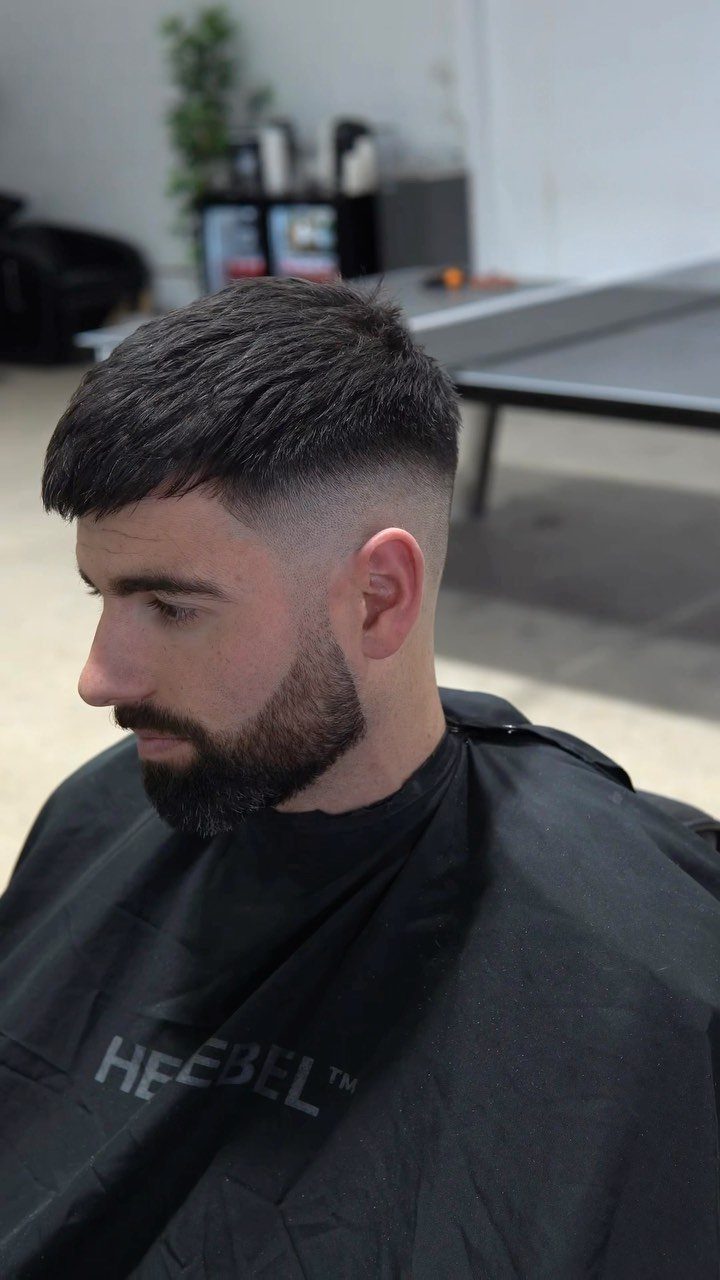
Clipped short on top with a fade or taper down the sides. The crop keeps length minimal, and straight hair at this length needs no styling to sit right.
The line stays clean and sharp.
Daily routine is just wash and go.
13. Skin Fade with Textured Top
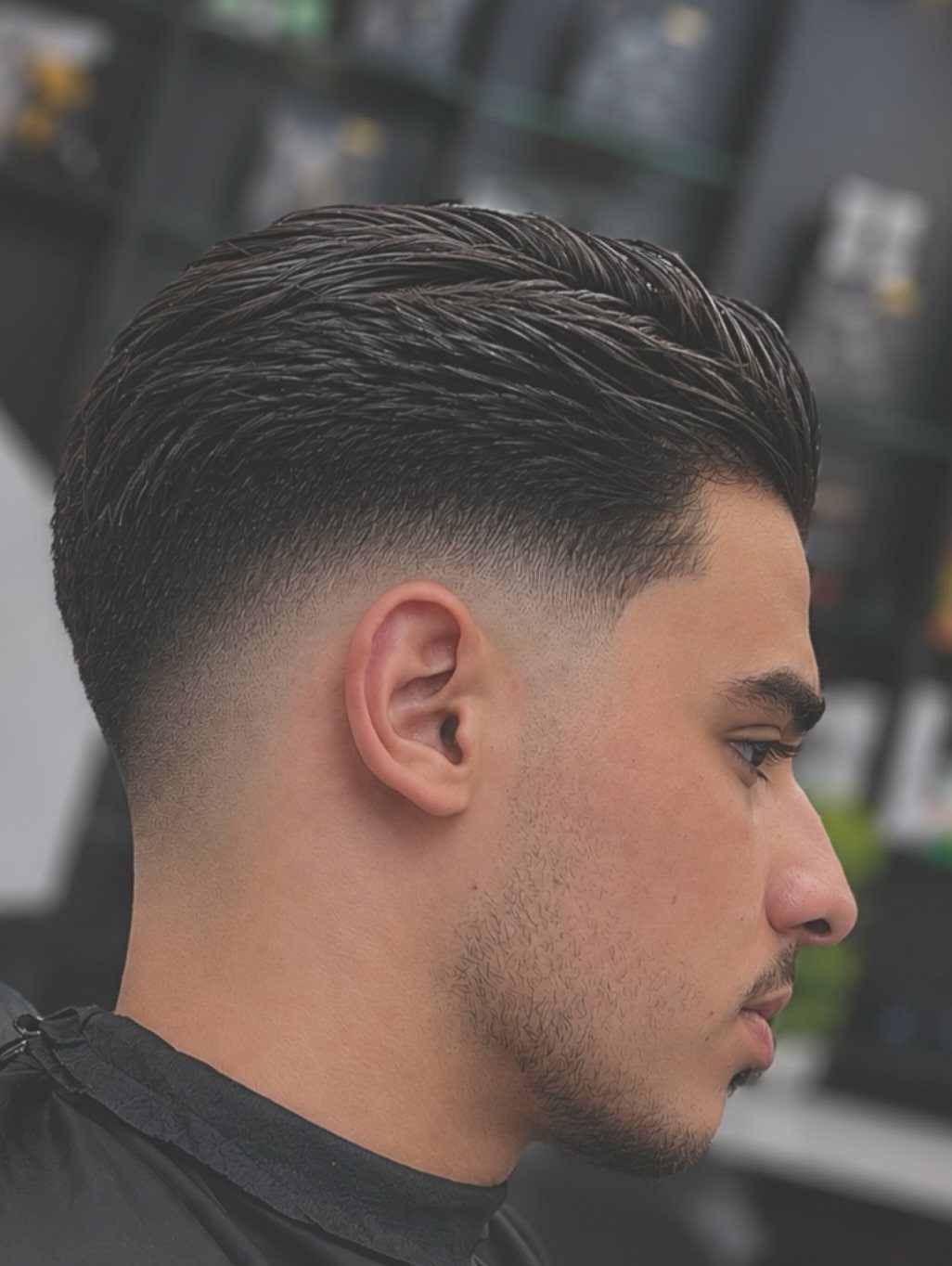
The sides and back go down to skin while the top keeps enough length to layer in texture. Straight hair shows that contrast cleanly, and the texture keeps the top from sitting flat.
Plan on a barber visit every couple weeks to keep the fade clean.
14. Dramatic Volume
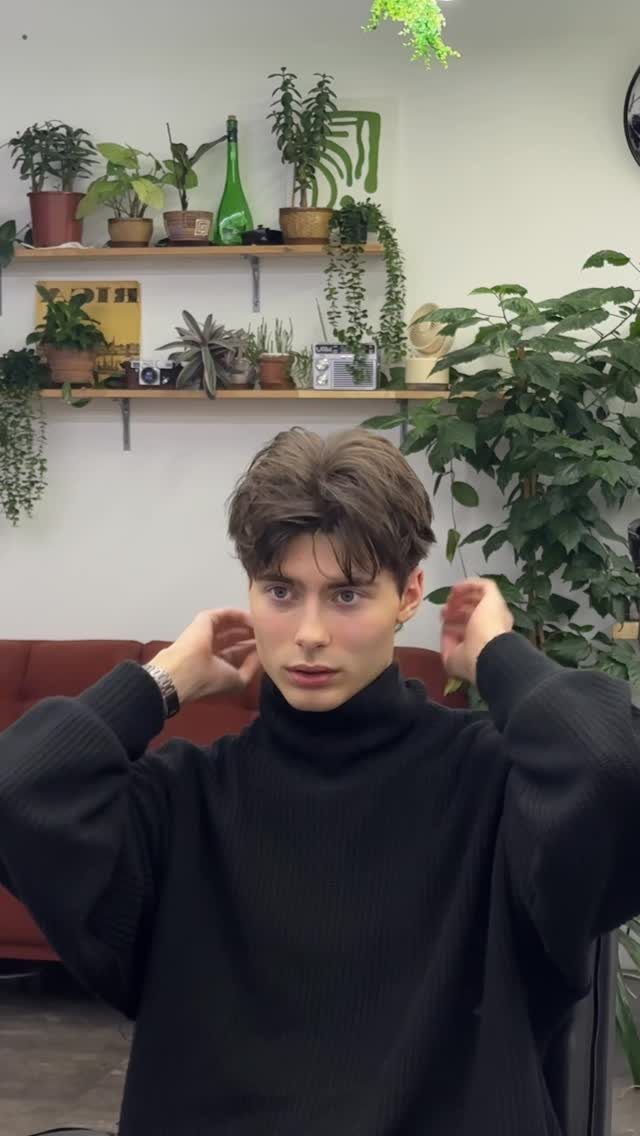
Height and fullness at the crown and through the top. Straight hair can be blown upward and set with product to hold that volume, and the length gives enough weight to shape it.
Expect to spend real time with a dryer each morning, and book trims often enough that the shape doesn’t flatten out.
15. Shaggy Hairstyle

Longer layers cut throughout with the fringe falling past the eyes and textured ends keeping it from looking heavy. Straight hair at this length sits with movement rather than holding a defined shape.
The layers are cut unevenly to break up the weight, and the sides grow out with the top instead of staying short.
Styling is minimal: let it air dry or run your hands through it. You’ll need trims regularly to keep the layers from growing out uniform, and the fringe will need cutting back when it gets in your way.
16. Brushed Back
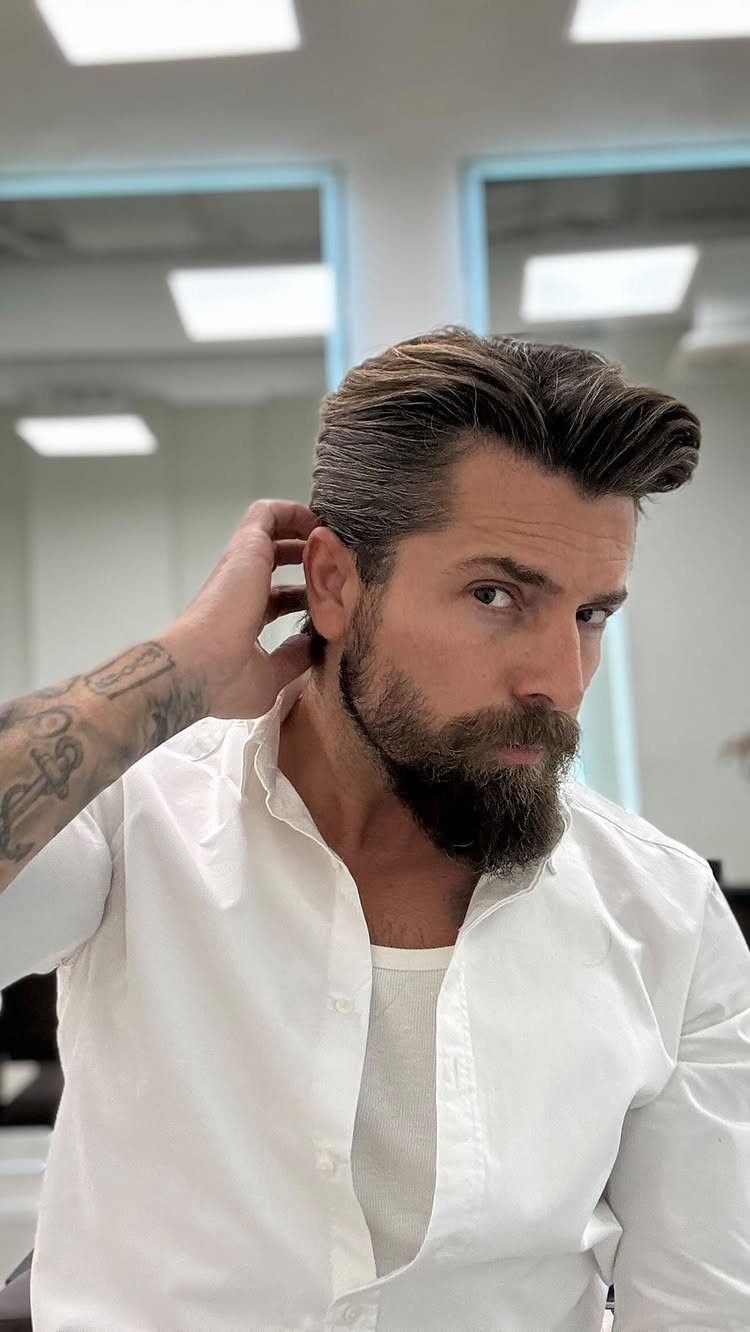
Comb the hair straight back from the forehead and let it sit without slicking it flat. Straight hair brushed back holds its direction without product adding shine or stiffness.
Length on top needs to be enough to brush back without popping forward. You can leave it loose or add light cream for hold if it needs it.
This style works if your hair naturally sits back or if you’re willing to train it.
17. Burr Cut Line Up
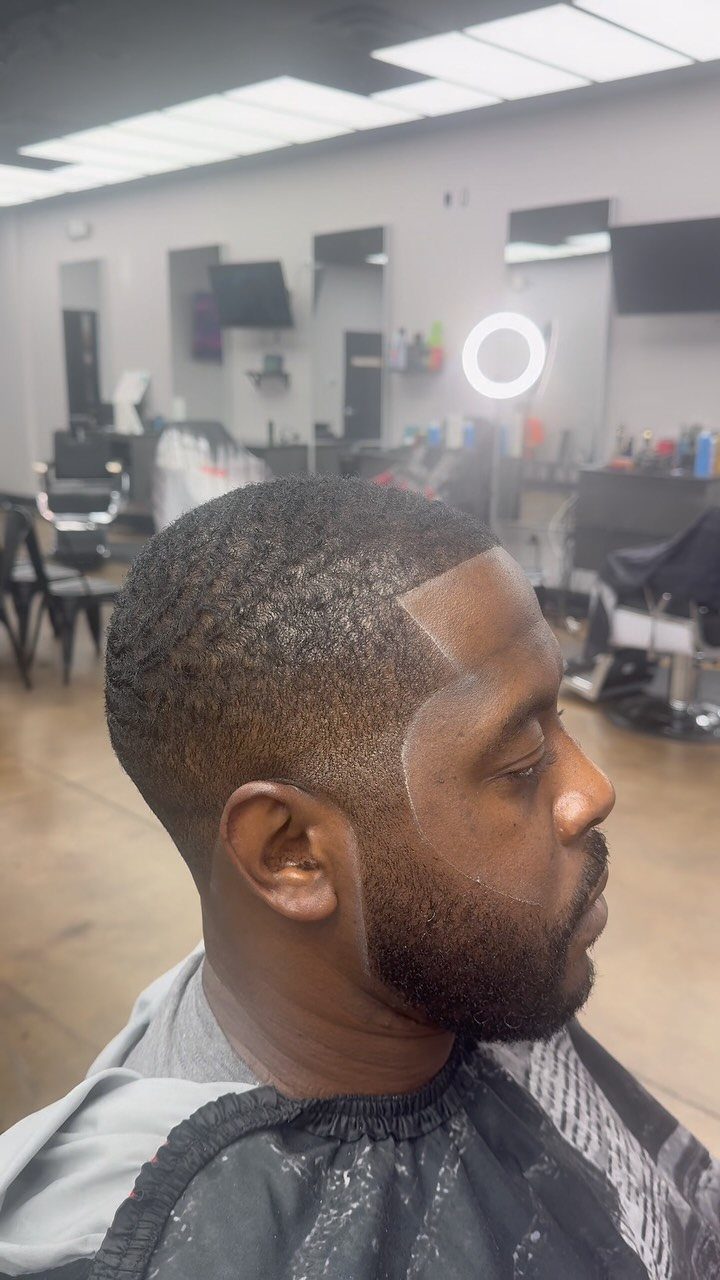
The whole head gets clipped short with the hairline shaved into clean, straight edges at the forehead and temples. The line-up defines the shape, and straight hair at this length sits uniform without texture softening the edges.
Tell your barber you want a burr cut and a razor line-up across the front and sides. The cut itself is low maintenance, but the line-up grows out fast and needs reshaping at least once a week to stay crisp.
Daily styling is zero. Wash, towel off, and you’re done.
Keep the hairline around the ears and neck longer, nothing too clean.
— GQ
18. Straight Hair Mullet
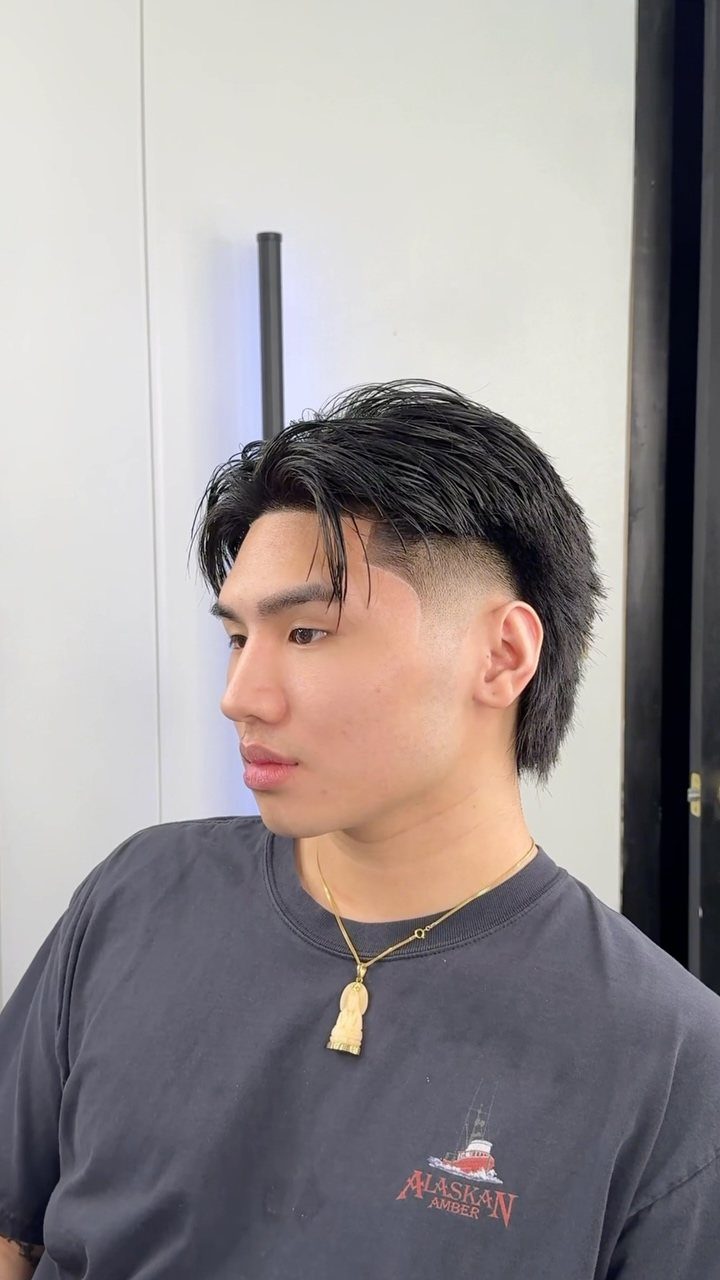
Short on top and the sides, long down the back. The contrast defines the mullet, and straight hair shows that length at the back without curl changing how it falls.
The sides can be clipped short, faded, or even shaved. How much length you grow at the back changes the proportions, but past the shoulders reads more committed than stopping at the nape.
Growing it takes time through the awkward phase when the back is catching up.
Once it’s there, the mullet needs regular trims at the front and sides to keep the contrast, and the back can grow as long as you want it.
19. Side Part with Taper

Part the hair to one side and comb it across. The taper down the sides and back keeps the focus on the parted top, and straight hair holds the part cleanly without wave pushing it off course.
Ask for a low or mid taper and enough length on top to comb over.
Work a small amount of pomade or cream through damp hair, comb it to the side following your natural part or where you want one, and let it set.
The taper needs a trim every few weeks. Styling takes a minute each morning.
Matching Cuts to Face Shape
Round faces gain length from volume on top.
A pompadour or quiff pulls the eye upward, and a textured crop with a high fade does the same. Cuts that sit uniform in length around the head skip that vertical lift and leave the proportions as they are.
Square faces soften with texture. Layered cuts, side parts, and messy fringes break up strong jawlines without exposing them fully the way an ultra-short buzz does.
Oblong faces benefit from fringe or side-swept styles that add width rather than height. Tall pompadours and slicked-back cuts with no volume at the sides make the face look longer.
Oval faces handle most styles without restriction. The balanced proportions work with crew cuts, quiffs, pompadours, and curtain bangs alike.
Length exceeds width by a clear margin in an oblong face. Square and round faces share similar forehead, cheekbone, and jaw width; the jaw angle separates them.
Straight Hair Styling and Care
Straight hair shows grease faster than textured hair because oil travels down the shaft without wave slowing it.
Washing daily with volumizing shampoo keeps it from looking lank, and conditioner goes on the ends rather than the roots to avoid weighing them down.
Sulfate-free shampoo gets rid of dirt and buildup without taking the oil your scalp makes.
A wide comb detangles without the breakage a fine-tooth comb causes.
Lightweight paste or clay adds texture without shine, and a blow-dryer with a round brush lifts the roots if you need volume.
Barber Visits and Communication
Bring a reference photo and name the style when you sit down.
Guard sizes: #1 leaves 3mm, #2 leaves 6mm, #3 leaves 9mm, #4 leaves 12mm. Knowing which guard you want on the sides keeps the cut consistent across visits.
Tell the barber how much length to leave on top in inches, and specify how you want the neckline. Tapered, blocked, or rounded each change how the back sits.
Frequently Asked Questions
Which haircut looks good on straight hair?
Crew cuts, pompadours, undercuts, textured crops, and quiffs all work well with straight hair because it holds shape without fighting the cut.
Short sides with length on top give you options: slick it back, push it forward, or part it to the side.
Pick based on how much time you want to spend styling each morning and how often you can get to a barber.
What are the different types of men’s hair?
Hair types fall into 4 categories: straight, wavy, curly, and coily.
Straight hair has little to no wave and can be fine or coarse, thick or thin. The curl pattern, strand thickness, and hair density together define your hair type.
How to style thinning straight hair for men?
A textured crop with short sides and a longer top works best because the texture breaks up the ends and makes hair look fuller.
Point cutting or razor work through the top adds movement that covers thin spots, and matte paste spreads through more strands than gel, which clumps and shows gaps.
Keep the fringe forward or pushed across to add coverage where you need it.
What haircut should I get for men?
Start with your face shape: round faces need volume on top like a pompadour or quiff, square faces soften with textured layers and side parts, oblong faces benefit from fringe that adds width, and oval faces handle most styles.
Factor in how much time you’ll spend styling and how often you can trim it. Show your barber a photo of the cut you have in mind and say its name out loud.