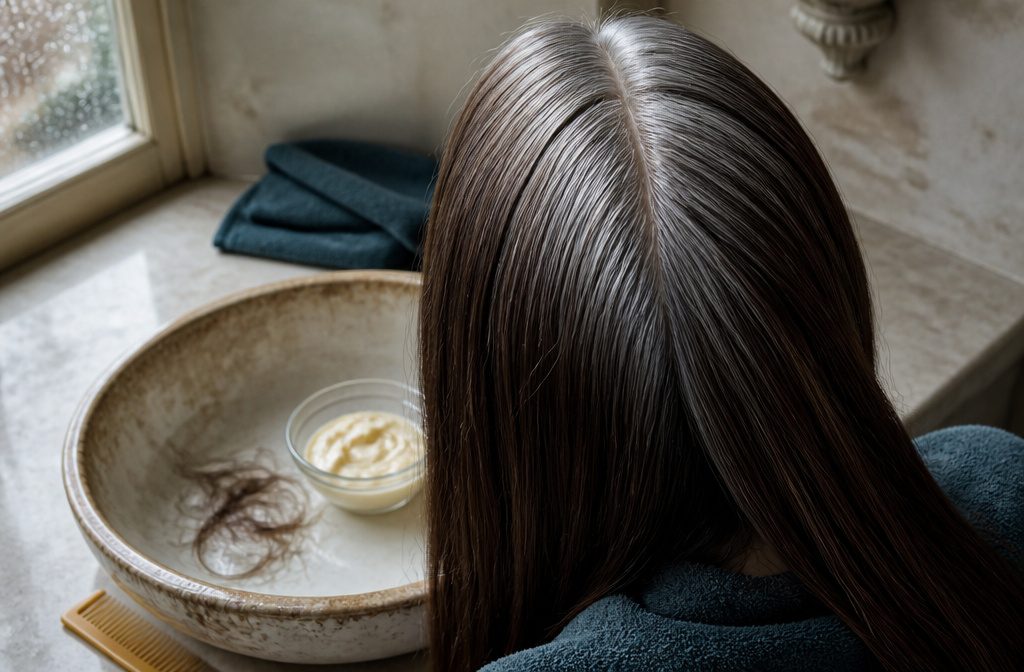
Permanent hair dye deposits color molecules deep in the hair shaft and locks them in until the hair grows out or gets cut off.
Semipermanent formulas sit closer to the surface and fade after about twelve shampoos, but permanent stays put. L’Oréal Excellence Creme in Light Ash Blonde and Garnier Nutrisse in Dark Brown hold gray coverage through multiple washes without turning brassy.
1. What Permanent Hair Dye Does
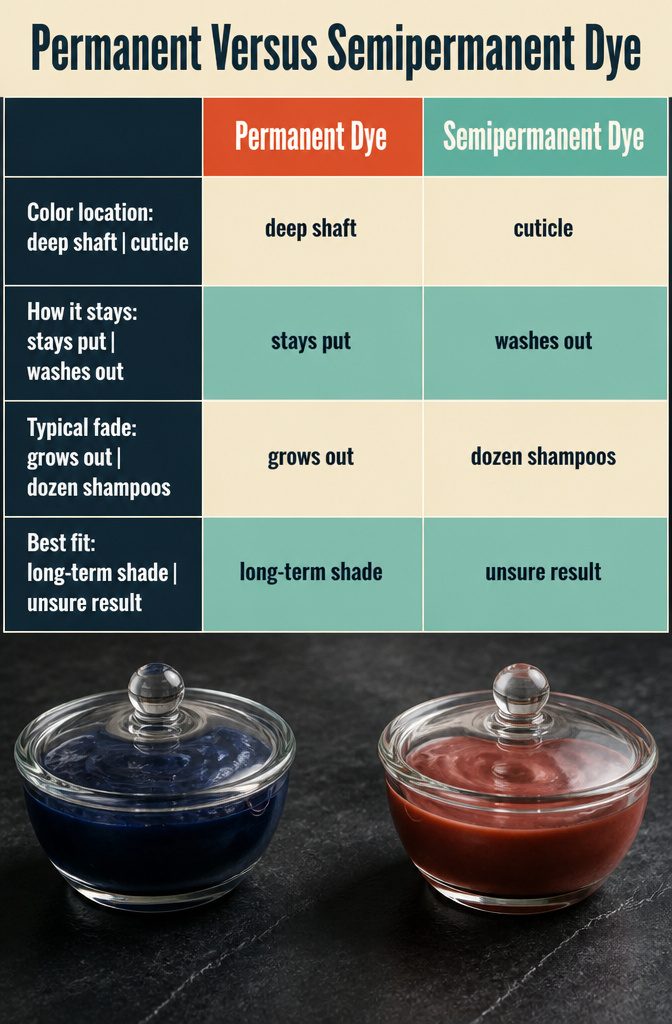
Permanent hair dye deposits color molecules deep in the hair shaft and stays there.
The color remains until the hair grows out or you cut it off. Semipermanent formulas, by contrast, sit closer to the surface and fade over time.
You can expect most demi-permanent dyes to last between 24 and 28 washes—roughly a month to a month and a half, depending on how often you wash your hair.
Semipermanent color penetrates the hair shaft and stains the cuticle, but it washes out after around a dozen shampoos. Permanent formulas build up color molecules in the shaft itself and stay put.
That makes permanent dye the choice if you want a dramatic change or you are committed to one shade long term. If you are not sure you like the result, you may need color-correcting services at a salon.
2. Shade Range and Formula Fit
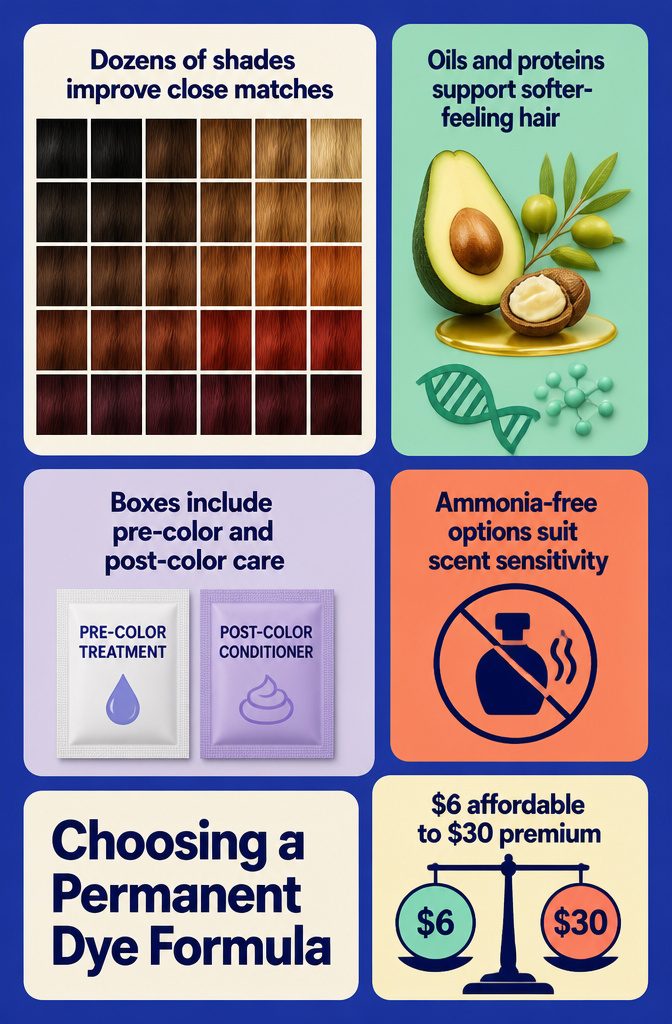
Choosing permanent dye starts with checking the shade range closely.
Brands that offer dozens of shades give you a better shot at finding something close to what you’re after, especially if you’re shifting by just a few tones rather than making a total change.
Nourishing formulas built around oils like avocado, olive, and shea or proteins like collagen, ceramide, and pro-keratin help keep hair from feeling fried after the process.
Boxes usually include a pre-color treatment to help the dye set and a post-color conditioner for right after you rinse.
If you’re sensitive to ammonia or strong smells, ammonia-free options exist and work well for natural-looking color. I look for products with reviews backing long-lasting results and gray coverage that actually holds rather than fading in a few weeks.
Price ranges from around $6 for affordable options to $30 for premium formulas that minimize damage, though sticking with known brands matters more than price alone.
3. Blonde Shades
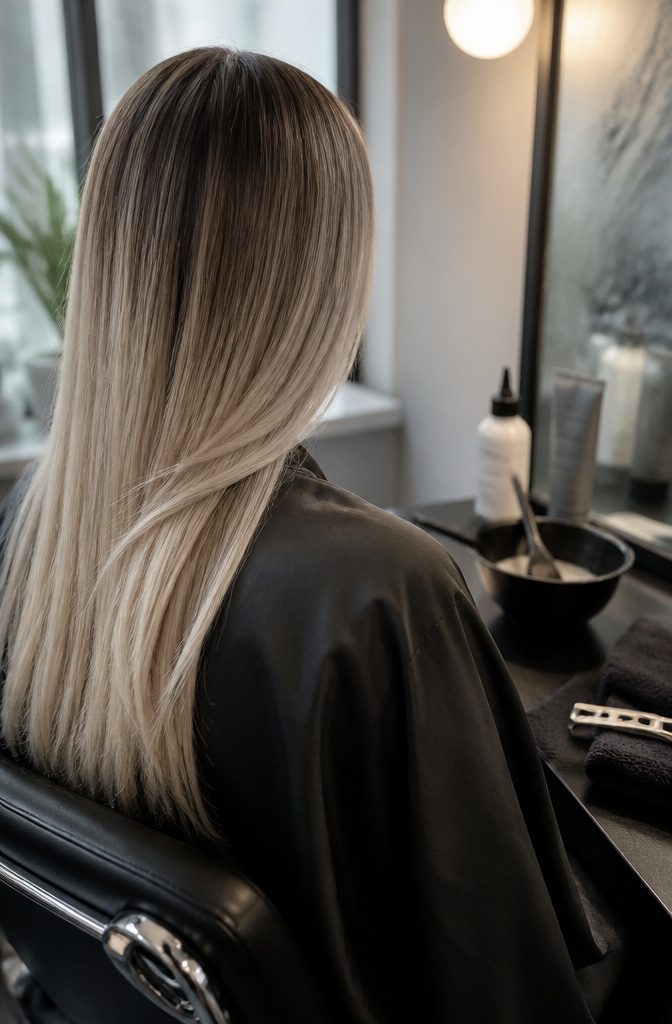
Going blonde with permanent color means choosing a formula that lifts your natural pigment without leaving brass or yellow behind. The ash-toned boxes do that work better than warm or neutral shades, especially if you started darker than a level 7.
L’Oréal Paris Excellence Creme in Light Ash Blonde keeps cool tone through multiple washes and has a conditioning treatment in the box that matters more with lifted color.
Clairol Nice ‘N Easy Permanent Hair Color in Natural Light Blonde lands warmer but still reads clean if your base is already medium blonde or lighter.
Wella Professionals Color Charm Permanent Liquid Hair Color in Light Ash Blonde runs lower in ammonia than most drugstore options and holds vibrancy longer, though you need to buy developer separately.
I lean toward the ash formulas when someone is lifting more than two levels, since warm blonde on dark roots looks unfinished by week three.
4. Brunette Shades
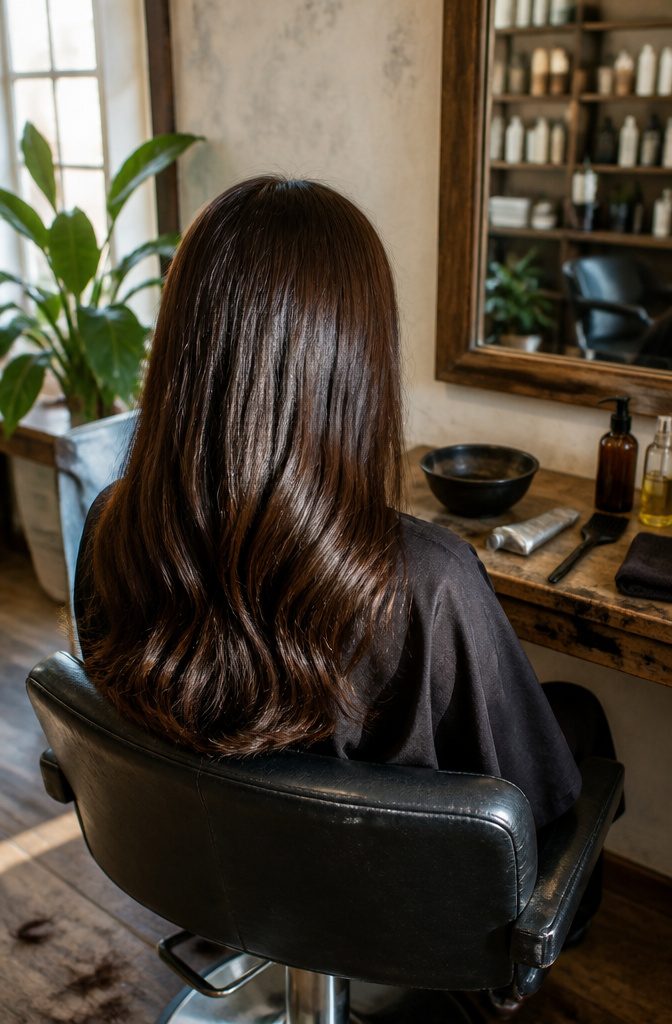
Dark brown shades benefit from formulas that condition while they color, because permanent dye at this depth can leave hair feeling stripped.
Garnier Nutrisse Nourishing Color Cream in Dark Brown delivers 100% gray coverage and includes avocado, olive, and shea oil in the mix. The application tube makes control easier than kit bottles that drip.
For a richer tone that reads chocolate rather than neutral brown, Schwarzkopf Professional Igora Royal Permanent Hair Color in Dark Chocolate holds true to the shade on the box without turning brassy as it fades.
Professional formulas cost more, but the pigment load is higher.
Clairol Professional Soy4Plex Liquicolor Permanent Hair Color in Medium Brown uses soy protein to strengthen hair during processing, a useful addition if hair is already dry or damaged from heat styling.
5. Red Shades
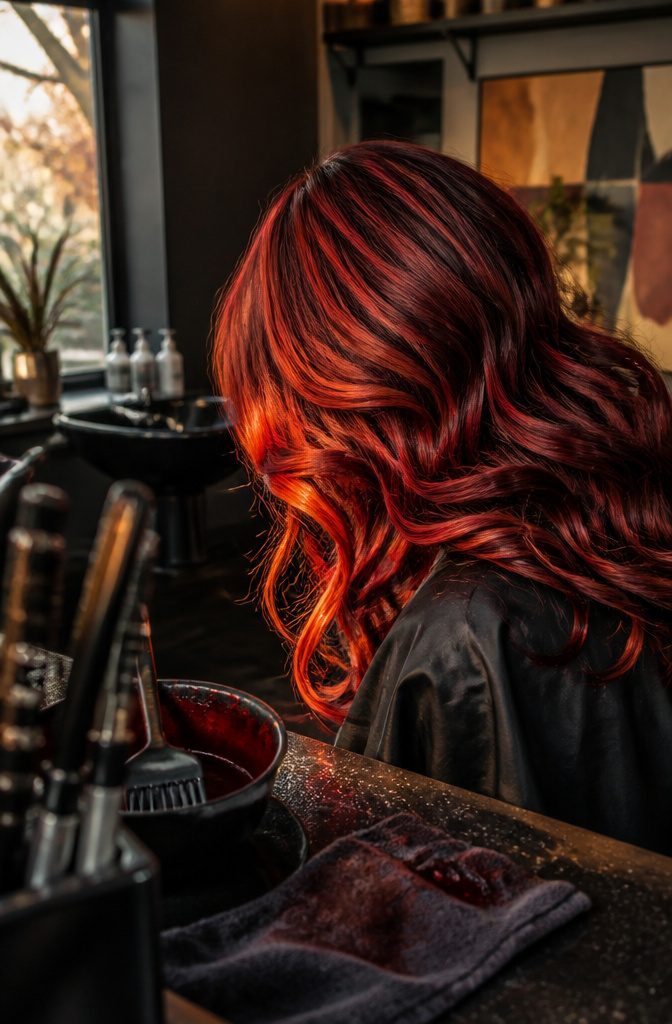
Red shades pull from both permanent and semi-permanent formulas, and the choice comes down to how long the color needs to last.
Permanent red dyes like Tints of Nature in Fire Red lock the color in through multiple washes and fade slower, which matters if the goal is to cover gray or shift natural brown several shades warmer.
Semi-permanent reds such as Manic Panic High Voltage in Vampire Red or Adore Creative Image in Crimson deposit color without lifting the base and wash out over six to eight weeks, giving more room to adjust if the first result skews too orange or too burgundy.
I lean toward semi-permanent for vivid reds because they let you test the shade without committing through months of regrowth, but permanent wins if the plan is full gray coverage or a single application that holds past summer.
6. Gray Coverage
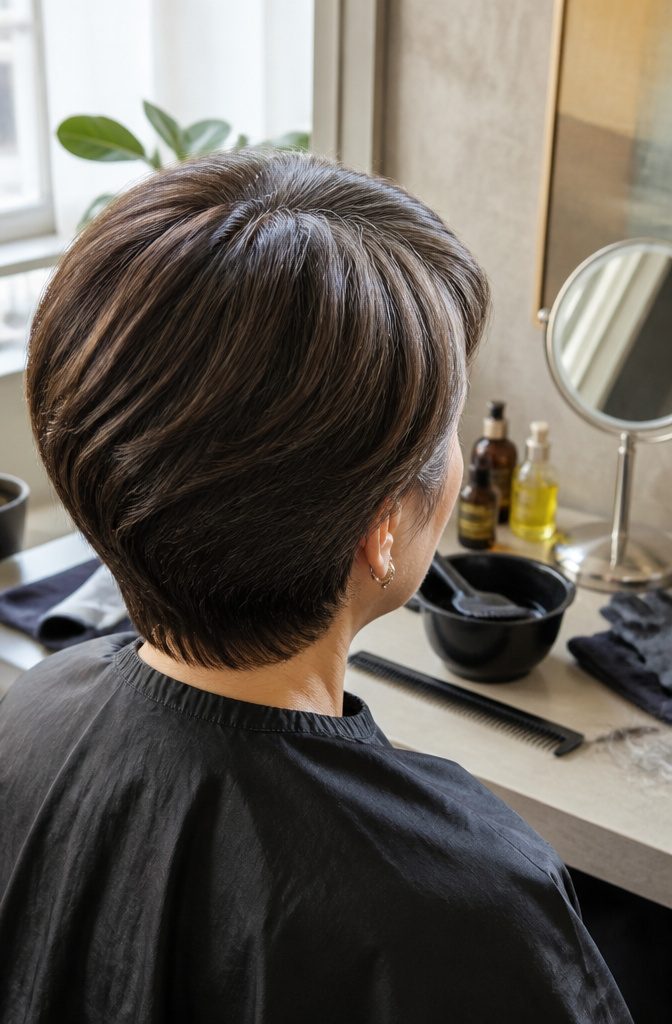
Gray hair changes texture as it comes in, so formulas built for coverage need conditioning weight behind them or the color grabs unevenly.
Clairol Age Defy Permanent Hair Color in Medium Brown addresses seven signs of aging hair in one shot and delivers full gray coverage without leaving the strand brittle.
Revlon Colorsilk Beautiful Color Permanent Hair Color in Dark Brown wraps nourishing agents around complete coverage, keeping processed hair from turning straw-dry by the second week.
Madison Reed Radiant Hair Color Kit leans into professional-grade mixing with keratin, argan oil, and ginseng in the formula, giving you 100% gray coverage and a finish that reads natural rather than flat.
All three hold their ground through multiple washes, but the Madison Reed kit gives you the cleanest fade if your grays grow fast and you need predictable root transition.
Allergies and Patch Testing
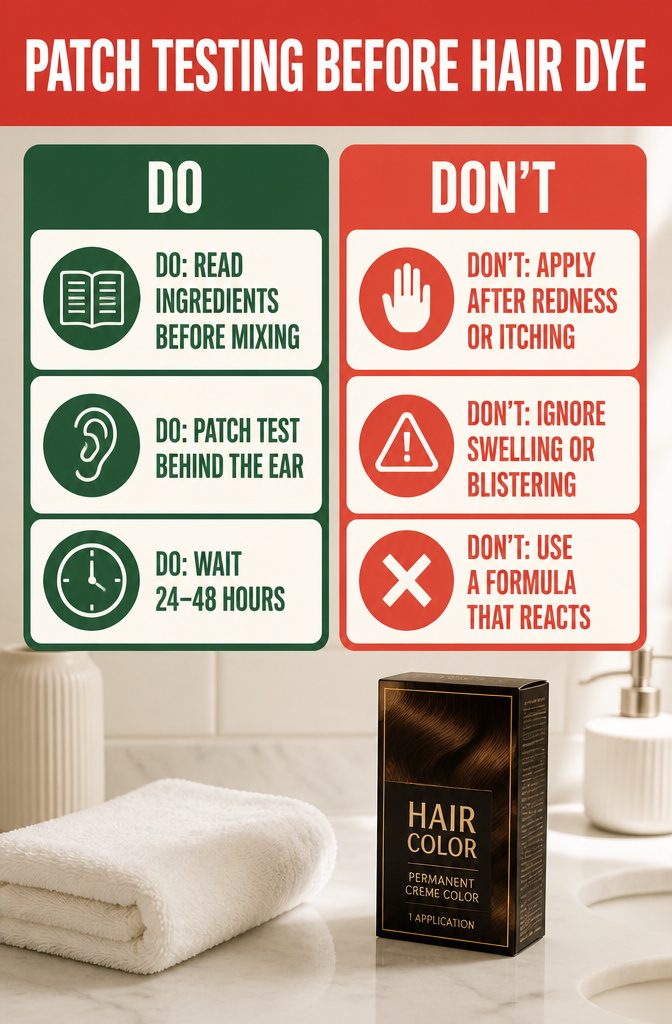
Hair-color chemicals can cause skin reactions in some people. Most experience mild tingling during application, but extreme reactions exist: blistered scalps, hair loss, swelling that needs medical attention.
The ingredient list tells you what you’re putting on your head. Read it before you mix anything, especially if you’ve reacted to dyes, bleach, or certain preservatives in the past.
Patch testing means trying the color in a small area behind your ear twenty-four to forty-eight hours before you commit to a full application.
Mix a small amount of the dye, apply it to clean skin, leave it for the time the box recommends, then rinse. If the spot stays calm, proceed.
If it reddens, itches, or raises, that formula is not for you. Look for gentler ingredients or skip permanent dye altogether and go with a demi or semi option instead.
Following Directions and In-Box Tools
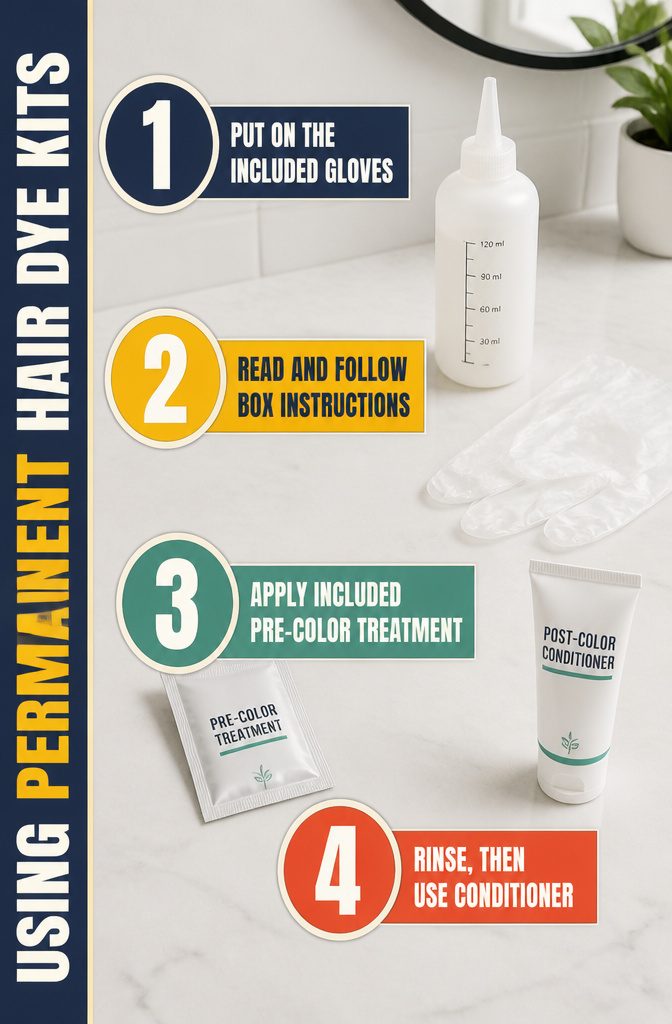
Every box comes with mixing instructions that give the timing, the water temperature for rinsing, and whether you need to combine anything before application.
Follow the time period listed on the box rather than guessing or cutting it short, since leaving dye on longer than directed can damage hair and pulling it off early means patchy coverage.
The gloves included are single-use and should go on before you crack open the dye bottle.
Many kits include a mixing bottle, an attachment brush, or a separation comb for working through sections.
Pre-color treatment prepares hair and helps the dye set better, so use it if the box includes one. Post-color conditioner goes on immediately after you rinse out the color, and most boxes include enough to keep using weekly for maintenance.
Once you mix the dye and activator, the leftovers cannot be saved. Dispose of anything you mixed but did not use.
Do not combine formulas from different boxes or brands, even if the shades look close. The chemistry differs and mixing products can throw off the color or cause damage you were not planning on.
Color-Safe Shampoo and Root Touch-Ups
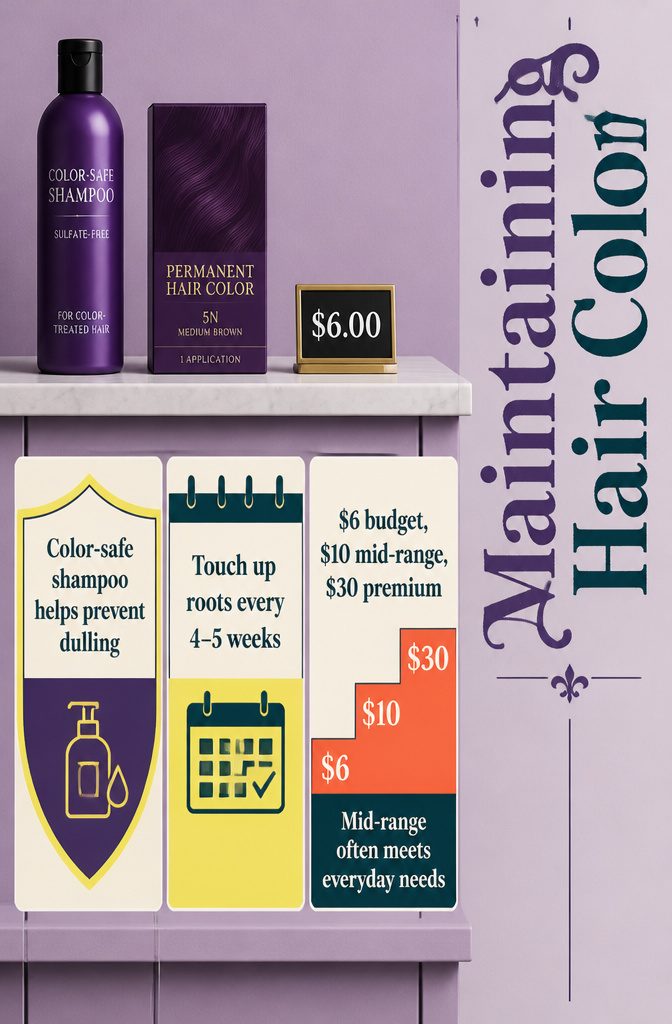
Switching to a color-safe shampoo once you’ve dyed makes a real difference.
These formulas include ingredients that help hair grip color and stop it from shifting or dulling after each wash, and many add UV filters or extra conditioners for protection.
The dye itself lasts, but the shampoo you use afterward decides how long it looks the way you wanted.
Root touch-ups work best on a four to five week schedule.
Wait longer and the line between old and new color starts to look unkempt. Staying inside that window also means a single box covers what grew in without needing a second one.
I time it by how visible the contrast gets rather than by the calendar, but most boxes run out right around the five-week mark anyway.
Price varies enough to matter. Affordable permanent dye runs around $6 per box, mid-range options land closer to $10 and often include better conditioning, and premium products can hit $30 per application.
The expensive ones cause less damage and deliver cleaner color, but the mid-range tier usually covers what most people need without paying for diminishing returns.
Frequently Asked Questions
Does color-safe shampoo make a big difference?
Yes.
Color-safe shampoos include ingredients that help hair hold onto dye and prevent shifting or dulling after each wash. Many add UV filters or extra conditioners for protection, keeping color looking the way you wanted for longer.
How long should I wait between applications to cover my roots?
Root touch-ups work best on a 4 to 5 week schedule.
Wait longer and the line between old and new color starts to look unnatural. Staying inside that window also means a single box covers what grew in without needing a second one.
Can permanent hair dye fade completely?
No.
Permanent dye deposits color molecules deep in the hair shaft and stays there until the hair grows out or you cut it off. The color itself does not wash away the way semipermanent formulas do after a dozen shampoos.
How do I choose the right hair color?
Check the shade range closely and pick a brand that offers dozens of options, especially if you are shifting by just a few tones.
Look for nourishing formulas built around oils like avocado or shea or proteins like collagen and keratin to keep hair from feeling fried after processing.